
Over time, dieting has changed how many people perceive food. Instead of eating based on hunger, taste, or tradition, food is now judged by calories, labels, and rules. Cultural and traditional meals, once seen as normal food, are often treated as unhealthy even when they have been part of people’s lives for generations.
Because of this, many people feel stuck between wanting to eat well and enjoying the foods they grew up with without guilt or constant restriction. If this sounds familiar, this article explores food as culture and how to eat in ways that support health without diet culture getting in the way.
Learn how to eat well without diet culture by enjoying meals, honouring tradition, and listening to your body for healthy and guilt-free eating.
What Food As Culture Really Means
Food is never just fuel. Across every culture, it carries history, identity, and shared experience. The foods we grew up with, the flavours of celebrations, and even our everyday snacks tell a story about who we are and where we come from.
Eating is a social act, a ritual, and a connection to family, community, and tradition. When we comprehend food in this manner, nutrition and pleasure do not conflict; rather, they coexist.
Recognising the cultural roots of what we eat is the first step to enjoying meals thoroughly, without guilt, and without letting diet rules overshadow the experience.
How Diet Culture Changed The Way We Eat
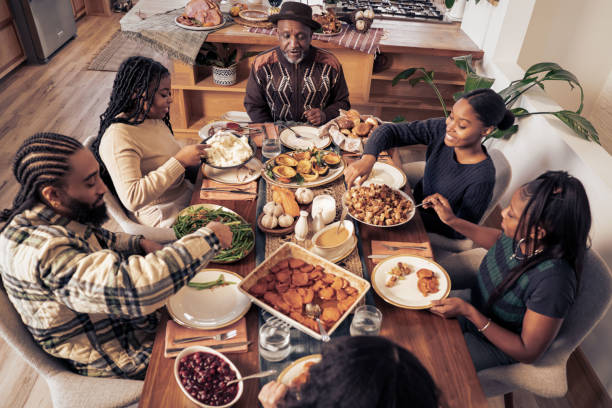
Have you ever felt guilty for eating a slice of cake or skipping a workout? That’s diet culture at work. It’s the set of unwritten rules that tells us some foods are good, and others are bad.
And that creates an illusion that strict rules are the only way to be healthy. In short, diet culture measures worth by what and how much we eat, not by how nourished or happy we feel.
Because of these rules, even traditional meals and family recipes can start to feel off-limits. Eating becomes stressful rather than joyful.
People start counting calories, following strict diets, and labelling foods as “cheats” or “forbidden,” leaving little room for the pleasure and connection that make eating meaningful.
Diet culture doesn’t just change what we eat; it also changes how we eat. Instead of listening to our bodies or respecting cultural traditions, we follow external rules that often create cycles of guilt, restrictions, and anxiety.
Reclaiming food as pleasure and nourishment means rejecting diet culture. By practising mindful and intuitive eating, we can rebuild trust with our bodies, fully enjoy meals, honour traditions, and still eat healthy food, thereby truly eating well without adhering to diet culture.
What Eating Well Without Diet Culture Looks Like
Eating well without a diet. Culture starts with a simple idea: food as culture can be nourishing, enjoyable, and meaningful all at once. It’s not about strict rules, forbidden foods, or “fixing” your body. It’s about paying attention to what your body needs, enjoying the flavours you love, and honouring the traditions behind the meals you eat.
At its core, eating well without diet culture focuses on three key principles:
1. Listen to Your Body
Trust your hunger and fullness cues. Stop counting calories or labelling foods as “good” or “bad”. Mindful eating helps you stay present during meals and reconnect with your body’s signals.
2. Celebrating Food And Tradition
Enjoy family recipes, traditional dishes, and meals that reflect your culture. Enjoyment, togetherness, and cultural heritage are just as important as nutrition.
3. Nourishing Without Restriction
Include healthy foods that fuel your body and support your well-being. Eating based on your body’s signals helps you meet your needs without guilt or rigid rules.
This mindset turns eating into something supportive rather than stressful and sets the stage for practical ways to eat well without diet culture.
Practical Ways To Eat Well Without Diet Culture

Eating well without diet culture doesn’t require a complete reset of your life or your kitchen. It starts with small, realistic shifts that help food feel less stressful and more supportive, while still respecting food as culture.
Remove food labels. Instead of calling foods good, bad, or cheats, pay attention to how meals make you feel. Some foods energise you, some comfort you, and some simply satisfy. All of these experiences belong in healthy eating without guilt.
Build meals around balance, not restriction.
Rather than cutting foods out, think about what you can add. Vegetables, proteins, grains, and fats can share the same plate. This approach supports nourishment and enables you to eat well without adhering to diet culture.
Slow down and stay present when you eat.
You don’t need perfect mindful eating habits. Simply noticing taste, fullness, and satisfaction helps you reconnect with your body and enjoy food more naturally.
Make space for cultural and familiar foods. Traditional meals and family recipes are part of food as culture, not something to earn or justify. They can exist alongside healthy food and everyday nourishment.
Focus on patterns, not perfection. Eating well without diet culture is shaped by consistency over time, not single meals. One plate does not define your health. Your overall relationship with food does.
These practical shifts allow healthy food, cultural meals, and everyday enjoyment to coexist without rigid rules or constant self-judgement.
Why Cultural And Traditional Foods Can Still Be Healthy

Diet culture often frames traditional meals as something to “fix”, lighten, or avoid. But many cultural foods were built around balance, nourishment, and shared eating long before calories or food rules existed.
Seeing food as culture means recognising that health doesn’t only come from modern diet trends. Traditional meals usually combine carbohydrates, proteins, fats, and vegetables in practical ways that support energy and fullness.
These foods weren’t designed for restriction. They were designed to sustain people through daily life, work, and community.
When cultural foods are labelled as unhealthy, individuals start to disengage from the concept of eating well without adhering to diet culture.
Meals lose meaning, and food becomes something to control instead of something to rely on. This is how guilt replaces trust around healthy eating. Cultural and traditional foods also support consistency. People are more likely to eat balanced meals regularly when the food feels familiar and satisfying.
This matters more than chasing perfection or following strict diet rules that don’t last. Healthy food doesn’t have to look foreign or trend-driven. It can be the meals you grew up with, cooked in ways that respect both nourishment and enjoyment, when you include tradition, eating well without diet culture becomes realistic, not restrictive.
ALSO READ:
- Healing Foods: Ancestral Wisdom for Modern Wellness
- The Modern Woman’s Guide to African Superfoods
- Minimalist Wellness: Stylish, Simple Routines That Elevate Your Day
- Quiet Rituals for a Stronger Mind, Body, and Spirit
How To Eat Well Without Following Diet Rules

Eating well without diet culture means stepping away from rigid food rules and choosing meals that support your body, daily life, and cultural habits.
Diet rules often dictate what to eat, when to eat, and what to avoid. Over time, this creates stress and confusion around food. Instead of feeling nourished, people begin to overthink every meal.
Eating based on your body’s signals helps you meet your needs without guilt or rigid rules. Hunger, fullness, energy, and satisfaction become practical guides, making healthy eating feel more natural and sustainable.
This approach leaves room for cultural foods, shared meals, and everyday eating without constant correction. It supports eating well without diet culture by focusing on trust and consistency rather than restriction.
Conclusion
Eating well without diet culture is about trust, balance, and connection. It’s not about strict rules or labelling foods as “good” or “bad”.
By listening to your body, honouring cultural and traditional meals, and focusing on nutrition rather than restrictions, you can enjoy food fully. Approaches like mindful eating and eating based on your body’s signals make this practical and sustainable.
When food becomes a source of pleasure, heritage, and health, you reclaim the joy of eating. Food as culture isn’t just a concept; it’s a way to eat well, stay healthy, and feel connected to yourself and your community.
Frequently Asked Questions
1. How Do I Stop Feeling Guilty About Eating Certain Foods?
Guilt often comes from diet culture. Try paying attention to your body’s signals and letting yourself enjoy meals without labelling them as “good” or “bad.” This helps you eat well naturally and without stress.
2. Can I Still Eat My Family’s Traditional Dishes And Be Healthy?
Absolutely. Most traditional meals balance proteins, grains, and vegetables. Eating them mindfully lets you honour culture while supporting your health; no dieting is required.
3. What Does Eating Based On Your Body’s Signals Really Mean?
It means noticing when you’re hungry, satisfied, or complete, and letting those cues guide your choices. It’s about healthy eating without following rigid diet rules.
4. How Do I Practice Mindful Eating If I’m Always Busy?
Start small. Focus on one meal at a time, eat without distractions, and notice taste and fullness. Even brief moments of attention improve your connection to food and reduce stress.