When you think about the fight for our planet, you can’t ignore Africa. The world owes a massive debt to African environmental activists. Their work doesn’t stop at country borders; it tackles climate change head-on, and they do it in ways that go way beyond what you see in the West. Whether it’s Nobel Prize winners, teenage strikers, defenders of indigenous rights, or scientists pushing the envelope, these folks show that real, lasting change can start on African soil.
Back in 2004, Wangari Maathai made history. She became the first African woman to win the Nobel Peace Prize because she stood up, loudly and bravely, against an oppressive regime in Kenya. But she’s just one name on a long list. Together, these activists keep proving a point: Africa’s environmental movement never separates nature from people. They know you can’t fight climate change without talking about poverty, inequality, indigenous rights, or politics. These are battles fought all at once. For them, saving the environment means fighting for justice, opportunity, and democracy, all rolled into one.
Discover 10 environmental activists leading global climate action through grassroots movements, conservation efforts, and youth-driven climate justice advocacy.
Top 10 Environmental Activists
1. Wangari Maathai – The Nobel Laureate Who Started With One Tree
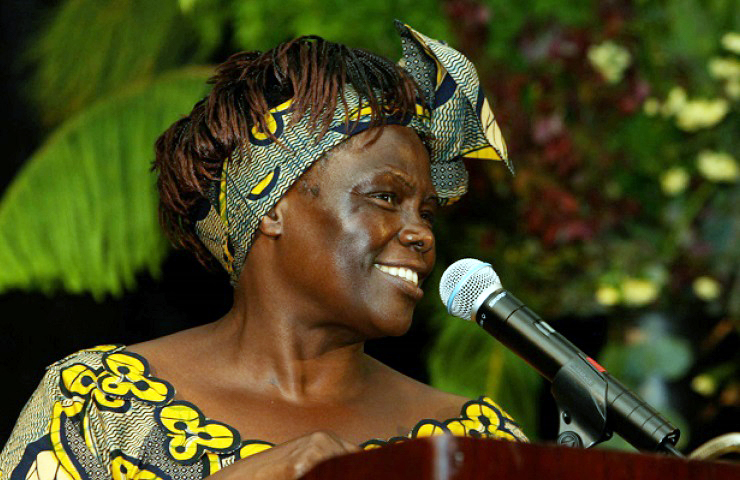
Wangari Maathai (1940-2011) didn’t just talk about change; she dug her hands right into the dirt. She started the Green Belt Movement in her backyard, with nothing more than a tree nursery and a fierce belief in community action. It was primarily women at first who planted trees to fight back against deforestation and the creeping desert. But it grew fast. The Green Belt Movement has now planted more than 51 million trees across Kenya.
Maathai wrote four books and broke every mould set for her. She was the first African woman to get the Nobel Peace Prize, and the first to win it for environmental work. She made it clear that protecting the land meant empowering women, building a stronger economy, and standing up to bad politics. When she received her Nobel Prize, she said, “I believe the Nobel Committee was sending a message that protecting and restoring the environment contributes to peace; it is peace work.” Her legacy continues to inspire activists throughout Africa and beyond.
2. Vanessa Nakate – Youth Voice Demanding Climate Justice
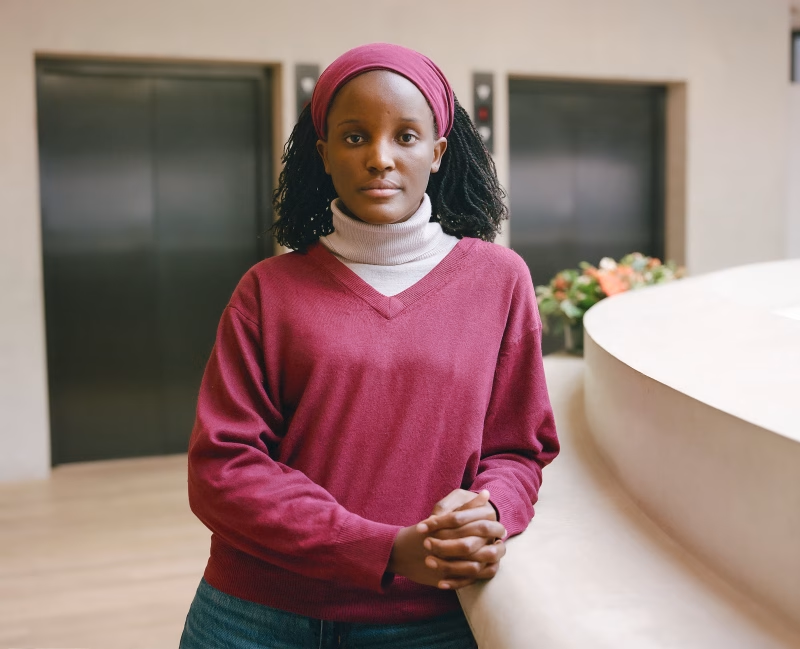
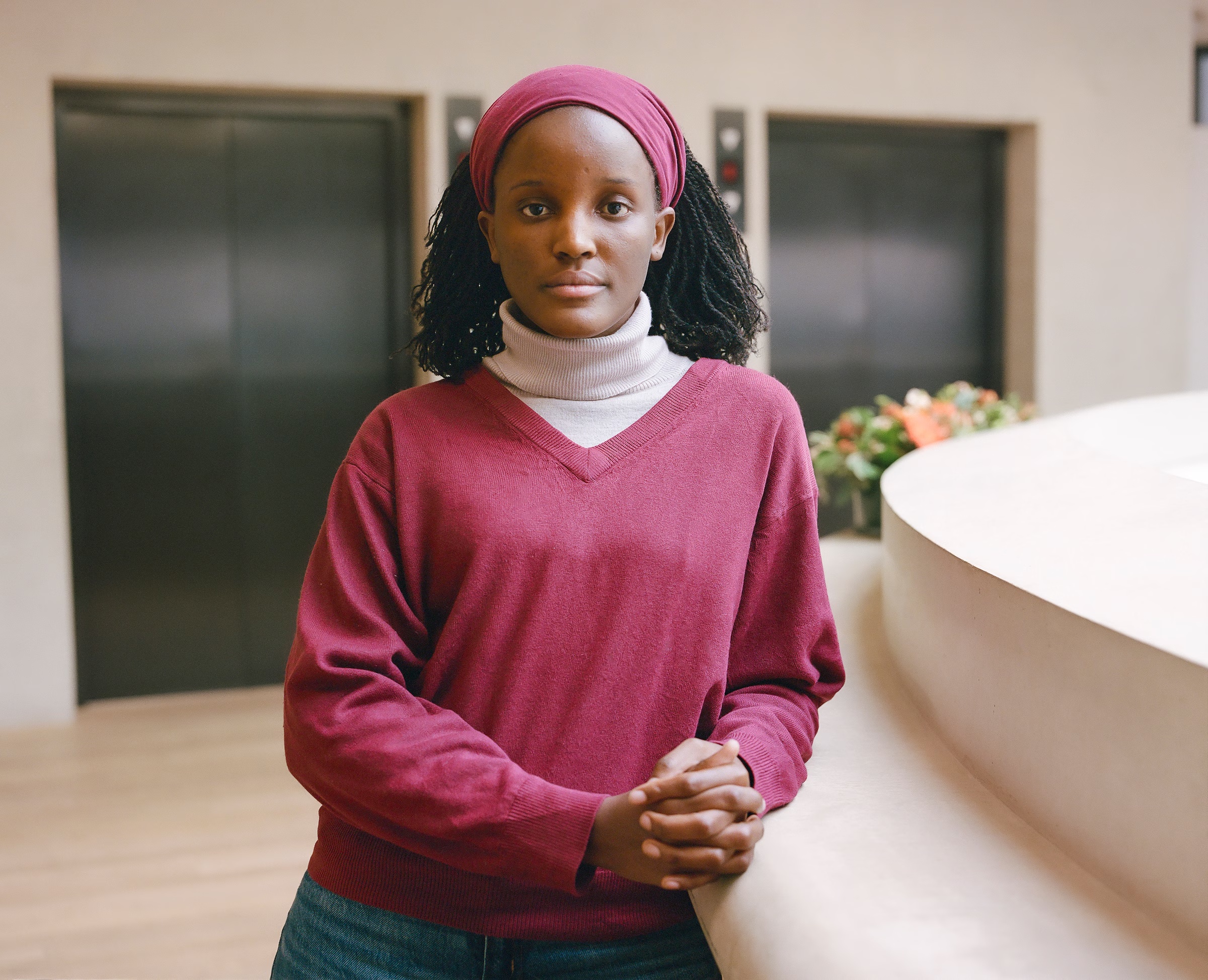
Vanessa Nakate isn’t waiting around for someone else to save her future. She started her climate activism on the streets of Kampala, Uganda, back in 2019. Inspired by Greta Thunberg, she stood alone at first, holding signs and demanding action. But that spark turned into something bigger. She launched Youth for Future Africa and the Rise Up Movement, rallying young people to demand climate justice.
In 2020, Nakate made international news, not for something she did, but for something that happened to her. A news outlet cropped her out of a photo with other (white) climate activists. Her response was sharp: “You didn’t just erase a photo; you erased a continent.” That moment only made her voice louder. Nakate started the Green Schools Project, bringing solar energy and eco-friendly stoves to thirty schools in Uganda so far. She is not only advocating for herself, but also ensuring that global climate talks do not marginalise Africa.
3. Hindou Oumarou Ibrahim – Indigenous Rights Meet Climate Action
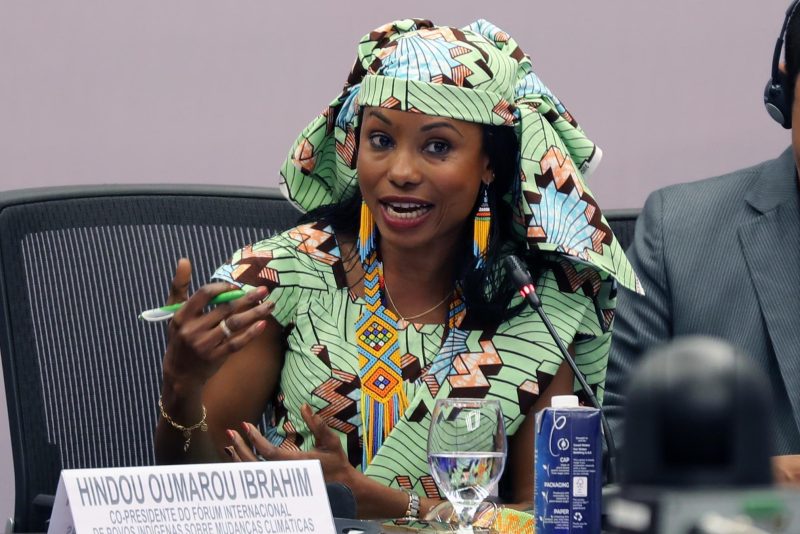
Hindou Oumarou Ibrahim fights for both her people and her land. She’s from Chad, and she stands up for the Mbororo, nomadic herders living in the Sahel. Her activism is living proof that indigenous knowledge matters. These communities know how to manage resources, protect biodiversity, and maintain balance with nature, skills that modern science is only now beginning to respect.
Ibrahim’s work shows that climate solutions have to include, not push aside, indigenous communities. She treats their traditions as strengths, not problems to be fixed. For her, real conservation means keeping these voices at the centre of the conversation.
4. Elizabeth Wanjiru Wathuti – Nurturing Green Generations
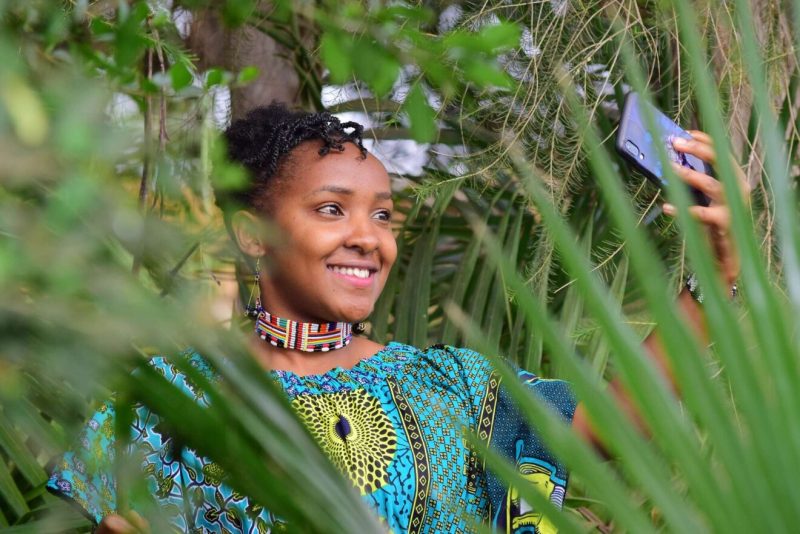
Elizabeth Wanjiru Wathuti, a Kenyan activist, started the Green Generation Initiative to engage young people in environmentalism early, primarily through tree planting and ecological education. She knows that if you want a real, lasting movement, you have to help kids build a real connection with nature from the start. For Wathuti and others like her, teaching kids about the environment is itself a form of activism. She’s making sure the next generation grows up with the knowledge and commitment they’ll need to protect the planet long after any one campaign or organisation fades away.
5. Yero Sarr – Senegalese Youth Mobiliser
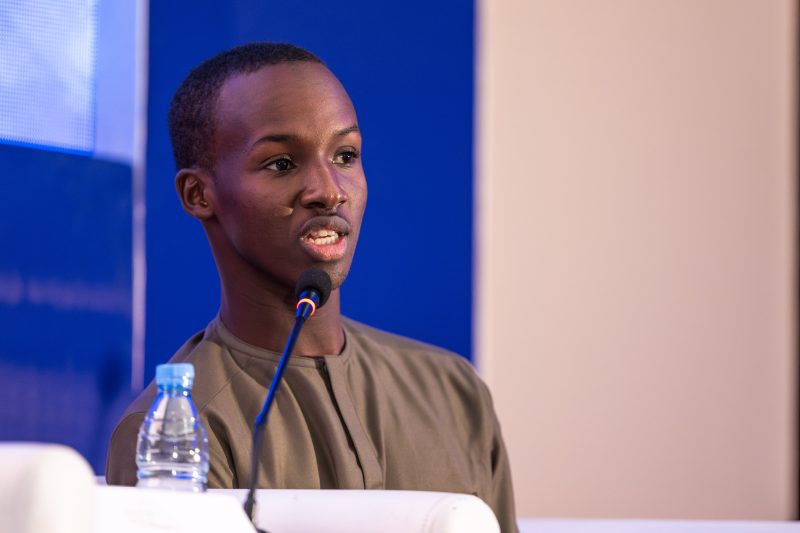
Yero Sarr, a youth leader from Senegal, co-founded Fridays For Future Senegal and has been rallying his peers to take action on climate change through school strikes and public protests. He’s part of a wave of young African activists who aren’t afraid to take direct action, borrowing ideas from global youth movements but giving them a distinctly African twist. Sarr’s work shows how African activists adapt these strategies to local realities, facing down challenges such as desertification, water shortages, and fragile farming communities on the front lines of climate change.
6. Inna Modja – Artist as Environmental Advocate
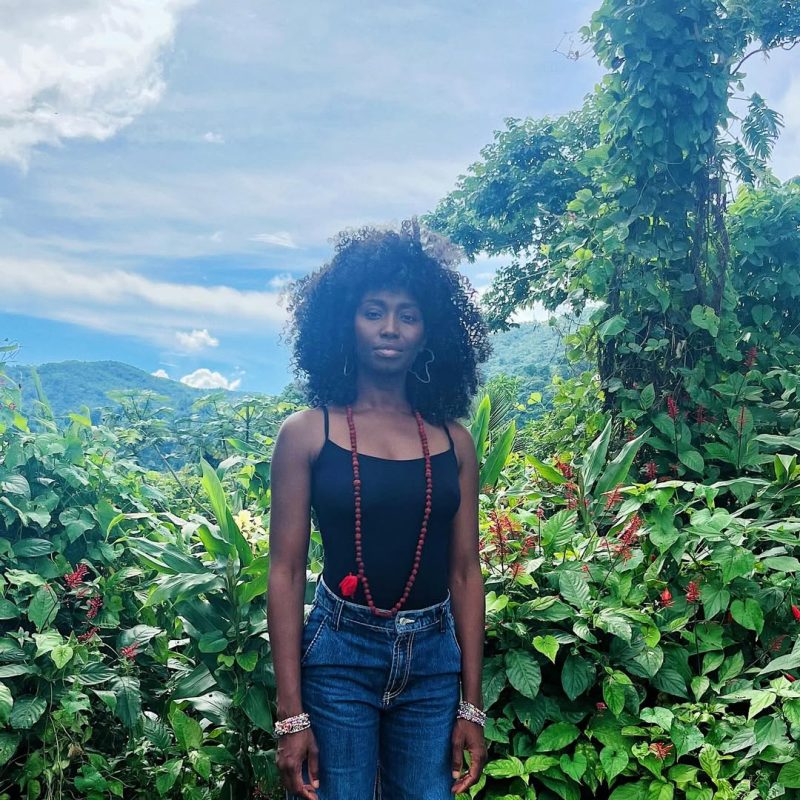
Inna Modja, a musician from Mali, uses her art to call attention to climate change and desertification. She’s one of those activists who understands that sometimes, numbers and reports only go so far; people connect with stories, music, and culture. Modja knows how to reach beyond policy meetings and into people’s lives, where change actually takes root. Her fame helps her get the message out there, boosting the signal for countless grassroots activists whose voices might not otherwise be heard.
7. Evelyn Acham – Education-Focused Climate Warrior
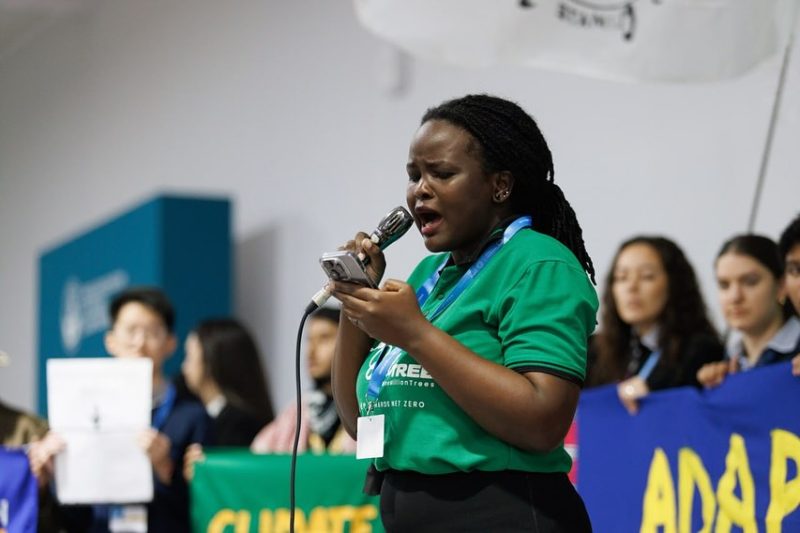
Ugandan climate activist Evelyn Acham is all about making climate education part of everyday learning, not just an after-school project. As part of the Arctic Angels and National Coordinator for the Rise Up movement, she organises strikes and leads campaigns, always pushing for deeper climate literacy. Acham believes that real change starts with what’s taught in schools, not just what’s discussed at rallies. Her Plus One Tree Project blends awareness with hands-on conservation, showing how advocacy and action go hand in hand.
READ ALSO
- Rest As A Luxury Commodity: The New Power Of Protecting Your Peace
- Hip-Hop’s Cultural Legacy: From Bronx Streets to Global Phenomenon
- 10 African Animation Studios Revolutionising Global Entertainment
8. Remy Zahiga – Congo Basin’s Defender
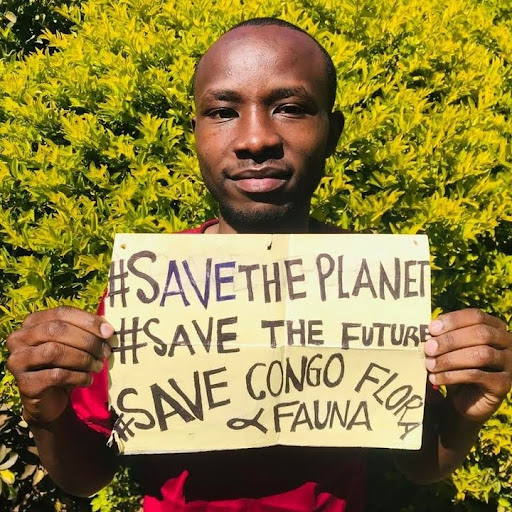
Remy Zahiga stands up for the Congo Basin, the world’s second-largest rainforest and a key player in the fight against climate change. This forest soaks up vast amounts of carbon and supports millions of lives, yet it barely gets a mention compared to the Amazon. Zahiga’s activism is about more than protecting trees; he’s calling out the world’s lack of attention to Africa’s ecological crises. He wants the Congo Basin to get the support and recognition it truly deserves, for the sake of the planet, not just the region.
9. Dr. Susan Chomba – Scientific Leadership in Restoration
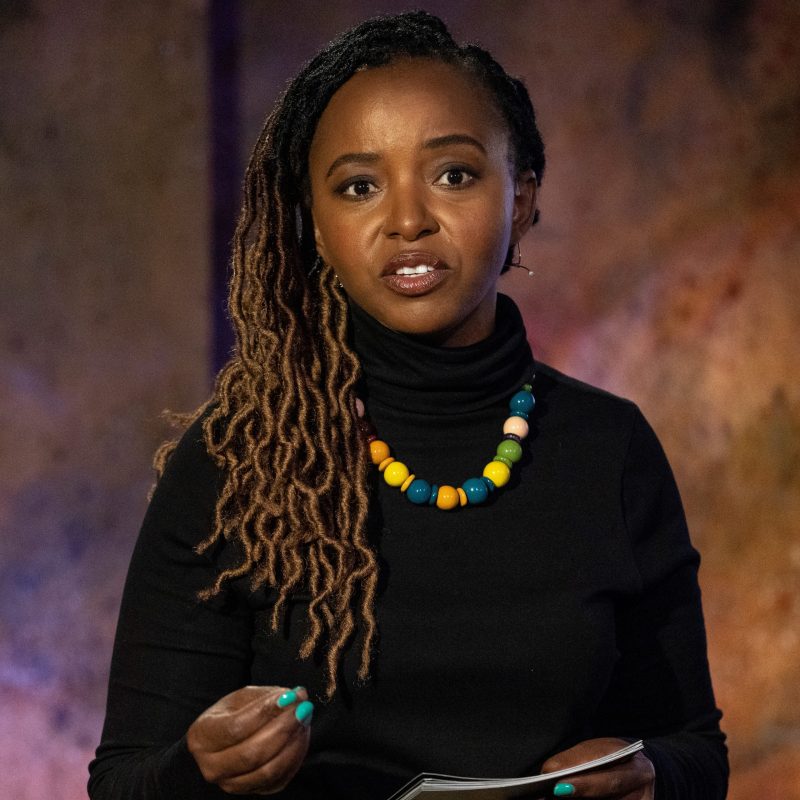
Dr. Susan Chomba leads the charge on forest landscape restoration and sustainable food systems at the World Resources Institute. She stands out amongst African environmental activists; she’s not just an organiser but a scientist who knows her stuff and shapes policy at the highest levels. Her research-backed work shows the world that African activists aren’t just working in the field; they’re guiding international conservation strategies, breaking the old stereotype that sees Africans only as grassroots mobilisers, not scientific leaders. Chomba navigates between village tree nurseries and global policy rooms, demonstrating the inclusion of African environmental activists in all decision-making processes.
10. Nnimmo Bassey: The Niger Delta’s Voice Against Pollution
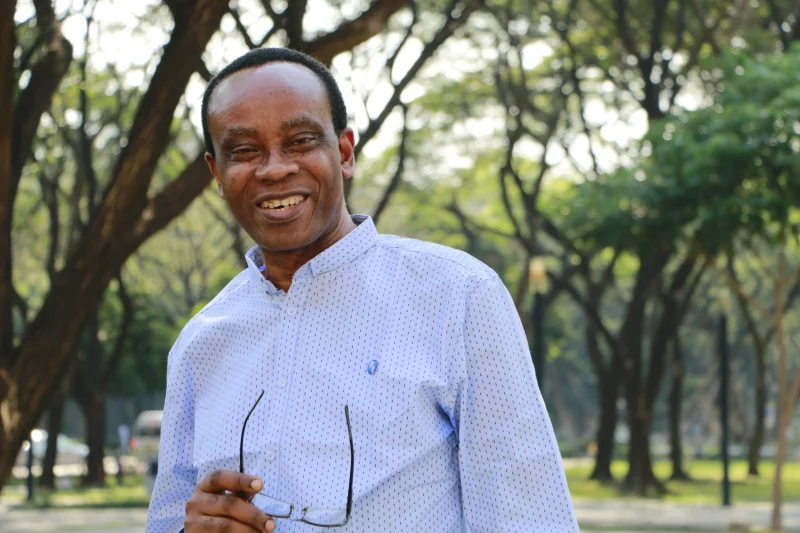
Nnimmo Bassey has spent decades fighting oil pollution and pushing for climate justice in Nigeria’s Niger Delta. He’s the voice calling out environmental racism, taking on big oil companies that pollute local lands while sending their profits far away. Bassey’s work makes it clear: real climate justice in Africa means going up against corporate giants, exposing colonial leftovers, and challenging economic systems that put profit over the health of people and the planet. He doesn’t just show up when the cameras are rolling; he’s made this fight his life, showing what genuine commitment to environmental justice looks like.
Why Do African Environmental Activists Matter Globally?
African environmental activists are crucial, as the continent is disproportionately affected by climate change, despite its minimal contribution to the issue. The Nobel committee got the point when they honoured Wangari Maathai for her work planting trees and spreading peace. They acknowledged the connection between environmental protection and the development of stable economies and peaceful societies, which, in turn, contribute to the prevention of conflict. These activists show that you can’t really solve climate issues without also fighting poverty, gender inequality, and threats to democracy. Western movements often chase high-tech fixes, but African activists remind us that real solutions need to tackle all these problems at once.
How Are These Activists Building Movements?
African environmental activists aren’t just talking; they’re out there building movements from the ground up. They organise in their communities, rally young people, use art as inspiration, do scientific research, and speak up in international forums. They know change takes a mix of strategies: planting trees and ideas, doing research and marching in the streets, lobbying policymakers and creating local alternatives. They’re not just “activists”; they’re organisers, teachers, scientists, artists, and diplomats all rolled into one. The standard activist label doesn’t do them justice.
Frequently Asked Questions
1. Who was the first African woman to win the Nobel Peace Prize for environmental work?
Wangari Maathai made history in 2004 as the first African woman to win the Nobel Peace Prize. She started the Green Belt Movement in Kenya, planting well over 51 million trees and helping women gain power in their communities. She also pushed for democratic governance. What’s remarkable is that she was the first laureate picked mainly for her work in environmental sustainability.
2. What is Vanessa Nakate known for?
Vanessa Nakate stands out as the founder of the Rise Up Movement, which amplifies the voices of African climate activists. She kicked off the Green Schools Project, bringing solar panels to schools in Uganda. In 2022, UNICEF named her a Goodwill Ambassador. She also sparked a global conversation about racism in environmental activism after being cropped out of a photo with white climate activists.
3. Why are African environmental activists critical?
African environmental activists matter, big time, because Africa faces some of the harshest effects of climate change, even though the continent contributes only a small share of global emissions. These activists show that fighting climate change isn’t just about technology; it’s about tackling poverty, gender equality, indigenous rights, and democracy simultaneously. Western environmental movements often miss that bigger picture.
4. What challenges do African environmental activists face?
The hurdles are enormous. African environmental activists deal with government crackdowns, shoestring budgets compared to Western groups, and barely any media attention. Their work can be dangerous; some face threats, violence, or arrest, especially from extractive industries or hostile governments. Even with the risks, they continue to fight for their communities and the planet.
5. How can people support African environmental activists?
There are plenty of ways to help. Donate to groups such as the Green Belt Movement or the Rise Up Movement. Share their stories on social media. Ask for better media coverage of African climate issues, and choose fair-trade or ethical products. Push governments and companies to stop harmful practices in Africa. Most of all, treat African activists as leaders and experts, not just as people to feel sorry for.