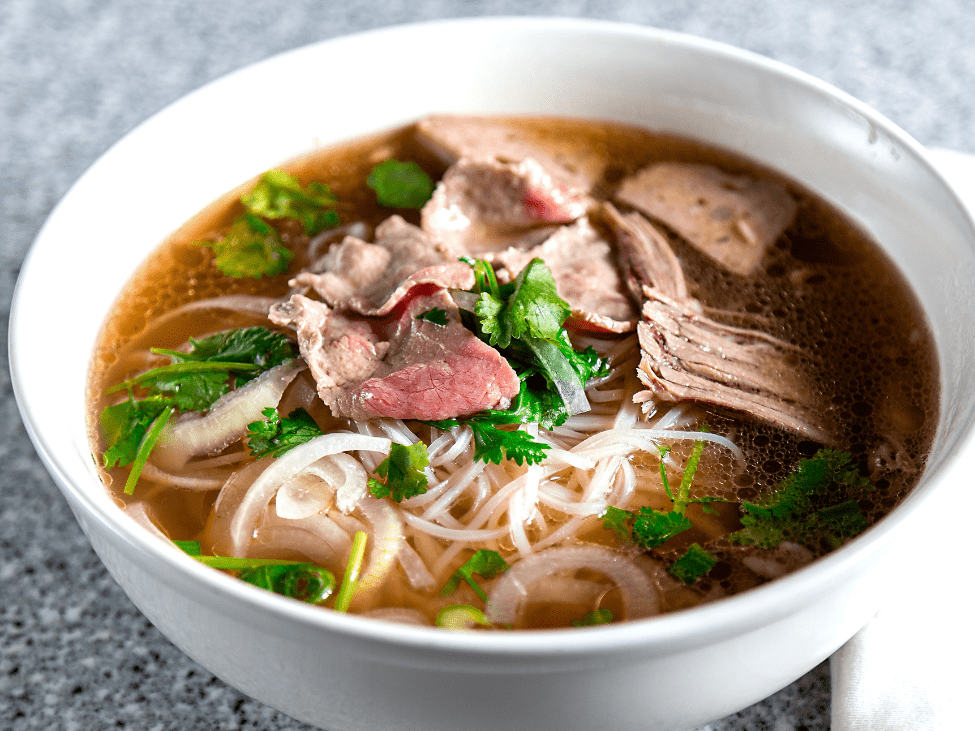
Walk down the street in just about any major city, and you’ll spot the unofficial embassies of the world: restaurants run by immigrants, serving dishes that carry the flavours of home. These places do a lot more than fill empty stomachs. They’re cultural outposts, introducing new tastes and traditions to people who might never visit the countries where these meals come from. Every day, these restaurants help preserve memories, bridge cultures, and open doors, sometimes more effectively than any official government campaign.
Food has always connected people. Immigrants keep their culinary traditions alive, but they also adapt, mixing what they know with what’s available in their new home. That’s how you get all sorts of fusion dishes – familiar, but with a twist. It’s not just about nostalgia, either. These kitchens create jobs, spark curiosity, and build communities, all whilst serving up something delicious. So, when people talk about “culinary diplomacy, it isn’t just diplomats in suits at fancy banquets. Cooks, restaurant owners, and food entrepreneurs shape the world’s perception of a country, one dish at a time.
Discover how African diaspora cuisine functions as cultural diplomacy, connecting continents through jollof rice, soul food, and heritage preservation.
The Strategic Power of Culinary Diplomacy
Culinary diplomacy is basically the art of winning people over with food. Sharing a meal can dissolve barriers. Suddenly, you’re not just talking politics or history; you’re connecting, person to person. Eating together makes everything a little easier, a little warmer. Food is uncomplicated, unlike films or books that can become entangled in ideology or politics. It’s inviting. You don’t need to pledge allegiance to try a new dish, just an open mind and maybe a fork.
This is why diaspora cuisine works so well as a diplomatic tool. It welcomes people in. It teaches without lecturing, offering small, tasty lessons about a country’s culture. You leave with a full stomach and maybe a fresh perspective.
How Does Diaspora Cuisine Differ from State-Led Gastrodiplomacy?
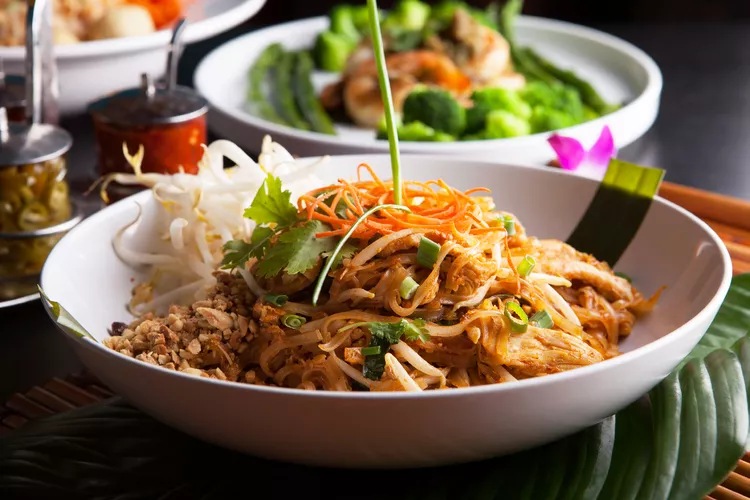
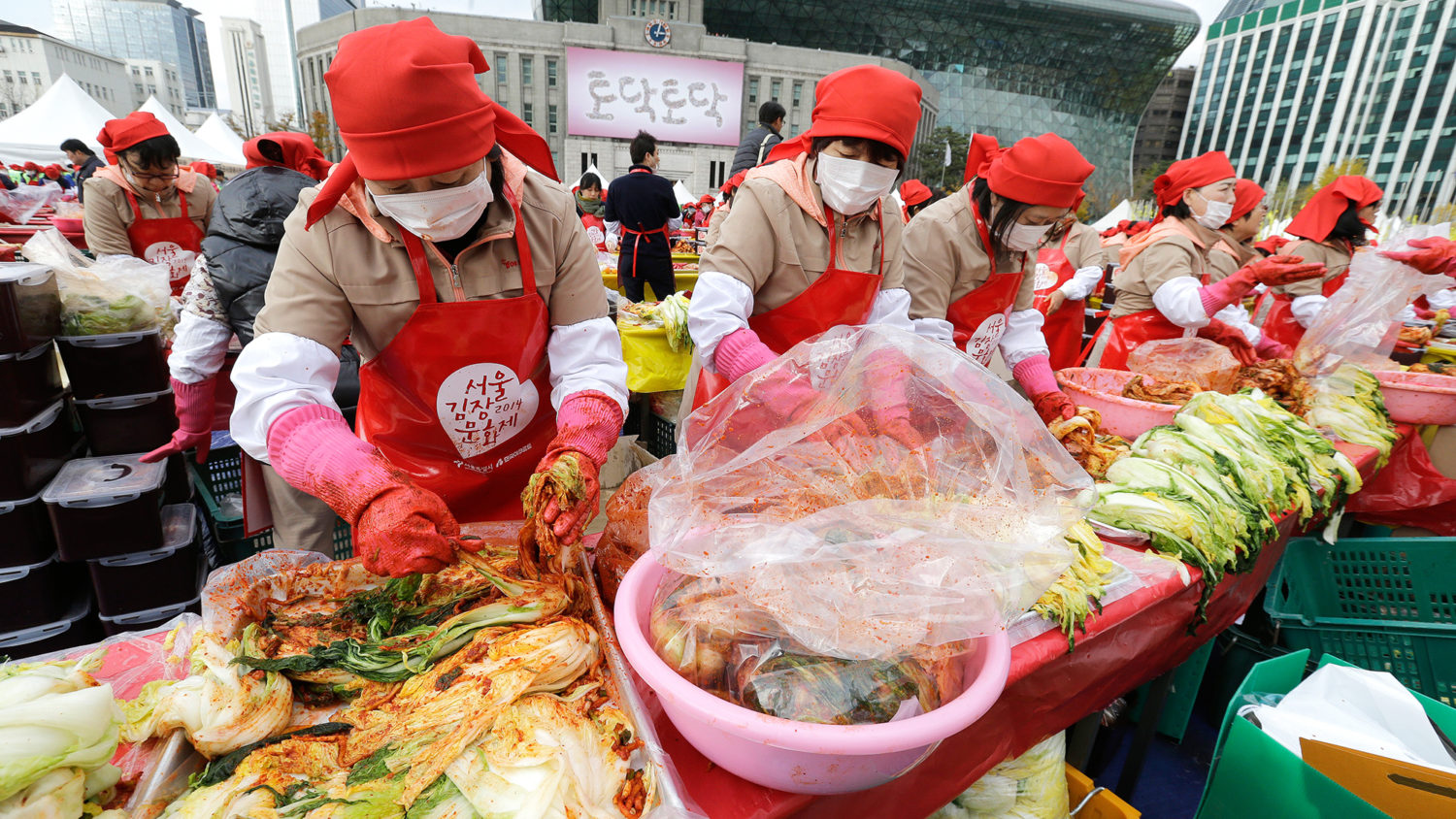
Some countries run large, official campaigns to promote their food, such as Thailand’s “Global Thai” or South Korea’s “kimchi diplomacy.” But there’s something different, something more genuine, about the way diaspora cuisine moves through a city. It’s grassroots. It’s personal. It happens in potluck dinners, cooking classes, and street festivals. Neighbours swap recipes, strangers share tables, and boundaries start to blur.
Unlike official programs, which sometimes slide into “gastronationalism” and get picky about what’s truly “authentic,” diaspora cuisine thrives on change. It mixes, adapts, and evolves because that’s what survival in a new place demands. Chefs in these communities don’t just cook; they teach, they welcome, and they open up conversations that official campaigns can’t always reach. The real experts aren’t the politicians or PR teams; they’re the people sweating over the stove, turning food into a language everyone understands. In the end, it’s the cooks and restaurant workers who make the most significant difference, not the officials.
READ ALSO:
- Skin Health in African Communities: Bridging Culture & Modern Care
- Minimalist Stories: The Jewellery of Identity
- Omiren Styles Minimalism: The Redefined Work Wardrobe
Economic Empowerment Through Culinary Heritage
Food has always been more than just something we eat. For migrants, it’s often the first way into the job market, and for cities, gastronomy can be a secret weapon. It helps bring people together, boosts the local economy, and even shapes a city’s international image. Gastrodiplomacy, yes, that’s a real thing. Let diaspora communities put their traditions on display, reaching into social projects that train and empower immigrants and refugees to start their own businesses.
Running a restaurant is one of the few businesses where immigrants can use what they already know, their food, their family, their culture, without needing huge startup cash. Restaurants let families work together and turn old recipes into new opportunities. You see it everywhere: immigrants open kitchens, share their food, and gradually win over their communities. Their success isn’t just financial. By keeping recipes alive, they attract people hungry for the real thing, and those profits support families for generations. Economic growth and cultural preservation aren’t at odds here; they actually feed off each other.
Why Is Cultural Authenticity Contested in Diaspora Cuisine?
Now, let’s talk about authenticity. There’s always this debate: should chefs stick to the recipes they grew up with or tweak them for new places, new ingredients, and new tastes? The truth is, nobody seems content. Sometimes people back home say the food’s not authentic enough, whereas customers in the new country complain if it doesn’t match their expectations.
We may be missing the point. The interesting stuff happens when cooks blend old traditions with new ideas. What about when grandkids use modern techniques to reinterpret their grandparents’ recipes? Gastrodiplomacy can slip into “gastronationalism, where food becomes a badge of national pride, and suddenly it’s about drawing lines rather than sharing flavours. The best food scenes, though, celebrate change. Food has always travelled, shifted, and adapted, shaped by migration and exchange.
Cultural Memory and Identity Preservation
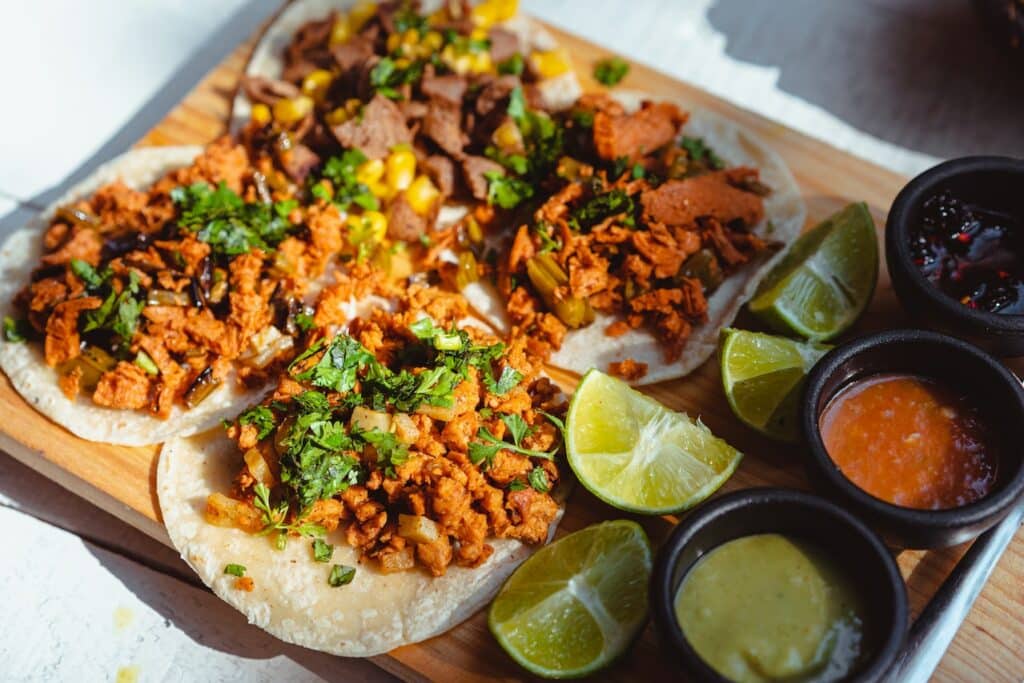
Culture isn’t just about history lessons. It connects people, shapes identities, and helps communities find their place, especially when they’re far from home. For immigrants, cooking traditional dishes is a way to keep their roots alive, even if they rarely or never visit the country they came from. Making those recipes turns into a ritual, a bridge between past and present, old home and new.
Think about Mexican cuisine: tacos, mariachi music, and tequila. These things are everywhere now, thanks in large part to diaspora communities who act as unofficial ambassadors. That visibility matters. When people in the host country eat at an Ethiopian restaurant or try Vietnamese pho, it’s not just about the food. It’s about breaking stereotypes and seeing immigrants as neighbours rather than strangers. A meal can turn “the immigrant” into someone familiar, a person with a story, a family, and a culture worth sharing.
What Do Municipal Governments Actually Do?
At first, diaspora food scenes just popped up on their own, but over time, city halls and even national governments jumped in too, each with their own motives. When we talk about “gastronomic diversity,” we really mean places where you’ll find food and drink made with ingredients or cooking methods borrowed from other countries, or blended in totally new ways.
Some cities have caught on that immigrant food isn’t just tasty; it’s a real asset. They host food festivals to showcase their culinary mix, help immigrant restaurant owners get started, add these spots to their tourism brochures, and try to make business licences less of a hassle, especially for folks who don’t speak the language perfectly. On a bigger scale, this kind of outreach is called “diaspora diplomacy. Over 30 countries now have actual ministries for diaspora affairs. Around 40 per cent of UN members have set up government offices to focus on these connections.
City leaders are realising that food diversity does more than just fill bellies. It draws in curious, creative people who want to live in a vibrant, open-minded place. At the same time, it gives immigrant families a shot at a steady income and the pride of having their culture recognised. When these restaurants do well, it’s a win-win; they support relatives, send money back home, and show new arrivals that you don’t have to choose between your roots and your future.
The Digital Transformation
Now, food bloggers and influencers have pretty much become the unofficial diplomats of diaspora cooking. Instagram, TikTok, you name it, home cooks can share their family recipes with the world in seconds, usually getting more attention than any official campaign ever could. You don’t even need a restaurant anymore to put your food on the global map. Videos, tutorials, and mouth-watering photos all help people connect over food, no matter where they live.
Of course, this digital wave makes the whole “authenticity” question messier. Let’s say a second-gen immigrant shares their grandma’s recipe on TikTok, but tweaks it a bit for modern tastes or available ingredients. They’re still keeping the tradition alive, just in their own way. Someone across the world might see that video and try the dish themselves. Is it possible to establish such a cultural connection? It’s difficult to create through official channels.
Frequently Asked Questions
1. What’s the difference between culinary diplomacy and diaspora cuisine?
Culinary diplomacy is when governments use their national food to build relationships abroad, think state dinners or embassies serving signature dishes. Diaspora cuisine, though, is all about regular people keeping their food traditions going in new countries. These restaurants and home kitchens become cultural ambassadors, even if no government is involved.
2. How does diaspora cuisine boost the economy?
It creates jobs for immigrants, often with lower start-up costs. Cities attract more tourists, families gain steady work, and refugees gain business skills. These restaurants also need ingredients from back home, which keeps trade and cross-border connections alive.
3. Why does authenticity spark debate in diaspora cuisine?
There’s always tension; chefs want to honour their roots, but they have to work with what’s available and what local customers want. People back home sometimes criticise the changes, whilst local eaters might complain that a dish isn’t “authentic enough.” But really, food traditions have constantly changed and adapted as people move.
4. How do city governments support diaspora cuisine?
Forward-thinking cities organise food festivals, help immigrant-owned restaurants with business basics, promote them in tourism, make permits easier to obtain, and even create cultural districts to protect these businesses. They recognise that food diversity attracts creative people and helps immigrants settle in.
5. How has digital media changed the impact of diaspora cuisine?
Platforms like Instagram, TikTok, and YouTube let anyone share their food traditions worldwide. Food bloggers and home cooks become the new ambassadors, often reaching more people than their official programs. These virtual exchanges inspire people everywhere to try new dishes, sparking curiosity and understanding across borders.