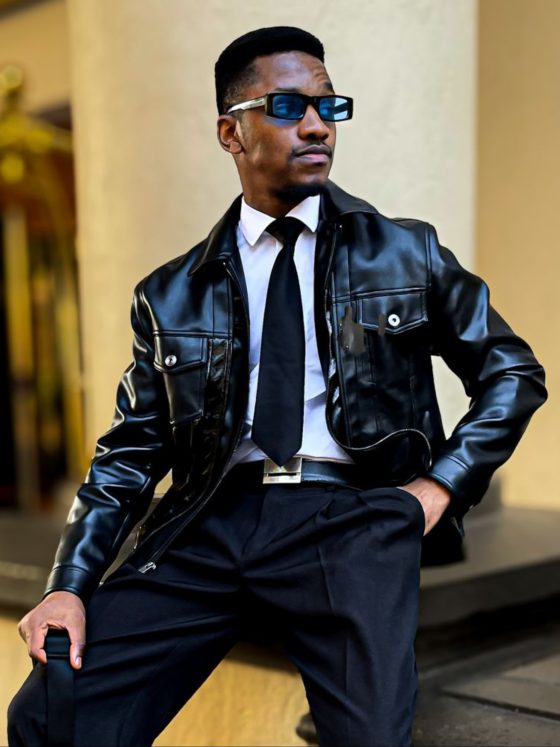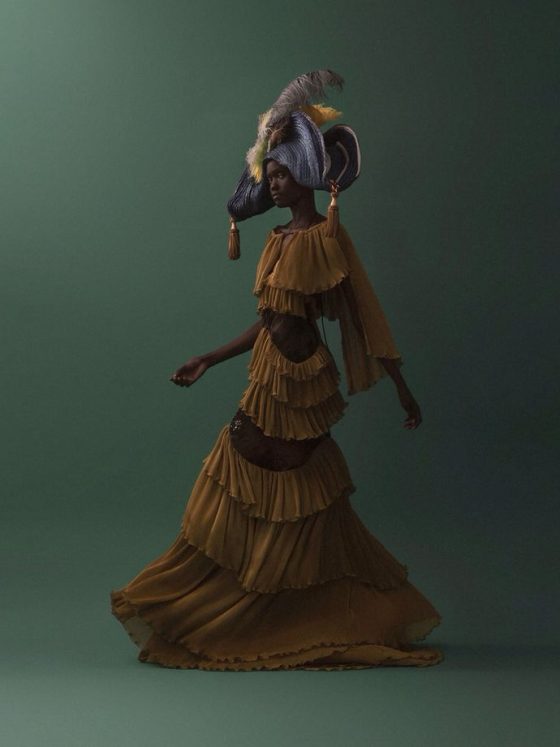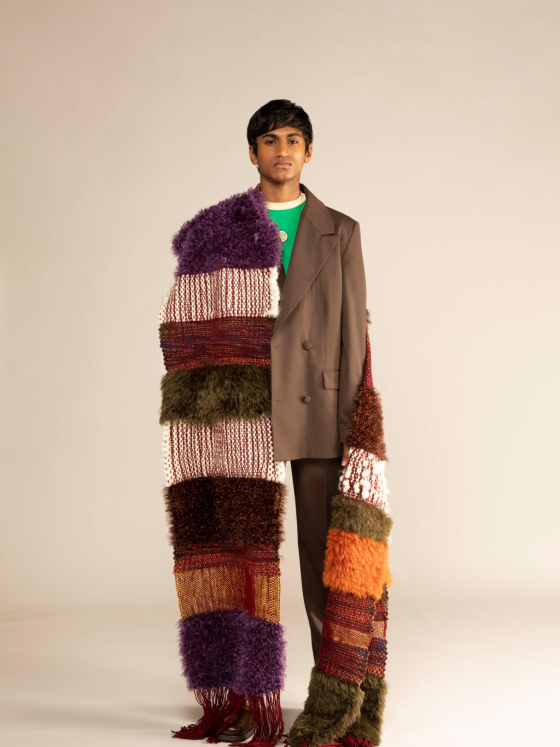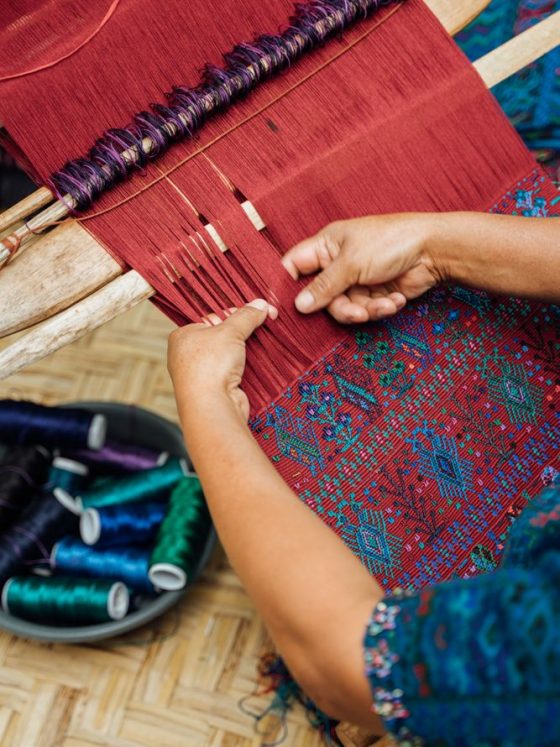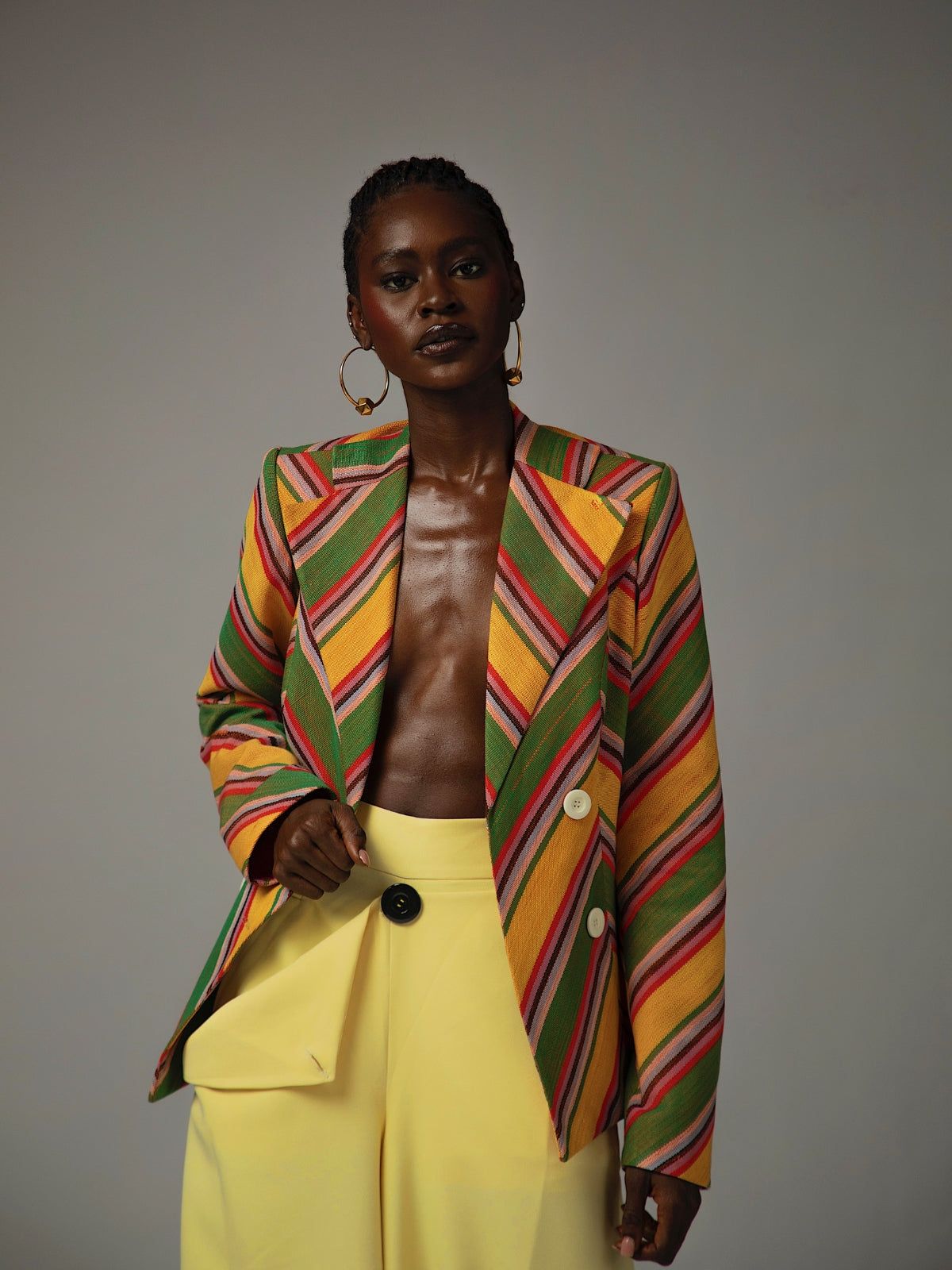
A subtle change is occurring in the sun-drenched ateliers of 2026. The loom’s steady, calm pulse is taking the place of “fast-fashion”‘s frenzied hum. The industry used to gauge success by delivery trucks’ speed and trends’ short lifespans, but a new generation of forward-thinking designers is making a stunning intervention. They are developing legacies that embody the essence of the individuals who make them, rather than making seasonal things. Every item of clothing is made to be an heirloom, bringing the weight of history into the contemporary skyline. This is the age of the “slow-burn” brand.
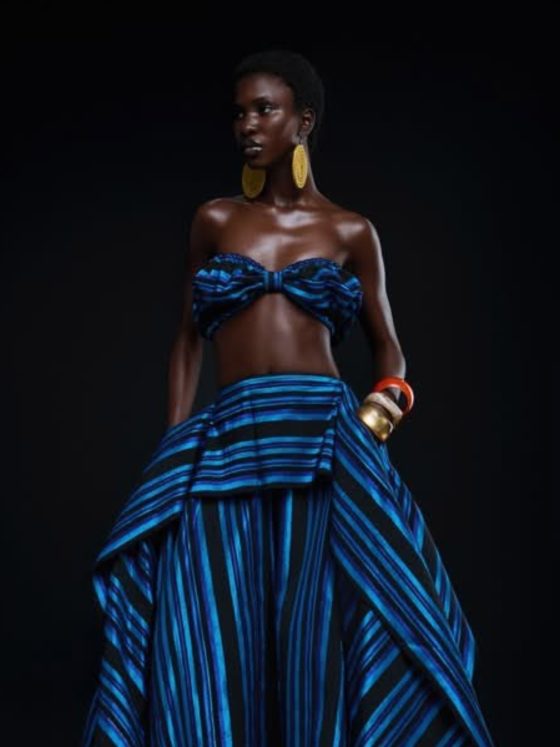
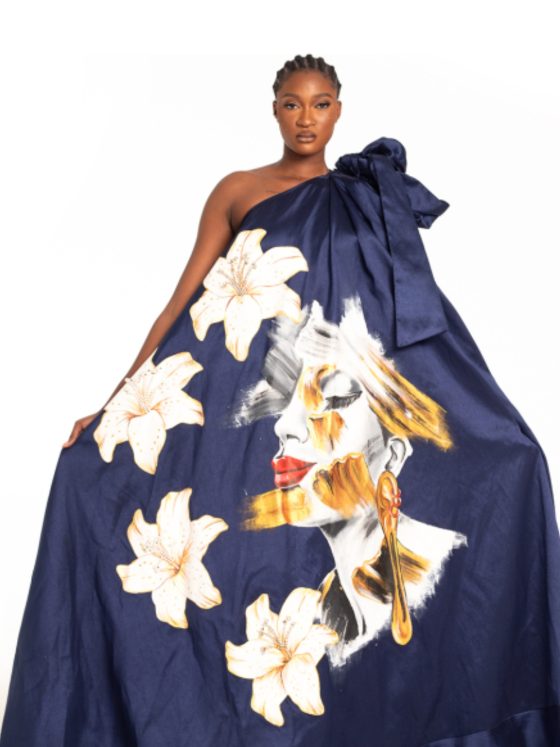
By viewing fashion as a living archive, brands such as NKWO, Lemlem, and Thebe Magugu are redefining luxury. Rather than adhering to a set retail schedule, they are following the narratives of their communities, incorporating traditional methods, such as the elaborate Adire of Nigeria or the gossamer Tibeb of Ethiopia, into designs that feel astonishingly inclusive and new. In 2026, dressing has become a storytelling act for women worldwide. She wants to connect with the hands that spun the silk and the culture that inspired the cut, not just make a hasty purchase.
This change is about a commitment to a future in which our possessions truly have meaning, not merely appearances. These designers are demonstrating that genuine impact can be found in the enduring strength of craftsmanship and the guts to put the environment before the bottom line rather than a brand. As we traverse this new terrain, we discover that the most prestigious pieces in our closets are those that openly anchor us in the present while whispering of the past. We are stewards of a legacy on this planet, not only consumers.
In a world obsessed with the next new thing, a quiet revolution is taking place in the ateliers of 2026. Beyond the flash of the runway, a new generation of designers is weaving stories meant to outlast the seasons. Step inside the studios where every stitch is a promise of permanence and every garment is a vessel for heritage.
Cultural Archiving: How the Loom Outlasts the Trend
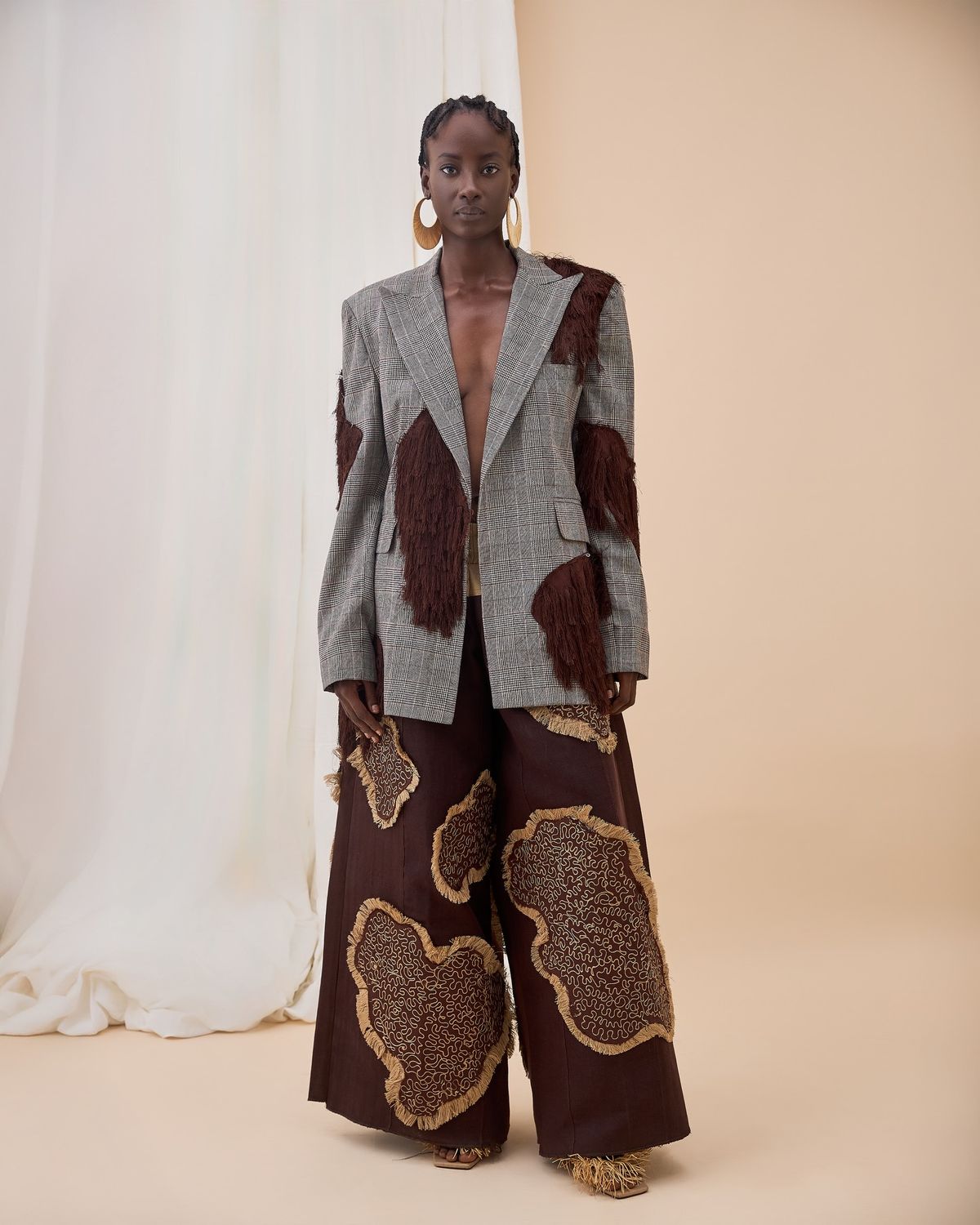
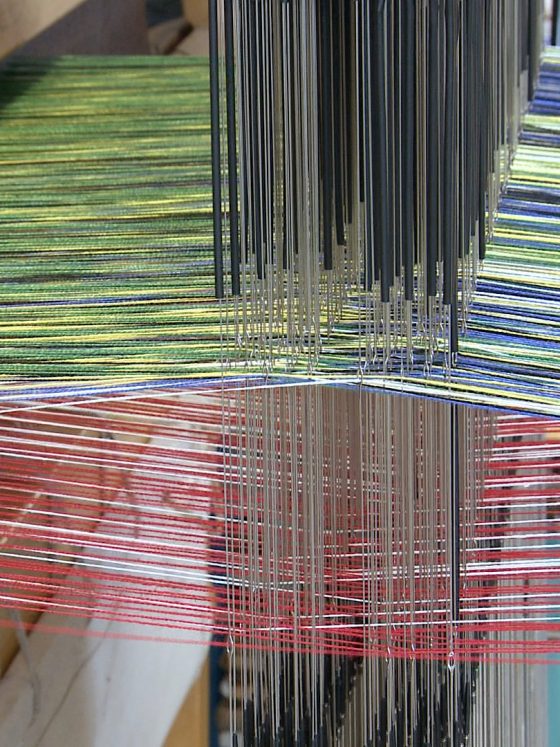
The most prosperous companies in 2026 have realised that a garment’s worth lies in its capacity to serve as a live record rather than in its novelty. This is the transition to cultural archiving, in which designers preserve know-how rather than just create clothing. While brands like Thebe Magugu and Songmont are finding strength in the old, the traditional retail model is thriving on the new brands. They are making sure that traditional methods are not only preserved in museums but also practised on the streets by reinterpreting local handloom patterns and crafts through a contemporary lens, a movement known as GrannyWave.
With this method, the supply chain is transformed from an operational requirement into an effective narrative tool. When a designer employs natural indigo dyeing or hand-tied smocking, they produce a product that is intrinsically imperfect by design. Customers are craving these human touches in 2026; they are searching for the visible stitch that indicates a human hand was engaged.
Designers are establishing a sense of permanence by incorporating these vintage components into their main collections. When a jacket bears the weight of a century-old weaving tradition, it becomes more than just a jacket; it becomes a piece of personal history that the wearer is pleased to preserve.
In the end, this “Explorecore” design trend invites us to take our time and explore the depth hidden behind the drape. It’s about creating a wardrobe that resembles a well-chosen display of international talent. A business builds a foundation of trust that endures beyond any marketing campaign by placing a high priority on cultural collaboration: working with communities rather than merely borrowing from them. The loom is more than just a tool in this new world; it serves as a link between generations, demonstrating that the most progressive fashion is the one that refuses to let the past go.
The Trust Economy: Transparency as the New Luxury
In 2026, extreme honesty will serve as the cornerstone for rebuilding the connection between a designer’s studio and the wearer’s wardrobe. The most renowned labels are those that invite you behind the curtain as we go into the era of the trust economy. The mystique of the black box has given way to the clarity of the digital product passport for legacy-building businesses like Ralph Lauren and Hermès.
In this new environment, transparency is a creative decision that enables a brand to demonstrate its longevity rather than merely a legal obstacle. A cashmere sweater ceases to be a commodity. It becomes a verified chapter of a greater story when you can follow its journey from a particular Mongolian pasture to the last stitch in an Italian atelier.
This move toward transparency is a direct reaction to a worldwide audience that is becoming more astute. By 2026, generations that seek to know the “who, how, and where” behind their purchases will account for approximately 75% of luxury customers. By creating new leather workshops and artisan schools that ensure traditional skills are passed down to a new, inclusive generation of creators, brands are investing in people to meet this need.
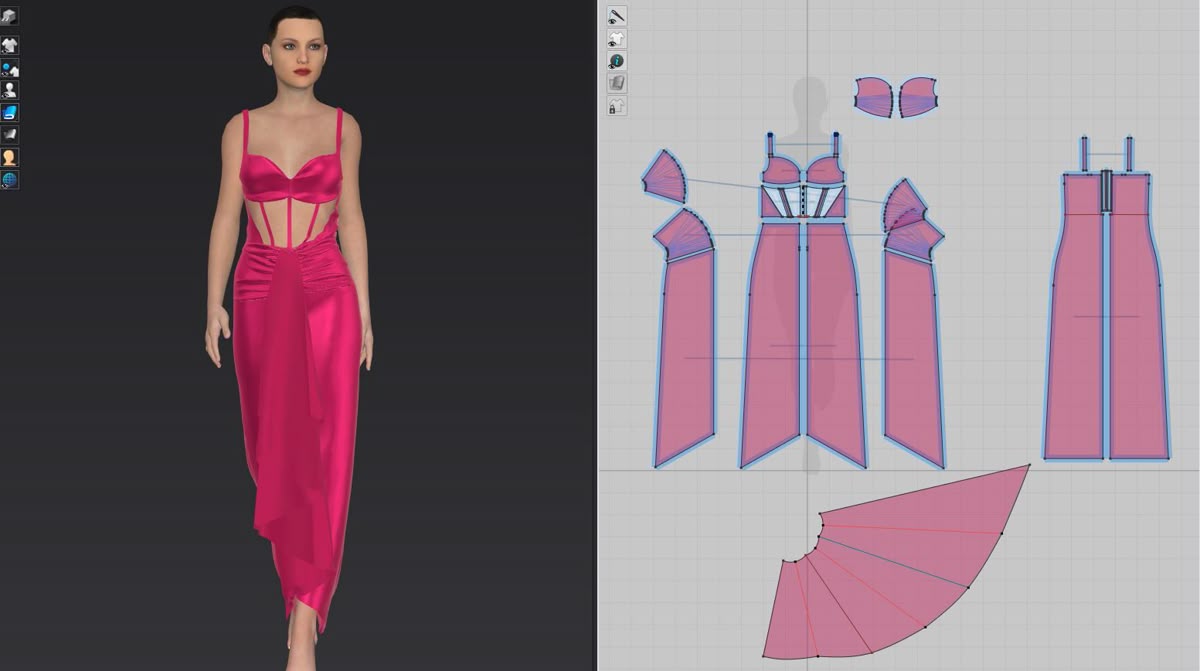
This is about establishing a “Know-Me” experience, not merely ethical production. These companies are utilising technology to enhance, rather than replace, human interaction, whether through immersive 3D representations of a garment’s creation or AI-powered shopping agents that understand your personal history.
Moving from a product-centric paradigm to an experience-led engagement is ultimately what the trust economy is all about. It demonstrates that a brand’s integrity is the most valued asset in 2026. By prioritising long-term resilience over temporary hype, designer labels promote a sense of belonging and a shared goal. Purchasing these items is an investment in a movement that values social justice, wellness, and purpose as much as the purchase itself. These days, luxury is determined by the power of the promises made by the brands you wear rather than by what you own.
ALSO READ:
The Omiren Argument
There is a version of fashion that measures itself by speed. How fast the trend arrives. How quickly does the collection sell through? How efficiently the next season replaces the last. That version of fashion has a word for everything except what it cannot hold: meaning.
What the new wave of legacy builders understands, and what the industry is only beginning to admit, is that a garment without memory is not fashion. It is inventory. And inventory can always be replaced. A memory cannot.
When NKWO returns a garment to circulation in a new form, or when Lemlem employs an Ethiopian weaver to produce cloth by hand, or when Thebe Magugu builds a collection around a community’s archive rather than the forecast of a trend agency, these are not gestures toward sustainability. They are arguments. Arguments that the value of a garment is not set at the point of sale. It is set at the point of making, by the hands involved, the knowledge carried, and the culture consulted. Every attempt to shortcut that process produces something lighter, something that cannot hold the weight it is asked to carry.
The global woman that Omiren Styles speaks to already knows this. She is not looking for the next new thing. She is looking for the next true thing. And the difference between the two is neither a price point nor a provenance label. It is whether the person who made the garment was seen as a craftsperson or a cost.
That is the Omiren argument. Legacy is not built by brands. It is built by the relationship between a maker and a material, sustained long enough to mean something to someone who was not yet born when the loom first moved.
Beyond the Purchase: The Rise of Circular Stewardship
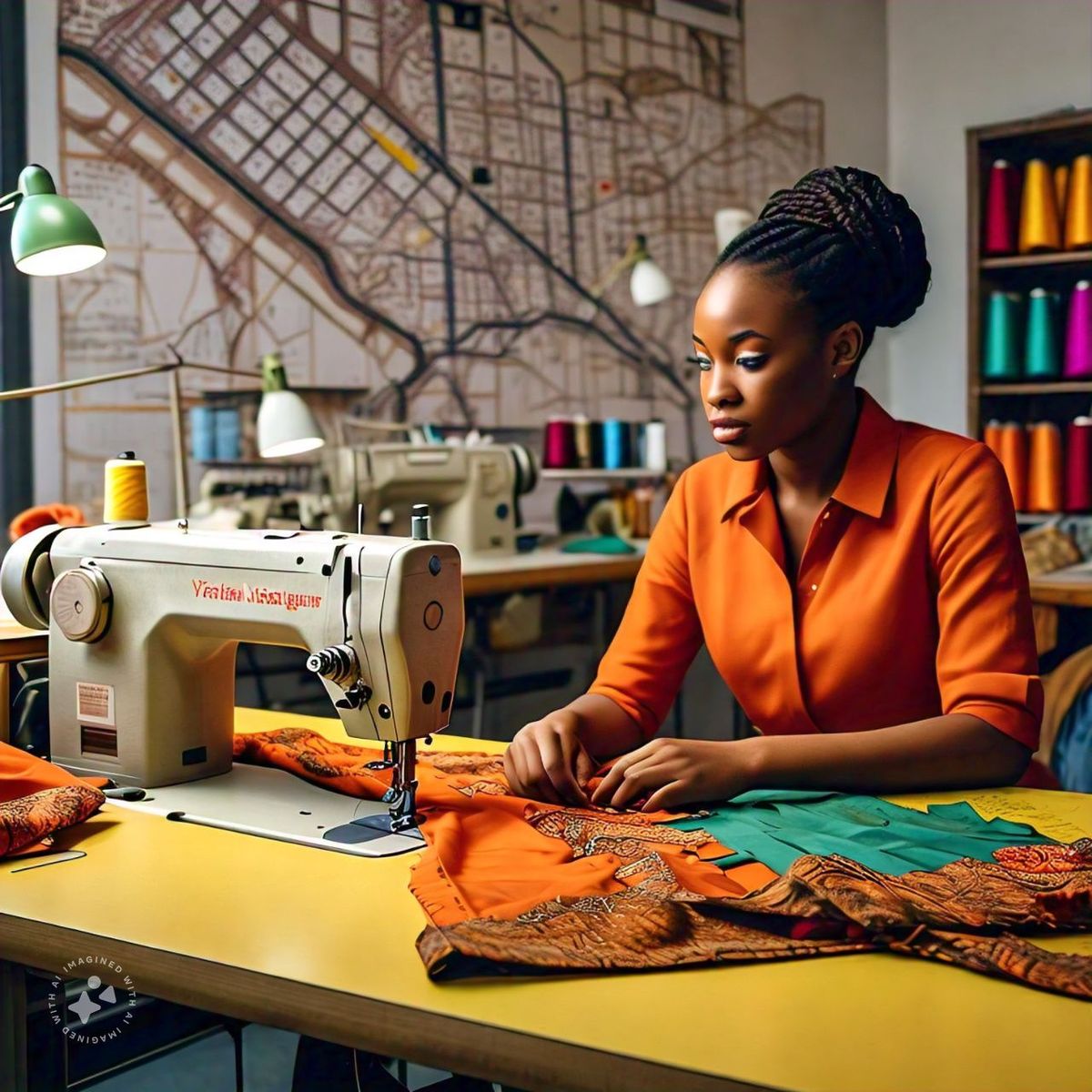
In the final development of the 2026 legacy brand, the designer-wearer relationship starts at the boutique door rather than ending there. Circular stewardship, in which companies assume lifetime accountability for the products they produce, is becoming more prevalent. The objective is now to make sure the item you already own continues to play a significant role in your story rather than to sell you a replacement.
From Hermès’s “spa days” for their leather, silk, and home collections to Levi Strauss & Co.’s specialised repair operations, the industry is moving away from “end of life” and toward “end of use.”
A new kind of “repair-as-luxury” experience is driving this dedication to lifespan. High-end brands are now offering custom restoration services that treat a faded colour or a frayed hem as a turning point in the garment’s history rather than a flaw.
Brands like NKWO are even going so far as to encourage customers to return used items so they can be completely redesigned. The materials and the memories associated with them are kept in circulation. This “made to be made again” mentality is owning a piece that has been expertly freshened up or tenderly repaired, which is a key status signal in 2026; it demonstrates that you are a guardian of quality rather than merely a collector.
In the end, cyclical stewardship is the best way to show respect for both the environment and the individual. Designer brands are creating a sense of permanence that quick fashion just cannot match by investing in repair networks and resale platforms. It enables the global woman to create a wardrobe that is both flexible and set in stone, a collection of inclusive, high-performing items that get more exquisite with each repair.
In this universe, the most up-to-date item of clothing is one that has been well-maintained, demonstrating that genuine luxury in 2026 is determined by the longevity of our decisions and the depth of our attention to detail.
Conclusion
The brands that dominate the metropolitan skyline in the final accounting of 2026 are those that have given up the hurried new in favour of the profoundly felt forever. Nowadays, the most prestigious label is a tale of tenacity, morality, and inclusive craftsmanship rather than a logo. The global woman does more than simply dress for the day when she decides to create a wardrobe from the enduring legacy archive; she invests in a future in which her clothes serve as a connection to future generations and a vessel for history.
The shift to the trust economy and circular stewardship demonstrates that true luxury is an ongoing process of care rather than a destination. Whether it’s a restored silk item from Hermès or a hand-woven blazer from NKWO, these clothes show a dedication to looking above the cacophony of consumerism to discover the maker’s spirit.
Looking ahead, we see that owning fewer, more meaningful items is the strongest message we can convey. As dedicated stewards of a legacy as architectural, sustainable, and dazzling as our own vision, we are more than just consumers in this world.
Frequently Asked Questions (FAQs):
- What does it mean for a brand to “build legacy”?
It means moving away from fast-fashion cycles to create pieces with strategic intent. These brands focus on artisanal craftsmanship and cultural preservation, ensuring that a garment is a high-end heirloom rather than a seasonal product.
- How can I identify a “legacy-building” brand?
Look for transparency. These brands often provide a digital product passport, allowing you to trace the journey of materials such as hand-woven silk or organic linen from origin to the final stitch.
- Is “Circular Stewardship” just another word for recycling?
Not quite. It is a more inclusive, high-end commitment to a garment’s life. It includes professional repair services, “spa days” for textiles, and upcycling programs that ensure your favourite pieces become even more beautiful over time.
- Why is the “visible stitch” so popular in 2026?
In an era of mass production, the visible stitch is a soulful mark of the human hand. It proves that a real person, using traditional techniques from the nomadic loom archive, was involved in creating your sustainable wardrobe.
- Are legacy brands more expensive?
While the initial investment may be higher, the cost per wear is much lower. By choosing a structured, architectural piece from brands like NKWO or Thebe Magugu, you are investing in a durable, radiant story that outlasts dozens of cheaper alternatives.