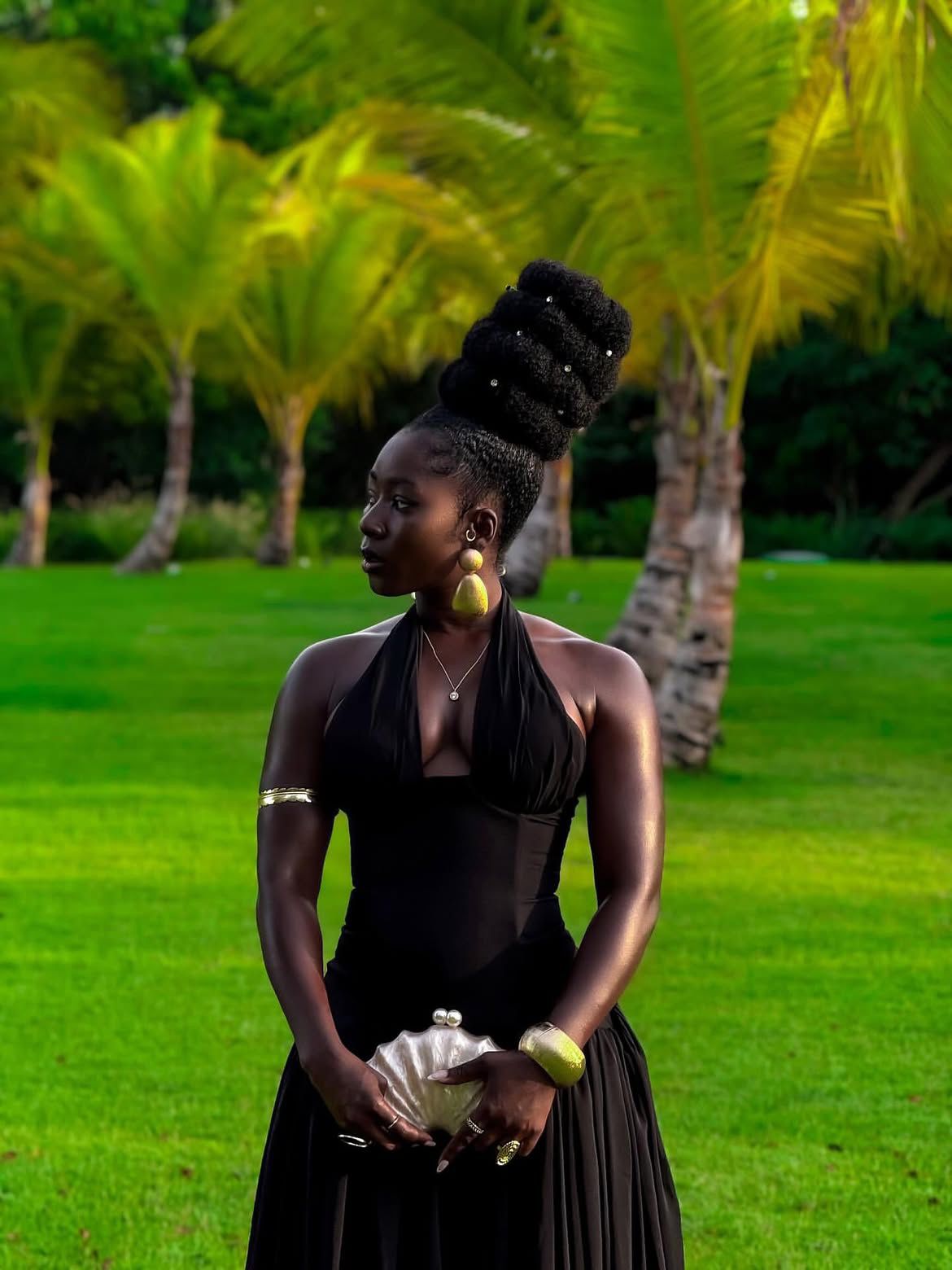
We like to believe that status no longer matters in how we dress. Offices are more relaxed. Streetwear sits next to luxury. Simplicity is praised. On the surface, it looks like everyone has access to the same visual language.
But that is not entirely true.
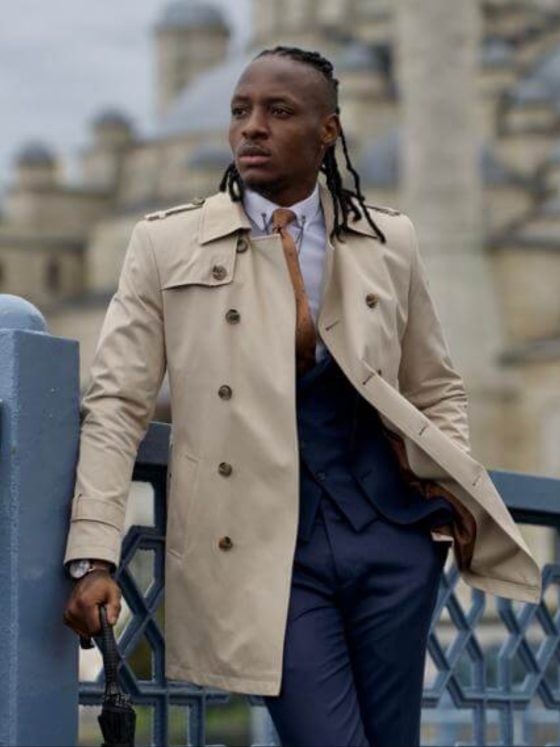
Clothing has not stopped signalling status. It has simply become less obvious and more coded. Instead of loud displays, status now lives in subtleties of fabric quality, fit, restraint, and cultural awareness.
The shift is not from status to equality. It is from a visible hierarchy to a quiet hierarchy.
Clothing still signals status, even in a casual world. Discover how fabric, fit, and cultural awareness quietly communicate power and access.
Obvious Wealth to Quiet Signals
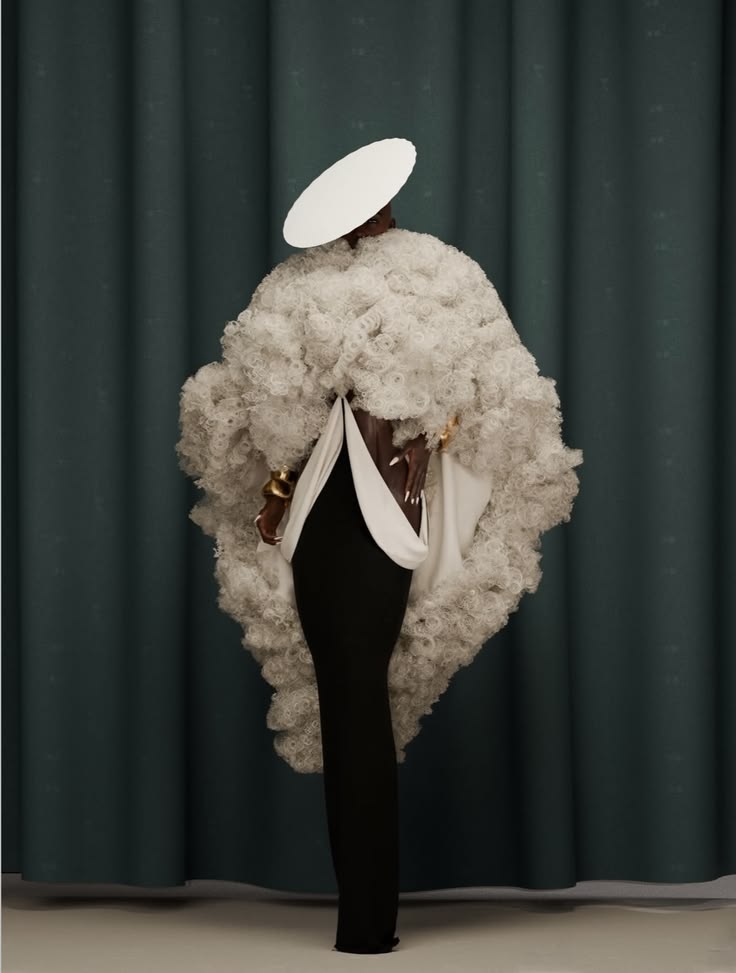
There was a time when status in fashion was direct. The logos were large. The colours were loud. Luxury was meant to be seen immediately.
Today, the markers have changed.
Status is now communicated through:
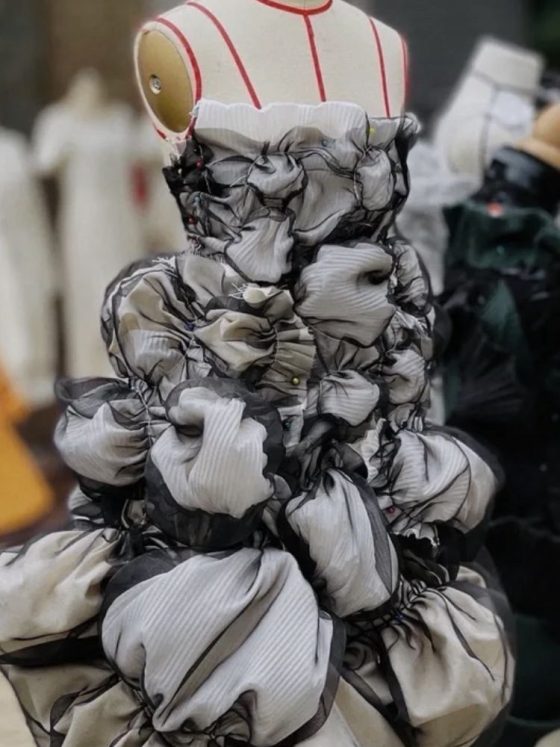
- Fabric quality: materials that hold structure, age well, and move with intention
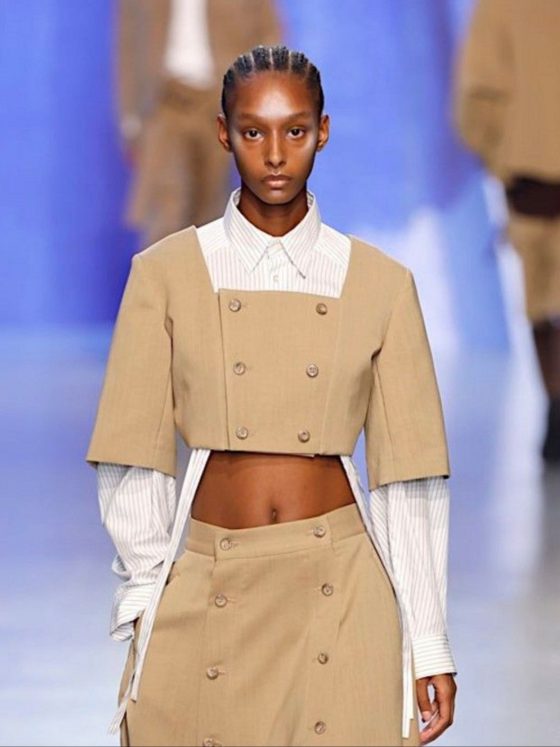
- Fit: garments tailored to the body rather than simply worn
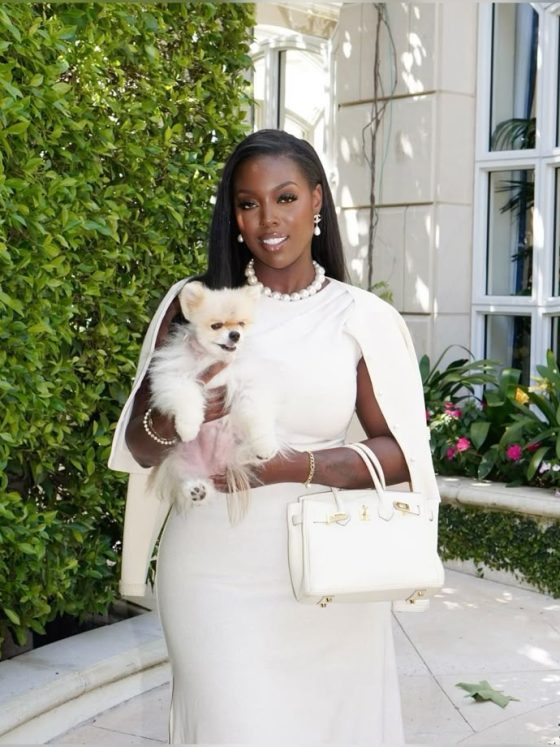
- Restraint: knowing when not to over-layer, over-style, or over-accessorise
- Condition: clothing that is maintained, pressed, and consistent
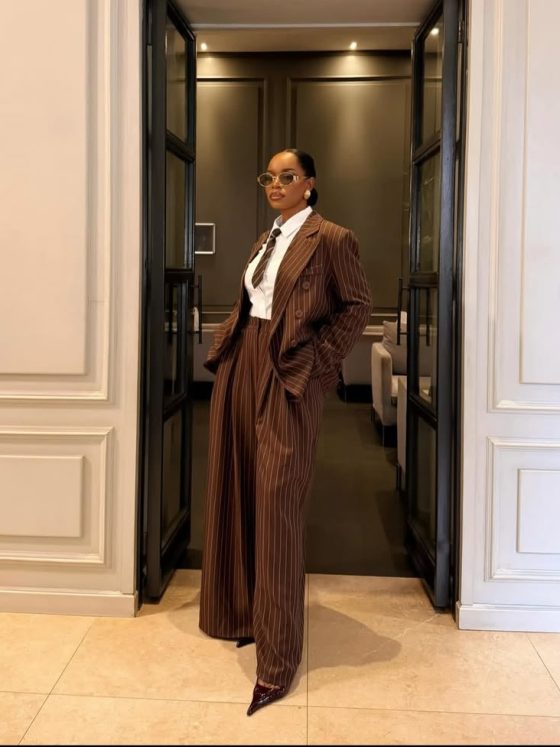
A simple outfit can carry more authority than an elaborate one—if it is executed with precision.
This is why two people can wear similar pieces and be perceived completely differently. The difference is not always visible at first glance, but it is felt immediately.
The African and Diaspora Context
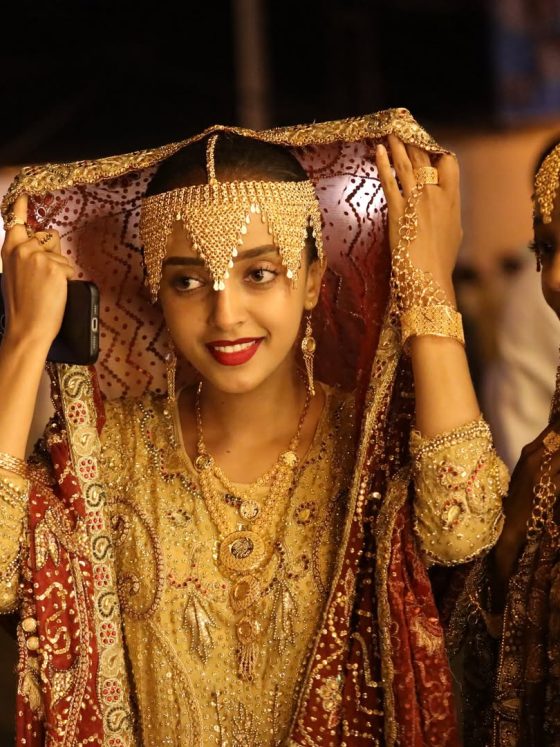
In African and diaspora communities, clothing has always carried meaning beyond appearance. It signals respect, discipline, and social awareness.
Looking “put together” is not just about aesthetics. It is about:
- showing respect for the space you are entering
- Understanding the expectations of the environment,
presenting yourself as someone aware and intentional
Even in more relaxed settings, this expectation does not fully disappear. It evolves.
A well-ironed shirt, properly fitted trousers, or thoughtfully chosen footwear communicates something deeper: you understand the moment you are in.
Status here is not only about money. It is about awareness and effort.
Effortlessness Is Often Constructed
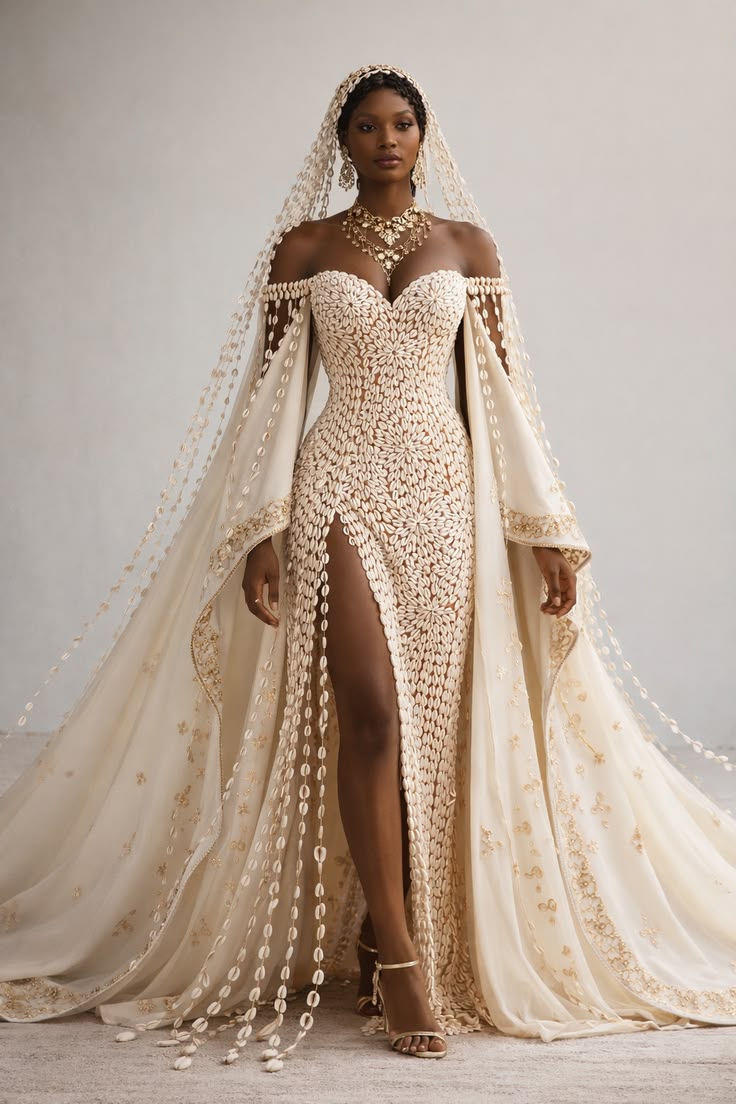
One of the biggest illusions in modern style is the idea of effortlessness.
The most “effortless” people you see who look simple, clean, and natural are often the most intentional. Their wardrobes are edited. Their choices are consistent. Their clothing fits properly.
Nothing is random.
Effortlessness, in this sense, is not the absence of effort. It is the refinement of it.
- knowing which colours work for you, understanding proportions, choosing pieces that align without needing constant adjustment
This level of control communicates confidence, and confidence is often read as status.
The Difference Between Looking Expensive and Dressing Well
These two are often confused, but they are not the same.
Looking expensive is about making an impression. Dressing well is about understanding.
Looking expensive may rely on:
- visible brands
- trend-driven pieces
- immediate visual impact
Dressing well relies on:
- proportion and balance
- fabric and construction
- consistency and restraint
In many cases, the person who dresses well may appear simpler, but they carry a different kind of presence, one that feels stable and intentional rather than performative.
That presence often reads as higher status, even without obvious markers of wealth.
Why Simplicity Has Become a Status Signal
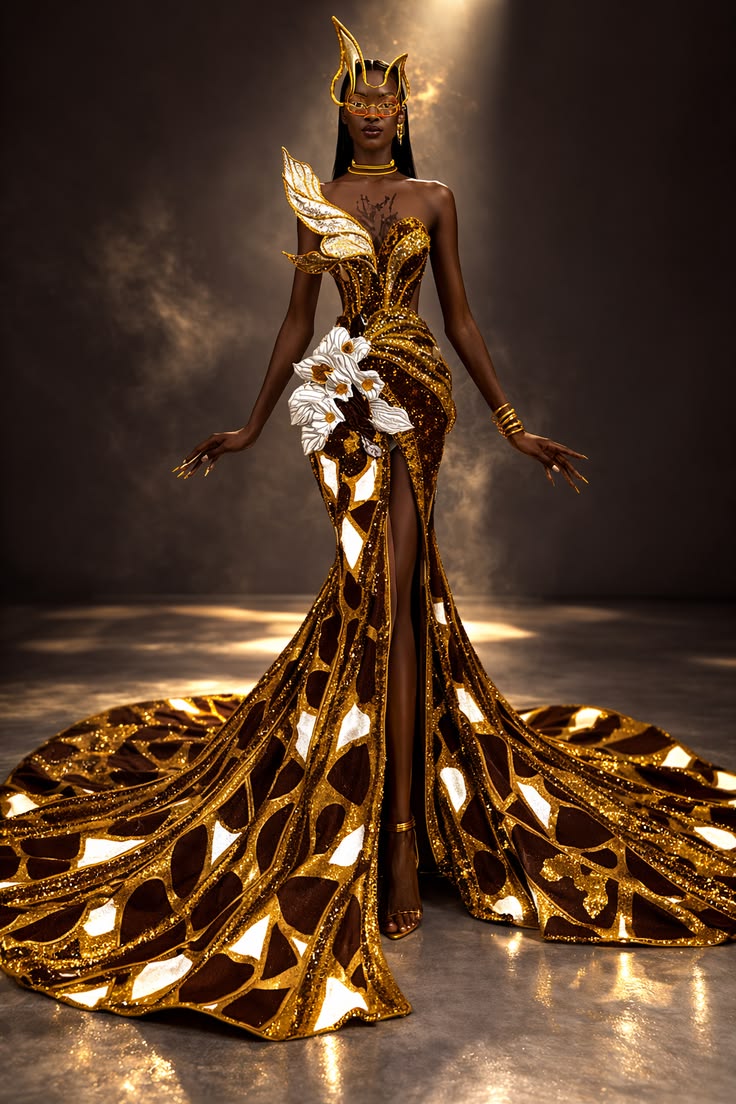
Simplicity is often described as easy. In reality, it is one of the hardest things to achieve in style.
To dress simply and still look refined requires:
- access to quality garments
- understanding of fit and proportion
- the discipline to avoid unnecessary additions
In many ways, simplicity has become a modern form of luxury.
Not because it is minimal, but because it reflects control, clarity, and confidence.
When someone can wear very little and still command attention, it suggests that their authority does not rely on excess.
The Role of Cultural Awareness
Status is communicated not only through what you wear but also through how appropriate your choices are for the context.
Cultural awareness plays a significant role here:
- understanding what is considered respectful in different settings
- knowing when to dress up, and when to hold back
- recognising how clothing choices are interpreted within specific communities
Someone who dresses well across different spaces demonstrates more than style. They demonstrate social intelligence.
And social intelligence is often perceived as a form of power.
A System, Not Just an Outfit
Status signalling in clothing is rarely about a single piece. It is about consistency over time.
- How your clothes fit regularly
- how well they are maintained
- how coherent your wardrobe feels
- how confidently you wear them
This is why style is better understood as a system rather than a series of isolated outfits.
A well-built wardrobe communicates stability. And stability is often read as status and control.
READ ALSO:
- Dressed to Lead: How Heads of State Use Fashion as an Instrument of Soft Power
- How to Develop a Signature Style That Has Nothing to Do With Trends
What This Means for Personal Style
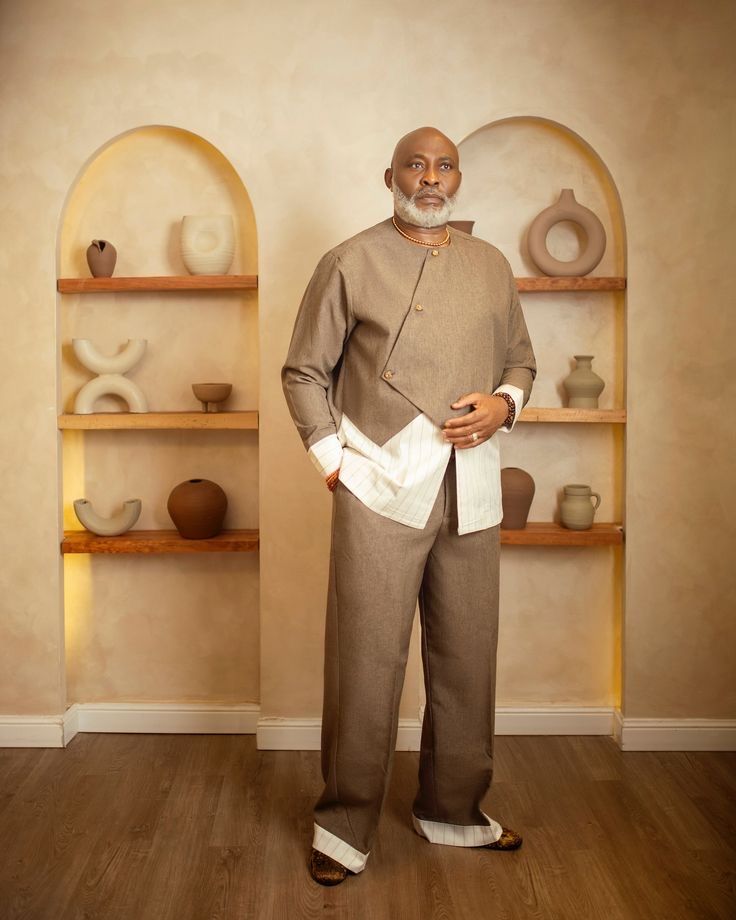
Understanding that clothing still signals status is not about pressure. It is about awareness.
It allows you to make more intentional decisions:
- choosing quality over quantity
- focusing on fit rather than trends
- building consistency instead of constant reinvention
It shifts style from performance to alignment.
Because in reality, people are always reading what you wear. Not loudly, not always consciously, but consistently.
The Quiet Truth
Clothing has not lost its power. It has become more subtle.
Status is no longer only about what is visible. It is about what is understood.
The cut of a jacket. The weight of a fabric. The discipline in repetition. The ability to look simple and still feel complete.
These are the signals that remain.
And in a world that claims to be casual, those who understand these signals are often the ones who move through spaces with the most ease, clarity, and quiet authority.
FAQs
- Does clothing still signal social status today?
Yes. While it is less obvious, clothing still communicates status through fabric quality, fit, consistency, and cultural awareness.
- How can simple outfits look more expensive?
By focusing on proper fit, high-quality fabrics, clean finishes, and proper garment care, simple outfits can appear refined and elevated.
- What is the difference between looking expensive and dressing well?
Looking expensive focuses on visible impact, while dressing well relies on proportion, quality, and consistency over time.
- Why is fit more important than brand in style?
Fit determines how clothing sits on the body and affects overall appearance more than logos or brand visibility.
- How does cultural awareness affect personal style?
Understanding context and expectations helps individuals dress appropriately, signalling social intelligence and confidence.