For centuries, Black women have carried work on their backs, tending fields, running households, managing businesses, and raising families. Society rarely paused to ask if they deserved rest. That history did not disappear. It reorganised itself.
When a Black woman takes time to rest, travel, dress intentionally, or enjoy a moment for herself, she is doing more than relaxing.
She is making a political statement, claiming autonomy, resisting expectation, and defining her life on her own terms. To say leisure is a political act for Black women is not an exaggeration. It is recognition of a history where labour was demanded, and rest was negotiated.
Keep reading to learn why leisure is a political act for Black women and how history, culture, and expectation have made the simple act of rest an assertion of self-definition.
Leisure is a political act for Black women. Every rest, style choice, and creative moment challenges expectations, reclaims time, and asserts autonomy and cultural pride
Work Was Built Into Survival

For centuries, Black women have carried the weight of work in ways that were never optional. Across Africa and the diaspora, daily life demanded labour in the fields, homes, markets, and communities.
From tending crops and caring for children to managing households and running businesses, there was little room for pause or personal time. These expectations were reinforced by social and cultural norms.
Women’s contributions were often measured by output, endurance, and the ability to keep the family and community functioning smoothly. Leisure was seen as a luxury or even a distraction from duty.
Slavery, colonialism, and patriarchal systems compounded this pressure. In many contexts, Black women’s work was unpaid, unrecognised, and unending.
Small moments of rest had to be carved out secretly, whether through a quiet morning before everyone woke or a stolen moment during communal gatherings. Understanding this history is key to seeing why leisure is a political act for Black women.
Rest Disrupts the Architecture of Expectation
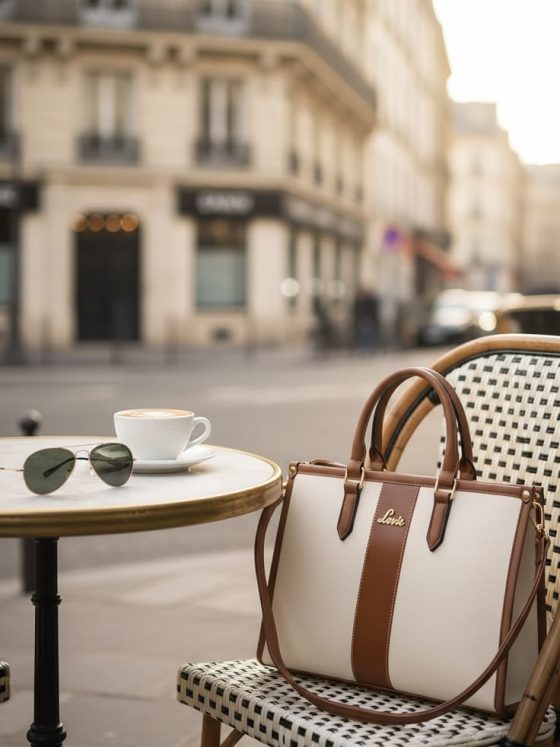
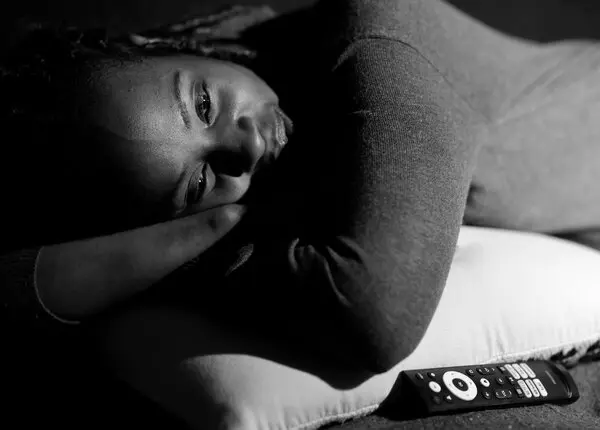
Rest is never neutral for Black women. In a world that expects constant labour, choosing leisure is a political act for Black women. Time itself has been contested. Every quiet morning spent sipping tea, every uninterrupted evening with friends, and every weekend away is a reclamation of time that history long denied.
Choosing rest challenges the expectation that a woman’s value is measured solely by what she produces. It pushes back against the idea that endurance and self-sacrifice are proof of worth.
In spaces like hair-braiding circles, festival preparations, or communal gatherings, pausing becomes more than comfort; it is resistance made visible.
Furthermore, leisure is a political act for Black women because it stakes a claim: exhaustion is not mandatory, and pleasure is not a privilege.
Adornment Is Not Frivolous. It Is Declaration
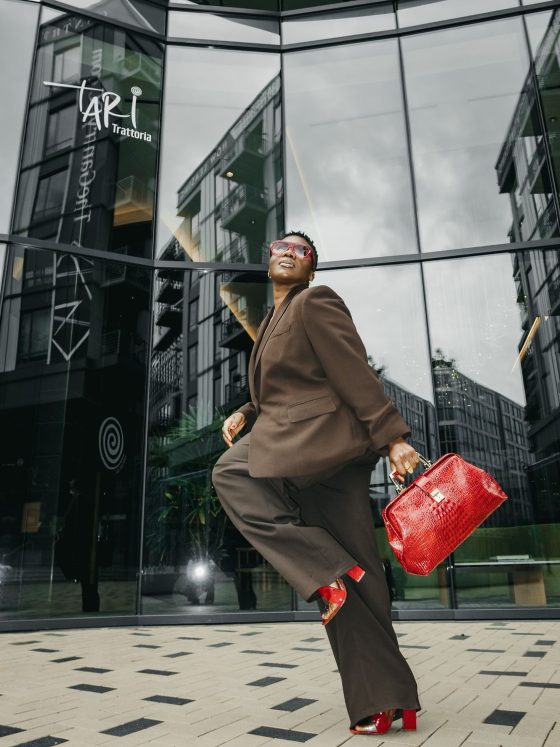
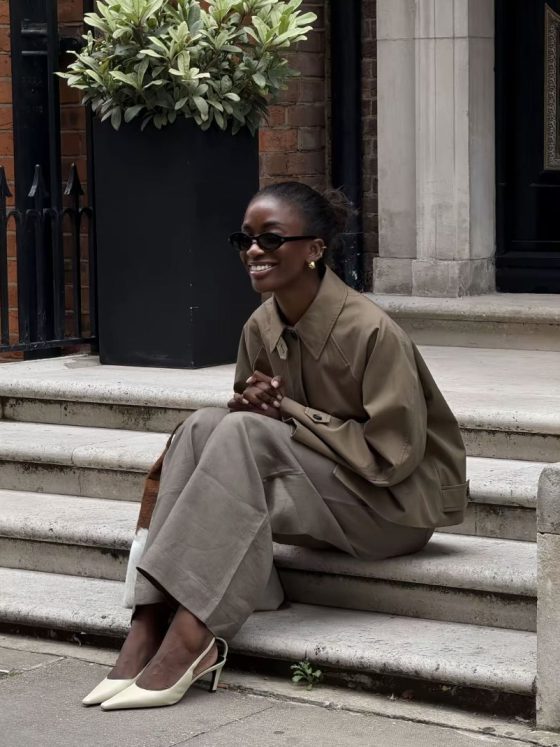
For Black women, how we dress, style our hair, or wear jewellery is a way of showing who we are, where we come from, and what we stand for.
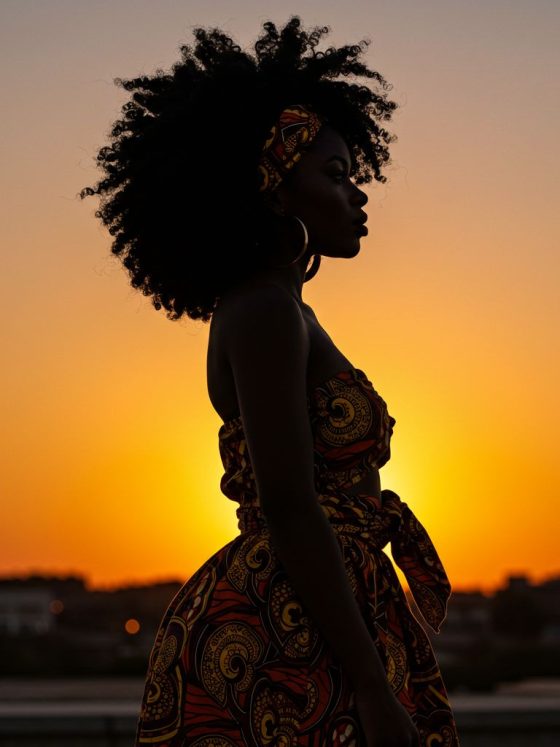
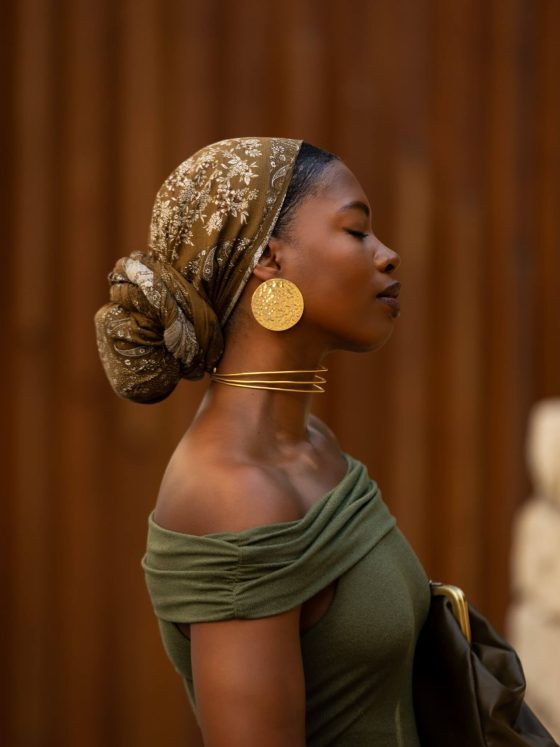
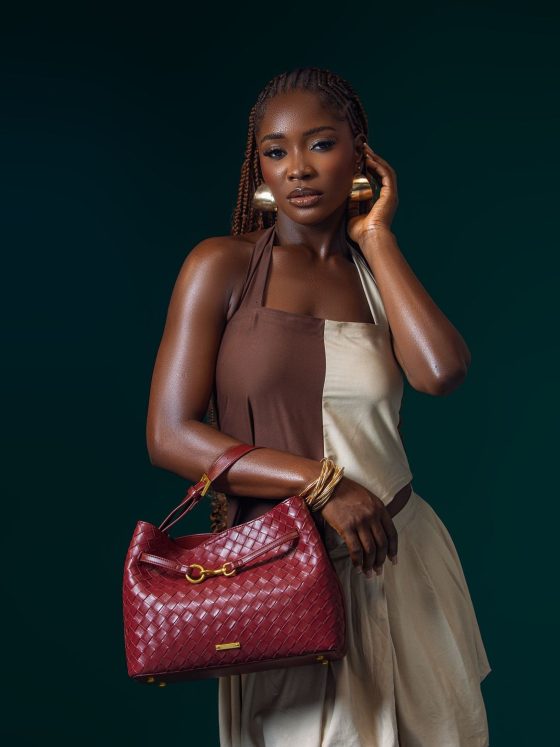
Beaded necklaces, gele, waist beads, gold bracelets, and braided hair are not just for show. They carry meaning, memory, and culture. When a Black woman takes the time to dress intentionally, she is claiming her space.
She is saying that her body, her style, and her presence matter. In many African communities, the way a woman adorns herself tells a story about her family, her community, and her role in society. Clothes and accessories become a language that can be read by those who understand it.
Choosing colours, patterns, or styles that make you feel confident and connected to your heritage is a form of rest and self-expression. It is a moment to slow down, enjoy the process, and celebrate yourself.
When you adorn yourself with intention, it is more than beauty. It is a statement that reminds the world that Black women are not only labourers or caretakers. They are individuals with identity, history, and authority.
ALSO READ:
- Reclaiming the Narrative: How Cultural Resistance Shaped the World’s Most Powerful Style Movements
- The Invisible Thread: How African Oral Tradition Shapes Fashion and Heritage Textiles
- When Dressing Becomes Declaration: Clothing as Cultural Identity
- African Print as Modern Armour: Identity, Belonging, and Cultural Authority
Leisure Rewrites the Terms of Visibility

Rest, creativity, and cultural participation are more than personal acts; they are claims to space, visibility, and agency. For Black women, these moments confront historical restrictions and assert independence.
Here are key ways leisure functions as cultural resistance:
- Claiming Communal And Creative Spaces: Participating in hair-braiding circles, festival preparations, and market gatherings creates moments of connection and cultural continuity.
- Expressing Identity Through Style And Fashion: Dressing intentionally for ceremonies, slow dressing, or Owambe celebrations communicates presence, pride, and personal agency.
- Practising self-care and beauty rituals: Spa days, grooming, and personal wellness rituals reclaim time and energy for oneself, rejecting a life defined only by work.
- Reasserting Cultural Visibility: Engaging in artistic, social, or celebratory spaces demonstrates that Black women’s presence, creativity, and joy cannot be ignored or erased.
Leisure, in these forms, is political, intentional, and deeply rooted in history, a quiet but powerful act of resistance and self-definition.
Conclusion
Leisure is often labelled a luxury. But for Black women, it is radical, intentional, and culturally significant. Every quiet pause, every act of self-care, every moment of dressing intentionally or celebrating culture is political.
Leisure is a political act for Black women because it challenges a world that expected them to exist primarily through labour. To rest, to enjoy beauty, and to live fully is to reclaim a right that was long denied.
Frequently Asked Questions
-
Why Is Leisure Considered Political for Black Women?
Leisure is political because historically, Black women’s time and labour were controlled. Choosing rest, pleasure, or creative expression today asserts autonomy and challenges a world that expects constant productivity.
-
How Can Everyday Activities Be Acts Of Resistance?
Hair-braiding circles, festival participation, style choices, and beauty rituals reclaim time and cultural space. Each act asserts that Black women’s bodies, energy, and joy belong to them.
-
Does This Idea Apply Outside Africa?
Yes. While African traditions like Owambe and communal gatherings provide specific examples, the concept applies globally. Anywhere Black women have been expected to labour constantly, leisure becomes a political statement.
-
How Can Black Women Practise Leisure Politically Today?
By intentionally taking time for themselves, participating in cultural rituals, dressing with intention, and engaging in creative or social spaces, they turn ordinary rest into a declaration of autonomy and visibility.