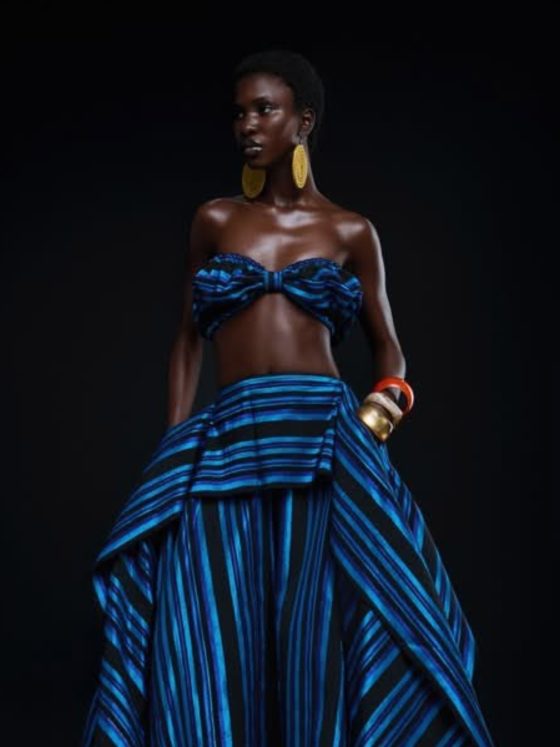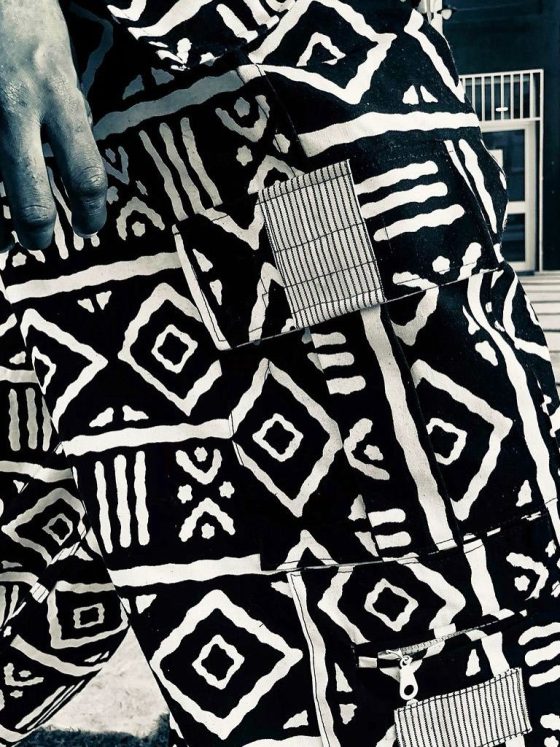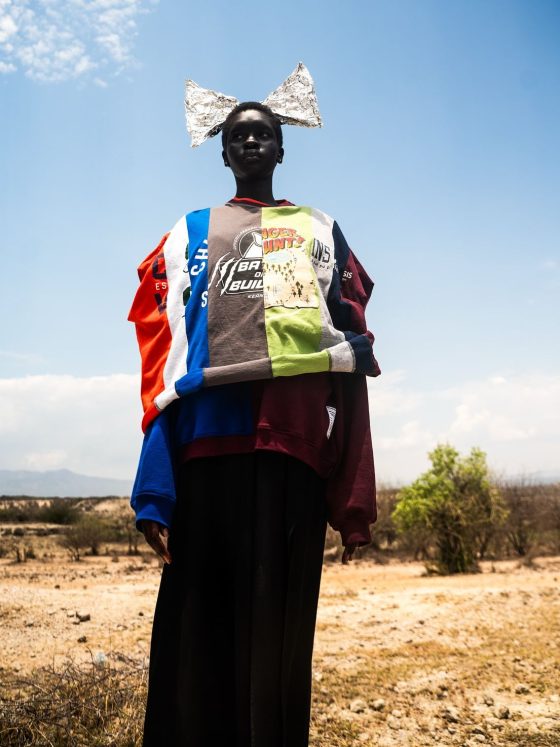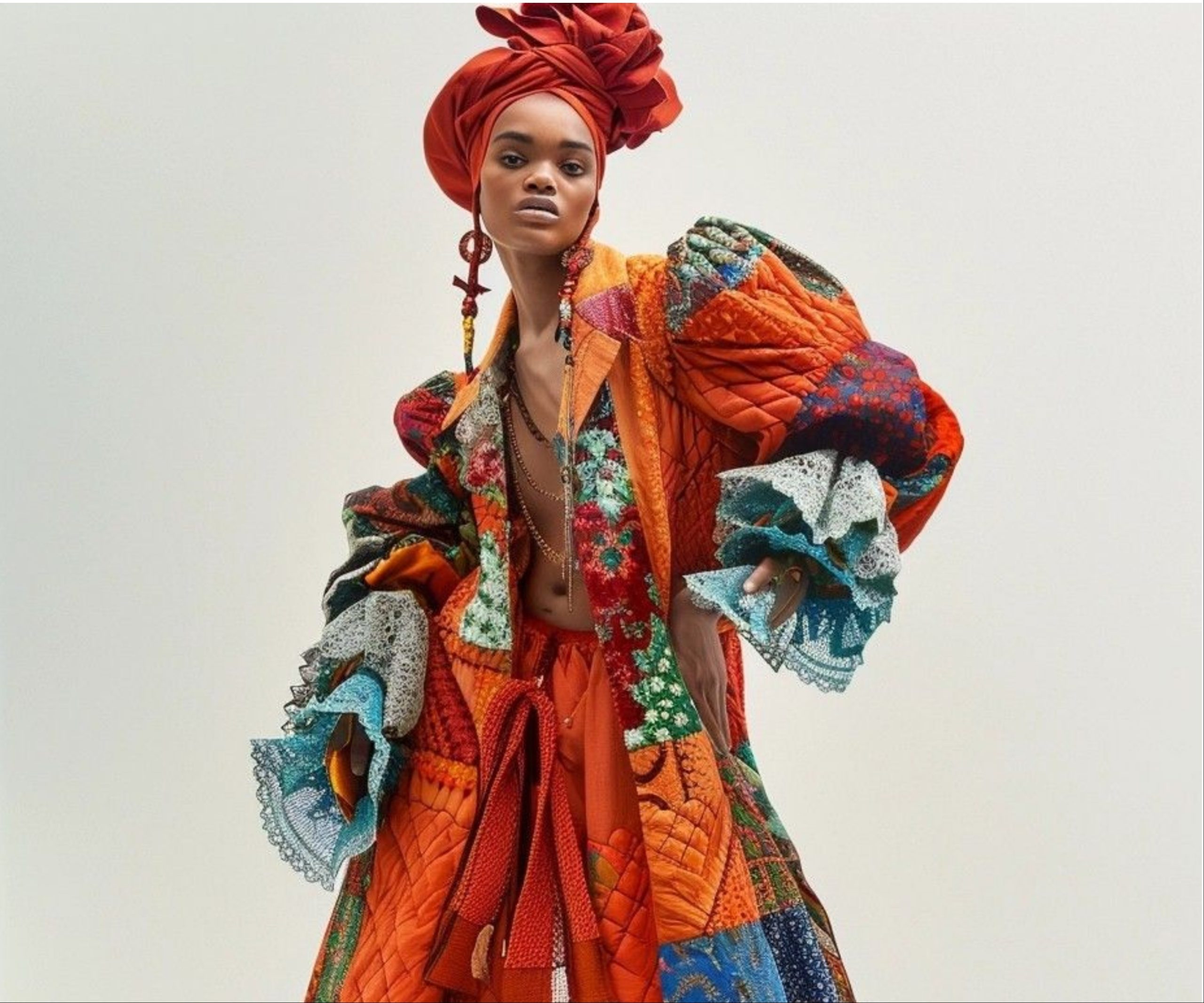
If sustainability means creating a cyclical system that benefits people and the world, shouldn’t we look to people who have been resourceful for a long time? As I looked into sustainable luxury, the idea of preserving legacy kept popping up. Black designers are not only joining the conversation; they are also setting the standard for ethics. They see sustainability as a key cultural value, not merely a fad, and they want supply chains to be fair and communities to own things. These designers prove that heritage-based craftsmanship is the best approach by focusing on circularity, low-impact materials, and careful production. Their work is making the world a better place, where ethical standards are the norm.
Black designers are redefining sustainable luxury. We explore how their commitment to circularity, ethical supply chains, and heritage-driven craftsmanship is leading the global fashion industry.
Upcycling as Cultural Practice
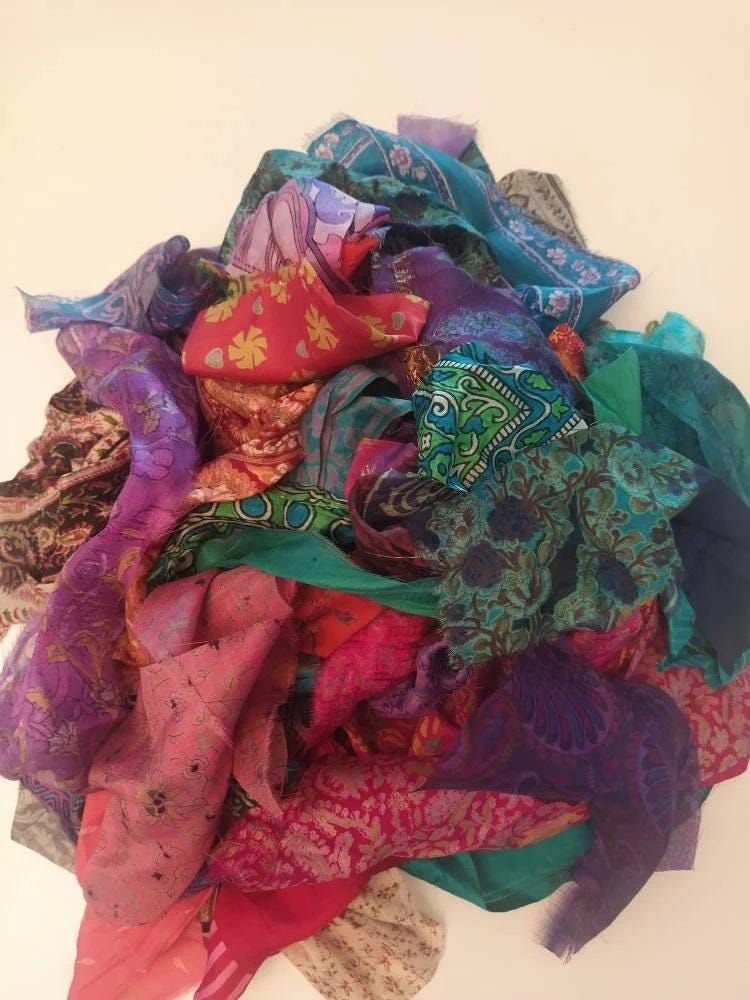
The idea of waste has never been part of traditional design systems. Black designers are not just following sustainability trends; they are drawing on their own long-standing knowledge of circular practices. For them, upcycling is more than a trend; it is a way to honour their heritage through skilled craftsmanship. This approach shows that true luxury comes from making things last and using resources wisely, turning thoughtful design into a moral choice.
Today, designers carefully choose deadstock and turn discarded fabrics into new creations. Priya Ahluwalia, for example, has built her brand around using existing materials, making upcycling and sustainable sourcing central to her work. This approach helps reduce the fashion industry’s profound environmental impact, as shown in global reports on textile waste. By returning to these time-tested traditions, the future of fashion can be shaped by the resourceful lessons of the past.
Ethical Sourcing and Community Ownership
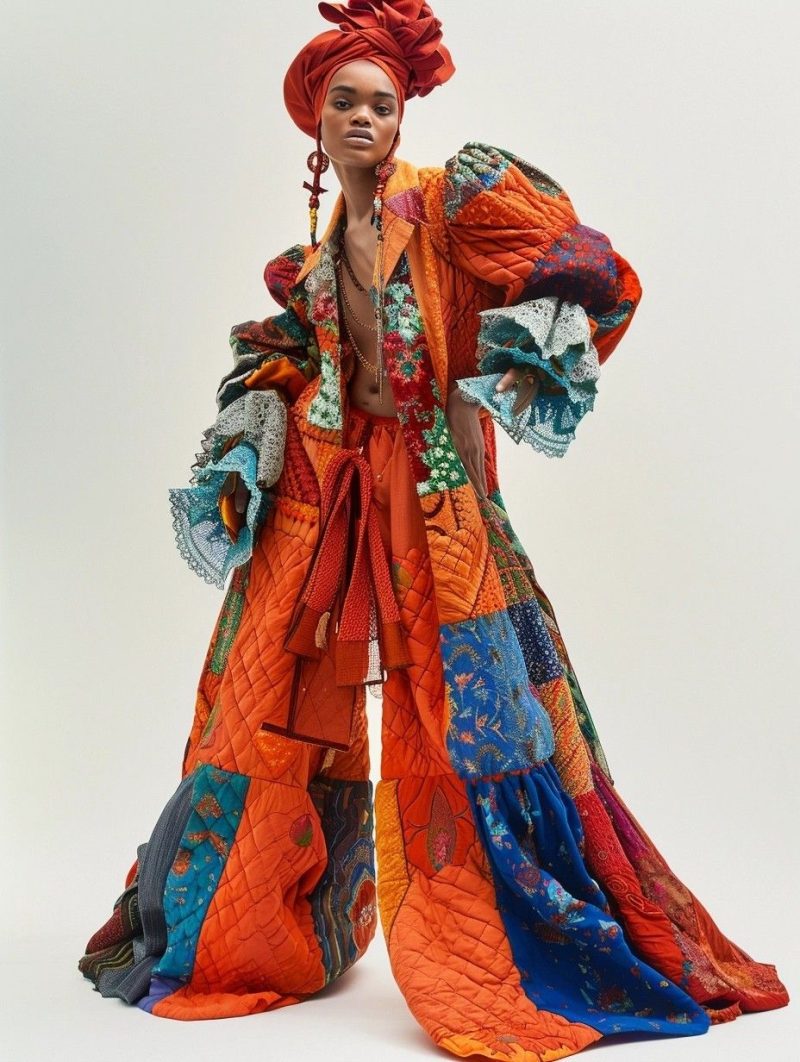
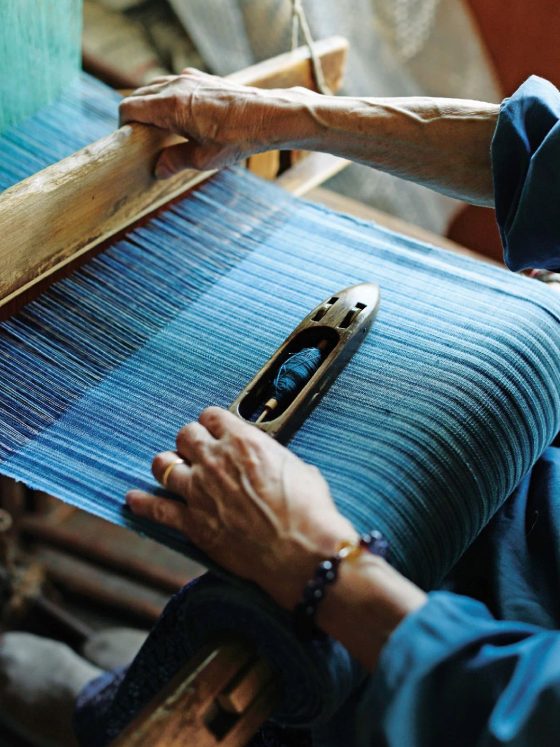
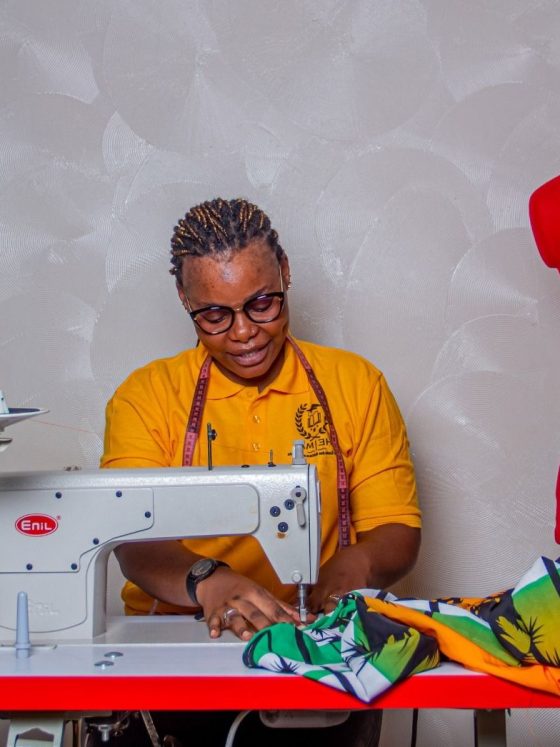
Black designers are redefining what it means for fashion to be ethical, going beyond fair wages to focus on community ownership and economic empowerment. For these brands, sustainability is closely linked to supporting local communities. They reject the exploitation common in traditional fashion and instead work to create wealth where the products are made. By managing their own supply chains, these brands help preserve traditional weaving and dyeing skills, turning them into sustainable careers.
Studio 189, started by Abrima Erwiah and Rosario Dawson, is a clear example. The brand works directly with artisans in West Africa, particularly in Ghana, to preserve local crafts and support community-led production. This approach shows that true sustainable and ethical luxury is about economic dignity. Studies also show that brands with strong community connections and transparent supply chains build greater consumer loyalty. When people buy from these brands, they are making a real investment in the future of artisan communities.
Material Innovation and The Slow-Fashion Thesis

One of the most effective ways to be sustainable is to reject fast fashion altogether. I’ve seen Black designers gradually lead the way by focusing on quality and longevity rather than short-lived trends. They are committed to finding or creating new natural fibres that are better for the environment. Designer Autumn Adeigbo, for example, uses a made-to-order model for her brand, which helps reduce waste from unsold inventory. [Autumn Adeigbo focuses on made-to-order production to minimise waste and ensure fair wages for global artisans.]
Aurora James’s Brother Vellies also stands out by using vegetable-tanned leather and recycled tyre soles, showing that luxury can be both innovative and sustainable. Brother Vellies uses recycled and vegetable-tanned materials sourced globally to support traditional African design practices.
This careful approach shows that true luxury is thoughtful, unique, and made to last. Changing how clothes are produced challenges the fashion industry’s old habit of constant waste. Today’s designers are called to create garments that last for generations, turning their work into something lasting and meaningful.
ALSO READ:
The Cultural Dividend: Reclaiming the Narrative
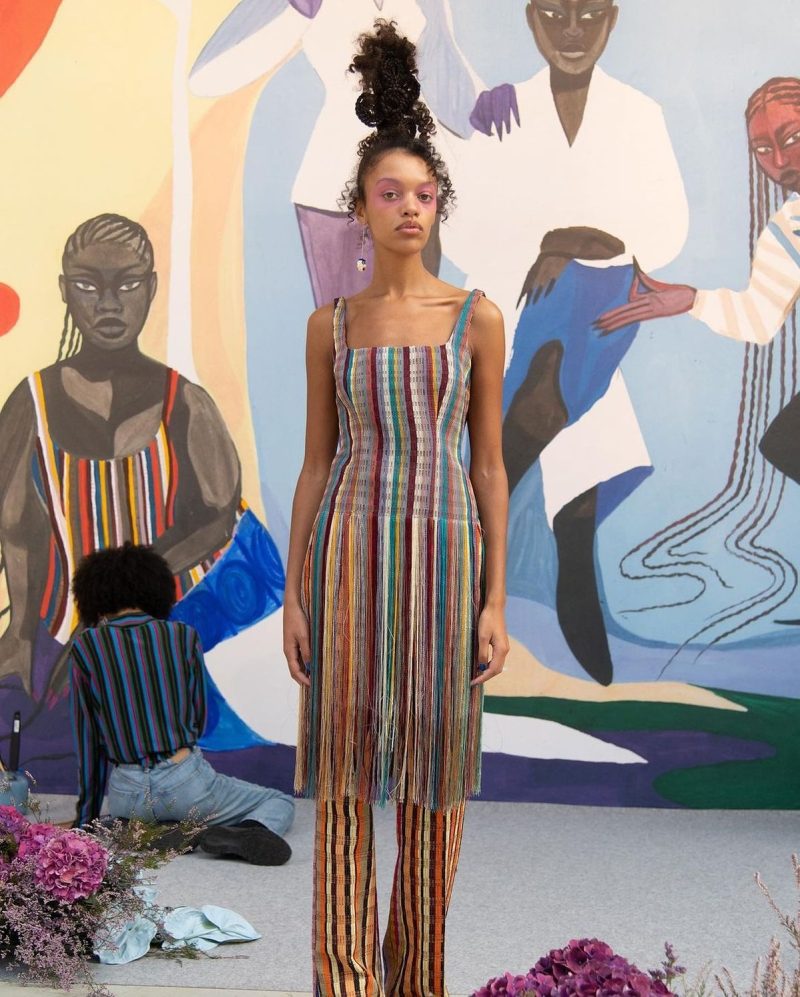
The result of this Black-led movement is that it has earned cultural legitimacy worldwide. These designers are not just following outside sustainability standards; they are creating new ones rooted in ancestral knowledge and self-determination.
Upcycling and community ownership, once considered alternative practices, are now shaping mainstream luxury brands. This shows that innovation is now flowing from Africa to the rest of the world. South African designer Thebe Magugu won the LVMH Prize by combining global styles with stories about African politics and culture, gaining significant international influence. Thebe Magugu won the LVMH Prize for his work that fuses contemporary design with African heritage and storytelling.
Nigerian-Austrian designer Kenneth Ize highlights the traditional Aso-Oke weaving technique, showing that ancient crafts can stand out on the runways of Paris and New York. Kenneth Ize is redefining luxury by centring his designs on African craftsmanship and a sustainable, community-focused supply chain.
African fashion is no longer just a source of inspiration; it is now a model for sustainable and ethical luxury. This movement shows that Black designers are leading the global conversation about conscious consumption and mindful production, taking back control of the narrative.
To trace the thread from ancestral practice to the modern revolution, continue reading the definitive narratives on ethical luxury at Omiren Styles.
Conclusion
Sustainable luxury is being redefined, and Black designers are leading the way. This movement has reached three critical milestones: reviving ancestral practices such as upcycling and circularity, building ethical supply chains grounded in community ownership, and earning strong cultural recognition worldwide.
Designers such as Priya Ahluwalia and Kenneth Ize are setting new standards by showing that heritage-driven craftsmanship is the most responsible and lasting approach to design. Black designers are shaping the future of fashion and offering a model for its ethical and creative renewal.
Frequently Asked Questions (FAQs)
- How do Black designers redefine “ethical supply chain”?
A: They redefine it by linking sustainability directly to community ownership and economic empowerment, ensuring that wealth and skills are preserved within the artisan communities where the materials and crafts originate.
- What is the “slow-fashion thesis” in this context?
A: The slow-fashion thesis is the rejection of mass production and waste, utilising made-to-order models and high-quality natural fibres to create garments that are built to last for decades and promoting intentional design.
- Which traditional practices contribute most to modern circularity?
A: Traditional practices like upcycling discarded materials and the long-standing cultural mandate to repurpose and repair garments are the original forms of the circular economy now being adopted by global luxury houses.
- How does this movement achieve “cultural legitimacy”?
A: It achieves legitimacy by showcasing that African and Diasporic cultural practices are the source of true sustainable & ethical luxury, leading to widespread global artistic influence and recognition from major fashion institutions and awards.