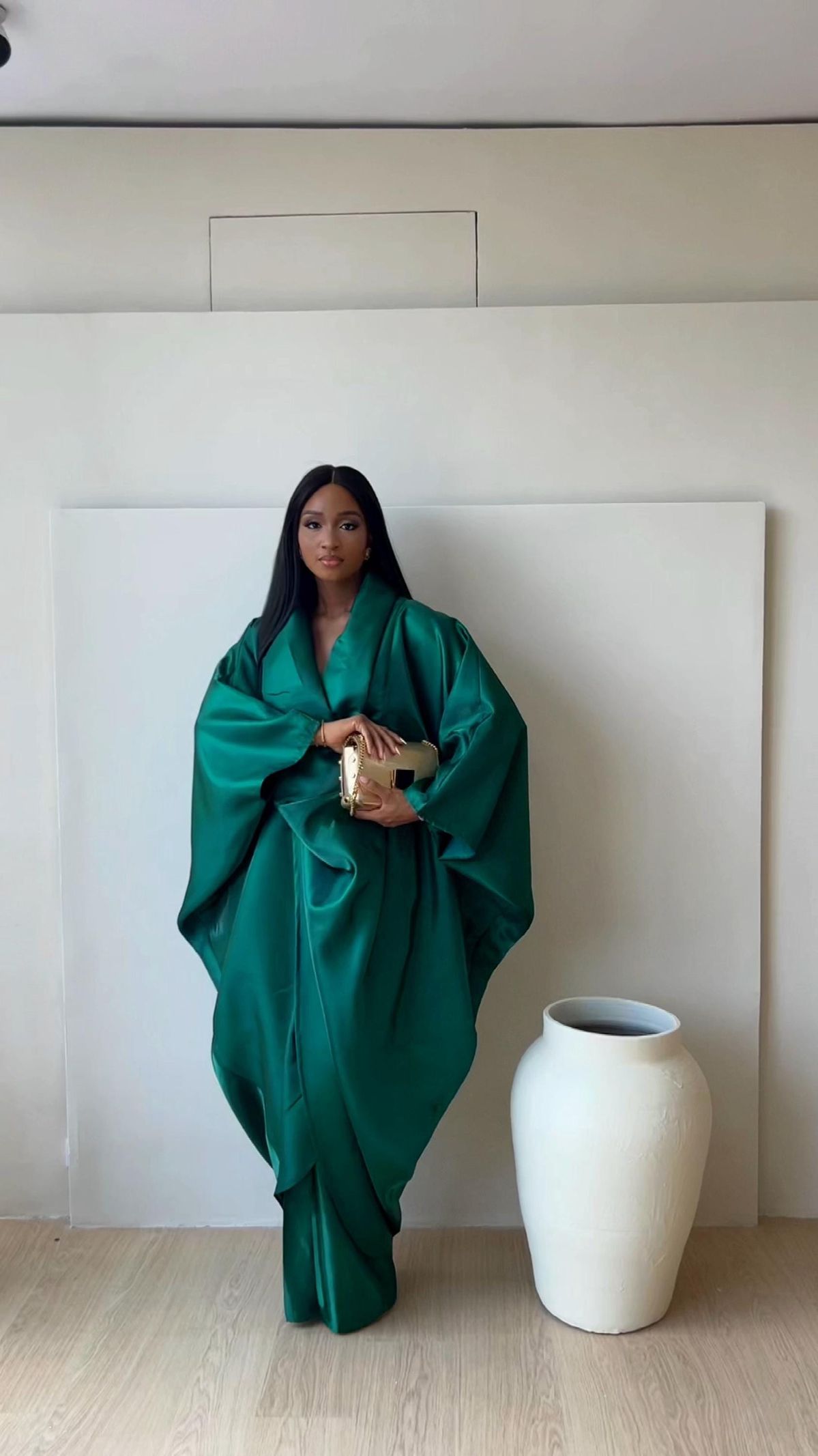
Beauty was once sold in jars, bottles, and palettes. It lived on shelves and counters, defined by finishes, textures, and promises of transformation. Today, beauty lives elsewhere. It lives in values, in culture, in memory, and in meaning. It is shaped by what people believe about themselves, their heritage, their place in the world, and the futures they want to build.
Across global markets and especially within African and diasporic communities, beauty has evolved into a language of identity and intention. Products still exist, but they are no longer the central focus of beauty. The core is a belief. The belief in self-worth transcends validation. The belief is that culture should not be viewed as a luxury. Sustainability, ethics, and representation are non-negotiable standards, not just marketing trends.
From cultural identity to ethical values, modern beauty has shifted from products to belief systems, shaping self-worth, representation and global expression today
Beauty as a Reflection of Belief
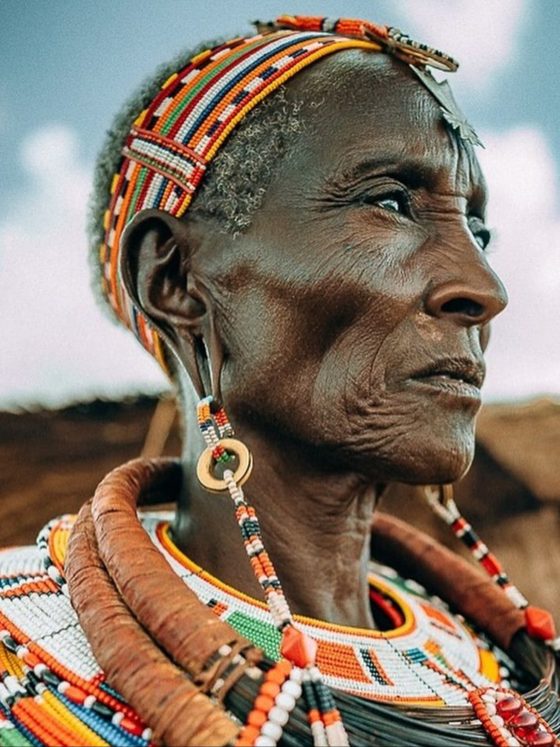
At its core, beauty has always been symbolic. Long before global beauty corporations, African societies used body adornment, hair, skin, and textile rituals to communicate status, spirituality, and belonging. Beauty was never only about appearance; it was about meaning.
Modern beauty is returning to this truth. Consumers are no longer asking only what a product does, but what it stands for. Who made it? Why does it exist? Whether it respects culture, labour, and the environment. Beauty now reflects belief systems about dignity, heritage, and responsibility.
This is why branding has shifted from perfection to purpose. From flawless imagery to lived stories. From aspiration built on lack to aspiration built on alignment.
The Role of Culture and Craftsmanship
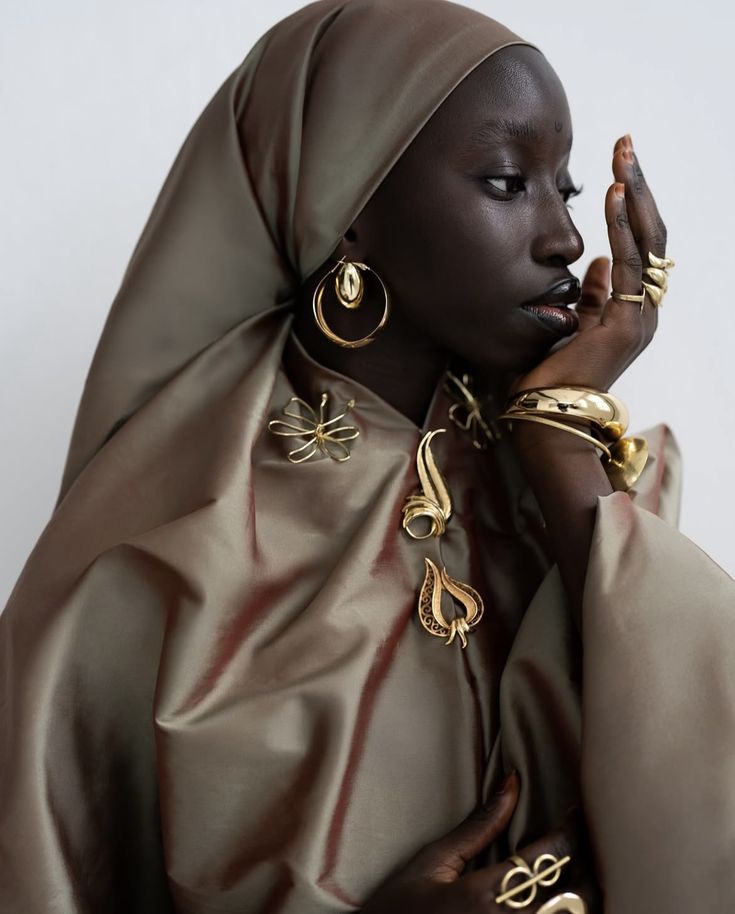
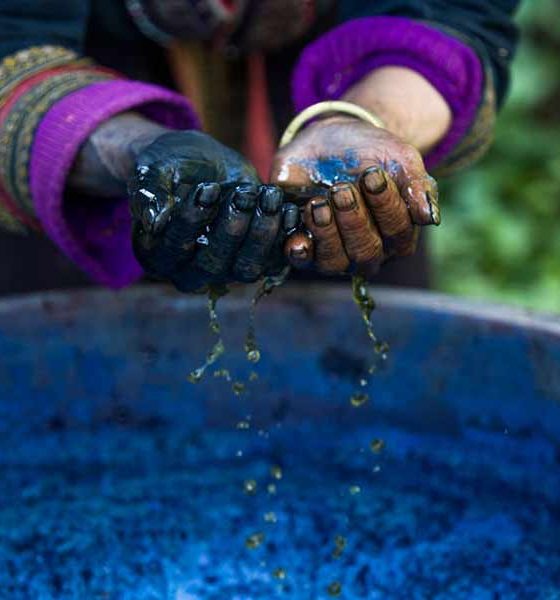
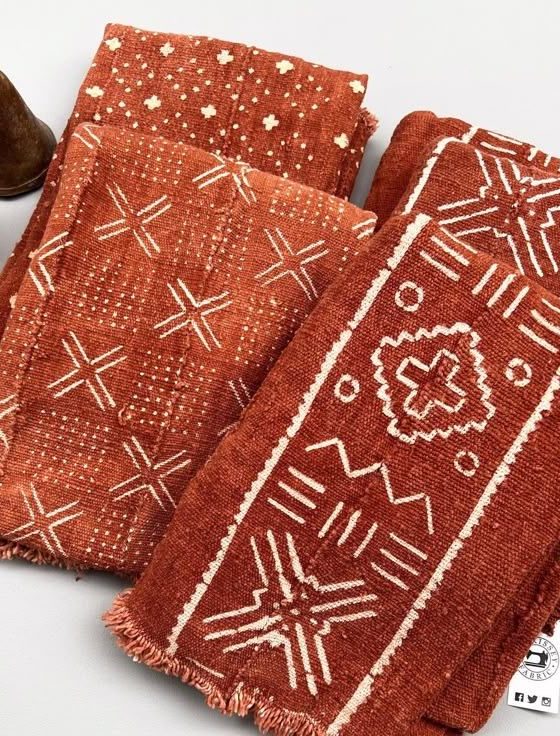
Cultural craftsmanship has become a powerful anchor in contemporary beauty narratives. Ingredients sourced from ancestral knowledge, rituals passed down through generations, and techniques rooted in place now carry as much weight as scientific claims.
For African and diaspora-driven brands, this is not nostalgia. It is a modern luxury. Luxury is defined by depth, traceability, and story rather than excess. Beauty becomes a bridge between the past and the future, honouring tradition while encouraging global innovation.
In this context, belief systems determine value. A product infused with cultural integrity and ethical practice is perceived as more desirable than one driven solely by scale or trend.
From Consumption to Identity
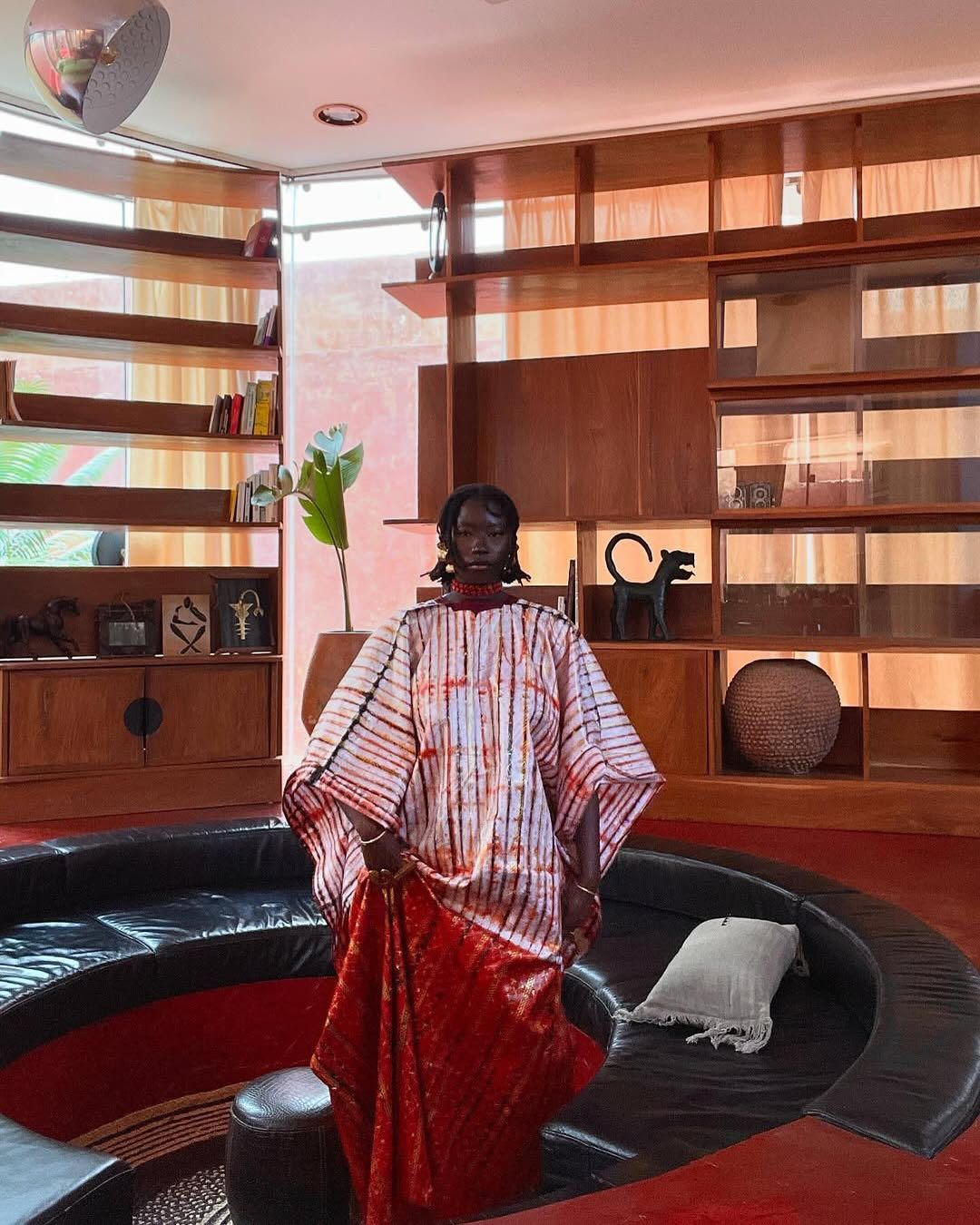
Social media accelerated this shift by decentralising authority. Beauty is no longer dictated from one cultural centre outward. It is shaped collectively, across continents, by creators, communities, and conversations.
This has turned beauty into an identity marker. People choose brands that mirror their worldview. Sustainability signals care for the future. Inclusivity signals respect for humanity. Cultural specificity signals pride rather than assimilation.
Beauty routines now sit alongside lifestyle choices. They reflect how people eat, dress, travel, and live. This is why beauty content today often blends fashion, wellness, art, and philosophy. It is not fragmented. It is holistic.
Read Also:
Ethics as a Non-Negotiable
Sustainability and ethical luxury are no longer niche concerns. They are belief-driven expectations. Consumers increasingly understand that beauty production affects land, labour, and heritage.
This awareness has shifted trust. Brands earn credibility not through slogans but through transparency and consistency. Ethical sourcing, fair labour, and environmental responsibility are interpreted as extensions of character.
In African markets, especially, this carries additional weight. There is a growing insistence that global beauty should not be extracted without giving back, nor should stories be told without honouring their origins.
The Global Yet African Perspective
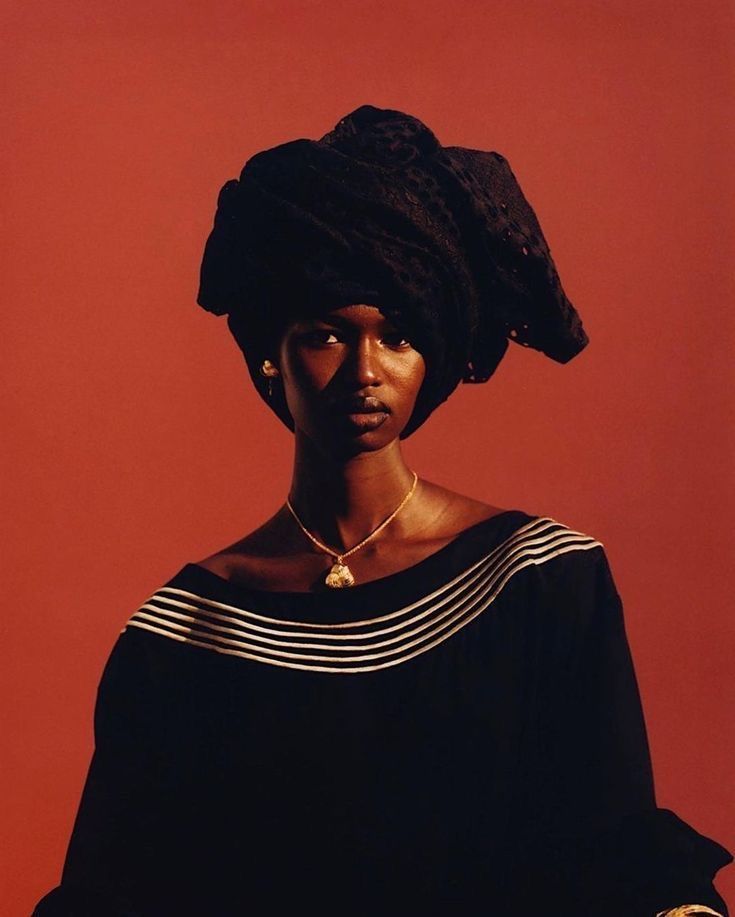
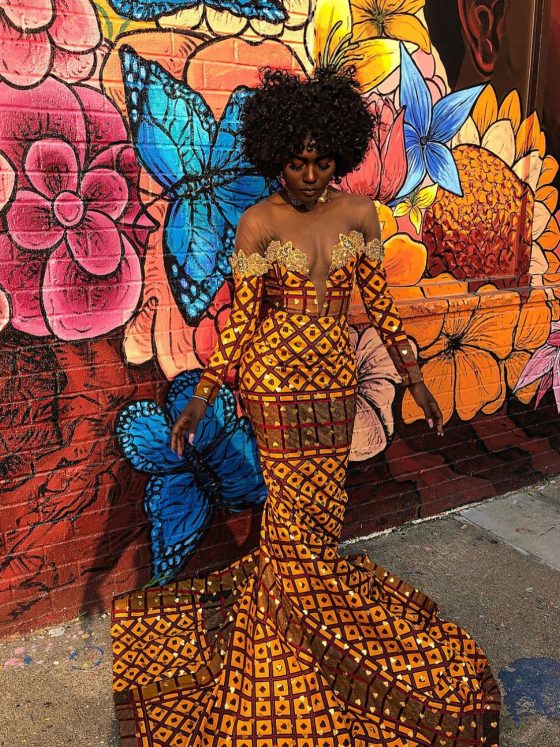
Modern beauty is global in reach but increasingly local in soul. African aesthetics, philosophies, and materials are influencing global beauty narratives, not as trends, but as frameworks.
Diaspora voices play a critical role here. They translate cultural knowledge across borders, blending global artistic influence with rooted identity. Beauty becomes a conversation between continents, shaped by migration, memory, and reinvention.
This cross-cultural exchange reinforces the idea that beauty is not universal in form but universal in meaning. It is personal, contextual, and deeply human.
Conclusion
Beauty is now defined by self-affirmation, not skin products. Products remain tools, but belief systems have become the foundation. Belief in culture has become a luxury. There is a widespread belief that ethics are essential. The belief that identity is worthy of visibility without compromise is also prevalent.
This evolution signals maturity, not rebellion. It reflects a generation that understands beauty as narrative, responsibility, and self-definition. In this new era, beauty does not ask people to become something else. It asks them to become more of who they already are.
FAQs
- Why is beauty shifting away from products to values?
Consumers now seek meaning, alignment, and identity in their purchases, rather than just functional results.
- How does culture influence modern beauty today?
Culture provides context, history, and authenticity, turning beauty into a form of storytelling rather than surface enhancement.
- What role does Africa play in this new beauty narrative?
African traditions, ingredients, and philosophies are shaping global beauty through craftsmanship, sustainability, and cultural pride.
- Is sustainability truly important in beauty or just a trend?
It is a belief-driven expectation rooted in ethics, environmental awareness, and long-term responsibility.
- Can beauty still be aspirational without selling perfection?
Yes. Aspiration today is built on confidence, integrity, and self-acceptance rather than unrealistic ideals.