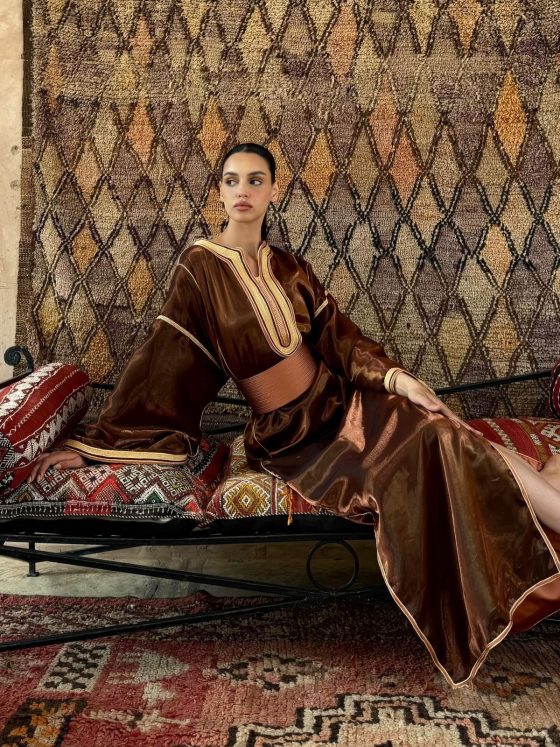
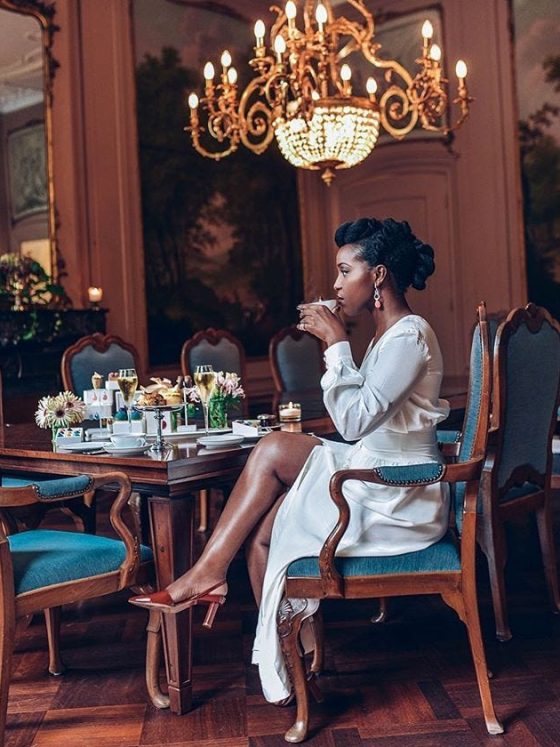
Minimalism has shaped global luxury for decades, defined by clean lines, quiet colour stories, and silhouettes that invite calm.
But in recent years, a new interpretation has begun to take centre stage, one shaped by African thought, African design intelligence, and African ways of simplifying beauty.
Afro-minimalism is a distinct visual philosophy that treats restraint as a canvas for meaning.
It favours natural textures, sculptural tailoring, intentional cuts, and details drawn from craft traditions that have always embraced subtlety.
Where some aesthetics aim for spectacle, Afro-Minimalism leans into clarity. It is an approach where modernity and heritage speak in low, confident tones, and right now, the global luxury world is paying attention.
Afro-minimalism blends African craft, clean lines, and quiet luxury. Discover why designers and luxury houses now look to Africa for the following minimalist language.
What Is Afro-Minimalism? (A Clear Definition)
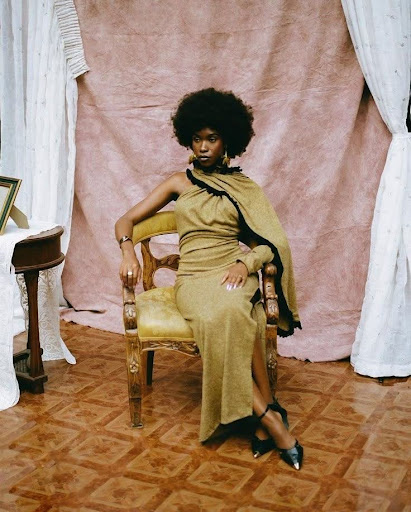
Afro-minimalism is a design and fashion aesthetic that combines the clean, stripped-back principles of minimalism with African materials, forms, and cultural references.
It removes excess but keeps meaning. It favours clarity over decoration while allowing African identity to guide the choice of texture, shape, and craftsmanship.
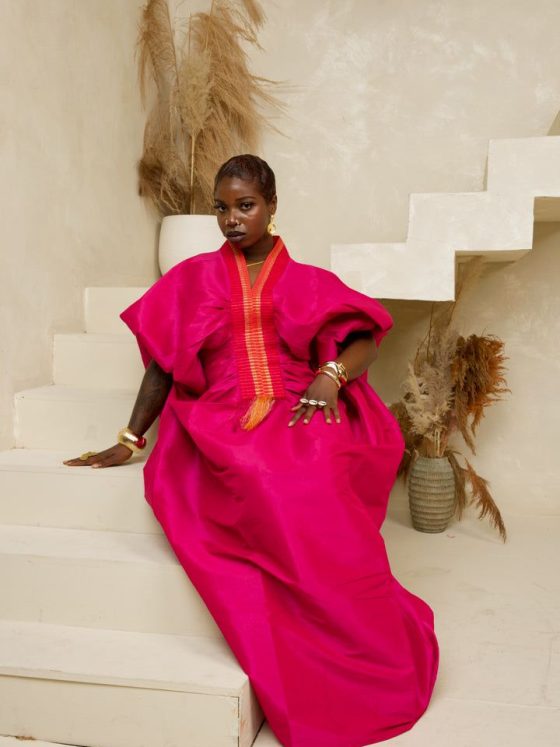
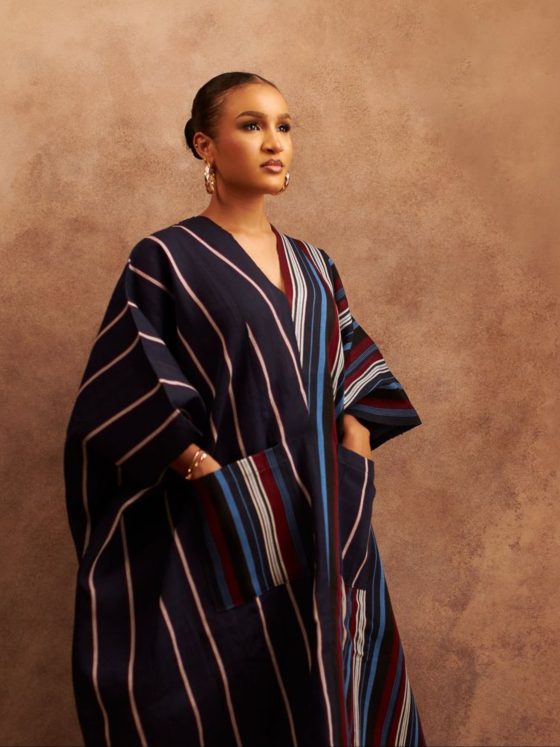
In fashion, Afro-minimalism appears as:
- Earth-rooted colour palettes (stone, clay, sand, deep browns, muted metallics)
- Simple silhouettes with subtle cultural echoes, such as draping inspired by East African wraps or structured shapes reminiscent of West African tailoring
- Textures that carry history, like hand-woven fabrics, raw silks, or locally produced cotton
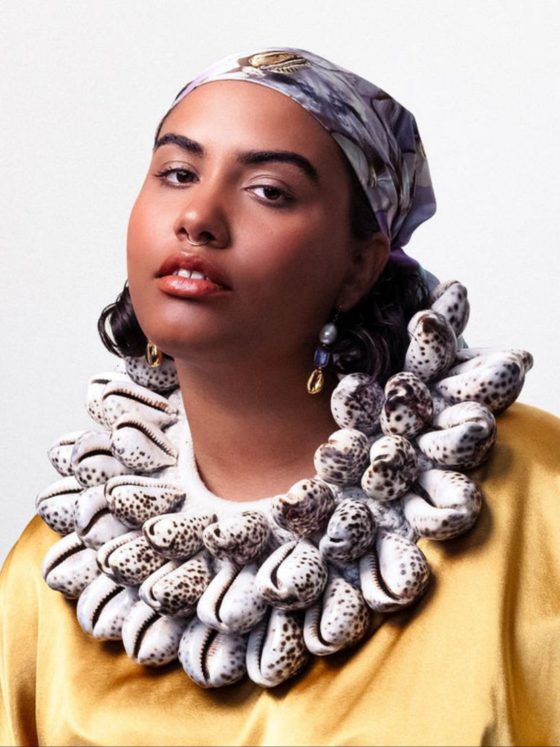
- Accessories with sculptural or artisanal qualities, referencing heritage without being literal
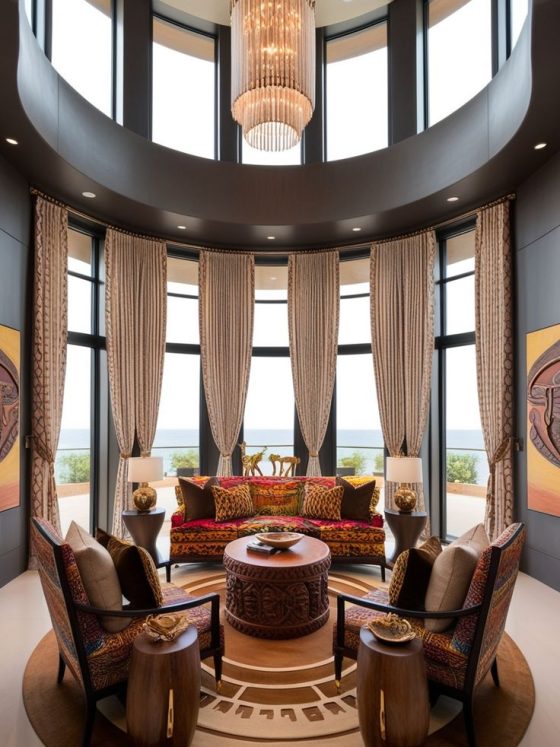
In interiors or architecture, it looks like:
- Open, calm spaces
- Natural, locally sourced materials like wood, clay, and stone
- Craft-driven detailing that feels organic, not ornamental
At its core, Afro-minimalism is luxury expressed through restraint, culture expressed through subtlety, and African identity distilled rather than decorated.
Why the Moment Exists: Cultural and Market Forces
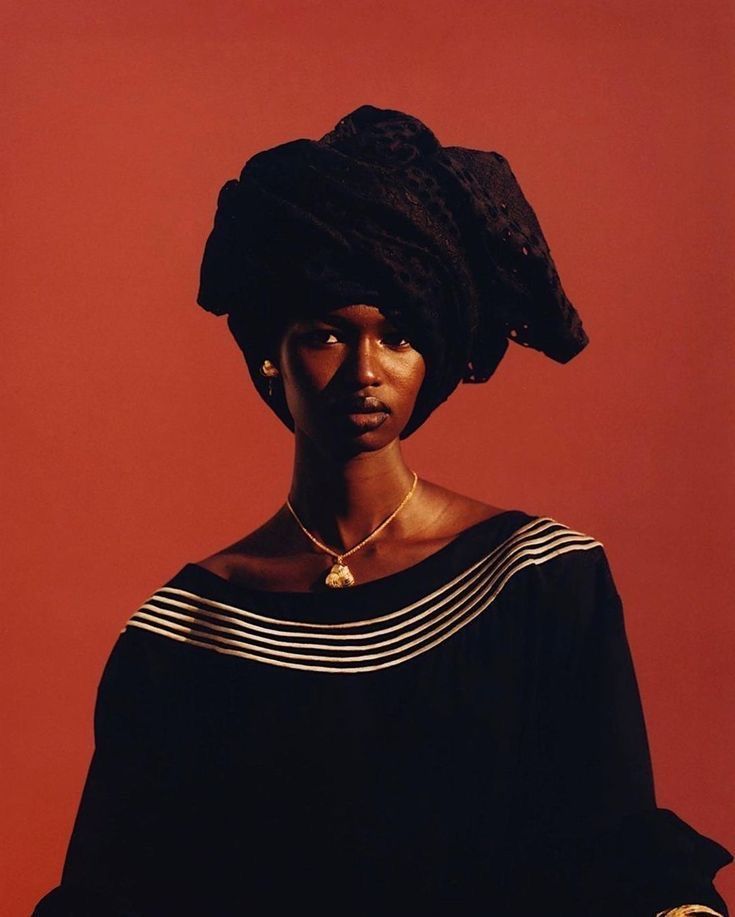
Several converging forces explain why Afro-Minimalism has become a global luxury idiom:
- There is a growing desire for authenticity. Luxury consumers now prize provenance and authorship. An object that reads as rooted in place and made by known hands resonates more deeply than anonymous opulence. African designers and ateliers offer precisely that: craft legibility and traceable narratives.
- The continent’s creative infrastructure. Cities like Lagos, Accra, and Cape Town have matured into ecosystems of designers, makers, and curators who can supply both concept and craft. Lagos Fashion Week’s recent emphasis on growing Pan-African design talent demonstrates how the continent is building its own pipeline for global influence.
- The design conversation now favours quiet power. After cycles of maximalism and loud branding, many high-end consumers are returning to objects and clothes that are considered durable and architectural, a space where Afrominimalism naturally sits.
How Afro-Minimalism Shows Up in Fashion, Interiors, and Architecture
Fashion
In clothing, Afro-minimalism rejects the “heritage print” shorthand and instead mines technique: hand-woven cloths presented in neutral palettes, subtle asymmetric hems that echo traditional draping, or tailoring that borrows proportion from indigenous garments without performing folklore. Brands across Africa and its diaspora are building collections where a single seam or the grain of a fabric carries cultural weight.
Interiors & Architecture
Architects and interior designers such as Tosin Oshinowo have defined an “Afro-minimal” approach in built form: luminous volumes, natural stone and timber, and a focus on calm domestic rituals. These projects refract the minimal ethos through the continent’s climatic and material realities, creating spaces that are at once modern and rooted. The result reads as contemporary luxury for today’s global client.
Retail & Curation
A wave of boutique retailers and concept stores across Lagos, Johannesburg, and Accra are curating “quiet luxury” lines of measured assortments where quality is foregrounded, and trend cycles are resisted. This retail discipline helps translate Afro-Minimalism into the buying choices of an international clientele.
READ ALSO:
- African Fashion Visionaries Redefine the Hollywood Red Carpet
- The Rise of African Luxury Designers Redefining Global Runway Culture
Five Pillars of Afro-Minimalist Luxury (What Gives it Authority)
- Material Honesty – natural fibres, hand-finished surfaces, and local sourcing. The tactile story is paramount.
- Sculptural restraint: silhouettes or volumes that read as architectural; one gesture carries the look.
- Craft as Subtext – Hand techniques (weaving, dyeing, woodworking) are signifiers of value rather than mere decoration.
- Contextual Colour – soft neutrals punctuated with heritage tones; colour is used like punctuation.
- Cultural Legibility: references to places and rituals that are intelligible rather than gimmicky; provenance matters.
Case Studies: Designers and Projects Leading the Shift
- Ilé Ilà/Tosin Oshinowo (Architecture & Lifestyle): Projects that prioritise serenity, volume, and local materials show how Afro-minimalism translates into built luxury. Oshinowo’s work is a clear example of African minimalism as spatial poetics.
- Ajabeng, a Ghanaian brand, intentionally fuses minimal silhouettes with African textile sensibilities, framing its approach precisely as an “Afro-minimal” ethic.
- Cape Town homes reinvented by ARRCC: Interiors that pair neutral palettes with artisanal objects demonstrate how minimalism on the continent is not about absence but selective presence.
These practitioners show that Afro-Minimalism is not an imported style but a practice arising from specific cultural and climatic logics.
What Luxury Houses Are Learning
Global luxury brands are increasingly taking note of Afro-minimalist cues. Many have introduced capsule pieces made from African-sourced materials or redesigned their retail spaces to reflect the calm, intentional atmosphere of Lagos’s most thoughtful boutiques. Respectful handling, such as crediting artisans, supporting craft economies, and forming genuine creative partnerships, transforms this influence into a meaningful exchange. Only when one copies the aesthetic without acknowledging the labour, lineage, or communities behind it does it become tokenism. As critics and curators, we must be precise in naming that difference.
The Cultural Impact: Why This Matters Beyond Style
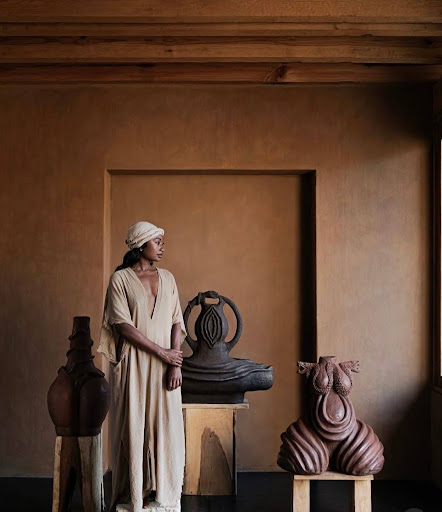
Afro-minimalism matters because it restores authorship. For decades, African craft, form, and design intelligence have shaped global aesthetics without proper visibility or compensation for the cultures that created them. This movement repositions African creatives as the primary narrators of their own design languages. It allows designers, Artisans and studios across the continent to define how their heritage should evolve, circulate, and be valued in the luxury economy.
When Afro-Minimalism enters the global stage, it creates room for African innovation to be recognised as contemporary, not a relic or trend, but a legitimate design future. It opens pathways for local industries to scale, strengthens creative economies, and ensures that the continent can finally benefit from the ideas it has always contributed.
This structural correction provides African creators with the visibility, authorship, and economic ownership they have long lacked.
Conclusion
Afro-minimalism is not minimalism for novelty’s sake. It is a rigorous aesthetic discipline that pairs scarcity with meaning and restraint with lineage. As the world’s eyes move to Africa for the following language of luxury, this aesthetic will define a new kind of quiet power: sophisticated, place-rooted, and responsibly global.
FAQs
- Is Afro-minimalism the same as minimalism?
No. Afrominimalism borrows minimalism’s restraint but centres African materials, proportions, and crafts as its defining elements.
- Which African designers are known for Afro-minimalist work?
Designers frequently cite architects and lifestyle brands, such as Tosin Oshinowo’s Ilé Ilà, and fashion labels such as Ajabeng as examples.
- How can luxury brands adopt Afro-Minimalism ethically?
Partner with local makers, ensure transparent sourcing, credit craft origins, and invest in local capacity rather than merely aesthetic extraction.
- Does Afro-minimalism apply only to fashion?
No. It spans fashion, interiors, architecture, and product design, wherever material, form, and provenance matter.
- Why is Afro-Minimalism essential for global design?
It offers a tested alternative to flashy consumption: a luxury grounded in craft, climate, and cultural knowledge – qualities that resonate with contemporary affluent buyers.