African music carries a pulse that transcends sound. In villages and cosmopolitan cities alike, rhythm defines movement, memory, and meaning. Long before wellness became a commercial category, African sonic traditions anchored community life, spiritual encounter, and emotional balance. Today, those traditions inform how the world understands healing through sound. This story traces how African music’s cultural depth fuels modern wellness practices, elevates global art influence, and reshapes contemporary ideas of well‑being.
From ancestral rhythms to global wellness spaces, African music shapes healing, identity and mindful living in emerging cultural landscapes.
Music as Cultural Craftsmanship
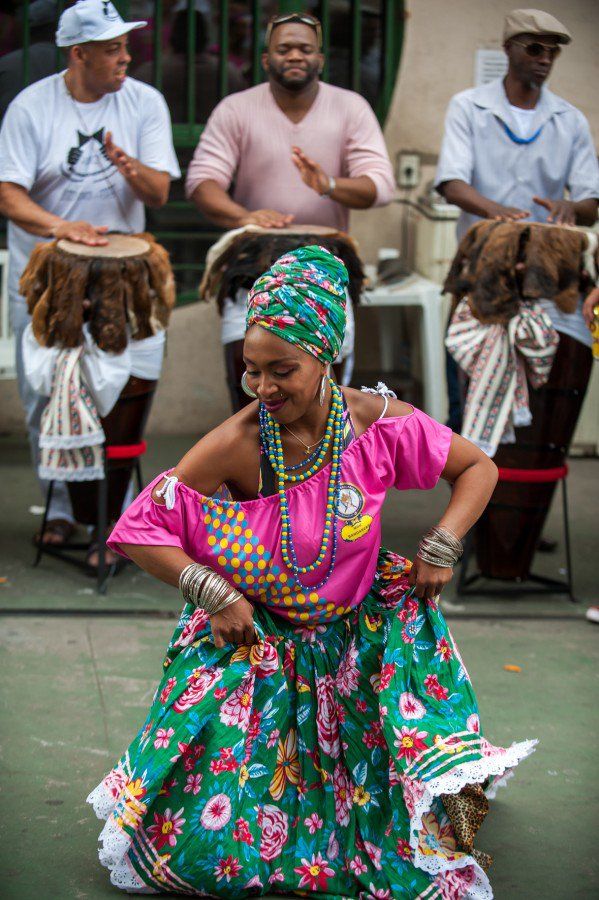
In many African societies, music is not a separate performance from life. It is a cultural craft, embedded in rites of passage, collective labour, and shared history. A drumbeat does more than entertain. It summons attention, marks transition, and aligns bodies in a communal pulse. Chant and call‑and‑response function both as social architecture and emotional resonance. These practices are deeply intentional — each rhythm a vessel of heritage and meaning.
Traditional practitioners understand sound as holistic. It moves bodies but also negotiates space with ancestors, community, and spirit. This craftsmanship is not decorative. It is functional. Song regulates grief, cadence facilitates cooperation, and group vocal work fosters cohesion. African music’s therapeutic logic has always been relational rather than individual. It tells us that healing is shared, not solitary.
Rhythm and the Human Body
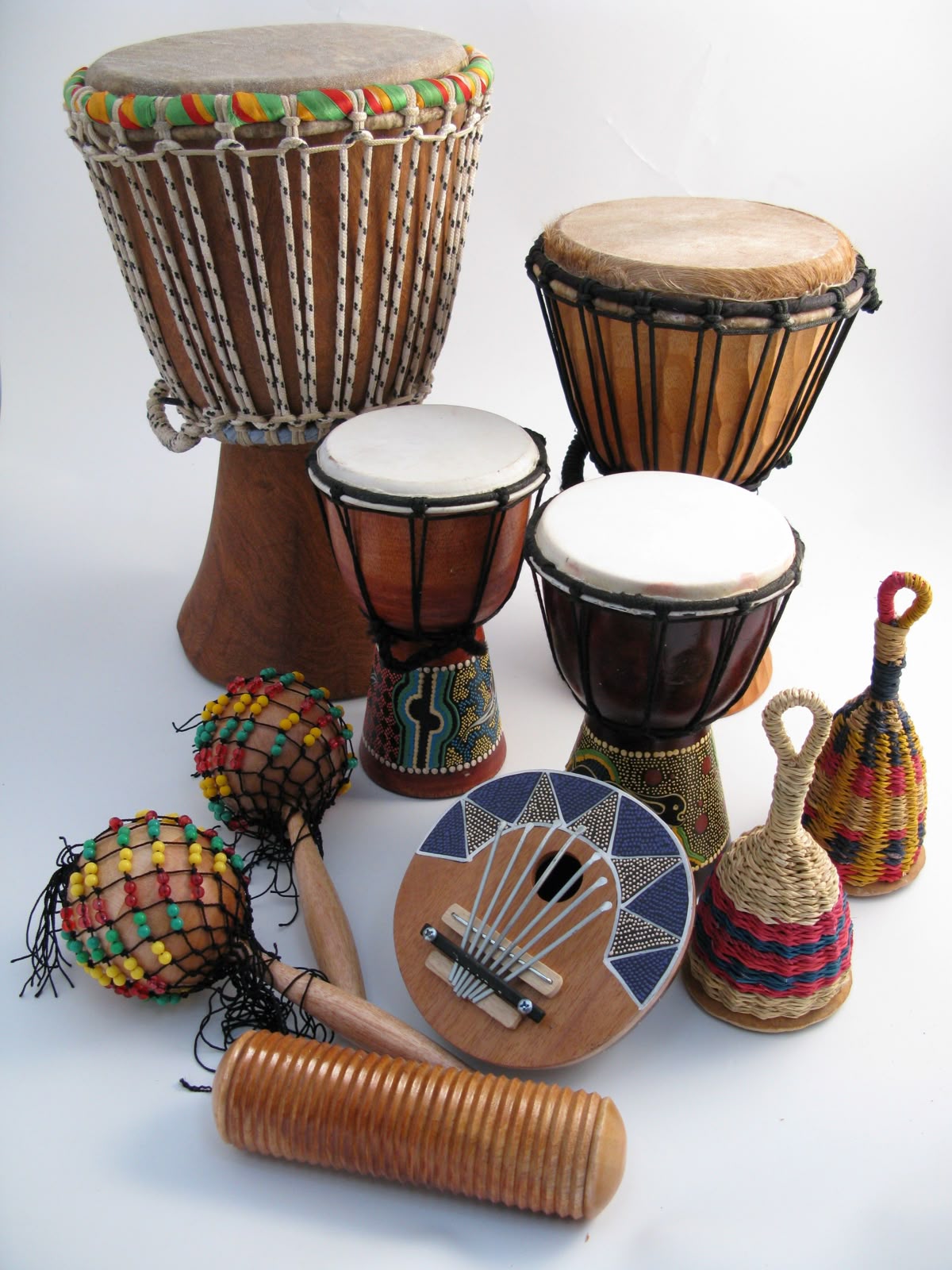
Modern wellness acknowledges what African traditions have embodied for centuries: rhythm affects the nervous system. Repetitive beats can regulate breathing, foster Focus and calm the fight-or-flight response. In therapeutic settings, guided sound engagements help reduce anxiety and enhance emotional awareness. In communal drumming circles, participants discover presence not through isolation but through mutual attunement.
This physiological truth underscores a fundamental idea: wellness is anchored in embodied participation. African music invites the listener into experience, not observation. It demands presence, breath, and responsiveness. That requirement echoes in contemporary practices, such as sound baths and breath-centered music therapy. Yet in the African context, these are not innovations; they are continuations of ancestral logic.
Narratives in Sound: Music and Identity
African music is also narrative. Every melody carries histories of struggle, resilience, and adaptation. Griot traditions in West Africa, for example, preserve communal memory through song. In diaspora contexts, musical forms like jazz, blues, and Afro‑Latin rhythms carry genealogies of forced migration and cultural negotiation. These narratives are not incidental; they are core to wellness because they link self to lineage and identity to belonging.
Modern wellness frameworks increasingly value storytelling as a path to psychological integration. African music naturally supplies this. Whether through lament, celebration, or protest, sound becomes a vector of meaning. It connects personal experience to collective history. In a world where identity is often fragmented, this holistic linkage offers psychological coherence, not escapism.
Read Also:
Global Artistic Influence and Cross‑Cultural Exchange
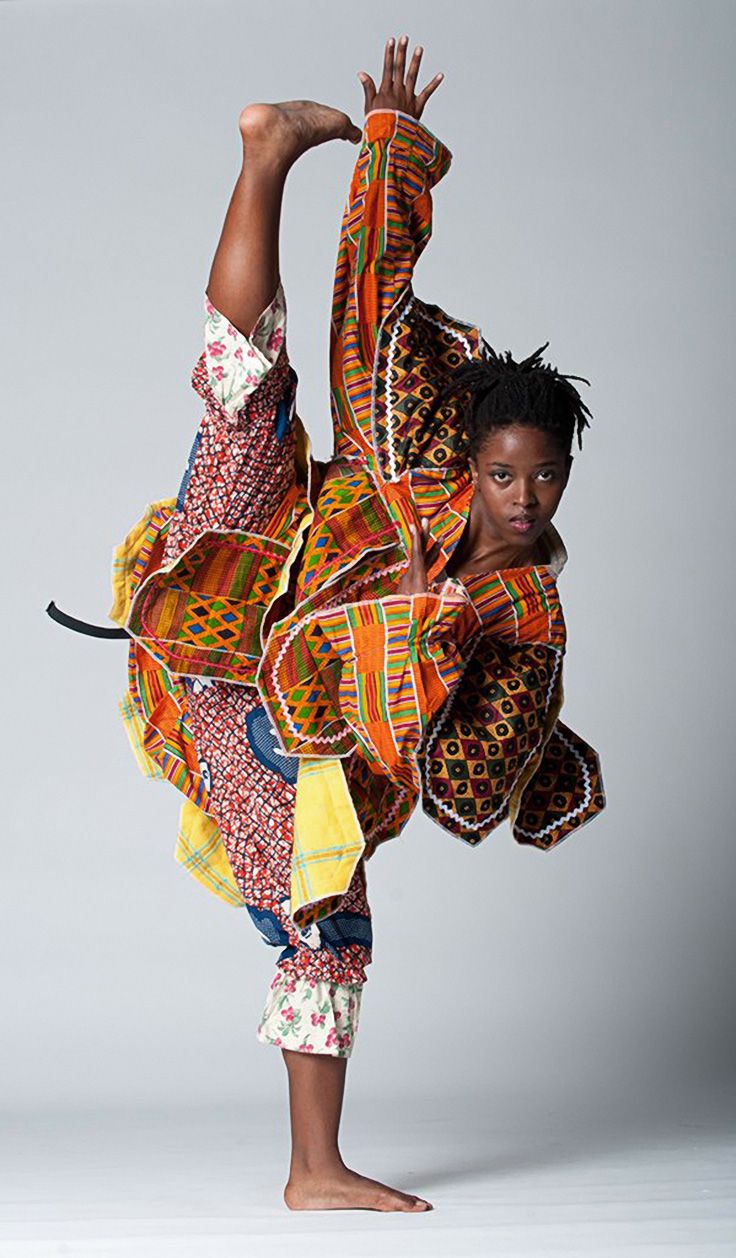
The global reach of African rhythms is undeniable. Contemporary artists across continents draw on polyrhythms, vocal phrasing, and instrumentations rooted in African lineage. That influence extends into wellness soundscapes used in meditation playlists, therapeutic audio design, and hybrid performance rituals. The cross‑cultural exchange here is not superficial. It is a dialogue of form and intent.
Yet influence must be framed responsibly. Recognition means more than adoption. It demands acknowledgement of origins and an appreciation of context. When Western wellness spaces borrow African sonic elements without honouring their cultural roots, the result is hollow appropriation. Genuine engagement, by contrast, deepens understanding and elevates both practice and practitioner.
Lifestyle Innovation: Music Beyond Sound
In fashion, tech, and lifestyle spaces, African music informs rhythm in movement, timing in design, and flow in user experience. Designers cite musical structures in pattern abstraction. Tech innovators explore audio feedback loops that mirror traditional call‑and‑response dynamics. Wellness retreats incorporate African sound rituals not for novelty but for their capacity to synchronise mind and environment.
This is where lifestyle innovation meets cultural legacy. The integration of African music into global wellness is not decorative or ephemeral. It is strategic and soulful. It reshapes routines, informs sensory architecture, and invites people to experience sound as a living system of intelligence.
Sustainability and Ethical Luxury
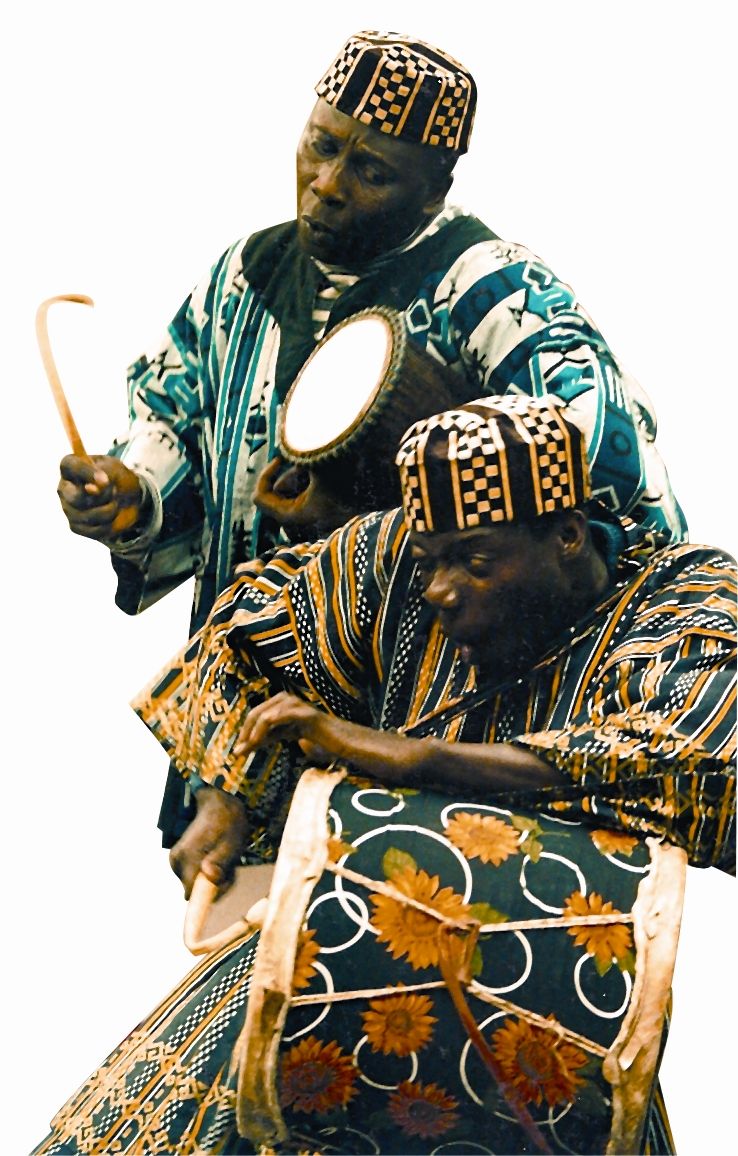
At the intersection of African music and modern wellness is a commitment to sustainable cultural expression. In this context, ethical luxury entails honouring creators, preserving lineage, and ensuring the integrity of cultural knowledge-sharing. Instruments like the djembe, kora, or mbira are not mass‑produced commodities. They are artefacts of craftsmanship and lineage.
Wellness programming that integrates these elements must do so with respect. Sustainability is social, not just ecological. It asks that communities be recognised as stewards of knowledge, not sources of inspiration without compensation. This ethical frame ensures that music remains a source of communal flourishing rather than extraction.
Conclusion
The influence of African music on modern wellness is not incidental or aesthetic. It is foundational, relational, and deeply human. African sonic traditions teach that healing is communal, that rhythm is physiology, and that narrative is identity. As global wellness continues to evolve, these lessons ground it in something enduring. African music offers not just sound but also story, structure, and soul.
Modern wellness is richer for it. But the work now is stewardship — to engage with these influences ethically, respectfully, and with full acknowledgement of their origins. In doing so, we honour not just the rhythms, but also the communities and histories that sustain them.
FAQs
- How does African music influence modern wellness practices?
African music influences wellness by emphasising rhythm, community participation, and narrative meaning. These elements align with practices that promote emotional balance, presence, and relational healing.
- Is the influence limited to sound baths and drumming circles?
No. Its influence extends to meditation design, therapeutic audio, movement practices, and lifestyle innovations that integrate musical structure into everyday well‑being.
- Why is narrative important in African music and wellness?
Narrative connects personal experience to collective history, offering psychological coherence. This linkage enhances emotional processing and identity integration, which are key aspects of wellness.
- What does ethical integration of African music involve?
Ethical integration recognises the origins, respects the cultural context, and upholds the recognition and value of the communities that uphold these traditions.
- Can African music traditions improve individual well‑being outside cultural settings?
Yes. The embodied practices of rhythm and communal engagement resonate universally. However, their meaning and impact are deepest when understood within their cultural logic rather than as borrowed aesthetics.