The global art scene is shifting fast, and African art museums and collectors are right at its centre. They’re not sitting back and letting outsiders tell their stories anymore. Instead, from Cape Town’s old grain silos transformed into modern museums to Lagos’s brand-new institutions, these visionaries are building spaces that match anything you’ll find in the West, but with a style and perspective that’s all their own. Their reach goes way beyond gallery walls. They’re changing how auctions work, bringing stolen art back home, and nurturing new talent with a level of sophistication that’s turning heads everywhere. This isn’t just about hanging onto the past. It’s about taking charge of the future, utilising strategy, resources, and a clear sense of purpose to shape what African art means today and in the future.
African art museums and collectors are now transforming the global market through heritage preservation, bold acquisitions, and institutional innovation.
Top 10 African Museums & Collectors in the Art Market
1. Zeitz MOCAA – Cape Town’s Contemporary Landmark

When the Zeitz Museum of Contemporary Art Africa opened on 22nd September 2017, it instantly became the largest museum dedicated to contemporary African art and its diaspora. The project came together through a partnership between Jochen Zeitz, a passionate collector, and the Victoria & Alfred Waterfront. You’ll find works by artists like Kehinde Wiley, Marlene Dumas, and Chris Ofili inside, but honestly, the building itself is a showstopper. Nine floors and 9,500 square metres, all carved out of an old grain silo, are bold, ambitious, and impossible to ignore. Zeitz MOCAA operates as a public non-profit space, offering everything from artist residencies to educational programs to a BMW-backed art education centre. It proves African museums can draw worldwide attention, combining world-class collections with fearless vision.
2. Prince Yemisi Shyllon – Champion of Private Collecting
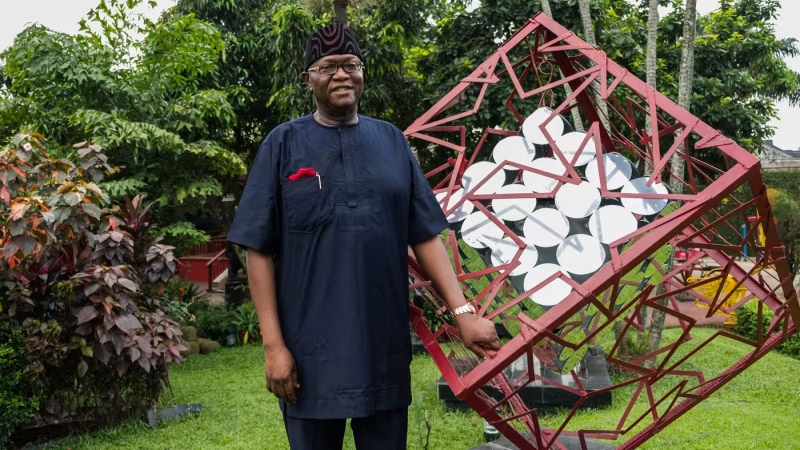
Prince Yemisi Adedoyin Shyllon isn’t just Nigeria’s most prominent private art collector; he’s one of the continent’s most significant. His collection, about 7,000 artworks and 55,000 festival photographs, goes way beyond personal passion. Founding the Yemisi Shyllon Museum of Art, he made a point of turning private ownership into public access. When YSMA opened, he handed the reins of his foundation over to an institution, setting a rare example: collecting as stewardship, not just possession. He shows how private collections can become public treasures, offering a model for others who want to turn their love of art into something bigger than themselves.
3. Fondation Sindika Dokolo – Fighting for Repatriation
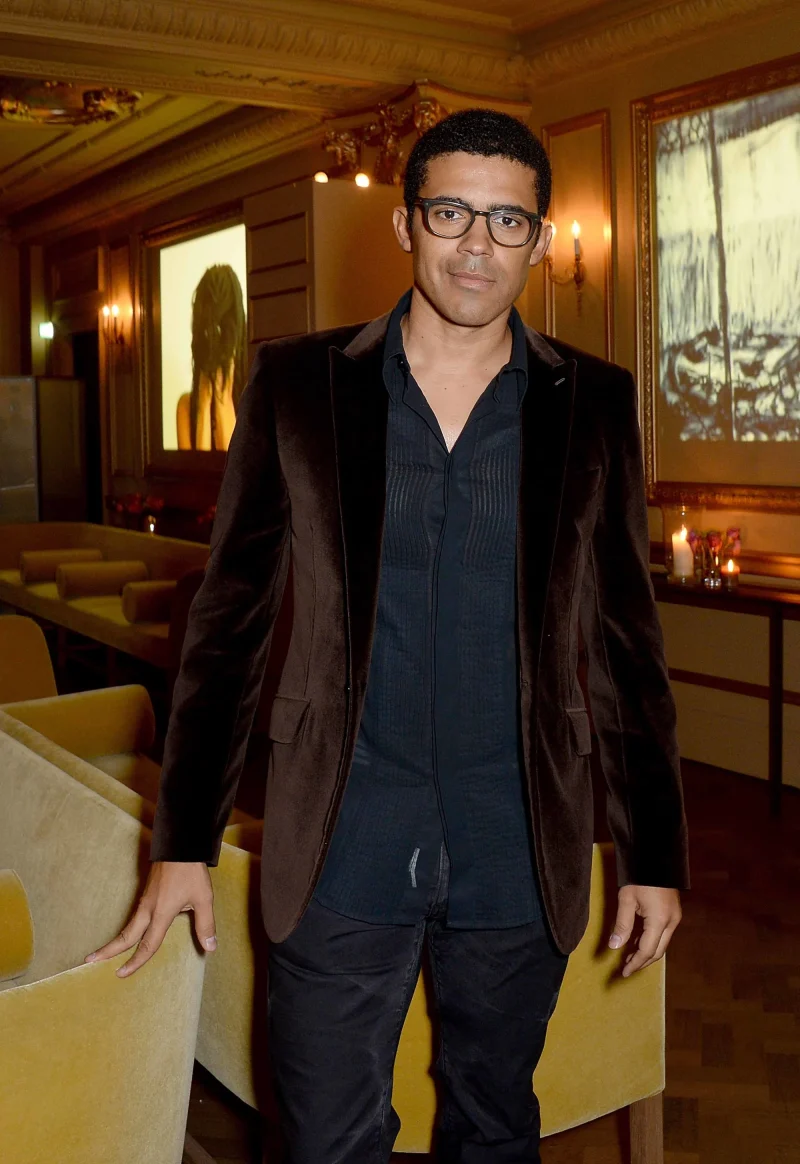
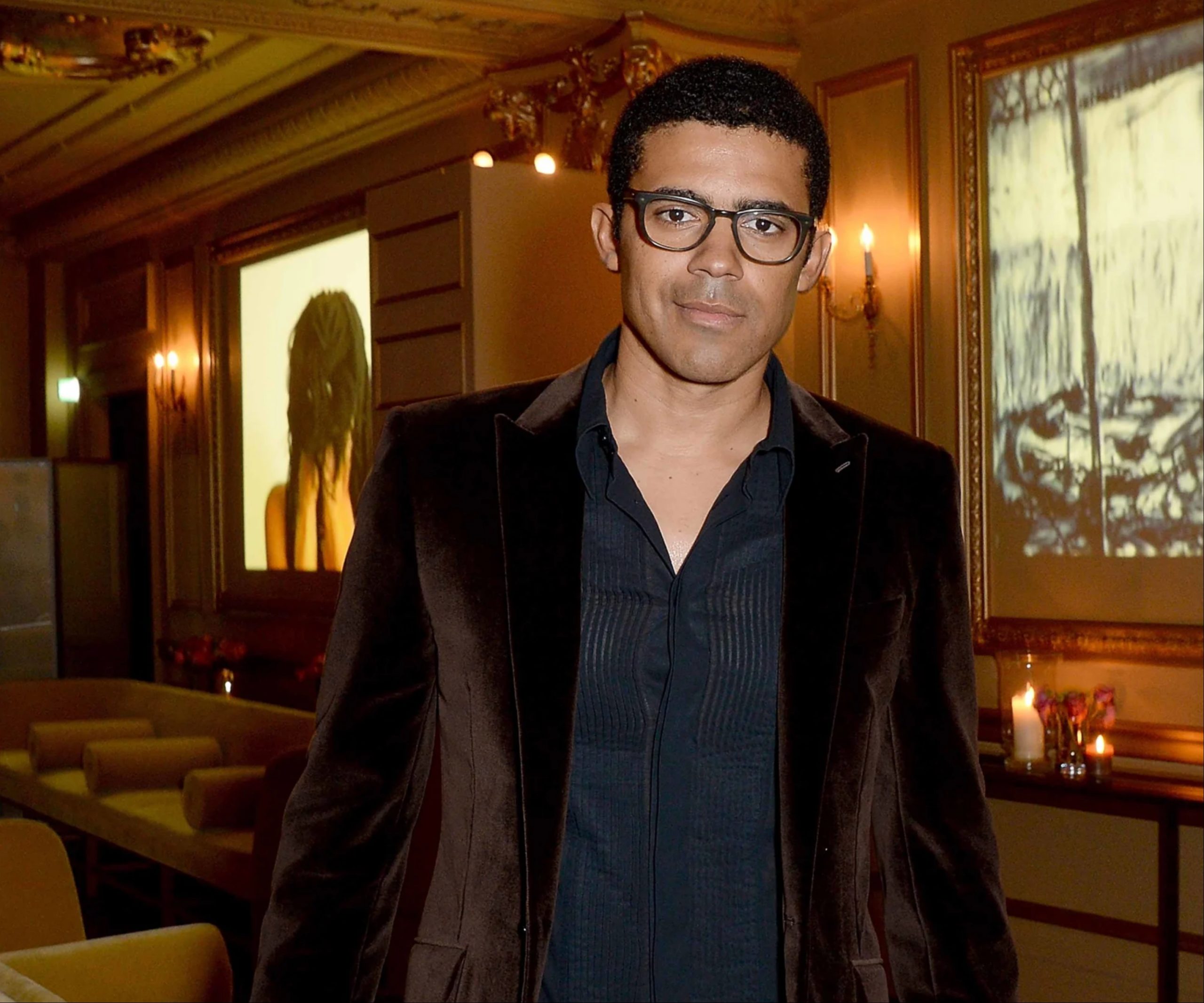
Sindika Dokolo, a businessman from Congo, built his foundation around two things: collecting over 5,000 works and fighting to bring stolen African art back home. He didn’t just talk about it; he took action, launching a global campaign that pushed Western museums and dealers to return pieces stolen. Fifteen major works were restored thanks to his efforts. Though Dokolo passed away in 2020, his foundation still stands as proof that collectors can be activists, too. By using both money and legal pressure, he helped reclaim African culture and reminded everyone that the art market and ethics are tangled up with the long shadow of colonialism.
4. Omenka Gallery – Leading the Contemporary Scene in Nigeria
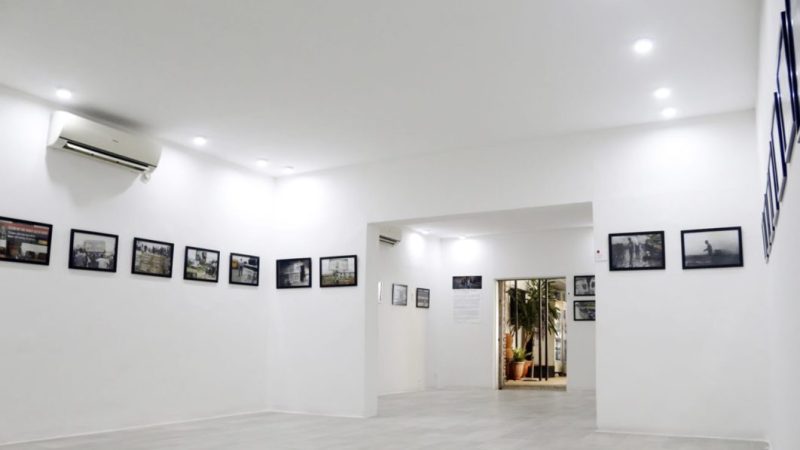
Founded in Lagos in 2003 by Oliver Enwonwu, the son of famed artist Ben Enwonwu, Omenka Gallery has become a real force in the contemporary African art world. The gallery shows up at top global fairs, Art Dubai, The Armoury Show in New York, Joburg Art Fair, Cape Town Art Fair, and London’s 1:54 Contemporary African Art Fair. What sets Omenka apart is its strict curatorial standards and international outlook. They don’t just run exhibitions; they offer everything from appraisals and collection management to art finance. Omenka shows how African galleries can go beyond just showing art; they can provide full support to artists, collectors, and the broader art community.
5. Museum of Black Civilisations – Dakar’s Pan-African Vision
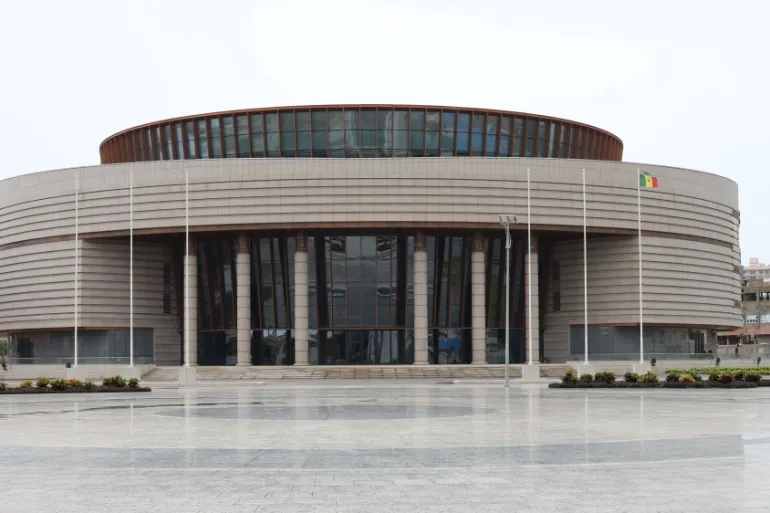
On December 6, 2018, Dakar saw the opening of the Museum of Black Civilisations— a dream that Senegal’s first president, Léopold Sédar Senghor, had long pursued. He wanted a place that celebrated the stories and cultures of Black people everywhere, past and present. The museum, built with about $30 million in Chinese funding, can hold up to 18,000 exhibits. It sends a clear message: African countries are ready to look after their heritage. This museum stands out for its leadership in repatriation, openly advocating for the return of African art, given that nearly 95% of Africa’s cultural treasures are located outside the continent. With its world-class galleries and preservation labs, the museum shows that African institutions have what it takes to care for their own priceless history.
6. The African Art Museum of the SMA Fathers – Preserving Mission Heritage
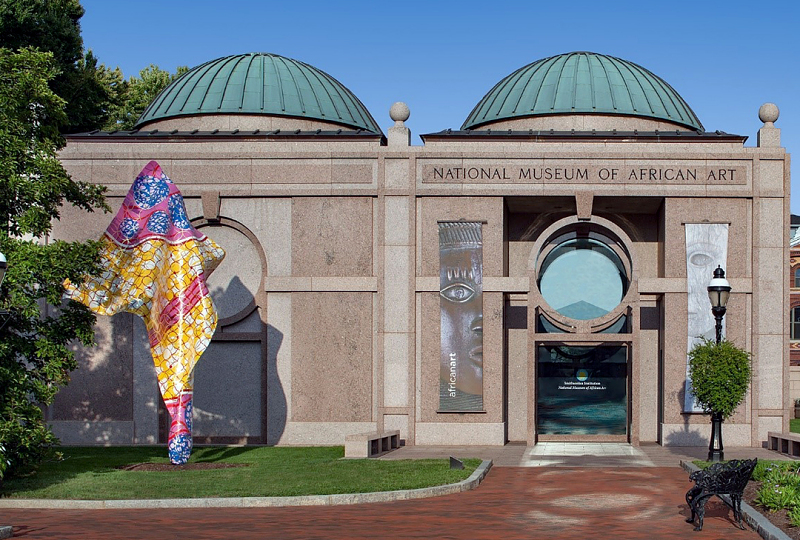
In Tenafly, New Jersey, the African Art Museum of the SMA Fathers keeps a different kind of legacy alive. The Society of African Missions opened it in 1980, one of five museums they run worldwide. Bishop Melchior de Marion Brésillac, the founder of the museum, was a pioneer in his field. He urged his missionaries to honour and protect the cultures they encountered, not just preach to them. Most of the museum’s collection, masks, textiles, religious statues, and decorative art, comes from Nigeria and West Africa. Even though it’s based in the US, this museum proves African art can be shown abroad without losing its authenticity. It highlights how traditional African art and Christian imagery can meet, and how a museum far from Africa can still teach people about its rich cultures.
READ ALSO:
- How Nigerian Creators Are Redefining Festive Culture on TikTok in 2025
- Philanthropy and Fame: Inside Nollywood’s Humanitarian Side and the Stars Giving Back
- A Traveller’s Guide To Yoruba Chieftaincy Titles and Their Meanings
7. Museum of West African Art – Benin City’s Contested Ambition
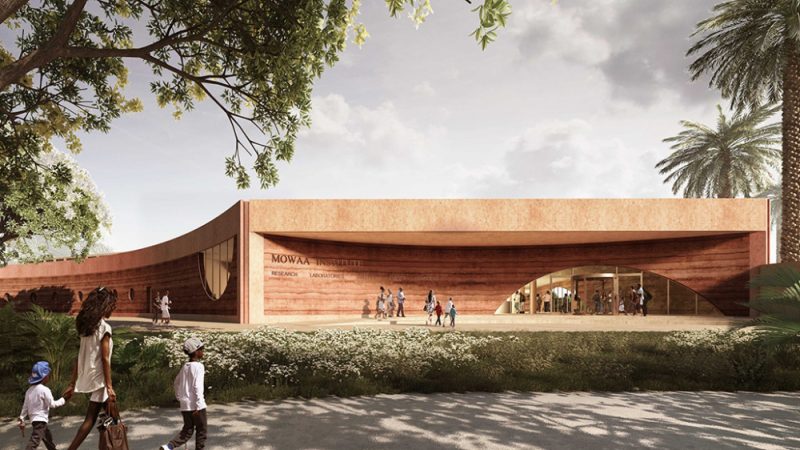
The Museum of West African Art is rising in Benin City, Nigeria, on a sprawling 15-acre site. The institute already has labs, research centres, and training rooms. MOWAA’s story isn’t simple; it’s tangled up in the politics of returning looted art and questions of who gets to decide how culture is presented. Its director, Phillip Ihenacho, points out that colonial-era theft stole more than just objects; it wiped out the systems that made that art possible. Local disputes have delayed the official opening, but the museum’s conservation labs and training programmes have already built local expertise. The whole process shows what African art museums are up against: they must balance government interests, traditional leaders, and international partners while staying true to their vision of West African heritage.
8. Jochen Zeitz – Collector as Institution Builder
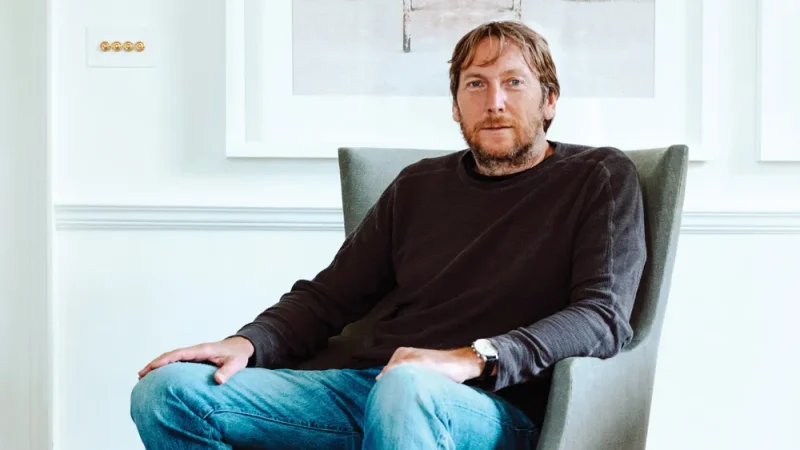
Jochen Zeitz, originally from Germany but now based in Kenya, is a big name in African art circles. Instead of keeping his collection to himself, Zeitz pledged it to Zeitz MOCAA forever, aiming to make a lasting cultural impact. He’s not interested in narrow perspectives; he wants to show Africa’s complexity, moving past the usual focus on photography. For Zeitz, collecting isn’t just about owning art. It’s about building something that lasts, real infrastructure that helps museums grow and thrive. His approach shows how collectors can use their resources and know-how to create institutions that support whole nations, not just private collections.
9. Nubuke Foundation – Ghana’s Contemporary Art Nexus
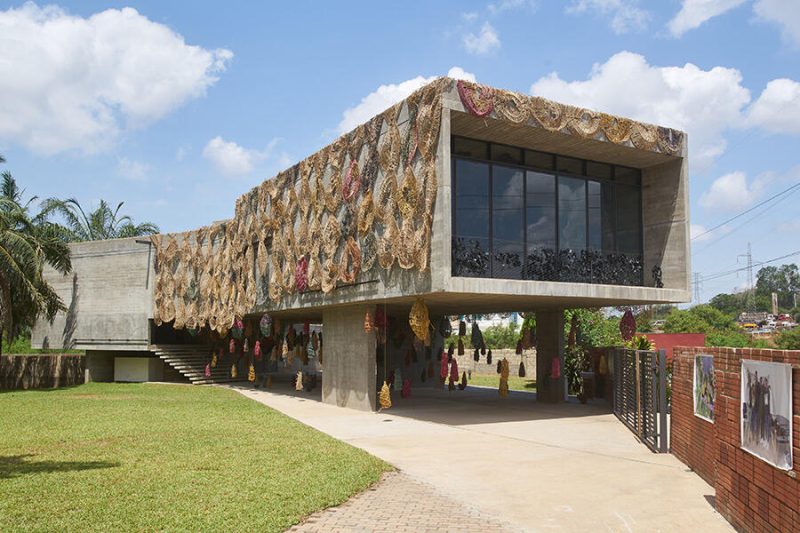
In April 2006, the Nubuke Foundation opened its doors in East Legon, Accra, and quickly became a hub for Ghana’s contemporary art community. The Ghana Tourist Authority even named it Tourist Attraction of the Year in 2016. Nubuke has stuck around longer than most, helping artists grow and keeping the local scene buzzing. The foundation isn’t just a gallery; it also offers artist residencies, coworking spaces, and a library. It’s a prime example of how African arts centres can do more than just display work. They can build creative ecosystems that support both new and established artists through exhibitions, resources, and professional development.
10. Nike Art Gallery – West Africa’s Largest Commercial Space
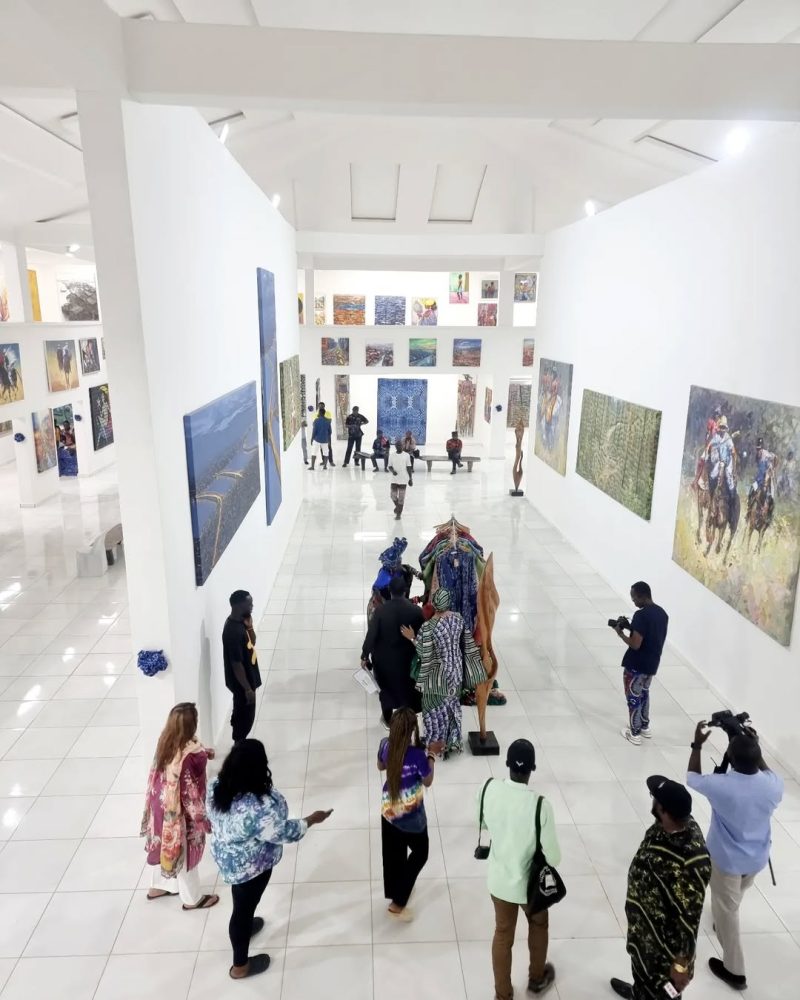
Nike Art Gallery isn’t just big; it’s massive. Owned by Nike Davies-Okundaye, this gallery spans five floors and houses about 8,000 pieces, making it one of the largest in West Africa. When it opened in Lagos in 2009, the idea was simple: revive Nigeria’s art culture, which, honestly, had been fading. But Nike didn’t stop at Lagos. She built outposts in Abuja, Oshogbo, and Ogidi, turning the gallery into a nationwide network for art lovers. You walk in for free, and, right away, you see what makes this place special: art from more than 500 artists, both traditional and modern, all proudly Nigerian. Nike Art Gallery proves that African art museums can go big, really big, without losing their soul. They show off the depth and variety of African creativity, and they do it on a commercial scale, but always with an eye on cultural truth.
How Are These Institutions Transforming the Market?
African art museums and collectors aren’t just changing the conversation; they’re rewriting the rules. With top-tier conservation labs, they push back against Western excuses for holding onto African art. These museums’ methods of purchasing, showcasing, and promoting artists elevate entire careers, while their exhibitions captivate audiences worldwide who might not have otherwise encountered this work. It’s not just about high prices, either. These museums set new standards for conservation, train the next wave of curators, and build research programmes that, for ages, only Western museums have led. They don’t just talk about bringing art home; they actually make the systems to care for it. Artists, researchers, and cultural pros get real support, and the whole scene becomes sustainable, not just a passing trend.
Why Is Infrastructure Essential to Cultural Power?
What sets these African art museums apart? They get that you can’t have real cultural influence without strong institutions. Private collections transform into museums. Personal passions turn into school programmes and workshops. Every new acquisition helps an artist and grows the permanent collection. By focusing on building this foundation first, these museums make sure African art’s new spotlight isn’t a flash in the pan; it sticks. They’re not waiting for Western approval. The text includes conservation labs, artist residencies, serious research, and education, all approached from an African point of view. It’s about taking charge, building excellence, and holding onto what makes the continent’s art and culture unique.
Frequently Asked Questions
How are the major African art museums changing the market?
The big names? Zeitz MOCAA in Cape Town leads as the world’s largest contemporary African art museum. The Museum of Black Civilisations in Dakar can display up to 18,000 works. The Museum of West African Art in Benin City sets the bar for conservation. Please keep in mind the Nubuke Foundation in Ghana, which has supported contemporary art since 2006.
Who are the most influential African art collectors?
Prince Yemisi Shyllon stands out with a collection of 7,000 works, the most extensive private collection in Nigeria. The late Sindika Dokolo gathered over 5,000 pieces and fought hard for repatriation. Jochen Zeitz’s collection built the core of Zeitz MOCAA. Additionally, Nike Davies-Okundaye established the largest gallery network in West Africa.
How are African art museums different from Western institutions?
African museums focus on reclaiming culture, bringing art home, and teaching communities. Many started as private collections and were opened to the public. They highlight both new and old works, face colonial history head-on, and put living artists and cultural workers front and centre—all from an African perspective.
Why is the African art market growing?
There’s more global attention now. Auction houses care. Social media and streaming make African art easy to find. Younger collectors want real stories and cultural meaning. African museums give artists and collectors the recognition and structure they need, and growing economies mean more people can collect and support their heritage.
How can collectors support African art museums?
Collectors can help by donating money or art, lending works, funding shows and education, mentoring new collectors, buying from galleries that invest in artists, and pushing for art to come home. Thoughtful collecting means knowing where art comes from, supporting artists who are alive and working, and seeing every purchase as a way to preserve culture.