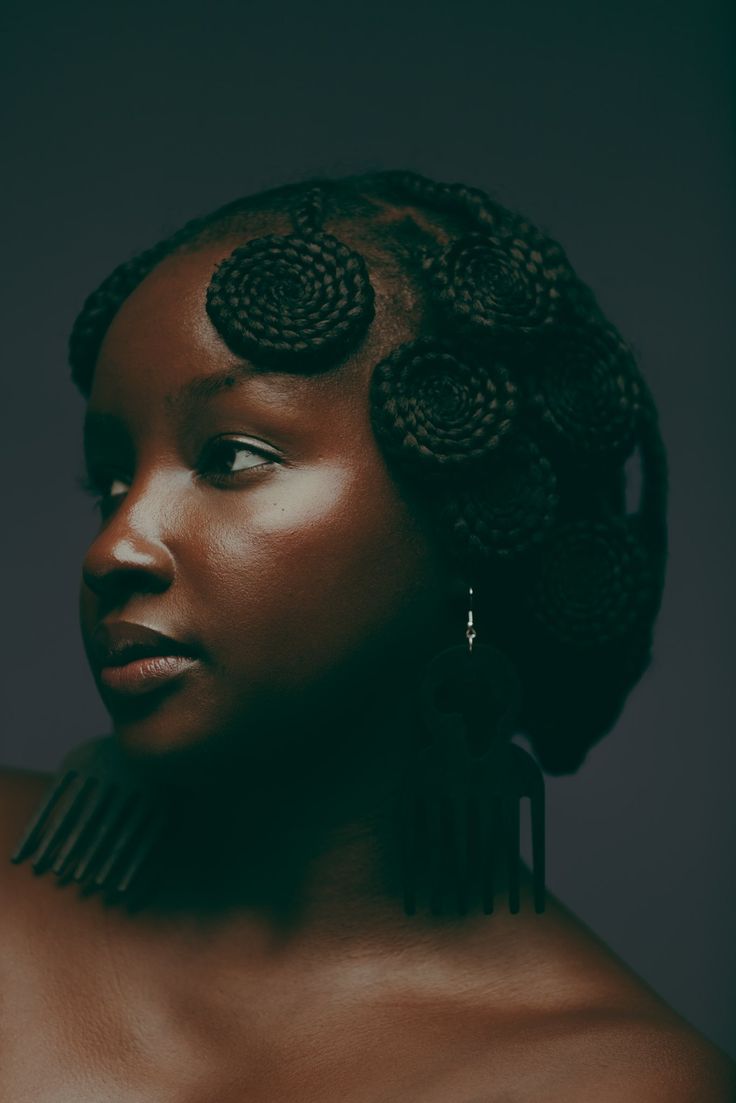
In the global beauty industry, trends move quickly. Ingredients rise to prominence, routines go viral, and products circulate across continents within months. Yet beneath the constant churn of innovation, a quieter truth is becoming increasingly visible. Many of the practices now celebrated as “modern natural beauty” were developed generations ago within African communities.
Long before haircare became an international market category, African women had already cultivated sophisticated systems of hair maintenance rooted in plants, environments, and collective knowledge. These practices were not merely cosmetic techniques. They were rituals embedded within daily life, passed from mothers to daughters and shared among women gathered in courtyards, family homes, and village spaces.
Across regions such as Chad, Gabon, Ethiopia, and Nigeria, hair traditions evolved in close relationship with climate, agriculture, and cultural identity. Oils were extracted from seeds and nuts. Herbs were crushed and infused into pastes. Braiding patterns became visual languages reflecting age, marital status, or community belonging.
Today, as the global beauty industry increasingly turns toward heritage ingredients and natural routines, these ancestral practices are being revisited with renewed respect. What the modern beauty world calls innovation often turns out to be something far older: cultural knowledge systems that have quietly endured for centuries.
Explore how ancient African hair rituals, such as the Chébé tradition are shaping modern beauty, revealing centuries of cultural knowledge behind today’s haircare trends.
Hair as Cultural Knowledge
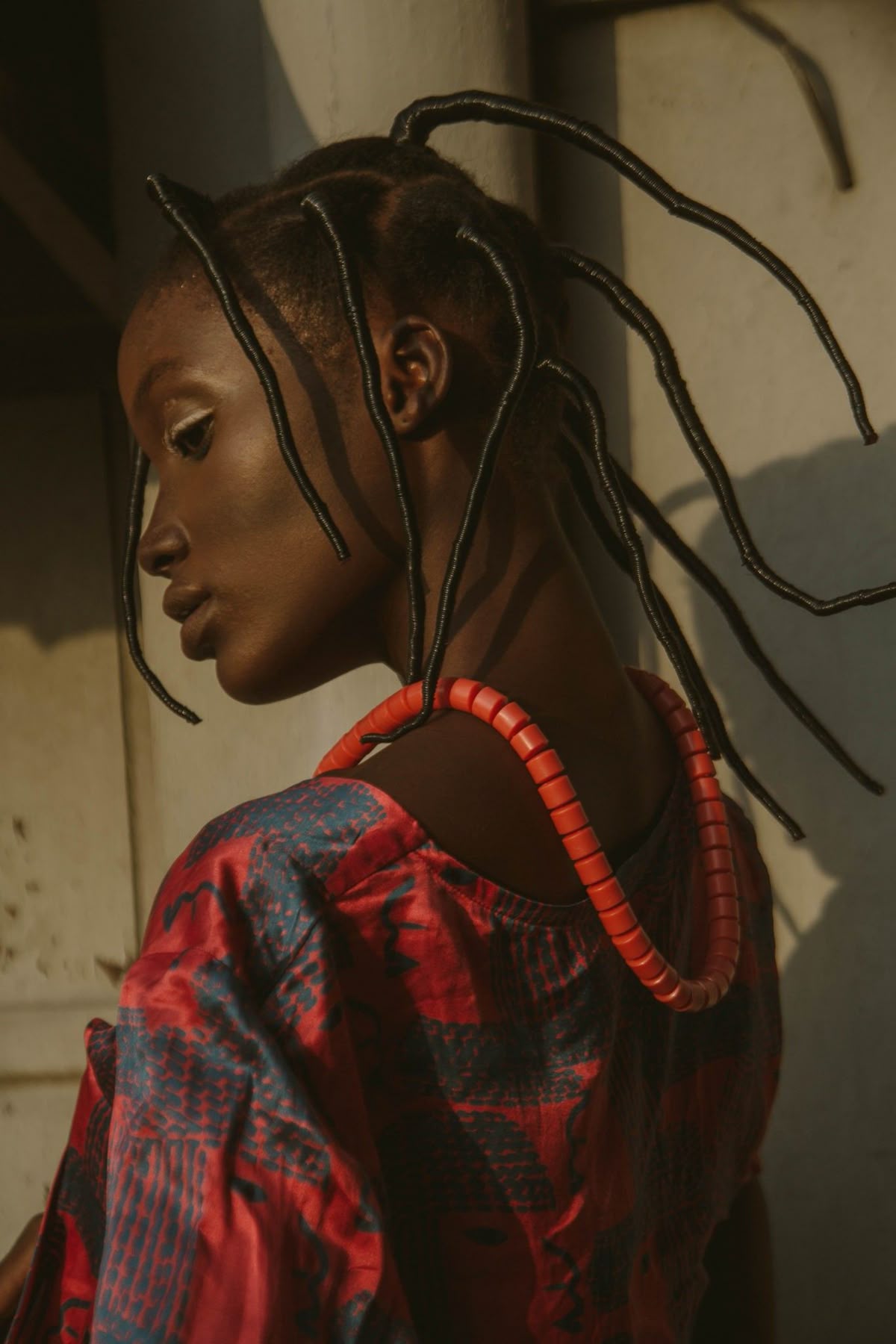
Within many African societies, hair has historically carried meaning far beyond appearance. Hairstyles can indicate life stages, family lineage, or spiritual beliefs. The act of caring for hair is therefore deeply communal.
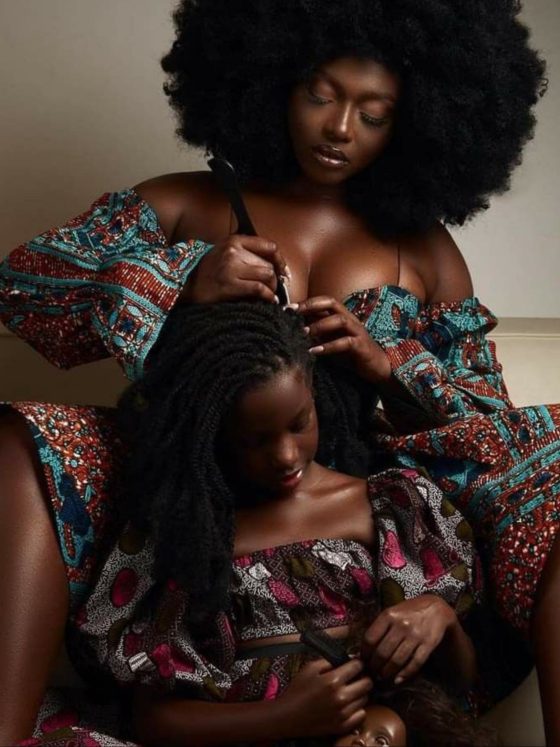
Women gather to braid, oil, and style each other’s hair, transforming routine maintenance into a social ritual. These gatherings become spaces where stories are exchanged, techniques are refined, and cultural knowledge is preserved.
Hair preparation itself often follows structured rhythms. Oils are warmed. Herbal mixtures are prepared by hand. Braiding sessions may last hours, allowing intricate styles to emerge gradually.
Such practices reveal a philosophy of beauty grounded in patience and continuity rather than rapid transformation. Hair is treated not as a problem to fix but as something to nurture over time.
This philosophy stands in striking contrast to many contemporary beauty routines that prioritise instant results. Yet as global consumers increasingly seek slower, more holistic approaches to wellness, the principles underlying these traditions are gaining new relevance.
The Chébé Tradition of Chad
One of the most fascinating examples of ancestral haircare comes from Chad, where women from communities such as the Basara have practised the Chébé hair ritual for generations.
The ritual begins with the preparation of a powder derived from the seeds of the croton gratissimus plant. The seeds are roasted, ground, and mixed with oils or butter to create a dense paste. This mixture is then applied to sections of hair before braiding.
The purpose of Chébé is not primarily to stimulate growth but to protect the hair shaft and prevent breakage. The paste coats each strand, creating a barrier that preserves moisture in the dry Sahel climate.
Hair prepared in this way is typically braided and left undisturbed for extended periods. The protective style keeps the mixture in contact with the hair, gradually strengthening it over time.
Within the communities that practice it, the ritual is rarely performed in isolation. Women often gather to prepare the mixture and braid one another’s hair, reinforcing the social dimension of beauty care.
For many participants, the ritual represents more than maintenance. It symbolises continuity between generations and respect for knowledge inherited from elders.
Rituals Rooted in Landscape
Hair traditions across Africa frequently reflect the environments in which they developed. The plants used in oils and treatments are often sourced directly from local landscapes.
In parts of Ethiopia, butter extracted from indigenous plants is used to soften and condition tightly coiled hair. In Gabon, herbal infusions prepared from forest plants nourish the scalp while protecting against humidity.
These formulations emerged through generations of experimentation with local botanicals. Communities observed which oils retained moisture, which herbs soothed the scalp, and which preparations protected hair from environmental stress.
Such knowledge represents a sophisticated understanding of both biology and ecology. Ingredients were selected not only for their immediate effects but also for their long-term compatibility with textured hair.
This close relationship between beauty practices and natural resources continues to shape contemporary interest in African botanicals.
Braiding as Language
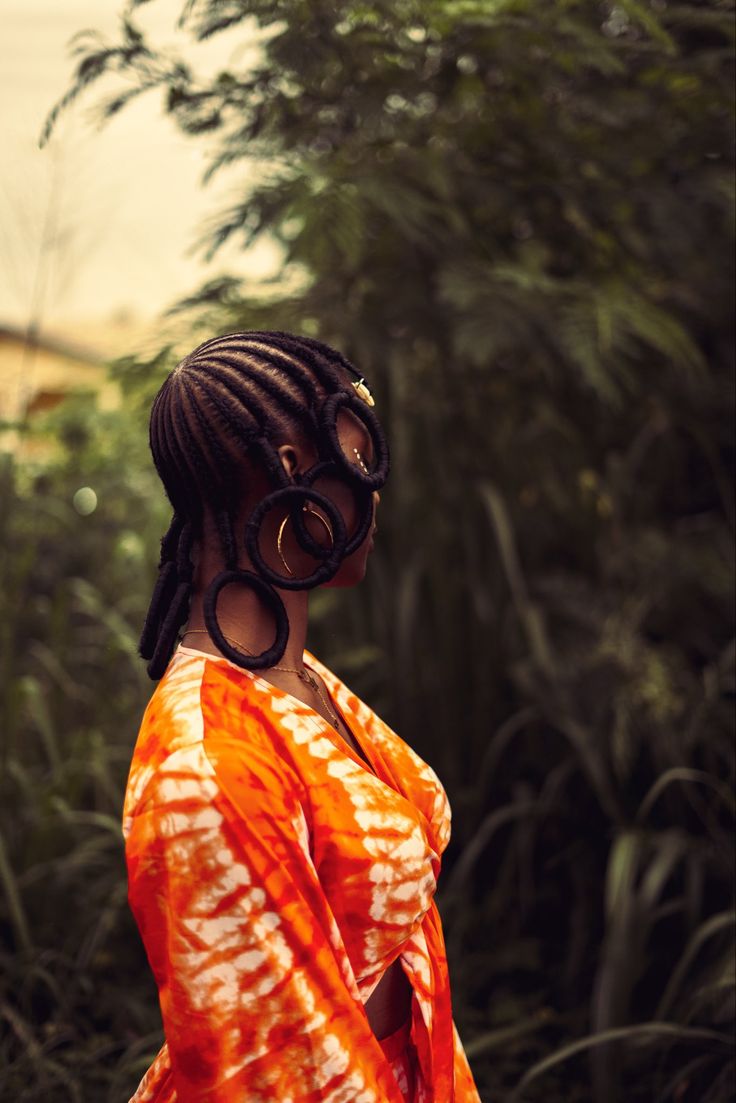
Beyond oils and treatments, braiding traditions themselves form an essential part of African hair culture. Styles vary widely across regions, but many function as visual systems of communication.
In parts of Nigeria, elaborate braiding patterns historically signalled social status, community affiliation, or readiness for marriage. Certain styles were reserved for ceremonial occasions, while others marked everyday life.
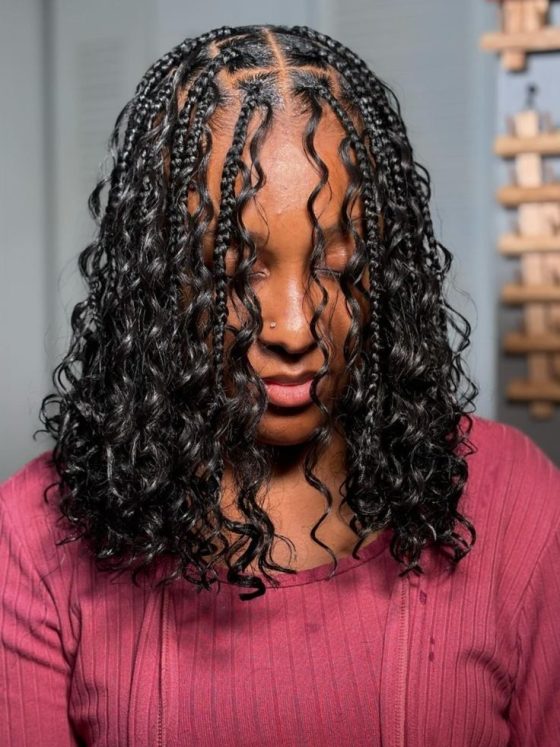
Braiding also requires extraordinary technical skill. Complex patterns can involve dozens of sections carefully woven together to create geometric designs.
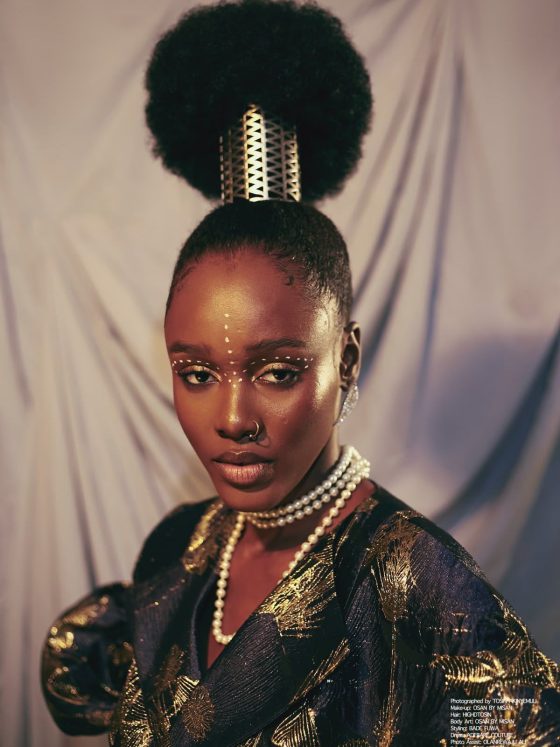
These styles transform hair into a living sculpture, demonstrating both aesthetic creativity and cultural symbolism.
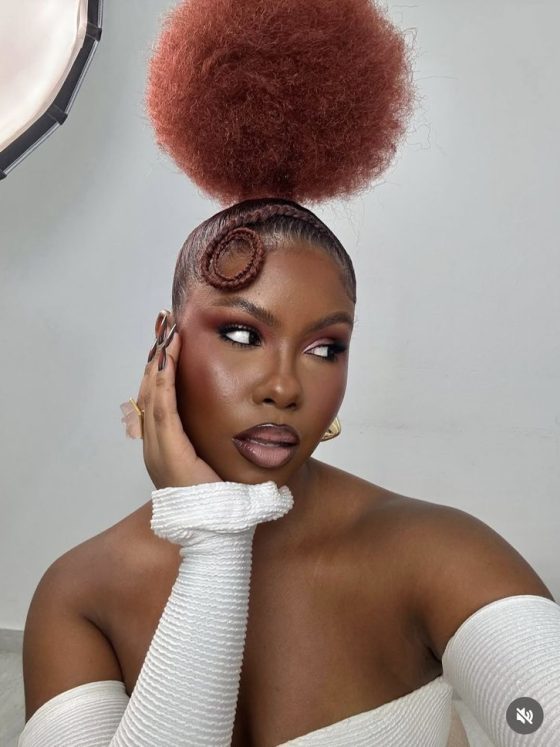
Contemporary stylists continue to draw inspiration from these traditions. Runway hairstyles, editorial shoots, and natural hair movements frequently reinterpret braiding patterns that have existed for centuries.
Knowledge Keepers and Modern Interpreters
In recent years, cultural practitioners and researchers have begun documenting these traditions to ensure they are preserved.
One prominent voice in this work is Nsibentum, a Congolese hair practitioner who studies traditional African haircare methods and shares them with contemporary audiences.
His work emphasises that African hair traditions are not simply aesthetic practices but cultural systems that encode historical knowledge about hair health and care.
Through workshops, demonstrations, and research, practitioners like Nsibentum are helping bridge the gap between ancestral knowledge and modern beauty discourse.
Their efforts challenge the assumption that beauty expertise originates primarily within laboratories or corporate research centres. Instead, they highlight the role of community knowledge passed down through generations.
READ ALSO:
- The Politics of Natural Hair in Professional Space
- The Rise of Natural Hair Care: Culture, Craft, and Modern Luxury
The Global Beauty Industry Takes Notice
As the natural hair movement continues to expand, global beauty companies have begun exploring ingredients and methods rooted in African traditions.
Oils derived from shea, baobab, and moringa are now widely incorporated into premium haircare formulations. These ingredients, long used within African communities, align with contemporary interest in plant-based and sustainable beauty.
Yet this renewed attention also raises important questions about recognition and ownership. Cultural practitioners often emphasise that these ingredients carry histories and traditions that extend far beyond their commercial applications.
For many communities, the growing popularity of African botanicals is both an opportunity and a challenge. It creates economic possibilities for producers while also highlighting the need to protect cultural heritage.
Beauty as Continuity
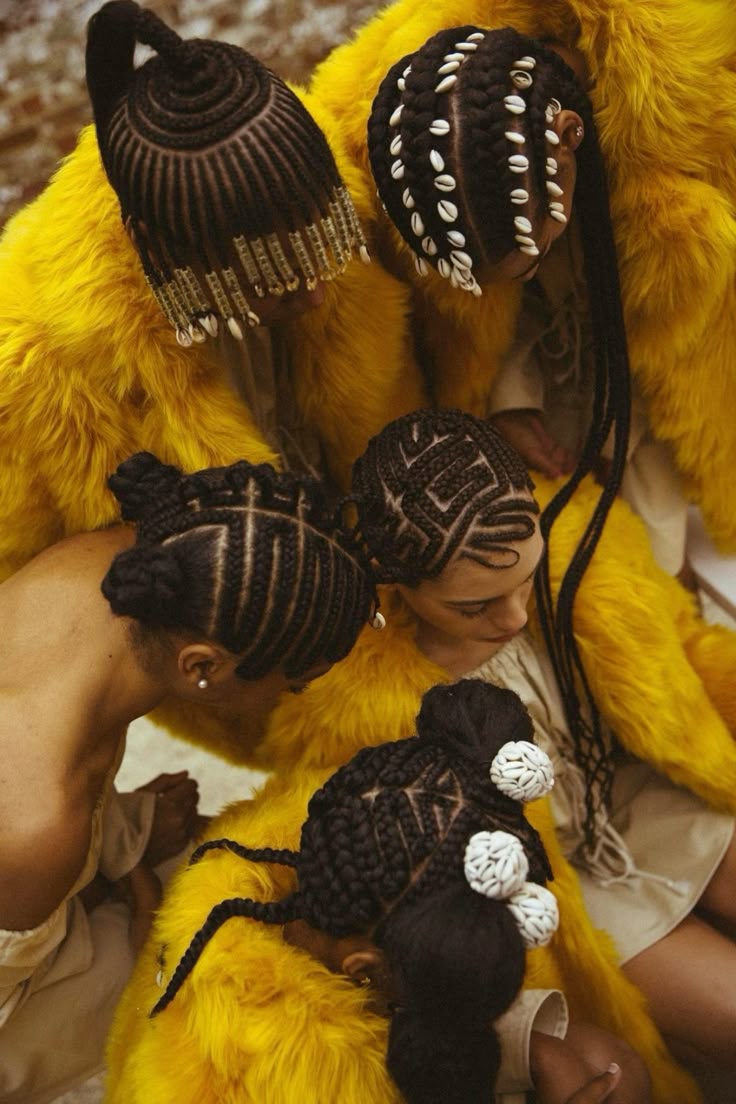
Despite the attention of global markets, the essence of African hair rituals remains rooted in everyday life.
In homes and villages across the continent, women still gather to braid hair, mix oils, and exchange techniques. Young girls observe and gradually learn the practices that will become part of their own routines.
These moments may seem ordinary, yet they sustain cultural traditions that have survived centuries of change.
In an era where beauty often feels driven by rapid cycles of consumption, such rituals offer a different perspective. They remind us that beauty can be slow, communal, and deeply connected to memory.
The resurgence of interest in these traditions does not simply reflect nostalgia. It reveals a growing recognition that ancestral knowledge contains insights still relevant today.
Modern beauty routines may evolve, technologies may advance, and products may change. But the principles underlying these rituals remain remarkably constant: care, patience, and respect for the natural world.
Long before the language of wellness became fashionable, African hair traditions had already articulated a philosophy of beauty grounded in community and continuity.
And as the global beauty industry continues searching for the next innovation, it may increasingly discover that some of the most powerful ideas have been here all along.
FAQs
- What is the Chébé hair ritual?
It is a traditional haircare practice from Chad using croton gratissimus seeds to strengthen and protect hair.
- Why are African hair rituals becoming popular globally?
Many rely on natural ingredients and techniques that align with modern interest in holistic beauty and natural haircare.
- Are these traditions still practised today?
Yes. Many communities continue to pass them down through families and cultural teaching.
- Who is Nsibentum?
Nsibentum is a Congolese practitioner known for researching and teaching traditional African haircare knowledge.
- Why is hair culturally important in many African societies?
Hair often reflects identity, community belonging, spirituality, and life stages.