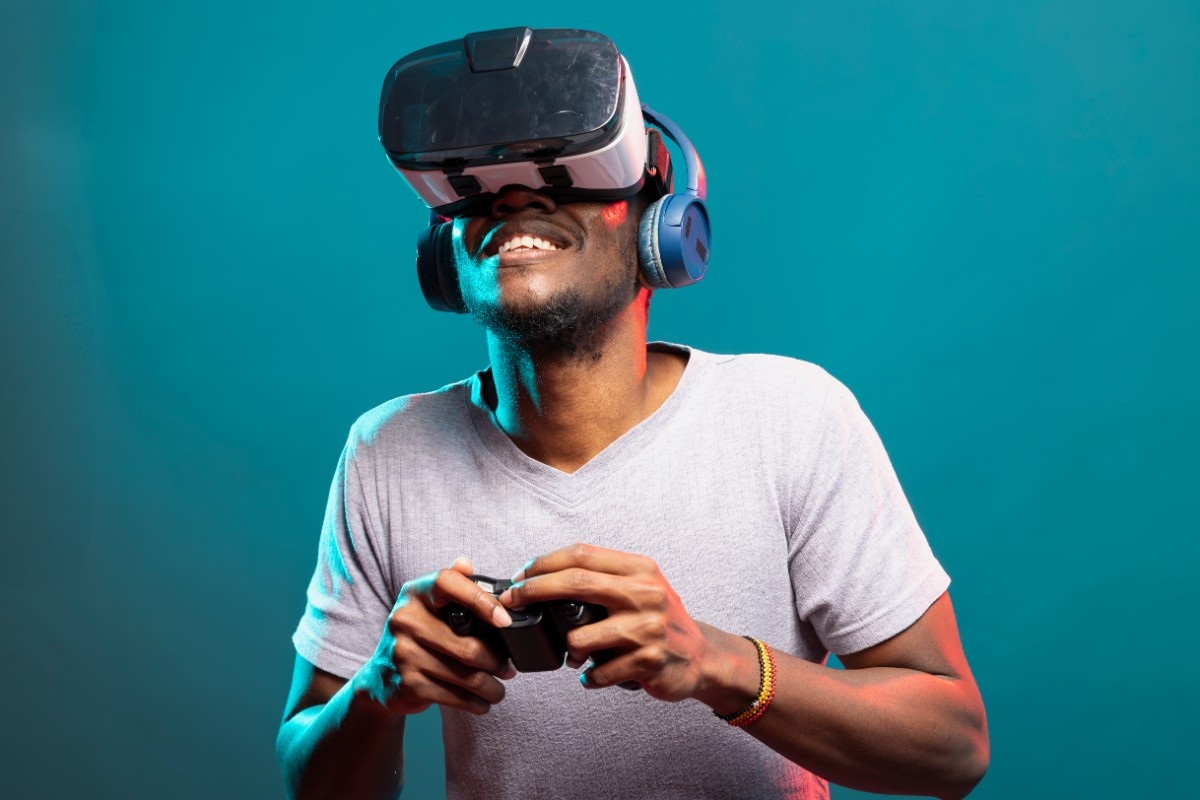
For years, Western and East Asian studios called the shots in gaming, but that’s shifting. African gaming studios are shaking things up, showing the world that powerful stories can come from anywhere. They’re not just making games, they’re building worlds rooted in local legends, folklore, and history, and in the process, proving that Africa’s future in gaming goes way beyond just playing. It’s about creating.
These studios face plenty of challenges. Electricity cuts out. Budgets are tight. Investors aren’t always convinced, and in a lot of places, even basic tools are tough to afford. But they keep going. They build games that hit home for local players and still get noticed worldwide. What they’re doing is bigger than entertainment. These teams are laying the groundwork for new tech economies, training up the next wave of developers, and making sure African stories get the spotlight they deserve, right alongside the big Western franchises.
10 African gaming studios reshaping the industry through heritage-driven narratives, technical innovation, and authentic storytelling rooted in culture.
1. Leti Arts – Ghana’s Gaming Trailblazer
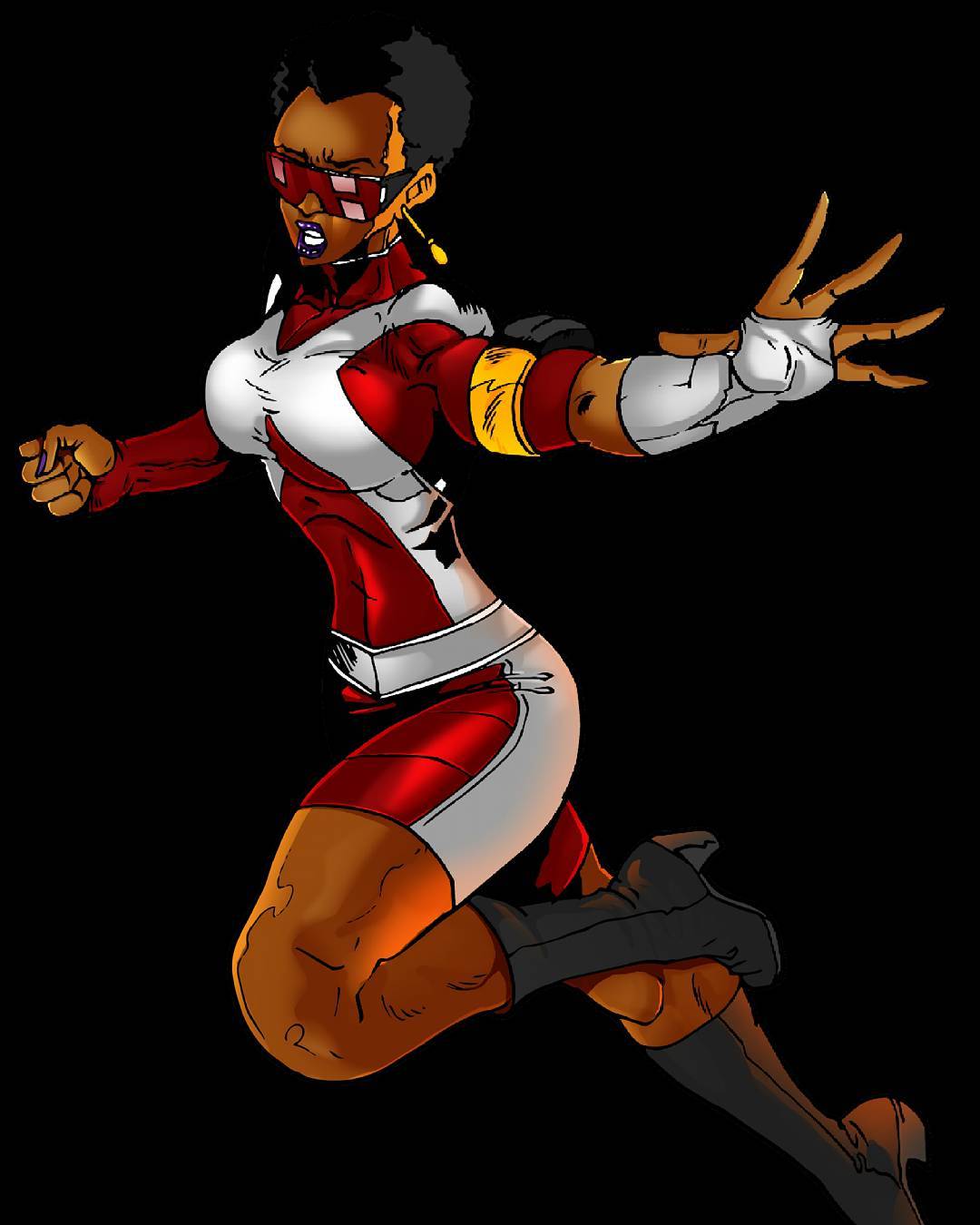
Leti Arts started it all in Ghana back in 2009. Using NVIDIA GPUs, the team makes mobile games and digital comics packed with African history and folklore. Eyram Tawia, the co-founder and CEO, grew up drawing characters from the stories he heard as a kid, now he’s bringing them to life in games. Leti’s best-known titles? Africa’s Legends (2014) and The Hottseat (2019).
They’re not stopping there. Leti is taking African heroes global with Karmzah, a game about Morowa Adjei, an archaeologist with cerebral palsy who becomes a superhero. With a demo dropping on Steam this November and a full launch coming in 2026, Karmzah mixes fast-paced action, tricky puzzles, and seriously fresh storytelling. Leti Arts proves African developers can hold their own on platforms like Steam and PlayStation. Tawia’s also big on giving back, Leti mentored over 30 new developers through internships and bootcamps, teaming up with ITTHYK Gaming and Microsoft to build up Africa’s gaming talent.
2. Kiro’o Games – Cameroon’s RPG Pioneers
Kiro’o Games put Central Africa on the gaming map with Aurion: Legacy of the Kori-Odan, which kicked off development in 2014. With no established scene to learn from, the Kiro’o team taught themselves everything. Founder Madiba Guillaume Olivier says their approach is simple: take African myths and imagine a world where those stories kept growing for 50,000 more years, no colonisation, just pure, unbroken creativity.
Aurion launched in 2016, and both critics and fans loved it. It even spun off into a comic book. Kiro’o’s 20-person crew proves that self-taught African developers can make RPGs that rival the big names. They don’t just make games, either; they’re building a catalogue that includes comics, animation, and art, showing that African studios can branch out and build real businesses, not just one-off hits.
3. Nyamakop – South Africa’s Storytellers
Nyamakop, based in Johannesburg, stands out for its focus on storytelling and innovation. South Africa’s stronger tech infrastructure gives studios like Nyamakop a shot at bigger, more ambitious projects, a real advantage in a field that needs serious computing power and fast internet. South African companies often connect African game devs with international publishers, bringing African creativity to a global stage whilst keeping their own voice.
4. Maliyo Games – Nigeria’s Mobile Champions
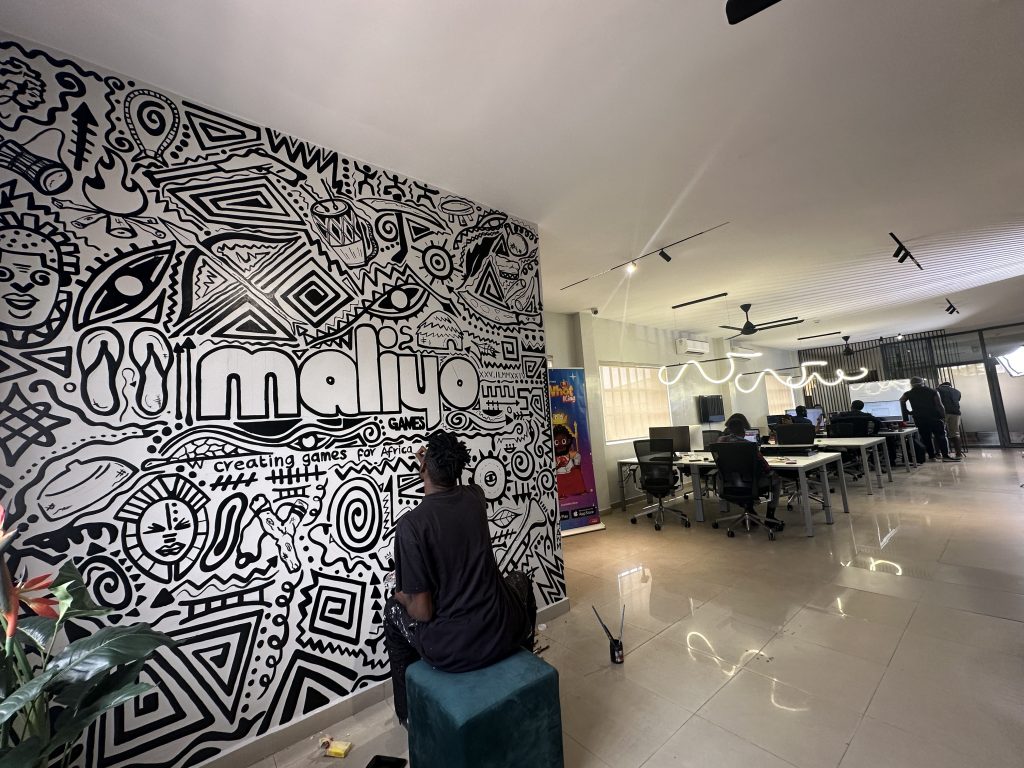
Maliyo Games out of Nigeria is all about mobile. Their games are bursting with local flavour, making everyday African life feel epic. In a country where just about everyone has a smartphone, even if high-end gaming PCs are out of reach, Maliyo knows where its audience is. By focusing on mobile-first, they reach millions, showing that African studios can grow by making games for the devices people actually use, not just for hardcore gamers with expensive setups.
5. Gamsole – Nigeria’s Accessibility Champion
Gamsole stands out as a mobile game developer that really gets what local players need. They focus on accessibility from the start, not as an afterthought, which is huge in a country like Nigeria, where people speak over 500 languages. That kind of linguistic diversity means you can’t just translate and call it a day. Gamsole’s games reach people across different literacy levels, devices, and internet speeds because they actually plan for those challenges from day one. For African gaming studios, Gamsole shows that if you want your games to connect with everyone, you have to think about accessibility right from the beginning.
6. Sea Monster – South Africa’s Quality Standard
Sea Monster, based in South Africa, has built a reputation for polished digital experiences, games, educational tools, you name it. Their work sets a high bar, on par with international studios. One reason? South Africa has a relatively stable economy and established creative industries. That means plenty of talent flows into studios like Sea Monster. A lot of their business comes from client projects, think branded games or training simulations, which helps pay the bills whilst they develop their own original games. It’s a smart way to keep the lights on and build something new, and it’s a model that’s catching on with other African studios trying to make it in young, fast-changing markets.
7. Qene Games – Ethiopia’s Cultural Storytellers
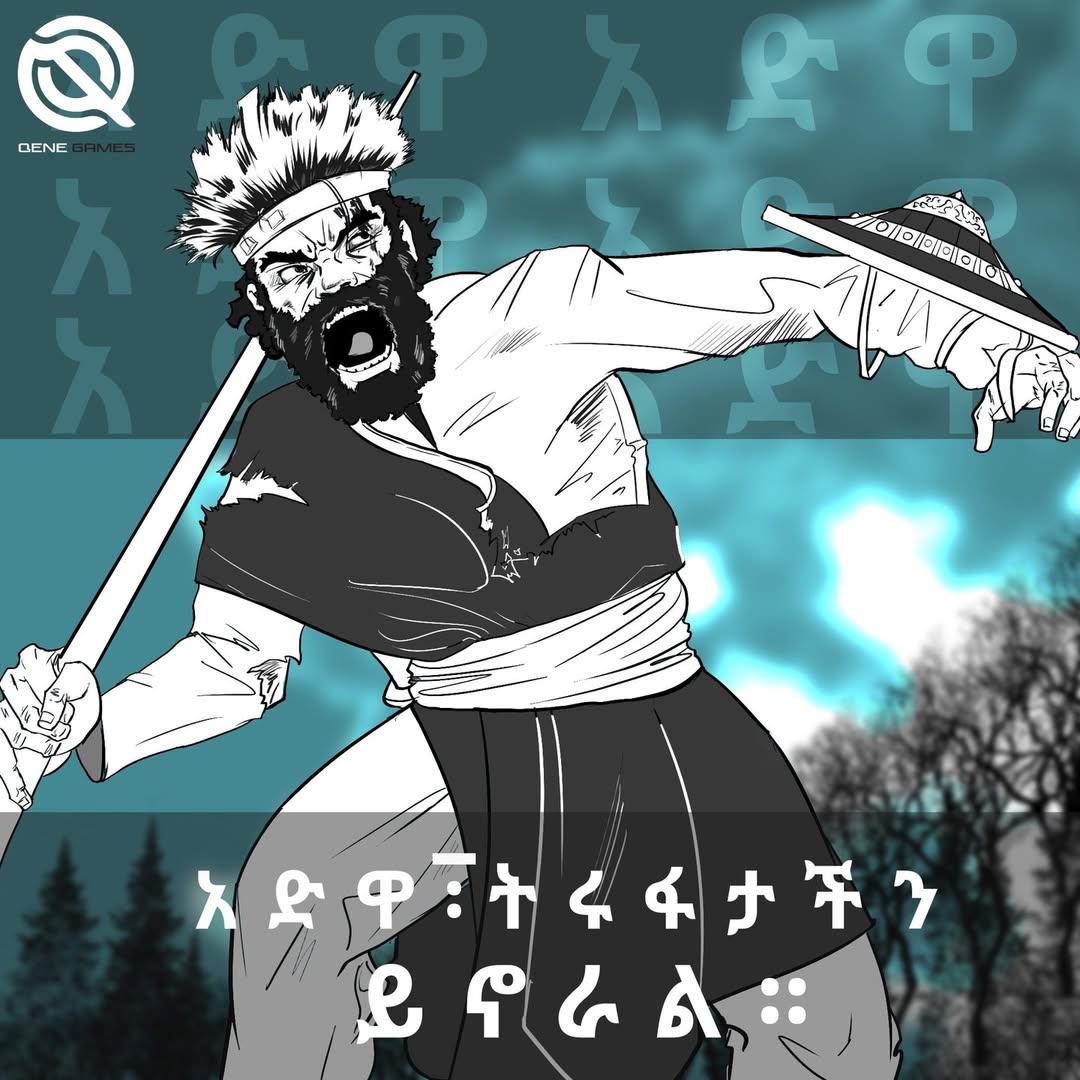
Qene Games out of Ethiopia does something special: they weave Ethiopian history and culture right into their games. Mana, for example, draws on the country’s ancient past, the beautiful Ge’ez script, and Orthodox Christian art. Ethiopia doesn’t have much of a track record in game development, but Qene proves you don’t need a big tech scene or government backing to get started. When you mix passion with an internet connection, you can build something unique, no matter where you are.
READ ALSO:
- Black Fine Art Auctions Rising: A Market Transformation
- Afro-Brazilian Renaissance: Reclaiming Heritage, Shaping Today
- 10 African Podcasts Shaping Conversations
8. DigitalMania – Tunisia’s North African Hub
DigitalMania is a big name in North Africa, creating digital experiences for both local and international players. Studios like theirs in North Africa often have close ties to Europe, thanks to geography and shared languages from colonial history, which opens up more business opportunities. DigitalMania has figured out how to work as an outsourcing partner for European publishers, using those projects to fund their own creative work. It’s a balancing act, but it lets them grow whilst keeping their own ideas alive.
9. Usiku Games – Kenya’s Educational Gaming Pioneer
Usiku Games, based in Nairobi, made Okoa Simba, the first Kenyan game to make it onto the global stage. They want to set an example for other African developers. Alongside studios like Leti Arts in Ghana, Usiku is part of a new wave making games that actually reflect African stories and issues. With almost half the continent’s population under 15, they focus on mobile games that teach and inspire young people. But they don’t stop there. Usiku’s games tackle real problems, wildlife conservation, environmental awareness, and health education, whilst still being fun and commercially successful. They prove that games in Africa can educate, entertain, and make a difference, all at once.
10. Kayfo Games – Senegal’s Francophone Frontier

Kayfo Games brings a fresh Senegalese vibe to the African gaming scene, standing out in a space usually dominated by Anglophone studios. Dakar’s creative buzz fuels their work, and you can feel the city’s energy in their games. Francophone African developers like Kayfo face a different reality than their Anglophone peers. They often team up with French and Belgian publishers, whilst at the same time growing a local audience that’s getting more into digital entertainment by the day.
What Challenges Do African Gaming Studios Face?
Africa is now the world’s fifth-largest gaming market, pulling in about $3.3 billion back in 2020, and that number’s only going up. But even with all this growth, there just aren’t that many African studios making games for local players. Developers here deal with obstacles that Western studios rarely think about, unreliable electricity, high internet costs, and not enough access to good equipment. Investors, especially in places like Cameroon, can also be tough to convince. Still, these studios keep pushing. They prove you don’t need perfect conditions to make games that reach global standards, just grit and creativity.
Why Do African Gaming Studios Matter?
Market research says Africa’s gaming industry will grow about 12 per cent each year through 2026, faster than the global average. So these studios aren’t chasing some pie-in-the-sky dream; they’re building real businesses. Startups are popping up everywhere, and investors are finally taking notice. But it’s not just about money. African studios put local heroes, myths, and cities at the centre of their stories. Kids get to see themselves as the main characters, not just sidekicks in someone else’s world. These studios show that the best stories come from authentic voices, and players want something real, not just the same recycled global look and feel.
Frequently Asked Questions
1. What are the most successful African gaming studios?
Some names keep coming up. Leti Arts in Ghana, the country’s first studio, with games like Africa’s Legends and Karmzah. Kiro’o Games from Cameroon, who made the highly praised RPG Aurion: Legacy of the Kori-Odan. Maliyo Games and Gamsole in Nigeria, big players in mobile games. And Usiku Games in Kenya, who put out the first Kenyan game to get a global release.
2. What types of games do African gaming studios create?
They’re all over the map, mobile puzzle games, console RPGs inspired by African legends, educational titles tackling social issues, action-adventure games, and even digital comics. Most focus on mobile, since smartphones are everywhere, but some are taking on console and PC projects too, pushing what’s possible.
3. How do African gaming studios fund development?
They get by with a mix of things: doing client work like branded games and educational software, grants from programmes like NVIDIA Inception, government funding, partnerships with publishers abroad, crowdfunding, and now, more and more, venture capital. It’s rarely just one source; they blend whatever keeps the lights on.
4. What makes African gaming studios unique?
These studios dig deep into local stories, folklore, myths, and everyday life. They solve problems most developers never face, like how to keep coding when the power cuts out. Their games tackle real issues and needs, and their business models are built to survive in tough markets. Western studios just can’t imitate that kind of authenticity.
5. How can people support African gaming studios?
It’s pretty simple. Buy their games on Steam, app stores, or wherever you play. Share their work online, give honest feedback, link them up with publishers and investors if you can, and talk about them in gaming communities. Most of all, treat their work with the same respect you’d give to studios from the US, Europe, or Asia. They’ve earned it.