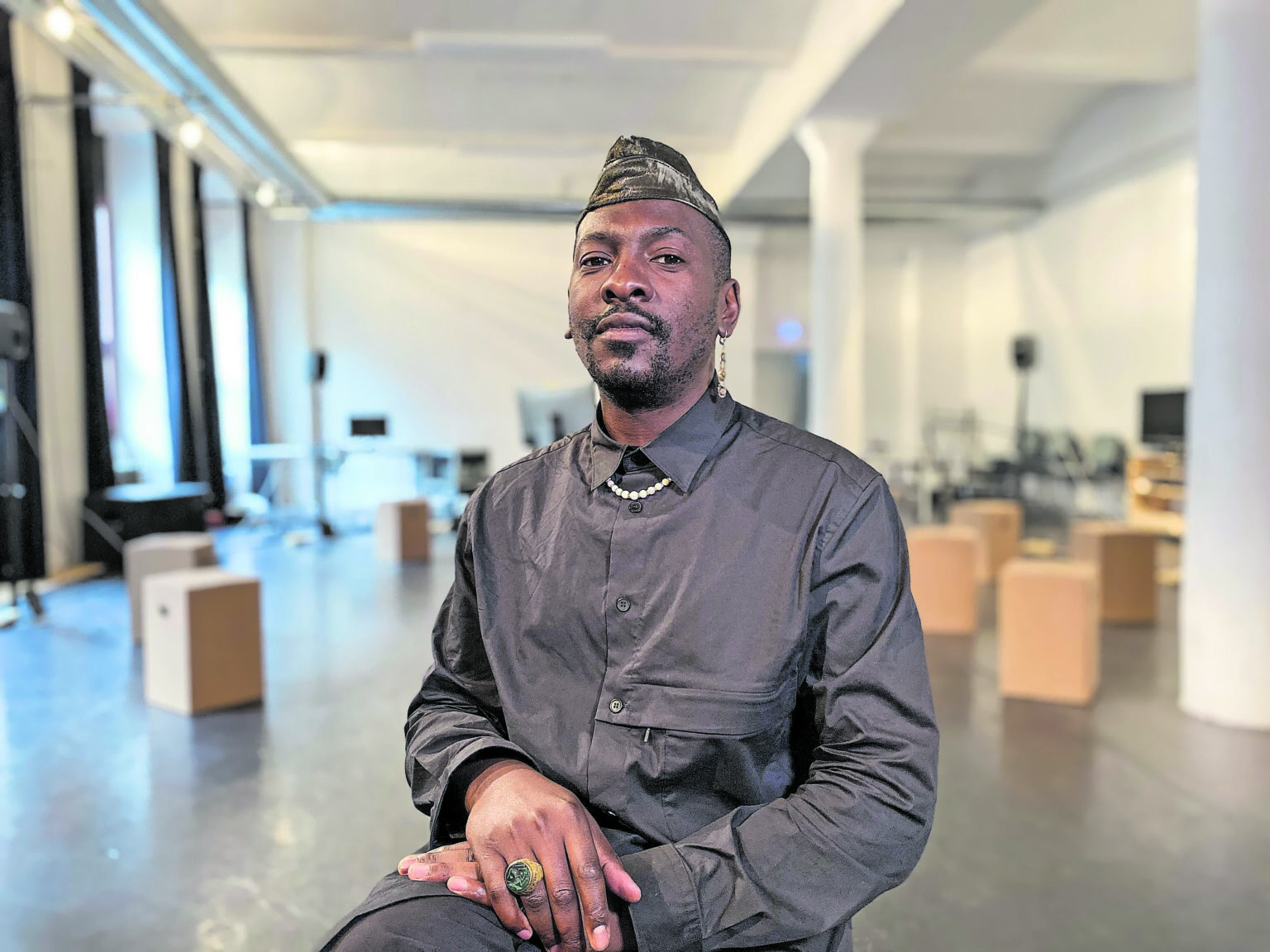
Currently, African filmmakers are shaking up the film world in a way that feels more like a movement than a trend. They’re pulling from deep roots, ancestral stories, and hard-won wisdom and pairing it with a sharp, modern edge. You see their work lighting up Cannes and Berlin, not just as a token nod, but as a force that’s changing how stories get told on the biggest stages. They cross borders with their films, blending old and new to create something that’s both universal and unmistakably African.
This isn’t just about representation anymore. It’s about artists setting the pace, raising the bar, and owning the narrative. They’re scooping up top festival honours, landing deals with major streaming platforms, and building the kind of production infrastructure that makes Africa impossible to ignore in the global conversation. Every new film feels like both a personal triumph and a sign that something bigger is happening for the continent.
Discover 10 African filmmakers redefining global cinema with heritage-driven storytelling, festival triumphs, and visionary craft shaping modern narratives.
Top 10 African Filmmakers Shaping Global Cinema
1. Mati Diop – Turning Documentary into a Homecoming
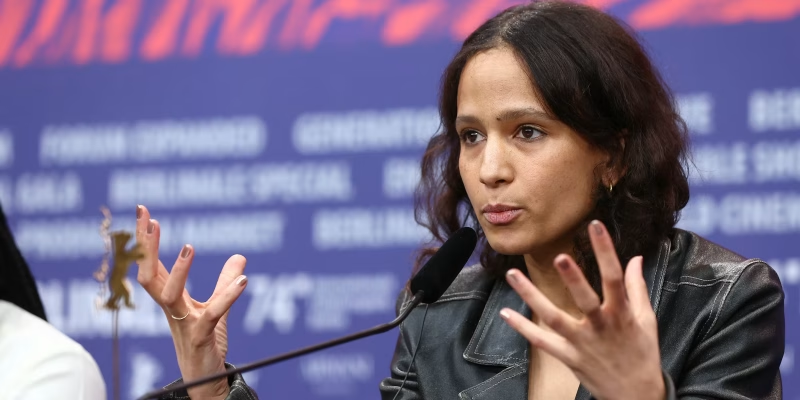
Mati Diop, who grew up between Senegal and France, is rewriting what documentary can do. She grabbed the Golden Bear at the 2024 Berlin Film Festival with Dahomey The Conversation, a film about returning stolen artefacts. Before that, she made history at Cannes with Atlantics, becoming the first Black woman to compete for the Palme d’Or. Diop’s style is all about mixing history with poetry; her films don’t just ask tough questions about colonialism, they celebrate what it means to reclaim African identity. She’s picked up awards at Rotterdam for shorts like Atlantiques and Big in Vietnam, proving you can be both fiercely political and wildly creative at the same time.
2. Rungano Nyoni – Zambian Stories with Global Impact
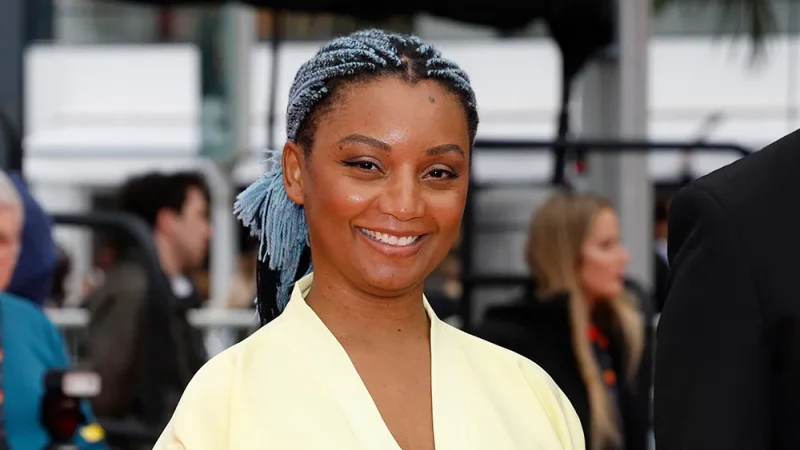
Rungano Nyoni doesn’t pull any punches. She won Best Director in Cannes’ Un Certain Regard for On Becoming A Guinea Fowl, and her work is as sharp as it is honest. Nyoni digs into grief, patriarchy, and the messiness of community, using humour that bites and a style that never feels watered down. She takes what’s specific to Zambia and somehow makes it make sense to anyone, anywhere. It’s a cinema that’s local and global all at once. Her voice is bold and unapologetic, and she’s part of a wave of African directors who refuse to dilute their stories for Western audiences’ comfort.
3. C.J. “Fiery” Obasi – Pushing Nigerian Genre into the Future
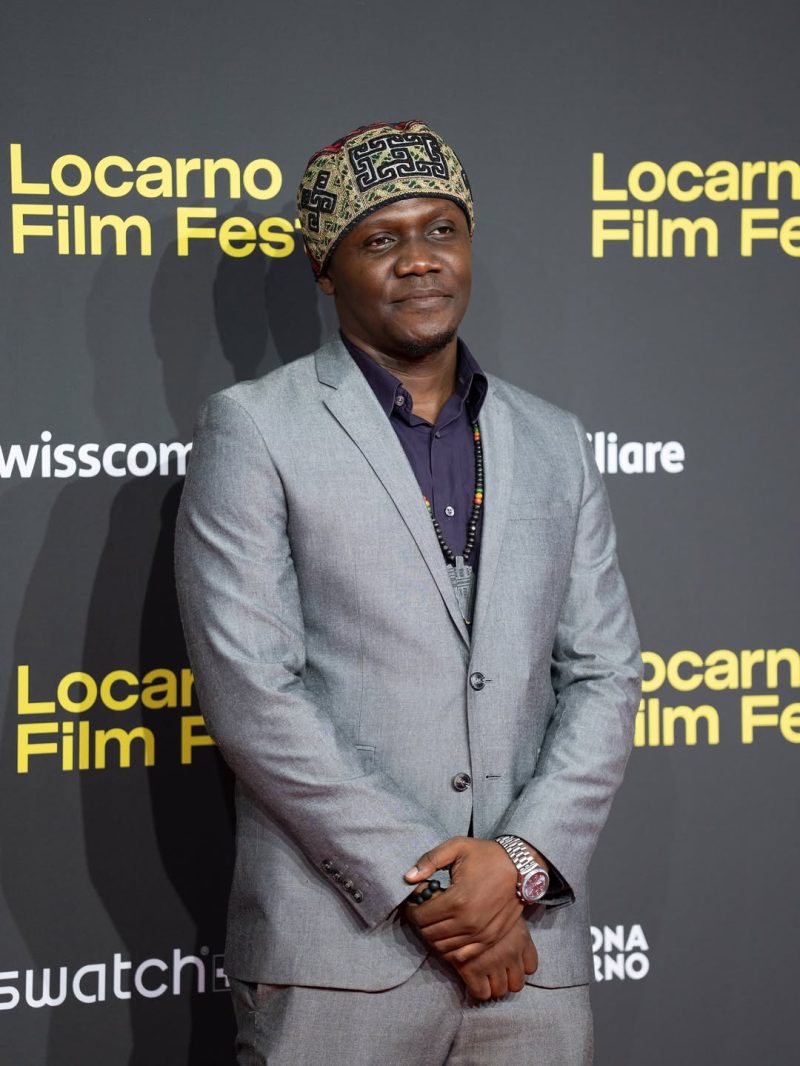
C.J. “Fiery” Obasi is determined to challenge conventional norms. His film Mami Wata, shot in bold black-and-white, premiered at Sundance and picked up the Special Jury Prize for Cinematography. It went on to sweep FESPACO, taking home the African Critics Award, Cinematography Award, and Set Design Award. Obasi dives into horror, fantasy, and science fiction, but he does it with Nigerian folklore front and centre. His work isn’t just about fitting into global genres; it’s about reinventing them, drawing on African spiritual traditions to create something entirely new. Nigeria picked Mami Wata as its entry for Best International Feature at the Oscars, and honestly, it’s easy to see why. Obasi’s films look backwards and forwards at the same time, building a cinematic language that’s both ancient and futuristic.
4. Wanuri Kahiu – Kenyan Storyteller Breaking Boundaries
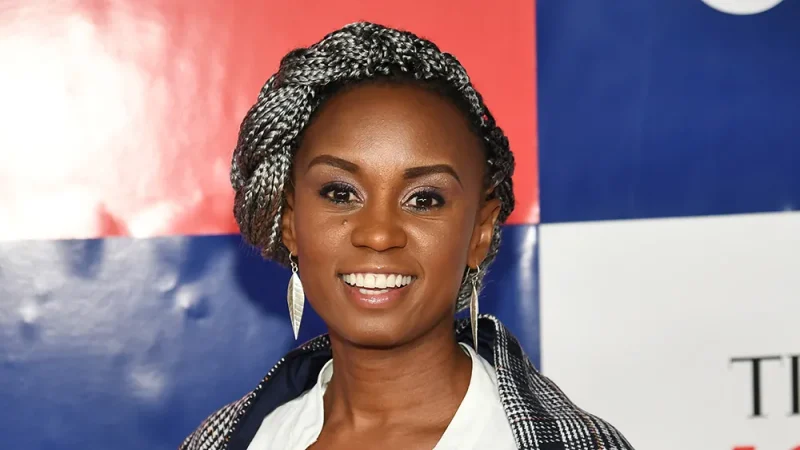
Wanuri Kahiu not only creates films but also disrupts the industry. When Rafiki became the first Kenyan film screened at Cannes in the Un Certain Regard section back in 2018, people around the world started paying attention. The film picked up awards left and right: Best Director at the Africa Movie Academy Awards, the Golden Dhow at the Zanzibar International Film Festival, and Best Narrative Feature at the Seattle Queer Film Festival. Kahiu’s stories focus on LGBTQ+ experiences, and somehow she makes them feel both rooted in Kenyan culture and instantly relatable. Her short film Pumzi premiered at Sundance and won Best Short at the Cannes Independent Film Festival, demonstrating just how far her imagination stretches. Kahiu gets that African identity isn’t fixed; it’s alive, constantly shifting. She insists that African cinema should show real, modern life, with all its messiness and beauty.
5. Lemohang Jeremiah Mosese – Lesotho’s Poetic Visionary
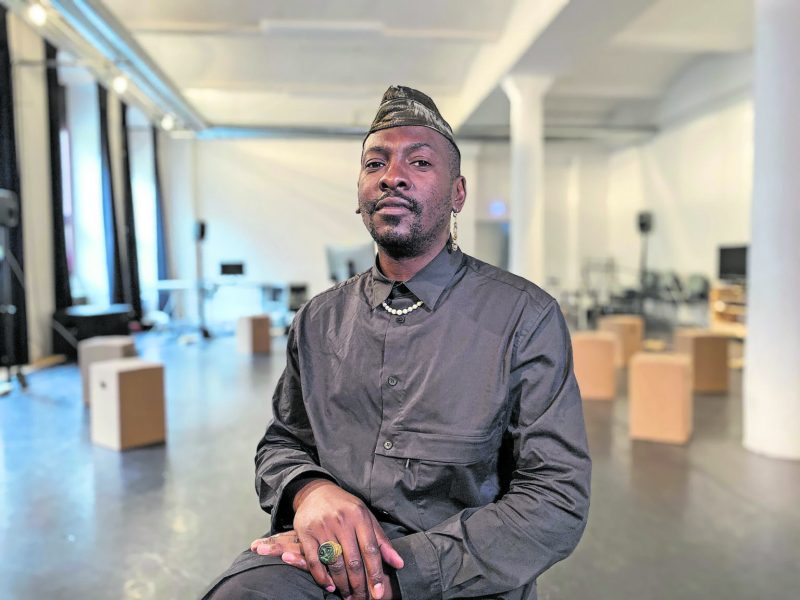
Lemohang Jeremiah Mosese doesn’t just direct films; he paints with light and memory. With his movie This Is Not a Burial, It’s a Resurrection, Mosese brought Lesotho to the Venice Film Festival, presenting a story about land, loss, and ancestors that feels both epic and intimate. Every frame looks crafted with the care of a master artisan. Mosese’s films push past stereotypes about African cinema. He turns the spotlight on rural landscapes and traditional communities, telling their stories with a sense of dignity and artistry that stands shoulder to shoulder with the best of European cinema.
6. Apolline Traoré – Burkina Faso’s Master of Female Narratives
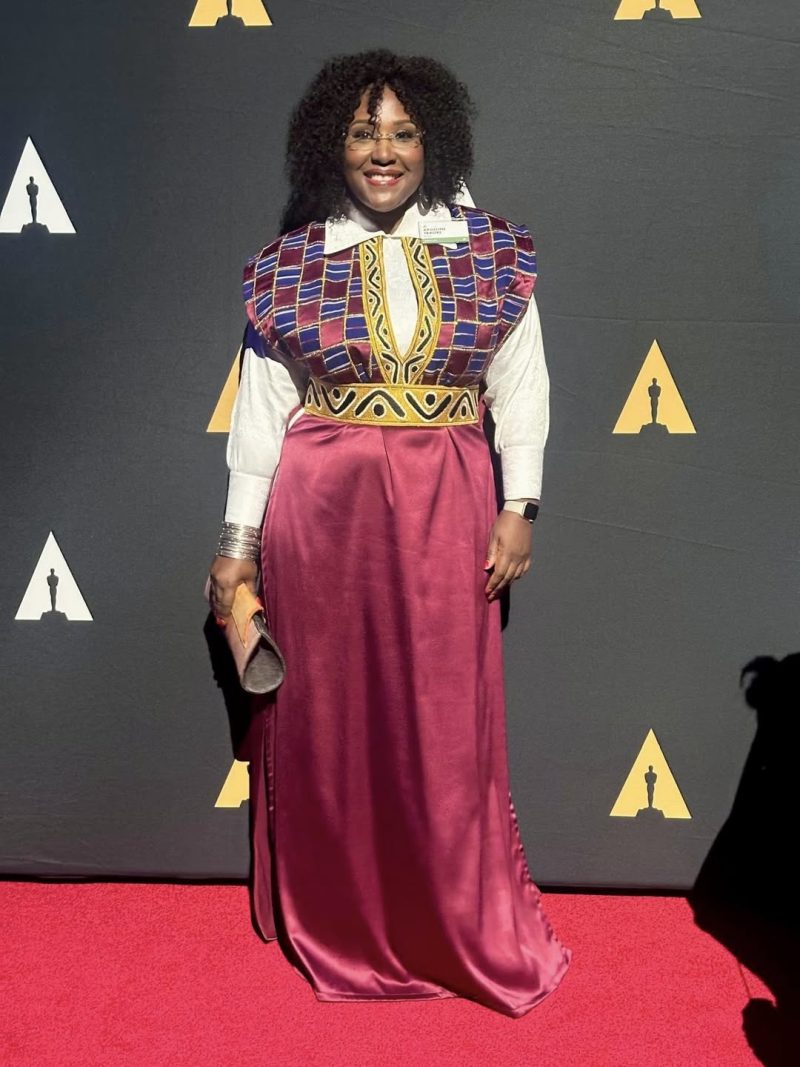
Apolline Traoré has dedicated years to advocating for the visibility and recognition of women’s stories, not only in Burkina Faso but throughout francophone Africa. Films like Borders and Desrances dig into what it really means to survive and stick together as women, especially when crossing borders or facing harsh economic realities. Traoré refuses to fall into the trap of victimhood; her characters are complicated, intense, sometimes messy, but always real. She knows that telling these stories isn’t enough; she mentors new African filmmakers, building up the creative networks they need to last. For Traoré, it’s about more than movies; it’s about making sure women’s voices stay in the conversation.
READ ALSO:
- Top Nollywood Movies 2025: Best Nigerian Films to Watch This Year
- Top Richest Nollywood Actors and Their Net Worth in 2025
- Peaceful Places to Visit in Benue: Calm Family Destinations for the Perfect Holiday
7. Akin Omotoso – Nigerian-born director Shaping South African Screens
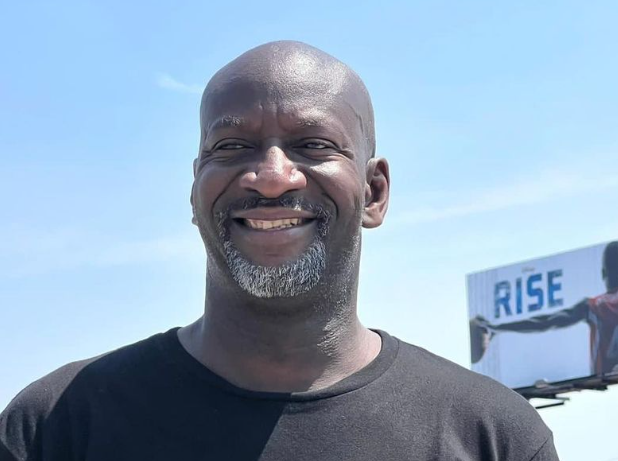
Akin Omotoso moved to South Africa in 1992 and never looked back. Since then, he’s become one of the most influential voices in South African film and TV. He scooped up Best Director at the 2016 Africa Magic Viewers’ Choice Awards and at the Africa Movie Academy Awards for his film Vaya, proof that his stories hit home. Then he dropped Blood & Water on Netflix, and suddenly, African drama was trending worldwide. With Netflix, Ochre Media, and his own Fiery Film Company in his corner, Omotoso shows you don’t have to choose between telling authentic stories and finding global success. He’s proof that African filmmakers can honour their roots while breaking into the streaming era, all at once.
8. Dieudo Hamadi – Congolese Documentary Force
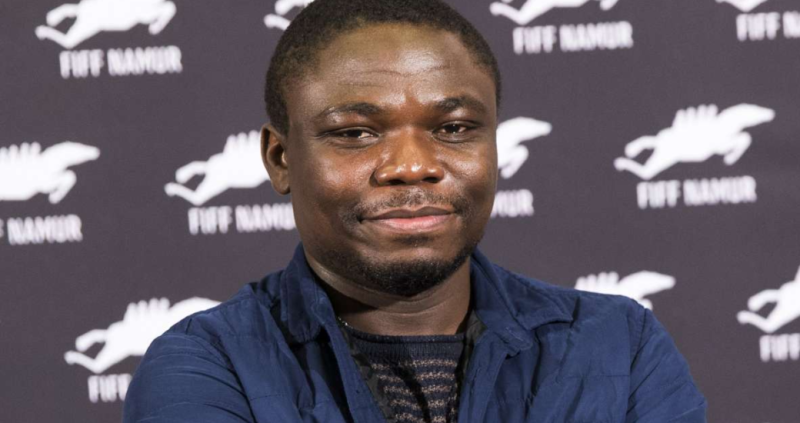
Dieudo Hamadi, a Congolese filmmaker, approaches documentary filmmaking as a crucial document that demands immediate attention. Films like Downstream to Kinshasa and Kinshasa Makambo don’t just show conflict or healing; Hamadi gets up close, capturing communities as they really live and struggle, always with a sense of responsibility to his subjects. Among African documentary filmmakers, he stands out for balancing sharp journalistic instincts with deep empathy. His movies push back against the usual Western stories about Africa. Instead of letting others define Congolese reality with sensational headlines, Hamadi tells stories with all the nuance and dignity they deserve.
9. Ekwa Msangi – Tanzanian-American Voice of Diaspora
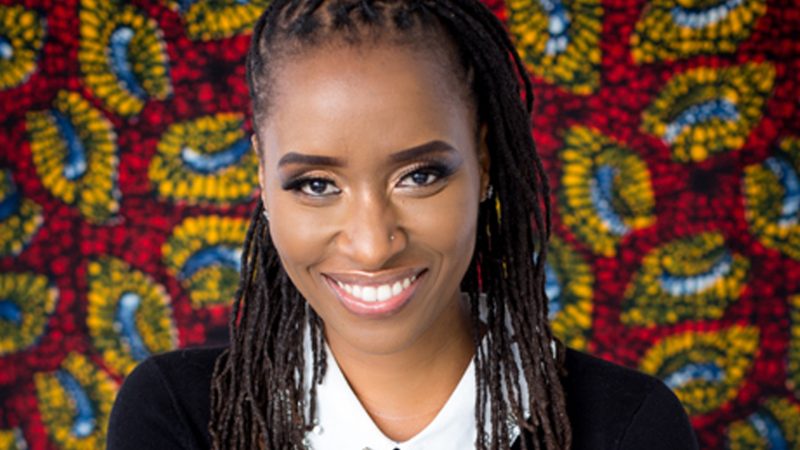
Ekwa Msangi, who’s Tanzanian-American, brings together African and diaspora worlds in her work. Farewell Amor, which debuted at Sundance, digs into how African families try to hold onto their roots while living in the West. She’s especially adept at exploring identity, what it means to belong, and the friction between generations. Msangi is part of a new wave of African filmmakers whose global perspectives make cinema richer for everyone. She gets both sides, the traditions she grew up with and the American realities she lives in, so her stories connect with all kinds of audiences, but they never lose that unmistakable African heart. Her films show you don’t have to pick one culture over another; you can live in many at once and do it beautifully.
10. Njue Kevin – Kenya’s Groundbreaking Feature Director
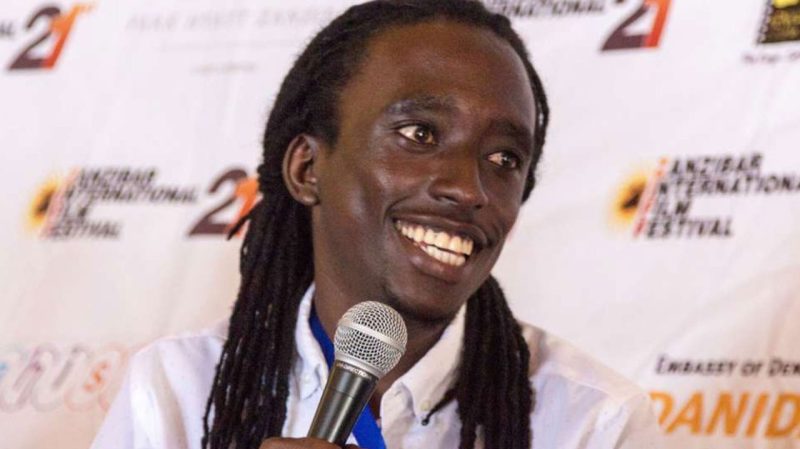
Njue Kevin from Kenya wrote and directed 18 Hours, which took home Best Overall Movie in Africa at the AMVCA 2018 Film Africa, the first time a Kenyan film snagged the top prize. In 2019, he also became the first Kenyan filmmaker to be named to the Forbes Africa Under 30 list. Kevin represents a new generation of African filmmakers who blend real technical skill with an authentic sense of their own culture. His rise proves there’s no ceiling for African cinema; younger directors are taking what earlier pioneers built and turning it into something new, while ensuring their voices are heard loud and clear.
What Makes the Movement Possible?
By 2024, African cinema didn’t just survive old problems with funding and distribution; it broke through. Festival wins aren’t just about a few stars; they show a bigger wave rolling in. Pan-African film funds, co-production deals, and digital platforms are finally creating real, lasting support. More organisations than ever are backing African filmmakers, offering money, mentorship, and connections, so what used to be a lonely struggle is now a growing network.
And this isn’t just about directors. Across the industry, African cinematographers, editors, production designers, and composers are getting international credit. The whole creative machine is humming, and it’s clear now: African cinema’s reach isn’t just about the people behind the camera but about everyone all along the production line.
Is Heritage a Competitive Advantage?
What sets these African filmmakers apart isn’t just raw skill; it’s their point of view. They tap into oral storytelling, colonial memory, spiritual beliefs, and the energy of today’s cities, weaving together stories Western studios just can’t imitate. That’s their edge: an objective, rooted perspective that stands out in a world full of bland, copycat content.
They know that great stories come from depth and honesty, not from watering things down. Their films don’t flatten African life into clichés; they open it up, layer by layer. This is craft, not formula. Every choice honours the past but speaks to today, proving that heritage isn’t a limit, it’s the secret ingredient that makes their work impossible to ignore.
The Global Impact
International festivals aren’t just paying lip service; African filmmakers are shaping the future of cinema, plain and simple. Their films push back against tired Western stories, introduce entirely new styles, and expand what people think movies can be. Now, streaming giants are scrambling to get their hands on African content, not just because it’s “trendy”, but because it actually sells and carries real cultural weight.
This isn’t some passing phase. It’s a fundamental shift. African filmmakers are setting up their own studios, training programmes, and distribution networks, laying the groundwork for something lasting. They’re not hanging around, waiting for a nod from the West. Instead, they are establishing their own systems and elevating African cinema to a prominent position on the global scene.
Frequently Asked Questions
1. Who are the most influential African filmmakers today?
Think of names like Mati Diop, who’s picked up both the Berlin Golden Bear and the Cannes Grand Prix. There’s Rungano Nyoni, who took home Cannes’ Un Certain Regard Best Director, and C.J. “Fiery” Obasi, whose boundary-pushing films have swept awards at Sundance and FESPACO. They come from different countries, each with a unique vision, but they all stay rooted in stories shaped by African heritage.
2. Why are African filmmakers gaining global recognition now?
A few things changed. Production quality shot up, international partnerships became easier, and primary streaming services began investing real money in African movies. Film festivals woke up to the creativity and business potential emerging from Africa. Plus, audiences everywhere are looking for new stories, ones that don’t always come from a Western point of view.
3. How do African filmmakers fund their projects?
Funding comes from all over: pan-African film funds, European co-production deals, grants from places like the Doha Film Institute, crowdfunding, and, more and more, direct support from streaming platforms. Most filmmakers mix these sources throughout the process, from the first script to post-production.
4. What themes do African filmmakers explore?
They dig into all sorts of territory, balancing tradition and modern life, dealing with colonial history, exploring city life, migration, corruption, gender, spirituality, resilience, and what it means to be part of the African diaspora. Their films feel deeply rooted in place but still connect on a human level, wherever you’re from.
5. How can I watch movies by African filmmakers?
You’ve got options. Check out Netflix, Amazon Prime, or MUBI for some of the bigger releases. There are also niche streaming services focused on African content. You can find African content at film festivals such as Cannes, Berlin, Toronto, and Sundance, as well as at Pan-African film festivals held on the continent and globally.