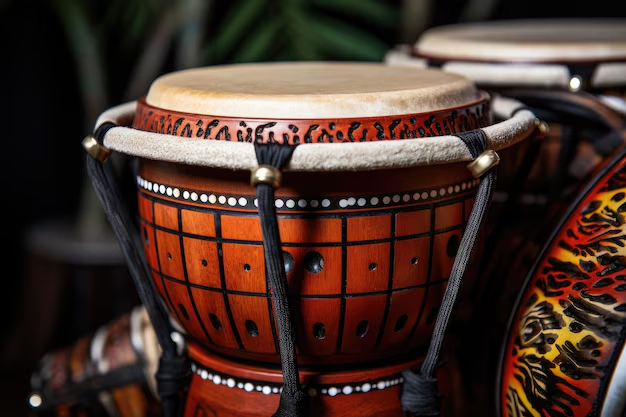
Listen to almost any beat in today’s hits – Drake’s “One Dance”, Kendrick Lamar’s jazz-laced hip-hop, Beyoncé’s “Already”, or those rolling Amapiano basslines – and you’re really hearing echoes of African drums. It’s not just a clever musical trick. A recent study from 2023 says over 70% of global pop beats trace back to African rhythms, but honestly, stats like that barely scratch the surface. African drums not only shape modern music, but they are also deeply ingrained in it. This matters because when you dig into the story of African drums, you see how enslaved Africans turned pain into art, how colonial power couldn’t stamp out ancient ways of communication, and how today’s artists – sometimes without realising it – are part of traditions that go back thousands of years. African drums aren’t just instruments. They’re symbols of resistance, spiritual links, and cultural survival – stuff that Western music theory can’t fully explain or even write down.
Discover how African drums shaped global music, from jazz to hip-hop, EDM to pop, through polyrhythmic mastery, spiritual communication, and cultural resistance.
Why African Drums Are More Than Just Instruments
In a lot of African societies, people saw drums as alive, almost magical – able to send messages to the ancestors or the gods. That spiritual side sets them apart from how Western music treats drums, which is usually just about keeping time. In Africa, drums were like early telephones. Talking drums let people send detailed messages over distances, spread the word about significant events, warn about danger, and keep stories alive through coded rhythms.
Oral storytelling has always been huge across the continent, and drumming helps people remember and pass on essential lessons or histories. Maybe that’s why colonial rulers were so afraid of drums – they knew these instruments kept communities connected in ways outsiders couldn’t crack. Take Trinidad and Tobago: after the Canboulay riots in the 1880s, authorities banned drums, but Trinidadians just came up with new ways to keep the rhythm going. The beat itself, not just the drum, held the real power – enough to make the authorities nervous.
That’s still relevant now. It forces us to see African music not as something “simple” or “primitive,” but as a brilliant technology. When producers sample African beats, they’re tapping into a system loaded with centuries of knowledge, not just grabbing a superb sound.
How Polyrhythms Flip the Script on Western Music
What really makes African music stand out are its polyrhythms – layers of different beats happening simultaneously. Western music prefers tidy rhythms, with a single main beat taking centre stage. But African music? African music allows multiple rhythms to take centre stage, each contributing uniquely while maintaining a cohesive whole.
Usually, different instruments carry different rhythms, like a group conversation. The lead drummer sets the vibe, others join in with bells or shakers, and together they create something bigger than any one person. This mirrors African values – no single voice overpowers the rest. The focus is on the group, not just the soloist.
Western music notation can’t keep up. Its system just doesn’t have the tools to capture all those overlapping patterns. That’s not a problem with African music – it’s a problem with the narrowness of Western theory, which often tried to set itself up as the gold standard whilst ignoring what it couldn’t grasp.
This stuff matters because it pushes us to rethink what counts as “sophisticated” music. Realising the complexity of African polyrhythms, which demand a high level of mental skill, challenges the notion that European classical music is the pinnacle of music. African music isn’t behind – it’s just running on a different, equally brilliant track.
What Did the Middle Passage and Slavery Do to African Drumming?
When Africans were forced across the Atlantic, they didn’t just “find their way” to the Americas with their drumming traditions. That phrase just glosses over what really happened. Enslaved Africans held on to drumming as a lifeline, a way to stay connected to who they were, even as everything around them tried to erase their culture.
Most enslaved Africans ended up in the Caribbean and Latin America. Here, under Catholic, Spanish, and French control, drumming persisted longer because these colonisers weren’t as strict about banning drums as the Protestant British were. That’s why you hear deep African rhythms in reggae, salsa, samba, and calypso – music from places where drumming, language, and rituals had more room to survive. In North America, music changed more, thanks to harsher bans.
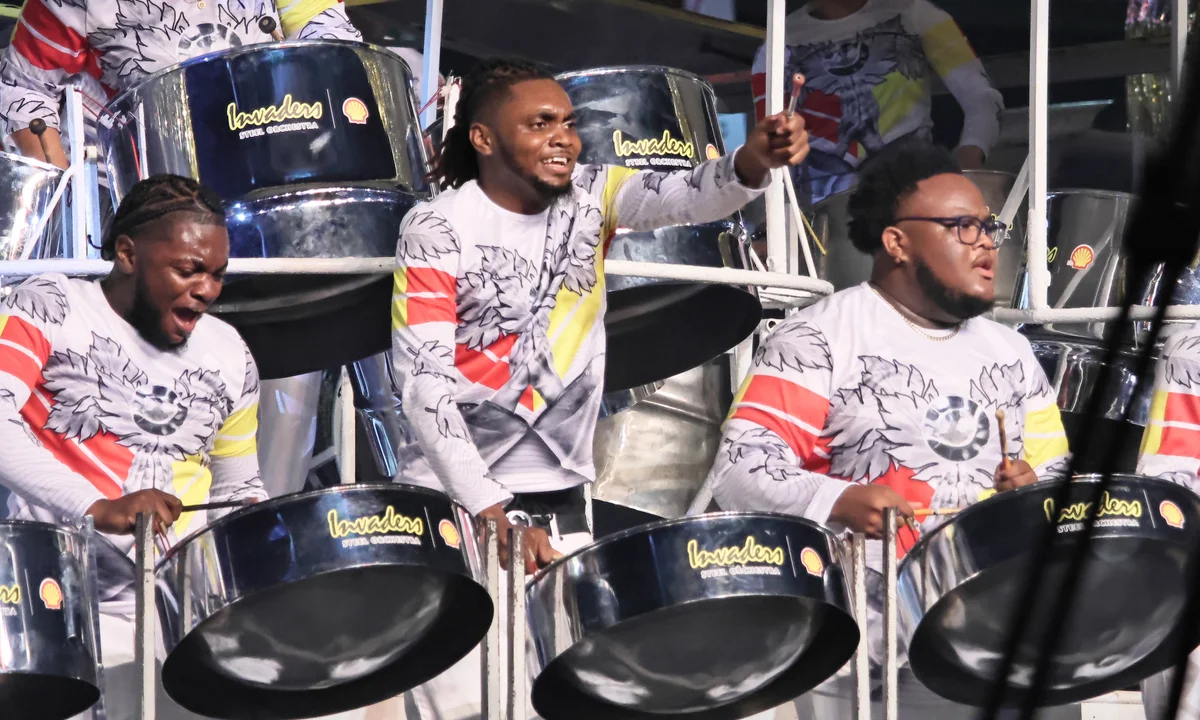
When colonisers blocked enslaved people from joining carnivals, they made their own celebration—canboulay—where calypso grew and was packed with African rhythms. Throughout the African diaspora, it is evident that individuals, when faced with obstacles, did not simply give up. They got creative. No drums? Fine. They used their bodies: clapping, stomping, and singing in rhythm. Everyday stuff – wash tubs, bones, spoons – turned into instruments. Later, they even made steel pans from oil drums. Despite numerous prohibitions, the rhythm persisted.
This history matters. This history demonstrates African music as a form of resistance, rather than merely a result of cultural fusion. Every hip-hop beat, every jazz groove or blues shuffle carries that stubborn memory of people who refused to disappear.
How Do African Drums Shape Hip-Hop’s Identity?
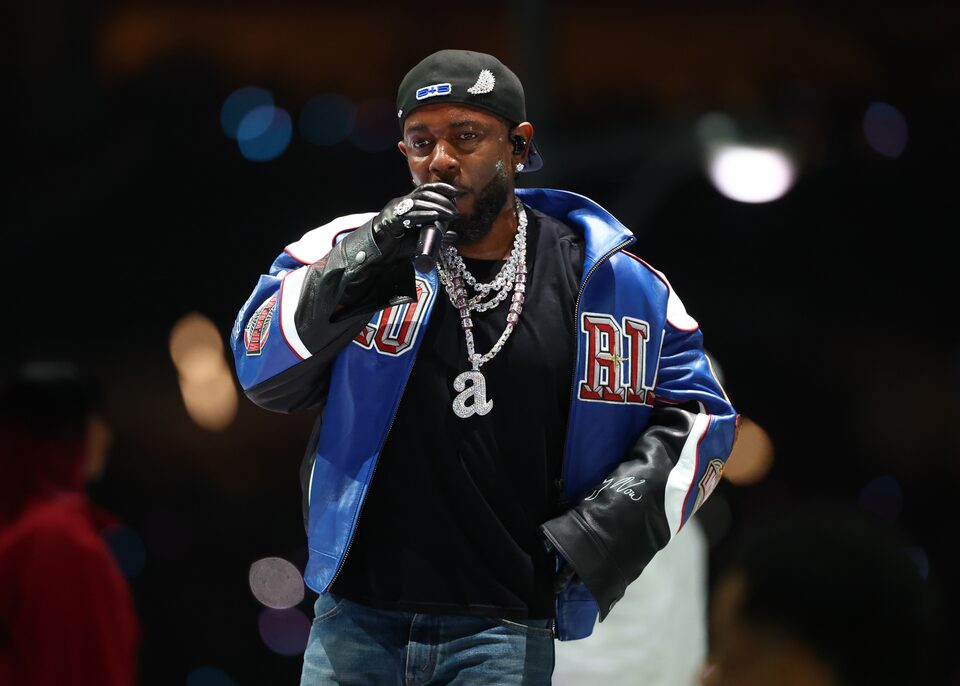
Rhythm is the backbone of hip-hop, but it’s not just about drum kits. Hip-hop takes an African approach to rhythm, where everything – voices, claps, even other instruments – can work like percussion. Hip-hop didn’t just borrow from African rhythms. It put them back in charge after Western music tried to push them aside.
Producers love sampling African drum patterns, chopping them up and weaving them into hip-hop beats. This isn’t just a trick – it’s a way of connecting today’s music with deep roots. Kendrick Lamar’s “To Pimp a Butterfly” dives right into this, layering African percussion and rhythms into songs about heritage and identity.
There’s more. Hip-hop’s storytelling, social commentary, and even its praise-singing style come straight from West African griot traditions. Modern artists like Youssou N’Dour keep griot vocals alive in pop. Still, hip-hop artists are griots too – keeping community stories alive, calling out injustice, and passing down wisdom, all with a beat. This aligns with the traditional practices of West African griots.
Seeing African drums in hip-hop changes how we talk about the genre. Hip-hop isn’t just rebellious noise or empty spectacle. It keeps African traditions of rhythm, community, commentary, and spirit alive – making it deeply traditional, not just modern.
READ ALSO:
- Hip-Hop’s Cultural Legacy: From Bronx Streets to Global Phenomenon
- The Rise of Afrobeat: African Rhythms Shaping Global Music Culture
- Women-Led Book Clubs Reshaping Literary Culture
Why Are African Rhythms Dominating Contemporary Pop and EDM?
Listen to hits like Drake and Wizkid’s “One Dance” or Beyoncé’s “Already”. The heartbeat of African drumming runs right through them. DJs like South Africa’s Black Coffee are reshaping EDM, bringing Afro-house to a global crowd with traditional beats that add a real sense of soul and movement.
Then there’s Amapiano— a sound built around that unmistakable log drum bassline. Artists like Kabza De Small and DJ Maphorisa have taken this groove worldwide. Amapiano isn’t just another flavour thrown into Western music; it’s a whole new way of thinking about rhythm, groove, and feeling. Western pop’s straightforward 4/4 time just can’t match that depth.
Even the tools producers use today – drum machines and music software – draw on patterns from African rhythms. Many individuals are unaware of the origins of these grooves, yet they continue to create music rooted in African traditions. And that’s the point: African music isn’t just something from the past. It’s living, breathing, and driving the future of how we move and listen.
What Responsibilities Come With Using African Rhythms?
Using African samples in electronic music isn’t just a creative choice – it brings up fundamental questions about cultural appropriation and giving proper credit. What lies at the core of this issue? Rhythm itself can get stripped of its meaning. People often misappropriate rhythm, add a producer’s name, and transform it into a product. Meanwhile, the communities that kept these rhythms alive for generations usually get nothing in return.
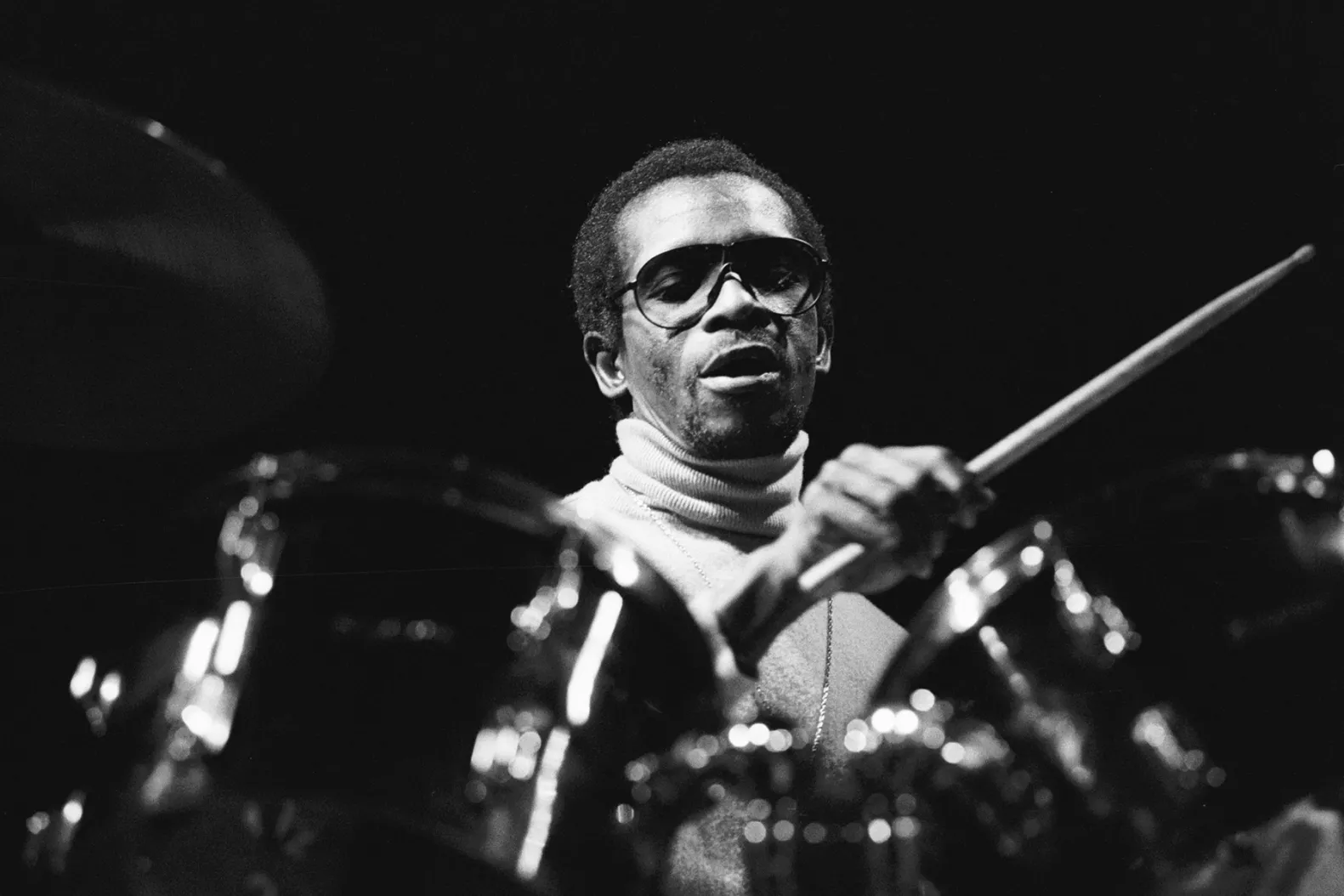
Tony Allen, the Afrobeat legend, put it simply: “Without African drumming, there is no groove in modern music.” He’s right. The global music industry owes a massive debt here. Musicians and producers need to pay it back by giving credit where it’s due, paying African artists fairly, and keeping the original stories and traditions alive. These rhythms aren’t just free samples to grab off the shelf.
Getting attribution right really matters. It’s crucial to treat African music as a sophisticated tradition, deserving of respect, credit, and compensation, rather than simply treating it as raw material that anyone can use without acknowledgement.
Celebrate art, identity, and inspiration — explore Culture & Arts on OmirenStyles.
Frequently Asked Questions
1. How did African drums shape jazz and blues?
African drums shaped jazz and blues when enslaved Africans brought their rhythms and blended them with European instruments and musical forms. Things like polyrhythms, syncopation, call-and-response, and a percussive approach to melody all came from African drumming. These traditions survived the horrors of the Middle Passage and slavery and eventually became the backbone of jazz, blues, rock, and R&B.
2. What sets African drumming apart from Western percussion?
African drumming stands out for its polyrhythms —several rhythms happening at once, each with its own voice and no clear “main” beat. There’s also a deep spiritual side: drums connect people to the divine. It’s about community, not showing off solo skills. Drumming serves a purpose, too – coordinating social events, rituals, and even sending messages. Western percussion just doesn’t cover all that ground.
3. Why did enslavers ban drums?
Enslavers banned drums because they saw the danger. Drums weren’t just for music – they let people communicate, organise, and hold onto their culture. Authorities feared that rhythms could spark rebellion and help communities stay connected, so they tried to wipe them out.
4. Which modern genres use African drum patterns?
You’ll find African drum patterns everywhere – hip-hop, jazz, reggae, salsa, samba, calypso, Afrobeat, Amapiano, Afrohouse, EDM, pop, funk, R&B, and gospel. If a genre cares about rhythm, there’s a good chance it draws from African drumming, whether through direct samples or rhythms passed down through the years.
5. How can someone learn African drumming?
You learn African drumming by going to workshops with master drummers who carry these traditions, joining community drum circles, studying instruments like the djembe or talking drum, or immersing yourself in African communities where drumming is still a living, breathing thing. Most important? Show respect. Learn the history, understand the culture, and remember there’s much more to it than just hitting the right notes.