The first time I watched marula oil being pressed, it was at sunrise in a small courtyard where the air smelled of dust, fruit, and firewood. Women sat in a circle, their hands moving with a rhythm that felt older than language. Each kernel was cracked with care, each drop of oil treated as a living thing. There was no rush, no machinery roaring in the background—just knowledge. Pure, unbroken knowledge passed down through generations.
In that moment, it became clear that African botanicals were never simply ingredients. They were memories. They were identified. They were the quiet heartbeat of a continent that has always understood the relationship between land, skin, and spirit.
Today, luxury skincare finally recognises what communities across Africa have always known: that beauty is not manufactured; it is cultivated. It grows from soil enriched by history, shaped by craftsmanship, and refined by the hands that gather, crush, and press each botanical.
African ingredients—marula, baobab, shea, rooibos, mongongo, and kigelia- carry this duality effortlessly. They move between tradition and technology, between local identity and global influence. Their rise is not a trend. It is a restoration of credit, a return to origin, and a celebration of African excellence, reshaping the future of skincare.
From marula to baobab, discover how African botanicals are shaping modern luxury skincare through heritage craftsmanship, scientific innovation, and ethical beauty.
Heritage & Identity: Plants as Cultural Memory
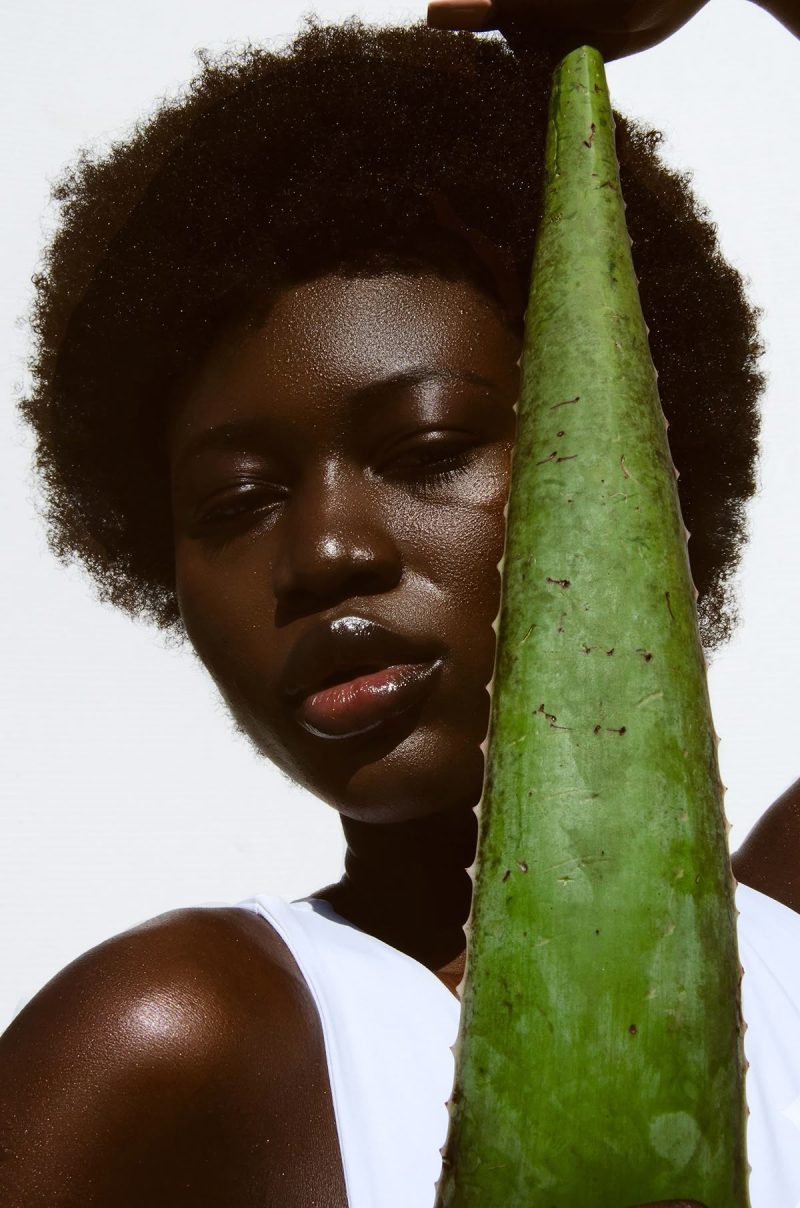
African skincare traditions have always been intentional. Shea was crafted by women’s cooperatives long before global brands recognised its value. Marula oil was treasured for its hydrating, protective, and ceremonial uses. Rooibos was brewed for calm, health, and renewal. These plants are not simply active; they are archives of identity and intergenerational knowledge.
Modern luxury brands now look to these traditions as frameworks rather than inspiration. This shift elevates origin stories, honours cultural craftsmanship, and acknowledges Africa as an authority rather than a resource. In doing so, it positions African botanicals at the intersection of legacy and luxury.
Scientific Power: Where Ancestral Wisdom Meets Modern Research
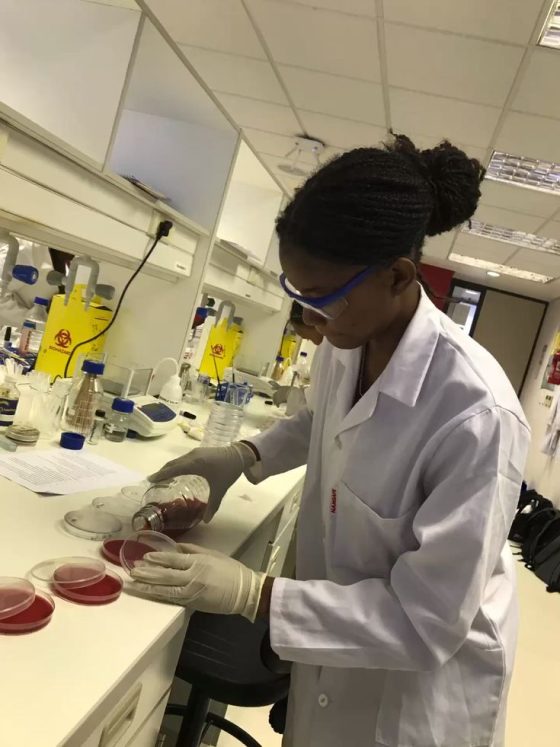
What makes African botanicals stand out in premium skincare is not only their history but also their proven efficacy.
- Marula offers high oleic acid, antioxidants, and exceptional stability—ideal for barrier support and moisture retention.
- Baobab delivers omega-rich nourishment and potent polyphenols that counter environmental stress.
- Shea provides stearic and oleic acids for repair, making it central to moisturisers and conditioning treatments.
- Rooibos contains unique antioxidants, such as aspalathin, that support calm, resilient skin.
- Kigelia africana shows promising anti-inflammatory and firming potential in early studies.
- Mongongo brings vitamin E and a protective lipid profile suited for dry or sun-exposed environments.
These ingredients work across multiple skincare concerns, hydration, antioxidant defence, soothing, and barrier reinforcement, aligning with modern luxury’s demand for multifunctional, high-performance formulations.
READ ALSO:
Cultural Craftsmanship & Ethical Luxury
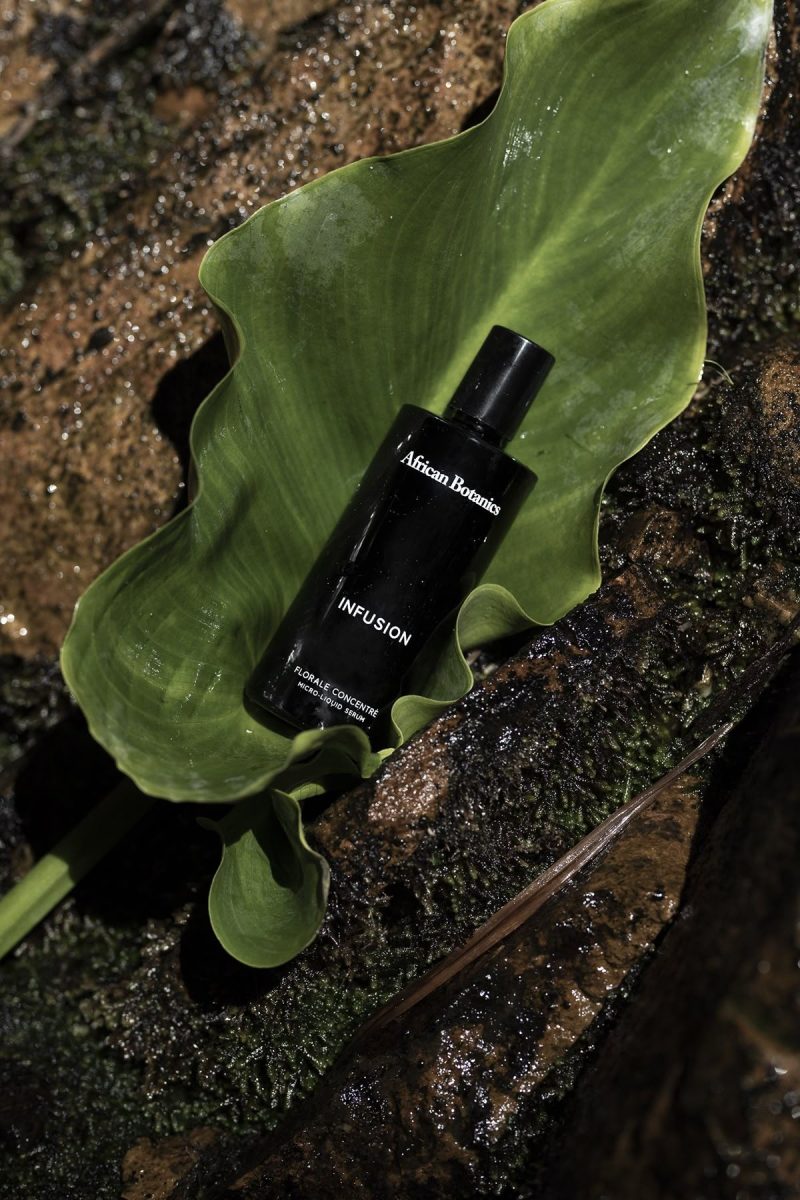
Luxury today is defined not only by results but by responsibility. African botanicals naturally support this shift. Many of these ingredients are harvested through community-based systems, women-led cooperatives, smallholder farms, and heritage processing methods that preserve cultural skills.
This approach creates a meaningful link between product and people. Ethical sourcing is no longer a marketing add-on; it is part of the value. Consumers want to know who made their ingredients, how they were made, and why. African botanicals provide a transparent chain that honours both craft and community, strengthening the foundation of truly ethical luxury.
Modern Luxury Fashion & Global Artistic Influence

Beauty does not exist in isolation. African botanical skincare connects to broader creative movements, Afro-luxury fashion, contemporary art, architecture, photography, and design. A larger global narrative incorporates these ingredients, portraying Africa as a source of refined artistry, forward-thinking innovation, and cultural depth.
Marula oil sits beside Aso-oke-inspired textiles. Baobab resonates with sculptural silhouettes and modern African minimalism. Rooibos aligns with a global wellness aesthetic that merges tradition with clarity. Together, these elements shape a lifestyle that is not only about appearance but also about identity, ritual, and elevated living.
Conclusion
African botanicals represent a new era of luxury, rooted in heritage, elevated by science, and sustained through ethical craftsmanship. They embody the balance between culture and innovation, past and future, and individuality and global influence. As the beauty world continues to evolve, these ingredients will not only define product trends but also reshape how luxury itself is understood.
Africa is no longer the backdrop of the story; it is the author, the source, and the blueprint.
5 FAQs
- Why are African botanicals becoming popular in luxury skincare?
They offer potent natural actives, rich cultural narratives, and firm sustainability profiles, all essential pillars of modern luxury.
- Are African botanical ingredients scientifically effective?
Yes. Many, including marula, baobab, rooibos, and kigelia, have been shown to have antioxidant, soothing, or barrier-strengthening benefits.
- What makes these botanicals sustainable?
Most are harvested through community-based systems, support local economies, and use low-impact processing methods.
- Are African botanicals suitable for all skin types?
Generally, yes. Their high fatty acid and antioxidant content support sensitive, dry, mature, and stressed skin, depending on the formulation.
- How do African botanicals fit into a modern skincare routine?
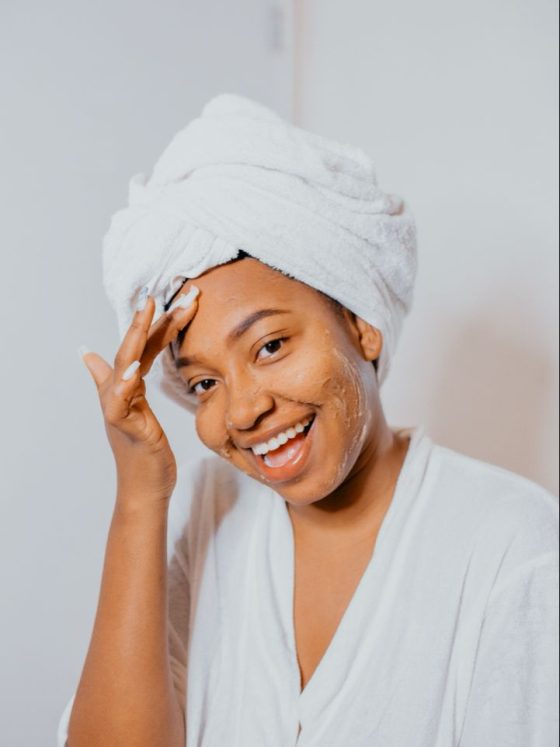
They integrate well into facial oils, serums, creams, masks, and body treatments—bringing both performance and ritual to daily care.