Luxury beauty once positioned itself as laboratory-born and Eurocentric.
Clinical white packaging.
Ingredients sourced from Alpine glaciers or Mediterranean groves.
Scientific language is carefully curated to feel exclusive and distant.
But the axis is shifting.
Across the global beauty market, African botanicals that were once dismissed as “raw materials” are becoming central to premium skincare and haircare formulations. Baobab oil. Moringa extract. Safou oil. Shea butter in its unrefined, potent form.
These are not discoveries.
They are remembered systems.
And what the industry is now calling innovation is, in many ways, ancestral continuity.
Discover how African botanicals like baobab and moringa are leading the A-beauty boom and transforming sustainable global skincare.
Before “Clean Beauty,” There Was Indigenous Knowledge
Long before “clean beauty” became a billion-dollar marketing phrase, African communities practised ingredient transparency as part of daily life.
Women in cooperative groups processed shea butter, whose sourcing is traceable to specific regions and harvest seasons.
Baobab fruit was gathered without cutting the tree, preserving ecosystems through seasonal rhythms.
Moringa leaves were dried, crushed, infused, and used for skin, hair, and internal nourishment long before wellness influencers discovered them.
There was no separation between beauty and health. No distinction between ritual and science.
It was integrated knowledge.
And it worked.
From Ingredient to Intellectual Property
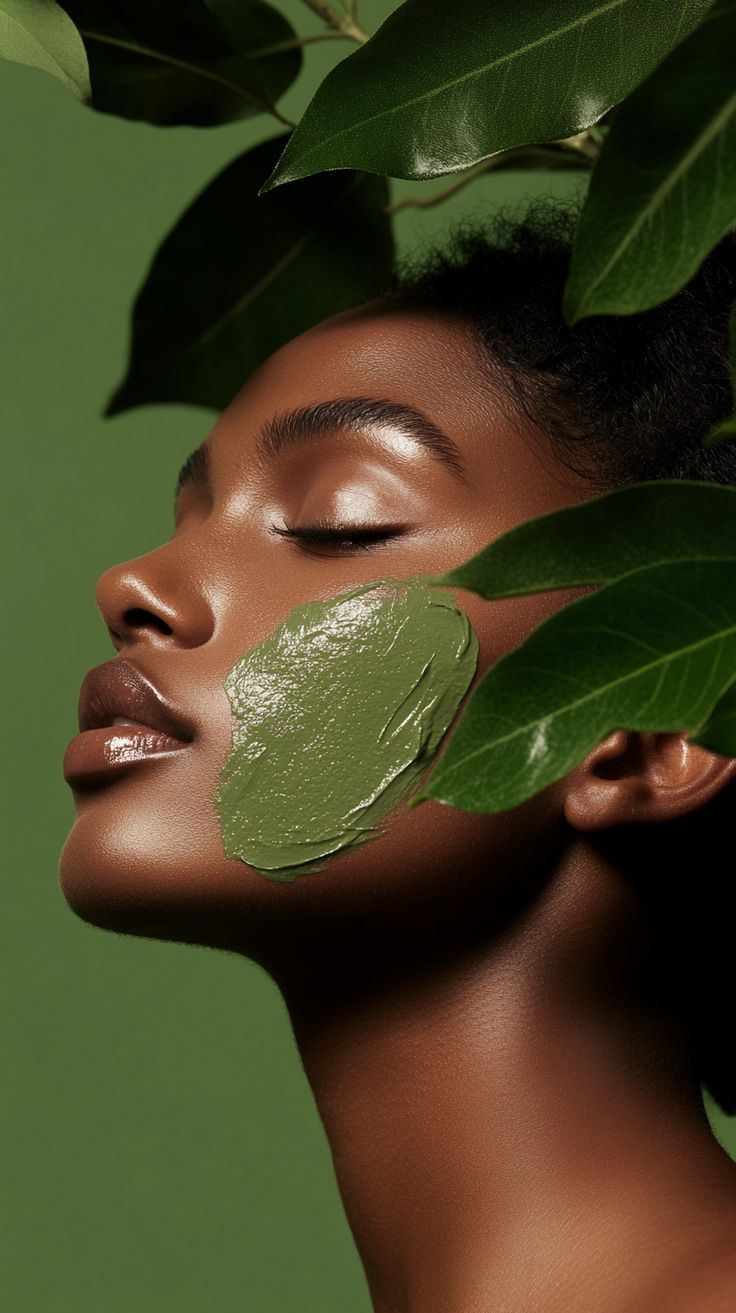
For centuries, African botanicals moved quietly through markets, kitchens, and courtyards — unbranded, unpatented, undocumented in laboratory journals.
They existed in memory.
In muscle knowledge.
In repetition.
In women who could judge oil quality by scent alone.
What the global beauty industry now calls “discovery” was, in truth, undocumented intellectual property.
Baobab oil was pressed without the use of white paper.
Moringa was applied without clinical trials.
Safou oil nourished skin without investor decks.
Their legitimacy did not depend on certification. It depended on continuity.
The shift happening today is not scientific recognition.
It is a translation.
Ancient formulation culture is being rewritten into ingredient decks, INCI lists, and dermatological language. What once lived in oral tradition now lives in luxury packaging.
But here is the tension:
When a botanical becomes a hero ingredient in a prestige serum, who owns the story?
Who owns the margin?
Who defines the narrative of expertise?
African beauty knowledge was never primitive. It was simply uncommodified.
Now that it is entering global supply chains, the conversation is no longer about efficacy.
It is about authorship.
Antioxidants or fatty acid profiles will not decide the future of this renaissance.
It will be decided by whether Africa remains a supplier or becomes a strategist.
The Economics of the Botanical Boom
The global beauty industry is valued at over $400 billion. As African ingredients enter prestige formulations, the economic implications are profound.
But the central question remains: who benefits?
When baobab oil is exported raw and refined elsewhere, value is added abroad. Profits concentrate outside the communities that cultivate the resource.
However, when processing, branding, and formulation occur within African countries, the economic chain transforms.
Women-led cooperatives in West Africa have already demonstrated how shea butter production can generate stable income streams, fund education, and sustain local economies.
Scaling that model across other botanicals could reshape agricultural economies — particularly in regions vulnerable to climate change and fluctuating commodity markets.
This is not merely a beauty trend analysis.
It is an infrastructure strategy.
The Rise of African-Owned Beauty Brands
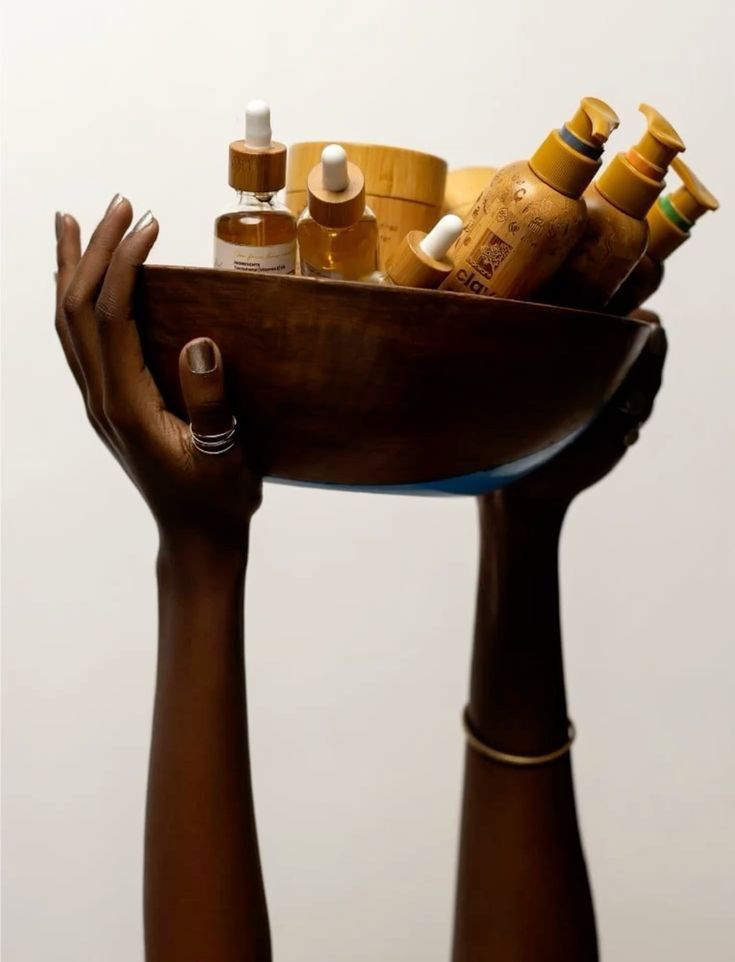
While global conglomerates incorporate African ingredients into product lines, a parallel movement is emerging: African-founded beauty brands defining their own narratives.
These companies do not frame baobab as “exotic.” They contextualise it historically.
They explain moringa within culinary and medicinal traditions.
They formulate safou oil specifically for melanin-rich skin rather than treating it as novelty hydration.
This shift in authorship matters.
Because storytelling in beauty is as valuable as formulation.
And when narrative authority returns to origin communities, the industry’s hierarchy changes.
Sustainability Beyond Aesthetic Claims
Sustainability has become a marketing requirement.
But African botanical systems often embody sustainability inherently — when traditional harvesting methods are preserved.
Baobab trees can live for thousands of years. Harvesting fruit does not require deforestation.
Moringa grows in arid conditions, requiring minimal irrigation compared to water-intensive crops.
Safou trees contribute to agroforestry systems that maintain soil integrity.
In contrast to lab-synthesised ingredients requiring complex energy inputs, these botanicals operate within regenerative cycles.
The future of responsible beauty may depend less on futuristic molecules and more on ancient ecosystems.
Melanin, Climate, and Global Inclusion
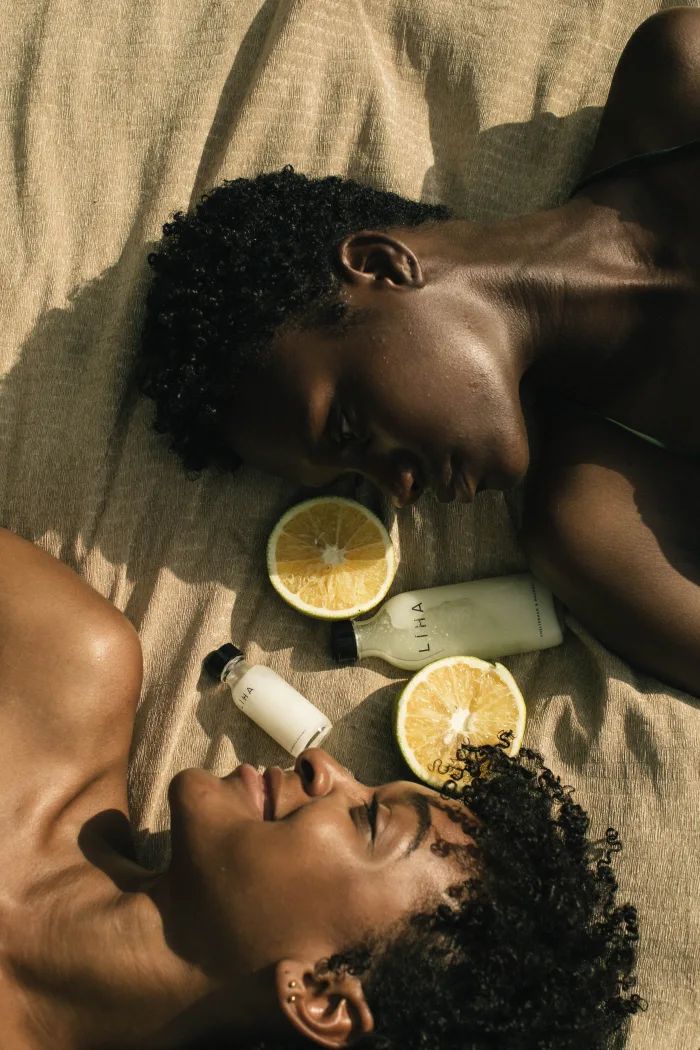
One reason African botanicals resonate globally is demographic reality.
Melanin-rich skin has historically been under-researched and underserved in Western dermatology.
African skincare traditions, however, evolved in climates with intense sun exposure, humidity, and environmental stress.
Formulations centred on lipid-rich oils and natural butters directly respond to hyperpigmentation, dryness, and barrier compromise common in darker skin tones.
As global markets diversify, these traditions offer frameworks that are biologically aligned — not retrofitted.
Inclusion becomes structural rather than cosmetic.
Ritual as the New Luxury Language
Luxury beauty today sells ritual — gua sha routines, facial massage, and oil layering.
African traditions have long centred on ritual.
Shea butter application was communal. Hair oiling was intergenerational. Skincare was both practical and ceremonial.
As global brands adopt ritual-driven marketing, they echo frameworks long embedded in African life.
The difference is that now those rituals are being aestheticised.
But beneath the rebranding lies continuity.
READ ALSO:
- African Beauty Rituals Redefining Modern Skincare
- Budget Skincare for Students in Nigeria: Chic, Simple, and Seriously Effective
- How Uncover Skincare Became Africa’s Top Beauty Brand
Authority, Repositioned
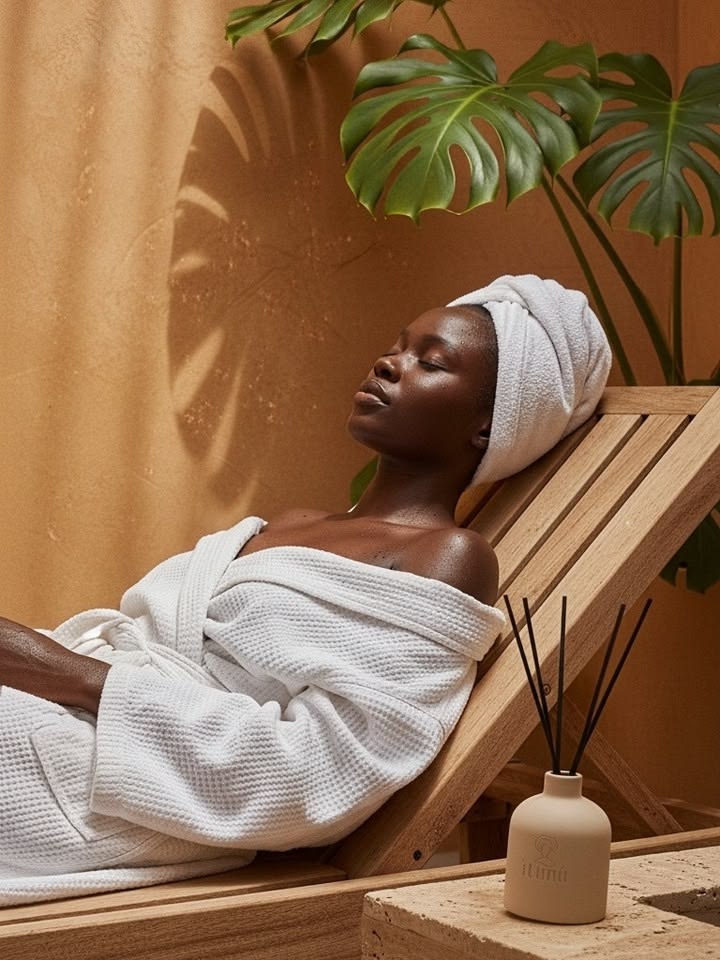
For decades, validation flowed from Western laboratories to the rest of the world.
Now the direction is less linear.
When prestige brands headline baobab oil in serums, when moringa becomes an anti-ageing hero ingredient, when safou oil is positioned as luxury hydration — authority redistributes.
Africa is no longer a supporting character but a source.
And in global beauty, the source is power.
The Next Phase
The renaissance of African botanicals is not a seasonal trend.
It intersects with sustainability, climate resilience, demographic shifts, and consumer demand for authenticity.
If managed responsibly, it can create long-term economic ecosystems across the continent.
If mishandled, it risks dilution and extraction.
The difference lies in ownership.
Conclusion
Some revolutions arrive loudly.
This one smells like earth after rain.
It feels like oil warmed between palms. Like butter pressed into skin at dawn. Like leaves crushed into paste with knowledge passed down without textbooks.
African botanicals were never waiting to be discovered.
They were waiting to be credited.
And as beauty redefines luxury through sustainability, inclusivity, and heritage, the world is beginning to understand something simple:
The future of skincare may be ancient.
FAQs
- What is A-beauty?
A-beauty refers to the rise of African-inspired skincare and haircare rooted in traditional botanicals and rituals.
- Why are African botanicals trending globally?
They align with demand for sustainable, heritage-driven, and melanin-inclusive beauty solutions.
- What are the key African skincare ingredients?
Baobab oil, moringa extract, safou oil, and unrefined shea butter are among the most influential.
- Is the botanical boom economically beneficial for Africa?
It can be, if production, processing, and branding remain locally owned and fairly structured.
- Are African botanicals scientifically supported?
Yes. Research confirms their antioxidant, lipid-rich, and barrier-repair properties.