There is a moment, usually about ten seconds after someone opens a gift, when you know whether you got it right. The wrapping is on the floor. The tissue is pushed aside. They are holding the thing itself, turning it over, reading the label, and feeling the weight. And in those ten seconds, you see it: recognition not just of the object, but of the intelligence behind the choice. Someone knew them. Someone understood that a gift is not a gesture. It is a statement about what you know.
The African designers on this list produce work that produces that moment. Every piece carries a name, a country of production, a textile tradition, and a specific design argument. None of them is decoration. All of them are conversation starters, for the wearer and for the person who gave them.
This is not a list of African-inspired items. It is a list of African designers. The distinction matters.
Ten African designer brands worth giving: from Thebe Magugu to Tongoro, MaXhosa to Christie Brown. Each one ships internationally. Each one means something.
How to Use This Guide
Each designer below ships internationally. Each has a documented cultural argument behind their work. Each has been selected because the gift of their piece is not just an object: it is an introduction to a designer’s creative position, a country’s craft tradition, and Africa’s presence in the global fashion conversation. Before gifting from this list, read How to Gift African Fashion: A Guide for People Who Want to Get It Right for the principles that govern culturally intelligent gifting. The designers here meet those principles. Purchase from their own websites or through verified platforms such as Industrie Africa and ADJOAA.
The 10 Designers
1. Thebe Magugu: South Africa
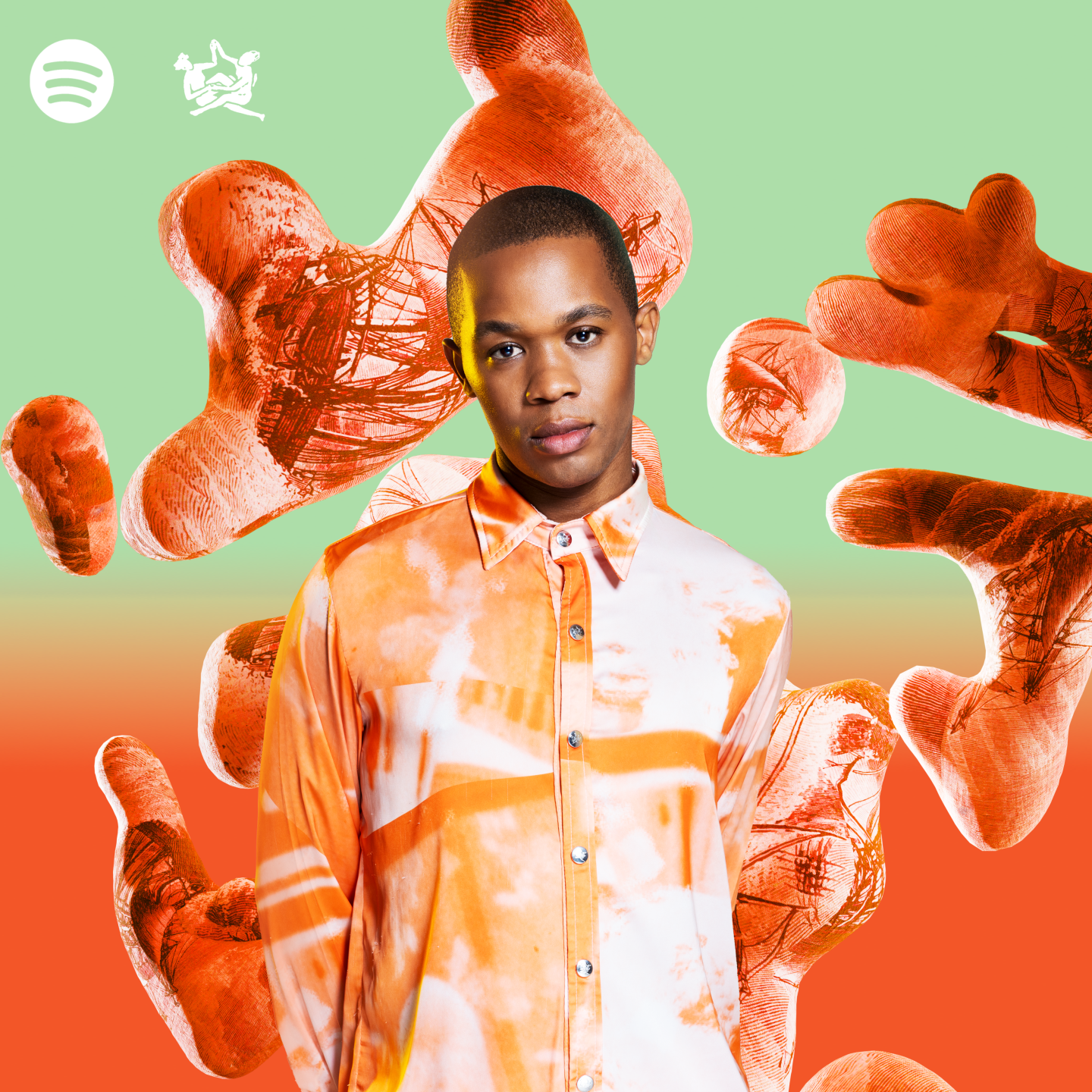
Thebe Magugu became the first African designer to win the LVMH Prize in 2019. His Johannesburg-based label produces precisely tailored ready-to-wear that uses South African political history, resistance movements, and cultural memory as design source material. Each collection is named after an academic subject and includes accompanying text explaining the argument behind the clothes. His SS26 collection presented at Paris Fashion Week continued this practice with characteristic rigour.
Who to gift it to: the recipient who engages with fashion as cultural commentary, who reads what they wear, who values craft and concept in equal measure. Thebe Magugu ships internationally through his own e-commerce platform and select retailers, including Dover Street Market.
2. Tongoro: Senegal
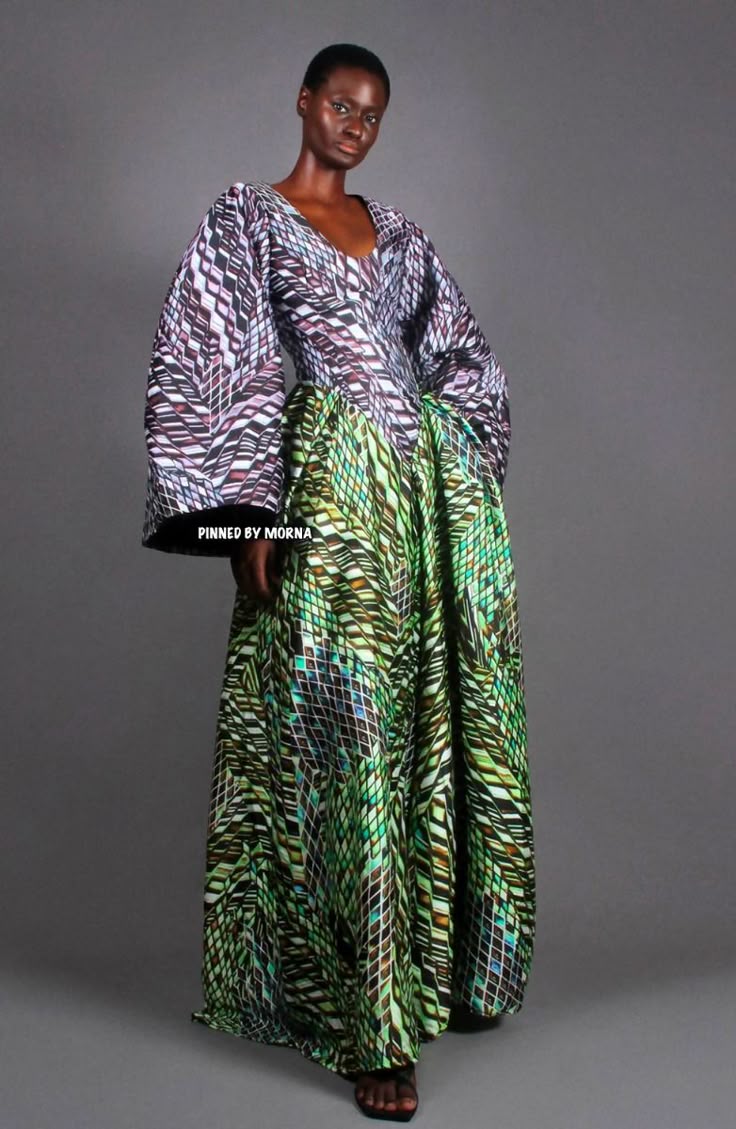
Founded by Sarah Diouf in Dakar in 2016, Tongoro is 100 per cent Made in Africa: every piece is produced in Senegal, sourcing local materials and working with Dakar artisans. The brand has carried Beyoncé, Naomi Campbell, Alicia Keys, Burna Boy, and Kelly Rowland, earning a spot on Fast Company’s 2020 list of the 50 Most Innovative Companies. Its playful, directional ready-to-wear sits at a price point that makes it accessible without compromising on production integrity. “African fashion is not an industry yet, but an ecosystem,” Diouf has said. Tongoro ships internationally.
Who to gift it to: the recipient who wants to wear something that was made entirely in Africa, by African hands, with African materials. The person who values the supply chain as much as the silhouette.
3. MaXhosa Africa: South Africa
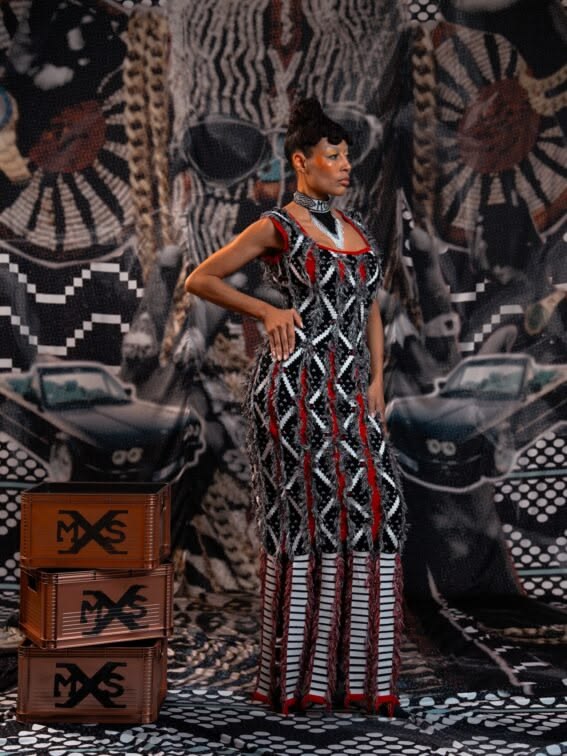
Laduma Ngxokolo founded MaXhosa in 2011 in his Eastern Cape hometown, building a label around the geometric patterns, colour symbolism, and beadwork traditions of Xhosa culture. The brand presented its SS26 collection, titled “Izipho Zabadala” (“Gifts for the Ancestors”), on the official Paris Fashion Week schedule, marking its fifth presentation in Paris. MaXhosa has seven stores in South Africa, including a Johannesburg international airport location, and operates a New York City flagship. The label has expanded into homeware, accessories, and jewellery alongside its signature knitwear.
Who to gift it to: the recipient who appreciates luxury craft with specific cultural grounding, who wants to own a piece of South African design history, who collects rather than trends.
“A gift from a named African designer carries a designer’s name, a country of production, a craft tradition, and a specific cultural argument. A gift from a generic African-inspired brand carries an aesthetic.”
4. Kenneth Ize: Nigeria
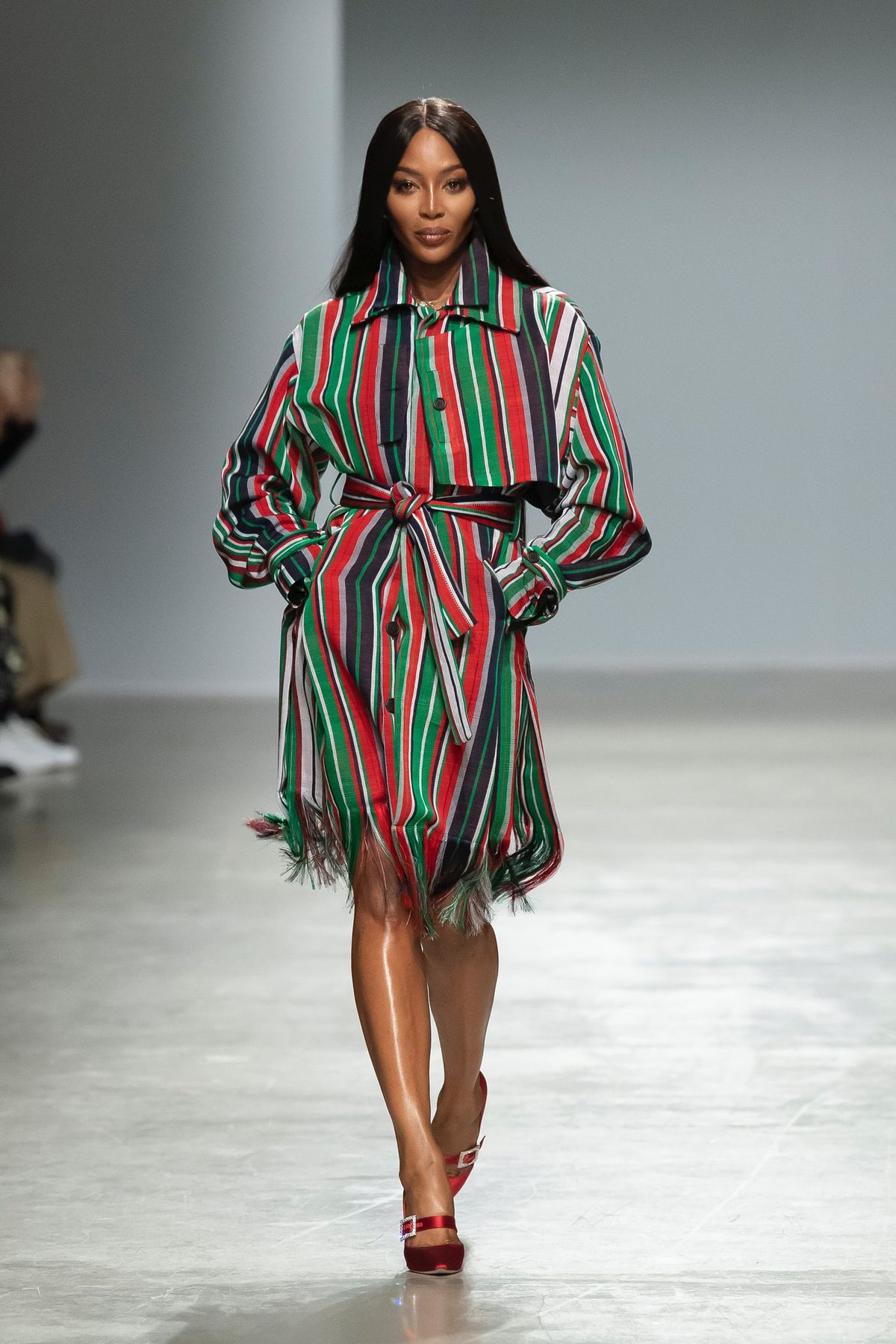
Kenneth Ize is the leading argument for aso-oke in contemporary tailoring. His Lagos-based label, founded in 2013, weaves Yoruba hand-woven fabric into suiting, shirting, and accessories that carry the textile tradition into entirely new formal contexts. An LVMH Prize finalist in 2019, the first Black designer to collaborate with Karl Lagerfeld in 2021, and a returnee to the international stage with a Berlin Fashion Week presentation in AW26, Ize is among the most articulate designers working with African craft today. His pieces are stocked at Ssense and Browns.
Who to gift it to: the recipient who understands Nigerian textile heritage and wants to see what it looks like when a designer builds a global language from it. This person appreciates that aso-oke can be a suit.
5. Orange Culture: Nigeria
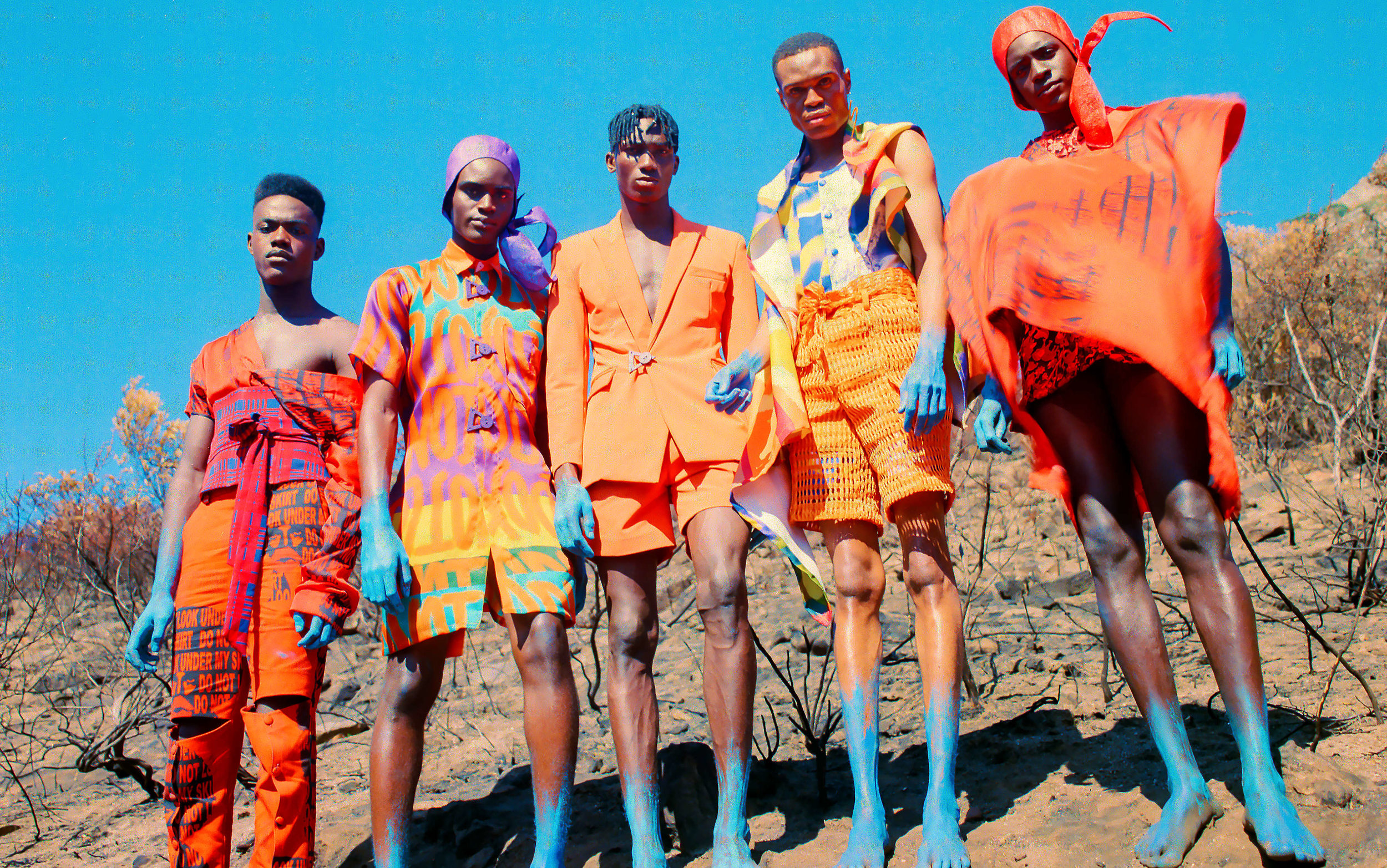
Adebayo Oke-Lawal founded Orange Culture in Lagos in 2011, producing gender-fluid fashion from African-sourced materials with 90 per cent of each collection produced in Lagos. The brand donates a percentage of revenue to the Orange mentorship programme, which develops local designers and supports underprivileged communities. Orange Culture has shown at Arise Fashion Week and Berlin Fashion Week, and its pieces have been worn by Timothee Chalamet and featured in international press. It is one of the few African labels that consistently argues for the political possibilities of softness in men’s dress.
Who to gift it to: the recipient who challenges fashion’s gender assumptions, who wants to wear something made in Lagos by a designer who invests in the next generation of African fashion.
6. Lisa Folawiyo: Nigeria
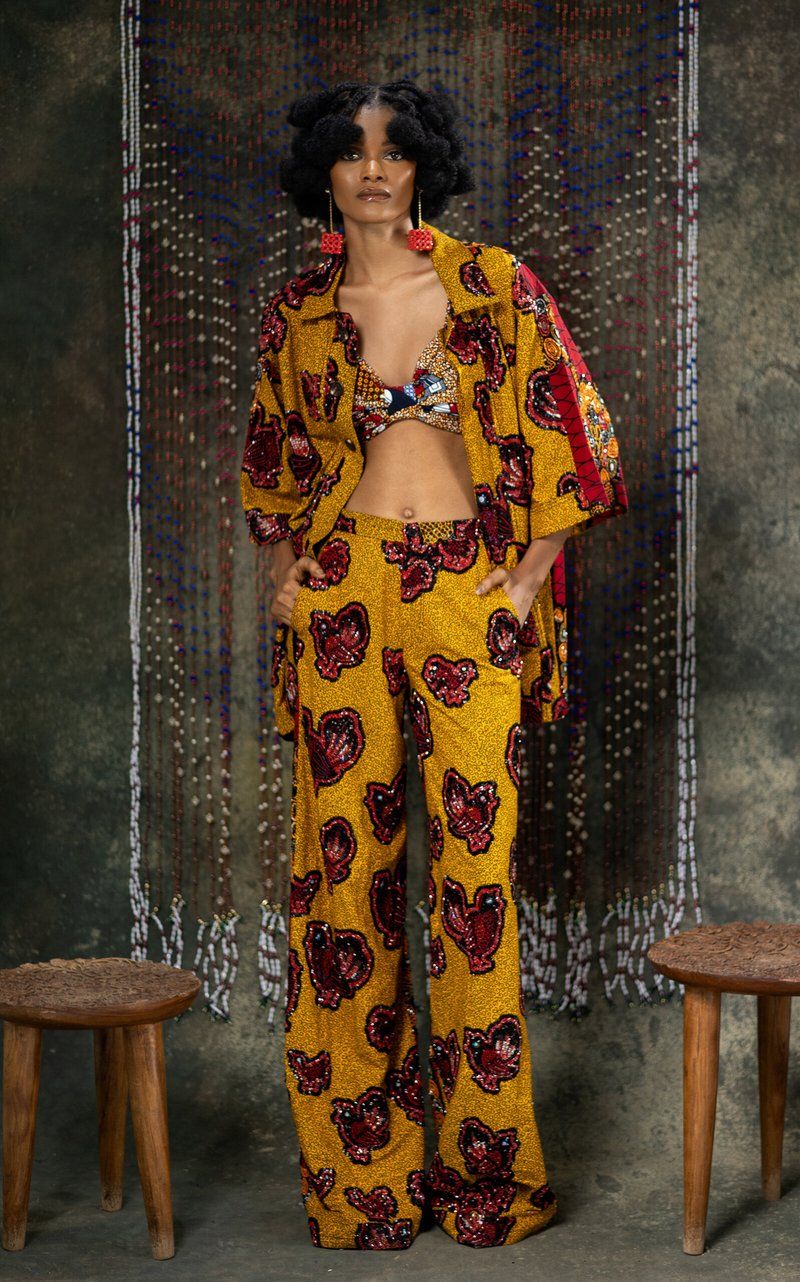
Lisa Folawiyo took Ankara fabric, the wax-print cotton often dismissed as everyday wear. She transformed it into hand-embellished high fashion, bringing beadwork, sequins, and embroidery into global luxury retail. Her Lagos-based label has been stocked in international fashion weeks and worn by celebrities across multiple continents. The beadwork on each piece is applied by hand; it cannot be replicated at machine speed. Lisa Folawiyo Studio pieces are among the most giftable items in African fashion because they carry immediate visual authority and require no explanation for an international audience, while conveying deep cultural specificity for a Nigerian one.
Who to gift it to: the recipient who appreciates the transformation of a traditional material into something entirely original. The person who wants a statement piece that came from Lagos.
7. Christie Brown: Ghana
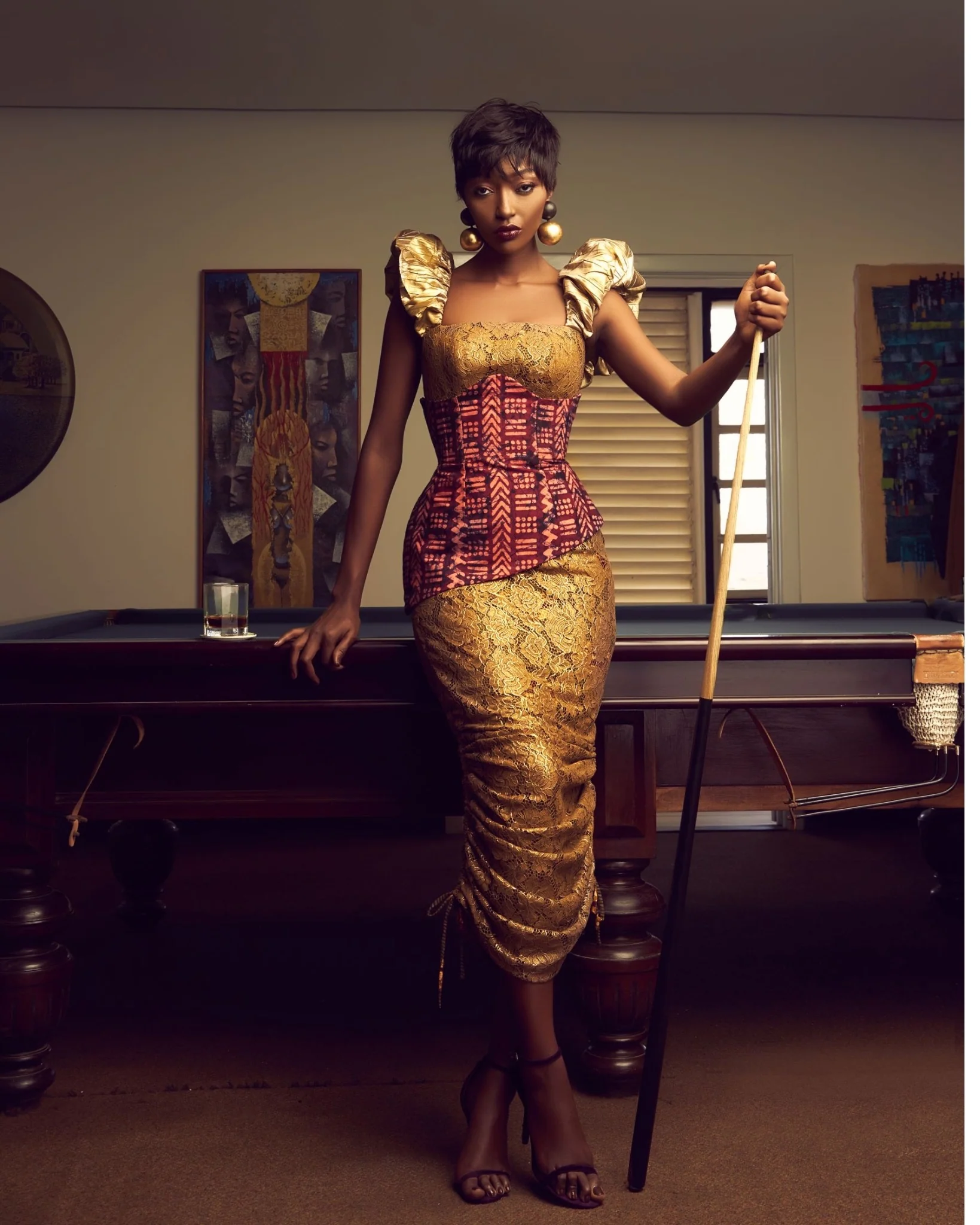
Aisha Ayensu founded Christie Brown in Accra in 2008, building a label known for fusing Ghanaian textile traditions with precision modern tailoring. The brand’s collections feature Ankara, kente, and other Ghanaian fabrics worked into silhouettes that speak to the cosmopolitan Ghanaian woman without losing the cultural specificity that makes them irreplaceable. Christie Brown has shown at African Fashion Week New York and has been worn by Ghanaian celebrities and diaspora buyers globally. The label ships internationally and is stocked on select African fashion platforms.
Who to gift it to: the recipient with Ghanaian cultural heritage, the person building a wardrobe around West African women’s fashion at its most accomplished, or anyone who wants to understand what Accra produces at the top of its design register.
8. Boyedoe: Ghana
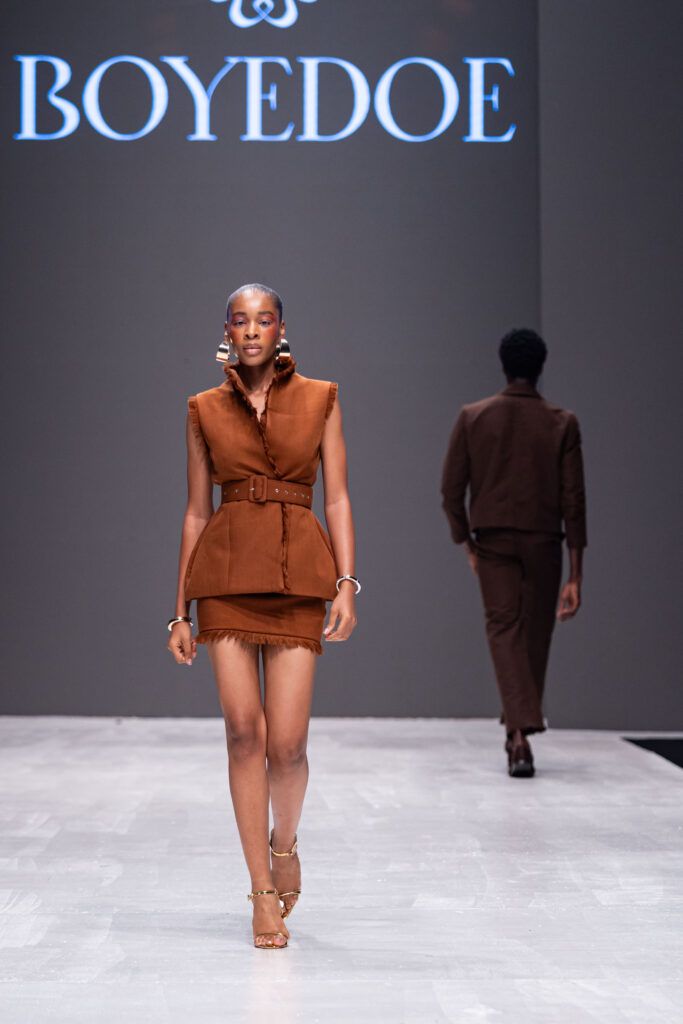
David Kusi Boye-Doe founded Boyedoe in 2020 and by 2025 had achieved what few African designers manage: a semi-finalist spot at the LVMH Prize, placing among the most scrutinised young designers in global fashion. His label, known for richly textured, culturally rooted garments that explore themes of deconstruction and reconstruction, showed at Tranoi during Paris Fashion Week in October 2025 as part of an Afreximbank-backed export programme alongside Wuman. Boyedoe is one of the most urgent names in Ghanaian fashion right now.
Who to gift it to: the recipient who follows where fashion is going rather than where it has been. The person who wants to own work from a designer before the rest of the world catches up.
9. Emmy Kasbit: Nigeria
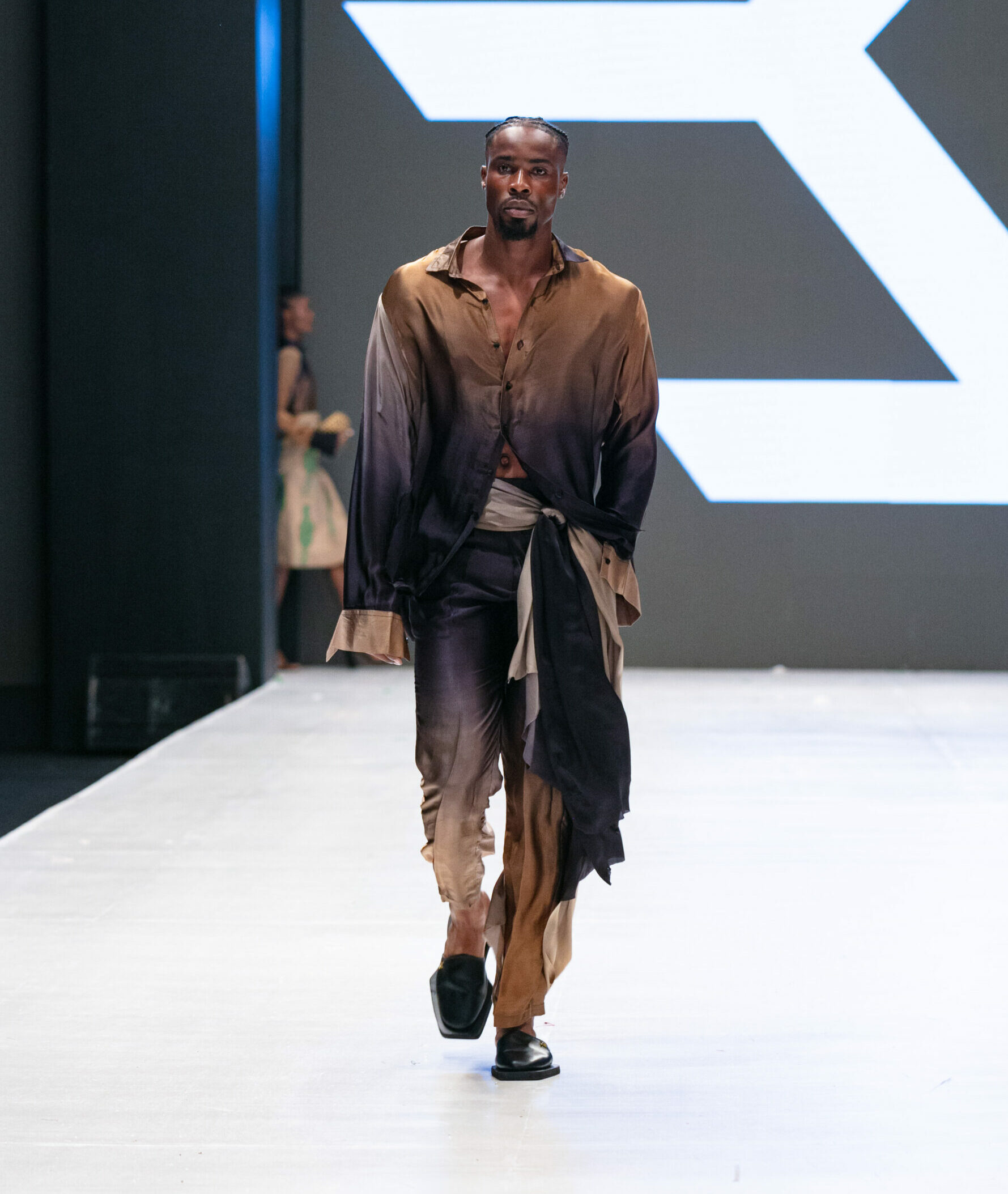
Emmanuel Okoro built Emmy Kasbit around a mission: to dress the unconventional man and woman using traditional West African weaving techniques. The Lagos label is known for incorporating hand-woven fabrics into garments that challenge what those fabrics can become: a tailored pair of trousers, a structured jacket, a piece that carries the textile tradition of a specific Nigerian weaving community into contexts the tradition was not designed for. Emmy Kasbit is stocked on Industrie Africa and ships internationally.
Who to gift it to: the recipient who wants African craft in their everyday wardrobe, not reserved for a ceremony. The person who understands that a hand-woven pair of trousers is a different category of object from a mass-produced one.
10. Dye Lab by Rukky Ladoja: Nigeria
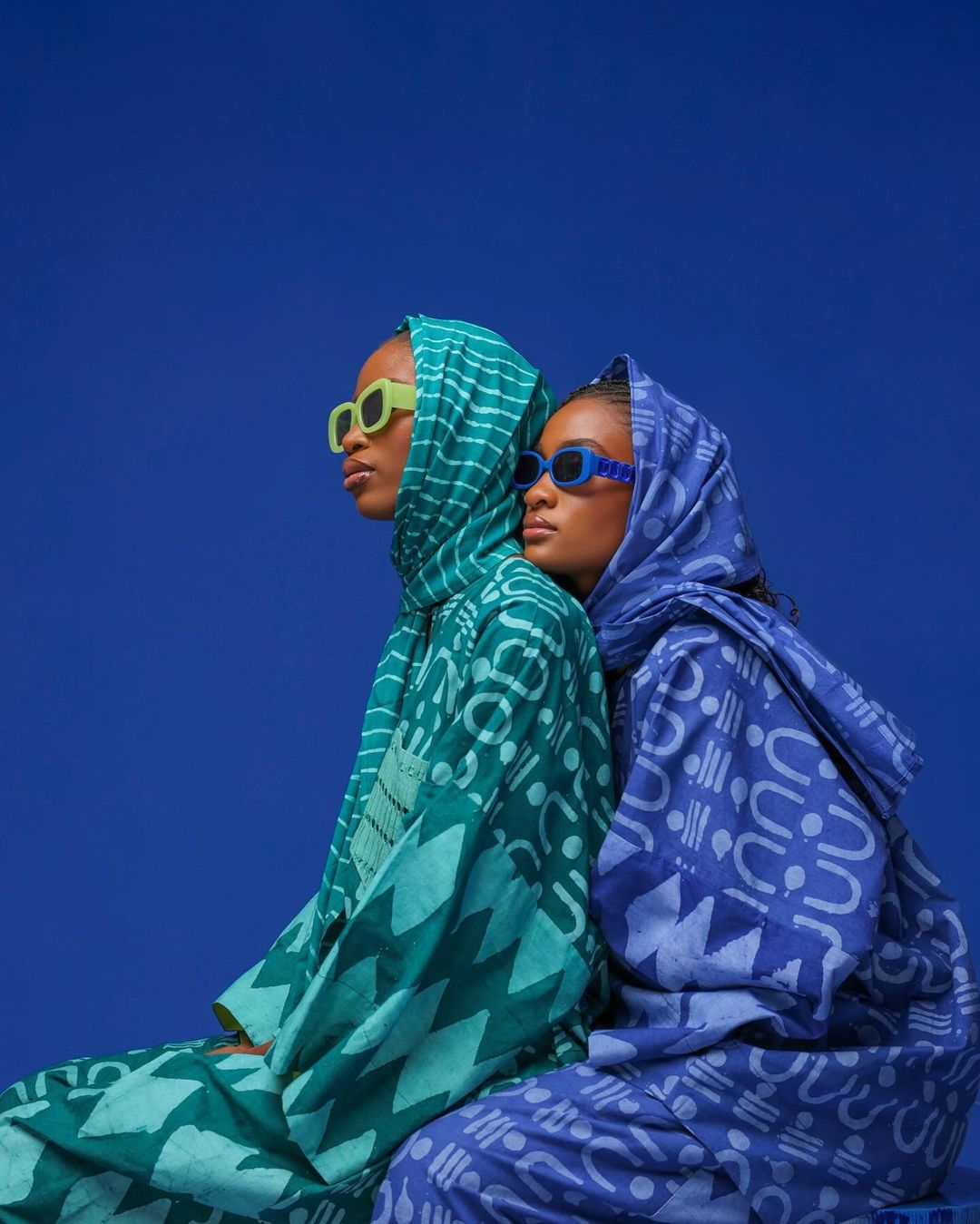
Rukky Ladoja founded Dye Lab in Lagos to celebrate traditional dyeing methods indigenous to the Yoruba people, specifically adire and aso-oke, as well as batik prints. The label carries the intellectual rigour of a textile scholar and the commercial intelligence of a Lagos entrepreneur. Each piece is rooted in verifiable craft tradition and produced with the same commitment to provenance that Omiren Styles applies editorially. Dye Lab is stocked on select platforms and ships internationally.
Who to gift it to: the recipient who wants to wear something with a direct, unbroken connection to Yoruba craft tradition, produced by a designer who can explain every technique used.
Also Read
- How to Gift African Fashion: A Guide for People Who Want to Get It Right
- How to Shop African Fashion: The Complete Guide for the Culturally Literate Consumer
- The Online Marketplace Problem: Why African Fashion Disappears in the Algorithm
- How a New Wave of Designer Brands Are Building Legacy, Not Just Products
THE OMIREN ARGUMENT
A gift from a named African designer is not in the same category as a gift from a generic African-inspired brand. One carries a designer’s name, a country of production, a craft tradition, and a specific cultural argument. The other carries an aesthetic. The difference between them is the difference between giving someone a conversation and giving them a decoration. Decorations are easy to find. Conversations from the ten designers above are not: they require knowing who they are, understanding why their work matters, and purchasing through channels that respect the integrity of their production.
The context is the African fashion industry, which has produced, in the last decade, some of the most intellectually and aesthetically serious design work in global fashion. Thebe Magugu named a collection after a South African resistance organisation and stored his research in microchip technology embedded in the garment’s label. Kenneth Ize built a global fashion argument from a Yoruba hand-woven textile that most international buyers had never seen. Laduma Ngxokolo titled his SS26 Paris presentation “Gifts for the Ancestors” and presented Xhosa beadwork geometry at the official Fédération de la Haute Couture et de la Mode schedule. These are not artists seeking validation from a Western industry. They are designers bringing specific African cultural intelligence to a global conversation on their own terms.
The disruption is that most African fashion gifting does not reach these designers. It reaches the factory-printed imitation economy that benefits from African visual culture without compensating the communities that produced it. The ten designers above are the alternatives. They are the reason that the question “where did this come from?” produces an answer worth hearing. Gifting from this list is not just purchasing fashion. It is participating in the argument that African fashion makes: that the continent’s design tradition is not emerging, not inspiring, not an ancestral backdrop. It is foundational, living, and building a legacy right now.
Frequently Asked Questions
Which African designer brand is best for an international gift?
Tongoro (Senegal) and MaXhosa Africa (South Africa) both operate strong international e-commerce and ship globally with reliable fulfilment. Tongoro is fully Made in Africa and ships from Dakar. MaXhosa has stores in Johannesburg, including one at OR Tambo International Airport, as well as a New York City flagship. Thebe Magugu ships internationally through his own platform and select luxury retailers. All three produce work that immediately reads as high-quality fashion to an international audience.
What is the price range for African designer fashion gifts?
African designer fashion operates across a wide price range. Tongoro’s ready-to-wear sits at an accessible mid-luxury level: most pieces fall between $150 and $400. MaXhosa’s knitwear ranges from $200 to over $1,000, with signature pieces and homeware priced similarly. Thebe Magugu’s ready-to-wear is positioned at the luxury level, with pieces typically from $400 upward. Emmy Kasbit and Dye Lab by Rukky Ladoja offer a more accessible entry point while maintaining craft integrity. Christie Brown and Kenneth Ize are mid-to-high luxury.
Do African designer brands ship internationally?
All ten designers in this guide ship internationally, either directly through their own e-commerce platforms or through stocked retailers. Thebe Magugu ships through his own website and is stocked at Dover Street Market and Farfetch. Kenneth Ize is stocked at Ssense and Browns. MaXhosa operates its own e-commerce. Tongoro ships from Dakar globally. For designers whose international shipping options are less developed, ADJOAA and Industrie Africa provide verified platform alternatives with global DHL shipping.
How do I know if an African designer gift is authentic?
Purchase directly from the designer’s own website or through verified platforms such as Industrie Africa or ADJOAA. Check the garment label for country of manufacture, fabric composition, and designer branding. Authentic pieces from the designers in this guide carry the designer’s name and the country of origin on the label. The label guide for African designer clothing, published separately on Omiren Styles, explains what each label element means and what to look for.
Which designer on this list is best for a man?
Kenneth Ize and Orange Culture are the two designers most explicitly working in the men’s fashion space with African cultural grounding. Kenneth Ize’s aso-oke tailoring produces some of the most distinctive men’s pieces in African fashion. Orange Culture’s gender-fluid collections challenge conventional men’s dress from a Lagos perspective. Emmy Kasbit produces garments for both men and women using traditional West African weaving. MaXhosa’s knitwear is produced for men and women. All four ship internationally.
Give Something With an Argument
Omiren Styles publishes designer profiles, cultural intelligence, and editorial analysis of African fashion across all 54 nations, the Caribbean, and the global diaspora. Subscribe for the context that makes every gift from this list mean more.