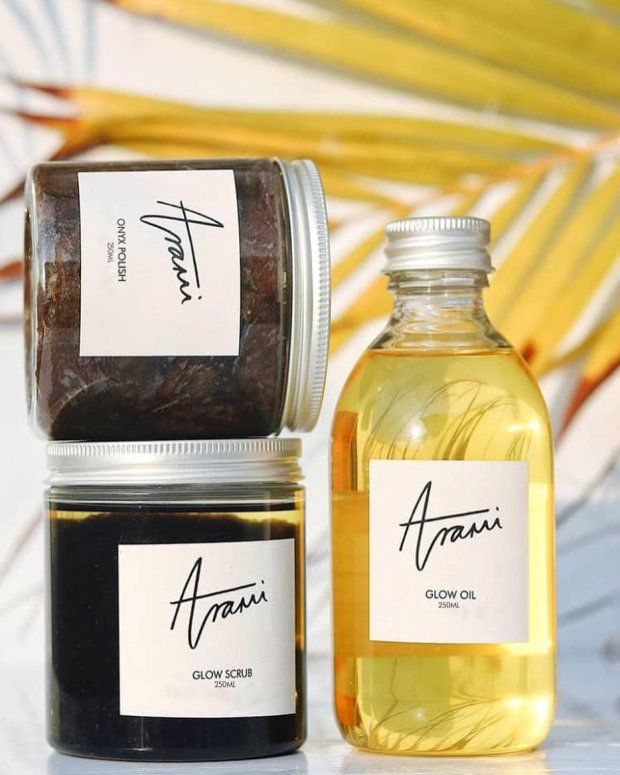
African skincare did not start in a fancy jar or on a lab shelf. It started in marketplaces, courtyards, and the silent sharing of knowledge among women who realised that skin should be intentionally cared for rather than fixed. African beauty traditions were already using the terms “clean,” “organic,” and “sustainable” long before the global beauty industry learned to speak them.
For millennia, African skincare has incorporated plant-based formulas, oil cleaning, and barrier repair, all of which the world now considers innovative. These are not fads, from the manual pressing of shea butter throughout the Sahel to the meticulous and patient curing of black soap in West African communities. They’re systems, systems based on knowledge of melanin-rich skin, climate, and the long-term connection between land, body, and care.
The emergence of African skincare is not the change we are currently seeing. It is acknowledging it. The question of whether African skincare is effective is no longer relevant as international beauty businesses rush to include products and ideas they previously disregarded. This explains why it took so long for the rest of the world to realise that it always has.
African skincare has never been a trend. It is a centuries-old system of botanical knowledge, melanin intelligence, and community care that the global beauty industry is only now beginning to credit, long after it has extracted its most valuable ingredients without attribution.
African Skincare Is Not a Trend
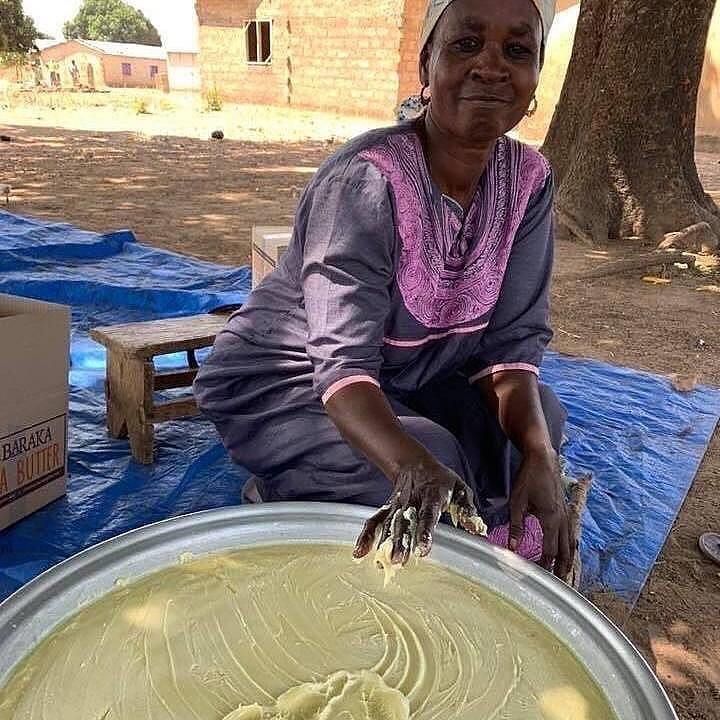
African skincare did not emerge from branding decks or laboratory trends. It is a system of knowledge that has been developed, tested, and improved over generations that saw skin as a connection to uphold rather than a problem to be solved. African homes have long practised what the international beauty business today promotes as “innovation,” where formulation starts with context, climate, melanin, environment, and time, rather than chemicals.
Shea butter is considered a necessity rather than a luxury in Northern Nigeria and throughout the Sahel. It reacts to heat, dryness, and skin resistance in ways that many contemporary formulations are still trying to imitate when it is pressed, filtered, and applied in its raw form. Black soap is actually a calibrated mixture of ash, oils, and botanicals; each variation reflects the expertise of the society that produces it. In Western markets, black soap is frequently reduced to a “natural alternative.” Since a single formula was never required, there isn’t one. Specificity has always been possible in African skincare.
This system is unique not only in its components but also in its philosophy. Correction is not the goal of African skincare. Balance is given priority. It develops outcomes gradually rather than in a hurry. Traditions that view the skin as something to be protected rather than disturbed run counter to the idea of disrupting the skin barrier in pursuit of instant transformation, a mindset still ingrained in many Western beauty rituals.
Here, modern African businesses are translating the system rather than reimagining it. Instead of discovering shea butter, brands like Arami Essentials and R&R Luxury are contextualising it for a worldwide audience that is only now beginning to appreciate what it was previously disregarded. While improving texture, packaging, and accessibility for contemporary consumers, their formulations preserve the purity of traditional ingredients.
In a similar vein, Hanahana Beauty has built its entire brand strategy on ethical sourcing and traceability, ensuring that the women who produce shea butter are not excluded from the finished product. This is supply chain repair, not simply skincare. African ingredients have traditionally been exported, but African ownership hasn’t always followed, forcing the business to address a long-standing imbalance.
The terms “clean”, “natural”, and “sustainable” are now widely used in the worldwide beauty sector. However, these labels were not necessary for African skincare to legitimise its methods. It just worked inside of them. Today, we are witnessing a change in international recognition rather than a change in African beauty. There has always been a mechanism in place. The world is just now beginning to understand how to read it.
The West Is Not Innovating: It Is Reframing What Africa Already Perfected
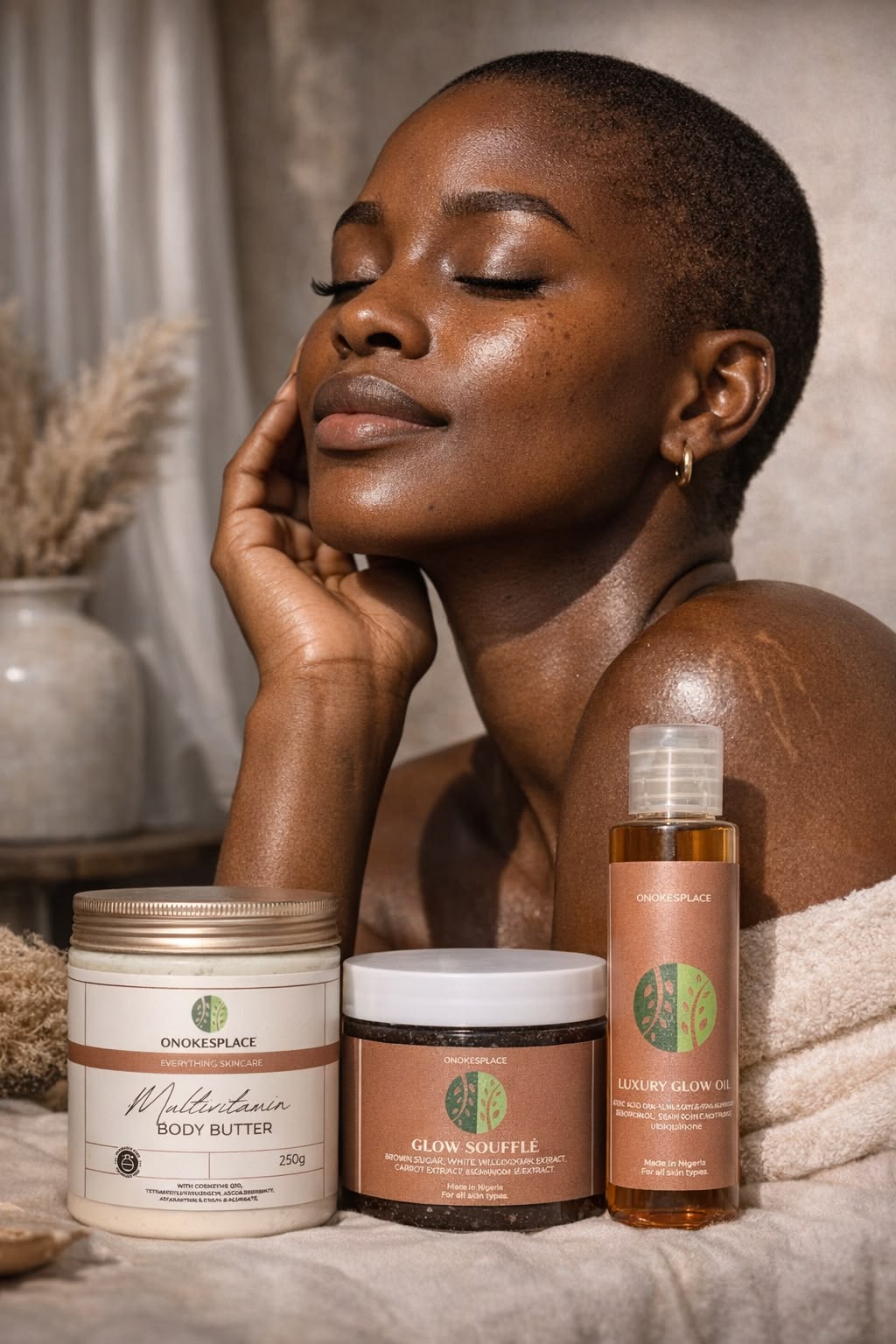
Innovation, as defined by the global beauty business, is sometimes more a matter of timing than of discovery. Though they are not novel concepts, the current wave of skin barrier repair, oil cleansing, and plant-based actives is being marketed as a breakthrough. They are reintroductions, repackaged for customers who were never trained to identify their origins after being screened by Western laboratories.
African components were silently transported through international supply systems for many years without any sense of ownership. Shea butter was removed from its context and exported in large quantities before being reintroduced to the market as a high-end ingredient in upscale products. Similar developments occurred with black soap, which was reduced to a novelty, standardised for mass production, and cut off from the communities that created its variants. Lack of effectiveness was never the problem. The absence of attribution was the problem.
The skincare business is now returning to African techniques it previously disregarded, as customers around the world reject overly processed products and favour ingredient transparency. For instance, oil washing has long been a part of African beauty practices, where oils are used not just to cleanse but also to preserve and rejuvenate. It is being marketed as a kinder alternative to harsh, foamy cleansers. Who is telling the tale and who is making money off of it makes a difference, not the technique.
Here, African brands are moving the emphasis from involvement to ownership. Instead of just selling goods, brands like 54 Thrones are reasserting their provenance and ensuring that African components are not only used but also given due recognition. While retaining control over sourcing, storytelling, and brand narrative, their formulations closely reference conventional methods.
Similarly, Skin Gourmet uses raw, traceable ingredients sourced directly from local communities to produce edible-grade skincare products with radical transparency. This is a return to the norm that African skincare has always maintained: you cannot trust something if you cannot trace it.
International firms are carefully incorporating African elements into formulations, and more are starting to follow this trend. However, comprehension and inclusion are not the same thing. These elements risk being reduced to trends once more in the absence of cultural context, cycling through the industry until the next discovery takes their place.
This is a correction rather than a takeover. In terms of skincare, the West is not leading; rather, it is catching up to a system that it was previously unaware of. Furthermore, the question of whether African skincare will impact the global market is no longer relevant as long as African businesses maintain control of their narratives. It is a question of whether the industry will at last recognise the source of its most potent ideas.
ALSO READ:
The Future of Skincare Will Be Written by Those Who Never Forgot Its Origins
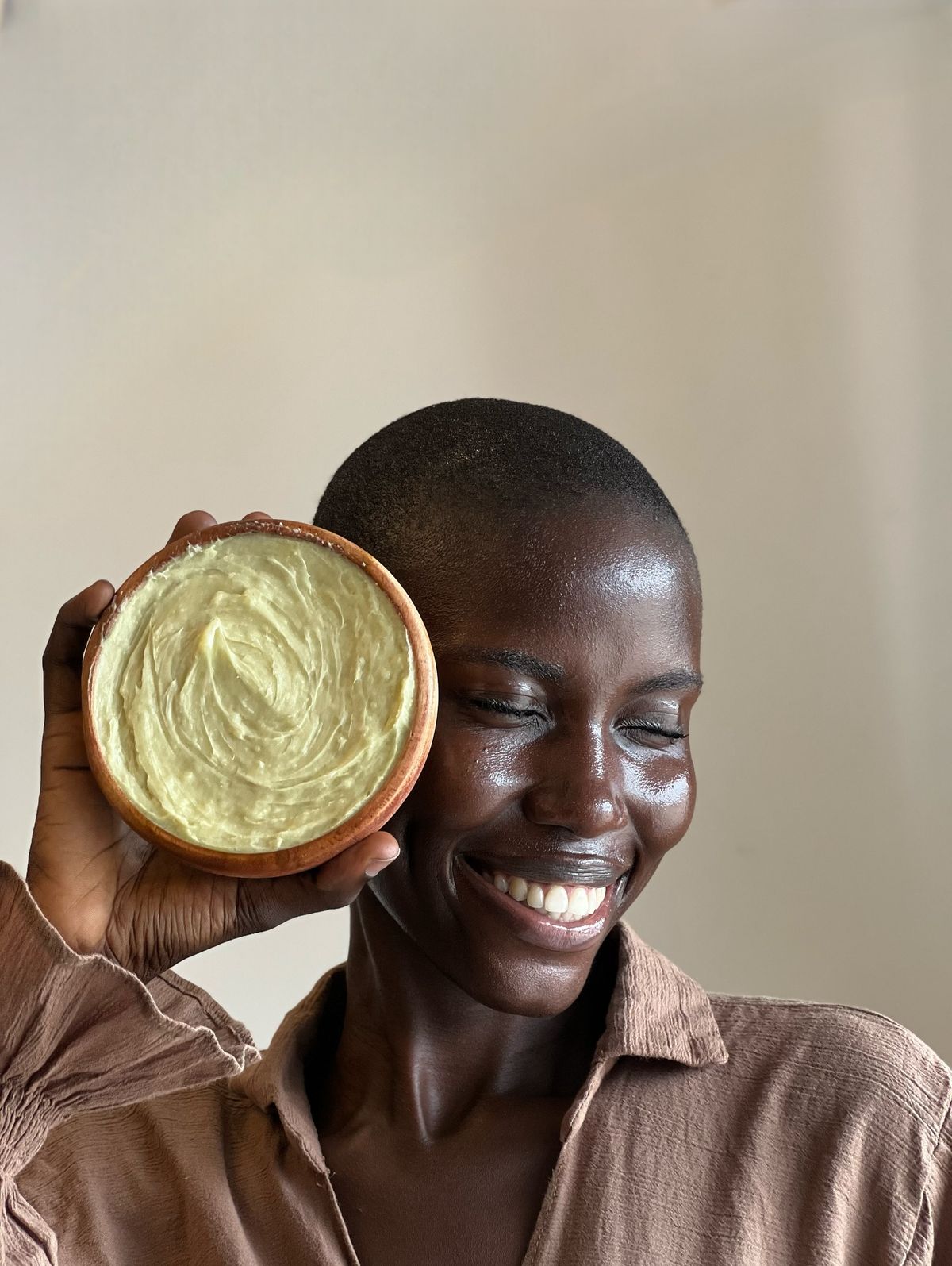
The next global skincare age will be characterised by recognition rather than creativity. The beauty industry is being forced to face a reality it has long avoided: many of its new remedies were already present in African healthcare systems. This is because customers are becoming more mindful of component sources, formulation transparency, and environmental effects.
African skincare is influencing the future rather than entering it. Now, visibility is the difference. For centuries, communities, not companies, held the expertise of skin preservation, botanical formulation, and climate-responsive treatment. It was not archived in research journals but preserved through practice. Who gets to tell the story is shifting, not the information itself.
At this point, ownership becomes the key topic over the next ten years. African brands are regaining authorship as they expand internationally rather than just exporting goods. A trend toward luxury that conflates aesthetics with ancestry is evident in the rise of companies like Epara Skincare. African botanicals serve as the foundation for Epara’s formulations, but more significantly, they are embedded in African tales of beauty that don’t require outside approval.
African skincare is not static or traditional in a restrictive sense; rather, it is adaptive, expansive, and globally fluent without losing its origin, as demonstrated by diaspora-led brands like Golde, which continue to broaden the conversation by fusing African ingredients with contemporary wellness culture.
Brands and stories that recognise one basic fact, African skincare was never behind, will win the future. It was just not being heard. The question is no longer whether African behaviours will affect beauty standards, but rather whether those standards will be rewritten with due credit, context, and respect now that the international industry is at last taking notice.
The Omiren Argument
The global beauty industry’s current embrace of African skincare is not a discovery. It is a confession. Shea butter was pressed and exported from the Sahel for decades before a single Western luxury brand placed it in a jar with a French name and a triple-digit price point. Black soap was produced in West African communities with botanical precision long before it appeared on international shelves, rebranded as a clean alternative. The ingredients were never unknown to the industry. They were known, extracted, and commodified and deliberately decoupled from their origins because attribution would have implied ownership, and ownership would have disrupted the economics of extraction on which the global beauty supply chain was built.
What the world is calling a skincare revolution is, for African beauty practitioners, a delayed acknowledgement of a system that never needed validating. The women who pressed shea butter in Northern Nigeria, who cured black soap in Yoruba communities, and who formulated with baobab and moringa across the Sahel were not working toward eventual Western recognition. They were working for their communities, within a philosophy of care rooted in climate, melanin, and a long-term relationship between the land and the body. The revolution is not in the ingredients — those never changed. It is in who holds the narrative, who owns the supply chain, and whether the industry that spent decades profiting from African botanical knowledge will at last locate those profits on the continent where that knowledge was produced.
Frequently Asked Questions (FAQs):
1. Why is African skincare considered ahead of Western skincare?
African skincare has long prioritised natural ingredients, skin barrier protection, and sustainable practices, concepts that are now being adopted globally under new labels.
2. What makes African skincare different from Western skincare routines?
African skincare is rooted in generational knowledge, climate-specific solutions, and holistic care systems rather than trend-driven product cycles or aggressive treatments.
3. What are some traditional African skincare ingredients?
Common ingredients include shea butter, black soap, baobab oil, moringa, and coconut oil, many of which are now widely used in beauty products worldwide.
4. Are modern African skincare brands still traditional?
Modern African skincare brands combine traditional ingredients with contemporary formulation science, ensuring global usability while preserving cultural origin and authenticity.
5. Why is African skincare only gaining global recognition now?
Global beauty trends have shifted toward natural and sustainable products, forcing the industry to revisit long-standing African practices that were previously undervalued or overlooked.