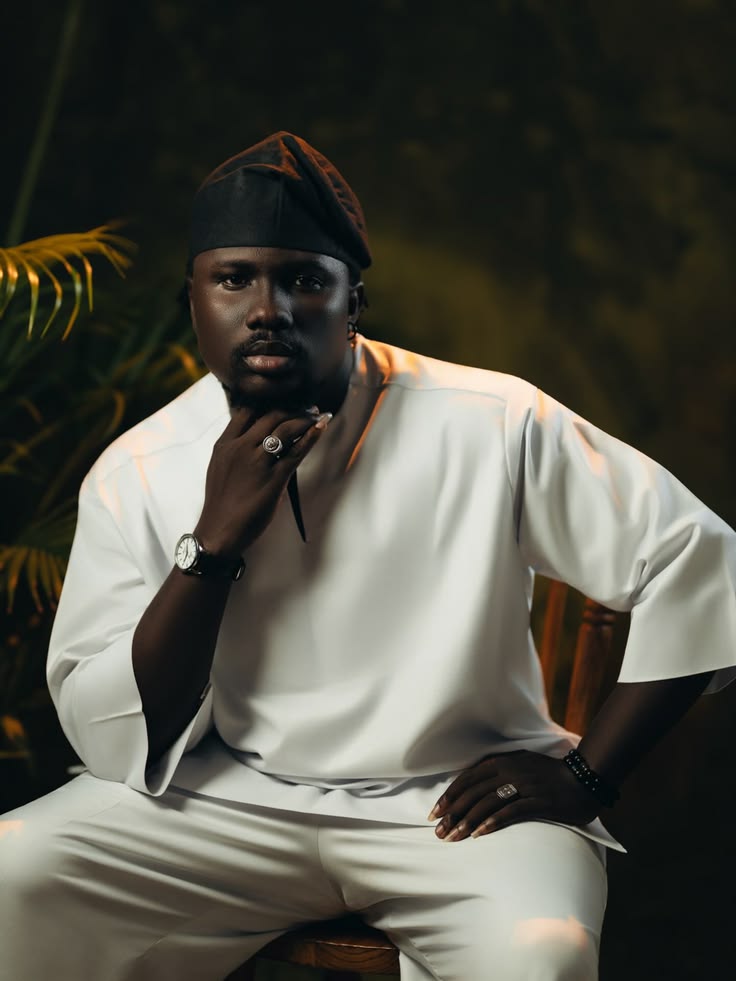
The modern man is looking for visionary resilience in the expansive metropolitan skyline of 2026, not just ornament. The traditional cap has remained a stable, spiritual anchor, a shining emblem of our origins and the global authority we carry into the future. However, fashion frequently evolves at a frenzied pace. The “Visionary Crown”, a piece of clothing that sits atop our silhouette, tells a tale of artisanal excellence, legacy, and circular stewardship.
Today, donning traditional headgear is an act of subtle identity revolution. Each fold of a West African Fila or each hand-stitched hole of an East African Kofia contains centuries’ worth of meaning, serving as a personal archive. The modern man bridges the gap between digital innovation and traditional wisdom by incorporating these upscale, eco-friendly crowns into a modern wardrobe. It offers a dazzling connection to a tradition of craftsmanship that values the slow-burning of quality over the clamour of the disposable, making it an inclusive statement of presence that goes beyond trends.
This exploration focuses on the architecture of character rather than just headgear. In 2026, the soulful weight of the stories we wear and openness are the key indicators of excellence. Whether made from hand-loomed Aso Oke, recycled wool, or organic cotton, each cap is a masterwork of understated authority. These crowns are our most reliable anchors as we navigate the varied rhythms of the contemporary cityscape, ensuring that our style is not only observed but also profoundly understood as a visionary legacy in action.
In 2026, discover the futuristic crown of identity. Discover the deep significance of classic hats like the Kofia and Fila, which have been redesigned with a focus on sustainability and cyclical stewardship
The Kofia: Precision of the Swahili Coast
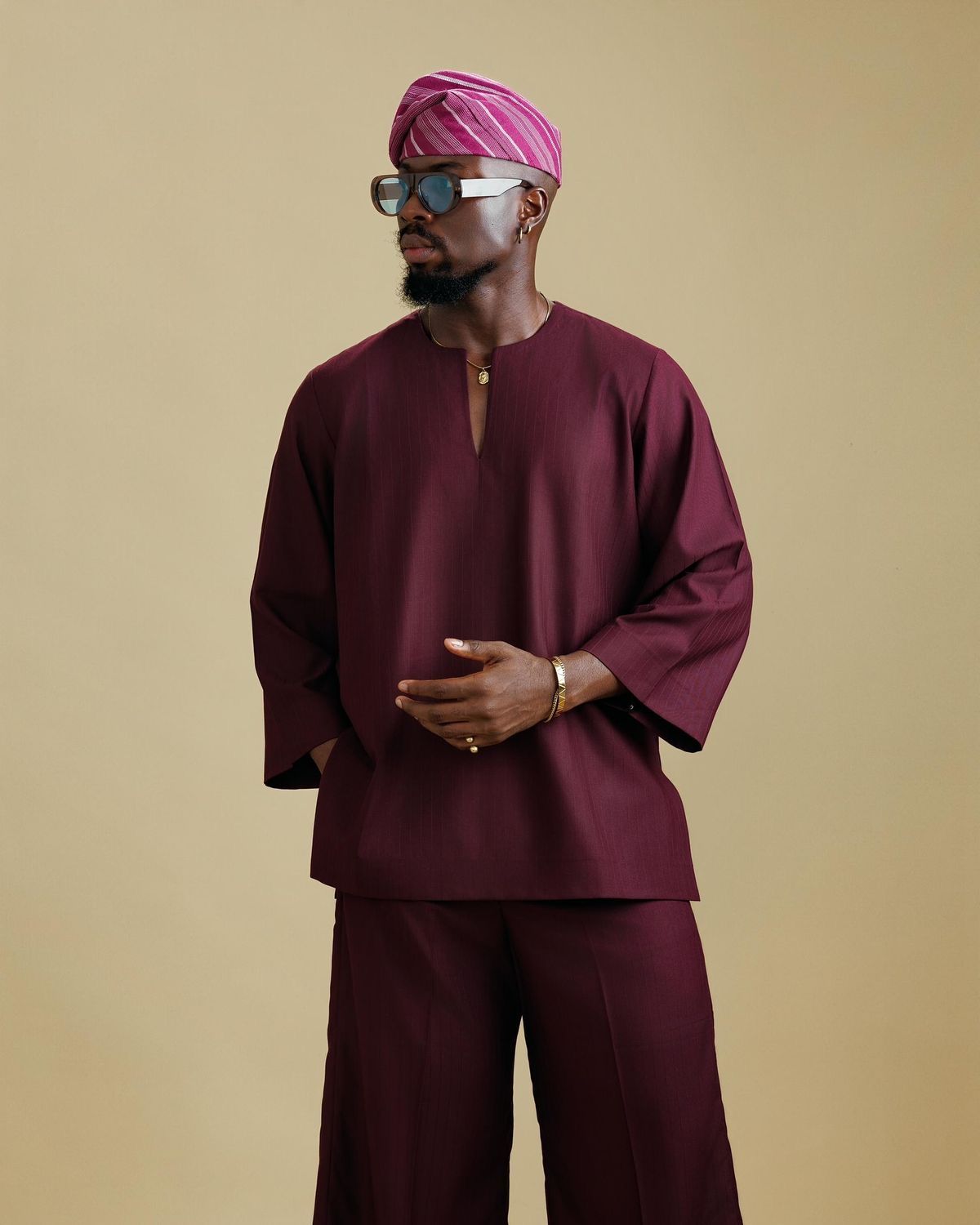
The Kofia is a masterwork of simple authority in the dynamic metropolitan skyline of 2026. This cylindrical, brimless helmet, originating on the Swahili coast, is a vibrant symbol of social status and intellectual clarity. The Kofia’s dedication to functional perfection is what makes it genuinely visionary.
The complex kudarizi, thousands of tiny, hand-stitched openings that allow natural ventilation, are what distinguish each cap. This handmade craft ensures the garment will remain a sturdy anchor for the modern man traversing the varied, heated climes of a globalised world.
By using premium materials such as organic cotton and biodegradable threads, the modern Kofia has embraced sustainable manufacturing. This change is being spearheaded by companies like Vast Made by Africa and Lilabare, which make sure that the clothing is both a brilliant example of ethical luxury and an inclusive expression of East African history.
The kofia offers a spiritual link to a heritage of scholars and traders when worn with a traditional kanzu or a smart linen blazer from Zegna. For people who appreciate openness in their clothing and want to convey a sense of global authority rooted in fine craftsmanship, it’s a chic and elegant option.
The kofia is more than just a piece of gear for the Omiren man; it serves as a private record of his travels. It symbolises a commitment to a wardrobe grounded in a substantial, resilient vision. He promotes the preservation of inclusive, artisanal heritage by choosing a hand-stitched item from John Kaveke rather than a mass-produced substitute. The kofia remains a reliable anchor in the 2026 skyline, with a silhouette distinguished by a unique fusion of contemporary minimalism and historical depth.
The Fila: Architectural Identity of the West
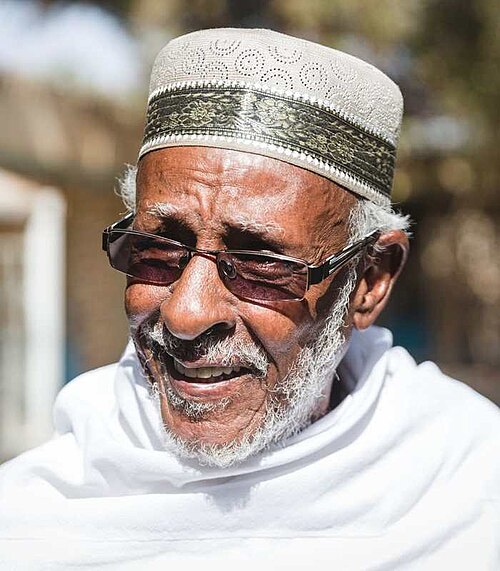
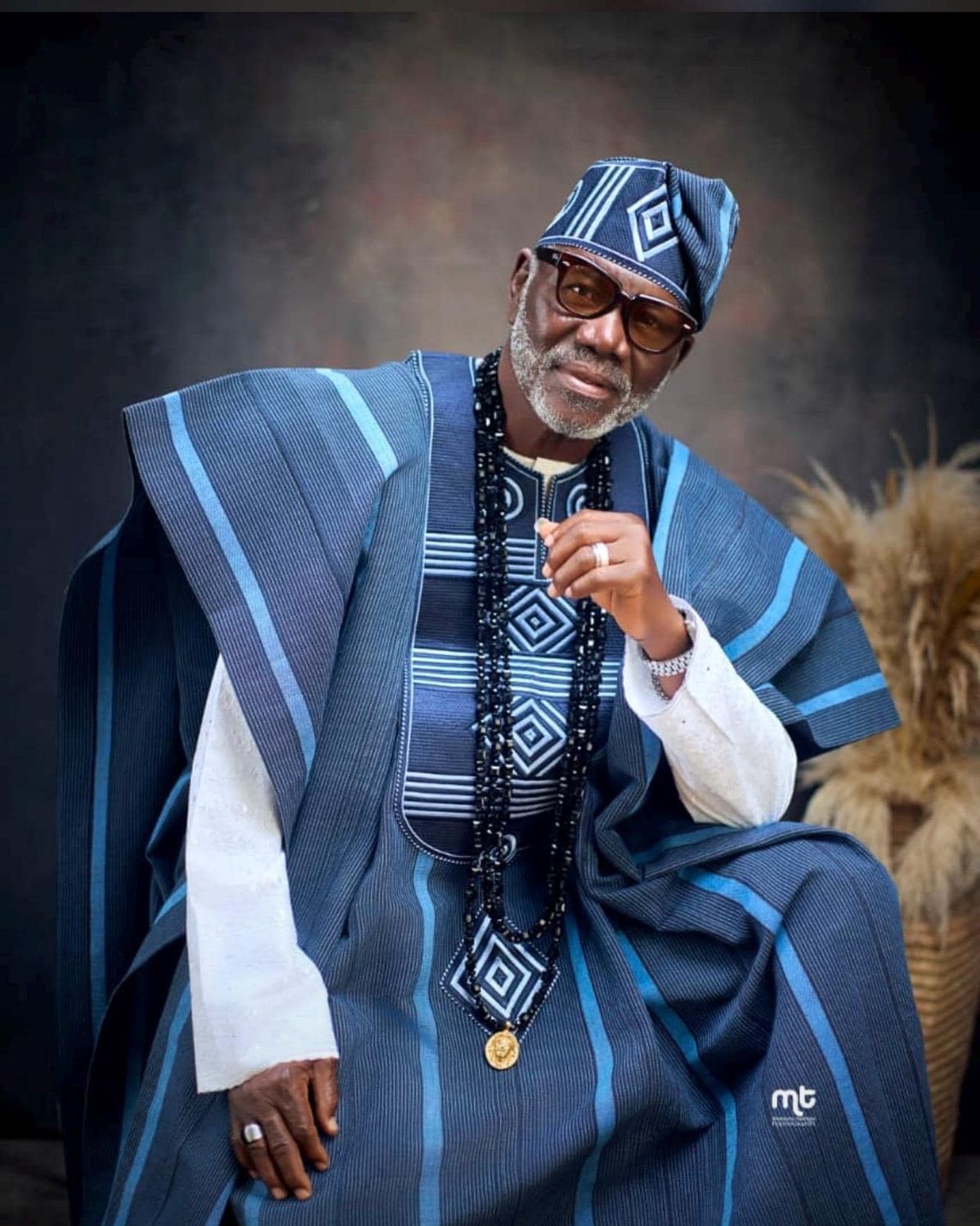
The fila remains the ultimate symbol of West African elegance on the metropolitan skyline of 2026. This headgear is a masterclass in architectural adaptability, traditionally made from hand-loomed materials. Because of its delicate construction, the user can fold and style it in many ways, giving it a brilliant indication of social standing and individual intent. The fila symbolises a man’s visionary approach to self-expression and his grounded connection to his community, whether it is folded forward or slanted to the side. It is an all-encompassing emblem that proudly and precisely grounds a man’s identity.
Through the prism of upscale sustainability, contemporary designers are rethinking this classic. To guarantee that every item is a durable personal record, companies like Post-imperial and Ade Bakare use organic indigo dyes and hand-woven Aso-oke.
By moving away from mass production, these labels highlight the soulful quality of artisanal textures. The fila bridges the gap between tradition and fashionable worldwide authority when worn with a modern orange cultural suit or a traditional dashiki. It demonstrates that the most effective means of managing a contemporary, inclusive society is traditional craftsmanship.
The fila is a vibrant representation of a man’s legacy and is more than simple headgear. Excellence in 2026 may be found in the openness of our clothing manufacturing process. Selecting a fila from a brand like NKWO, which emphasises waste reduction and textile innovation, demonstrates a dedication to a forward-thinking future. This cap maintains a sleek, polished, and authoritative silhouette while providing a soulful expression of a man’s cultural heritage, making it a reliable anchor in his wardrobe.
ALSO READ:
The Soulful Archive of Global Crowns
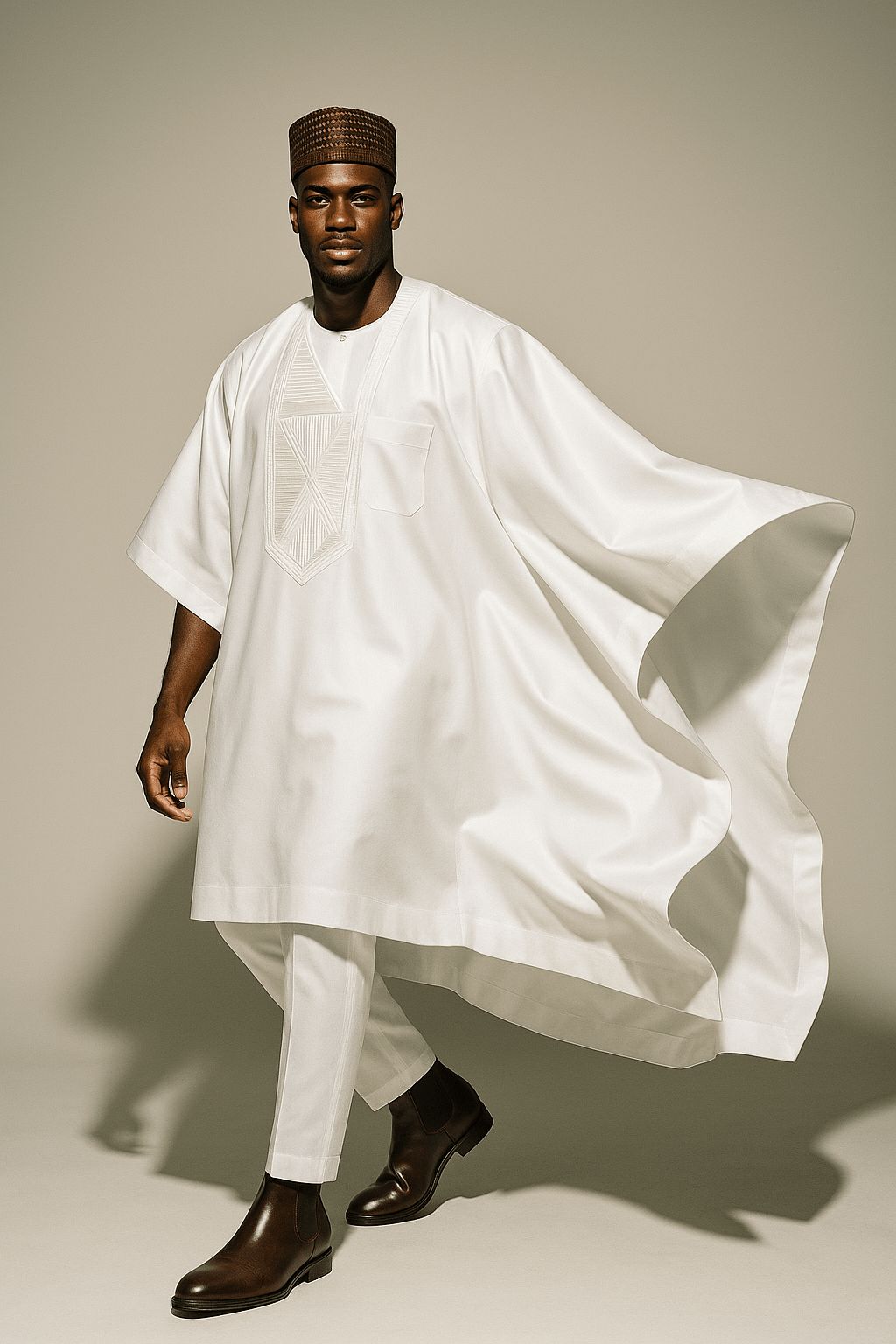
Headgear has evolved into the ultimate anchor of a man’s story amid the metropolitan skyline of 2026. Each of the caps on this list is a master class in visionary resilience, fusing the demands of contemporary, inclusive style with traditional meaning.
- The kofia of intellectual clarity is a colourful symbol of wisdom and harmony that originated on the Swahili coast. It is characterised by thousands of small, hand-stitched holes known as kudarizi, which give modern humans natural ventilation. Organic cotton is used by companies such as Vast Made by Africa and Lilabare to guarantee that every item is a durable personal archive. Wearing a kofia conveys both a heartfelt connection to the inclusive heritage of East African commerce and refinement and a grounded global authority.
- Traditionally hand-loomed from Aso-Oke cloth: The fila of architectural prominence is a dazzling symbol of social intent in West Africa. Its distinctive design enables directional folding; a man’s marital status or social standing can be precisely communicated by tilting it left or right. To preserve the vivid indigo colours that form the foundation of this style, contemporary brands like Post-Imperial and NKWO use inclusive, sustainable dyes. It is a cutting-edge work of minimalist authority that unites tradition with the digital skyline of 2026.
- The fez of administrative leadership has been redesigned for the urban skyline using recycled wool and non-toxic dyes. Historically, the fez has been a symbol of distinction throughout North Africa. It serves as a poignant link between conventional scholarship and contemporary leadership. This silhouette has been incorporated into inclusive collections by companies like Ade Bakare and pairs well with a modern suit. It serves as a vivid representation of a man’s openness and his forward-thinking dedication to a wardrobe that honours both circularity and history.
- Inspired by Southern African weaving, the isicholo-inspired crown of community has become a masterclass in respect for one another. Made from premium organic yarns or sustainable grasses, it is a sturdy anchor for the man who appreciates handcrafted quality. These motifs are used by designers such as Maxhosa Africa to build an inclusive archive of the spirit of the South. A man’s visionary resilience and soulful commitment to a life lived with intentionality and worldwide authority are signalled by this bright, fashionable choice.
Conclusion
The conventional cap has evolved from a simple accessory to the ultimate imaginative crown of a man’s personality in the changing metropolitan cityscape of 2026. His presence is anchored by this vibrant emblem, which demonstrates that genuine worldwide power stems from a deep connection to one’s heritage. By selecting upscale, eco-friendly items from companies like Post-imperial, Vast Made by Africa, and Maxhosa Africa, the contemporary man builds a personal library that prioritises inclusive artistry and transparency over the clamour of throwaway.
This exploration of traditional headgear represents a quiet fashion revolution. It is a master class in how the exact fold of a fila or the elaborate stitching of a kofia can convey minimalist authority. These sturdy anchors ensure that our story stays grounded and our silhouette remains bright as we navigate the digital pace of the future. The traditional cap is a visionary legacy that reflects our dedication to a world where excellence, heritage, and sustainability are woven into every aspect of our lives. It is more than just a fashionable option.
Frequently Asked Questions (FAQs):
1. What makes traditional caps a visionary choice in 2026?
Traditional caps serve as a bright symbol of identity in the modern urban skyline. By using high-end, sustainable materials, brands like Post-Imperial and Vast Made by Africa create a resilient personal archive that balances ancestral heritage with trendy, global authority.
2. How does the fila communicate social status?
The Fila is a masterclass in architectural communication; tilting this Aso oke crown from brands like NKWO to the left or right acts as a radiant signal of a man’s marital status or social standing, making it a powerful anchor of transparency and inclusive cultural storytelling.
3. How does the fila communicate social status?
The Fila is a masterclass in architectural communication. Tilting this Aso Oke crown from brands like NKWO to the left or right acts as a radiant signal of a man’s marital status or social standing, making it a powerful anchor of transparency and inclusive cultural storytelling.