

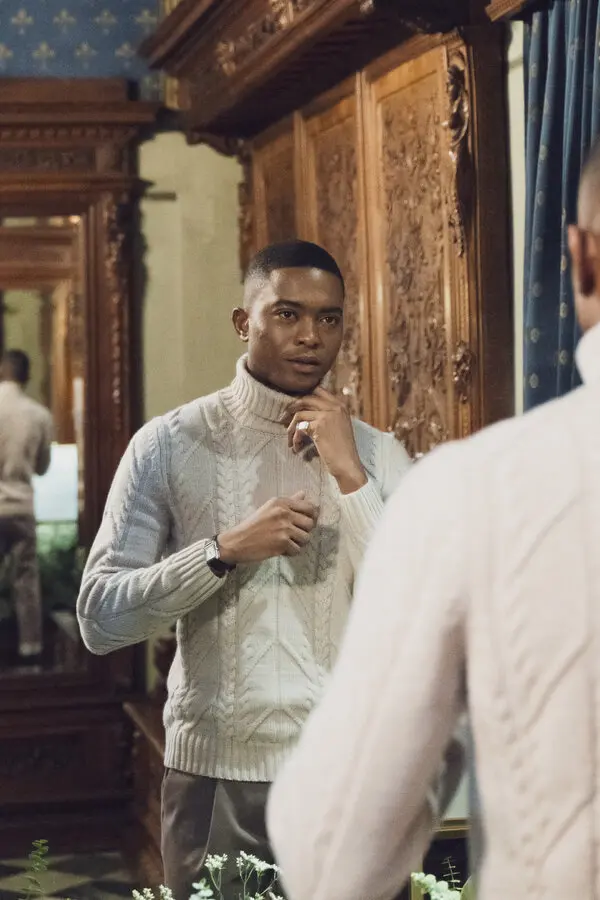
Masculinity is no longer defined solely by toughness or rigid expectations. Increasingly, modern African men are redefining masculinity through clothing choices that reflect self-awareness, intention, and personal identity.
Well-cut native wear, structured everyday outfits, and a focus on quality fabrics signal confidence without performance. Furthermore, dressing thoughtfully has become one of the clearest expressions of maturity, influence, and composure.
In this article, we explore how conscious, considered dressing is shaping the identity of the new gentleman.
Modern African men are redefining masculinity by dressing with purpose, showing confidence, cultural awareness, and quiet authority through style.
Quiet Dressing Signals Maturity and Confidence
Many men pass through a stage where dressing is about being noticed. Bright colours, large logos, and trend-driven pieces are tools for signalling status or belonging.
Today, as conversations around redefining masculinity grow, this need for external approval is fading. Men are choosing calmer, intentional styles that communicate self-assurance and emotional awareness.
Simple outfit formulas, investing in fewer but higher-quality garments, and prioritising comfort while maintaining structure are becoming the norm.
Controlled dressing signals maturity, while loud dressing reflects experimentation. Currently, clothing has shifted from performance to quiet confidence.
Dressing Responsibly Shows Discipline and Authority
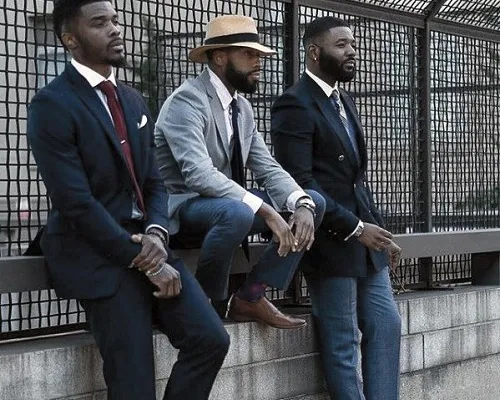
In many African communities, a man’s clothes speak before he does. A well-cut agbada at a wedding, or a neatly pressed kaftan for Friday prayers, signals more than style.
It signals accountability, respect, and readiness to lead. As conversations around redefining masculinity gain ground, men are returning to this language of intentional dressing.
Investing in quality fabrics, maintaining garments with care, and combining restraint with structure communicates that a man understands his presence matters. Dressing becomes an act of discipline, a quiet measure of character.
Here, clothing is not decoration. It is a statement of maturity, control, and cultural awareness. Through these choices, the new gentleman demonstrates that true confidence does not shout; it carries weight.
Consistent Dressing Builds Respect and Influence
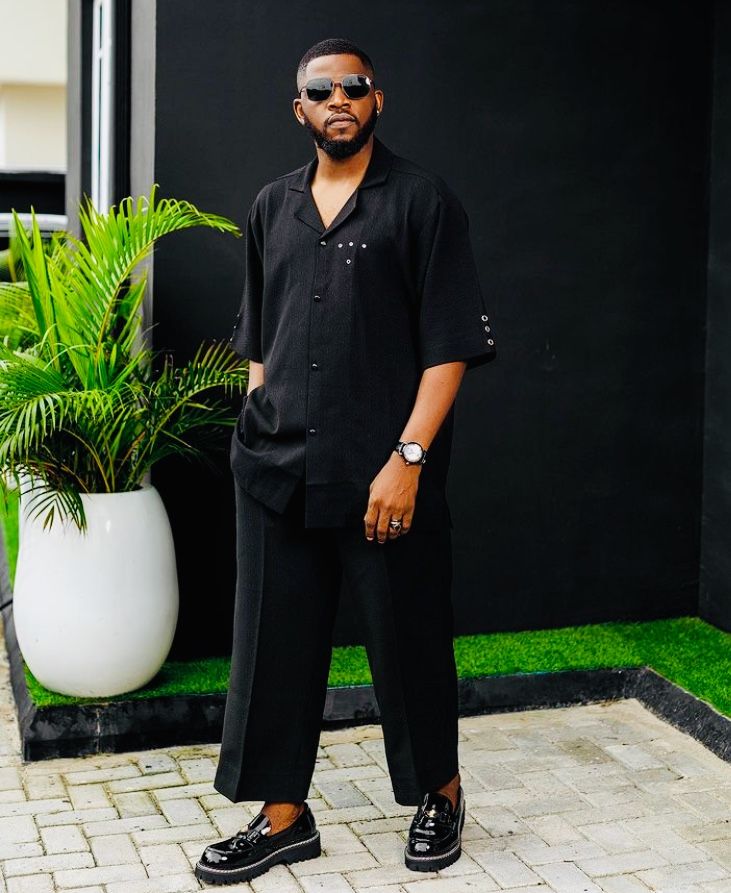
When a man dresses with care and purpose, his confidence shows before he even speaks. At a wedding or formal gathering, the man who arrives in a well-fitted native outfit, properly maintained and worn with composure, is often treated differently.
He may be greeted with more deference, consulted on decisions, or trusted with responsibilities. This isn’t because he seeks attention, but because his presentation suggests readiness. These subtle social cues are evidence that purposeful dressing influences perception and shapes authority in everyday life.
Over time, consistently showing up prepared and dressing with intention builds a quiet reputation. People begin to associate discipline, reliability, and attentiveness with how a man presents himself. A gentleman who pays attention to detail in his garments signals a broader awareness of order and care that extends beyond fashion.
In this way, clothing moves beyond personal taste and becomes a tool for negotiating respect and credibility. Influence is less about dominance and more about the confidence that comes from knowing how to carry oneself.
Importantly, this consistency reinforces the principles of redefining masculinity: it shows that authority and maturity are cultivated rather than performed. Over time, the way a man dresses becomes inseparable from how he is perceived as dependable, thoughtful, and culturally grounded.
Also Read:
- Diaspora Couture: Beyond Borders, Designers Reshaping Global Style
- The Politics of Luxury Fashion: Who Gets to Wear What and Who Decides
- Why the Fabric You Choose Is the Most Important Fashion Decision You Will Ever Make
- The Art of Dressing Well Across Cultures: What Global Style Actually Teaches Us
Dressing With Lineage Shapes the Modern Gentleman
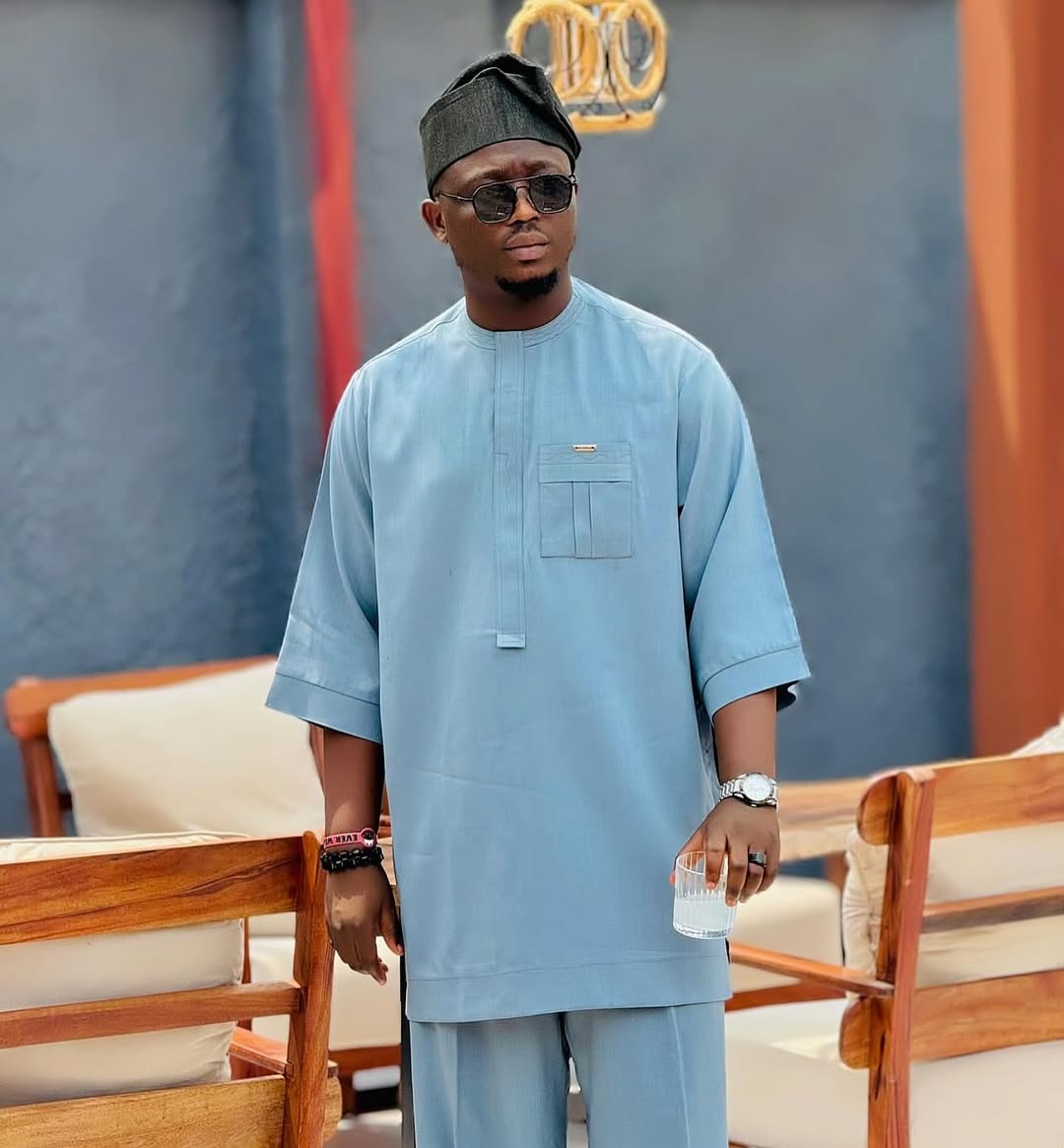
Modern men are redefining masculinity by connecting their clothing choices to heritage and personal history. Structured native attire, high-quality fabrics, and well-maintained garments reflect lessons from fathers, mentors, and community traditions.
Clothing becomes more than appearance; it communicates discipline, cultural awareness, and respect for continuity. By dressing with intention, the modern gentleman signals stability. He also signals values and maturity while shaping how younger men observe and carry forward these principles.
Through this mindful approach, dressing with lineage strengthens character. It also ensures that masculinity is expressed not just in style, but in the stories, lessons, and legacy it carries.
Conclusion
The new gentleman does not announce his confidence; he inhabits it. Every choice, from the cut of a native set to the care given to a garment, signals discipline, awareness, and respect.
Across African communities and beyond, this approach is quietly reshaping what it means to be a man. Masculinity is no longer measured by volume or spectacle but by steadiness, presence, and the understanding that true influence is earned, not claimed.
In this way, dressing with purpose is redefining masculinity. It is not just about clothes. It is about the values they carry, the lineage they honour, and the future they help shape.
Frequently Asked Questions
1. What Does “Redefining Masculinity” Mean In The Context Of African Fashion?
It means moving away from performative displays of power and adopting a style that communicates responsibility, composure, and cultural awareness. Clothing is used as a tool to signal maturity and quiet authority rather than status or showiness.
2. How Can African Men Incorporate Traditional Attire Into Modern Wardrobes Without Losing Professionalism?
By selecting structured native wear in neutral or muted tones, maintaining garments carefully, and pairing them with minimal accessories. Thoughtful tailoring ensures traditional pieces read as intentional, polished, and suitable for professional and social settings.
3. Why Is Clothing A Measure Of Character In Modern Communities?
Consistent attention to fit, maintenance, and occasion shows discipline and presence, influencing how a man is perceived before he speaks.
4. Can Casual Clothing Reflect Redefining Masculinity?
Yes. Simple, well-maintained outfits in quality fabrics show thoughtfulness and respect, projecting authority without formality.
5. How Can Younger Men Learn To Dress With Authority?
By observing elders and mentors, noting how fitness, consistency, and cultural awareness shape presence and social respect.
