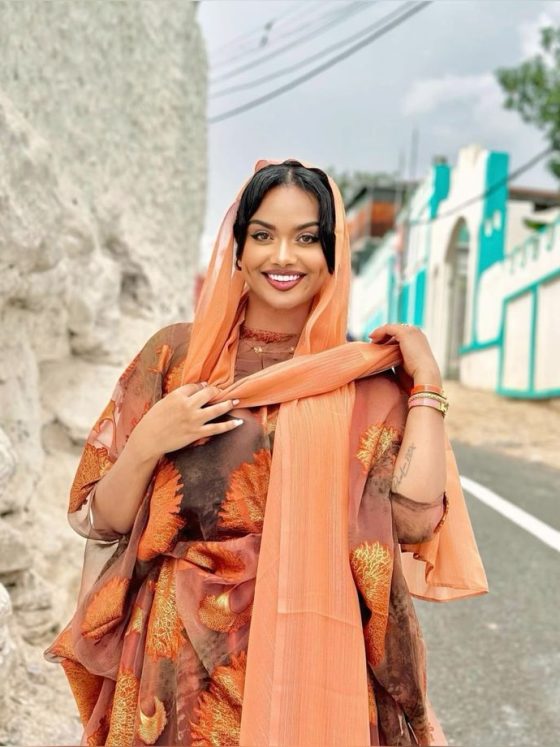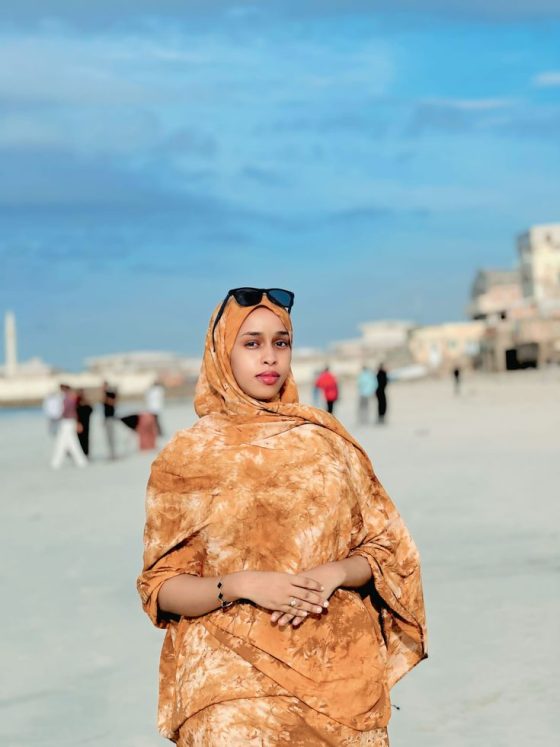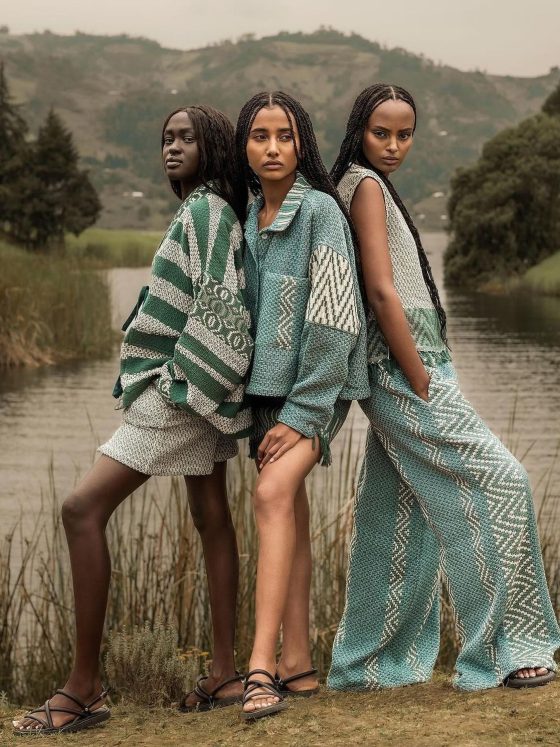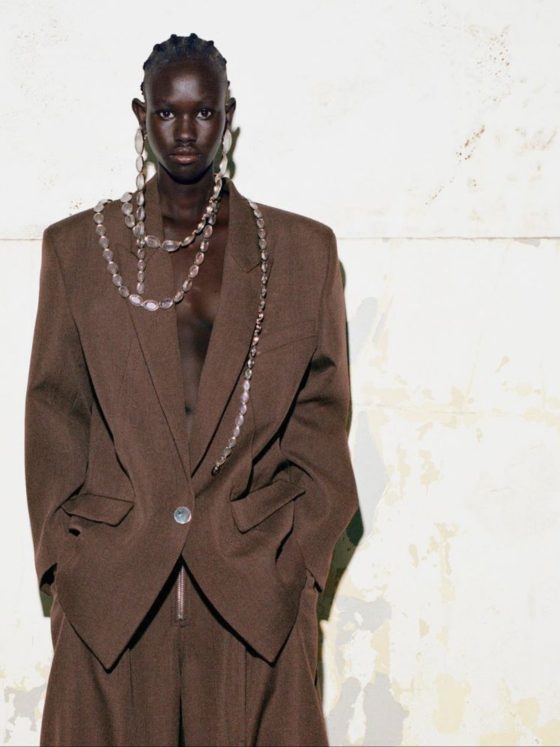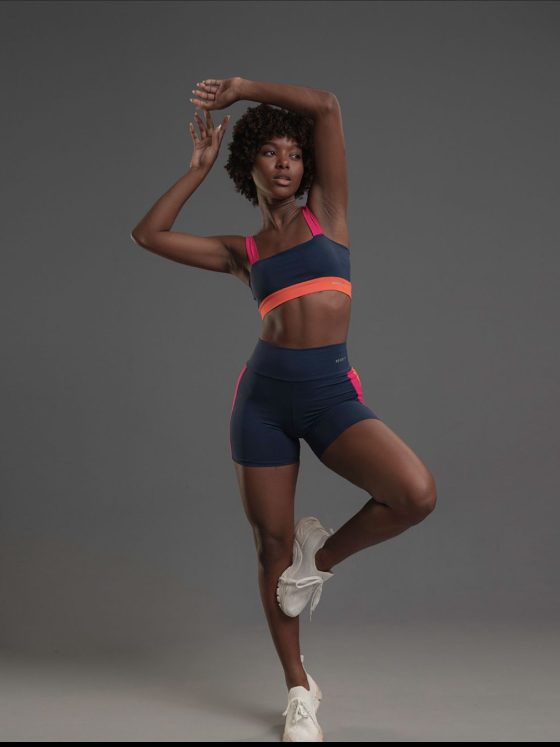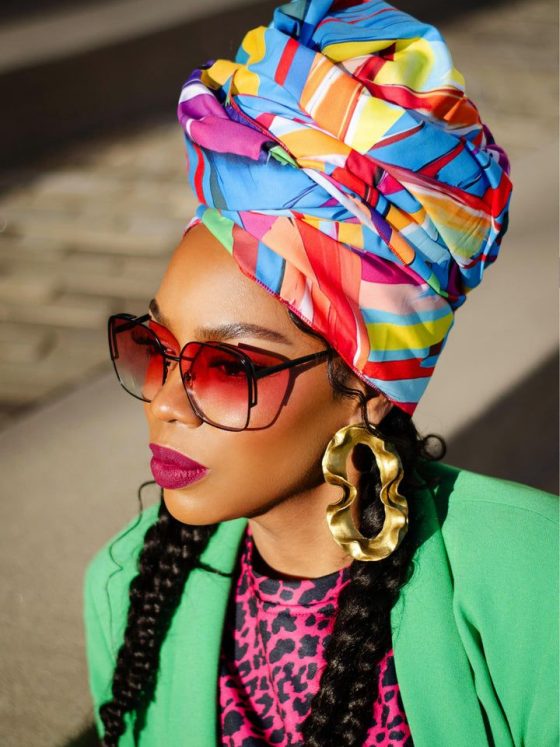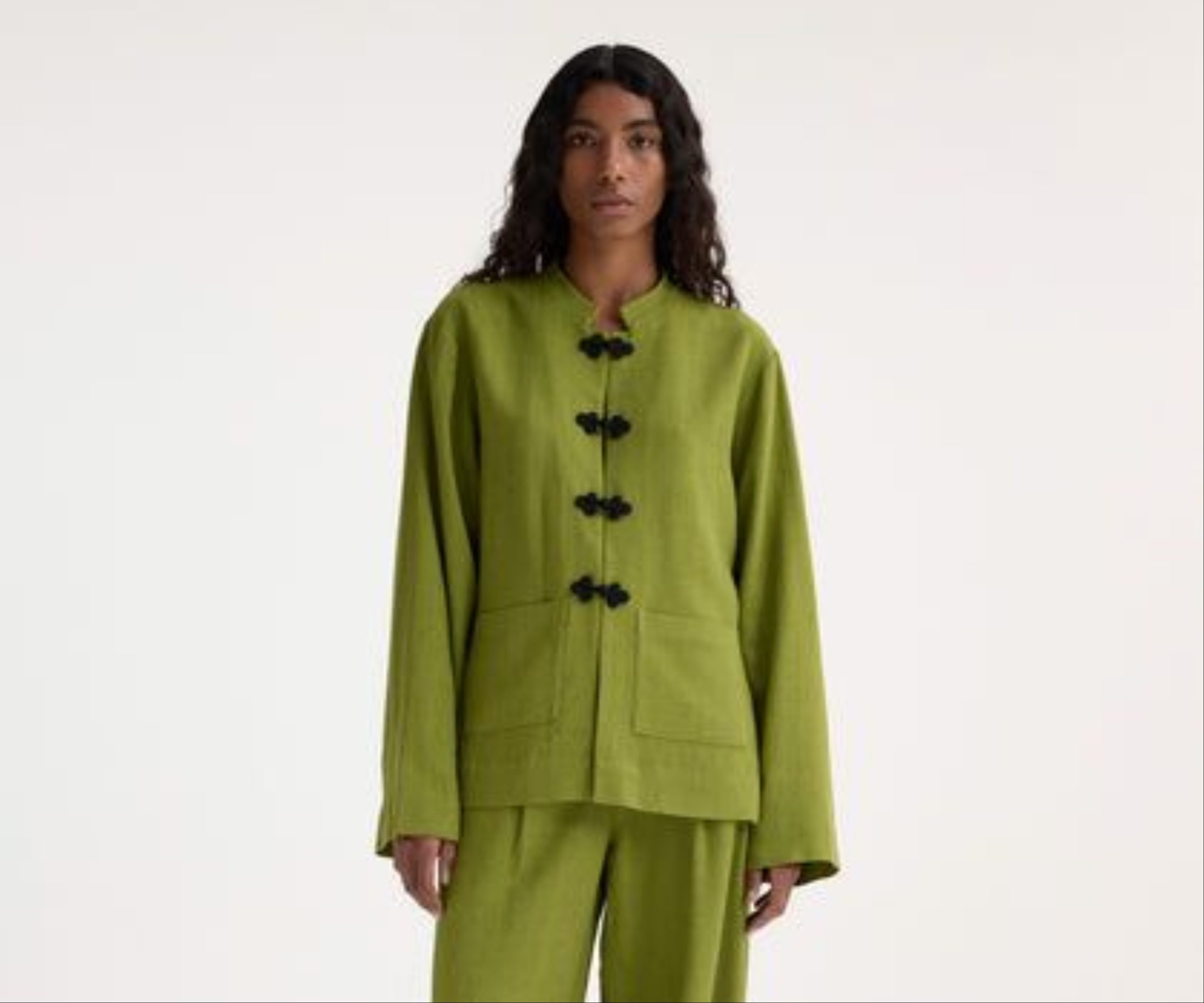
The streets of Havana have a strong, rhythmic pulse in 2026, according to the global style map. This is more than just tropical wear; it’s the ancestral rhythm thread, a heartfelt expression of Afro-Caribbean resistance woven into everyday existence. Every stitch in Cuba is a calculated attempt to protect a legacy that would not be hushed. Cuban streetwear serves as a tactile archive of survival and artistic genius, ranging from the starched, architectural authority of the Guayabera to the brilliant, inclusive purity of Santería whites.
Independent collectives like Clandestina, who use repurposed materials to create an upscale, eco-friendly silhouette that commands attention in any urban skyline, are at the forefront of this innovative movement. Wearing these items is a way to live in a healthy, rebellious internal sanctuary. It is a patient, enduring glow that respects the Orishas while moving with universal power across the contemporary world. This editorial examines how the Caribbean’s hidden seams are finally coming to light as a masterclass in self-sufficient luxury and a dazzling, spiritual sovereign presence.
We establish our global connectivity in a way that is both futuristic and historical by emphasising the Afro-Cuban experience. This is the new luxury: a bold, welcoming presence that demonstrates that the tenacious, rhythmic strands of the Havana pavement are the source of true power.
Discover the ancestral rhythm thread of 2026. Explore how Cuban street dress carries Afro-Caribbean resistance through the structural power of Guayabera reimagining and the soulful, white-clad sanctity of Santería aesthetics. Learn how brands like Clandestina are crafting a visionary, independent silhouette of global authority and radiant, defiant style.
Reclaiming the Linen Armour
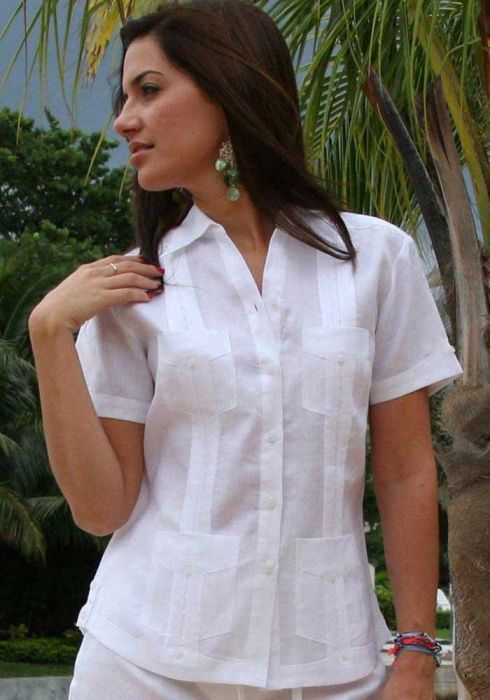
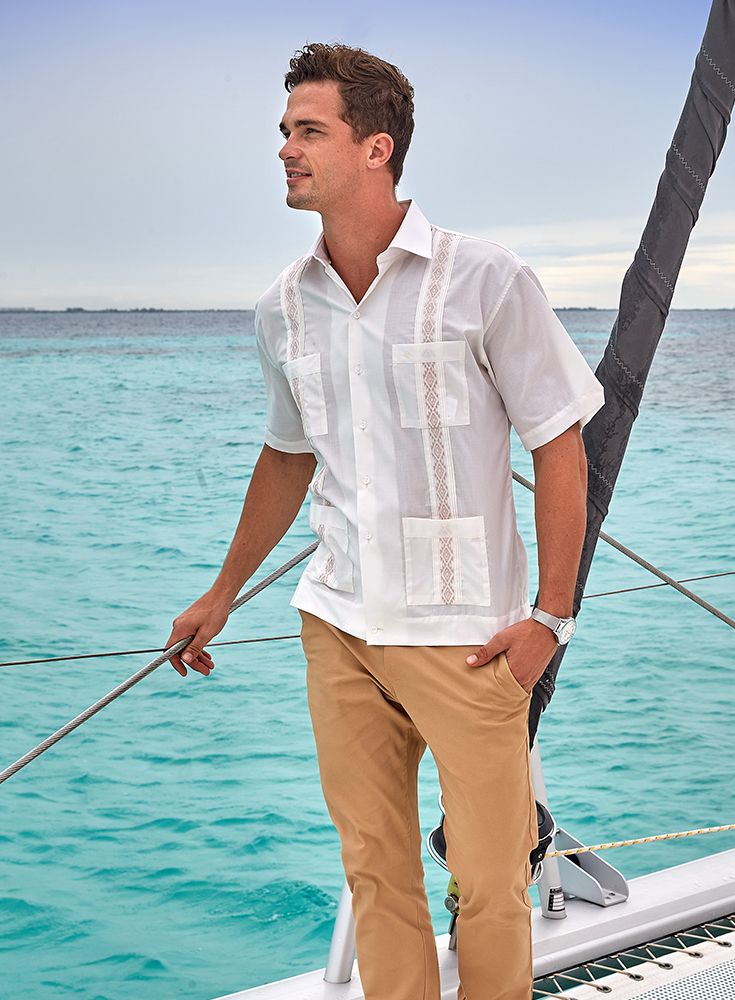
The Guayabera has been freed from its status as a grandfather’s shirt in 2026 and is now a fundamental component of Afro-Caribbean resistance. Independent Cuban designers are reimagining its four pleated pockets and vertical alforzas (pin-tucks), which were originally intended to be useful in the tropical heat, as a sovereign presence. The modern Guayabera transforms into a tactile archive of the working-class hero and the spirit of revolution by cropping it into crisp, architectural bodices or stretching it into floor-sweeping duster coats.
For the inclusive man, this progress is a revolutionary step. Both the steamy streets of Old Havana and the high-stakes boardrooms of the global North require a healthy internal sanctuary of breathability, created by using heavyweight, sustainable linen. This garment’s guerrilla approach entails dismantling its conventional symmetry to convey a strong, self-reliant mentality. Wearing your heritage as armour is a calculated move that will ensure the enduring glow of Caribbean craftsmanship is recognised as the ultimate in upscale design.
Brands like Clandestina are establishing the Guayabera’s usefulness in a new, worldwide authority by placing it in a high-end setting. In 2026, donning a disassembled Guayabera is a sign of a strong, patient bond with the island’s inventive resolver culture, a skill at creating much out of little. It is a bright, soulful silhouette that demonstrates that genuine luxury may be found in the thread’s tenacity and the hands that pleated it.
Spiritual Armour in the Urban Skyline
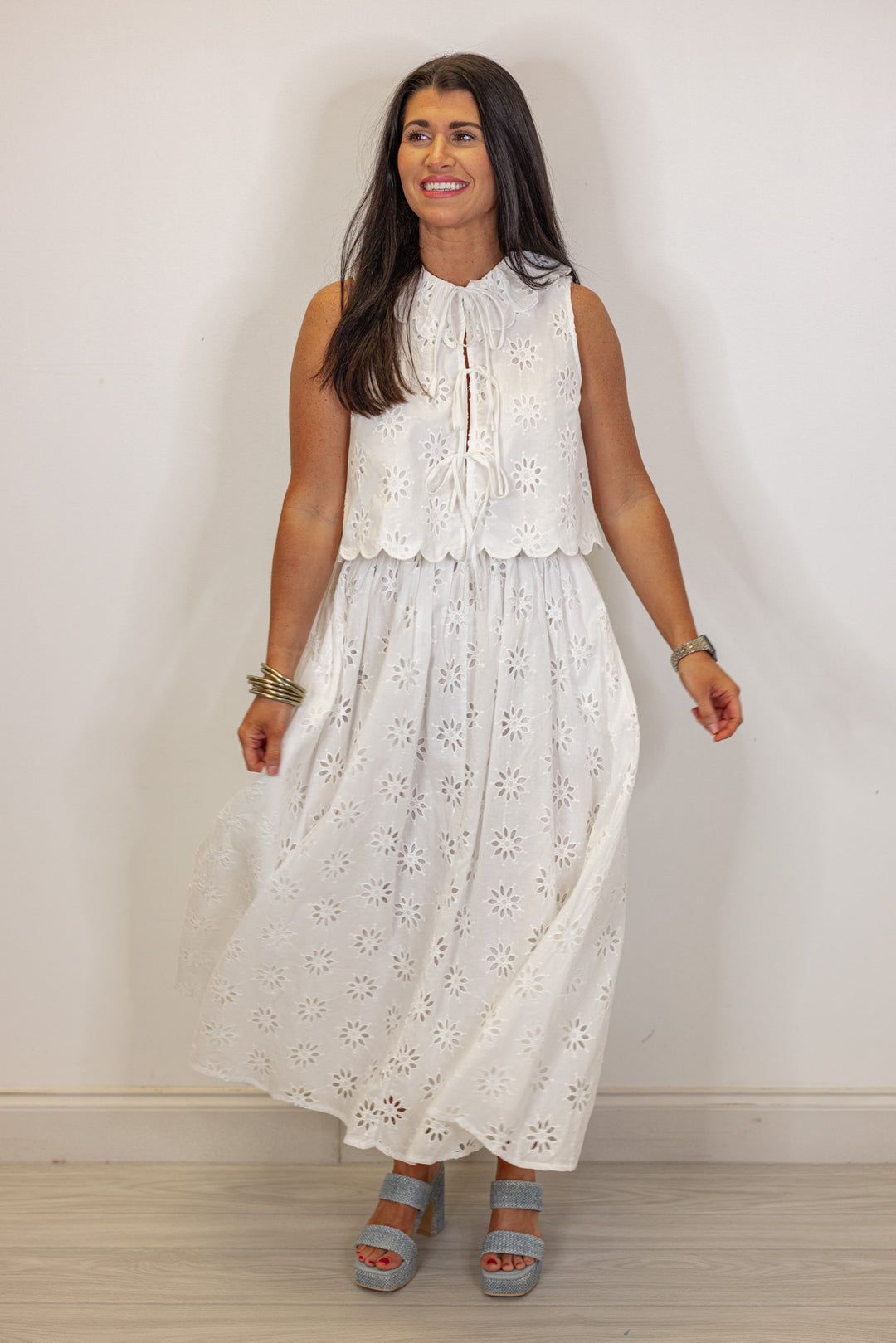
The most striking silhouette on the Havana pavement in 2026 is identified by its absence rather than by its hue. The custom of wearing all-white clothing associated with Santería (Regla de Ocha), known as the “White Canvas of the Orishas”, has evolved into a sophisticated, soulful manifestation of Afro-Caribbean resistance. These white ensembles are a sovereign presence for the Yabó (initiate) and the contemporary devotee, protecting the city’s chaotic energy and a healthy internal sanctuary of purity.
This innovative style is a master class in intentionality and texture. To create a tactile archive of spiritual dedication, designers are now transforming traditional cotton and linen mainstays into architectural masterpieces with eyelet needlework, tiered ruffles, and heavy-duty poplins. Wearing a structured, all-white outfit in 2026 indicates a strategic intent to be clean and focused amid a high-stakes global environment. It is a bright, inclusive style that provides an enduring glow, demonstrating how minimalist luxury can be closely connected to revolutionary peace and ancestral ceremony.
Wearing these “Orisha Whites” to anchor your clothing is a sign of global authority. Through coded aesthetics, it conveys a patient, autonomous commitment to a belief system that survived the Middle Passage. The Omiren woman bears a protective, soulful shield that is both modern and rooted in history through her embrace of this monochrome strength. The serene, pure light of the spirit is the source of this ultimate ancestral rhythm thread, a bright, powerful presence.
ALSO READ:
The Clandestina Influence
The art of the resolver, the Cuban knack for creating something out of nothing, is the most radical manifestation of the ancestral rhythm thread in 2026. This is the core of the upcycled rebellion movement, which is spearheaded by independent collectives such as Clandestina. Deconstructing antique military surplus, high-denier cotton, and industrial sacks into high-end, structural fashion is a strategic intent to prosper despite the odds in a city where resources have historically been limited. Afro-Caribbean resistance is as much about material survival as it is about cultural preservation, as demonstrated by this tactile archive of Cuban inventiveness.
This guerrilla attitude to luxury provides a healthy, internal sanctuary of ethics and edge for the inclusive woman. These are unique artefacts of the Havana pavement, not mass-produced clothing. Designers create a rustic yet elegant sovereign presence by combining recycled silks over raw-edged linen. Wearing repurposed Cuban designs in the world’s cities is a powerful, self-reliant statement that connects the island’s inventiveness to the highest standards of sustainable fashion for 2026.
This is a truly circular economy’s enduring glow. You are taking part in a visionary story of rebirth by basing your style on these defiant textures. The upcycled rebellion demonstrates that the most opulent silhouettes result from a careful, heartfelt dedication to the land and ancestors. By celebrating the beauty of the repurposed, recovered, and regenerated, it is a brilliant, all-encompassing presence that exudes authority.
Conclusion
In 2026, the bold, rhythmic strands of Afro-Caribbean resistance include the sovereign presence of a leader. From the structural linen armour of the Guayabera to the radiant, spiritual sanctity of Orisha Whites and the upcycled rebellion of brands like Clandestina, the journey through the ancestral rhythm thread reveals a profound truth: Cuban street dress is a living, breathing, tactile archive of survival. Wearing one’s past as a source of worldwide authority and an enduring glow rather than as a burden is a strategic intent.
By basing your wardrobe on these inclusive, emotional stories, you are selecting a forward-thinking route to self-sufficient luxury. Based on the Caribbean’s traditional knowledge and the resolver culture’s patient ingenuity, this style offers a healthy, internal sanctuary. As we draw to a conclusion this chapter on Havana’s pavement, we see that the spirit of resistance, a bright, powerful presence that embodies heritage, is the ultimate masterclass in contemporary power, intertwined throughout the city’s landscape in 2026.
Frequently Asked Questions (FAQs):
- What defines Afro-Caribbean resistance in fashion?
In 2026, the strategic intent is to wear garments that carry a history of survival. From the structured Guayabera to the spiritual Orisha Whites, it is a tactile archive of Cuban heritage that transforms traditional utility into a high-end, sovereign presence.
- Why is the guayabera considered “linen armour”?
Originally a shirt for the tropical working class, the modern, deconstructed Guayabera utilises heavy-duty, sustainable linen to provide a healthy, internal sanctuary. Its architectural pleats and four-pocket design represent a forceful, independent authority in the global urban skyline.
- What is the significance of wearing all-white in Cuba?
Known as the White Canvas of the Orishas, wearing white is a soulful practice rooted in Santería. It represents a visionary commitment to purity and protection, offering a radiant, enduring glow that anchors the wearer in spiritual and cultural history.
- What does “upcycled rebellion” mean for the Cuban style?
It refers to the “resolver” culture, the inclusive, patient genius of creating luxury from reclaimed materials. Brands like Clandestina lead this movement, turning vintage surplus into a tactile archive of resilience and high-end, sustainable rebellion.
- How do I maintain these artisanal Cuban textiles?
To preserve the enduring glow of hand-pleated linen and upcycled silks, we recommend gentle care. Hand-washing in cool water with organic soap or professional Eco-dry cleaning ensures your ancestral rhythm thread remains a forceful part of your wardrobe for years to come.