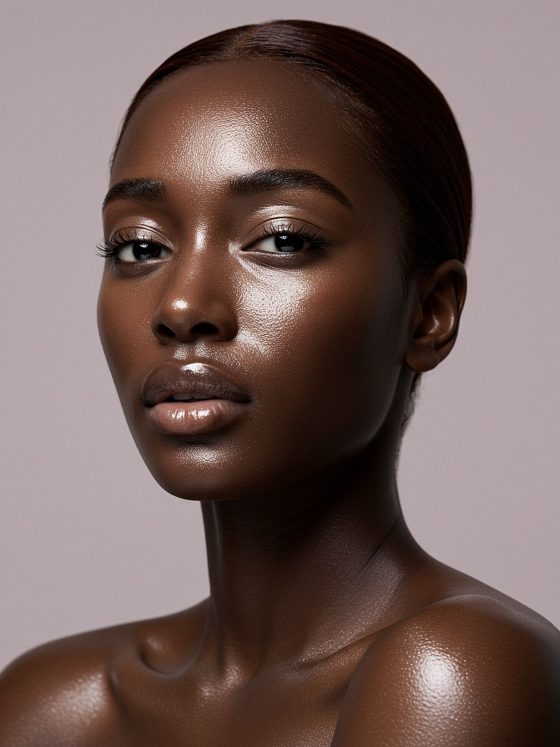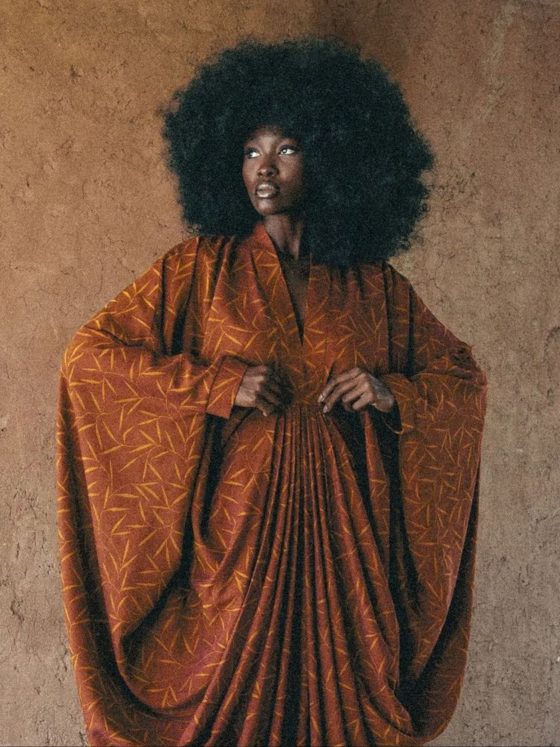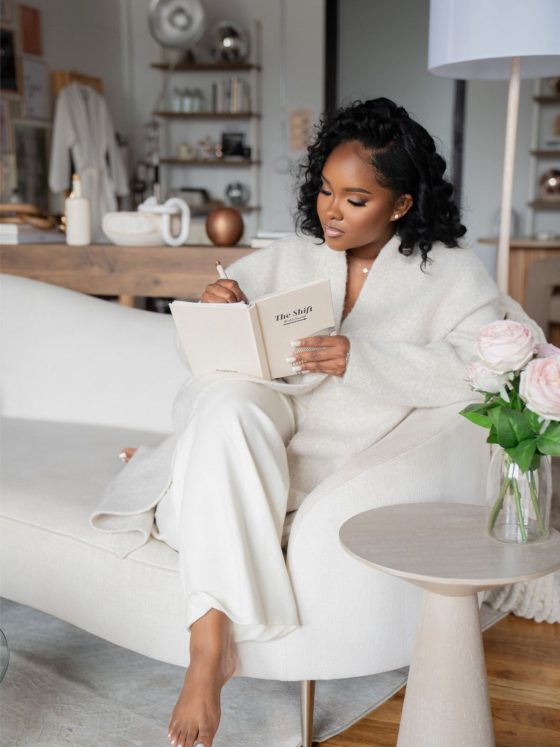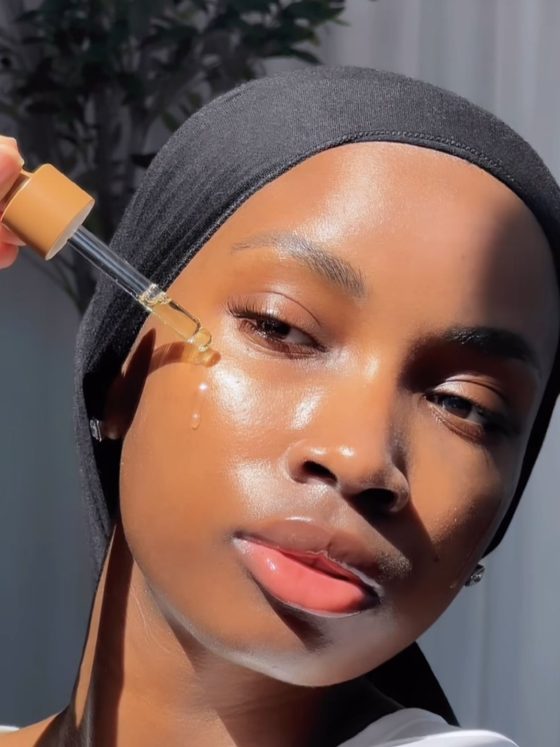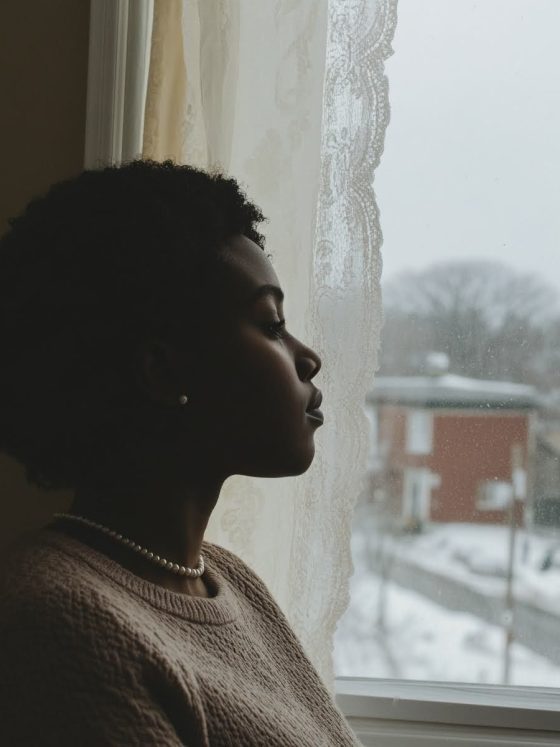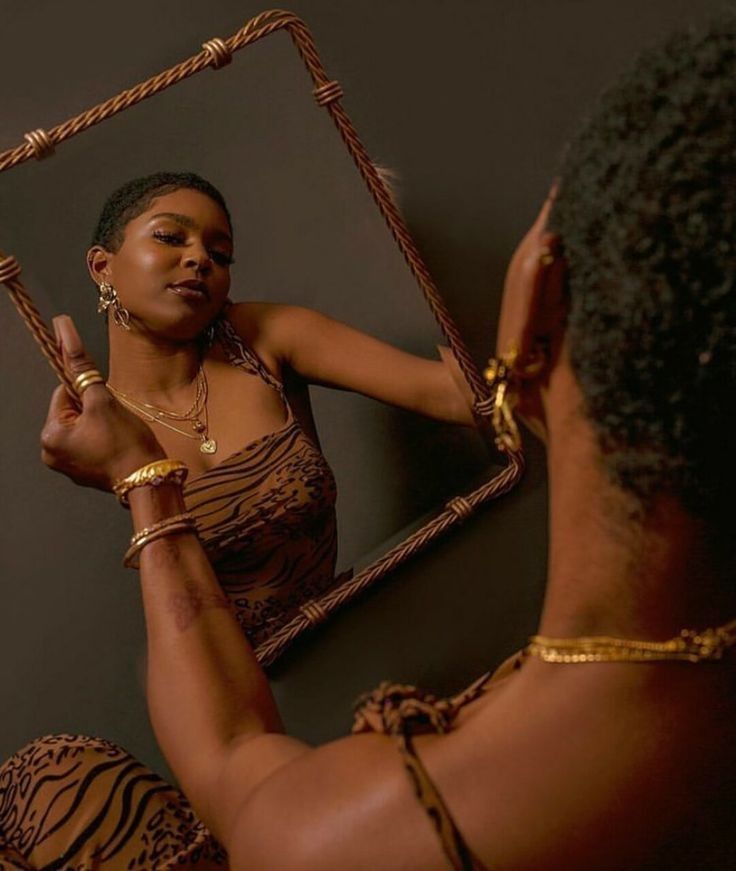
There is a moment before stepping out that rarely gets documented properly. Not the outfit reveal. Not the finished face. The moment before that—when everything is still in motion.
In Lagos, it might look like sitting in a salon chair longer than planned, phone in hand, half-ready but fully aware that something is building. In London, it could be the quiet pause before leaving the house, checking your reflection not for flaws, but for alignment. In New York, it may be the controlled chaos of getting ready with intention, knowing the room you are about to enter.
This is the glow before the event.
It is often dismissed as preparation, but that framing is incomplete. What happens before the event is not just functional—it is emotional, cultural, and deeply expressive. It is where identity is negotiated, confidence is constructed, and beauty becomes more than appearance.
From Lagos salons to global runways, this explores how anticipation shapes beauty, identity, and power before the moment itself.
Anticipation Is Not a Feeling—It Is a Visible State
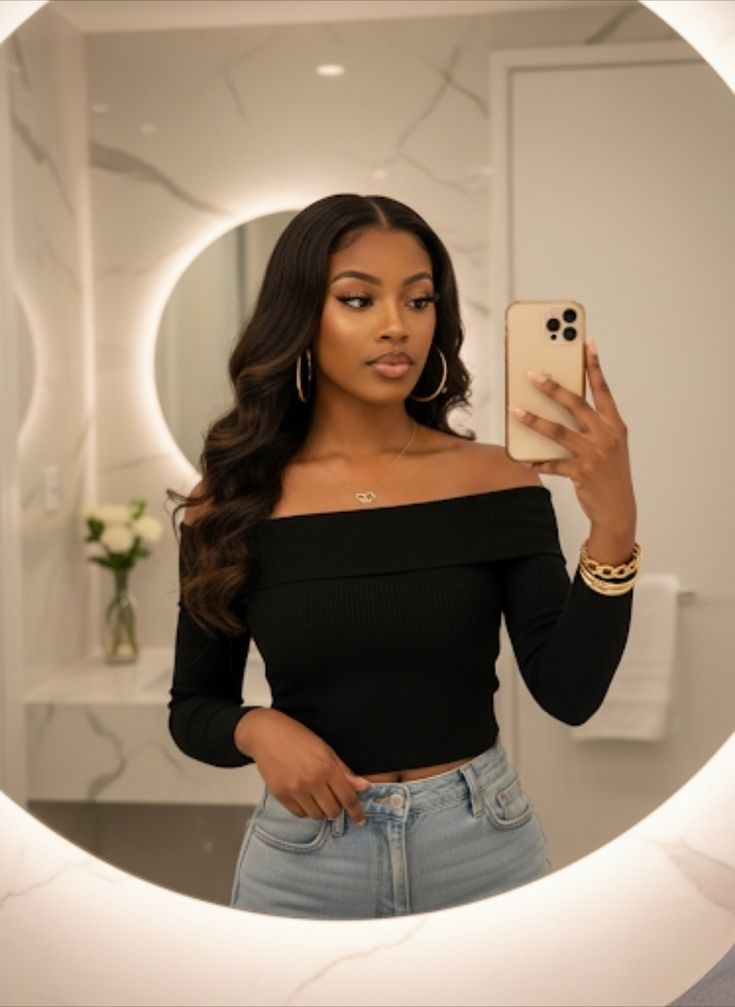
Anticipation changes how the body behaves. It sharpens attention, heightens awareness, and subtly alters posture and movement. This is why someone can look different before an event without changing anything physical in that exact moment.
What is often described casually as a “glow” is actually a mix of expectation and readiness. The body responds to what is coming, and that response becomes visible.
But beyond biology, anticipation carries meaning. It signals that something matters. You do not anticipate what is insignificant.
So when someone is “glowing” before an event, what you are seeing is value being placed on a moment—and on oneself within that moment.
African Beauty Has Always Understood Process as Power
In many African contexts, beauty is not defined by immediacy. It is built over time, often in community, and tied to specific moments that carry social weight.
Take the culture of salon spaces in Lagos. These are not just service points; they are environments where transformation happens slowly and socially. Conversations unfold. Decisions are adjusted. Identity is shaped in real time.
Hair, in particular, holds layered meaning. The choice between braids, natural styling, or wigs is rarely random. It reflects taste, mood, and sometimes a negotiation between cultural grounding and global influence.
The hours spent preparing are not wasted time. They are part of the event’s architecture.
This is where African beauty shifts the conversation globally. It refuses the idea that beauty must be instant to be valid. Instead, it insists that time, intention, and process are what give beauty its depth.
Hair Is Not Just Styling—It Is a Political Language
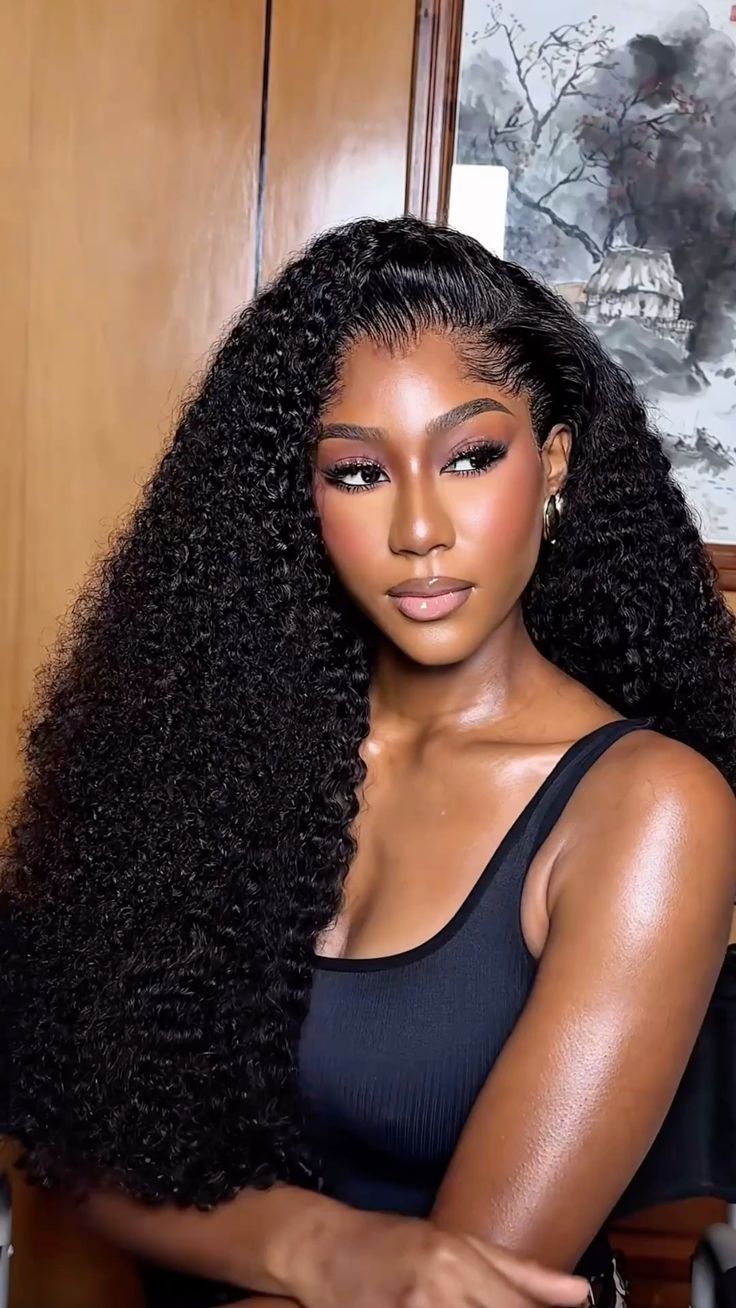
To talk about anticipation in beauty without addressing hair is to miss the point.
For African and Black women, hair carries history. It has been regulated, judged, celebrated, and reclaimed across different eras and geographies. So choosing a hairstyle before an event is never neutral.
It raises questions, even if silently:
- How do I want to be seen?
- What version of myself am I presenting?
- Am I meeting expectations or disrupting them?
These decisions are made in the anticipation phase, not upon arrival.
That is why the process of getting ready often feels more emotionally charged than the event itself. It is where the real work happens—the internal alignment between identity and presentation.
Anticipation Is Where Confidence Is Built, Not Displayed
Confidence is often mistaken for something that appears fully formed in public. In reality, it is assembled privately.
The time before an event allows for rehearsal—not in a literal sense, but emotionally. People imagine interactions, outcomes, and impressions. They prepare themselves for visibility.
For women especially, this moment carries weight. It is where self-doubt can either settle or be challenged. It is where ambition meets presentation.
Beauty, in this sense, is not separate from power. It becomes a tool through which presence is asserted.
The glow, then, is not about perfection. It is about readiness.
Read Also:
Redefining Luxury Through Time and Attention
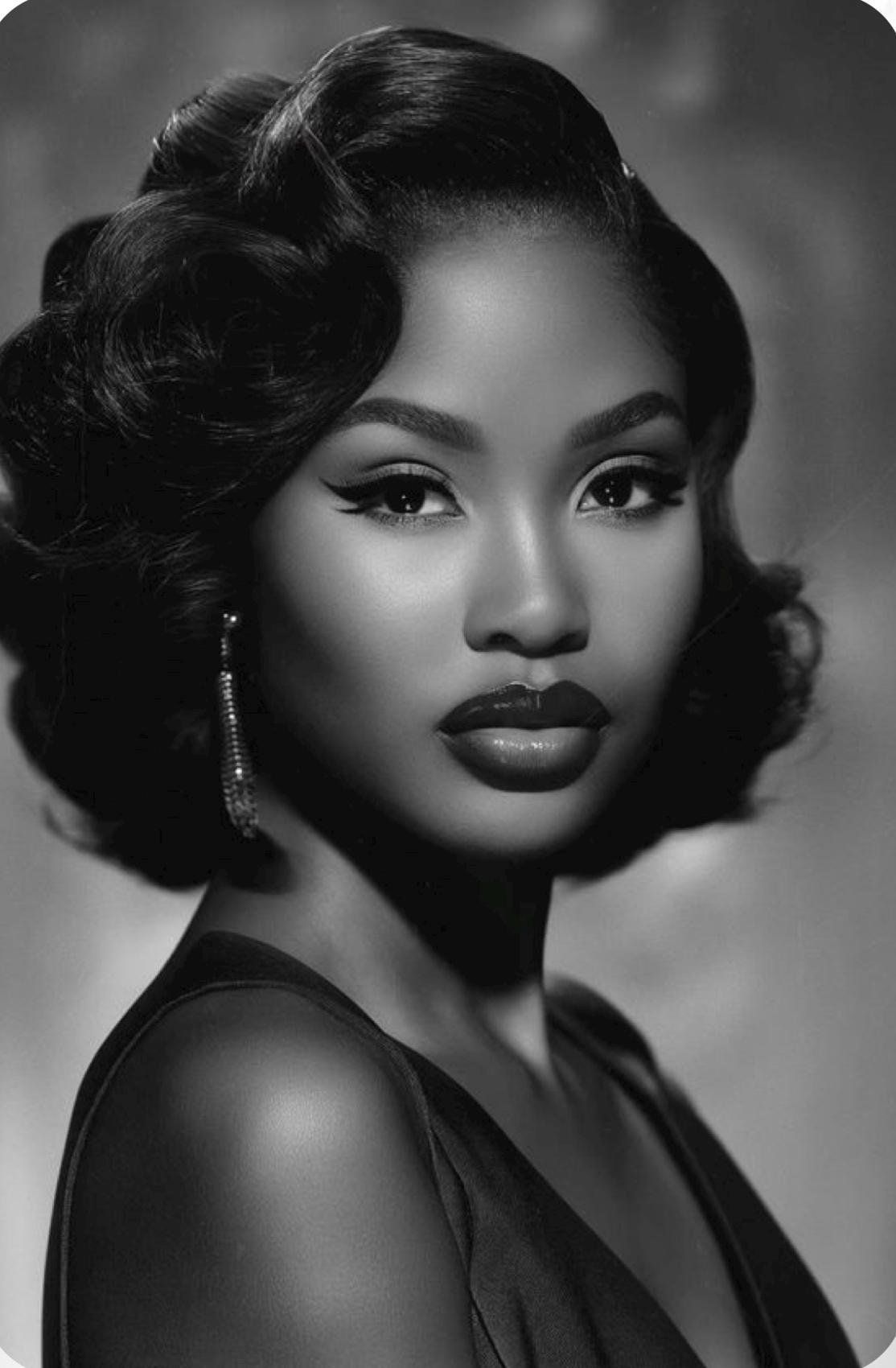
Global beauty marketing often defines luxury through products—what is rare, expensive, or exclusive.
But across African and diaspora cultures, luxury often looks different. It is the ability to take time. To not rush the process. To sit, adjust, redo, and refine until it feels right.
Time becomes a form of access.
Having the space to prepare properly is having control over how you enter a room. That control is a form of quiet power.
This perspective shifts beauty away from consumption and toward intention. It asks a different question: not “What are you wearing?” but “How did you arrive at this version of yourself?”
The Diaspora Connection Is About Context, Not Aesthetic
From Lagos to London to Atlanta, the visual outcomes of beauty may differ, but the role of anticipation remains consistent.
What changes is context.
In Lagos, preparation is often communal and visible. In diaspora spaces, it can become more private, shaped by external expectations and cultural translation.
For many in the diaspora, the anticipation phase includes an added layer—navigation. How much of home do you carry into the room? How much do you adapt?
This is why anticipation matters globally. It is where culture is negotiated before it is displayed.
Conclusion
The beauty world has trained attention on the final moment—the entrance, the reveal, the image that circulates.
But that is only part of the story.
The real transformation happens before. In the waiting, the preparing, the deciding. In the quiet moments where identity is shaped, and confidence is built.
The glow before the event is not a beauty accessory. It is its foundation.
To ignore it is to misunderstand how beauty actually works—not just on the surface, but in culture, in society, and in the lives of the people who live it.
FAQs
1. What does “the glow before the event” mean in beauty?
It refers to the emotional and physical state of anticipation that heightens presence before attending an event.
2. Why is anticipation important in African beauty culture?
Beauty is treated as a process shaped by time, ritual, and community, not just a final appearance.
3. How does hair influence anticipation?
Hair choices carry cultural and political meaning, making the preparation phase a moment of identity and self-definition.
4. Is anticipation more important than the final look?
Not more important, but equally significant—it shapes how the final look is experienced and perceived.
5. How does this idea apply globally?
Across different cities and cultures, anticipation remains the space where identity, confidence, and cultural context are negotiated.