At this point, the beauty industry would like us to believe it has figured inclusion out. Now there are more shades on the shelf, more Black women in campaigns, and more products marketed with words like glow, melanin, and radiance.
But African women know that shelf space is not the same thing as being understood. A wider foundation range means very little if the undertones are wrong. Better skincare marketing means very little if the formulas still do not account for pigmentation, sensitivity, or how skin behaves in African climates.
Also, visibility means very little if the industry still treats African women as consumers to sell to rather than as realities to build around. That is why the beauty gap still exists, even if it now wears better branding. To understand why African women are still underserved by global beauty, we have to look beyond what the industry has added and ask what it still has not rebuilt.
Why African women are still underserved by global beauty is less about what’s missing and more about how the industry was built to exclude them.
Global Beauty Was Built Without African Women In Mind
The beauty industry did not accidentally overlook African women. It was built through systems, standards, and assumptions that treated lighter skin, straighter hair, and Western climates as the default.
That foundation shaped everything that followed. It shaped which products were tested on, which skin concerns were prioritised, and how formulas were stabilised.
It also shaped what beauty was marketed as aspirational, and which consumers were seen as “mainstream” enough to build for first. For African women, that exclusion has never only been visual; it has always been technical.
When the beauty industry is built around other people’s skin, hair, and environmental realities, African women are forced into a permanent position of adjustment. They mix shades to create undertones that should already exist.
They dilute products that are too harsh for their skin. They buy mattifying formulas developed for one kind of oil control but not for heat, humidity, or melanin-rich skin, which behaves differently under both.
These gaps are structural, not cosmetic, and remain the reason why African women are still underserved by global beauty.
The Melanin Shade Gap Goes Beyond Foundation
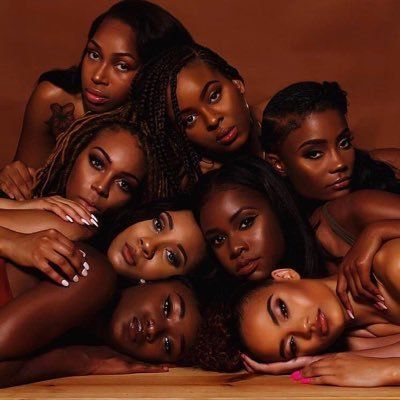
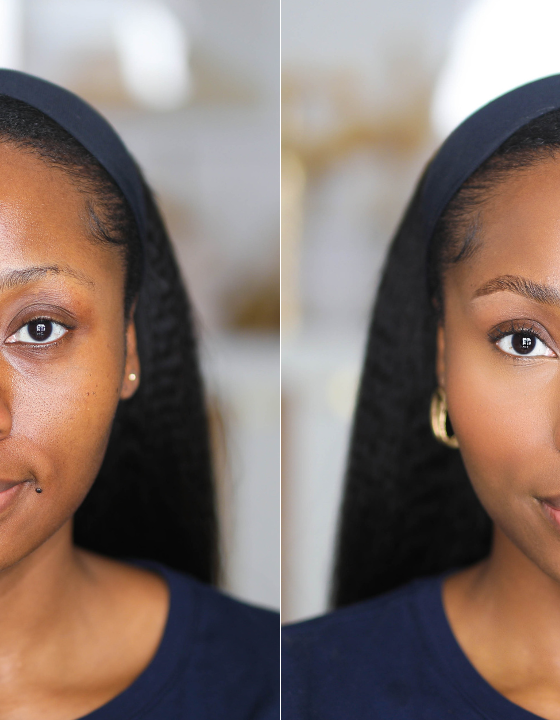
The beauty industry often treats shade inclusivity as a foundational conversation. Meanwhile, that’s not the actual problem. For African women, the melanin shade gap is not just about whether there is a darker bottle at the end of the shelf. It is about whether the undertone is right, whether the formula oxidises strangely.
Or whether the finish turns ashy under daylight, and whether the product performs consistently on deeper skin across long wear, heat, and humidity. That is where the real failure begins to show. Many products marketed as inclusive still entirely misunderstand undertones. African women do not all fit into a single broad category of “deep.”
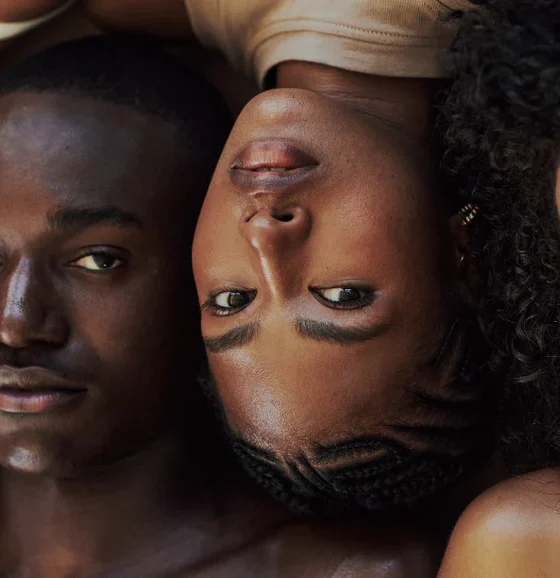
Melanin-rich skin carries red, golden, neutral, olive, blue, and warm-brown complexities that are too often flattened into a single shade family. A darker colour is not the same thing as an accurate complexion match.
And the issue does not stop with the foundation. Concealers can grey out the under-eye area, powders can dull the skin, sunscreens can leave a visible cast, and blush and contour products often have a colour payoff calibrated for lighter skin.
Sadly, even skincare products marketed for “glow” can worsen pigmentation when they are not formulated with deeper complexions in mind. This is why the melanin shade gap must be understood as a performance gap, not just a colour gap.
So, the real question is not, “Do brands offer deeper shades?” The real question is, “Do they understand how beauty products actually behave on African skin?” Too often, the answer is still no.
African Women Drive the Market but Lack Influence
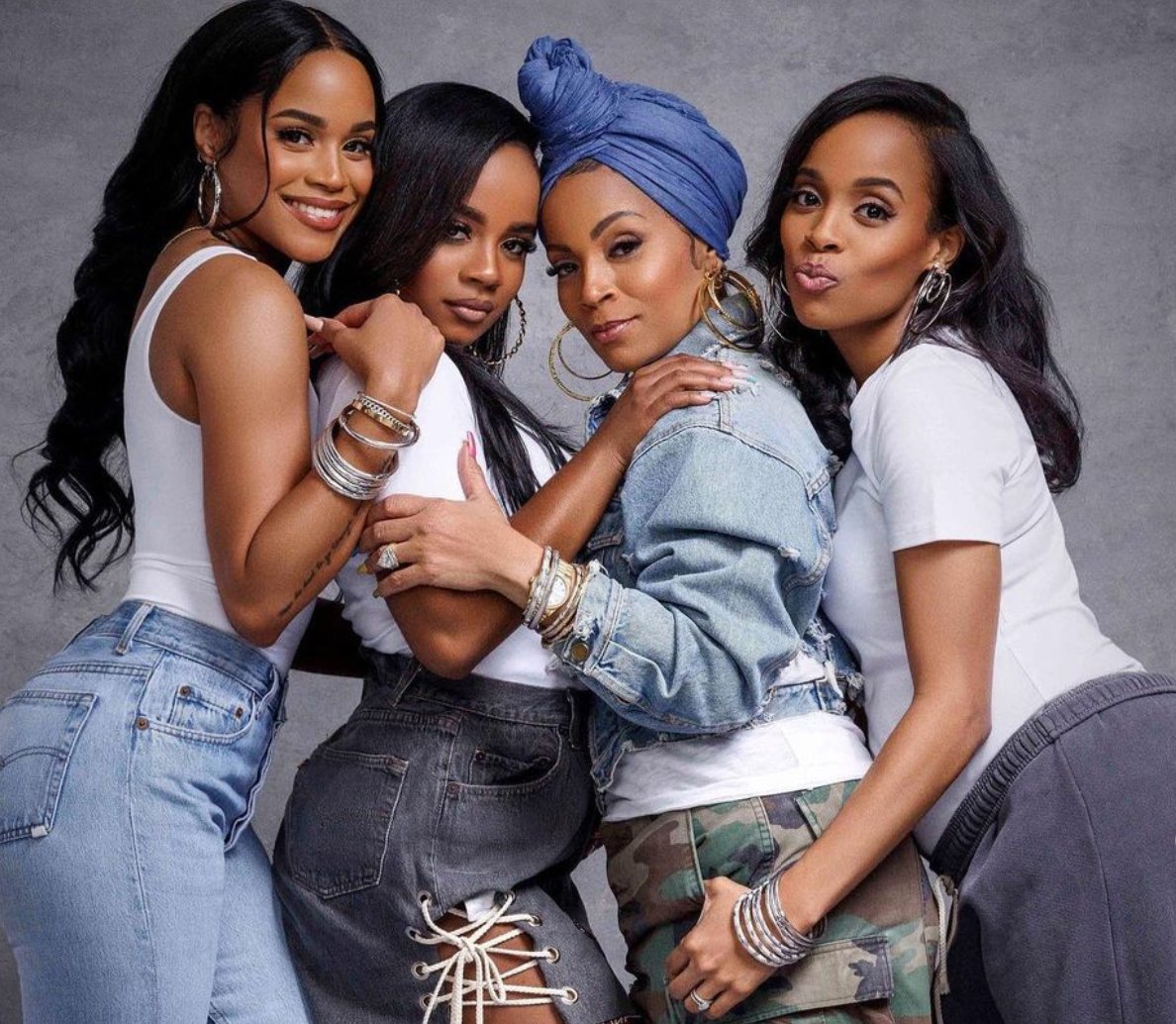
African women are not a small or passive consumer group. They are active buyers, sustaining billions in global beauty revenue. Yet their influence over product development and market decisions remains limited.
Many African and African-owned brands face structural challenges. Access to funding, distribution, and retail placement is limited. Even with well-formulated products, these brands struggle to reach local or international markets.
Meanwhile, global brands capture most of the economic value without addressing the specific needs driving it. This spending-power gap reinforces structural exclusion.
African women generate demand, but the system does not return that value through representation, investment, or ownership. Visibility alone is not enough. Real influence requires participation in research, development, and decision-making.
Also, the rise of African and diaspora brands shows potential. These brands are designed with African women at the centre and create formulas that reflect real skin needs. However, without capital, retail access, and global networks, their growth remains constrained.
Also Read
- The Language of Skin: What Our Routines Reveal About Us
- Beauty’s New Epicentre: Why the World Is Turning to Africa’s Ancient Botanicals
- Beyond Glow: The Politics of Healthy Skin
- Skin Health in African Communities: Bridging Culture & Modern Care
Cultural and Environmental Gaps in Product Design
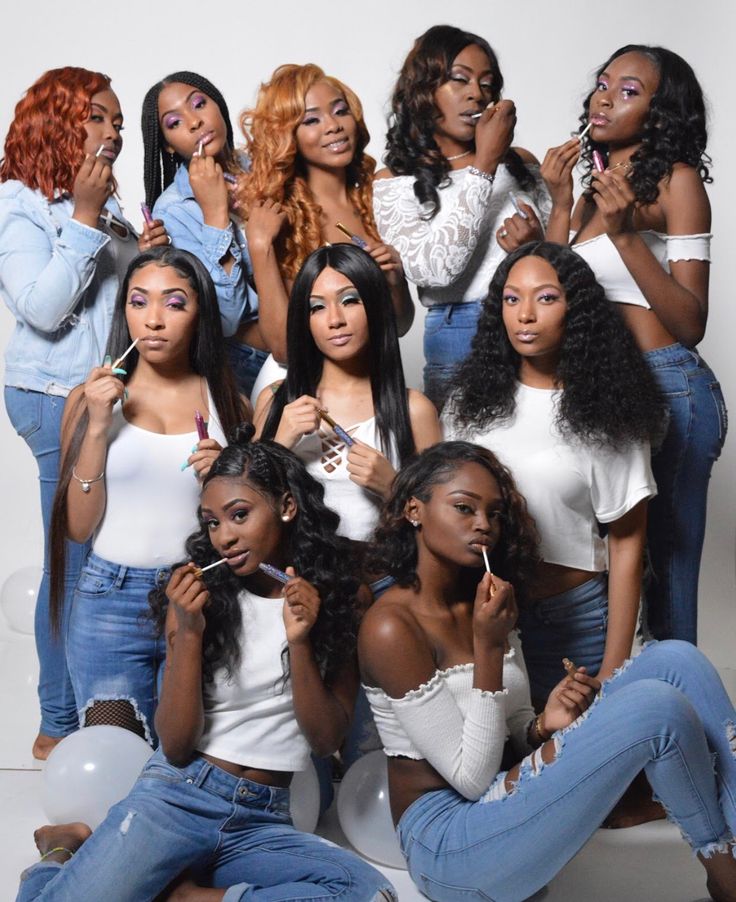
Global beauty products often fail to consider African climates, cultural practices, and daily routines. Many formulas are designed for air-conditioned, low-humidity environments. In hot, humid conditions, oil control, sweat resistance, and long-wear performance behave differently.
Products that work elsewhere may break down, oxidise, or cause irritation when used under African conditions. Cultural practices, such as hair treatments, layering skincare, or using protective oils, are rarely reflected in product development.
When brands do not account for these realities, African women must adjust their routines or compromise results. This is a critical reason African women remain underserved by the global beauty industry. It is not about availability but about relevance, and the industry has yet to build for African environments and lifestyles systematically.
Conclusion
The global beauty industry has evolved, but its foundation still carries gaps that affect African women. African women are more visible today, yet the system does not fully consider their needs in product development, research, or market access.
This is why the global beauty industry still underserves African women. Real progress goes beyond visibility. It requires inclusion in decision-making, ownership, and systemic influence. Until that shift happens, the gap will persist, not because demand is unclear, but because the structure has not fully caught up.
Frequently Asked Questions
1. Why Do Many Beauty Products Still Not Work Well For African Skin?
Many products are developed and tested with lighter skin as the baseline. Because melanin-rich skin reacts differently to ingredients, sun exposure, and pigmentation treatments, products that work elsewhere may not deliver the same results for African women.
2. Is The Shade Range Problem In Beauty Already Solved?
Not completely. While more shades exist today, the issue goes beyond numbers. Undertones, formulation quality, and product performance on deeper skin tones remain inconsistent, which means the gap hasn’t fully closed.
3. Why Are African Beauty Brands Not As Visible Globally?
Most African and African-owned brands face challenges with funding, distribution, and retail access. Without a strong global infrastructure, even well-formulated products struggle to reach wider markets.
4. Are Global Beauty Brands Making Real Progress With Inclusion?
There has been progress, especially in marketing and shade expansion. However, bigger changes, such as representation in product development and decision-making, remain limited, which affects how inclusive these products truly are.