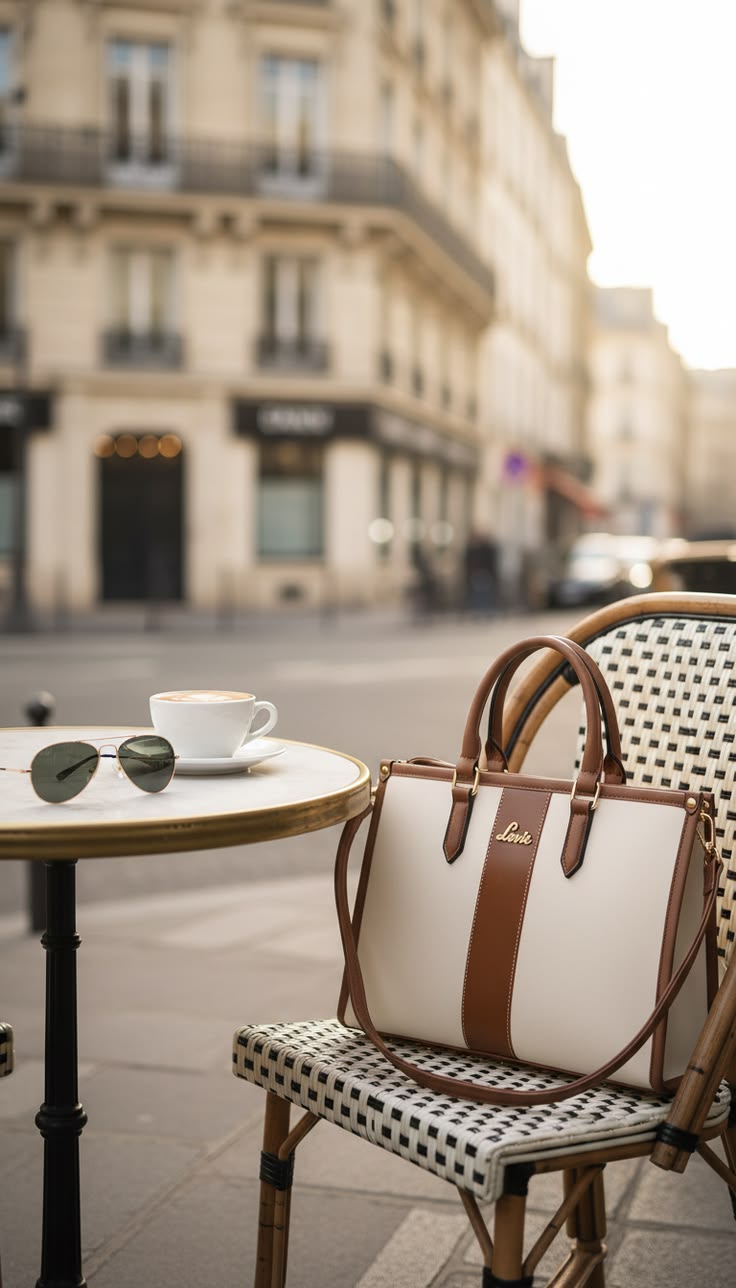
A handbag often looks like a small personal object. Something carried casually on the shoulder or held in the hand. Yet the history of the handbag reveals something much larger. It is a record of women’s movement throughout the world.
Long before handbags became fashion statements, women needed portable ways to carry money, trade goods, tools, and private belongings. What they carried and how they carried it reflected the limits placed on their lives. The evolution of the handbag, therefore, mirrors a deeper story about access to space, economic independence, and personal autonomy.
In many Western fashion histories, the handbag is framed as a luxury accessory popularised by European designers in the twentieth century. But the idea of a portable personal container existed far earlier across African societies, where women traders, healers, and travellers relied on bags, pouches, and woven carriers to sustain everyday life.
Seen through a wider cultural lens, the handbag is not simply an accessory. It is a portable archive of women’s mobility, privacy, and power.
From hidden pockets to power symbols, the handbag traces women’s mobility, privacy, and authority across cultures, from African trade routes to global fashion.
Carrying Before Fashion: Pouches and Market Economies
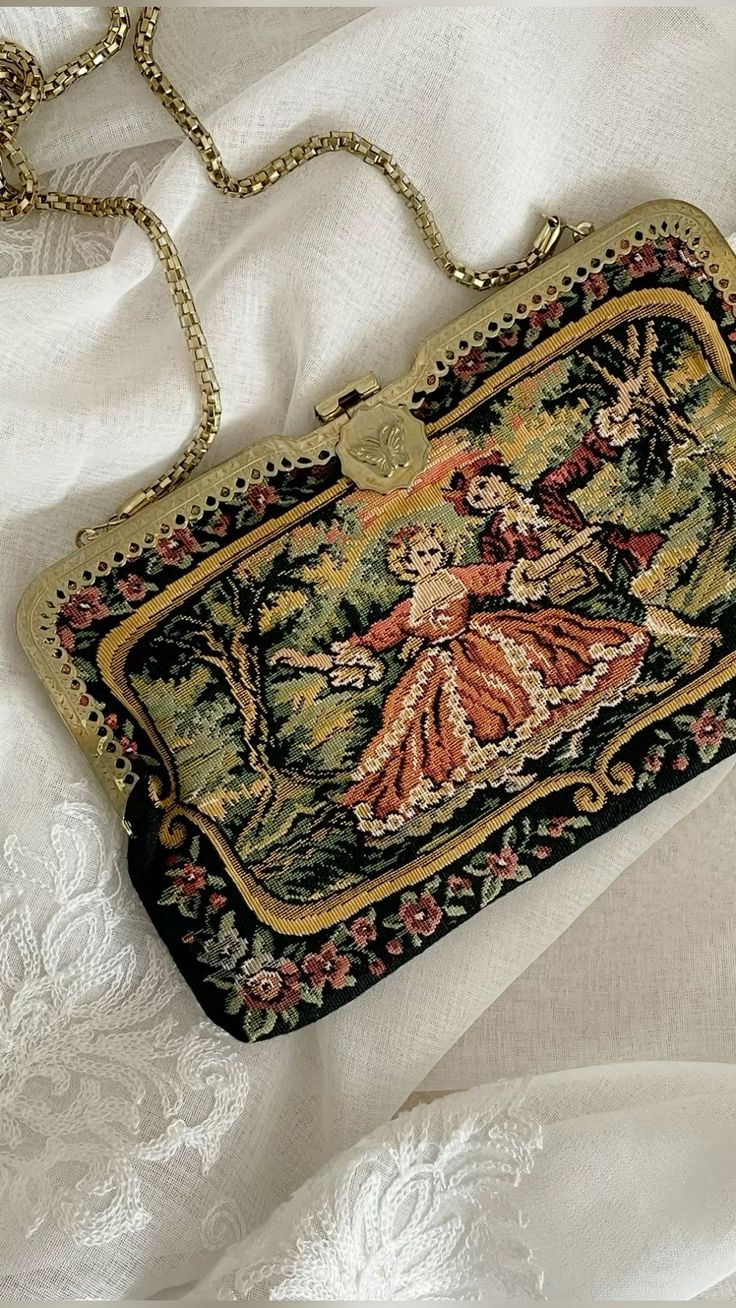
The earliest versions of handbags appeared as small pouches attached to belts. In medieval Europe, these were practical containers used to store coins, herbs, and personal tokens. Both men and women carried them.
For women, however, access to public space was often limited. As clothing styles changed in the seventeenth century, many women began storing their belongings inside hidden pockets sewn beneath skirts. These concealed pockets allowed women to carry items without drawing attention.
The need for concealment reflected a broader cultural expectation that women’s possessions and independence should remain discreet.
Across Africa, the relationship between women and portable storage followed a different trajectory. In many regions, women dominated local trade networks and marketplaces. Yoruba traders in southwestern Nigeria, for example, carried woven bags or leather pouches to hold cowries and currency. Hausa and Fulani traders also relied on portable bags when travelling between markets.
In these contexts, a woman carrying a bag did not signal fashion. It signalled economic activity.
The container was not decorative. It was infrastructure for commerce.
The Moment Bags Became Visible
The modern handbag began to appear in the late eighteenth century with the rise of the reticule. These small drawstring bags emerged as women’s dresses became slimmer and no longer left room for hidden pockets.
For the first time, women began carrying their belongings in visible containers.
Reticules typically held items such as handkerchiefs, coins, letters, and visiting cards. They allowed women to manage small personal belongings while navigating public spaces.
This change was subtle but important. When women carried bags openly, they also carried visible evidence of personal autonomy.
Some of these bags even reflected political beliefs. Historical examples show reticules decorated with abolitionist imagery, suggesting that handbags sometimes acted as quiet forms of public expression.
Travel and the Rise of the Structured Handbag
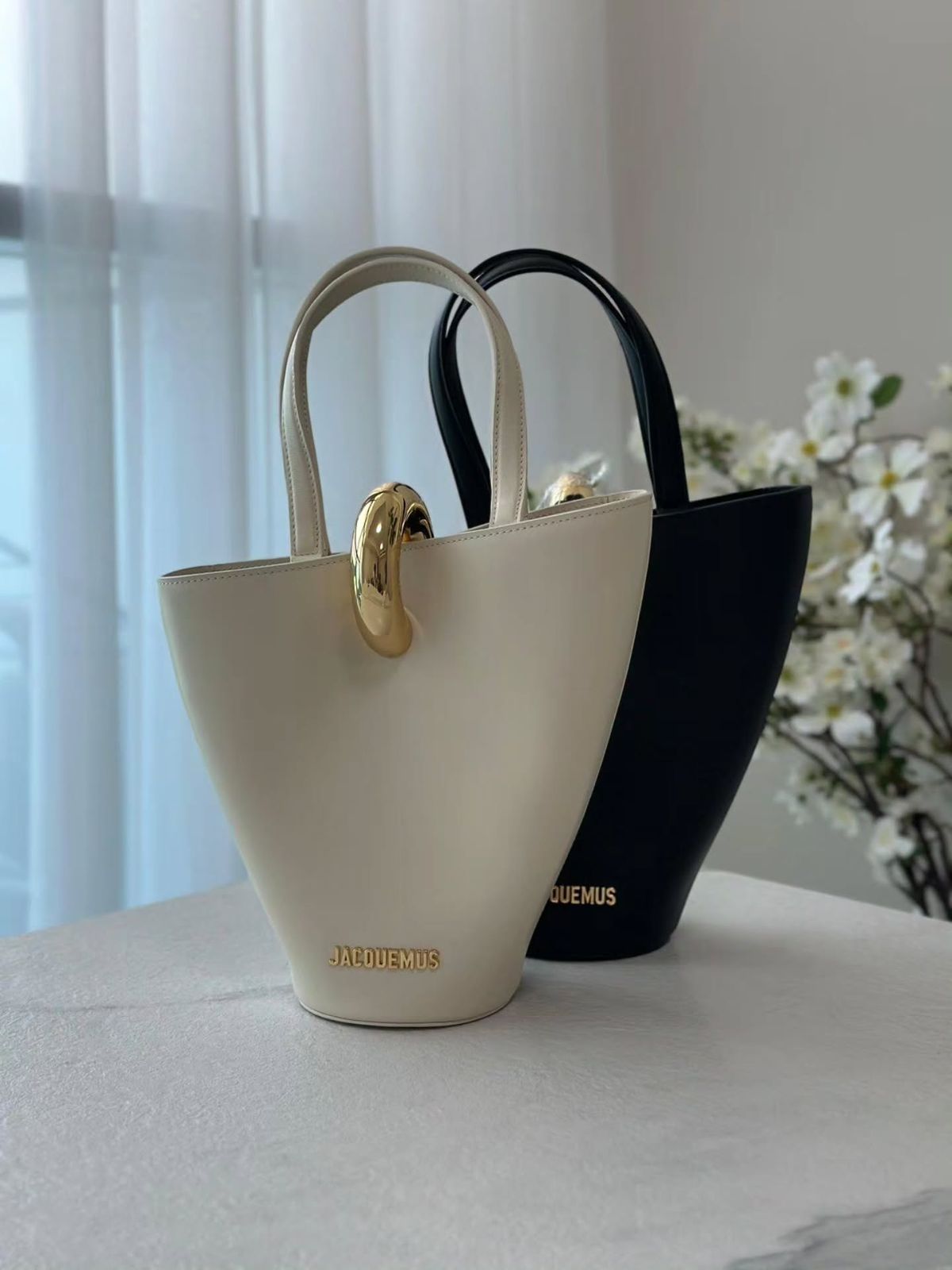
The nineteenth century introduced a new influence on bag design. Rail travel expanded dramatically, allowing people to move more freely between cities and regions.
This shift created demand for durable travel containers. Luggage makers began designing smaller leather bags that women could carry independently.
Early structured handbags featured metal frames, clasp closures, and compartments. These features improved security and organisation, allowing women to store valuables more safely.
The handbag now served another purpose. It supported women’s physical mobility.
A portable bag meant a woman could travel with money, documents, and personal items without relying on someone else to carry them.
Read Also:
The Handbag as Private Space
Beyond mobility, the handbag introduced another important idea. Privacy.
Historically, women’s belongings were often monitored within households. A personal bag changed that dynamic. With internal compartments and secure closures, women could carry items that were not immediately visible to others.
Inside a handbag might be money, keys, letters, cosmetics, identification, or medical items.
In effect, the bag created a private interior world that moved with its owner.
This portable privacy mattered especially as more women entered workplaces during the twentieth century. As women earned wages and opened bank accounts, they needed secure ways to carry financial tools and documents.
The handbag quietly supported that independence.
Power and the Politics of the Handbag
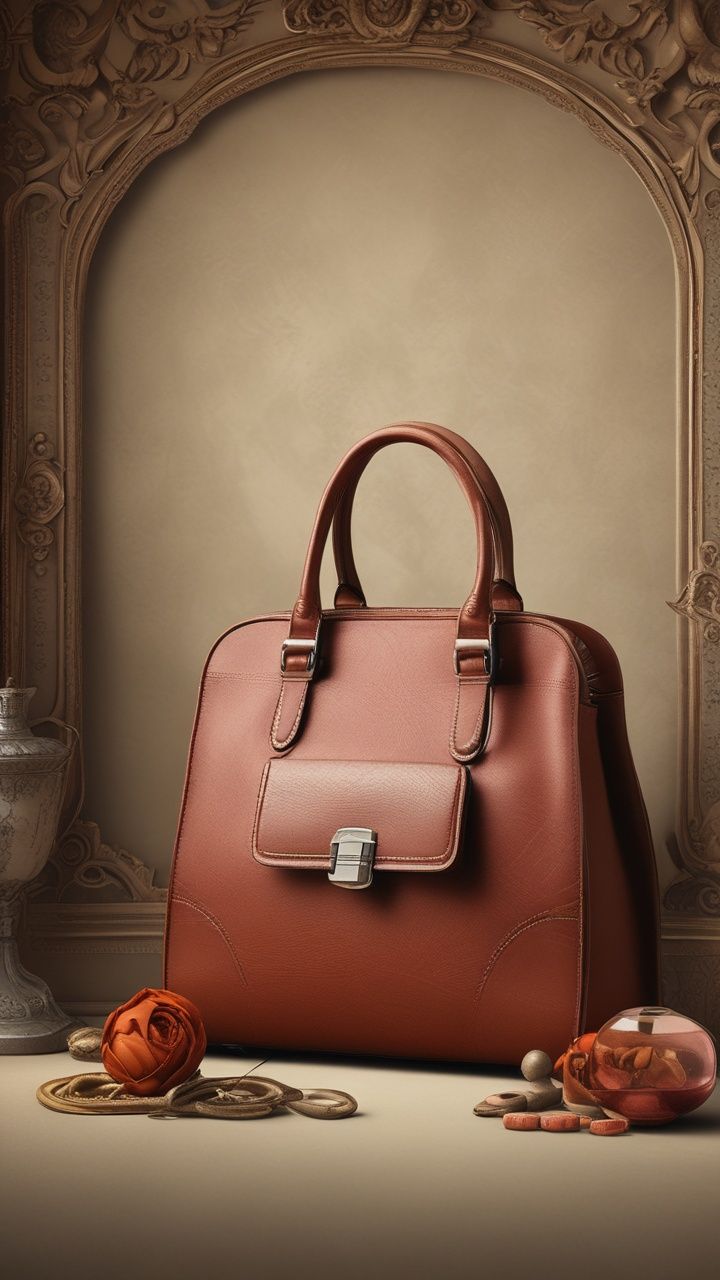
By the late twentieth century, the handbag had evolved into a symbol of social identity and authority. It communicated taste, professional status, and sometimes political influence.
One widely cited example is the handbag carried by Margaret Thatcher during her years as British prime minister. Her bag became so closely associated with her leadership style that the phrase “to handbag” emerged as political slang for forcefully confronting opponents.
The handbag had moved beyond utility. It had entered the language of power.
Yet global narratives about handbags often focus heavily on Western luxury brands. This perspective overlooks the enduring influence of African craftsmanship on contemporary handbag design.
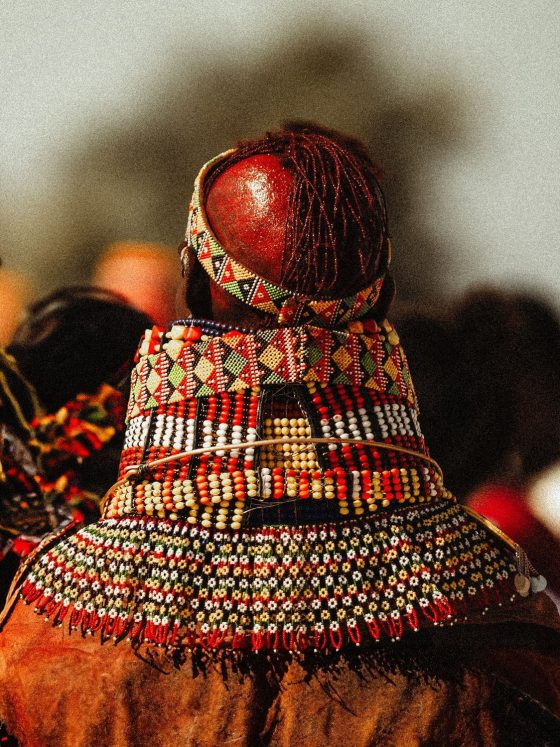
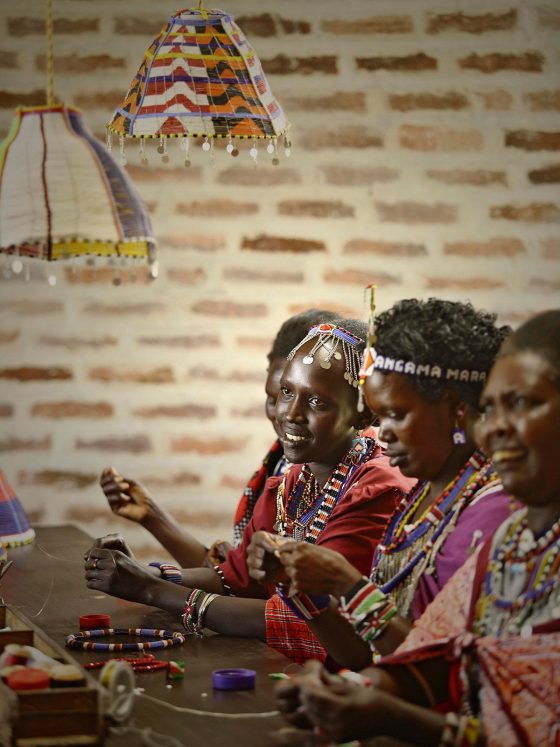
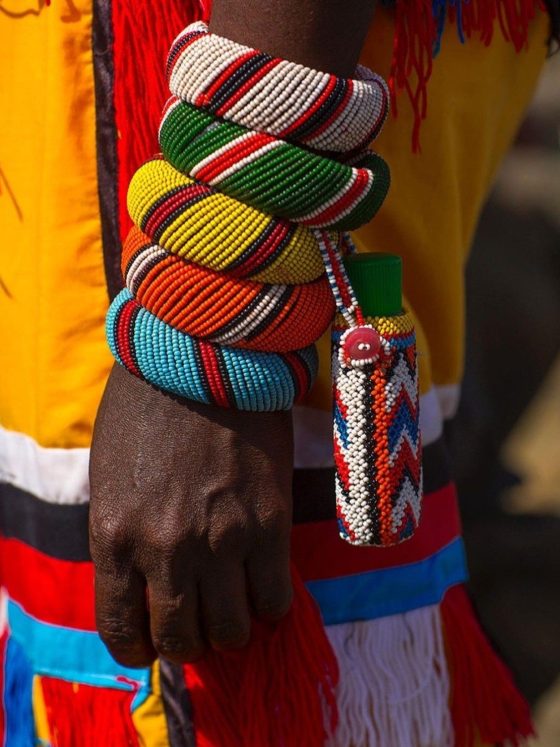
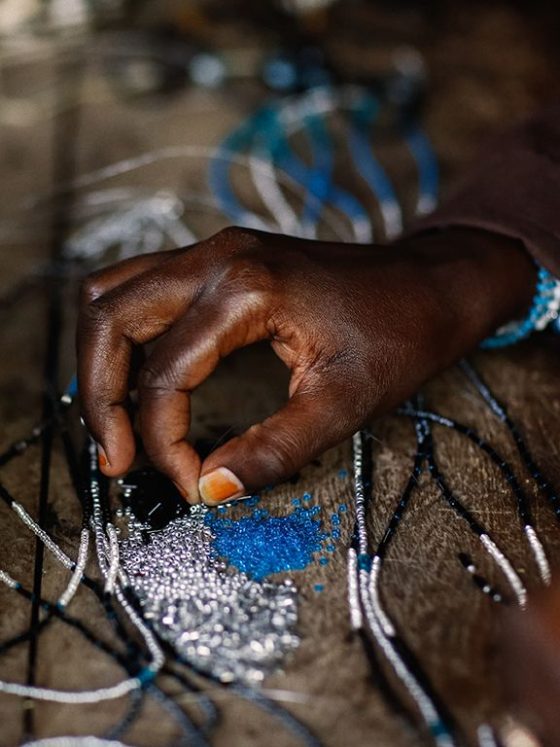
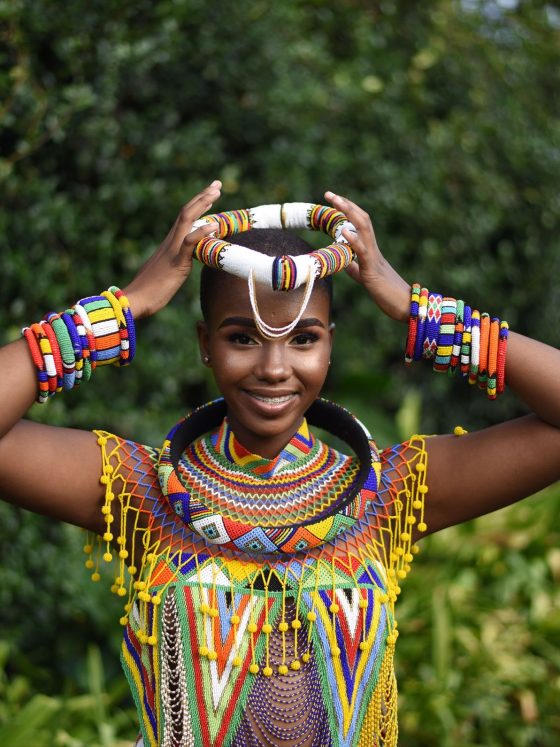
Across cities like Lagos, Dakar, Nairobi, and Johannesburg, designers are redefining luxury through material knowledge and artisanal skill. Leatherwork, raffia weaving, beadwork, and textile craftsmanship are increasingly shaping a new generation of handbags that reflect cultural heritage rather than logo prestige.
Conclusion
The evolution of the handbag reveals more than a fashion timeline. It reveals the changing conditions of women’s lives.
From hidden pockets to visible reticules, from market bags to structured travel carriers, each stage reflects expanding access to movement, money, and personal space.
The handbag became a tool that supported mobility, protected privacy, and sometimes projected authority.
Today, the object continues to evolve as designers around the world reinterpret it through their cultures, crafts, and identities.
Seen this way, the handbag is not simply a style choice. It is a small object that carries a large social story.
FAQs
- When did handbags first appear in history?
Portable pouches for carrying coins and small objects existed as early as the medieval period. The modern handbag began appearing in the late eighteenth century with the introduction of the reticule.
- Why were early women’s pockets hidden inside clothing?
Hidden pockets reflected social norms that limited women’s public independence. Carrying belongings discreetly helped women manage personal items while avoiding public scrutiny.
- How did travel influence handbag design?
The expansion of rail travel in the nineteenth century increased the need for durable personal bags. This led to the creation of structured handbags with clasps and compartments.
- What role did handbags play in women’s independence?
Handbags allowed women to carry money, identification, and personal belongings privately. This supported financial independence and greater mobility in public spaces.
- How are African designers influencing handbag culture today?
African designers are redefining luxury by highlighting craftsmanship, heritage materials, and artisanal techniques such as leatherwork and weaving rather than relying solely on brand prestige.