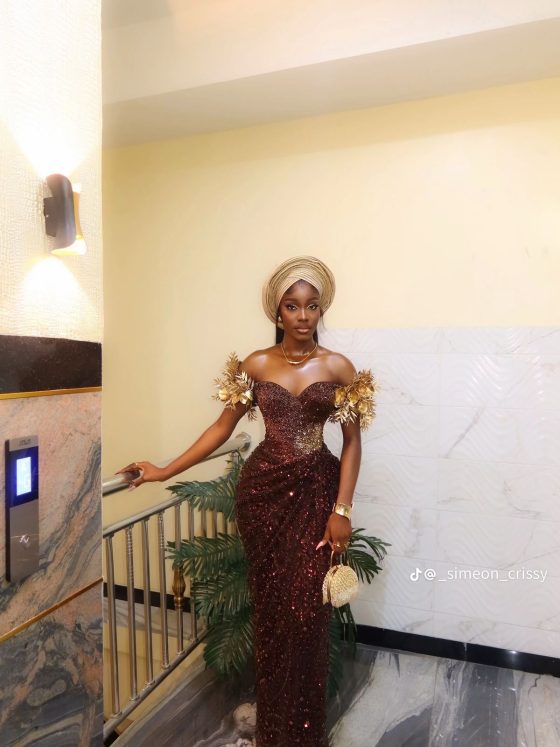
Black tie did not invent formal dressing. It made one version of it famous.
The tuxedo’s dominance over the global imagination of ceremony is a relatively recent phenomenon, one built as much by Hollywood’s visual culture and colonial Britain’s export of social codes as by any inherent superiority of the form. A dinner jacket is not more formal than a grand boubou. A black bow tie carries no more authority than an indigo Tuareg veil. These are not equivalent garments competing for status. They are independent systems, each built from its understanding of what it means to dress with power in a specific time and place.
The question black tie redefined asks is not how non-Western dress can be accommodated within a European formal framework. That framing concedes ground that was never Europe’s to claim. The question is more precise: what does it mean to dress formally, and how many distinct answers to that question exist across Africa, the Caribbean, and Latin America, each with its grammar, history, and authority?
The answer is that formal dress has always been global. The tuxedo arrived late.
The tuxedo did not invent formal dressing. It made one version of it famous. Across Ethiopia, South Africa, Morocco, and the Sahara, African societies had already constructed precise systems of ceremonial dress built on their codes of power, status, and beauty centuries before European black tie existed.
Ceremony Existed Before the Tuxedo
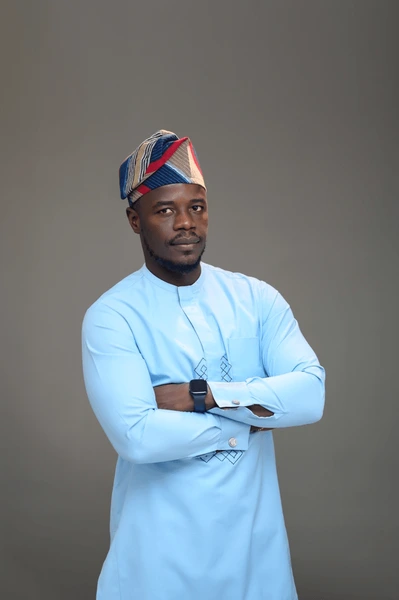
None of these garments was built to copy Europe. They were built from systems of power and beauty that preceded European contact and continued to develop independent of it.
In Ethiopia, the Habesha kemis is worn at weddings, Orthodox Christian church celebrations, and national holidays, its woven borders—worked in patterns specific to region and community—functioning as a visual declaration of origin and belonging. The garment’s simplicity of silhouette is not a limitation. It is a discipline: the complexity is carried entirely in the weaving, where every border pattern is a specific cultural statement rather than a decorative choice.
Among the Xhosa of South Africa, umbhaco cloth is worn at rites of passage and formal family gatherings, its ochre and black patterns placed with the same intentionality that a tailor applies to the construction of a garment meant to last. The colours encode belonging. The occasion dictates the specific configuration. A Xhosa elder arriving at a ceremony in Umbhaco is not making a fashion choice. She is making a statement about continuity, about the unbroken line between the person present and the community she carries.
In Morocco, the caftan worn in royal courts and formal domestic gatherings is an instrument of layered meaning: its construction involves months of embroidery work by master craftspeople, its weight and fabric grade communicate the significance of the occasion, and its presence in Moroccan court culture stretches back to the Marinid dynasty of the thirteenth century. UNESCO recognised Moroccan caftan knowledge and practice as Intangible Cultural Heritage in 2023. The garment did not need that recognition to establish its own authority. It had been exercising it for seven hundred years.
Among the Tuareg of the Sahara, the indigo-dyed tagelmust, the face veil worn by men, marks status, maturity, and a set of social obligations that the wearer publicly assumes with each wearing. The indigo dye transfers faintly to the skin over time, which Tuareg society reads not as staining but as a distinction: the deeper the colour in the face, the longer and more seriously the veil has been worn. Dignity, in this system, is cumulative. It is earned in cloth and made visible across the years.
Black Tie Became Global. That Does Not Make It Neutral

The tuxedo spread worldwide through trade, politics, and cultural influence. Over time, it became treated as the safe, normal, and “standard” choice for high-level events.
But formal dressing is never neutral. The tuxedo carries a specific history of wealth, hierarchy, and Western authority. When African, Caribbean, or Latin American garments enter a formal space, they are often labelled “traditional” or “bold.” They are rarely called simply formal.
This is why the redefinition of black tie matters. It asks one question: why does one system become the standard while others are sidelined? Formal clothing in the diaspora has long followed strict rules. In Salvador, Brazil, the white dress of Candomblé carries ceremonial order and hierarchy.
In Haitian Vodou, ceremonial white ensembles show authority. In Jamaica, Revivalist formal dress communicates leadership, indicating the wearer’s status and role within the religious community. These clothes are not decorative; they follow rules, signal rank, and demand respect.
One Template Cannot Carry the Weight of a Global Ceremony
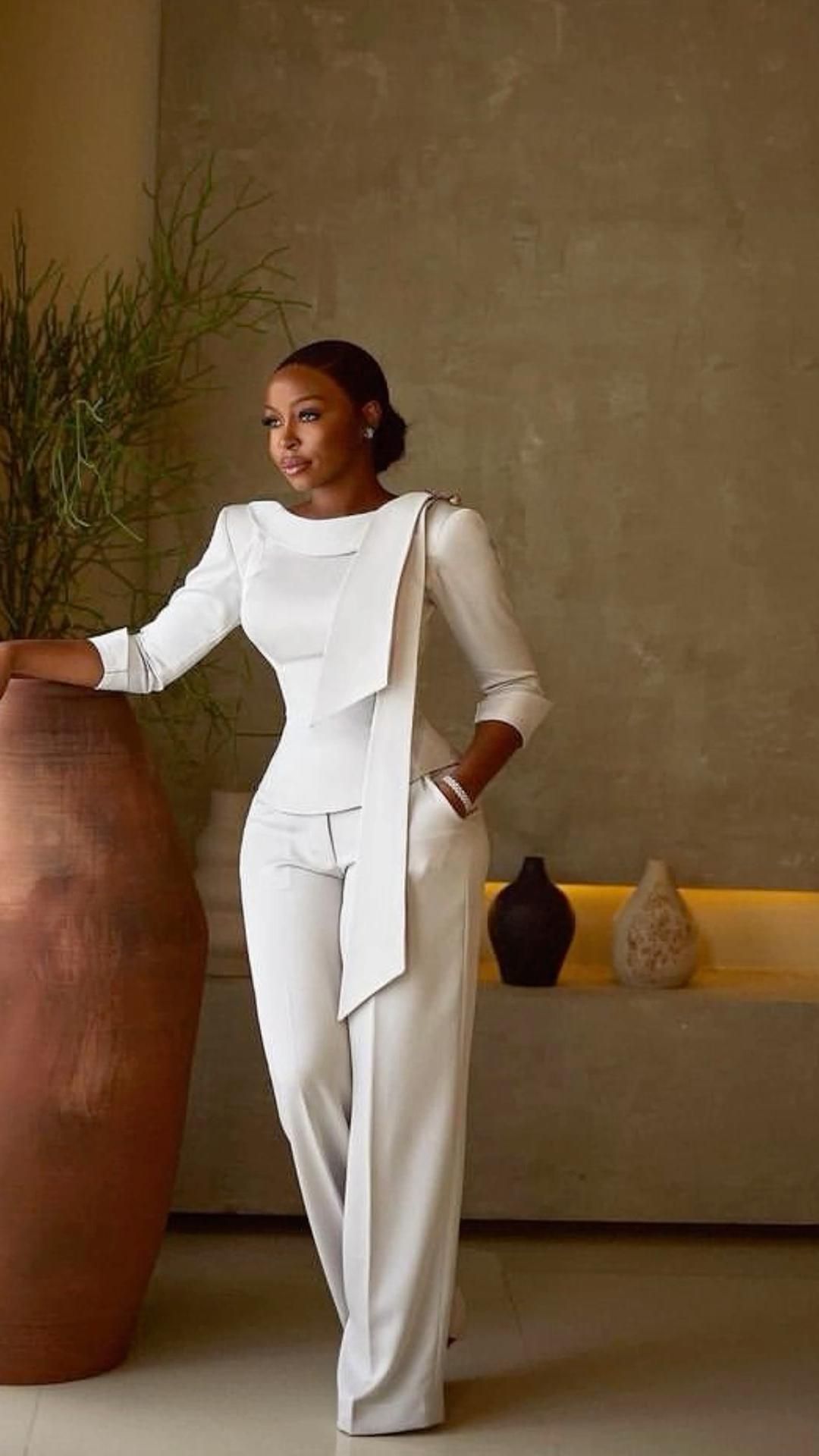
The tuxedo still works. That is not the problem. The problem arises when it becomes the only safe option. Traditional black tie often expects dark colours, western tailoring, minimal personal expression, and strict gender norms.
Across Africa and the diaspora, designers are pushing these boundaries. In Johannesburg and Nairobi, heritage ideas are cut into sharp evening looks. In Bahia and Port-au-Prince, ceremonial codes shape modern collections that feel polished, intentional, and serious.
Black tie redefined does not remove standards. It widens them. It creates a space where elegance can coexist with cultural meaning.
Black Tie Redefined Protects Elegance While Removing Hierarchy
Elegance is not about copying Europe. It is about discipline, presence, and intention. A garment is formal when it is well-made, fits with purpose, and respects the moment.
A structured Ethiopian dress can stand beside a tuxedo without apology. A tailored Xhosa evening look can hold space at a gala. A Haitian ceremonial white ensemble can command respect equal to a gown.
Black tie redefined teaches that formality should be measured by construction and authority, not by origin. It does not lower the bar; it makes the bar honest.
READ ALSO:
- The Heirloom Sweater: A Quiet Rebellion Against Disposable Fashion
- Why AfroFuturism Is Fashion’s Most Necessary Lens
- The Structured Blazer for Women: Power Dressing with Clarity and Authority
- How to Create a Home Sanctuary: Rest as a Strategy for Modern Women
Black Tie Redefined Is Not Rebellion. It Is Balance
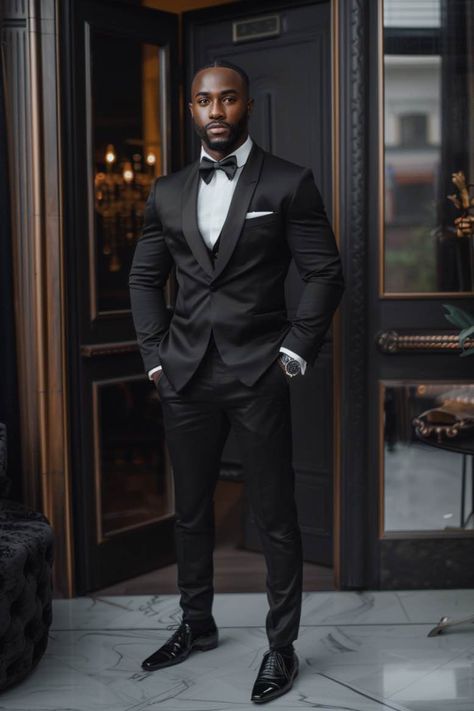
‘Black tie redefined’ does not erase the tuxedo. It removes its monopoly. The tuxedo remains part of global history, but it no longer dictates what constitutes elegance.
Across Africa, ceremonies have always had rules, structure, and meaning. Across the Caribbean, ceremonial clothing signals leadership and intent. Across Black Latin America, formal traditions are rooted in faith, community, and pride.
Black tie refined does not reject these practices. It acknowledges them as equal participants in the language of formal dressing. A well-cut traditional garment can hold the same authority as a tuxedo, and African- or Caribbean-inspired ensembles can command respect without apology.
The result is balance: elegance remains, ceremony remains, but the frame widens. Formal style has always been global. Africa, the Caribbean, and Black Latin America have carried their own rules of dignity, power, and presence. The ceremony does not need permission; it only needs recognition.
Conclusion
Black tie is no longer just a uniform. Black tie redefined proves formal dressing can do more. It can carry identity, honour heritage, and let personal style speak with authority.
Ceremony and refinement remain, but now they include culture, creativity, and self-expression. Elegance is not about following rules. It is about standing in a room with clarity and intent.
Across Africa, the Caribbean, and Black Latin America, formal clothing has always done this. Black Tie, redefined, simply names what has always been true.
Frequently Asked Questions
-
What Does “Black Tie Redefined” Mean?
It means keeping black tie formal and elegant while allowing personal style, cultural expression, and modern tailoring to coexist with tradition.
-
Can African Traditional Wear Be Worn at Black-Tie Events?
Yes. Agbada, aso-oke, kaftans, and other structured formal garments can be styled for a black tie, honouring heritage while staying polished and appropriate.
-
Do Women Have To Wear Gowns To Black-Tie Events?
Not necessarily. Structured ensembles, tailored suits, or cultural prints can all meet black-tie standards when styled with refinement and elegance.
-
Can I Mix Traditional Fabrics With Western Black Tie?
Absolutely. A modern black tie encourages mixing textures, fabrics, and subtle colours as long as the outfit maintains formality and presence.
-
Why Is Redefining Black Tie Important Today?
Rigid black tie rules can exclude cultural expression and modern identity. Redefining it preserves its elegance while making formalwear inclusive and personal.