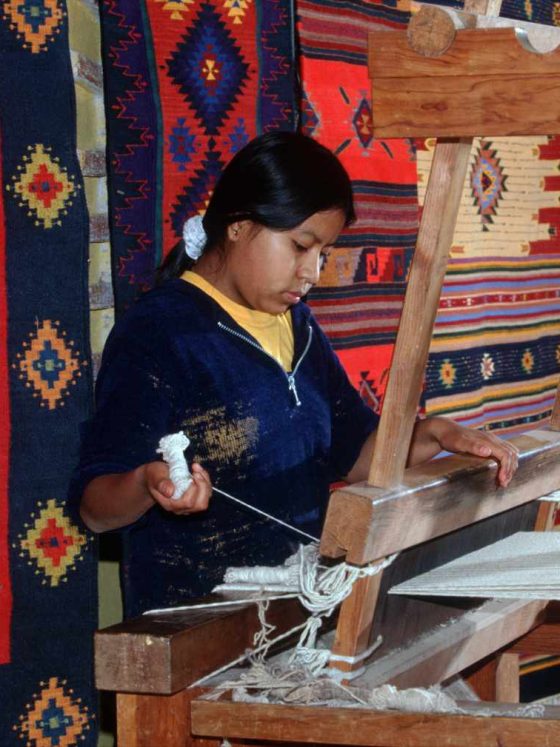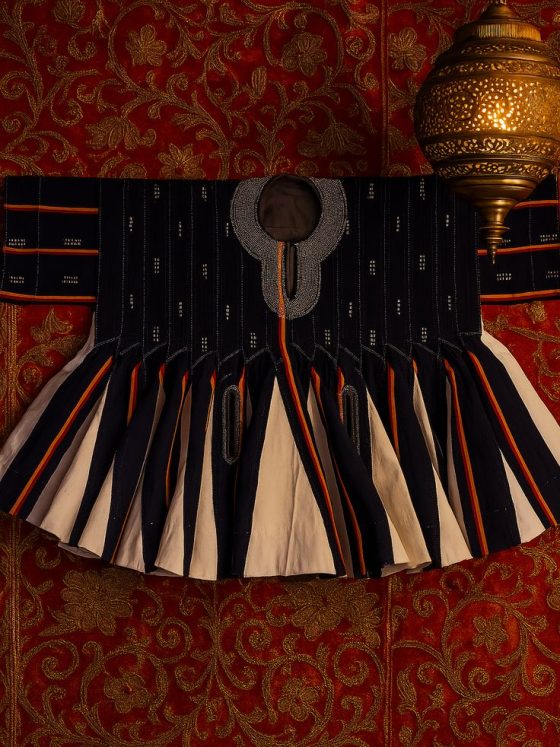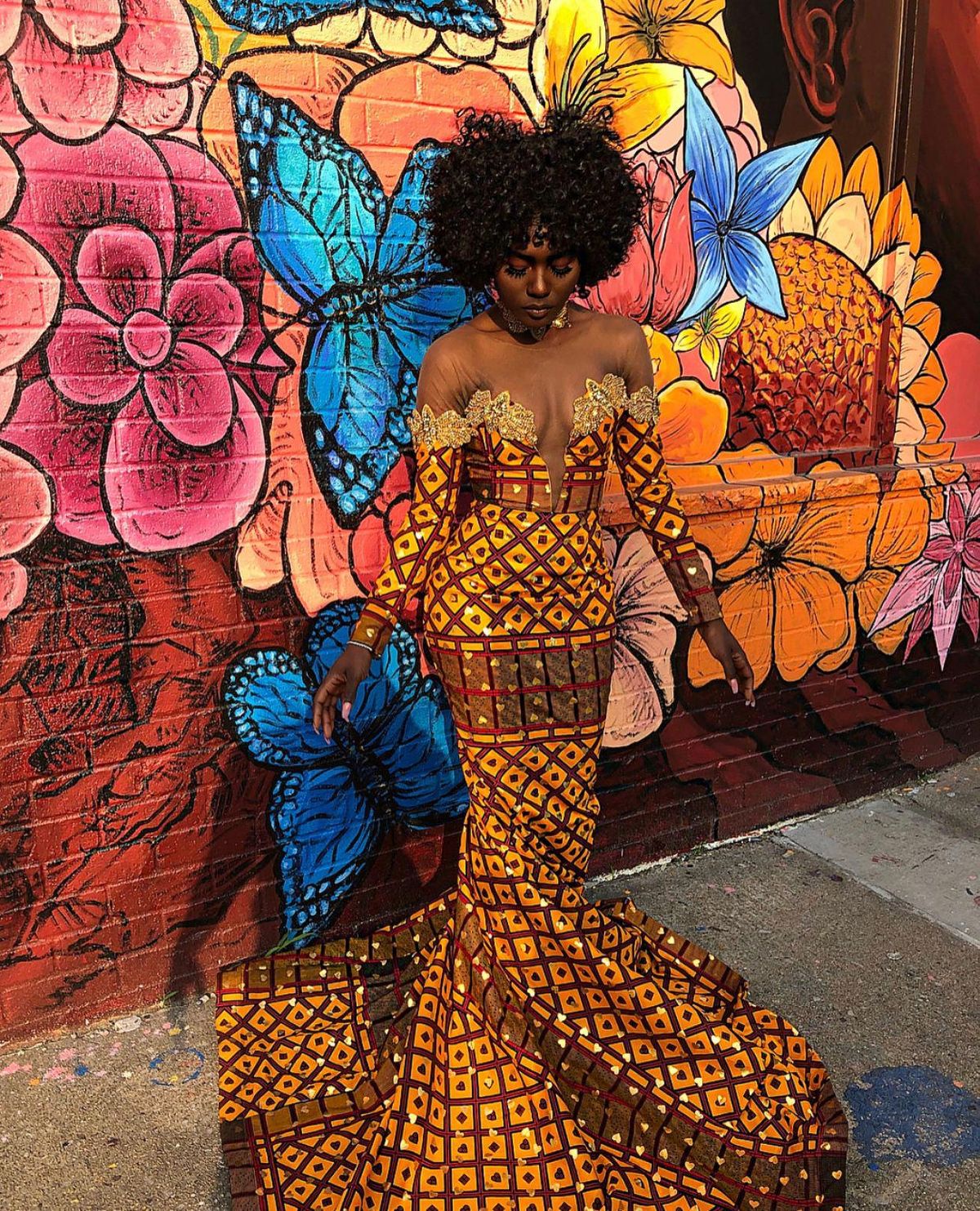
African print is often called vibrant, bold, or expressive. But those words barely scratch the surface. In African life, cloth has never been mere decoration. It is identity stitched, heritage folded, and presence declared.
From Ankara at naming ceremonies to Aso-Ebi coordination at weddings and funerals, from wax prints passed down through generations to bespoke heritage textiles commissioned for specific occasions, nothing is accidental. Every pattern communicates who you are, where you belong, and how you move through the world.
This is an African print, serving as modern armour. Not a runway spectacle. Not a trend. Everyday protection for culture, identity, and selfhood, worn across the continent and its diaspora with the full knowledge of what it carries.
In this article, we examine how African print shields identity, asserts belonging, and projects cultural authority, and why that function remains as alive today as ever.
From West African markets to diaspora high streets, African print has always functioned as armour: encoding belonging, asserting identity, and carrying cultural survival in every fold.
What African Print Signals Today
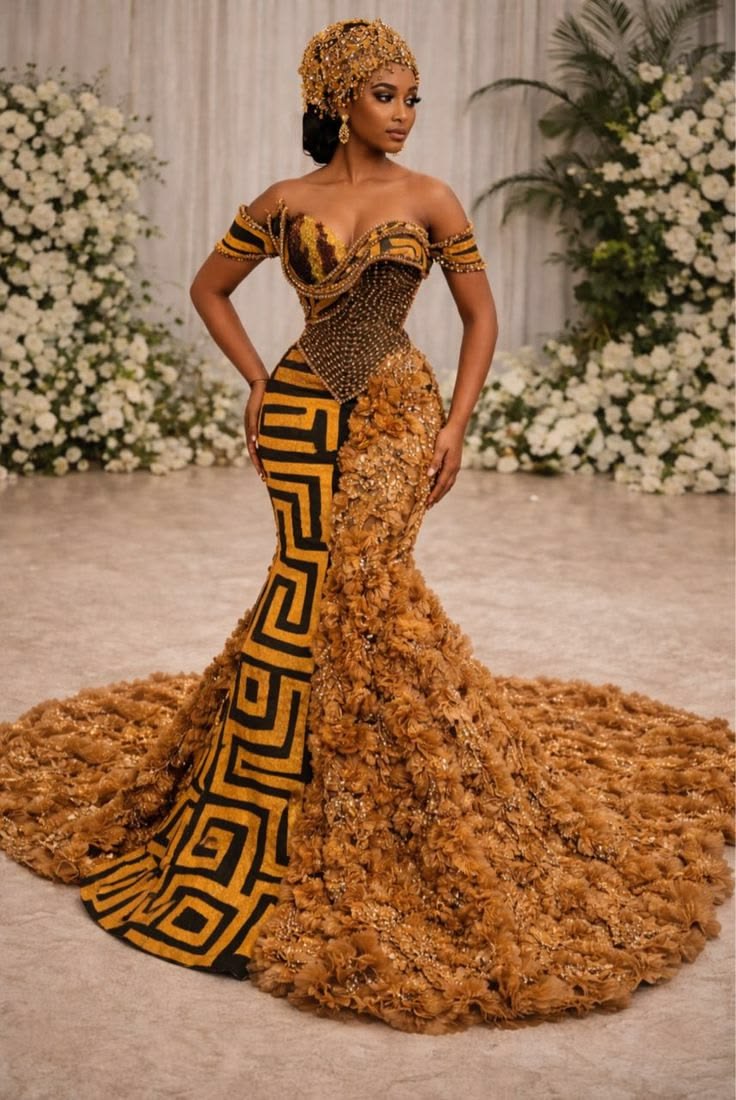
Today, African print symbolises identity, belonging, and cultural confidence. It tells people who you are, where you are rooted, and what you value, without a word spoken. At weddings, families line up in coordinated Ankara, each print chosen with intention. The fabric does more than adorn; it marks participation in a story larger than any individual.
Across Africa, professionals in boldly patterned fabrics are not just fashionable; they are claiming space, asserting heritage, and signalling cultural authority in modern workplaces. Culture doesn’t shrink to fit modernity; it asserts itself. In moments like these, African print, as modern armour, provides protection, presence, and self-definition in fabric.
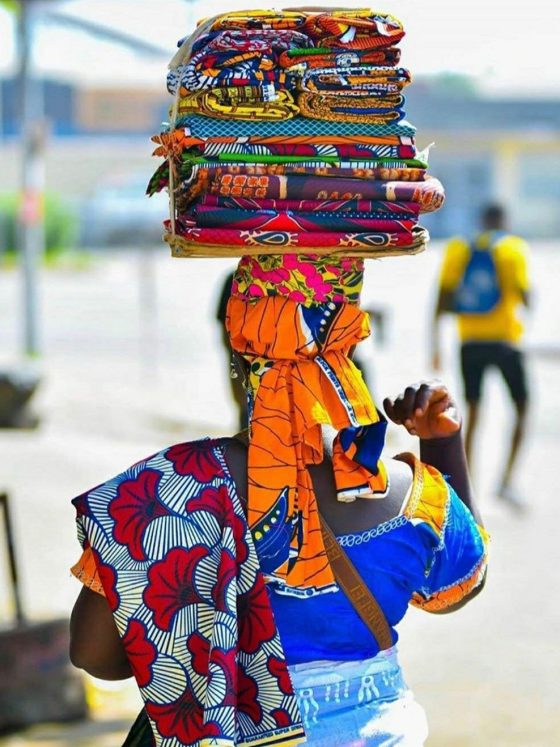
Even everyday choices carry meaning. A grandmother selecting wax prints for market day or a student picking a vibrant Ankara for class perform acts of self-definition and heritage. African print communicates identity as loudly as style.
The History and Cultural Significance of African Prints
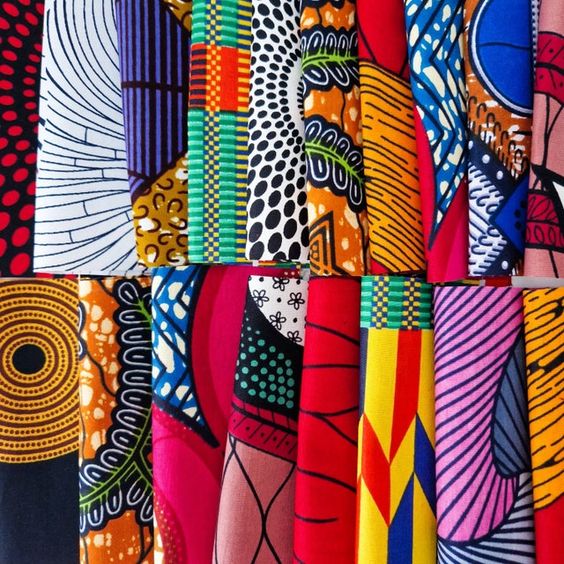
West Africans didn’t wait for global fashion to define boldness. They transformed imported wax prints into instruments of expression, giving each motif purpose, story, and place in daily life.
Here’s what African print is all about:
The Origins of African Wax Prints
European wax prints arrived in West Africa in the 19th century. Communities did not merely adopt them. They Africanized the colours, patterns, and meanings. Fabrics came to reflect ceremonies, heritage, social identity, and even political messaging.
In some regions, specific motifs conveyed marital status, mourning, or allegiance to a particular lineage. Over generations, these textiles became living archives of culture, laying the foundation for African print as modern Armour.
Heritage Preserved in Cloth
Selecting prints is more than style. It passes down family traditions, teaches younger generations about culture, and links wearers to ancestral stories. A grandmother choosing fabrics for market day is actively keeping heritage alive.
African Prints As Social Language
African prints speak without words. From markets to offices, each motif communicates authority, intention, and belonging. Cloth mediates relationships, marks social roles, and asserts presence.
This layered history explains why African print as modern armour functions as both heritage and strategy stitched into cloth. It shields identity, asserts belonging, and communicates authority.
ALSO READ:
- How the Grandmother’s Headwrap Wove a Legacy of Culture and Identity
- Why Your Jewellery Should Have A Provenance, Not Just A Price
- How Silhouettes Speak: A History Of Power In Black Women’s Fashion
- How The Colour Purple Claimed Its Royalty
The Future of African Print

African print is gaining global recognition not only as an aesthetic but also as a cultural authority. Designers across Africa are reinterpreting heritage fabrics for modern runways, streetwear, and international collaborations.
Social media platforms amplify these stories, which makes African print a tool for both visibility and influence. Now, what was once a local tradition shapes international fashion. Bold Ankara appears on Paris runways, wax-inspired designs reach New York, and African prints influence global streetwear.
More than just aesthetics, this global recognition positions African print as modern armour and cultural authority. Heritage can be contemporary, wearable, and influential worldwide.
The future is clear. African print will continue to blend identity, innovation, and visibility. Culture worn boldly is power in motion.
Conclusion
African print is not just worn; it lives. Every fold, motif, and hue carries memory, authority, and belonging. When you drape yourself in Ankara, Kente, or wax prints, you are not merely dressing. You are stepping into history, claiming space, and asserting presence in a world that often questions it.
African prints, as modern armour, do more than protect identity. It speaks before you do, signals heritage across generations, and transforms everyday life into a stage for cultural confidence. It is heritage in motion, strategy in fabric, and power woven into threads.
To wear it boldly is to make a statement. Your culture is visible, your roots are acknowledged, and your place in the world is undeniable. African print is not a trend. It is armour, lived and worn, that shapes how Africa moves, asserts itself, and is seen everywhere.
See life through a creative lens — explore Culture & Arts on OmirenStyles
Frequently Asked Questions
-
What Does African Print Symbolise Today?
African prints symbolise identity, heritage, and belonging. It communicates culture and social presence without words, from family gatherings to professional spaces.
-
How Is African Print Considered Modern Armour?
It protects identity and asserts cultural confidence. Wearing African print signals heritage, claims space in society, and projects authority and presence.
-
What Is The History Of African Wax Prints?
European wax prints arrived in West Africa in the 19th century, but African communities reclaimed them, adding colours, patterns, and local meanings that reflected their heritage, ceremonies, and social identities.
-
How Do African Prints Function In Everyday Life?
From market stalls to offices, African prints communicate heritage, signal belonging, and ensure wearers are seen and respected, turning clothing into a tool for cultural self-definition.
-
Why Are African Prints Important In Modern Fashion?
African prints are more than trends; they carry heritage, assert identity, and provide a model for sustainable, culturally grounded fashion on local and global stages.