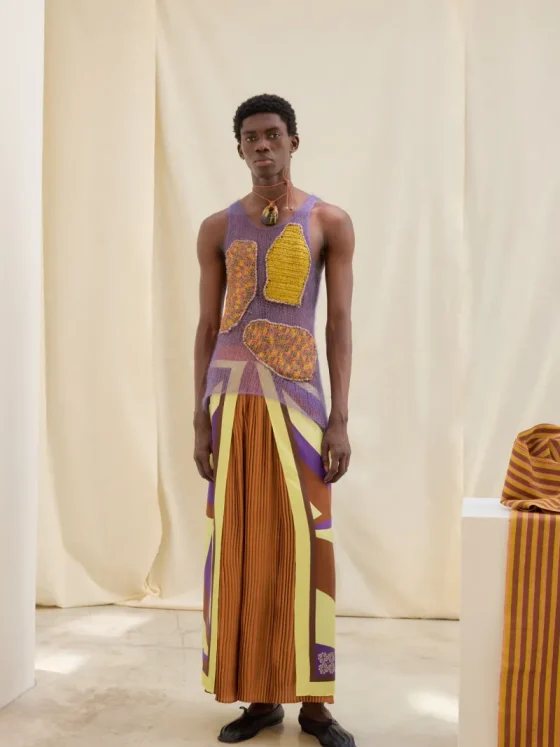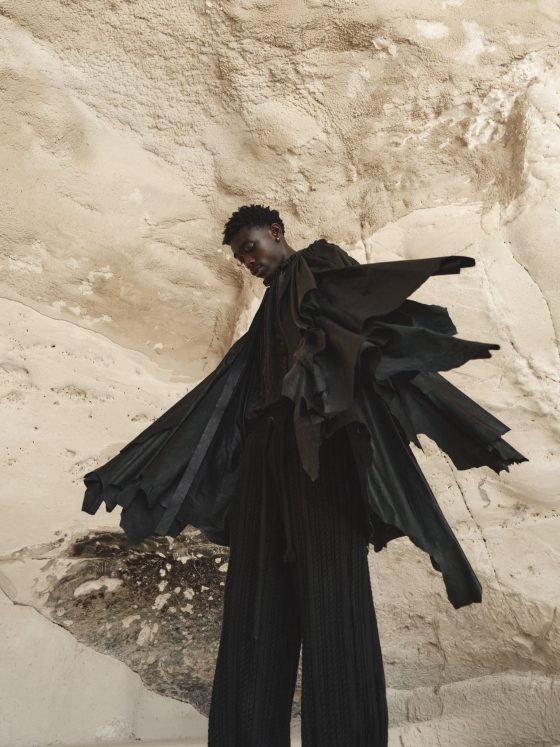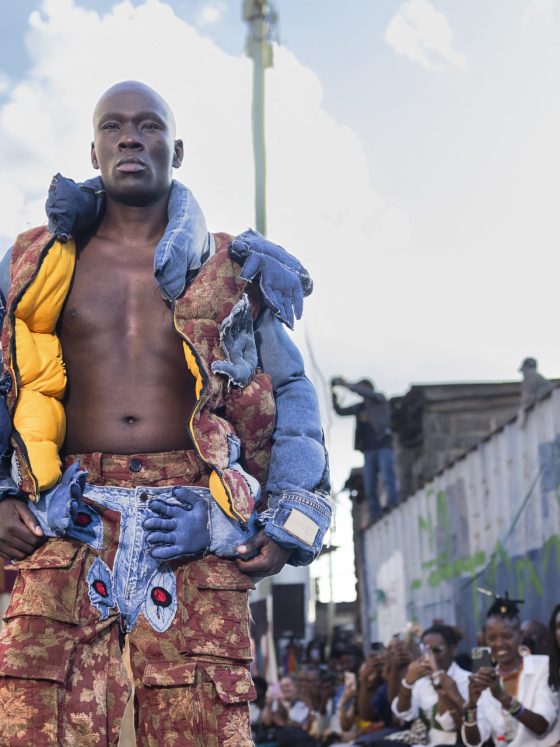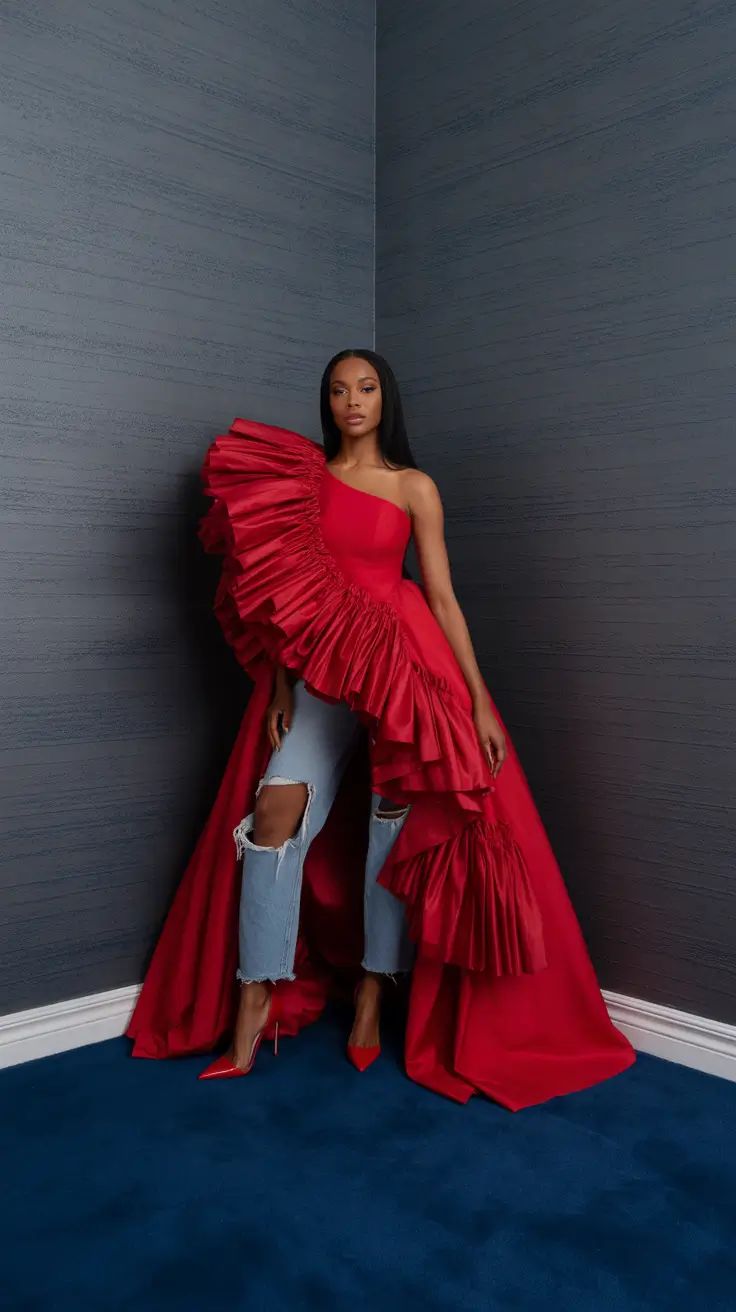
Most people think fashion starts with fabric or colour. But real fashion often starts with something quieter: construction. A seam can shape how a garment moves, how presence is projected, and how identity is communicated. In serious design, construction is not just technical work. It is storytelling.
The difference between basic clothing and intentional clothing often lies in the structure. The placement of a seam, the tension of a stitch, or the direction of a cut can turn a simple outfit into a message. Some garments announce themselves loudly. Others communicate through engineering. The second category usually lasts longer.
Garment construction is fashion’s hidden language. Once you understand it, you start seeing clothing differently.
How seams, stitches, and construction turn garments into statements. Explore the hidden language behind clothing structure and design intention.
The Seam as Architecture
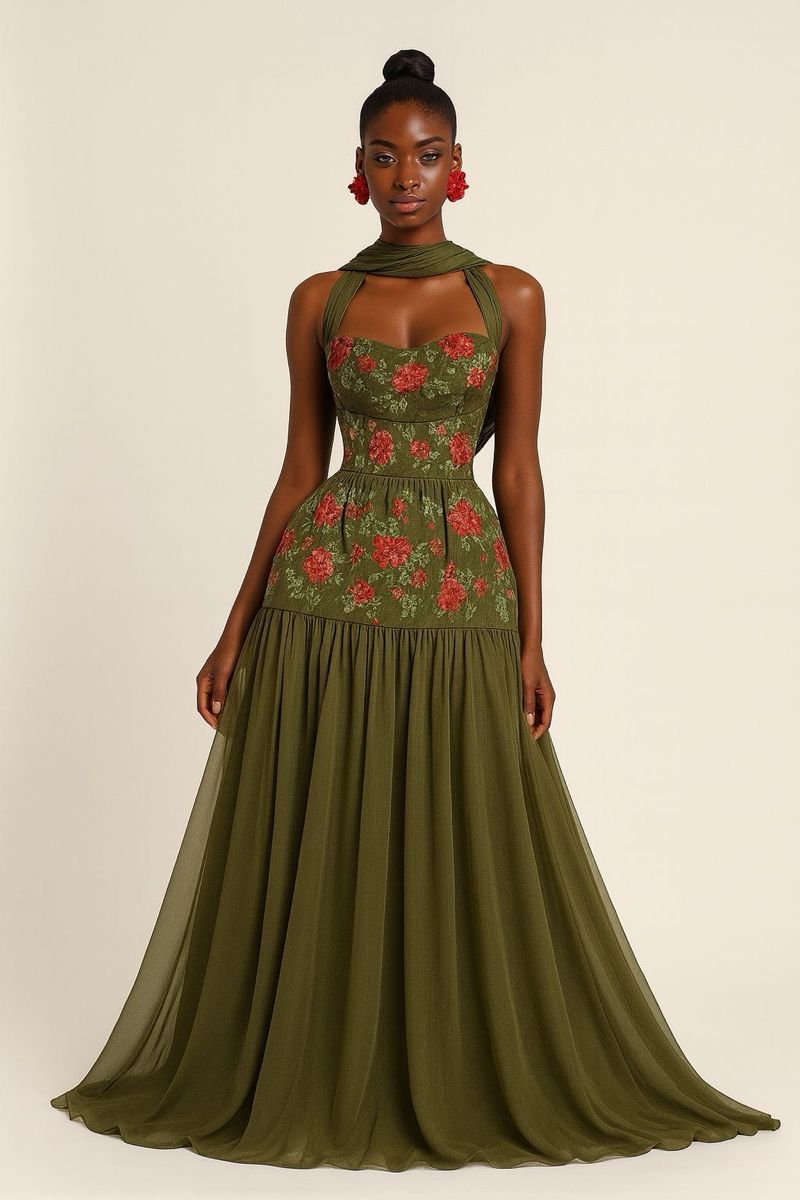
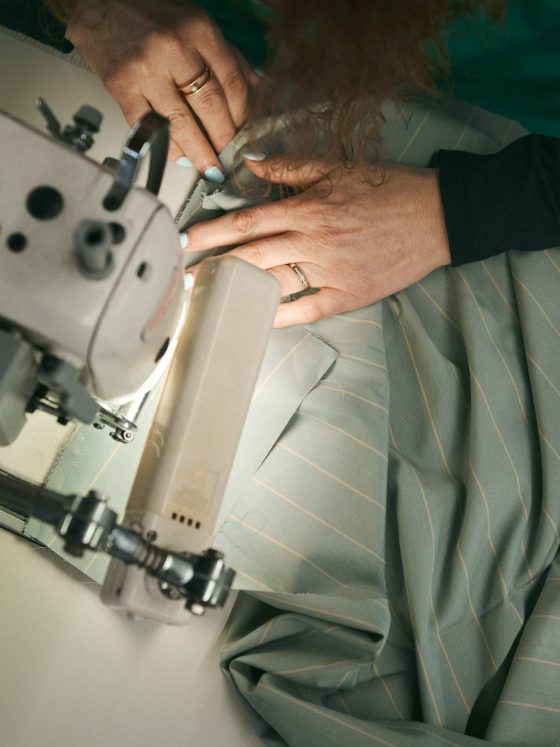
A seam is not just where two pieces of fabric meet. It decides how a garment sits on the body. It controls tension, movement, and silhouette. In structured clothing, seams work like the frame of a building. You do not see the frame first, but without it, nothing stands correctly.
In tailoring, seam placement can shape the waist without adding extra panels. In draped garments, seam direction can guide how fabric falls. Also, in technical clothing, seams can reduce bulk while keeping strength. These are not decorative decisions. They are structural choices that affect how a garment behaves over time.
When construction is intentional, clothing stops being passive. It starts with directing posture and movement.
Stitching as Decision-Making
Every stitch represents a choice. Designers decide stitch length, thread type, spacing, and direction. These details change durability, stretch, and even visual sharpness.
Tight stitches can create firmness and structure. Longer stitches can allow flexibility. Reinforced stitching can signal stress points where the designer expects tension during wear. Even topstitching, which many people see as decoration, often exists to hold layers in place and control shape.
In high-level design, stitching is rarely random. It is planned like a strategy.
Cut Lines and Power
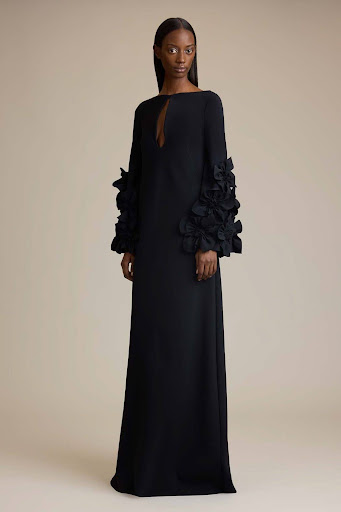
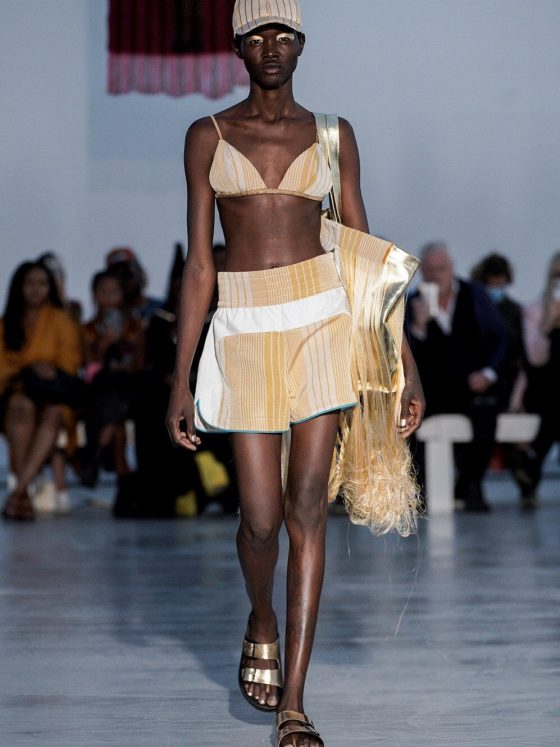
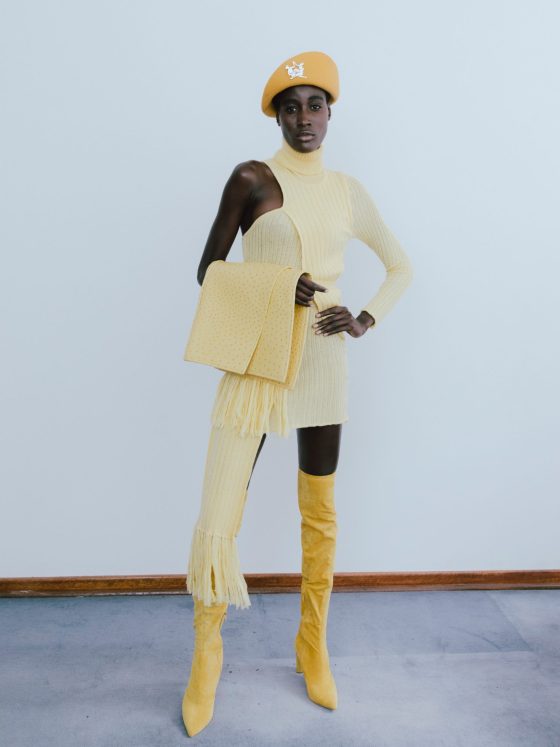
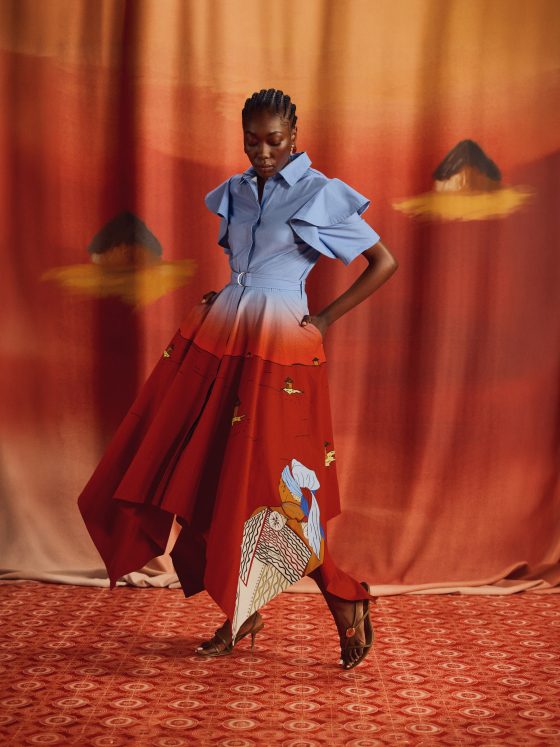
Where a garment is cut often matters more than what fabric is used. Cut lines decide how the eye travels across the body. A vertical seam can create length. A curved seam can soften the presence. A diagonal cut can introduce movement even when the wearer is standing still.
Power dressing has always relied on construction. Strong shoulder seams can change posture. Structured waist shaping can change how authority is read visually. Even relaxed garments use construction to signal intention. A loose garment that holds shape usually has a hidden internal structure that does the work.
Clothing does not just sit on the body. It can guide how the body is perceived.
Why Fast Fashion Hides Construction
Mass production focuses on speed and cost. Complex construction requires time, skilled labour, and planning. That is why many fast-produced garments rely on simplified seam layouts and minimal internal structure.
Such complexity does not always mean poor quality. But it often means less design intention. When construction is simplified, clothing becomes more about surface appearance than long-term structure.
Garments built with strong construction often age better. They hold shape longer. They maintain their silhouette after repeated wear. This is why well-constructed clothing often feels different even before you check the label.
READ MORE:
- What the Most Influential Fashion Pieces of 2026 Communicate Today
- Simplify, Then Elevate: The Quiet Power of Digital Minimalism in Fashion
Reading Clothing Like Language
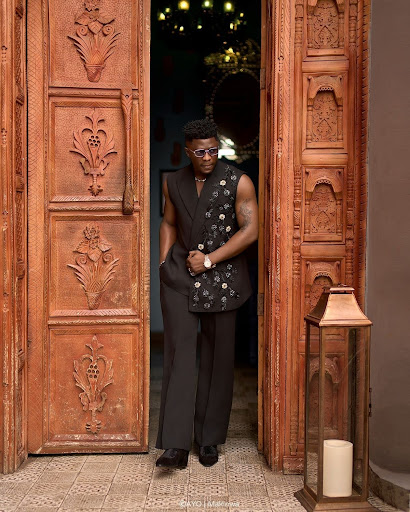
Once you start paying attention to construction, shopping and styling change. You start noticing shoulder alignment, seam tension, and internal finishing. You begin to see why some garments feel effortless while others feel slightly off, even when they look appealing on a hanger.
Fashion literacy is not only about trends. It is about understanding how garments are built. When you understand construction, you understand intention. And when you understand intention, you understand design.
Conclusion
Fashion often celebrates what is visible. But what makes clothing meaningful is often hidden inside the build. Seams, stitches, and cut lines quietly shape how garments perform and how people are perceived inside them.
A seam can be technical. But it can also be expressive. It can carry discipline, precision, culture, and identity. When designers treat construction as language, clothing moves beyond trend and enters meaning.
The next time you pick up a garment, look inside. The real story might be there.
Refresh your wardrobe inspiration — browse Fashion on OmirenStyles.
FAQs
1. What does garment construction mean in fashion design?
Garment construction refers to how a piece of clothing is built, including seams, stitching, cut lines, and internal structure. It shapes fit, movement, and durability, not just appearance.
2. Why are seams important in clothing design?
Seams control how a garment sits on the body, direct fabric flow, and influence the silhouette. Strategic seam placement can change posture, shape, and visual balance.
3. How can you tell if a garment is well constructed?
Well-constructed garments usually have aligned seams, reinforced stress points, clean internal finishing, and a structure that holds its shape after wear.
4. What is the difference between garment construction and garment design?
Design focuses on concept and appearance, while construction translates that idea into structure. Strong fashion pieces depend on both working together.
5. Why does fast fashion use simpler garment construction?
Fast fashion prioritises speed and cost, so it often simplifies seam layouts and internal structures. This reduces production time but limits longevity and precision.