In Uganda, fashion does not begin with fabric bolts shipped from abroad or trend forecasts drafted in distant cities. It starts with what has always been there. Banana plants line roads, fields, and backyards. They feed families, anchor rural economies, and shape daily life. For generations, their fibres were ignored, agricultural residue left behind after harvest, treated as waste rather than a resource.
That assumption is now being quietly dismantled.
In Kampala, engineers, designers, and material innovators are transforming banana-plant waste into textiles that can be cut, sewn, worn, and repeated. What is emerging is not a novelty fabric or a sustainability talking point, but a new way of thinking about where fashion comes from and who controls its raw materials.
At the centre of this shift is Banatex-EA, an initiative that has transformed banana fibre into a viable textile used for shirts, denim-weight fabrics, stockings, and other garments. Its impact reaches far beyond clothing. It redraws the relationship between agriculture and fashion, positioning Uganda not as a source of inspiration but as a source of material intelligence.
Uganda’s banana-fibre couture turns agricultural waste into high-fashion textiles, redefining sustainable luxury through material innovation and local systems.
Material Before Mood
Most fashion stories begin with designers. This one starts with fibre.
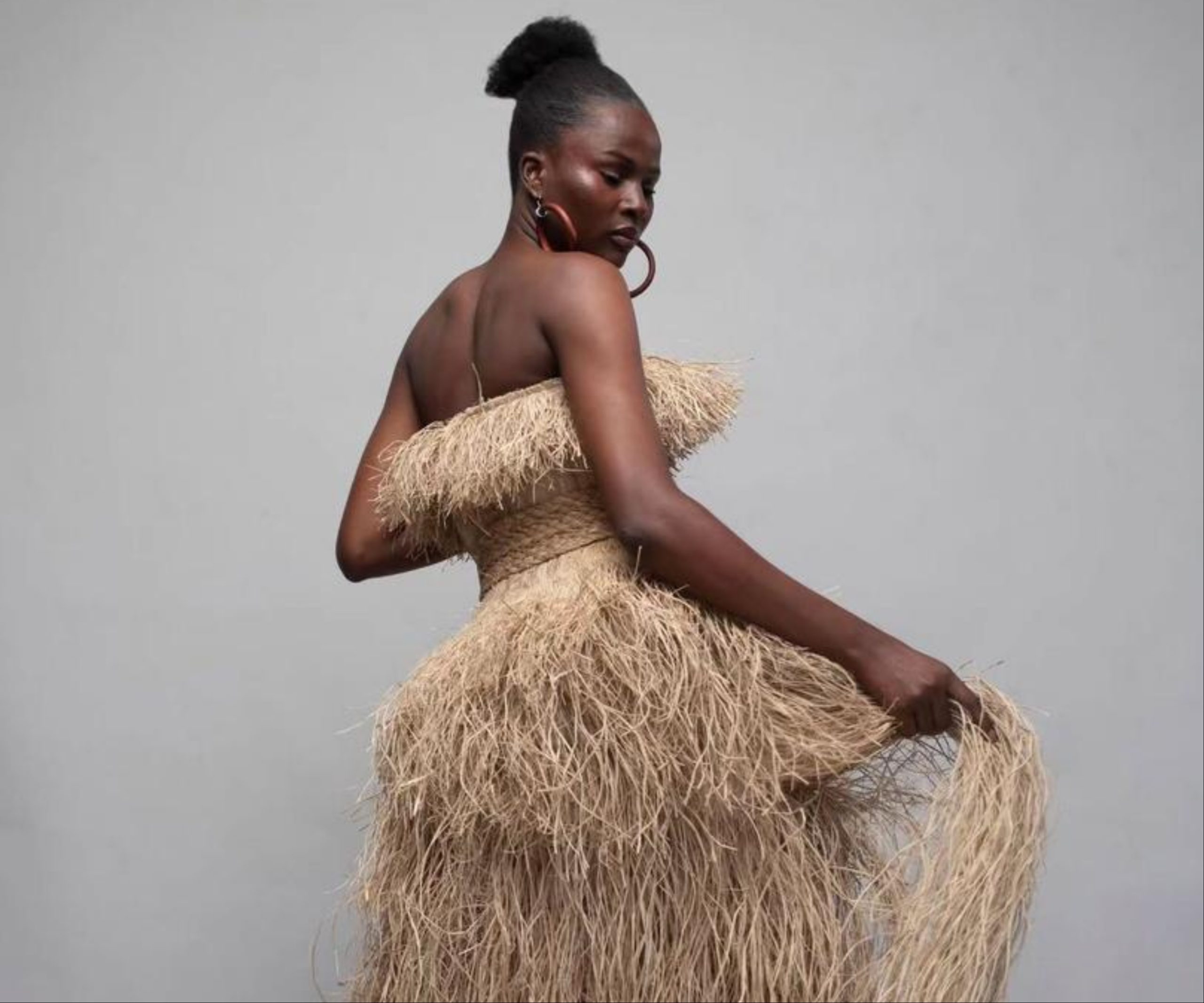
Banana fibres have a distinct logic. It is strong, breathable, and naturally suited to warm climates. When processed correctly, it can produce fabrics that range from lightweight to structured, making it adaptable across categories. Designers working with it must respond to the material rather than dominate it.
This reversal matters. It pushes fashion away from surface aesthetics and toward material-led design, where texture, durability, and origin guide the final form. The result is clothing that feels grounded, practical, and deliberate, not conceptual for its own sake.
Banana-fibre couture is not about spectacle. It is about use.
Banatex-EA and the Intelligence of Systems
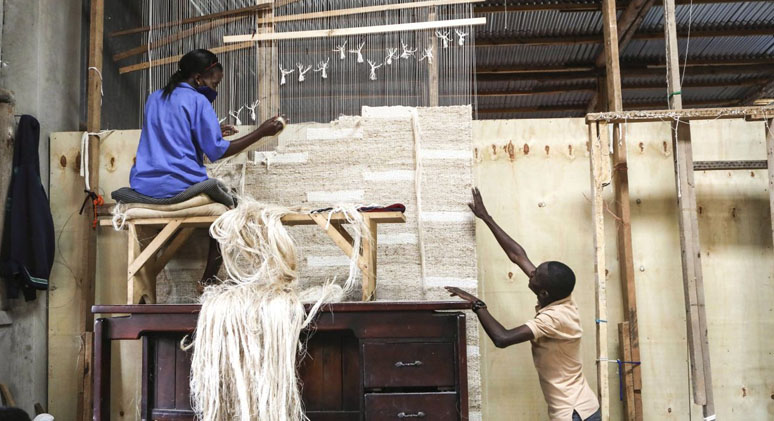
Banatex-EA operates at a rare intersection. It is neither a fashion house nor merely an agricultural cooperative. It is a system that links farmers, processors, and designers into a single value chain.
Banana plants regenerate quickly, producing large volumes of fibrous waste. Banatex-EA collects this waste, extracts the fibre, and processes it into spinnable material. In doing so, it creates an additional income stream for farmers while supplying designers with a locally sourced textile.
This initiative matters because it alters the economic geometry of fashion. Instead of importing materials and exporting value, Uganda retains both. Farmers become stakeholders in fashion production. Designers gain access to a material whose origin is transparent and whose supply is renewable.
Luxury, in this context, is not imported. It is cultivated.
From Kampala to Contemporary Fashion
The idea of banana fibres entering fashion spaces beyond Uganda is no longer theoretical. Designers experimenting with the textile are producing garments that move easily between utilitarian wear and elevated design. The fabric’s versatility allows it to exist outside the narrow category of “eco-textiles”.
This feature is crucial. Sustainability materials often fail because they are positioned as alternatives rather than equals. Banana Fibre avoids this trap by first proving its performance.
As global fashion searches for materials that meet environmental demands without sacrificing quality, banana fibre enters the conversation as a serious contender, not an ethical compromise.
A New Definition of Green Luxury

What is emerging in Kampala is not “green fashion” in the branding sense. It is green fashion as infrastructure.
Banana-fibre couture does not rely on marketing narratives or carbon-offset language. Its sustainability is structural. Waste is reduced. Local labour is prioritised. Supply chains are shortened. These are not aesthetic choices. They are design decisions.
This approach reframes luxury from excess to intelligence. The value lies not in rarity but in coherence, in how well a system functions from land to garment.
Why Uganda Matters in This Conversation
Uganda’s role in this story is not incidental. The country’s agricultural base, combined with its growing design ecosystem, creates conditions where material innovation can thrive without external dependence.
By developing textiles locally, Uganda challenges the assumption that fashion innovations must come from industrial centres. It proves that knowledge can travel outward from the Global South, not only inward.
Beyond Fashion: A Cultural Shift
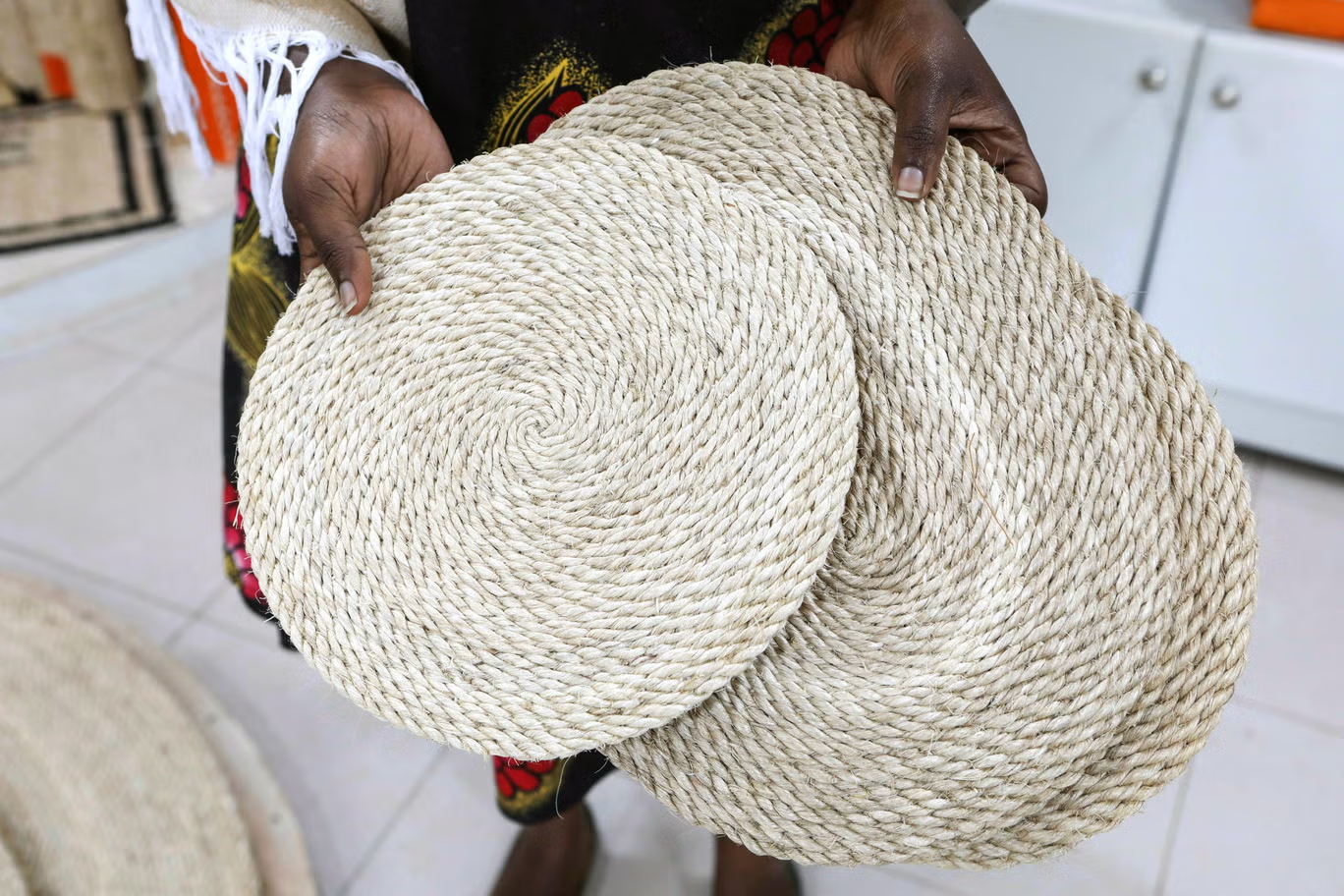
The implications of banana-fibre textiles extend beyond clothing. They point to a broader cultural shift in how African countries approach value creation. Instead of exporting raw materials and importing finished goods, initiatives such as Banatex-EA demonstrate the value of processing, design, and ownership.
Fashion becomes a vehicle for economic agency rather than consumption alone.
This is why the story resonates. It is not about trend cycles. It is about control over materials, labour, and narrative.
Why This Story Matters Now
As fashion confronts its environmental limits, material innovation has become unavoidable. Yet many conversations remain abstract, focused on future technologies or speculative solutions.
Banana-fibre couture offers something different: a working model already in motion.
It shows how sustainability can emerge from local realities rather than imported frameworks. It suggests that the future of luxury may depend less on invention and more on re-seeing what already exists.
Read also
- Swahili Futurism: How Dar es Salaam Is Rewriting Fashion’s Relationship With Time
- Kinshasa Rising: How Congolese Women Are Claiming Fashion Authorship
- Harare Haute: Zimbabwe’s Afro-Minimalist Revolution
A Future Grown, Not Manufactured
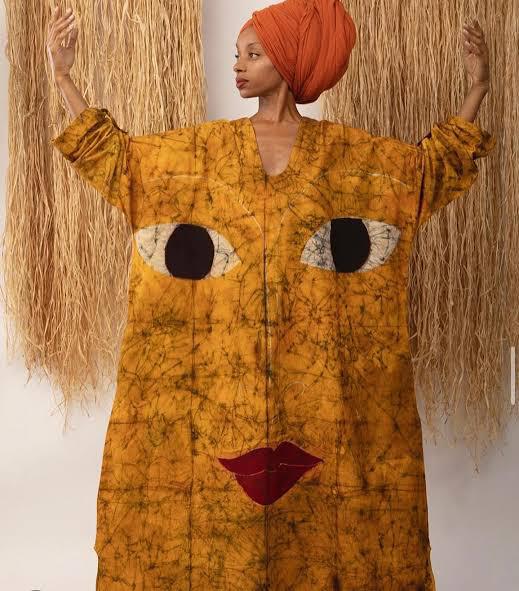
In Uganda, banana plants will continue to grow as they always have. What has changed is how they are perceived.
By turning agricultural waste into fashion material, Kampala’s innovators are not just producing cloth. They are redefining authorship in fashion, shifting it from distant factories to local ecosystems.
Banana-fibre couture does not shout its relevance. It simply works. And in an industry increasingly seeking credibility, that may be its greatest strength.
Stay ahead of the style conversation—explore Cover Stories on OmirenStyles
Frequently Asked Questions
- What is banana-fibre couture?
It refers to fashions made from fibres extracted from banana plants, traditionally considered agricultural waste.
- Where is banana-fibre fashion developed in Africa?
Kampala, Uganda, is a leading hub, driven by initiatives like Banatex-EA.
- Are banana fibres suitable for everyday clothing?
Yes. It can be processed into durable, breathable fabrics suitable for shirts, denim, and other garments.
- Why is banana fibre considered sustainable?
Banana fibre uses renewable plant waste, reduces agricultural by-products, and supports local supply chains.
- How does this impact African fashion globally?
It positions Africa as a source of material innovation, not just design inspiration.