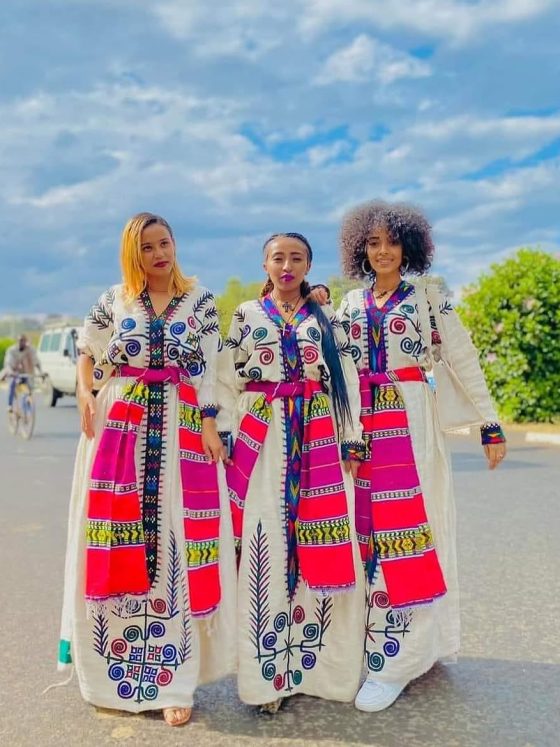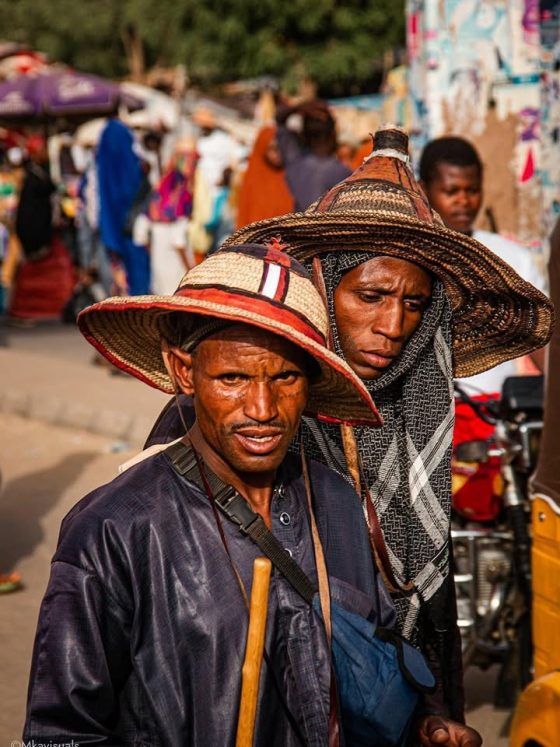
Some destinations stay in people’s memories long after they leave, not because of landmarks, but because of the life, culture, and atmosphere they experienced.
The way people live, the way locals interact, and the small cultural details often leave stronger impressions than famous attractions. This is why more travellers are beginning to see destinations as living stories, shaped by identity, history, and everyday life.
This shift is changing the purpose of travel itself. Instead of focusing solely on what can be seen, travellers are increasingly interested in what can be understood and felt. In this article, you’ll learn how travellers see destinations as living stories.
Travel is shifting toward something meaningful. Learn how destinations as living stories reveal culture, memory, and identity beyond traditional sightseeing.
How Modern Travellers Are Choosing Meaningful Experiences Over Sightseeing

Travel is no longer driven only by the desire to see famous locations. More travellers are becoming interested in how places feel, how people live, and what makes each destination culturally distinct.
Instead of moving quickly from one landmark to another, many travellers now pay attention to everyday moments, such as local conversations, traditions, and social rhythms that reveal a place’s identity. These experiences create stronger emotional connections and more lasting memories.
Social media and changing travel values have also influenced this shift. Travellers increasingly share moments that reflect authenticity and personal meaning rather than just popular attractions.
As a result, destinations are now understood less as points on a map and more as environments shaped by culture, people, and lived experience.
Why Story‑Driven Travel Feels More Meaningful
The trips people remember most aren’t the ones with perfect photos. They’re the ones filled with small, real moments that happen naturally. These moments turn ordinary places into destinations as living stories.
It might be a street musician playing a tune that lingers in your mind or a local artisan showing a craft passed down for generations. Simple experiences like these help tourists connect with the heart of a place.
Even the tiniest details can last a lifetime. The smell of fresh bread in the morning, the sound of bells in a quiet street, or the friendly way locals greet each other can reveal more about a place than any guidebook.
Story-driven travel is not just about fulfilling checklists. It’s about noticing opportunities as they unfold. When travellers slow down and pay attention, a destination comes alive in a way that photos alone can’t capture. These are the moments that stay with you long after the trip ends.
Elements That Turn Destinations Into Living Stories
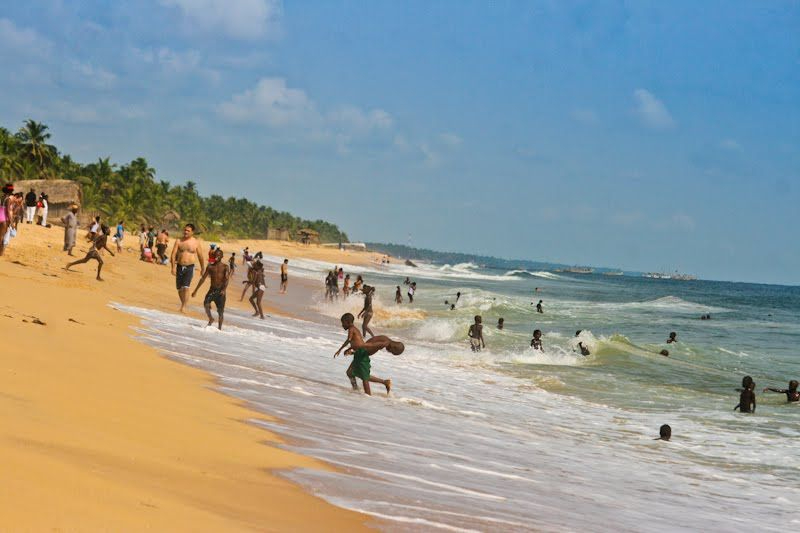
What makes a place feel alive isn’t just its landmarks or scenery. It’s the people who move through it, the routines they follow, and the small details that hold memory and meaning. Below are the elements that turn destinations into living stories:
1. People And Daily Life
The people who live there are the first sign of a place’s character. Street vendors, shopkeepers, artisans, and everyday neighbours all carry tradition through their gestures and conversations.
Even simple interactions, like asking for directions, sharing a smile, or trying a local snack, reveal layers of culture and personality that no guidebook can capture.
2. Food And Culture
Food is another thread. A meal prepared in the same way for generations tells a story of heritage, climate, and craft. The spices, techniques, and presentation reflect more than taste; they carry the rhythm of daily life and the community’s history.
3. History And Memory
History and memory also shape how destinations feel. Streets, walls, and buildings often hold the echoes of past events, folklore, or local legends.
A neighbourhood can feel different at dawn, noon, or evening because it carries layers of collective memory, from bustling markets to quiet corners where stories linger in the shadows.
4. Landscape And Environment
The environment itself is crucial. Landscapes, rivers, and parks don’t just exist; they hold meaning for the people who inhabit them. Sacred sites, public squares, or gardens can tell stories about culture, belief, and everyday life, making the destination feel lived-in rather than staged.
Together, these elements—people, culture, history, and environment—create a unique rhythm and character for each place. Noticing them turns a simple visit into an immersive, memorable experience that feels distinctly alive.
How Travellers Become Part Of The Story

Travel isn’t just observing; it’s joining in, in ways that feel natural and respectful. The story of a place grows when you interact with it, and even small choices can change how you experience it.
Maybe you spend a morning learning traditional weaving or join a community dance practice passed down for generations.
Perhaps you take a guided walk through a nearby forest or riverbank, hearing stories about how the land shaped the town’s rhythms, or visit a creative studio where locals turn raw materials into objects of beauty.
Being part of these moments means showing curiosity without taking over and noticing without interrupting.
Listening to the way traditions are performed, watching skills being passed on, or simply following along allows you to inhabit a destination’s story rather than just look at it from the outside.
When travellers step in this way, the place becomes dynamic. It becomes an active experience, a narrative that evolves with your presence and leaves you with memories that feel personal, layered, and distinctly alive.
RECOMMENDED:
- Luxury as Thoughtful Living in a Fast-Paced World
- Home Is The New Luxury: How Intentional Living Is Redefining Modern Lifestyle
- Cultural Identity in Interior Spaces: Designing Homes That Reflect Heritage
How Travel Can Keep Places Alive For The Future

Destinations cannot sustain their vibrancy on their own. Over-commercialisation, superficial tourism, and a focus on quick experiences can strip destinations of their character.
When traditions are overlooked, and everyday life is treated as a spectacle, the story of a place begins to fade.
Thoughtful travel makes a difference. Choosing experiences that highlight local crafts, joining small community events, or simply observing life without rushing preserves what makes a destination real.
Supporting creators and engaging mindfully keeps the story lived-in rather than staged.
Noticing the subtle details—songs in neighbourhood squares, work done behind closed doors, and quiet customs that aren’t on any maps—helps these stories endure. Every respectful interaction adds to the destination’s narrative.
Travel this way, and a place keeps its depth, personality, and richness. Its story doesn’t just survive; it grows, adapting while staying rooted in what makes it unique.
Conclusion
Destinations aren’t just places to see; they’re experiences to live. Every street, craft, tradition, and quiet corner carries a story that awaits discovery.
Travel that pays attention, engages respectfully, and moves beyond the surface lets you experience destinations as living stories, transforming how you remember and how those places continue to thrive.
When we travel thoughtfully, we don’t just witness a destination’s story. We become part of it, helping keep it alive for the future while creating memories that linger far longer than any landmark.
Frequently Asked Questions
1. What Does It Mean To Experience Destinations As Living Stories?
It means seeing a place as more than a collection of sights. You notice the people, traditions, local crafts, and everyday life that give the destination character. It’s about experiencing the story behind the place rather than just visiting it.
2. How Can Travellers Engage With A Destination Without Disturbing Its Story?
Pay attention, participate respectfully, and avoid rushing. Support local businesses, observe daily life without intruding, and join small community events or workshops. The key is curiosity without disruption.
3. Why Do Some Destinations Feel Alive While Others Don’t?
Places feel alive when local traditions, culture, and daily routines are visible and thriving. Overcommercialisation, staged experiences, and tourism that ignores local life can make a place feel static or inauthentic.
4. Can Modern Tourism Help Preserve The Stories Of Destinations?
Yes, when done thoughtfully. Travellers who choose authentic experiences, support artisans, and respect local customs help sustain the culture, traditions, and life that make a place unique.
5. How Do I Know If A Destination Has A Living Story?
Look for activity beyond tourist attractions: small businesses, local workshops, traditional ceremonies, and daily routines that show how life unfolds naturally. A place with character often has layers you can observe, interact with, and remember.