Where you live affects how you move, work, dress, and spend time with others, often in ways you don’t even notice. In a hot, crowded city, for example, people may walk quickly, dress lightly, and schedule their day around shade and airflow.
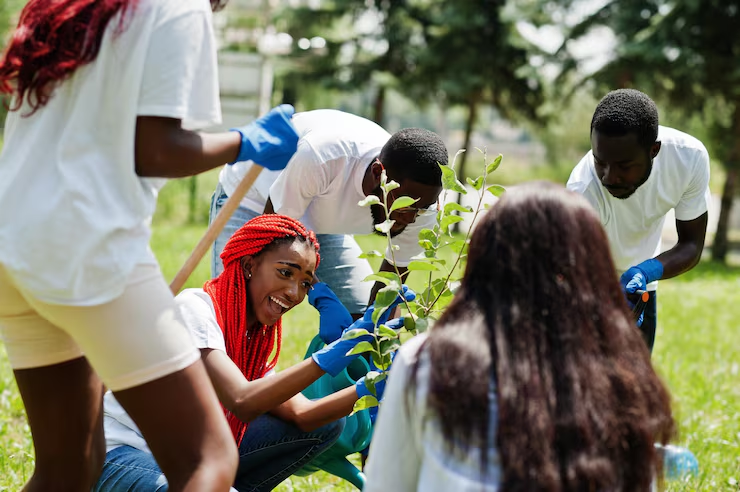
In rural areas, life often revolves around working together on daily tasks and seasonal activities, such as planting and harvesting crops, moving livestock to new grazing areas, fishing during the best seasons, building homes, or collecting water and firewood.
What places teach us about how people live is that your surroundings quietly shape daily routines long before habits or culture take hold. So, by paying attention to your environment, you can better understand why lifestyles differ, traditions last, and why specific ways of living continue across generations. Continue reading to learn more.
Learn how where people live influences their lifestyles, social behaviours, and traditions, using African communities as a lens for global insight.
Why the Environment Is One Of the Strongest Influences On Human Life
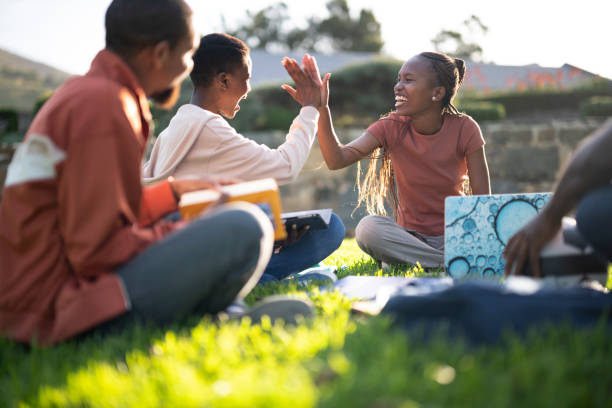
Before culture, fashion, or rules appear, people respond to where they live. What places teach us about people starts here, because the environment decides what is possible, what is hard, and what is needed every day.
Climate affects how bodies respond to heat and cold. Land affects whether people farm, trade, move, or stay in one place. The number of people around changes how space, time, and resources are shared.
These factors shape how people behave even before they make personal choices. In northern Nigeria, Kanuri and Fulani communities build homes with shade, ventilation, and open courtyards, and their daily routines centre on farming and cattle care.
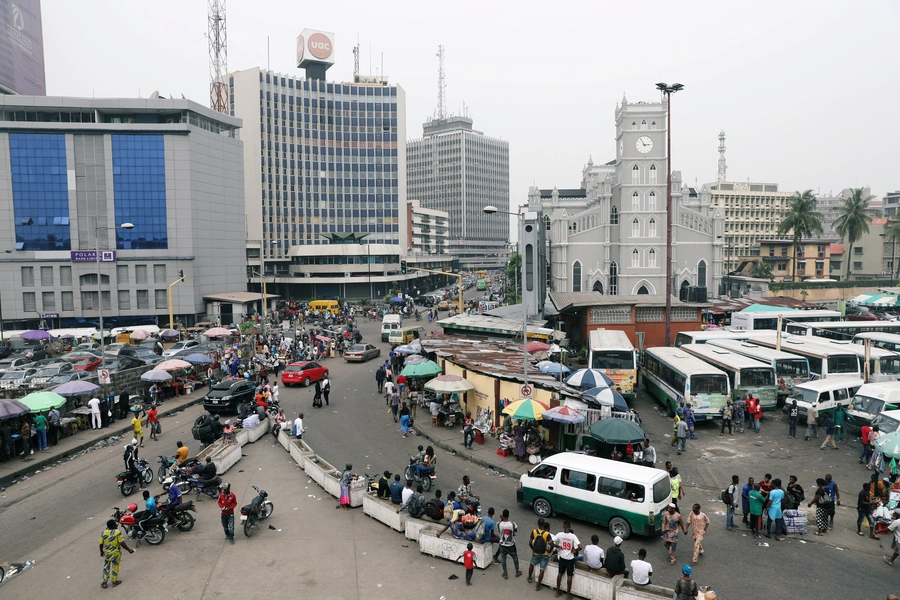
In the Niger Delta, river communities build stilt houses and plan fishing around the tides. In big cities like Lagos, narrow streets, crowded markets, and long commutes shape how people move, interact, and plan their days.
Looking at these examples shows clearly what places teach us about how people live. Our surroundings shape our habits, routines, and the way communities work, even before we make our own choices.
What Cities, Villages, And Communities Teach Us About People
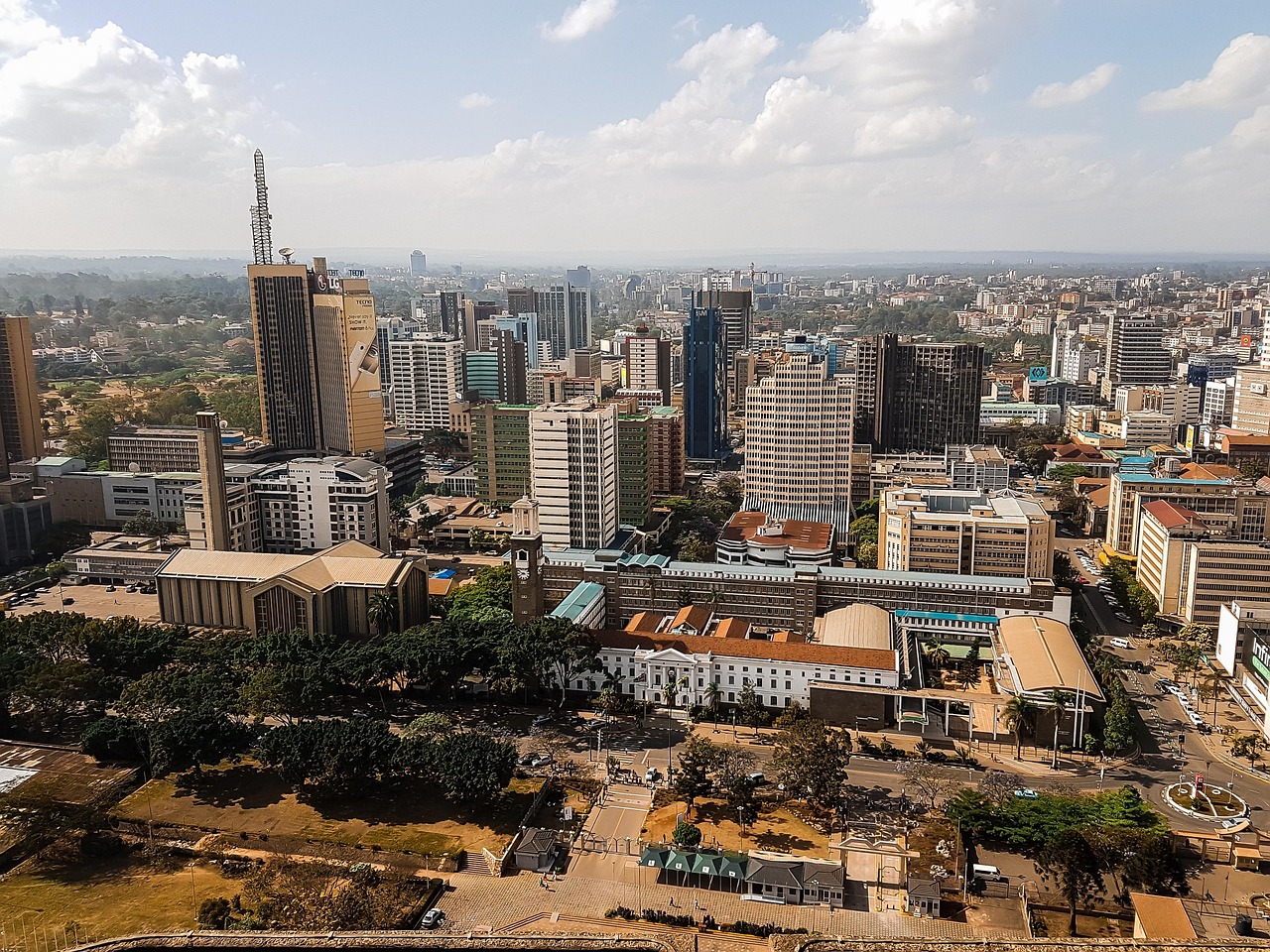
In many ways, what places teach us about how people live becomes clear when we compare different communities. In big cities, space is tight, and life moves fast. People are often in a hurry, so they value time, personal space, and efficiency.
You meet many different kinds of people, but relationships are usually brief and shown through small, everyday interactions.
In small towns, life feels more personal.
People know their neighbours; they greet each other by name, and look out for one another. Trust and cooperation matter because everyone depends on the community. Traditions are shared and passed down easily because people stay connected.
In rural or remote areas, working together is essential. Neighbours help each other survive, share resources, and make decisions together. In places like this, strong relationships aren’t optional; they’re necessary.
Using African Wisdom as a Global Lens
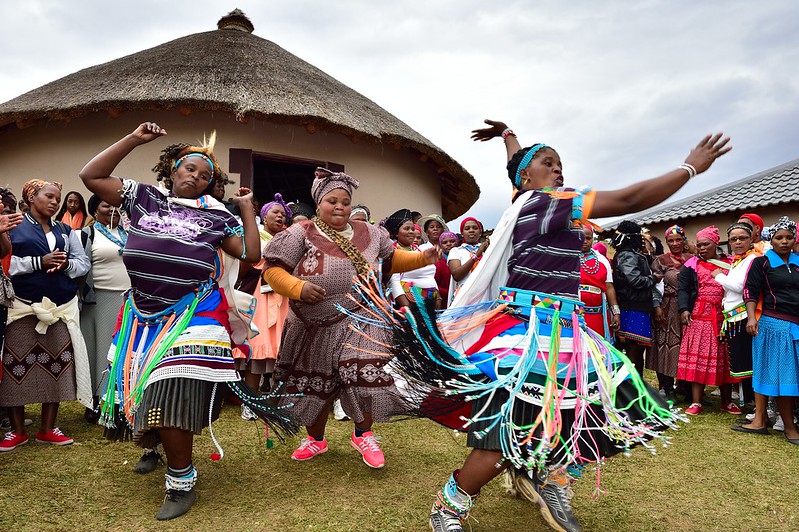
African communities offer a straightforward way to understand what places teach us about how people live because survival has always depended on paying close attention to the environment.
In many African societies, knowledge is practical. People do not separate daily life from learning. How to move, farm, share, or build is taught through experience, not books. This approach creates systems that last because they are tested every day.
Nomadic herders in the Sahel do not just move for animals. They plan together, share responsibility, and avoid waste. Their way of life demonstrates that strong communities are based on cooperation, not excess.
Along West Africa’s coast, fishing communities organise their lives around the ocean’s rhythm. Time, work, and rules follow nature, not the clock. This approach teaches a different idea of efficiency, one based on balance, not speed.
In Africa’s highlands, farmers work with the land instead of trying to change it. They build steps on hillsides and plant at the correct times. This shows that limits can lead to more innovative solutions, not failure.
These practices reveal something important. When people listen to their environment, they build systems that endure. This is why African wisdom matters globally. African wisdom isn’t about the past. It is a way of seeing. It is a perspective that transforms observation into comprehension, and comprehension into wise choices.
AlSO READ:
Why Understanding Places Builds Trust And Insight
Seeing how people live is only the first step. Knowing why they live that way adds meaning. It provides context and builds authority. Brands, creators, and cultural analysts often make assumptions about behaviours, fashions, or lifestyles. These assumptions fail when they ignore the environment, community, and history.
But understanding a place reveals deeper patterns, why routines form, why traditions last, and what places teach us about people over time. It turns surface trends into real insight. This kind of knowledge builds trust. It shows respect for real lives and authentic experiences. It shows that conclusions are based on understanding, not guesswork.
Conclusion
Places shape life quietly but powerfully. They organise daily routines, guide how communities work, and influence cultural expression long before personal choices or fashions take over.
By paying attention to the environment, community, and geography, we can understand why traditions last, lifestyles differ, and human creativity responds to both limits and opportunities. This is precisely what places teach us about how people live.
Live inspired — explore Lifestyle on OmirenStyles.
Frequently Asked Questions
1. How Does Where Someone Lives Shape Their Lifestyle?
Geography and environment determine what people can do, what resources they use, and how they organise daily life. Hot climates, cold climates, cities, and rural areas all produce different routines, habits, and social structures.
2. Why study African Communities To Understand Global Lifestyle?
African communities provide clear examples of how humans adapt to diverse environments. Their practices reveal patterns in survival, cooperation, and social organisation that apply universally, giving insight beyond a local context.
3. How Does Understanding A Place Help Brands And Creatives?
Understanding a place shows why people live, work, and make choices the way they do. Brands and people who design products, campaigns, or experiences can use this insight to create solutions that fit real needs, respect culture, and connect with people authentically.