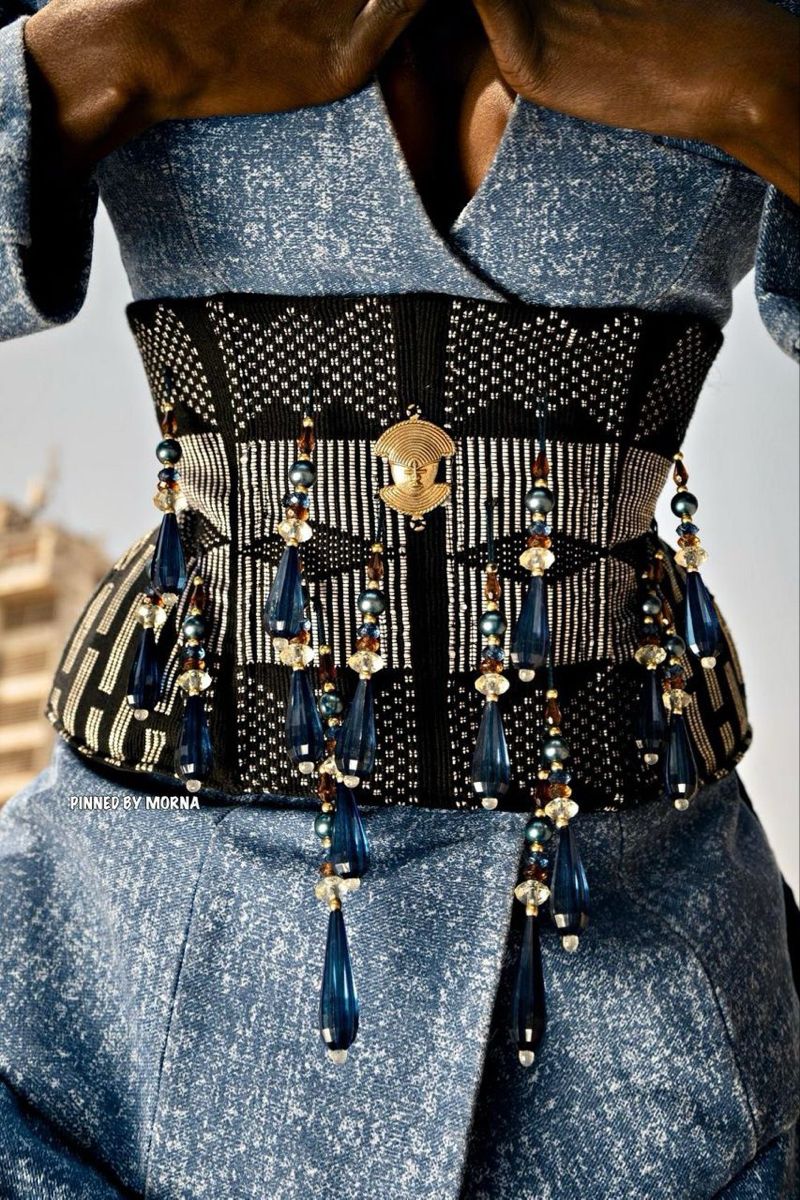
For years, the business served as a high-speed trend transmitter, creating viral shapes that were “on the news” for a heartbeat before disappearing into a landfill. However, the global mainstream is evolving. The modern, thinking customer is no longer enticed by the pandemonium of the “viral”; they are hungry for continuity.
At Omiren Styles, true luxury lies not in a flashy garment that demands attention, but in the longevity of the art and in creating a wardrobe that serves as a lasting cultural record. We are comparing this movement to the editorial integrity of giants like Vogue, moving away from disposable trends and toward structural and emotional durability.
Today, we look at why 2026 is the year to stop making “statements” and start constructing “legacies.” By applying the “Why” Rule to heritage textiles and somatic tailoring, we can see how the Diaspora is driving the movement toward a more inclusive, sustainable, and trustworthy fashion future. It is time to move beyond the front-row cacophony and invest in the one timeless thing: truth.
Beyond the viral silhouette: Discover why 2026 luxury is defined by emotional durability and heritage textiles. Omiren Styles benchmarks trust over trend chaos.
Inclusive Design for Emotional Durability
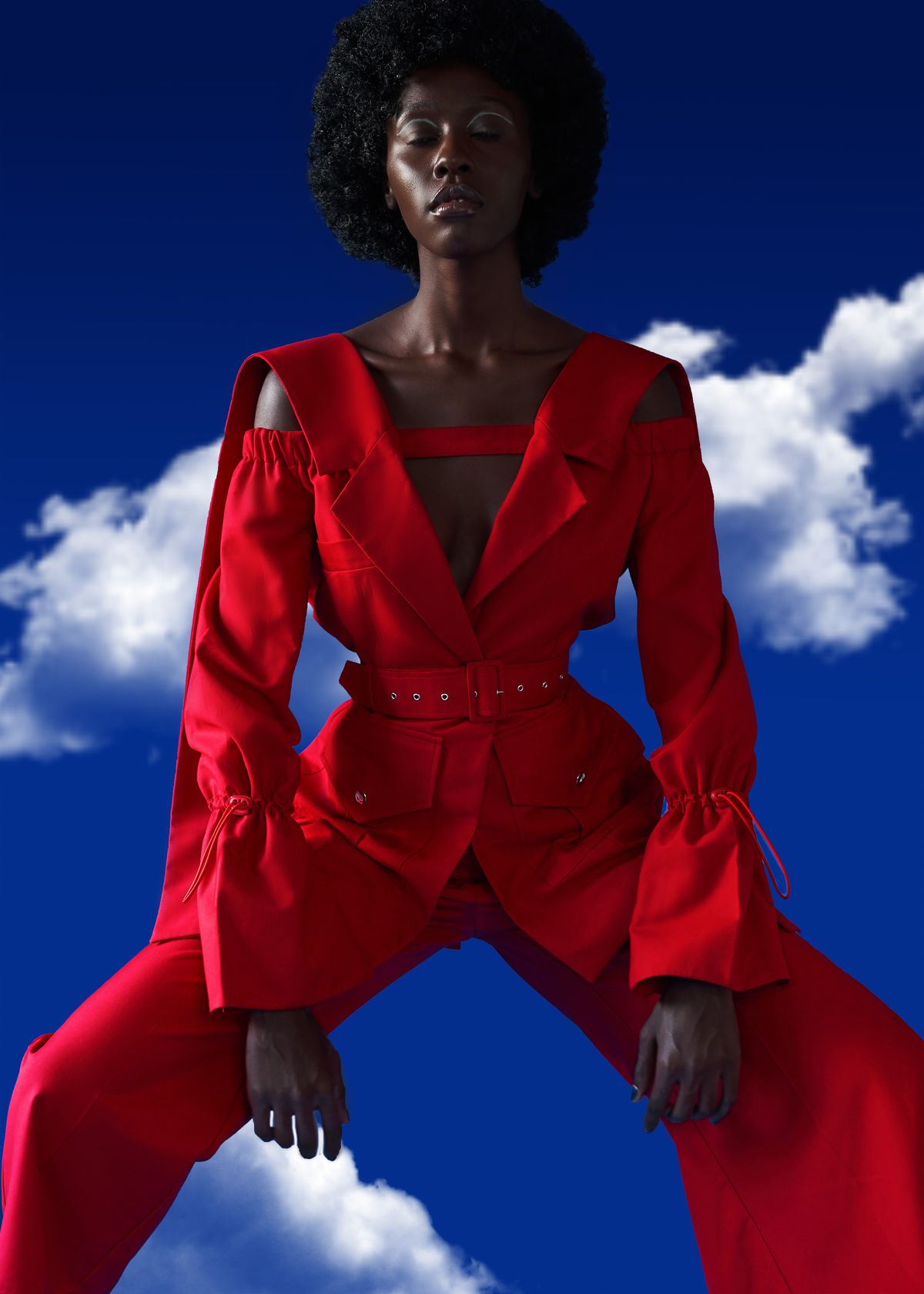
In 2026, longevity is more than simply the physical strength of a thread; it is also about inclusive architecture. A truly “heirloom” piece must be made to accommodate the evolving human form and the different needs of a global audience. At Omiren, we define luxury by how well a garment honours the wearer’s identity across time.
- Sustainable Crafts as a Foundation
Companies such as Awa Meité are rethinking the “statement piece” by emphasising the “why” of the material. They use hand-spun organic cotton from Mali to make clothing that is naturally biodegradable and carbon neutral. This is Sovereign Sustainability, and the fabric itself represents a legacy of environmental stewardship. Because traditional materials are breathable and hypoallergenic, they provide a somatic benefit that synthetic “fast luxury” cannot replicate, ensuring the piece’s popularity for decades.
- Inclusivity through Adaptive Tailoring
To be long-lasting, a garment must be “future-proof”. Brands like MmusoMaxwell and Thebe Magugu are setting the standard for inclusive, modular shapes. By incorporating adjustable features and promoting “gender-neutral” tailoring, they ensure people of all ages and sizes can wear their items. Such an approach is the pinnacle of social sustainability: designing a garment that does not exclude but instead allows a broader range of bodies to participate in the luxury narrative.
A brand that employs traditional Ethiopian weavers, many of whom are women supporting entire communities, creates a “human-centric” luxury that is tied to the durability of the community. For the Omiren reader, knowing that their investment is supporting a sustainable, inclusive ecosystem provides the ultimate trust.
Wellness as a Sustainable Staple
In 2026, longevity will be redefined through the prism of somatic luxury. It’s not just about how long a garment lasts in your closet; it’s also about how long it makes you feel anchored and healthy. At Omiren, we believe that a garment’s “sustainability” is also determined by how it affects the wearer’s nervous system. If a component does not contribute to your overall well-being, it will be removed from your rotation.
- Inclusive Textiles for Neurodivergent Comfort
True inclusion in 2026 entails designing for sensory demands. Brands like Anyango Mpinga, which sources non-toxic, botanically dyed silks and organic cottons, are leading this movement. These “somatic” fabrics are free of harsh chemicals, making them suitable for people with sensitive skin or neurodivergent sensory preferences. By emphasising the “why” of the textile’s touch, these companies establish Durable Trust, ensuring that the garment is worn for years rather than just once.
- Sustainable Heritage as a Wellness Practice
Look at the brand Awa Meité. By utilising hand-woven materials employed for centuries in West African healing practices, they offer more than just “style.” These materials function as a “second skin,” controlling energy and allowing breathability. This is regenerative luxury; the cloth genuinely benefits the wearer’s health. When clothing improves your physical well-being, its lifespan is automatically extended, decreasing the need for “trend-chasing” statement pieces.
- The Authority of Ethical Production
Inclusiveness also applies to craftspeople. Brands such as Lemlem guarantee that their sourcing practices are sustainable for the human workers involved. We honour the “Expert Hand” behind each stitch by paying fair salaries and creating a safe, welcoming atmosphere for Ethiopian artisans. This results in a Socially Sustainable Record, an item that retains the good energy of its production, making it a valuable heirloom in any current wardrobe.
ALSO READ:
Engineering a Permanent Future
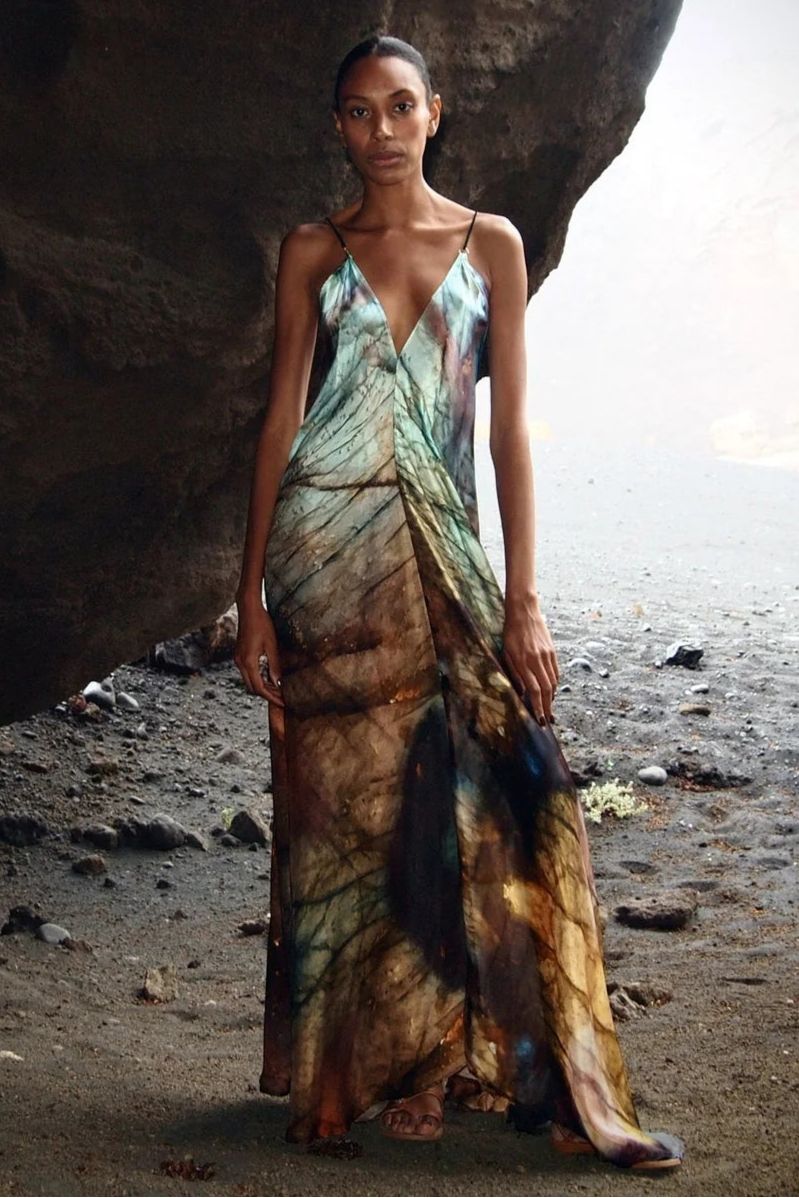
In the “old” mainstream, sustainability was a marketing criterion. In the New Mainstream of 2026, it is an operational discipline. At Omiren, we believe the ultimate “statement” is a garment that never ends up in a landfill. The Afrothentic Blueprint considers waste not as a burden, but as a high-value raw material for inclusive economic growth.
- Consider NKWO, the Nigerian powerhouse led by Nkwo Onwuka, as an example of zero-waste design intelligence. She invented Dakala Cloth, pioneering the “Philosophy of Less” movement. By removing post-consumer denim waste and re-weaving it into a textured, high-fashion textile, NKWO transforms global textile “chaos” into an organised, authoritative cultural record.
This is a circular fashion that is fundamentally inclusive: the NKWO Transform Project trains vulnerable and displaced women to make these textiles, ensuring that “sustainability” directly leads to financial independence for the community.
- Regenerative Heritage Materials: At Omiren, sustainability is understood as continuity. South African brand, The Joinery, transforms recycled plastic bottles into luxury accessories. At the same time, designers like José Hendo employ barkcloth, a completely natural, regenerative material gathered from the Mutuba tree without cutting it down.
The result is inclusiveness through environmental care; it preserves the land for future generations while providing a steady income for Ugandan barkcloth craftspeople. When you invest in these materials, you are committing to a permanent future in which fashion repairs rather than depletes the world.
- Upcycling as a Global Authority: African designers are demonstrating that the most “statement” item you can wear is an upcycled heritage. Brands such as House of Tayo in Rwanda and Reform Studio in Egypt (creators of Plastex, a regenerated plastic material) are redefining the New Mainstream.
They treat waste materials with the same reverence as gold, demonstrating that cultural intelligence can elevate “everyday” to “extraordinary.” The Omiren reader supports an inclusive standard that reinterprets waste as a tool for artistic expression and social fairness.
Conclusion
The “Longevity Ledger” is more than just a 2026 fashion fad; it is the official path to a new era of Global Cultural Authority. As we have seen, true luxury is no longer found in the noisy, fleeting “statement piece” but instead in clothing that provides somatic wellness, inclusive architecture, and circular integrity.
At Omiren Styles, we refuse to be “trend broadcasters” who only watch the news. By selecting narrative as authority and emphasising the “Why” above the product, we put ourselves at the centre of the debate. The industry’s trust gap can only be addressed through the editorial integrity and contextual depth we’ve discussed, where a garment is more than just a purchase but a sustainable, inclusive, and long-lasting cultural record.
The new mainstream does not desire the turmoil of the throng but rather the clarity of the tale. As the Diaspora pushes for high-trust fashion, Omiren exists to define its significance and guide the world into a future where fashion is as enduring as the culture it represents.
A statement is a moment; longevity is a movement. To understand how we are engineering a more meaningful and permanent fashion narrative, step into the Omiren evolution.
Frequently Asked Questions (FAQs):
- What is the “Longevity Ledger”?
It is a shift from buying loud, one-time “statement” clothes to investing in durable, high-quality pieces that act as a permanent cultural record in your closet.
- How is this “inclusive”?
Longevity brands like Thebe Magugu use inclusive, adaptive tailoring. This means the clothes are designed to fit diverse body types and age gracefully with you as your body changes.
- What does “somatic” mean for my clothes?
It means the fabric is chosen for wellness. Brands like Anyango Mpinga use non-toxic, sustainable silks that are inclusive for sensitive skin and help you feel calm and grounded.
- Is this better for the planet?
Yes. By choosing circular engineering, like NKWO’s upcycled denim, you reduce waste. Buying one “forever” piece is the most sustainable move you can make.
- How do I start?
Look for the “Why”. Choose brands with editorial integrity that prioritise heritage crafts over fast-moving trends. Focus on the story, not just the look.