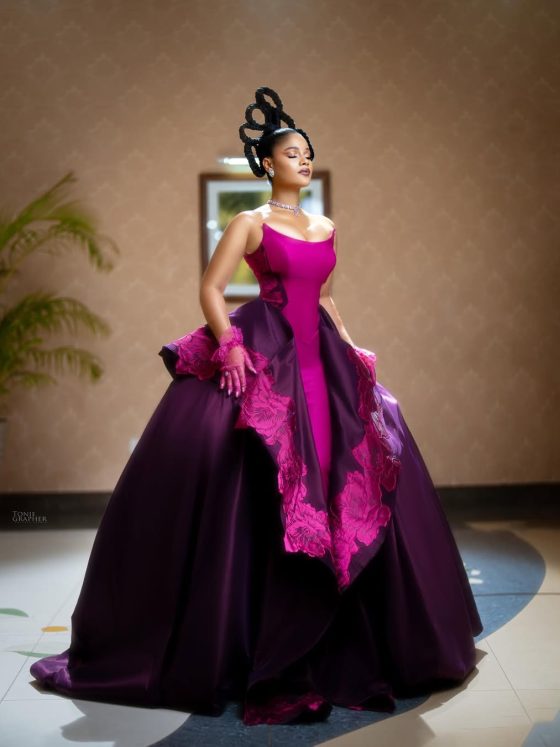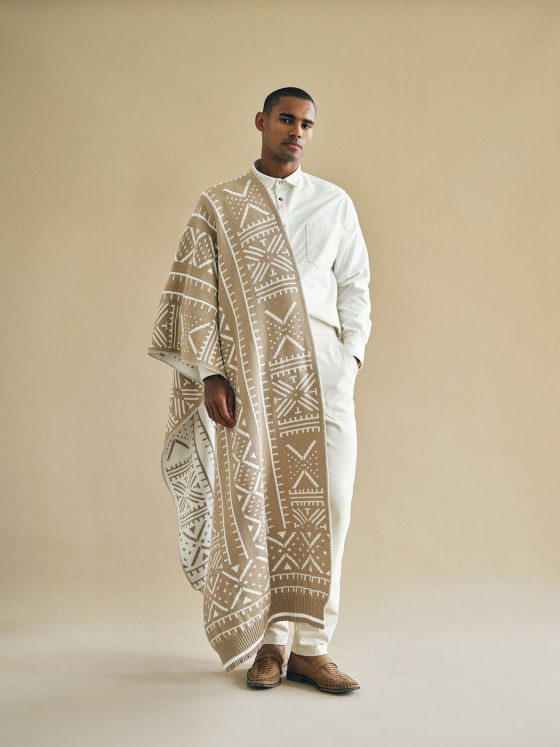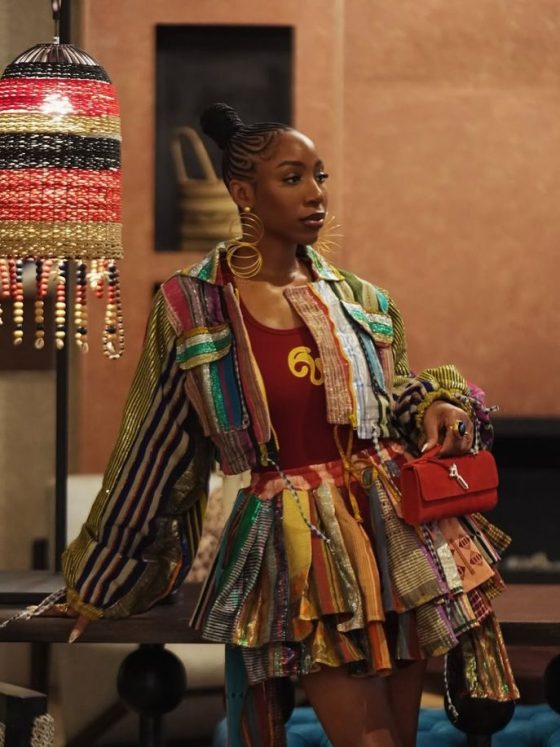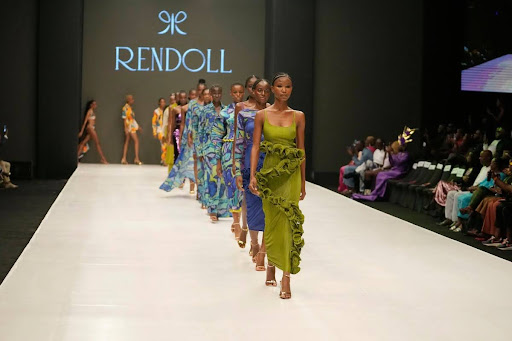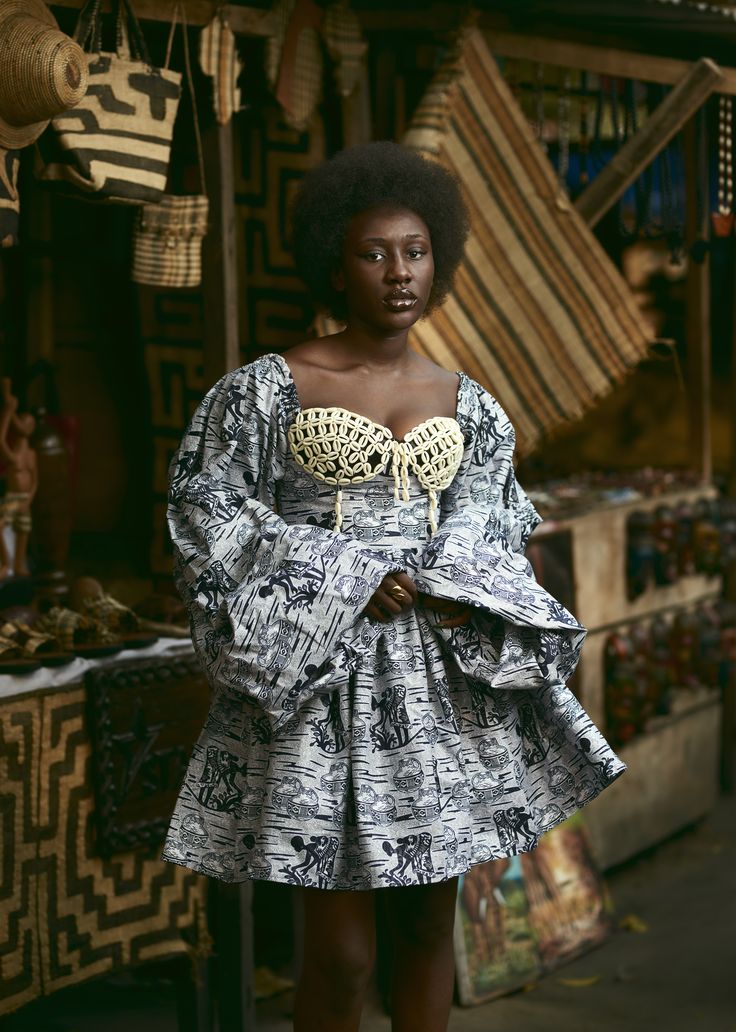
For decades, Congolese aesthetics have circulated globally through music, performance, photography, and costume. The image travelled easily, often admired for its energy and visual power, yet the authority behind it rarely did. Congolese style became a reference point rather than a voice, something interpreted elsewhere instead of defined at home.
What is shifting now is not creativity, but control.
A growing group of women designers in Kinshasa are moving beyond interpretation into authorship. They are not positioning themselves as custodians of tradition or as reactions to global fashion. Instead, they are building systems that allow Congolese fashion to exist on its terms, structured, contemporary, and economically grounded.
This moment is not about revival. It is about ownership.
Congolese women designers in Kinshasa are redefining fashion through authorship, structure, and craft, shaping a new global fashion language.
From Image to Infrastructure
Despite lacking structural support, Congolese fashion has maintained its visibility over time. Garments, prints, and silhouettes appeared on international stages detached from the local ecosystems that produced them. What distinguishes the current generation of designers is a refusal to separate aesthetics from infrastructure.
Fashion power is not determined solely by visibility. It is determined by who controls production, who sets standards, and who decides how stories are told. In Kinshasa, women designers are increasingly addressing all three.
They are establishing ateliers, formalising artisan relationships, educating younger makers, and defining what contemporary Congolese fashion looks like without translating. This is fashion understood as industry, not ornament.
Laëtitia Kandolo and the Authority of Structure
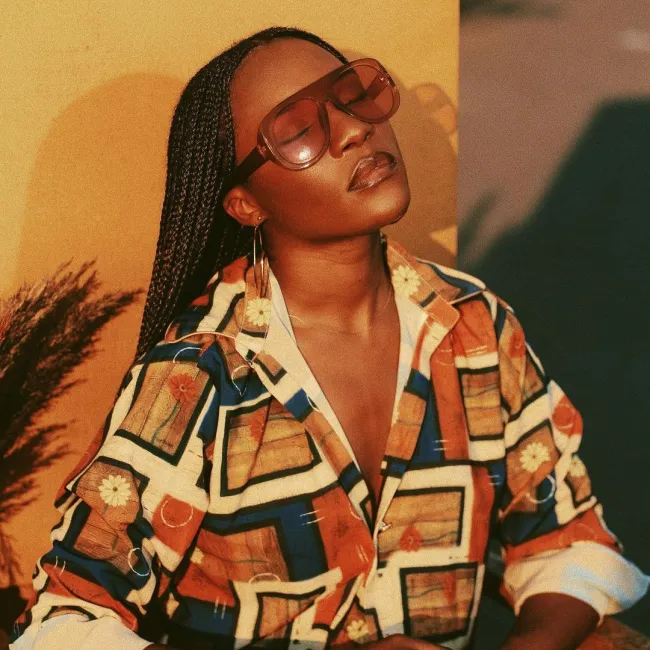
Laëtitia Kandolo’s work operates with clarity rather than noise. As the founder of Uchawi, she approaches fashion as an exercise in structure, asking how garments communicate authority, presence, and modern identity without theatrical excess.
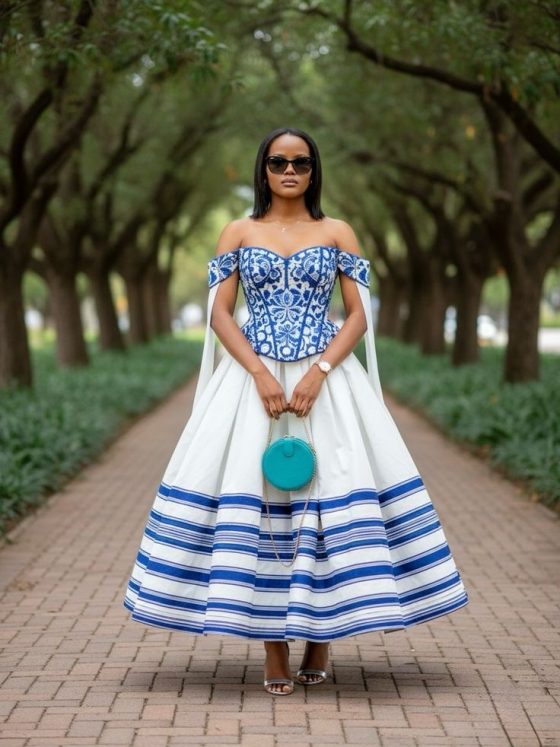
Her designs favour disciplined tailoring, strong lines, and deliberate proportion. Cultural references exist, but they are embedded rather than displayed. Nothing feels explanatory. The clothes assume the wearer understands them.
Kandolo’s influence extends beyond design. Her engagement with cultural institutions and policy spaces reflects an understanding that fashion does not sit outside civic life. By participating in conversations about culture, representation, and industry standards, she expands the designer’s role from creator to architect.
In Kinshasa, this matters. It signals a move away from fashion as individual expression toward fashion as a collective structure.
Natacha Ngoy and the Logic of Continuity
Where Kandolo’s work is architectural, Natacha Ngoy’s practice is connective. Her focus lies in textiles, process, and continuity. She works closely with artisans whose skills are inherited rather than taught in classrooms, integrating their knowledge into contemporary garments designed for daily life.
Ngoy’s pieces are refined but grounded. Fabric choices prioritise durability and feel. Construction is careful, not decorative. The result is clothing that feels lived in from the moment it is worn.
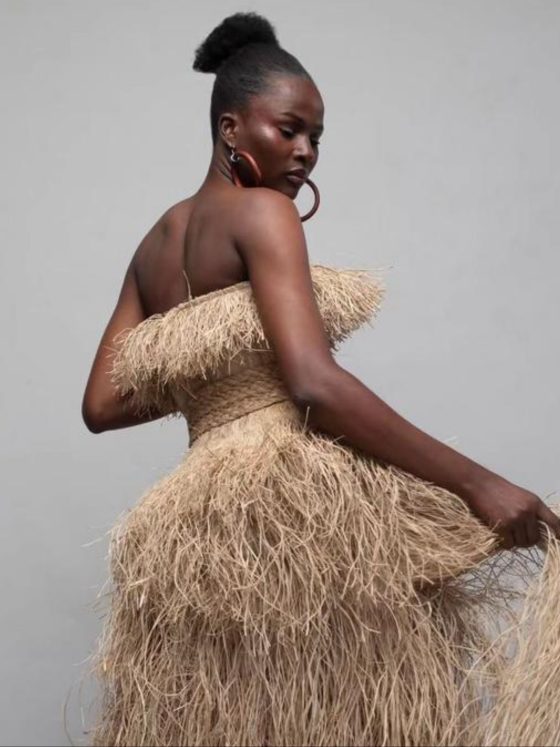
What distinguishes her approach is restraint. She does not elevate tradition by isolating it. She preserves it by using it, allowing textiles and techniques to evolve through wear rather than exhibition. In doing so, she ensures that craft remains economically and culturally viable.
Women as System Builders
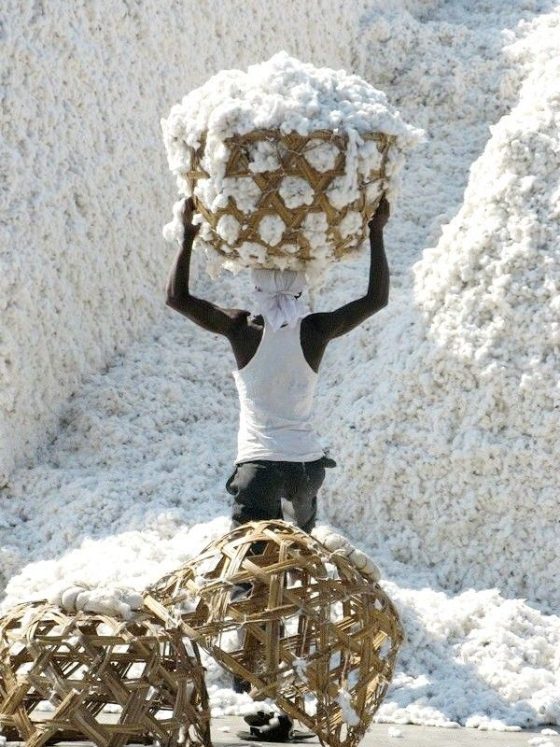
Much of the conversation around women in fashion focuses on visibility. In Kinshasa, the more meaningful shift is structural. Women designers are building supply chains, creating jobs, and formalising processes that allow fashion to function sustainably within the local economy.
This work rarely attracts attention because it is unremarkable. It happens in workshops, training sessions, and long-term partnerships. Its success is measured in consistency rather than virality.
Empowerment, in this context, is not a slogan. It is a framework.
Reframing Global Engagement
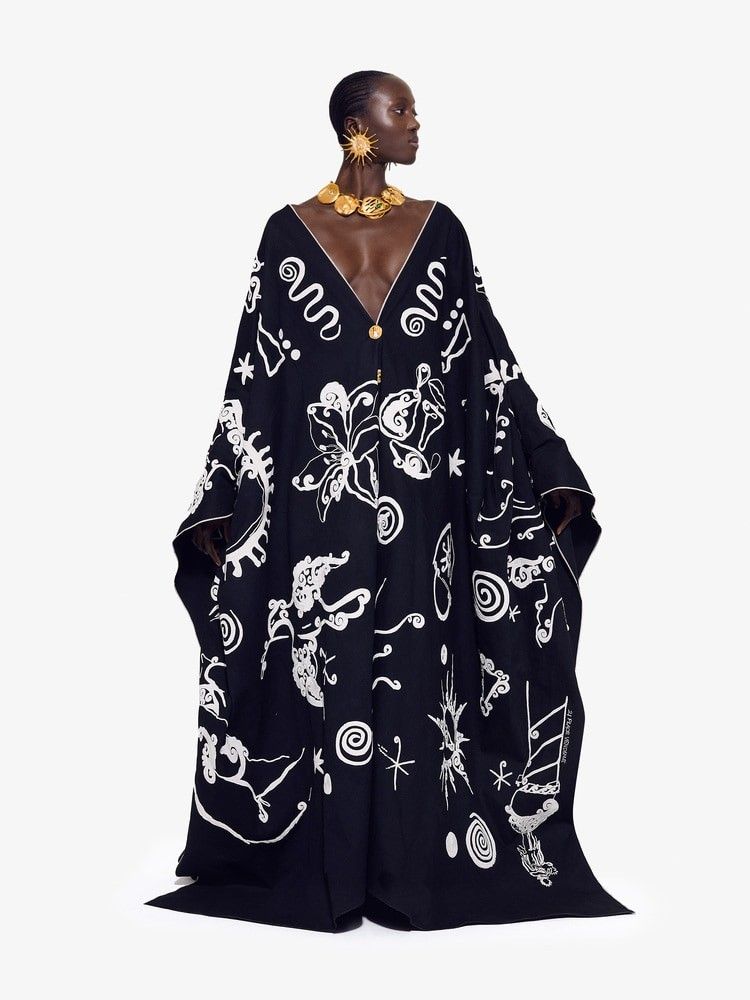
As global fashion increasingly turns toward ideas of craft, sustainability, and authenticity, Kinshasa’s designers are not adapting to these conversations. They have been operating within them for decades. What has changed is recognition.
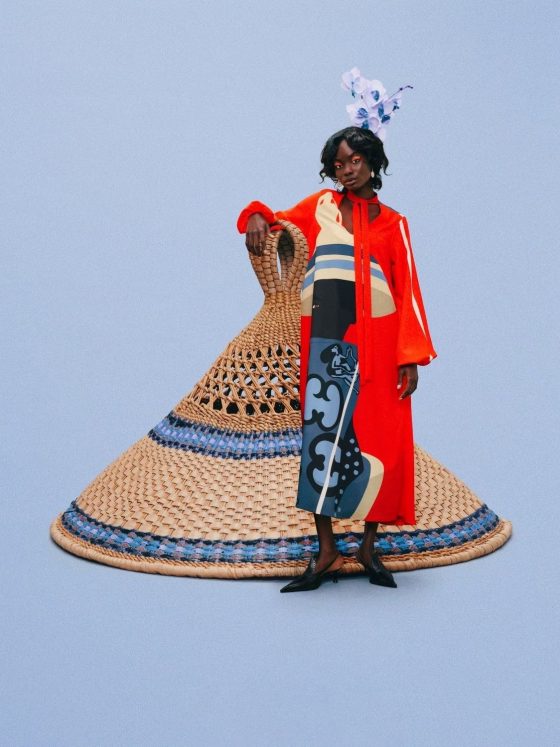
Rather than presenting Congolese fashion as exotic or archival, these designers insist on contemporaneity. Their work belongs to the present. It speaks the language of global fashion without asking permission.
This reframing is subtle but significant. It positions Congolese fashion not as alternative, but as authoritative.
A Different Measure of Success
Success in Kinshasa is not defined by runway invitations alone. It is characterised by longevity, consistent production, and the strength of the ecosystem supporting the work.
Designers are judged not only by aesthetics but also by how well they sustain relationships with makers, how responsibly they source materials, and how clearly they articulate their vision. Fashion becomes less about image and more about coherence.
This shift reflects a broader rethinking of value within the global industry.
Read also:
- Abidjan Ascendant: Inside Ivory Coast’s Quiet Fashion Renaissance
- BUZIGAHILL: The Ugandan Label Shaping Global Upcycling
- How African Sourcing is Rewriting Global Luxury Standard
What Kinshasa Offers Fashion Now
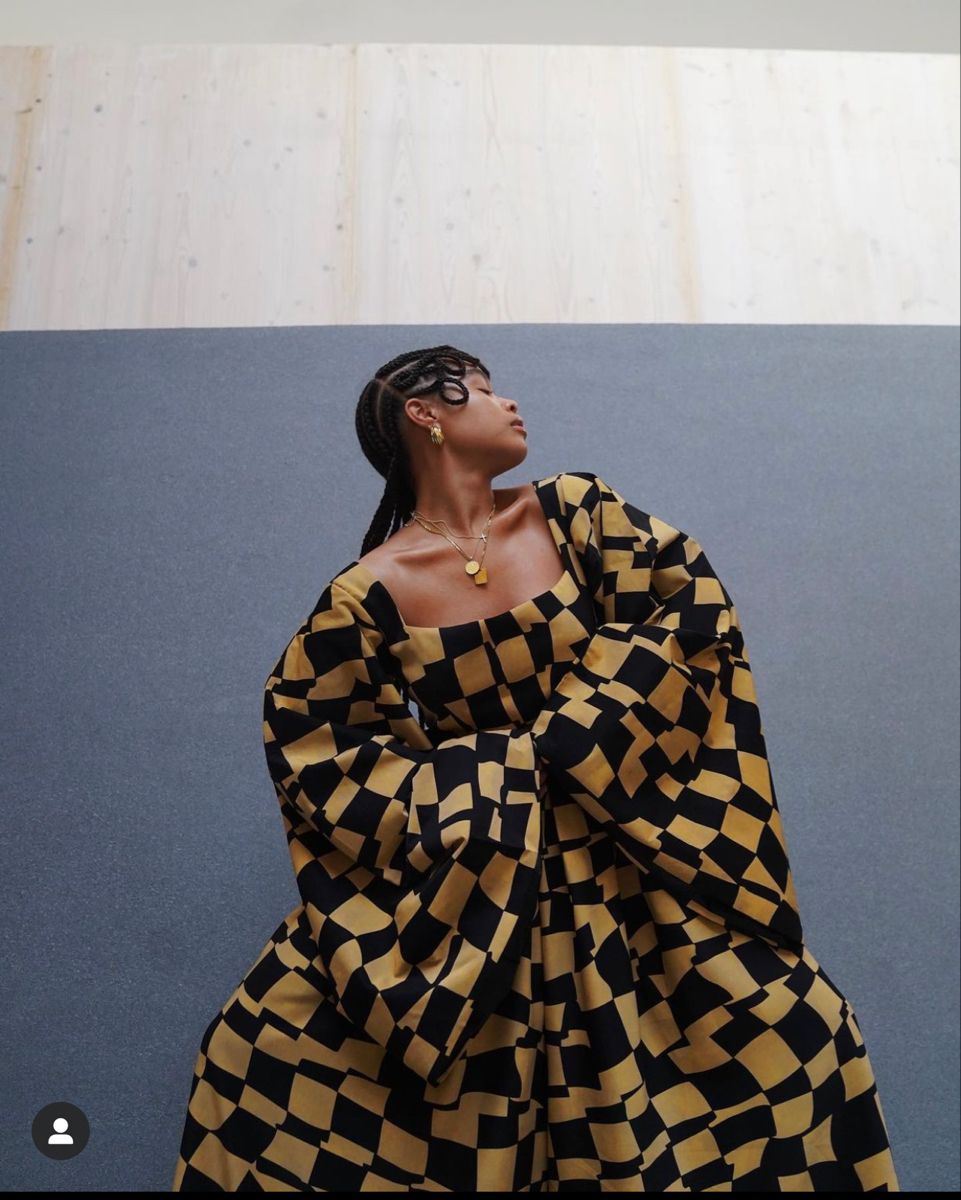
The lessons emerging from Kinshasa are not about colour or print. It is about authorship. It is about transitioning from mere references to genuine recognition, about understanding fashion as a system that must be owned to be meaningful.
By prioritising structure over spectacle and continuity over novelty, Congolese women’s designers are offering models that feel increasingly relevant in a fatigued global fashion landscape.
This is not due to its uniqueness but rather to its comprehensiveness.
Stay ahead of the style conversation — explore Cover Stories on OmirenStyles.
Frequently Asked Questions
- What is driving the rise of fashion in Kinshasa today?
Designer-led infrastructure, artisan collaboration, and ownership of narrative rather than surface aesthetics are driving the rise of fashion in Kinshasa today.
- Who are the key women shaping Kinshasa’s fashion landscape?
Designers such as Laëtitia Kandolo and Natacha Ngoy are central, combining design, production systems, and cultural authorship.
- How does Congolese fashion differ from global fashion trends?
It prioritises structure, continuity, and economic grounding over rapid trend cycles or spectacle.
- Why is authorship important in contemporary African fashion?
Authorship determines who controls value, representation, and sustainability within the fashion ecosystem.
- Is Kinshasa influencing global fashion conversations?
Yes. Its emphasis on craft, structure, and long-term thinking aligns with where global fashion is heading.