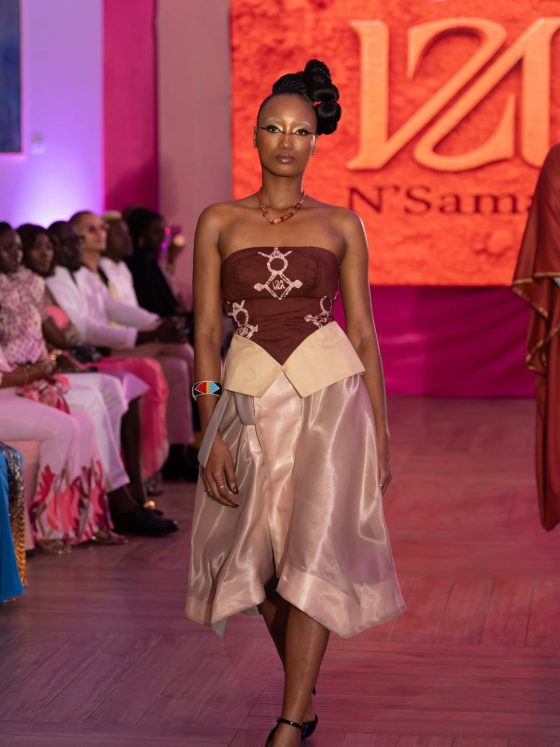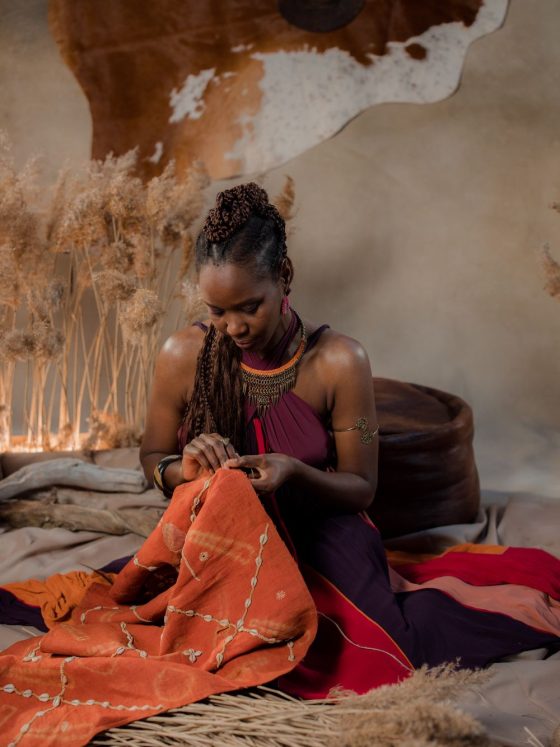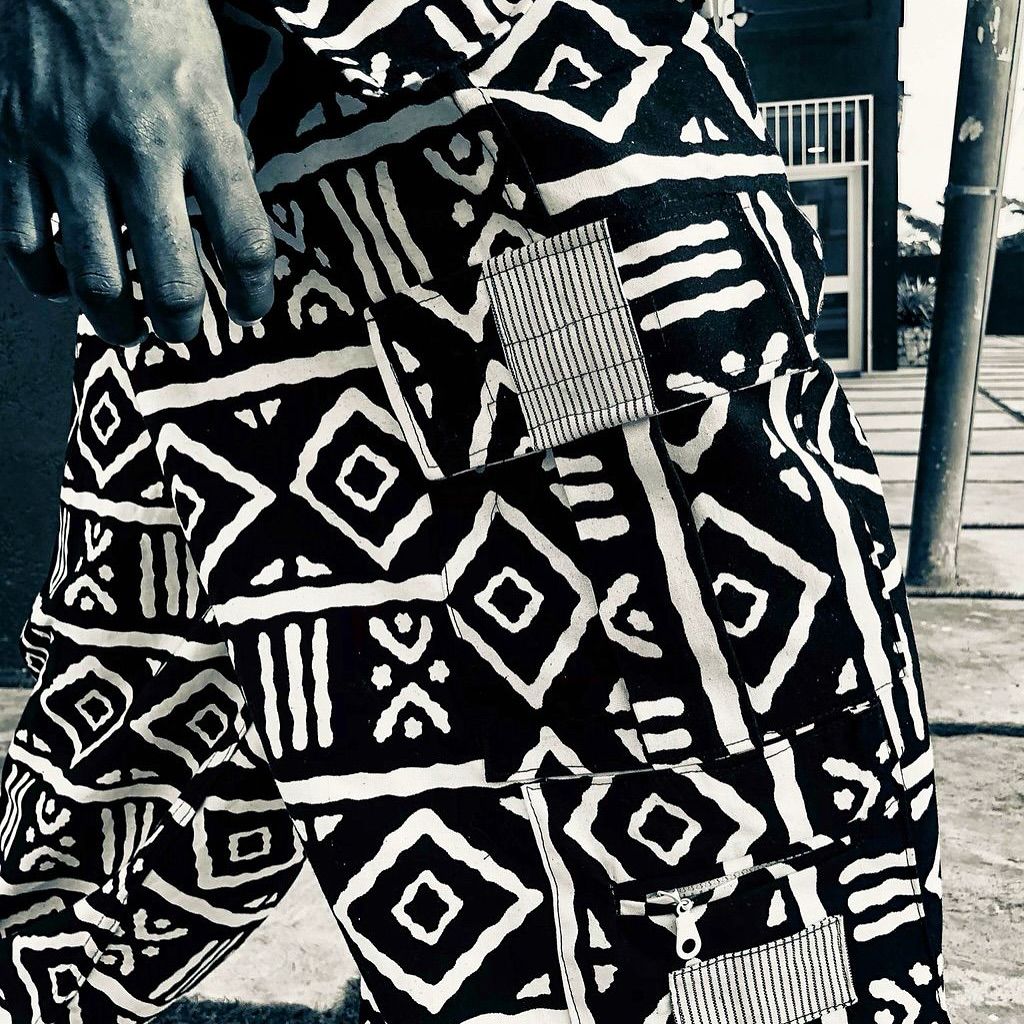
The global fashion industry in 2026 is facing a significant “trust deficit.” In an era dominated by disposable products and fleeting micro-trends, the modern consumer is no longer satisfied with the “what”; they are hungry for the “why.” They prefer Cultural Intelligence to commercial noise. At Omiren Styles, we understand that the future of the new mainstream is located in a Cultural Record, not a logo. This is at the heart of why African sourcing has risen from the margins to the very centre of the global luxury landscape.
For decades, the industry regarded the continent as a silent source of raw materials. Today, the narrative has changed. Africa is no longer merely a supply; it is the mastermind behind a new standard in which fashion is a social expression rather than a commodity. By comparing our stories to Vogue’s authoritative depth, we discover that African source offers the ultimate luxury: Editorial Integrity and Durable Truth.
In this research, we go beyond the “trend broadcaster” attitude. We investigate why the world’s most powerful houses are looking to the Diaspora for the one thing they cannot produce: authentic legacy. From the healing benefits of historical textiles to the inclusive systems of artisan care, we are witnessing a global change in which the “Made in Africa” badge serves as the definitive indicator of cultural significance.
Explore how African sourcing is reshaping global luxury standards through craftsmanship, ethical production, traceability, and culturally rooted materials.
From Extraction to Care
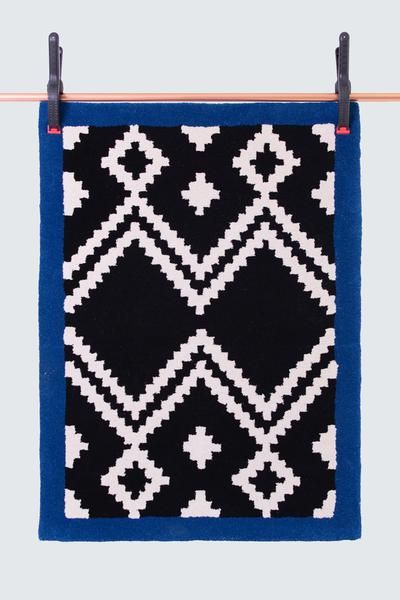
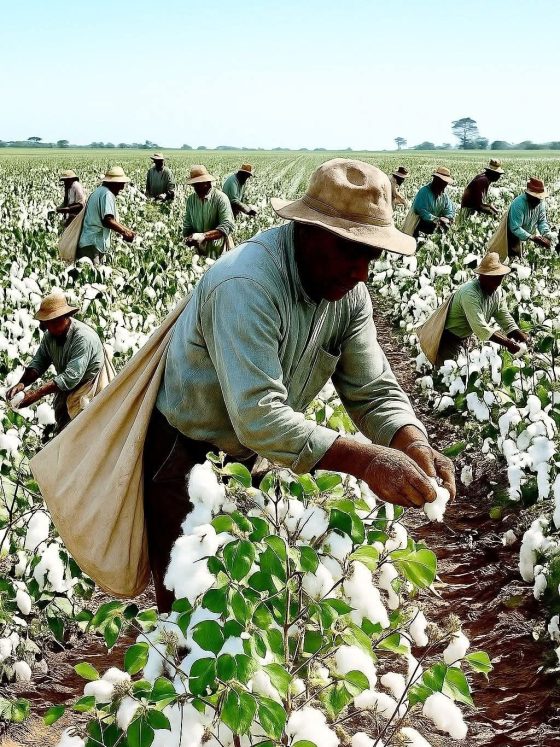
For decades, the global luxury business followed an extraction strategy, importing raw African cotton or leather to Europe for refinement, often erasing the origin story in favour of a “Made in Italy” or “Made in France” label. In 2026, the plan has been inverted. Luxury is currently characterised by Systems of Care, in which a garment’s value is linked to the transparency and ethics of its journey.
- The “Why” Rule in Action
We’ve moved past the days when a brand was considered luxury just because it was pricey. Today, a brand is considered luxurious because it represents a cultural record. Look at MaXhosa Africa, which Laduma Ngxokolo founded. By obtaining superior wool and mohair from the Eastern Cape of South Africa, the world’s leading producer of these fibres, and keeping the entire manufacturing chain local, MaXhosa is selling more than just knitwear; it is also selling a sovereign economic narrative. They are measuring themselves against global behemoths by demonstrating that “local” is the pinnacle of “luxury.”
- Preserving the Expert Hand
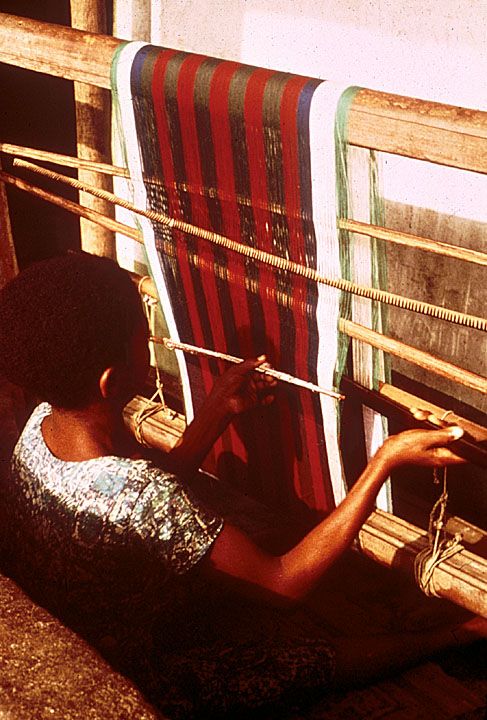
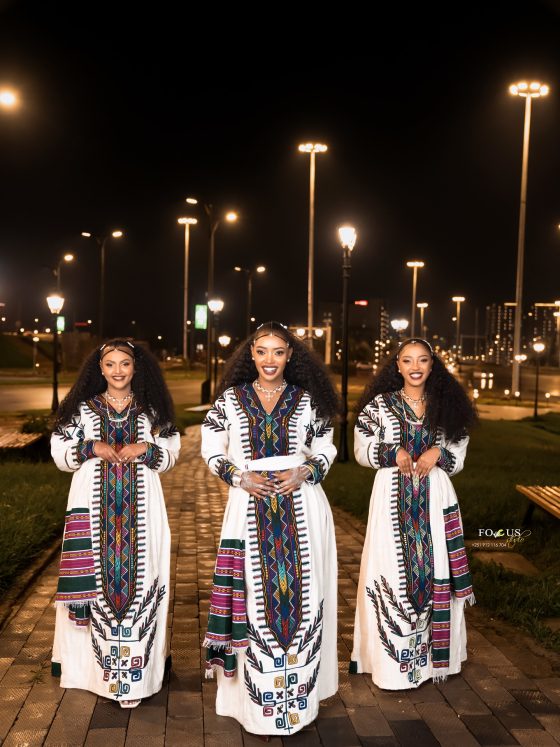
Sourcing also protects the Diaspora’s intellectual property. Lemlem, founded by Liya Kebede, is a global authority on Ethiopian weaving. By procuring hand-woven cotton directly from artisan collectives in Addis Abeba, the company ensures that old techniques are not only conserved, but also recognised as the “expert standard” for worldwide resortwear. Similarly, Maki Oh employs the ancient Yoruba resist-dyeing technique, Adire, which is produced in community dye hubs such as Osogbo. When Amaka Osakwe showcases these textiles on a worldwide scale, she transforms a “local craft” into a high-intelligence cultural asset.
- The Power of the Social Blueprint
Brands such as Studio 189 (co-founded by Abrima Erwiah and Rosario Dawson) and Tongoro (established by Sarah Diouf) have structured their entire business models on the “Why” of African sourcing. Whether it’s plant-based dyes in Ghana or handcrafted tailoring in Senegal, these companies see their supply chain as a social manifesto. They cater to a customer who wants more than simply a product and recognises that their purchase represents a vote for a more inclusive, sustainable global fashion industry.
Technology as a Shield for Culture
The greatest challenge to African design in 2026 will not be a lack of demand, but rather the erosion of trust and the theft of intellectual property. The industry is “drowning in product and starving for meaning.” To fight this, technology is enabling a new wave of Cultural Intelligence, changing African clothing from basic commodities into verifiable, permanent Cultural Records.
- Blockchain as an Immutable Archive
We are transitioning from the “trend broadcaster” period, when anyone might claim an African print. Today, narrative as authority is supported by facts. Brands like Bella-Faso, developed by Joselyne Ayinkamiye, are driving the “Afro-Digital” trend. By incorporating blockchain-powered Digital Product Passports (DPPs), a shopper in London or Tokyo can scan a QR code on a hand-woven bag to find the precise woman in Burkina Faso who made it. This is more than simply logistics; it’s a Digital Heritage Guard that keeps the story and the credit with the creator.
- AI and the Protection of the “Expert Hand”
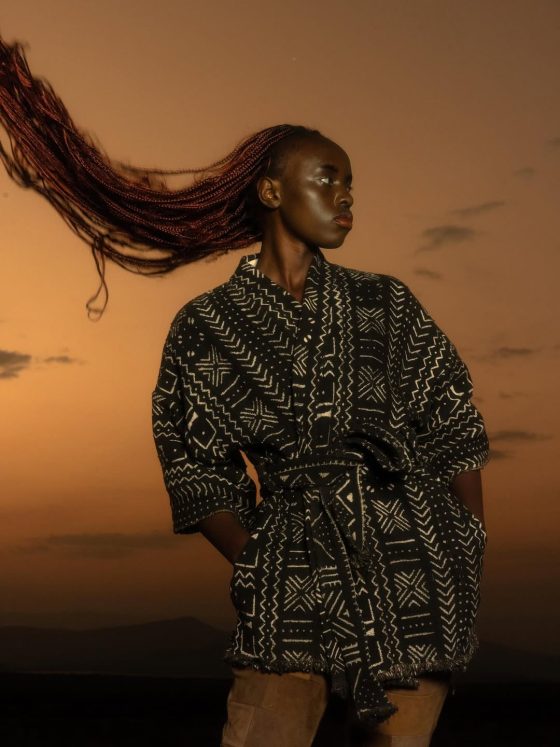
While the global mainstream is concerned about AI, the African Diaspora is utilising it as a shield. In 2026, AI-driven systems will be used to monitor worldwide marketplaces for intellectual property infringement and “cultural counterfeiting”. This ensures that the precise patterns of Yoruba Adire or Maasai beading are legally recognised as intellectual property, rather than simply “public domain inspiration”. By benchmarking against the legal rigours of global luxury corporations, African designers are securing their legacy and guaranteeing that their skill is compensated rather than simply imitated.
- The 3D “Human-Centric” Lens
Technology is also addressing the issue of “volume over value.” Designers are increasingly replicating traditional textiles with software such as CLO 3D before cutting a single thread. This Somatic approach enables inclusive, custom-fit clothing that respects both the body and the environment. It eliminates waste while promoting sustainability as a significant pillar of the company. We are witnessing a transition in which the “Digital Twin” of a garment serves as a lasting narrative that persists long after the original piece is stored.
ALSO READ:
- Why Global Fashion is Moving Towards Intellectual Luxury
- Why Knowing the ‘STORY’ is the Only Luxury That Matters in 2026
The Circularity Standard
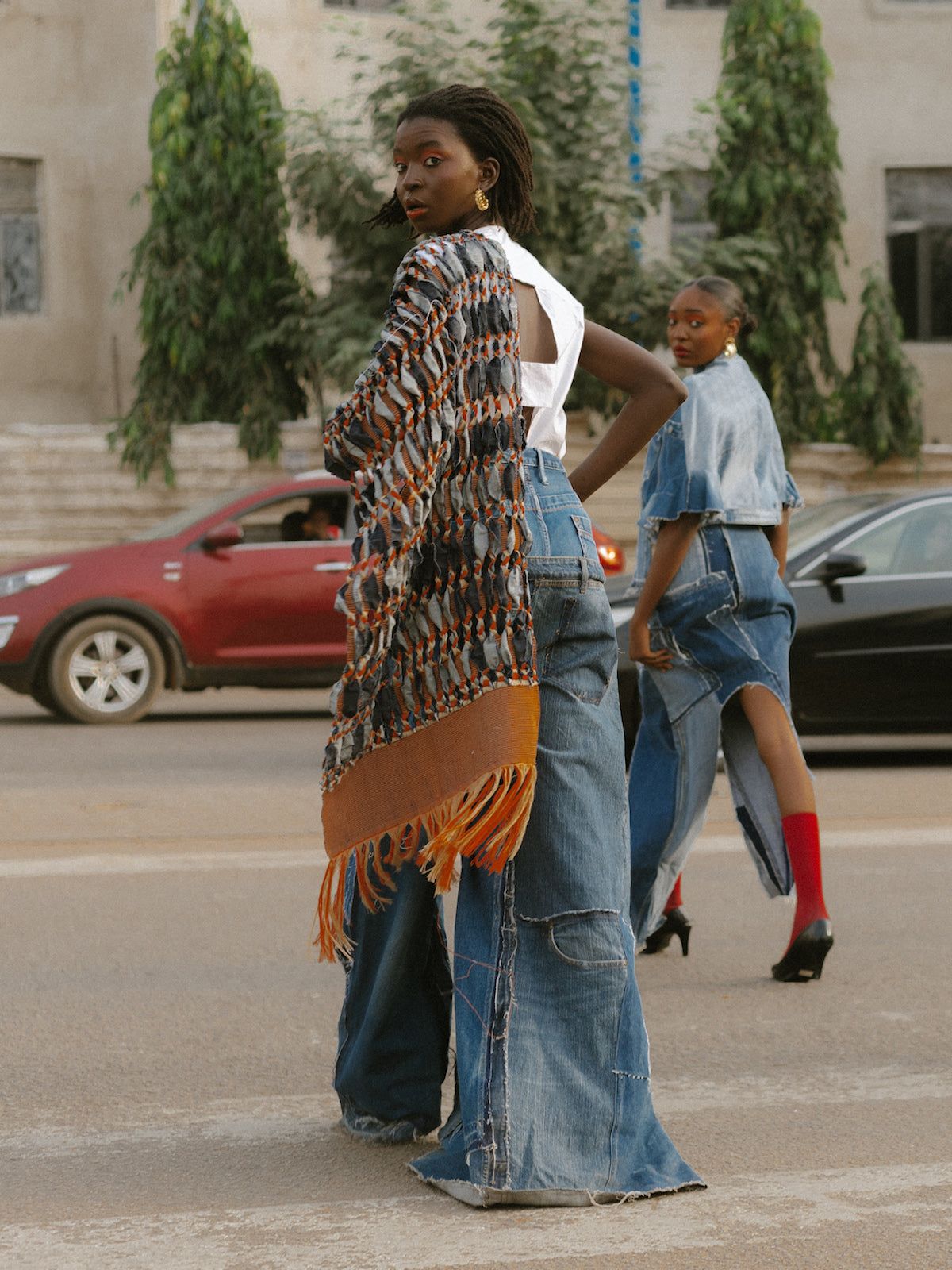
In the “old” mainstream, sustainability was a marketing criterion. In the New Mainstream of 2026, it is an operational discipline. The Afrothentic Blueprint views trash not as a burden, but as a valuable raw material. African brands are setting the global standard for the Circular Economy by comparing the durability of a heritage item to a 15-day trend cycle.
- Nigerian brand NKWO:
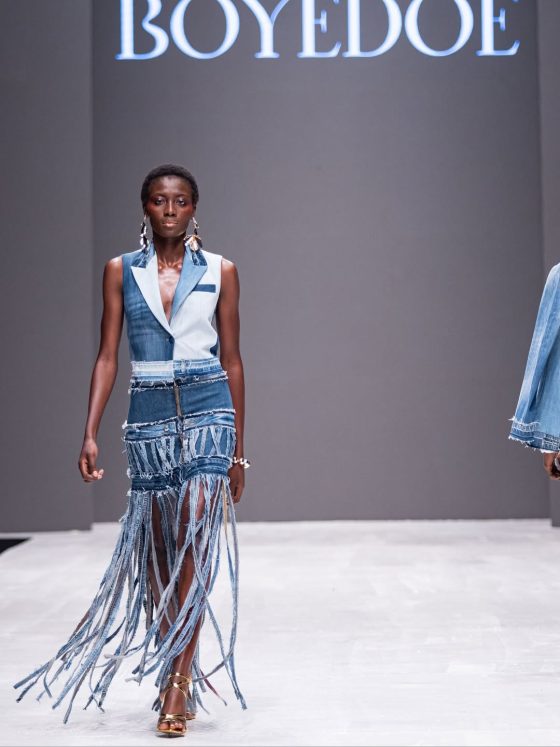
Led by Nkwo Onwuka, as an example of zero-waste design intelligence. She doesn’t just “recycle”; she created a new material called Dakala Cloth. By removing post-consumer denim waste and re-weaving it into a textured, high-fashion textile, NKWO transforms the “chaos” of global textile waste into an organised and authoritative cultural archive. This is Circular Fashion that does not trade beauty for duty, demonstrating that “less” is the ultimate luxury.
- Regenerative Heritage Materials
At Omiren, sustainability is continuity. José Hendo, a Ugandan designer, is a global leader in this space due to her usage of Barkcloth. Barkcloth, a UNESCO World Heritage material, is harvested from the Mutuba tree without cutting it down, allowing the bark to regenerate each year. By finding this old material, Hendo produces avant-garde silhouettes that are literally “grown,” rather than created. The result is a global perspective that shows the world how to produce without destroying the environment.
- Upcycling with Global Relevance
Kenyan brand Africa Collect Textiles (ACT) and brands such as Lilabare are redefining the “New Mainstream” by bridging the gap between waste and creativity. Lilabare employs the “Temples of the Future” design concept, combining AI-driven patterns with plant colours and repurposed brass. This is Cultural Intelligence at its finest: treating the discarded with the same care as gold. It attracts “the crowd without the chaos” by providing distinctive, long-lasting items with a tale of environmental healing.
Conclusion
The “Afrothentic Blueprint” is more than just a fashion trend for 2026; it is the authoritative guide to a new era of Global Cultural Authority. As we have seen through the lenses of sourcing, technology, and circularity, the African Diaspora is doing more than just engaging with the luxury industry; it is rewriting the rules of what luxury means.
At Omiren Styles, we refuse to be “trend broadcasters” who only observe the news from the sidelines; by selecting narration as our authority and emphasising “why” over the product, we place ourselves at the centre of the debate. The industry’s trust deficit can only be addressed through editorial integrity and contextual depth, in which fabric is transformed into a social record, and sustainability is viewed as a long-term legacy.
The new mainstream does not desire the turmoil of the throng, but rather the clarity of the tale. As Africa assumes its place as the Chief Architect of global fashion, Omiren exists to define its relevance and guide the globe into a future in which fashion is as enduring as the culture it represents.
Sustainability is not a goal; it is a legacy. To see how these designers are turning the world’s waste into its most valuable cultural assets, immerse yourself in the Omiren Styles vision.
Frequently Asked Questions (FAQs):
- What does Omiren Styles mean by “The ‘Why’ over the Product”?
We believe fashion should have a soul. Instead of just telling you what a garment costs or where to buy it, we explain its cultural origin and social impact. Omiren Styles focuses on the story behind the thread so you can wear something that actually matters.
- How does Omiren Styles help with “Cultural Consultancy”?
Omiren Styles help brands and individuals understand the deep narratives of the African Diaspora. We move beyond “trends” to provide expert intelligence on how to engage with global fashion in a way that is respectful, authentic, and durable.
- What is “Somatic Luxury”?
Somatic luxury is fashion that feels as good as it looks. It focuses on how natural heritage textiles, such as hand-woven cotton, interact with your body to promote comfort and wellness. It is a luxury you can feel, not just see.
- Why is “African Sourcing” so important in 2026?
Sourcing from Africa isn’t just about making clothes; it’s about editorial integrity. By keeping production local, brands like MaXhosa and Lemlem preserve ancient skills and ensure that the people who make the clothes benefit from them.
- How does Omiren stay sustainable?
For us, sustainability means continuity. We highlight “Circular Engineering”—like”upcycling waste into new fabric, and promote stories that stay relevant for years. A durable tale is the best way to fight disposable fashion.