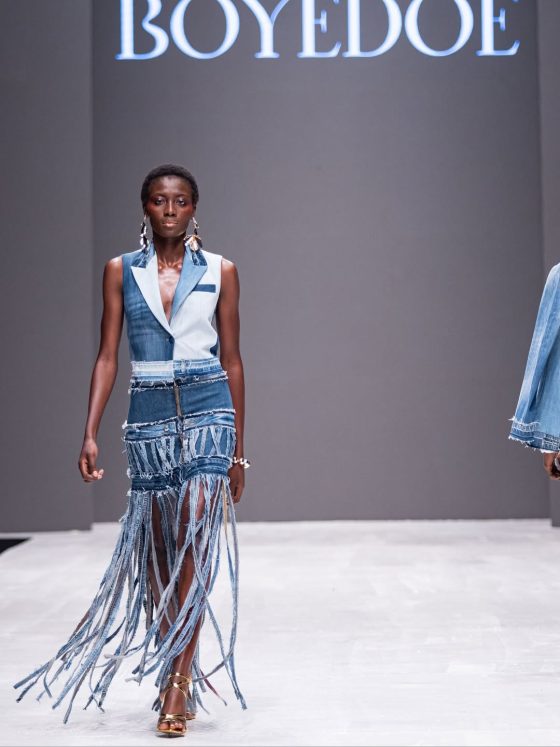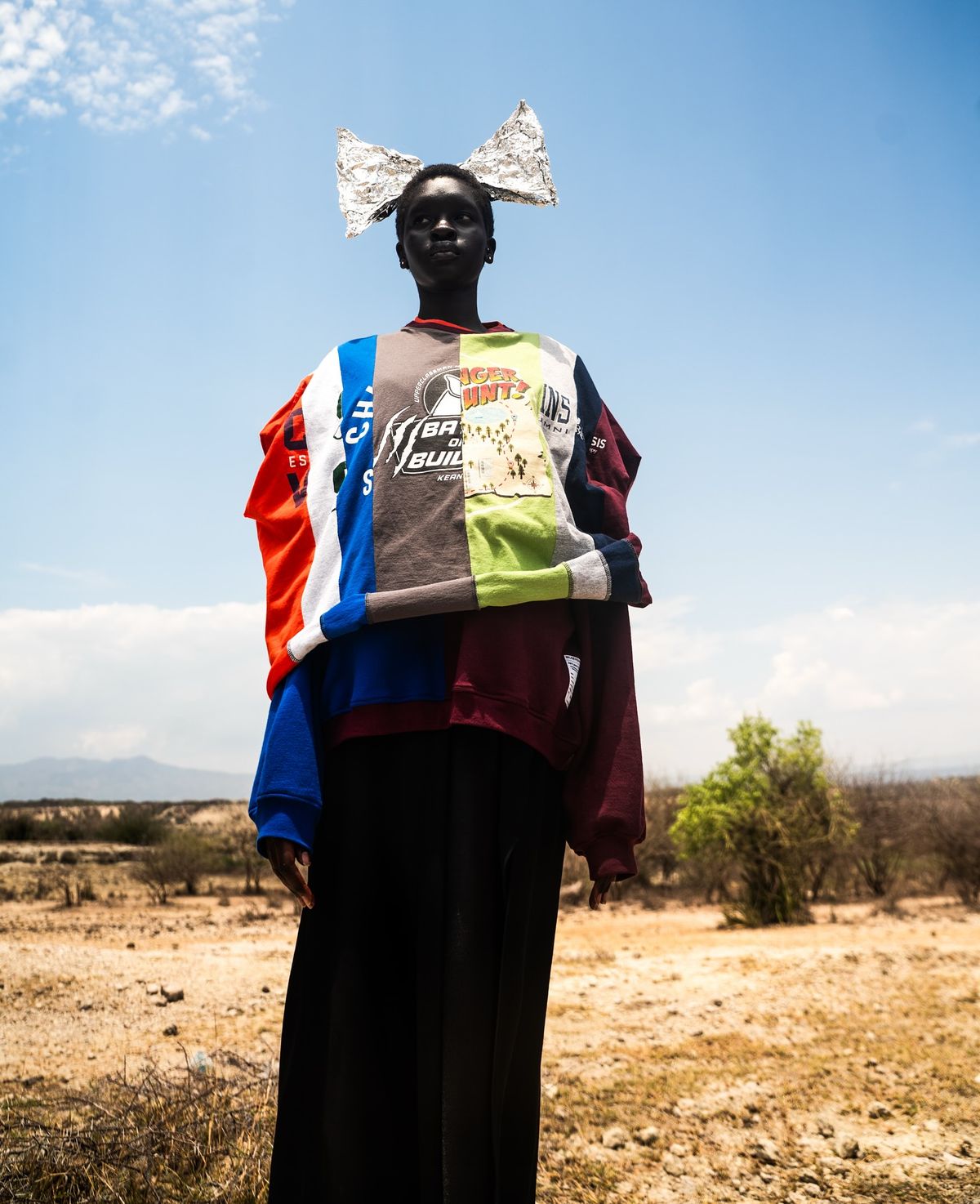
BUZIGAHILL is a Kampala-based fashion brand led by creative director Bobby Kolade. The brand works almost entirely with second-hand clothing imported into Uganda, redesigning these garments into new pieces that sit within global conversations on fashion and sustainability. Its method is practical and measurable: take an existing product, dismantle it, rethink it, and create something better.
Instead of producing fabric from scratch, BUZIGAHILL uses what already exists. In a world where the fashion industry is a major contributor to waste, the decision to upcycle second-hand clothing positions BUZIGAHILL as one of the most focused circular brands originating from Africa. The label functions through small production runs and targeted releases supported by collaborations, regional sales, and international showcases.
BUZIGAHILL is a Ugandan label redefining sustainable fashion through upcycling, global showcases, and circular design impact across Africa and Europe.
Origins and Operating Philosophy
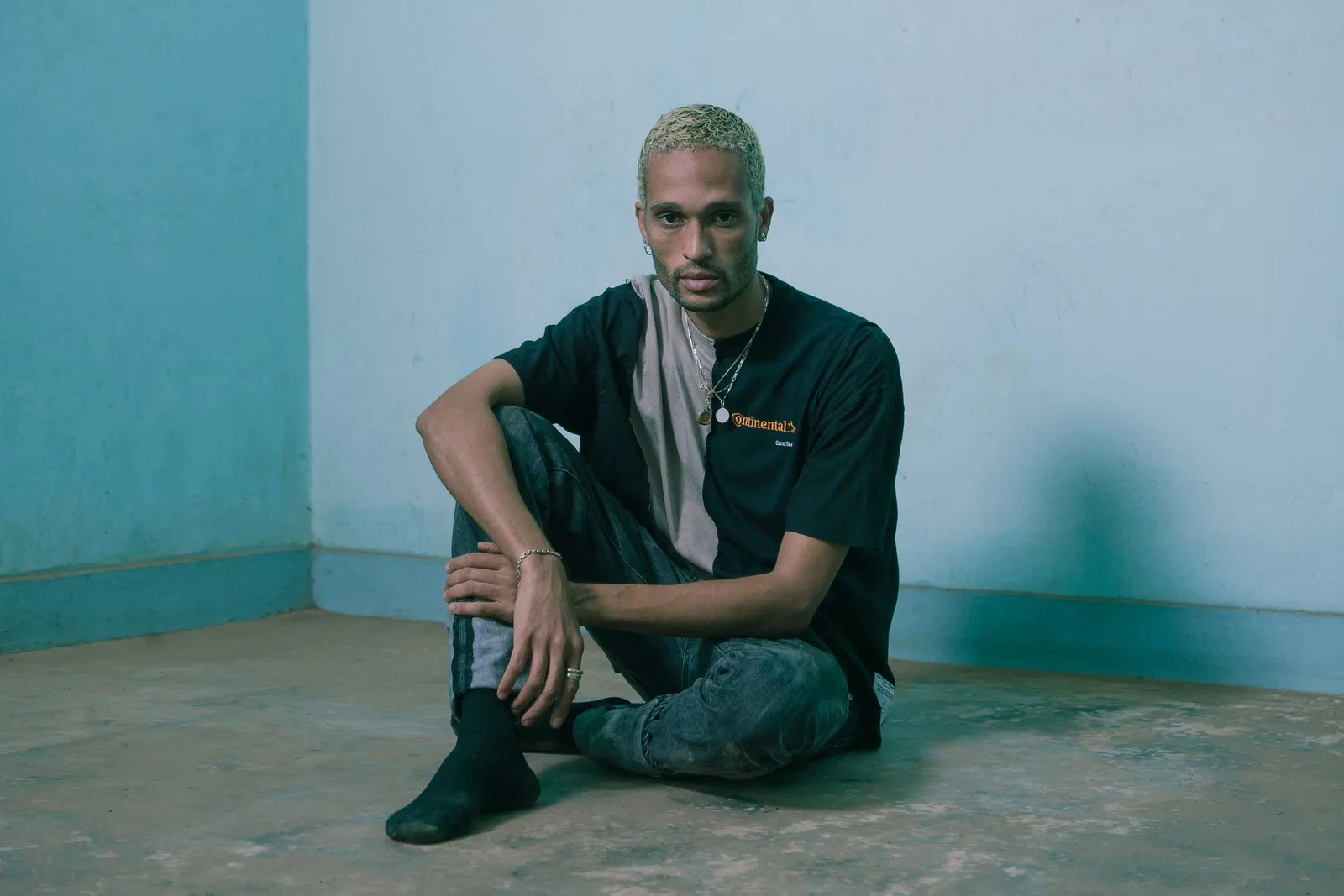
BUZIGAHILL was founded after Kolade returned to Uganda following years of fashion training and industry experience in Europe. His exposure to luxury production methods and sustainability debates provided a technical and professional base. However, the brand did not adopt the typical trajectory of producing original materials or competing in conventional fashion cycles.
Kolade started as an everyday reality in East Africa, where millions of secondhand garments enter local markets. Uganda, like many African countries, receives large volumes of clothing collected from European and North American donation systems. These items often arrive in poor condition or with limited resale value. BUZIGAHILL identifies this import chain not merely as an economic system but as an opportunity for creative manufacturing.
The label adopts a circular and local-first approach:
- Source fabrics are already circulating in Uganda.
- Produce locally with tailors and craftspeople.
- Distribute both regionally and internationally.
- Highlight Uganda’s potential as a production ecosystem, not only a consumption or dumping site.
This stance gives BUZIGAHILL a defined identity anchored in resource use, cultural critique, and measurable environmental benefit.
Key Collections and Releases
BUZIGAHILL’s design approach is visible through collections that each build on a structured idea. They are not seasonal in the traditional sense, but they appear in projects, capsules, and thematic drops.
Return to Sender
Return to Sender is the label’s core and most widely discussed body of work. It serves both as a collection and a long-term programme. The idea is straightforward: Uganda receives garments from the West; BUZIGAHILL redesigns them and sends them back.
This material loop displays three functions:
- Reclaiming Value – Turning discarded clothes into reconstructed fashion pieces with clearer worth.
- Demonstrating Craft – Showing that garment-making skill exists within Kampala.
- The strategy involves reversing the supply chain by exporting upgraded products, rather than solely relying on incoming stock.
Return to Sender also shapes the brand’s design language. The garments feature deliberate stitching, panel work, patching, and reconstruction that make the transformation visible rather than disguised. The label uses each piece as evidence that reuse is viable at a premium level.
BUZIGAHILL has showcased and sold the project throughout Europe, making it a pivotal part of their presence at Berlin Fashion Week.
Berlin Capsule Editions
BUZIGAHILL has produced specific drops aligned to Berlin Fashion Week. The cuts of these editions are more precise than those of Return to Sender releases, emphasising the importance of silhouette, tailoring, and structured reconstruction. Using the same upcycling method, these pieces target industry buyers, press, and global stockists.
The Berlin Editions performed two key functions:
- Demonstrated BUZIGAHILL’s ability to compete in high-visibility design spaces.
- Introduced the Ugandan label to international buyers looking for sustainable brands with original viewpoints.
These capsules also helped the brand establish repeat European sales, which is uncommon for independent labels based outside global capitals.
Regional and Online Drops
BUZIGAHILL sells collections on its website and through Kampala-based pop-ups. While international showcases create visibility, regional drops secure presence in East Africa’s fashion market.
The local-facing collections:
- Offer access to East African audiences.
- Build familiarity with upcycling as a premium product.
- Provide steady demand outside fashion week cycles.
Each release is produced in limited quantities, reinforcing the brand’s emphasis on slow manufacturing rather than mass production.
YOU MAY LIKE:
- Loza Maléombho: Redefining African Fashion for the Global Stage
- Thebe Magugu: African Heritage Meets Global Luxury in 2025
Awards, Industry Recognition, and Professional Milestones
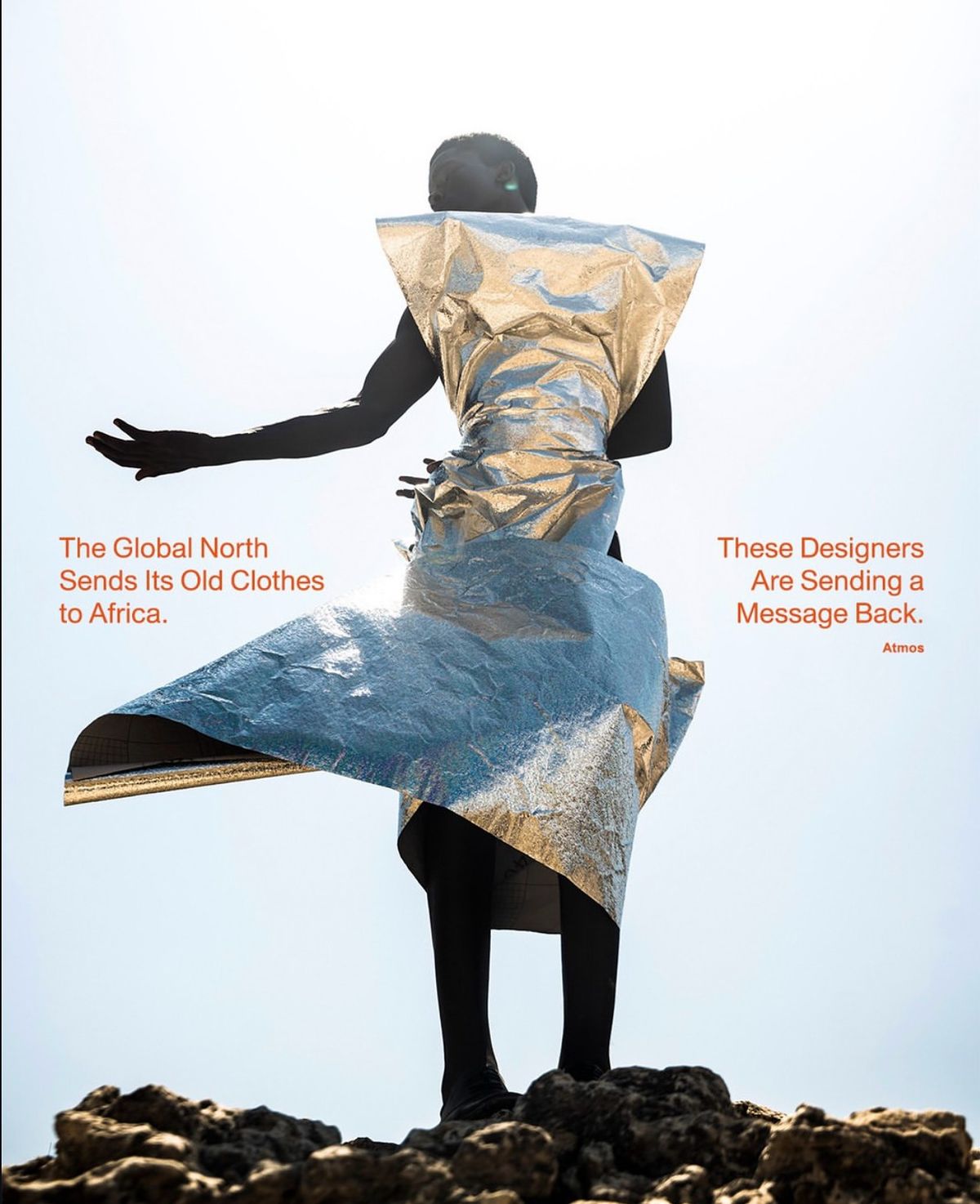
BUZIGAHILL has not followed a mainstream award-driven model, but it has accumulated significant recognition through curated showcases, media mentions, and selection-based opportunities.
Industry Highlights
- BUZIGAHILL was featured at Berlin Fashion Week, a noteworthy platform for a Ugandan label, alongside emerging sustainability-focused designers from Europe and beyond.
- Invited to installations and showcases in Dubai and Barcelona, these appearances brought the brand into conversations about fashion, culture, and material responsibility.
- Shortlists and mentions in sustainability innovation circles – BUZIGAHILL is consistently cited as a leading African brand in circular design.
- Inclusion in exhibitions exploring fashion and waste: Museums and cultural institutions have used BUZIGAHILL’s garments as case studies.
Why Recognition Matters
The brand’s visibility reinforces three points:
- African labels can lead sustainability innovation rather than follow it.
- Upcycling can compete with conventional luxury when executed with precision.
- Markets outside Africa are willing to buy reworked garments produced in Kampala.
This combination validates BUZIGAHILL’s position and accelerates interest in similar models across the continent.
Market, Cultural, and Environmental Impact
1. Circular Production at Scale
BUZIGAHILL demonstrates that upcycling can be scaled without becoming mass manufacturing. Every step, from deconstruction to design and construction, takes place in Uganda. The brand uses existing materials, reducing dependency on virgin fabrics, eliminating the dyeing stage, and lowering production emissions.
2. Economic Redistribution
Instead of exporting unprocessed material or relying solely on imports:
- Skills, labour, and spending remain local.
- Tailors and artisans participate in higher-value production.
- Finished garments increase Uganda’s visibility as a producer rather than a dumping ground.
3. Reframing African Fashion Identity
BUZIGAHILL’s work contradicts outdated assumptions that African fashion depends on prints or heritage motifs to signal identity—the brand positions Uganda in modern industrial design conversations.
By intentionally working with imported waste, BUZIGAHILL asserts control over a system that traditionally disadvantages African economies.
4. Influence on Designers and Fashion Education
BUZIGAHILL’s presence has encouraged emerging designers to take resource scarcity as a creative advantage. Tailoring ateliers, student groups, and independent makers have adopted reconstruction, repair techniques, and small-batch thinking.
5. Documentation and Data
Each garment is labelled with origin information and garment transformation notes. This simple practice serves as a tool for transparency, a topic global fashion continues to struggle with.
Current Position and Next Steps
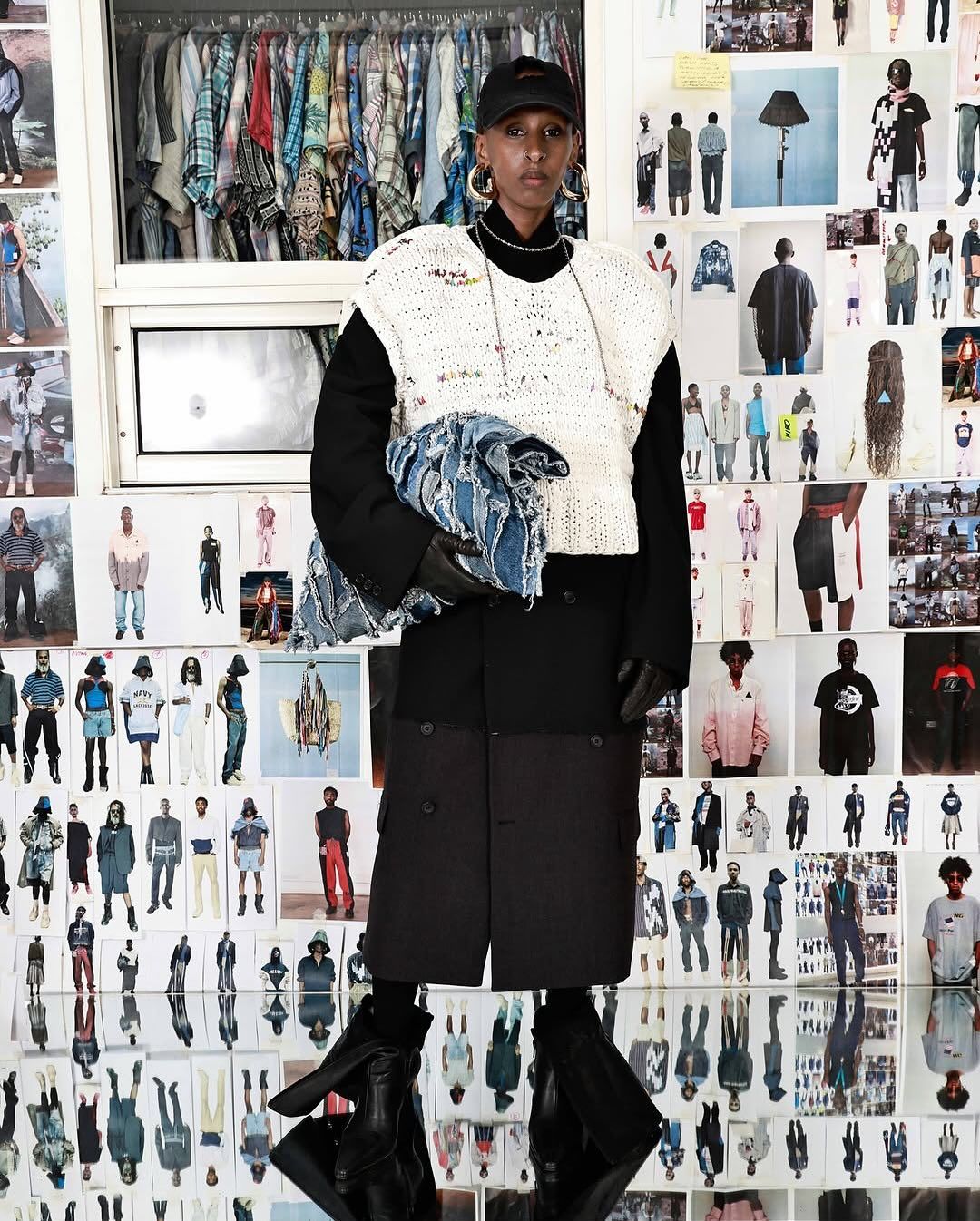
BUZIGAHILL currently operates as one of East Africa’s most structurally consistent sustainability leaders. The brand balances:
- Regional sales.
- International showcases.
- Thought leadership in circular design.
- The company has implemented measures to prevent waste in its production process.
Future growth will likely focus on:
- Deeper product development within the Return to Sender system is likely the focus of future growth.
- Expanded European stockist partnerships.
- Knowledge transfer programmes supporting circular production in Africa.
- The company is also releasing capsules more frequently to cater to global retail cycles.
Rather than scaling through volume, BUZIGAHILL’s trajectory points toward growth based on refinement, targeted distribution, and greater institutional support.
Wear the future — explore sustainable trends and ethical fashion ideas on OmirenStyles.
FAQs
- What is BUZIGAHILL known for?
BUZIGAHILL is known for upcycling secondhand imported clothing into fully reconstructed fashion pieces produced in Uganda.
- Who founded BUZIGAHILL?
The brand was founded by designer Bobby Kolade, who trained and worked in Europe before establishing the label in Kampala.
- What is the Return to Sender collection?
Return to Sender is BUZIGAHILL’s core project, redesigning imported clothing and exporting finished pieces back into Western fashion markets.
- Has BUZIGAHILL been shown internationally?
Yes. BUZIGAHILL has showcased work at Berlin Fashion Week and participated in curated exhibitions and festivals in cities including Dubai and Barcelona.
- Where can customers buy BUZIGAHILL pieces?
Customers can purchase BUZIGAHILL pieces through the BUZIGAHILL website, select global pop-up events, and Kampala retail activations.