Afrofuturism blends art, science, and technology with African and diasporic history, rethinking what it means to be Black and dreaming up new futures full of possibility and power. It started as a niche corner of speculative fiction, but it’s gone global now. The world isn’t just watching Black Panther and falling in love with Wakanda – people everywhere are re-examining who gets to imagine the future in the first place. Millions of people resonated with Black Panther’s portrayal of an African nation untouched by colonialism and more advanced than any other nation. But Afrofuturism isn’t just entertainment. It’s a way of seeing the world, a philosophy, a political push, and a whole new visual language. It flips the script on who writes the future, putting Black experiences at the centre and showing that the boldest dreamers shape what comes next.
Explore Afrofuturism’s evolution from a liberation movement to a global cultural force, reshaping art, music, film, and the future imagination through Black creative genius.
The Historical Foundations
Mark Dery coined the term “Afrofuturism” in 1994, but its roots go much deeper. People have been imagining Black futures for centuries. Take Phillis Wheatley’s poem “On Imagination” from 1773, or Martin R. Delany’s Blake, or the Huts of America in the 1800s – stories about global revolt and Black utopias, long before anyone called it Afrofuturism. The trauma of the transatlantic slave trade runs through all of this. When your history is characterised by erasure and forced displacement, envisioning new worlds becomes not just creative but essential. Afrofuturism pushes back, reclaiming history and picturing futures where Black people aren’t defined by oppression but by creativity, independence, and sheer determination. The civil rights movement in the 1960s was a breaking point. Black artists and activists threw themselves into the fight, and that energy helped set the stage for Afrofuturist ideas to take hold.
Why Afrofuturism Matters Now
Afrofuturism is more urgent than ever. We’re dealing with racial injustice, economic divides, and the climate crisis, all at once. Octavia Butler saw this coming; her novel Parable of the Sower, set in California in the 2020s, opens in 2024, with America battered by climate disasters, mass unemployment, and brutal inequality. That wasn’t just fiction; it was a warning and a roadmap. Afrofuturism gives us tools to look at today’s problems through a different lens. During the pandemic, for example, it helped people make sense of how severely Black communities were hit, and it sparked conversations about healing and collective strength. It’s not just about wild visuals or high-tech dreams. Afrofuturism helps people break out of the trap of dystopian futures or empty nostalgia. It tells Black communities: You can dream bigger. You can build futures rooted in freedom, joy, and control over your technology. That’s the power of imagining tomorrow with Black creativity front and centre.
Musical Pioneers Shaping the Movement
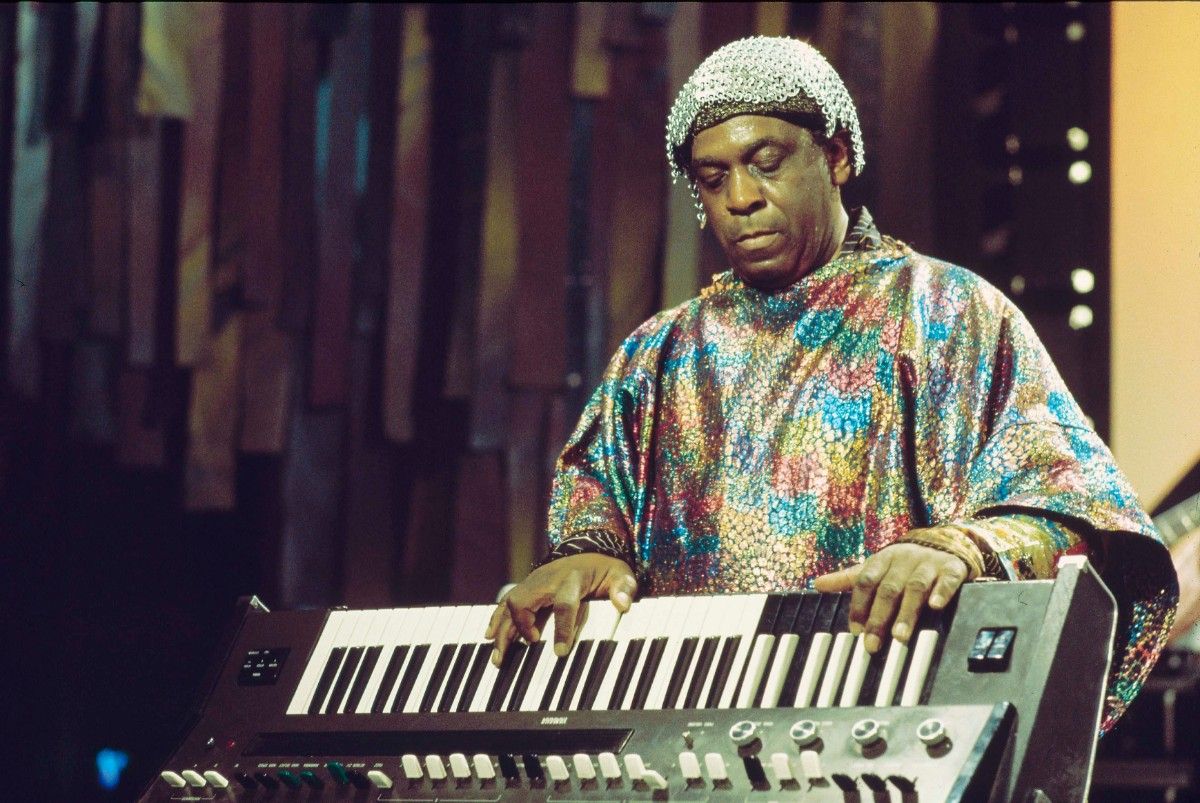
Sun Ra didn’t just make avant-garde music; he practically lived inside the world he created. He called himself an alien from Saturn, wore wild costumes, and turned every performance into a cosmic event. For Sun Ra, music was more than sound; it was a way to push for peace and a new kind of enlightenment. In his 1974 film Space Is the Place, he and Arkestra plan to build a new world on another planet, one centred on Black identity and freedom. Sun Ra set the blueprint for Afrofuturism, using sci-fi not to escape reality but to challenge it, staking a claim to futures that too often left Black people out.
Then you have George Clinton and Parliament-Funkadelic, who brought Afrofuturism to the masses in the ’70s. The P-Funk universe – especially in albums like Mothership Connection – was all about space travel, outlandish outfits, and a vision of Black people as galactic pioneers. The songs riffed on old spirituals and protest music, blending the past with bold, futuristic dreams. They made it clear: Afrofuturism ties deep roots to wild, new possibilities.
Today’s artists keep pushing things forward. Janelle Monáe, for example, uses Afrofuturism to cross musical boundaries and tackle challenging issues. Her android alter ego, Cindi Mayweather, wrestles with ideas of freedom and resistance, all wrapped up in sci-fi stories that echo real struggles against oppression.
READ ALSO
- 10 African Women Changing the Face of Contemporary Art
- 10 African Gaming Studios Changing the Game
- How Diaspora Cuisine Became a Tool of Cultural Diplomacy
How Has Afrofuturism Transformed Visual Culture?
Lately, Afrofuturism has returned to the spotlight. There’s a new energy around the way Black identity and culture get reimagined through futuristic lenses, helped in a big way by movies like Marvel’s Black Panther. That film didn’t just thrill audiences – it showed the world that Black-led, Afrofuturist stories could be blockbuster hits and offered up a vision of Africa unburdened by colonisation.
Major institutions are taking note. The Smithsonian’s National Museum of African American History and Culture ran a big Afrofuturism exhibition, bringing together visual art that celebrates the movement’s power and reach. This kind of recognition marks a fundamental shift – Afrofuturism has moved from the fringes to museums and classrooms.
In the art world, creators like Kehinde Wiley weave Afrofuturist ideas into their work, celebrating Black culture while flipping old-school images on their heads. Artists are using everything – digital media, collage, and sculpture – to build alternate realities where Black people are inventors, time travellers, and architects of their own futures.
What Is Afrofuturism 2.0?
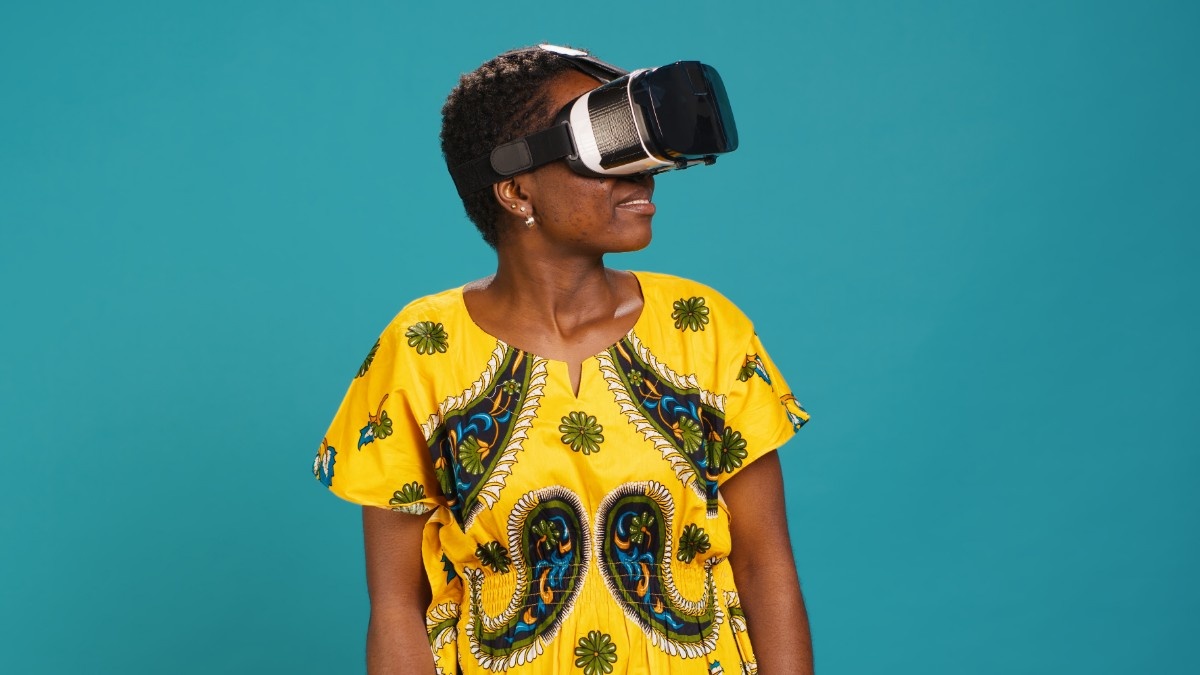
Looking ahead, Afrofuturism is levelling up. In 2025, thinkers, artists, and tech experts will meet in Dakar to explore how Frantz Fanon’s revolutionary ideas align with Afrofuturism 2.0. This next wave dives into today’s tech – artificial intelligence, virtual worlds, blockchain, and digital surveillance – and asks how these tools can drive liberation in an age of the climate crisis and global Black solidarity.
Core themes include the power of technology and AI to break old creative boundaries, the rise of global networks connecting Black communities, and new ways to honour memory and ancestry, sometimes through archives, sometimes through spiritual tech. Through all this, Afrofuturism keeps adapting, holding onto its roots in Black liberation while reaching into the digital future.
Literary Foundations and Expansion
Octavia E. Butler stands as a giant in Afrofuturism and the Black radical tradition. Her stories blend speculative fiction with sharp social critique, exploring race, power, technology, and the possibilities of new worlds. Butler’s work imagines futures where Black people don’t just survive – they lead.
Other writers, like Samuel R. Delany, N.K. Jemisin and Tananarive Due have taken these themes further, weaving in everything from environmental disasters to intergalactic politics. Newer voices, including Tomi Adeyemi and Nnedi Okorafor, carry the torch, bringing Afrofuturism to new readers and tackling modern issues, climate change, migration, the impact of technology, always keeping Black agency at the centre. Through their stories, Afrofuturism keeps showing how imagination isn’t just about escape; it’s about rewriting what’s possible.
Global Expansion Beyond America
Afrofuturism isn’t just an American thing anymore. Artists all around the world are jumping in – look at Demetrius Oliver in New York, Cyrus Kabiru in Nairobi, Lina Iris Viktor from Liberia, or Wanuri Kahiu from Kenya. Their work is soaked in cosmic ideas and sci-fi energy. The movement’s grown way past the US, spreading across Africa and throughout the global diaspora. That reach just shows how much Afrofuturism resonates everywhere, not just in American contexts.
Take AfroFuture, for example. It’s more than a festival – it’s a worldwide celebration of Black creativity, innovation, and culture. From Ghana to New York, people gather for events that spark real connections and push for change. These international gatherings show how Afrofuturism ties global Black communities together, all united by a vision of free, bold futures.
Frequently Asked Questions
1. What is Afrofuturism?
Afrofuturism is a movement that puts blacks at the centre of the future. It isn’t just about looking forward, though; it draws on the deep roots of Africa and the African diaspora, mixing wisdom from the past with wild speculation about what’s next. Think of it as a blend of science fiction, magical realism, surrealism, and even horror. At its heart, it’s about Black people dreaming up worlds where they shape their own lives, where health, joy, and inclusion aren’t just hopes but realities.
2. Who are the pioneers of Afrofuturism?
There’s Sun Ra, who in the ’50s and ’60s brought cosmic jazz and wild philosophy to the table. Octavia Butler’s sci-fi novels cracked open ideas about race, power, and survival. George Clinton and Parliament-Funkadelic elevated Afrofuturism with their extraordinary funk. More recently, Janelle Monáe, N.K. Jemisin and the creators of Black Panther have helped bring Afrofuturism into the mainstream and onto the global stage.
3. How does Afrofuturism differ from regular science fiction?
Afrofuturism puts Black stories and perspectives at the centre, while most mainstream sci-fi sticks to the usual white-dominated narratives. It doesn’t just imagine the future for fun – it uses those visions as a way to challenge oppression and rewrite the rules. Afrofuturism pulls in African and diasporic culture, history, and spirituality, and it aims at things like capitalism and racism, dreaming up futures where Black people run the show and oppression isn’t part of the story.
4. Where can people experience Afrofuturism?
There’s a lot out there: books by Octavia Butler or N.K. Jemisin, movies like Black Panther or Sun Ra’s Space Is the Place, music from Janelle Monáe or Sun Ra, art shows at places like the Smithsonian, major festivals like AfroFuture in Ghana or New York, academic conferences, and digital art platforms full of Afrofuturist creators from all over.
5. Why is Afrofuturism important for contemporary society?
Afrofuturism provides us with new ways to understand inequality and fights back against the idea that only the West is able to imagine the future. It helps Black communities picture worlds where they’re free and thriving, and it tackles current problems, like climate change, by reimagining what’s possible. At the end of the day, Afrofuturism reminds us that technology and progress don’t have to repeat old harms; they can actually help us build joyful, liberated, collective futures.