African fashion in film has come a long way. It used to be all stereotypes and clichés, but now you see costume design that matches the depth and artistry of the best European period dramas. Ruth E. Carter smashed barriers with her Oscar wins for Black Panther and Wakanda Forever. She’s the first African American to win in Costume Design and the first African American woman to win more than one Oscar in any category. That’s more than just a personal victory. It says something bigger: African fashion is no longer just set dressing; it’s a way to tell stories, keep culture alive, and make a statement, all at once.
Look at Wakanda’s striking Afrofuturist style or her fierce armour in The Woman King. Designers are showing the world that African fashion has its own language, one that’s totally separate from Western fashion traditions. And people everywhere are eating it up. These films prove that genuine authenticity takes teamwork with African artisans, deep dives into history, and a refusal to flatten Africa’s style into some generic “tribal” look.
Explore how African fashion icons in film are reshaping cinema through heritage-driven costume design, Afrofuturist aesthetics, and cultural authenticity.
Ruth E. Carter: The Pioneer Who Changed Everything
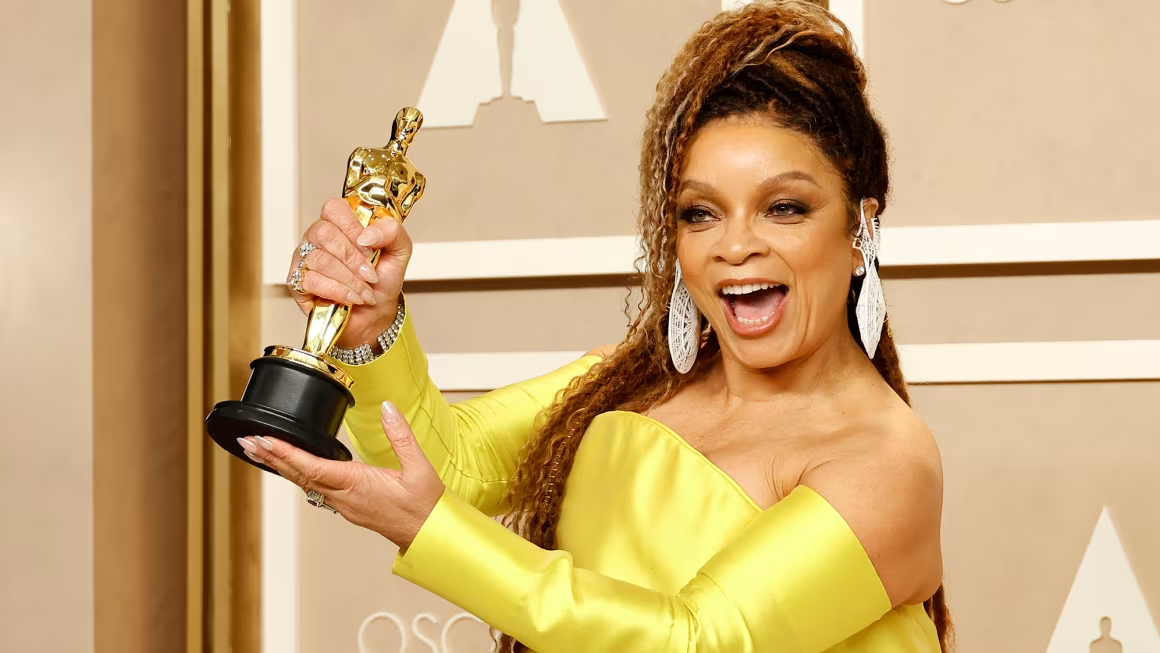
Carter’s work on Black Panther is rooted in Afrofuturism, but it’s also grounded in authentic African traditions. She drew inspiration from Maasai and Ndebele garments, even travelling through southern Africa and working closely with local communities. She made sure to get permission before weaving Lesotho designs into the costumes. Carter’s not just dressing characters – she’s telling stories about culture, race, and politics. Whether it’s Black Panther, Selma, or Do the Right Thing, her costumes carry a message.
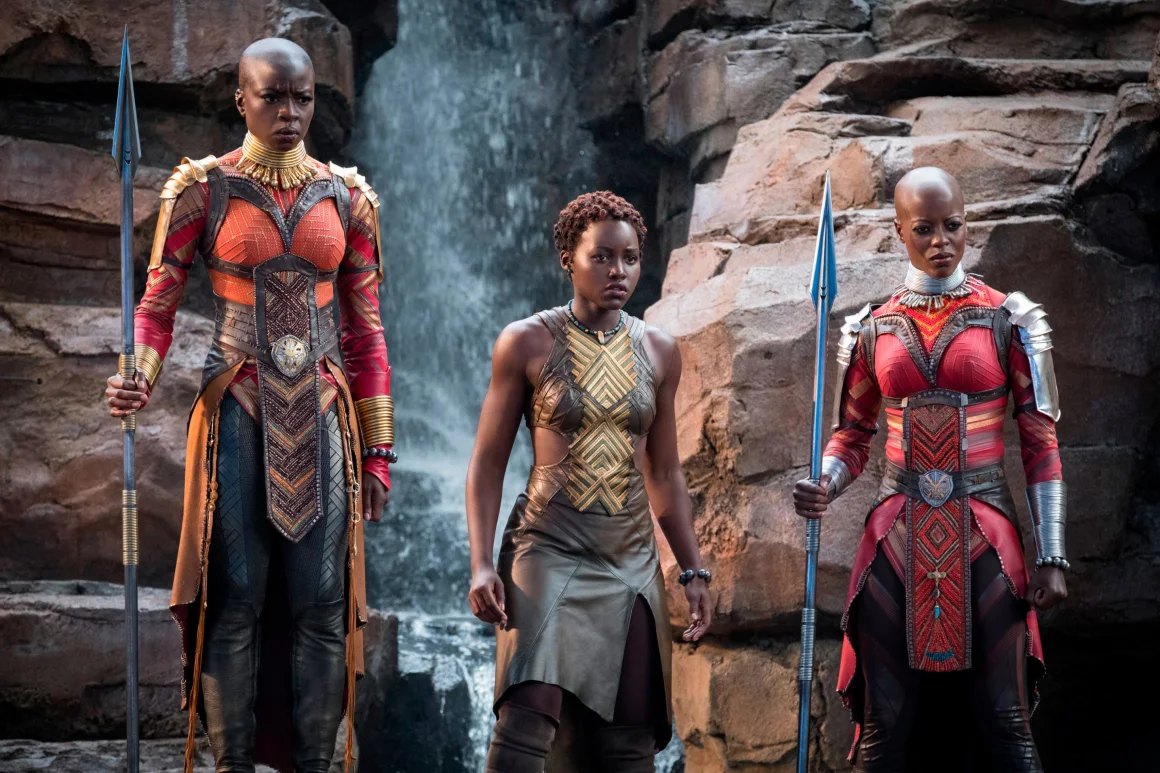
For the Dora Milaje, Wakanda’s fierce all-female warriors, Carter wanted every detail to feel genuinely African. Their suits have beadwork inspired by Yoruba diviners’ belts from Nigeria. Queen Ramonda’s crown? 3D-printed, but based on traditional shapes. Even the Black Panther suit carries raised prints inspired by the Okavango triangle, a nod to family and sacred geometry in southern Africa.
Carter pushed herself for Wakanda Forever. “We couldn’t go as soft as we did in the first film,” she said. Instead, she pushed the boundaries. Her work didn’t just change how audiences see African fashion – it put the entire continent in the global spotlight as a place of innovation, design, and style.
How Does African Fashion Function as a Historical Archive?
Carter’s films cover everything from the saga of Roots to the 19th-century revolt in Amistad, from Malcolm X to Selma, right up to The Butler. Through all of them, her costumes quietly map out the story of African Americans across generations.
But African fashion in movies does more than just look appealing. It acts as a living archive, preserving traditions that history books often ignore. When Carter researches Yoruba belts or Ndebele neck rings, she’s doing more than gathering references – she’s preserving practices that colonialism tried to erase. Her work in Black Panther and Wakanda Forever mixes old and new, tech and tradition, creating Afrofuturist looks that honour the past and empower women on screen.
This versatility is what sets African fashion in film apart from just another style choice. Every bead, fabric, and silhouette is packed with meaning – social status, regional identity, and spiritual beliefs. Costume designers become cultural translators, opening up worlds of knowledge to viewers who might never see these traditions otherwise.
Gersha Phillips: Authenticity Through Collaboration
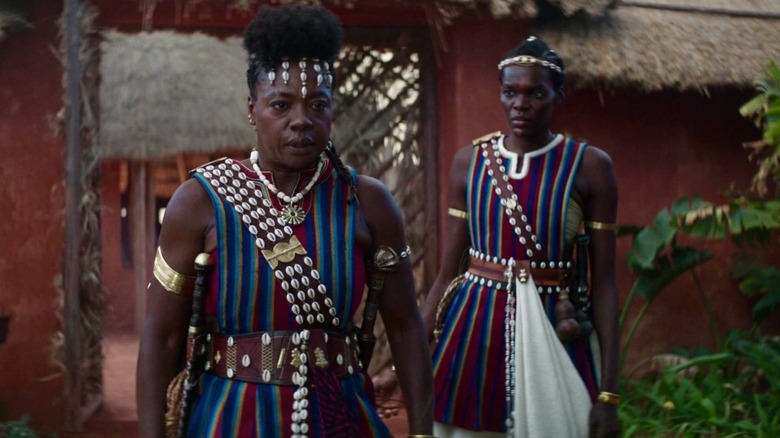
Costume designer Gersha Phillips didn’t just research African tradition for The Woman King – she brought it to life with the help of real artisans. For Gina Prince-Bythewood’s film about fierce female warriors in the 1800s, Phillips wove cowrie shells into the costumes. These shells weren’t random decorations. When warriors triumphed in battle, the king would reward them with cowries – gifts or jewellery that carried meaning. For Viola Davis’ General Nanisca, Phillips designed a sash and headpiece adorned with cowrie shells. Other warriors wore shells in their headpieces, armbands, belts, or pouches.
And it wasn’t just about shells. Indigo block printing played a big part, too. Musa, an artisan in Gambia, hand-dyed traditional batik cotton right in his backyard, then shipped the finished pieces to Cape Town. In Ghana, Nana Afriyah gathered local craftswomen to make custom warrior uniforms, giving Ghanaian craftsmanship a starring role on screen.
This way of working marks a fundamental shift for African fashion in movies. Instead of Western designers just guessing at African styles, Phillips put actual African experts at the centre. One cannot replicate their skills in another studio. She even created the film’s signature burgundy uniform colour from scratch, and for the men’s battle wraps, she used strip weave fabric – woven in narrow strips and stitched together. The men’s wraps came out of South Africa; the women’s, from northern Ghana.
Why Does Technology Matter for African Fashion in Film?
Ruth Carter, another designer, teamed up with global talent – including Dutch couture star Iris van Herpen, who hand-strung a jade necklace for Shuri in Black Panther, tying the look directly to Afrofuturism. That’s a movement about the African diaspora coming together across the world. Are you familiar with Queen Ramonda’s headpieces? Those iconic Isicholos were 3D-printed, a nod to Wakanda’s tech-powered future. Carter put it bluntly: if Wakanda is a nation built on technology, there’s no way you can skip 3D design in the costumes.
Tech gives African fashion in film a wide range of expression. 3D printing lets designers dream up shapes that would be impossible with traditional methods, even when old forms inspire those shapes. Digital fabrication preserves traditional weaving patterns but pushes them into new materials. It means African fashion doesn’t have to choose between honouring its past or envisioning its future. It can look both ancient and futuristic, all at once.
Phillips actually credits her experience on Star Trek: Discovery for prepping her for The Woman King. On Star Trek, she had to hide construction tricks behind clothing meant to look like it came from the future; on The Woman King, she had to make things look as if they fit right in 1823 – nothing too polished. It’s this flexibility, this ability to balance real history with what’s possible, that lets African fashion in film stand out.
The Economic Impact
Nana Afriyah put it simply: “It opens the door for more opportunities to come to us, showing a track record that we are capable, that even in the face of very little infrastructure, we can produce results that meet global standards when given the appropriate budget, leadership and opportunity.” When African fashion takes the spotlight in a major film, it’s not just about the costumes. It’s about jobs – textile production, traditional crafts, design training – opportunities that ripple out across communities.
Big films hiring Gambian indigo dyers, Ghanaian strip weavers, and South African beaders – the result is real money flowing into places that need it, giving traditional skills a lifeline in a fast-changing world. Phillips’ team didn’t just order fabric from a catalogue. They hired a local Ghanaian shopper to hand-carry fabric by plane so it wouldn’t get lost in shipping, tracked down vintage materials, block-printed new designs, and even found a Nigerian fabric artist through Instagram. All this builds real infrastructure and means African fashion in film isn’t just a temporary gig – it’s a path to lasting employment.
The Future of African Fashion in Film
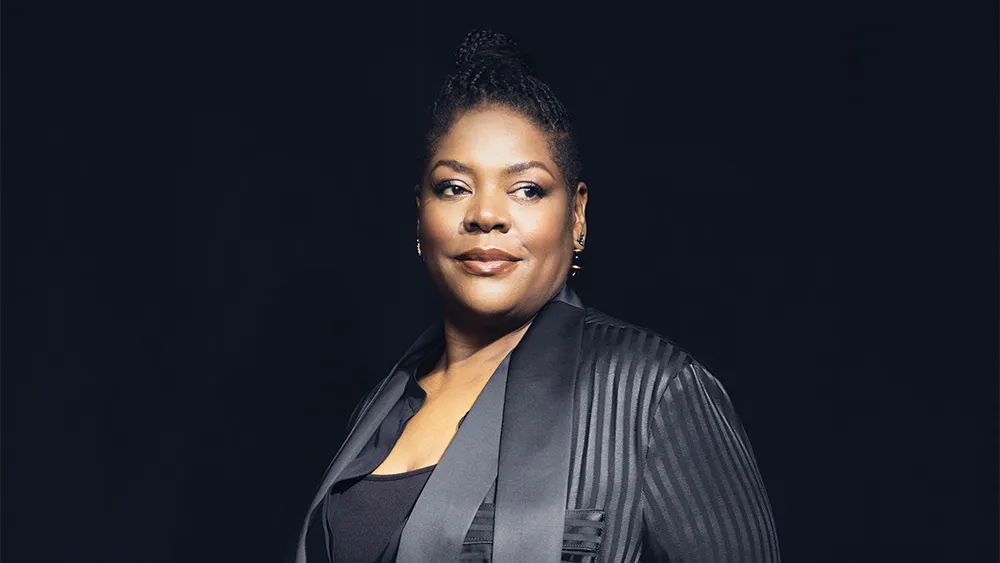
At Carter’s Hollywood Walk of Fame celebration, officials didn’t just hand out praise; they really recognised her gift for blending traditional African tribal styles with a modern edge. Her costumes do more than just look good on screen. They bring technology and history together, giving characters and even the audience a real sense of pride and ownership. No wonder people see her as a leading voice in Afrofuturism.
This kind of acknowledgement means more than just personal fame. This indicates that the film industry is finally embracing African fashion at the highest level. With streaming platforms pouring money into African stories and filmmakers from the diaspora getting the support they need, it’s clear that people want to see more authentic African fashion in movies. The big question now: Will these industries actually team up with African artisans, or will they just copy the look and cut the absolute craftspeople out of the picture?
Frequently Asked Questions
1. Who are the most influential African fashion designers in film?
A few names come to mind right away. Ruth E. Carter stands out; she’s won two Oscars for her work on Black Panther and really set the stage for Afrofuturist costume design. Then there’s Gersha Phillips, who crafted those unforgettable warrior outfits in The Woman King, working closely with West African artisans. And don’t forget the up-and-coming designers who mix traditional African fabrics with new filmmaking techniques; they’re changing the game, too.
2. How do costume designers research African fashion for films?
They don’t cut corners. Designers dig deep, hitting up museums, reading academic work, and sifting through photo archives. Many travel to different African regions, soaking up the details in person. They work with cultural historians, connect with local craftspeople, and always ask for permission before including sacred or ceremonial pieces in their costumes. It’s a hands-on, respectful process.
3. What is Afrofuturism in costume design?
Afrofuturism in costume design isn’t just about flashy looks. It’s about weaving together the past and the future. Designers use traditional African symbols, textiles, and rituals, then mix in futuristic touches – think 3D printing or digital design. The result? Outfits that honour heritage but imagine a future where African creativity isn’t held back by colonial history.
4. Why is authenticity important for African fashion in film?
Getting it right matters. Movies shape how people worldwide view African cultures. When costumes fall short, they propagate stereotypes and disrespect. However, when designers conduct thorough research, they help preserve traditions that could otherwise disappear. Authentic costumes also open up real jobs and recognition for African artisans, making sure their skills don’t go unnoticed – or unpaid.
5. How has Black Panther influenced African fashion in film?
Black Panther changed everything. The film showed that African-inspired fashion isn’t just fabulous – it sells. Audiences everywhere responded to the look’s realism. The movie raised African costume design to an Oscar-winning level, sparked a wave of Afrofuturist style across different media, and inspired designers around the world. It proved that African fashion isn’t just for indie films or arthouse projects. It belongs right in the heart of blockbuster cinema.