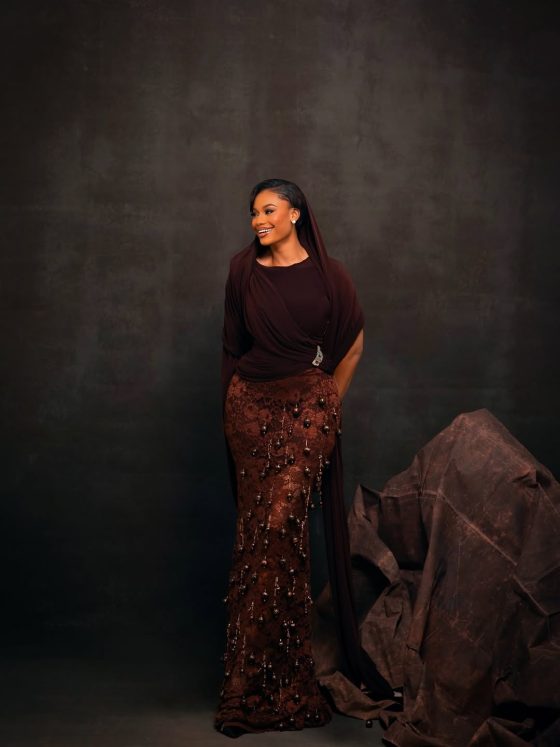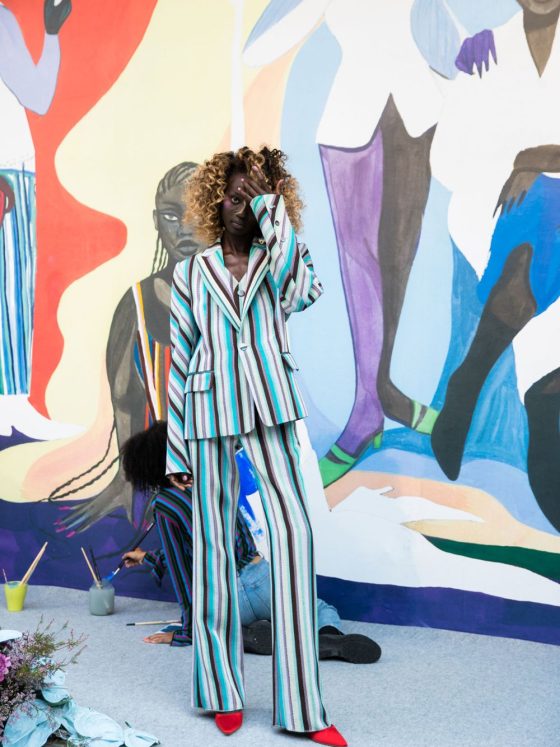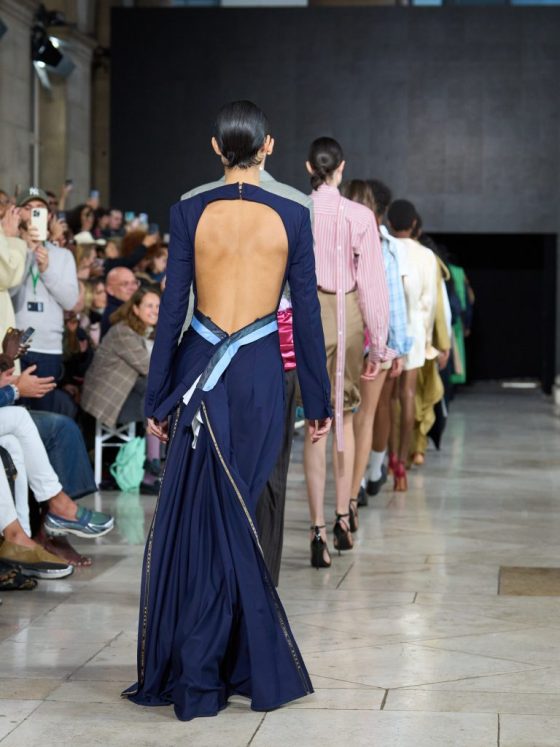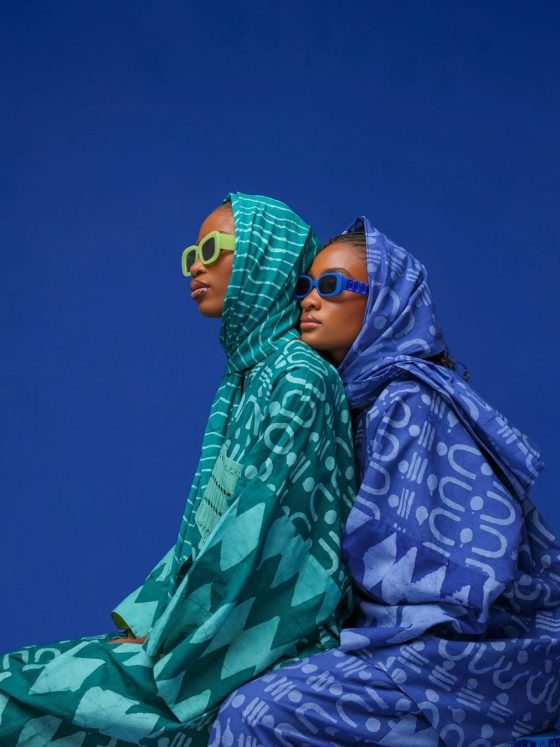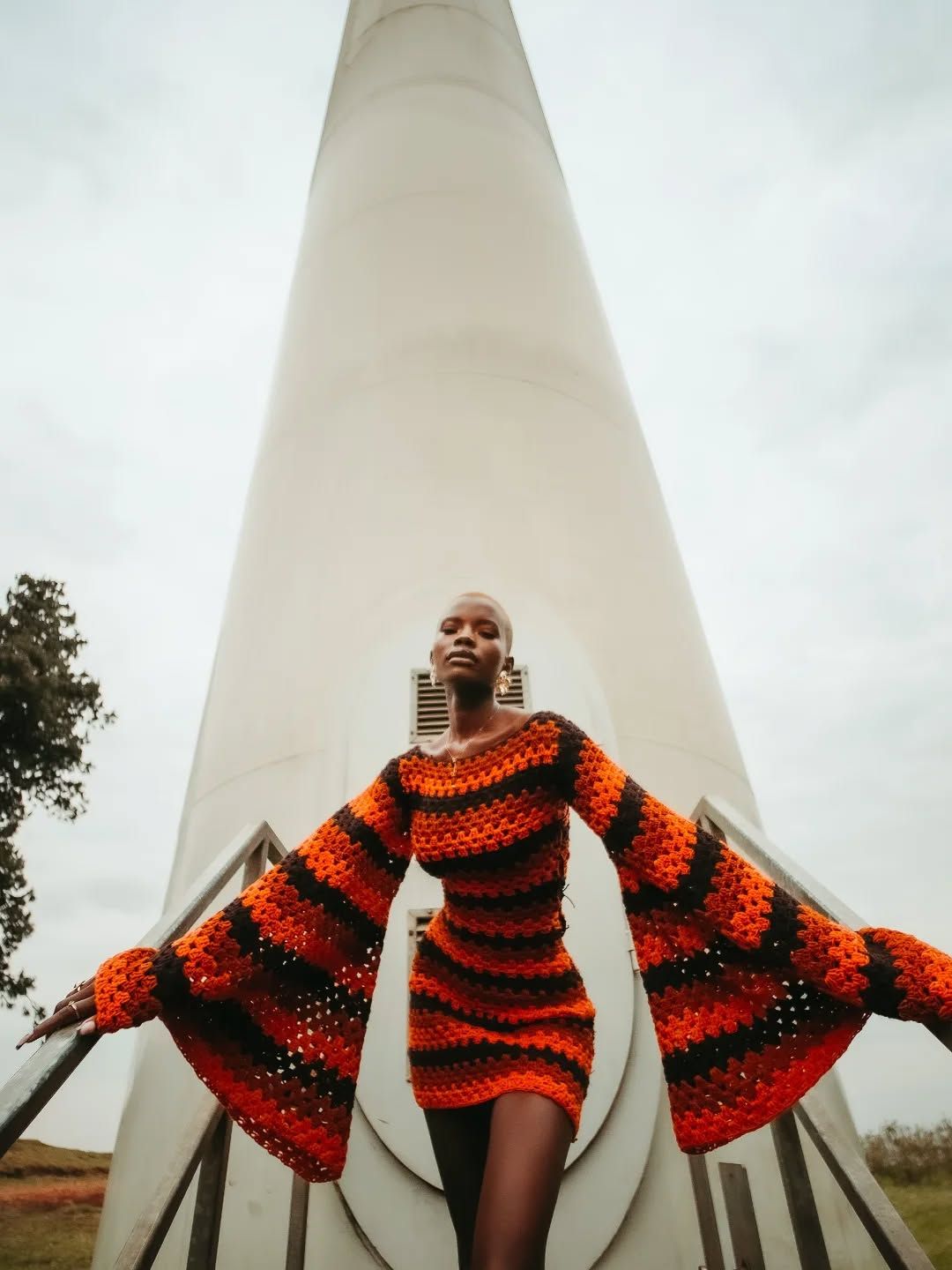
Luxury used to announce itself loudly. Glossy finishes. Hard silhouettes. Immediate impact. But the mood has shifted. Today’s most compelling fashion moments don’t shout. They invite a closer look.
You notice it in the texture first. A hand-looped stitch that doesn’t sit perfectly flat. The knit moves seamlessly with the body rather than stifling it. Crochet is worn not as nostalgia or beachwear, but as something deliberate, considered, and grown.
This style is not a trend cycle repeating itself. It is a recalibration of what luxury looks and feels like now.
Crochet and knitwear are being reintroduced as serious fashion languages. Not softened. Not romanticised. Elevated.
Why crochet and knitwear are redefining modern luxury through craftsmanship, texture, and intentional design in today’s evolving fashion landscape.
From Craft to Cultural Capital
For a long time, crochet and knitwear lived on the margins of fashion’s hierarchy. They were associated with domestic labour, informal economies, and slow, unseen work. Valuable, yes, but rarely framed as luxurious.
That framing is changing.
What was once dismissed as “handmade” is now recognised as highly skilled. The time it takes to produce a single crocheted garment, the technical knowledge behind tension, pattern, and structure, and the physical intimacy between maker and material are all being reassessed.
Luxury today is less about speed and more about depth. Crochet and knitwear embody that shift naturally. They cannot be rushed. They resist mass production. Each piece carries evidence of human touch.
In a fashion industry rethinking its values, that matters.
A Global Re-Education of Taste
Part of crochet’s re-entry into luxury comes from a broader re-education of taste. Consumers are learning to read clothing differently.
Instead of asking, “Is this shirt new?” the question becomes, “Is this made well?”
Instead of logos, the focus moves to construction
Instead of novelty, longevity.
Knitwear answers those questions quietly. It does not rely on spectacle. Its power is in its subtlety, how it sits on the body, how it ages, and how it feels.
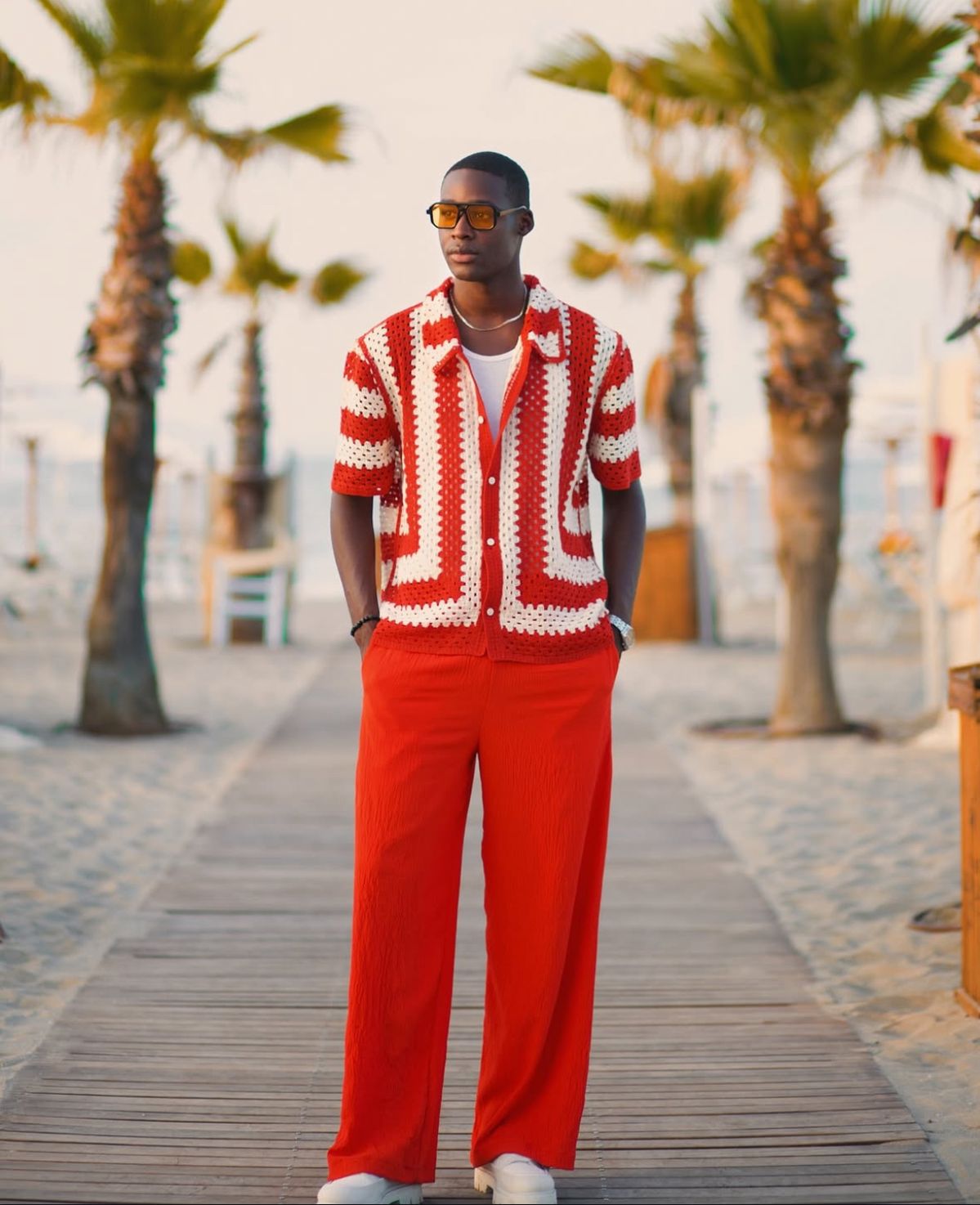
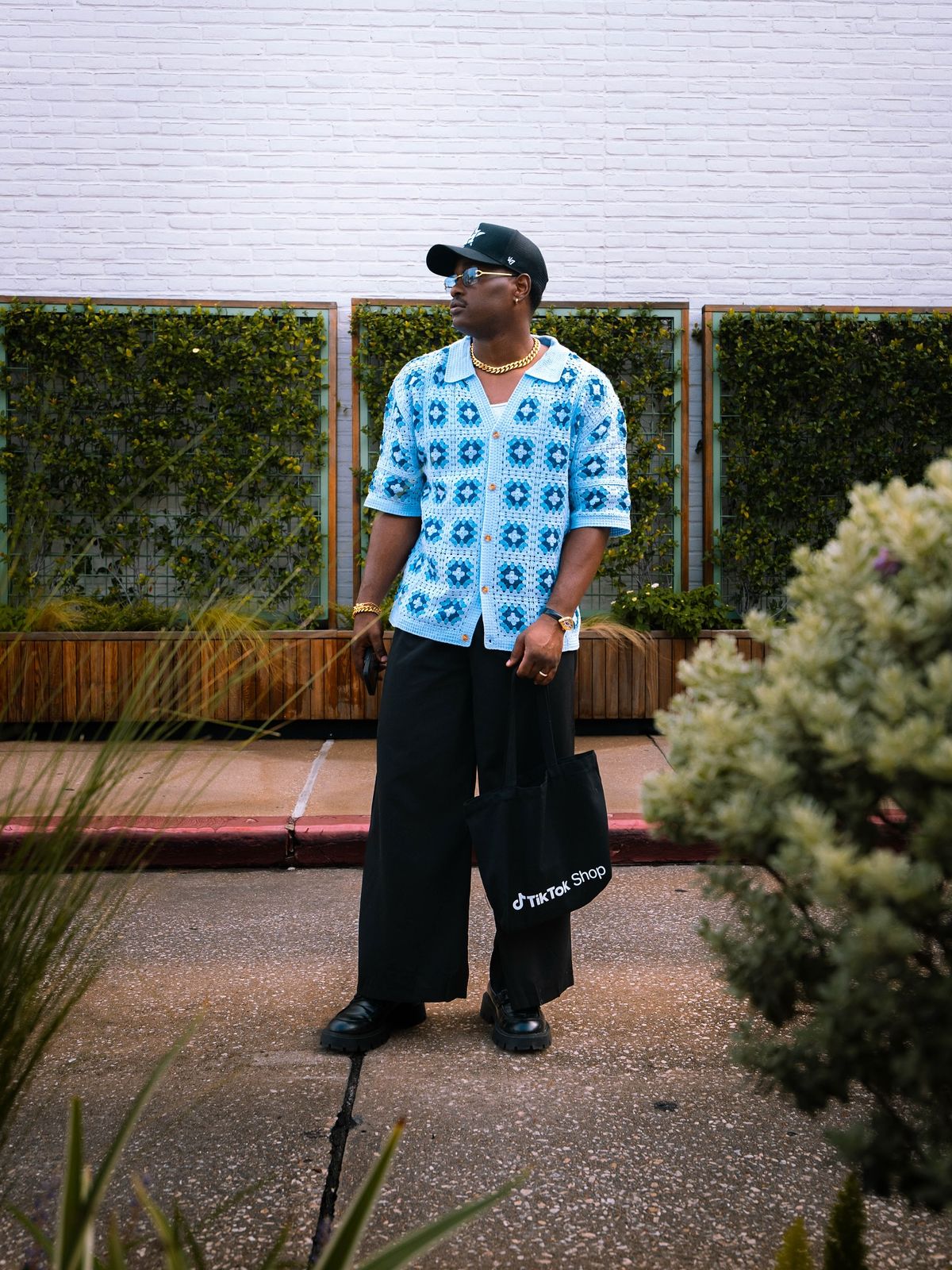
This is why crochet and knit pieces are now styled with tailored trousers, worn to evening events, and placed deliberately within high-fashion contexts. They are no longer casual by default. They are intentional.
The Role of African and Black Craft Traditions
It is impossible to talk about this shift without acknowledging where much of this craft knowledge comes from.
Across communities globally, crochet, knitting, weaving, and textile work have long existed as both functional skills and cultural expressions. These techniques were never decorative alone. They were tied to climate, community, economy, and storytelling.
What is different now is visibility.
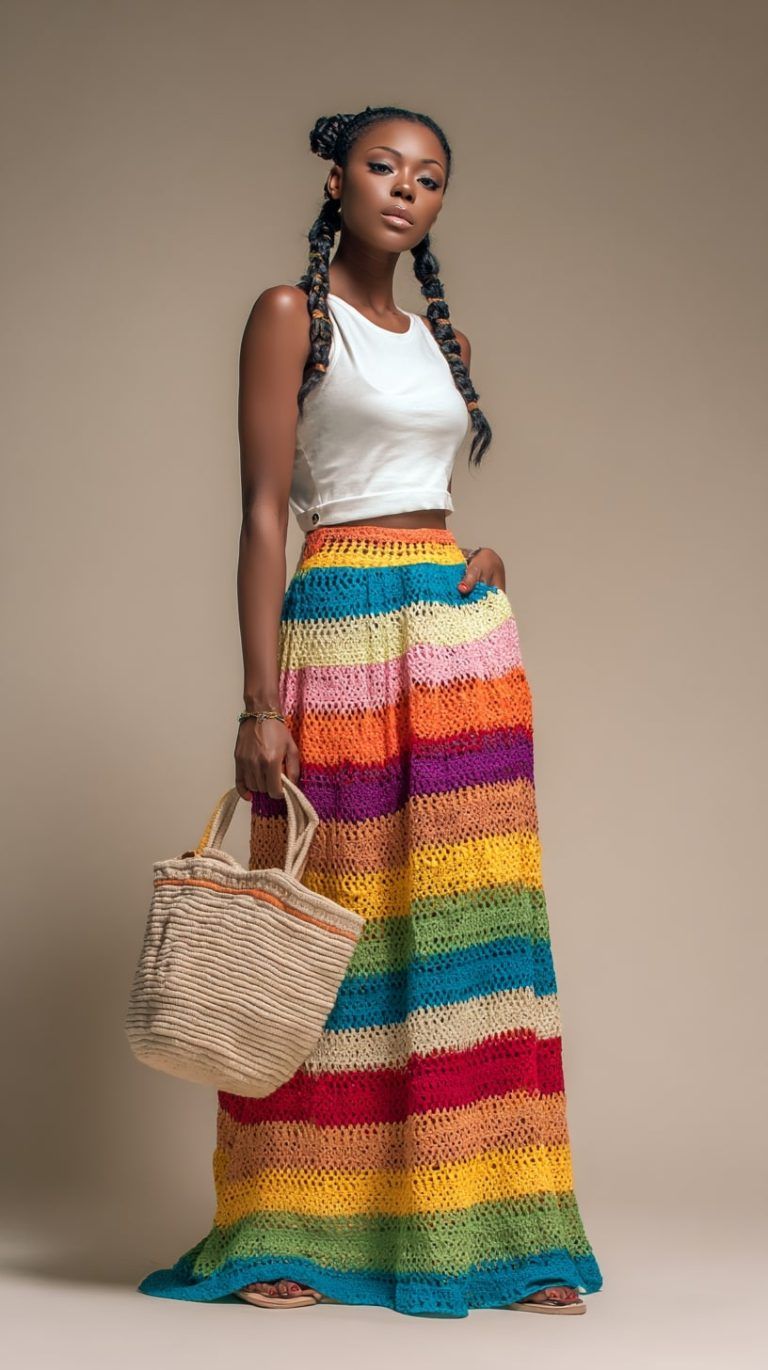
Designers and creatives drawing from these traditions are no longer flattening them into trends. Instead, they are translating technique into contemporary form. Crochet dresses with architectural lines. Knitwear shaped into sculptural tops. Pieces that respect their origins without being trapped by them.
Luxury, in this context, is not about reference. It is about continuation.
Texture as a New Status Symbol
In an era saturated with imagery, texture has become one of the most powerful signals of taste.
Crochet and knitwear introduce depth where flat fabrics cannot. They create shadow, movement, and dimension without excess. They reward close attention. You have to be near to appreciate them.
This tactile quality aligns perfectly with how luxury is evolving. Status is no longer about being seen from across the room. It’s about being recognised up close.
A finely knitted piece communicates patience. A complex crochet pattern suggests time. These are quiet indicators of value in a world that has grown tired of instant gratification.
Designers Redefining the Silhouette
Designers are pushing the boundaries of softness in modern crochet and knitwear Designers are experimenting with structure, proportion, and restraint.
We are seeing knit garments that hold form like tailoring. Crochet pieces engineered to contour the body without clinging. Openwork designs that play with exposure in controlled, intelligent ways.
This evolution challenges the idea that knitwear is inherently relaxed or informal. Instead, it becomes architectural. Intentional. Strong.
The result is clothing that feels both intimate and authoritative — a rare balance in fashion.
Why This Resonates Now
The rise of crochet and knitwear in luxury spaces is not accidental. It reflects larger cultural shifts.
People are dressing more consciously. They want clothes that feel personal rather than performative. Pieces that hold emotional weight. Garments that can move through seasons and moments without feeling dated.
Crochet and knitwear offer that flexibility. They adapt to the body They layer well They age gracefully. They feel lived-in rather than staged.
In uncertain times, clothing that feels grounded has power.
Slow Fashion Without the Sermon
What makes crochet and knitwear particularly compelling is that they represent slow fashion without demanding moral performance.
They don’t announce sustainability. They simply embody it.
A crocheted garment cannot be overproduced easily. A hand-knit piece carries inherent limits. These constraints are not marketed. They are built in.
Luxury consumers are increasingly drawn to this kind of quiet integrity. It is clothing that speaks for itself.
INTERESTING READS:
- 80s Exuberance & Power Dressing: Why Structure Is Leading 2026 Fashion
- Mastering the Art of Intentional Style
- Inside the Hidden Commercial Systems Behind Successful Fashion Houses
The Future of Luxury Texture
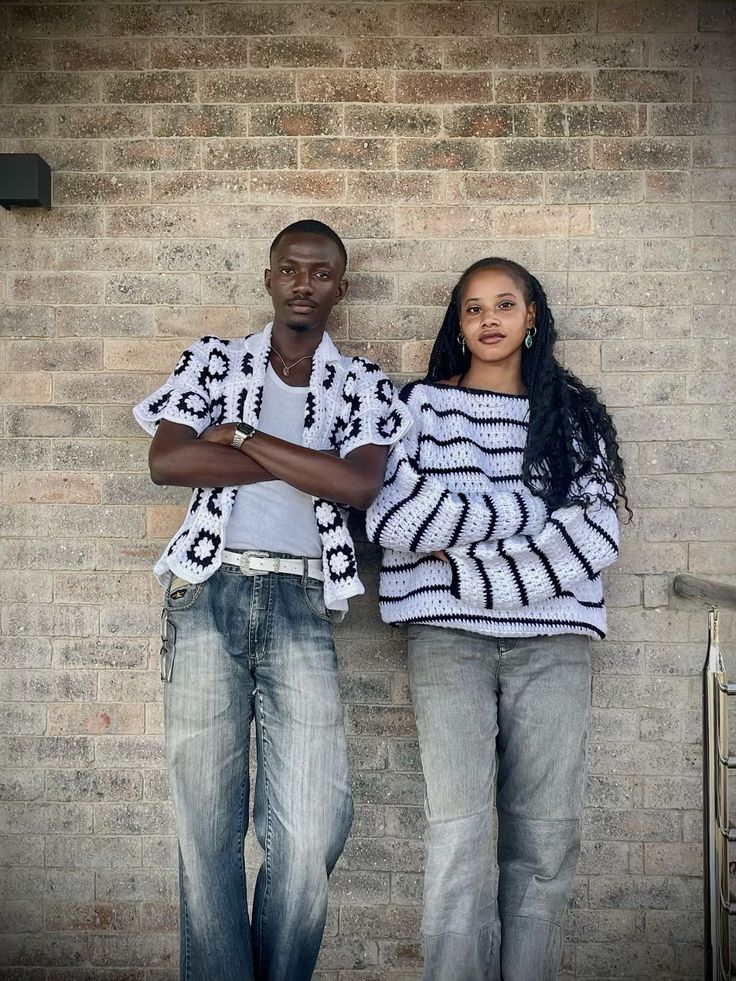
As fashion continues to move away from rigid definitions of luxury, crochet and knitwear are well-positioned to lead.
They should not be viewed as mere trends. They serve as enduring forms of expression, not as mere seasonal novelties. Instead, they serve as timeless modes of expression.
They remind us that luxury is not always polished. Sometimes, it is patience. Occasionally, it is imperfect. Occasionally, it is made slowly by someone whose name we may never know.
And that, increasingly, is the point.
From trends to wellness and beyond — discover fresh perspectives in the Lifestyle section on OmirenStyles.
Frequently Asked Questions
- Why is crochet now considered luxury fashion?
This is due to its representation of skill, time, and human craftsmanship, values that have become increasingly central to modern luxury.
- Is crochet only suitable for casual wear?
No. Contemporary designers are using crochet in structured, elevated ways suitable for formal and editorial styling.
- How does knitwear fit into modern luxury wardrobes?
Knitwear offers comfort, longevity, and versatility while maintaining a refined aesthetic when designed thoughtfully.
- Are these pieces sustainable by default?
They often are, due to their production process, though sustainability still depends on materials and sourcing.
- Will crochet and knitwear remain relevant in the long term?
Yes. Their appeal lies in craftsmanship and texture, not trends, making them enduring elements of modern dressing.