African women are shaking things up, refusing to let the old gatekeepers decide what’s valuable, what gets shown, or who gets paid. Forget waiting for a seat at the table; these artists are building their own. You see it everywhere: museum retrospectives, major gallery deals, record-breaking auctions, and public art that stops people in their tracks. Their work isn’t just technically brilliant. It’s bold, complex, and unafraid to tackle colonialism, gender, identity, and the realities of the diaspora. They mix collage and sculpture, turn photography into activism, and use installation art for deep, sometimes spiritual questions. They aren’t interested in fitting into someone else’s box; they’re creating new ones, honouring their heritage while blowing past boundaries. This isn’t just about being included. It’s about flipping the script, making space for African women’s visions, and building new institutions with their own rules.
Meet ten African women redefining contemporary art through bold expression, cultural depth, and global influence across galleries, institutions, and digital spaces.
Meet the Visionaries
These women come from all over Africa. Their styles, materials, and career paths are wildly different. But they’re united by a few things: they won’t water down their stories for a Western audience, they’re obsessed with craft, and they want to lift whole communities, not just themselves.
1. Wangechi Mutu – Myth-Making in Mixed Media
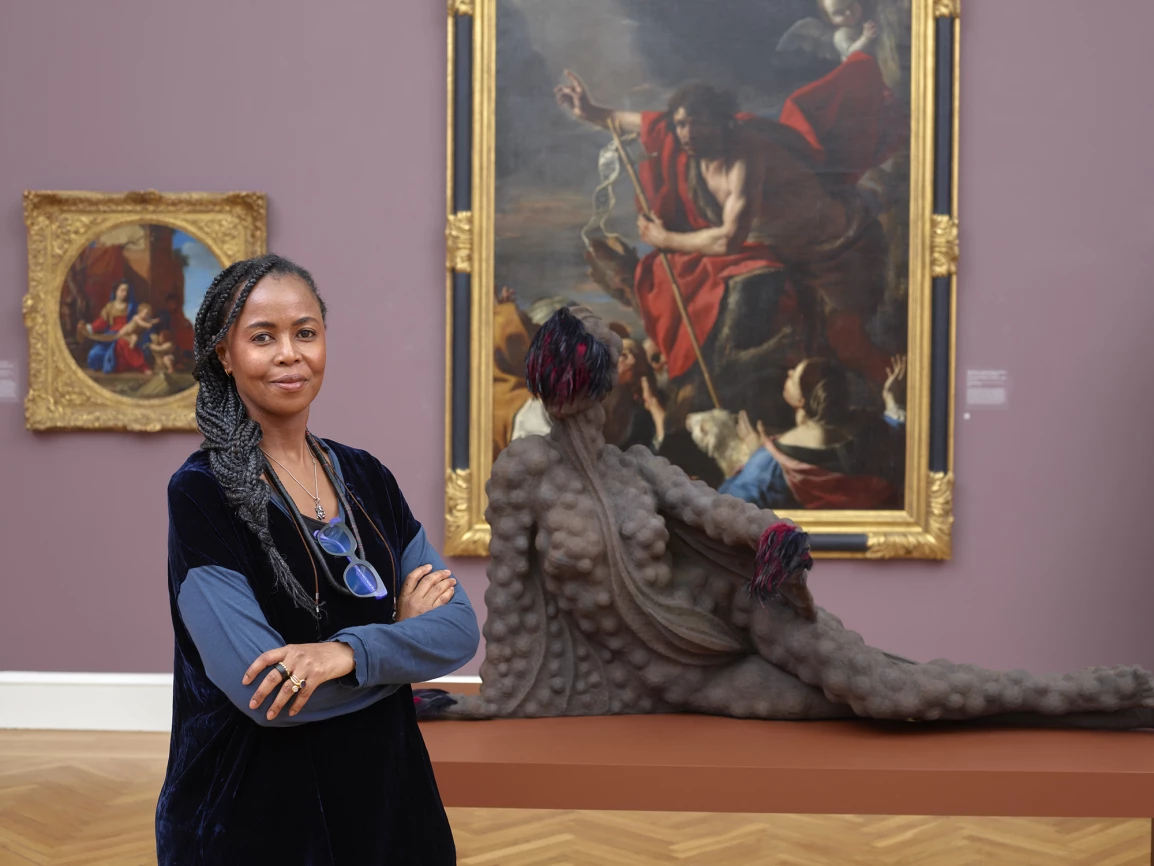
Wangechi Mutu has had a big couple of years. In 2024, the New Orleans Museum of Art hosted Intertwined, the first significant survey by an African artist in its history. Back in 2019, she kicked off the Metropolitan Museum of Art’s façade commission, a first for both her and the Met. Her 25-year career got top billing at the New Museum in New York with another sprawling Intertwined exhibition in 2023. Mutu’s mantle is crowded: BlackStar Film Festival’s Audience Award for her animated short The End of Eating Everything, Brooklyn Museum Artist of the Year, a United States Artist Grant, and the International Artist Award from Anderson Ranch Arts Centre. Deutsche Bank named her its very first “Artist of the Year” back in 2010. She’s known for wild collages and sculptures, female bodies spliced with machine parts, animal forms, and strange organic stuff. It’s all about beauty, consumption, and change. Mutu shows you can win over the big institutions and still stay radically original.
2. Zanele Muholi – Turning Photography Into Activism
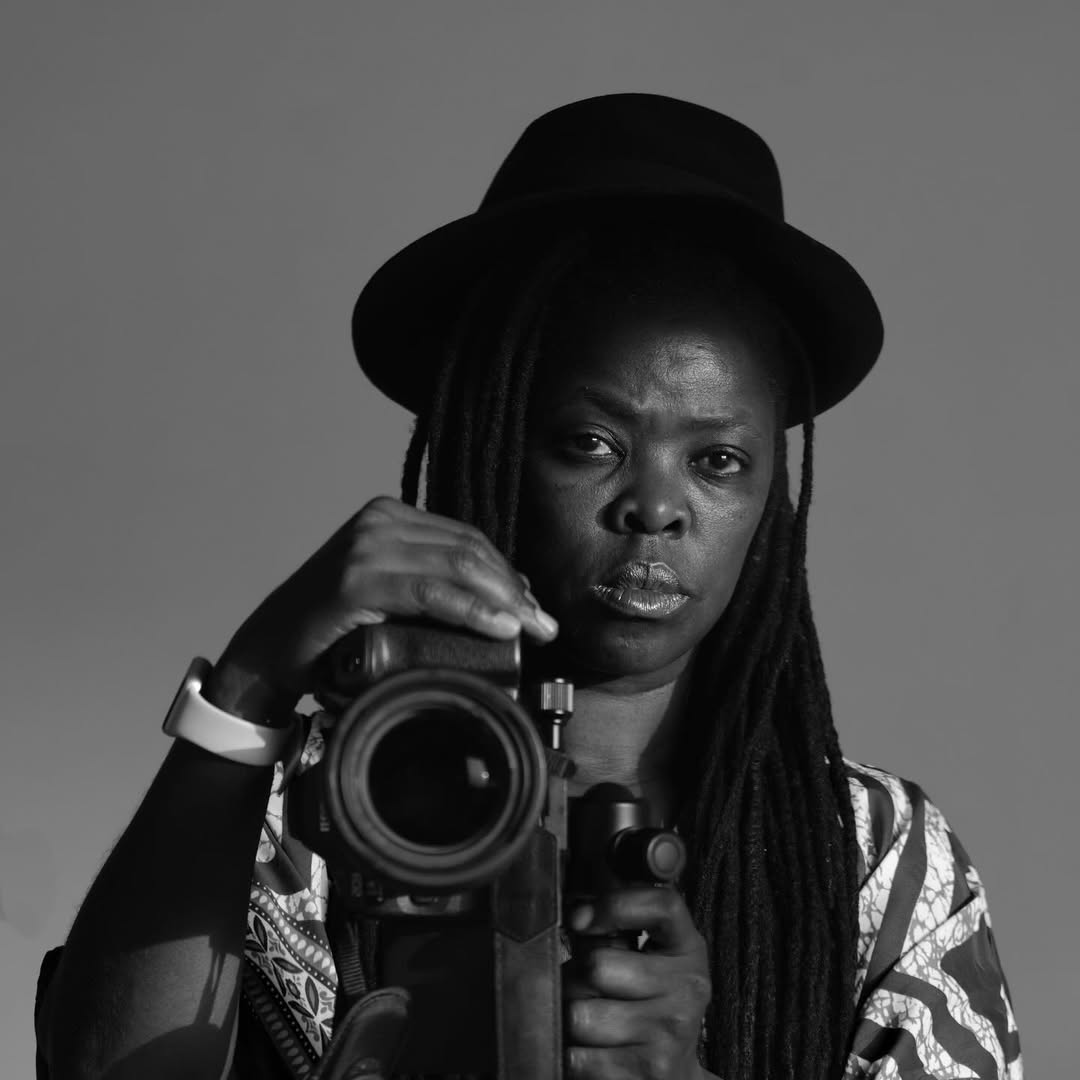
Zanele Muholi doesn’t just take photos; they fight with them. Their 2024 Eye Me show at San Francisco’s Museum of Modern Art was a West Coast first. Muholi’s up for every major prize: Deutsche Börse Photography Prize shortlist and the Kraszna-Krausz Foundation Photography Book Award for Somnyama Ngonyama: Hail, the Dark Lioness. But what really matters to them is the mission: “rewriting a Black queer and trans visual history of South Africa for the world to know of our resistance and existence at the height of hate crimes.” Muholi co-founded the Forum for the Empowerment of Women (FEW), a Black lesbian organisation, and later launched Inkanyiso, a non-profit rooted in queer visual activism. Their portraits, stunning, defiant, intimate, put Black LGBTQIA+ people right at the centre. Muholi proves art can be a weapon, not just a mirror.
3. Mary Sibande – Sculpting New Stories From Old Wounds
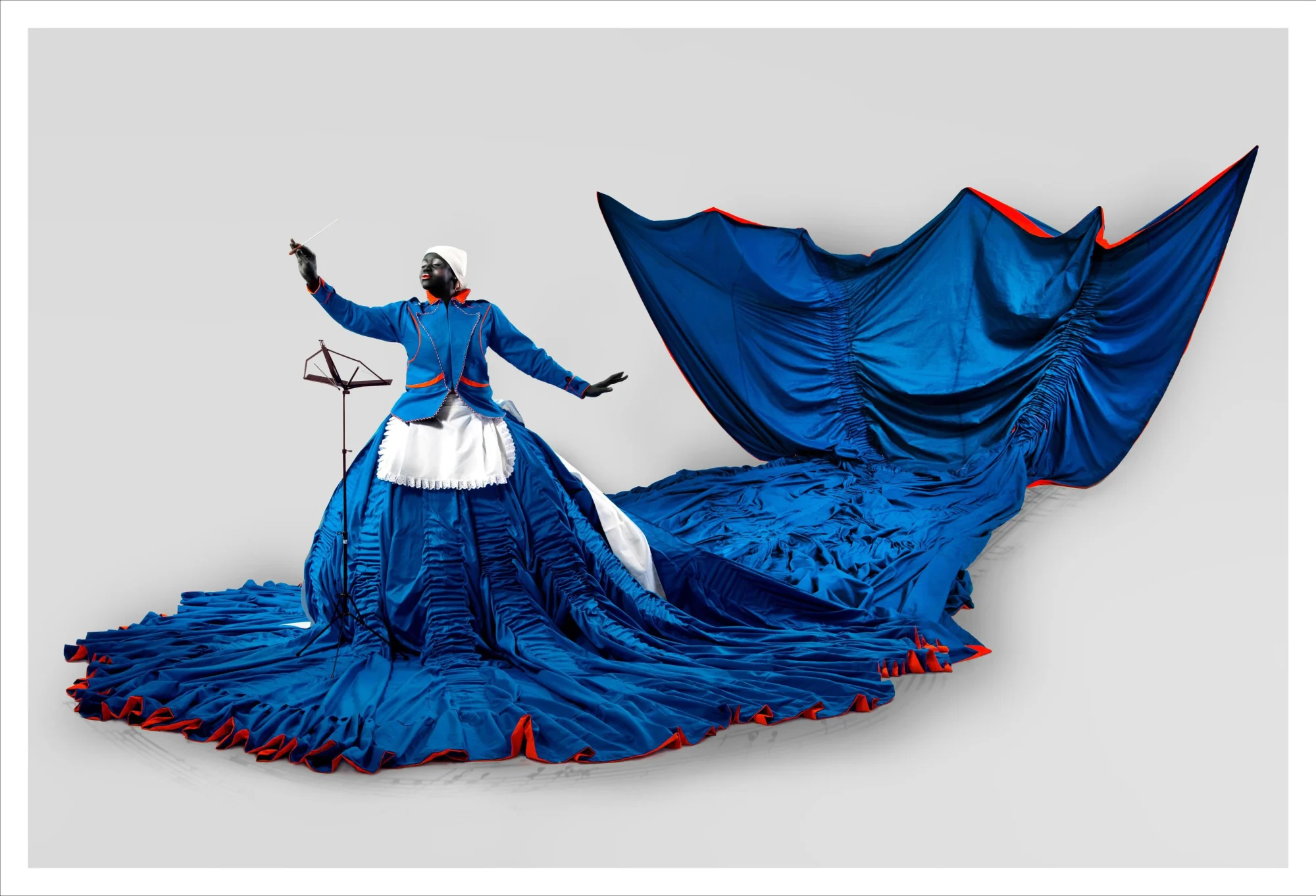
Mary Sibande’s art stops you in your tracks. Her life-sized sculptures of “Sophie”, her alter ego, have travelled the world. Sophie is no ordinary figure; she’s a domestic worker turned superhero, a character rooted in Sibande’s own family history. Her mother worked as a maid, and Sibande flips that story, showing Black women as powerful and free, not just stuck in someone else’s home. She uses African textiles and surreal touches to create scenes that honour working women and inspire new possibilities. For Sibande, art is about more than exposing injustice. It’s about imagining what liberation could look like. She’s living proof that when you tell your story, you can challenge the whole system.
4. Njideka Akunyili Crosby – Layered Cultural Identity
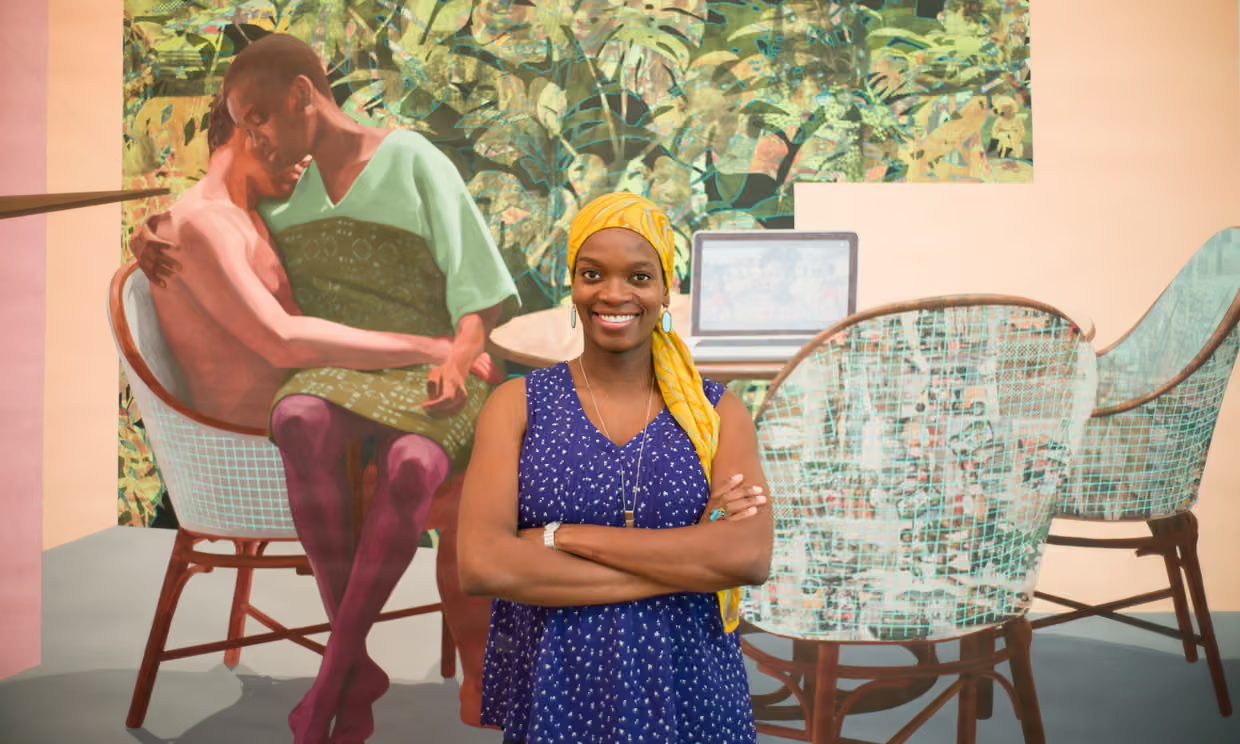
Njideka Akunyili Crosby, a Nigerian-American artist, paints significant, photo-based works that mix references from both Nigerian and American life. She pulls from family photos, Nigerian pop culture, and her painting, weaving them together into scenes that feel both personal and universal. It’s more than just a mix of images; her work becomes a conversation about what it means to belong to more than one place. Instead of choosing between cultures, she brings them together, creating her own visual language that honours them both. Her paintings don’t just win critical praise; they sell for serious money at auction, showing that African women in contemporary art can grab top market spots without losing their voice or depth.
5. Dineo Seshee Bopape – Immersive Spatial Interventions
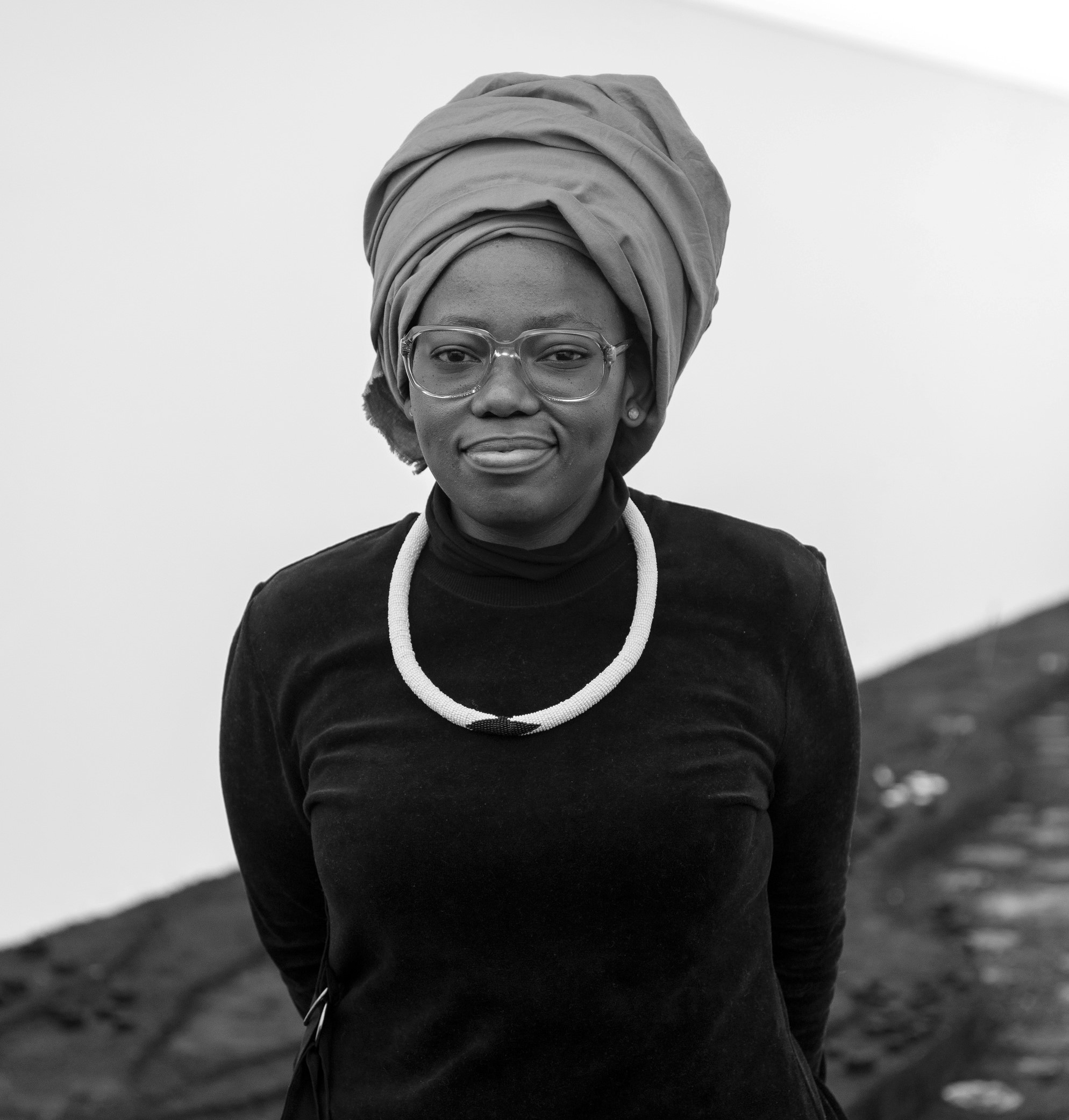
Dineo Seshee Bopape, an artist from South Africa, works with video, sound, and installation to create spaces that pull you in. She often uses earth, water, and plants, tying her art back to spiritual traditions and ancestral memory. Walk into one of her installations, and you feel history, loss, and connection in the air. Bopape proves that African women in contemporary art don’t have to abandon traditional spiritual ideas to remain relevant. Instead, she brings those ideas into new, immersive formats that speak to people everywhere.
6. Billie Zangewa – Narrative Silk Collages
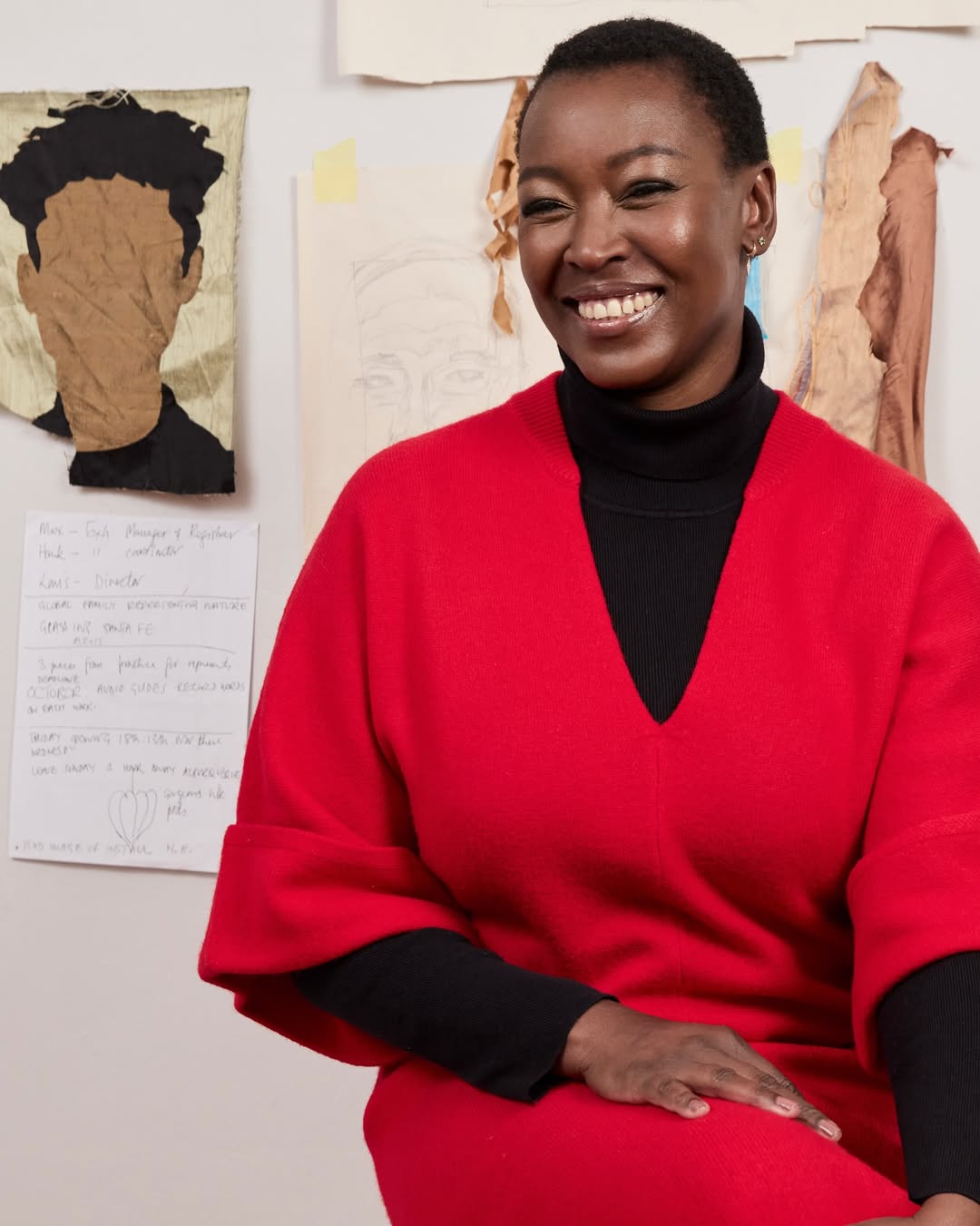
Malawian-South African artist Billie Zangewa stitches together silk collages that tell stories about modern womanhood, daily life, and identity. Her work is intimate, Black women bathing, cooking, caring for their kids, moments that are often overlooked. Zangewa takes what’s usually called “women’s work” and turns it into art that hangs in galleries. She flips the script on what matters in art, proving that domestic scenes and craft techniques can be just as influential, celebrated, and ambitious as anything else in the art world.
7. Lungiswa Gqunta – Social Justice Through Material
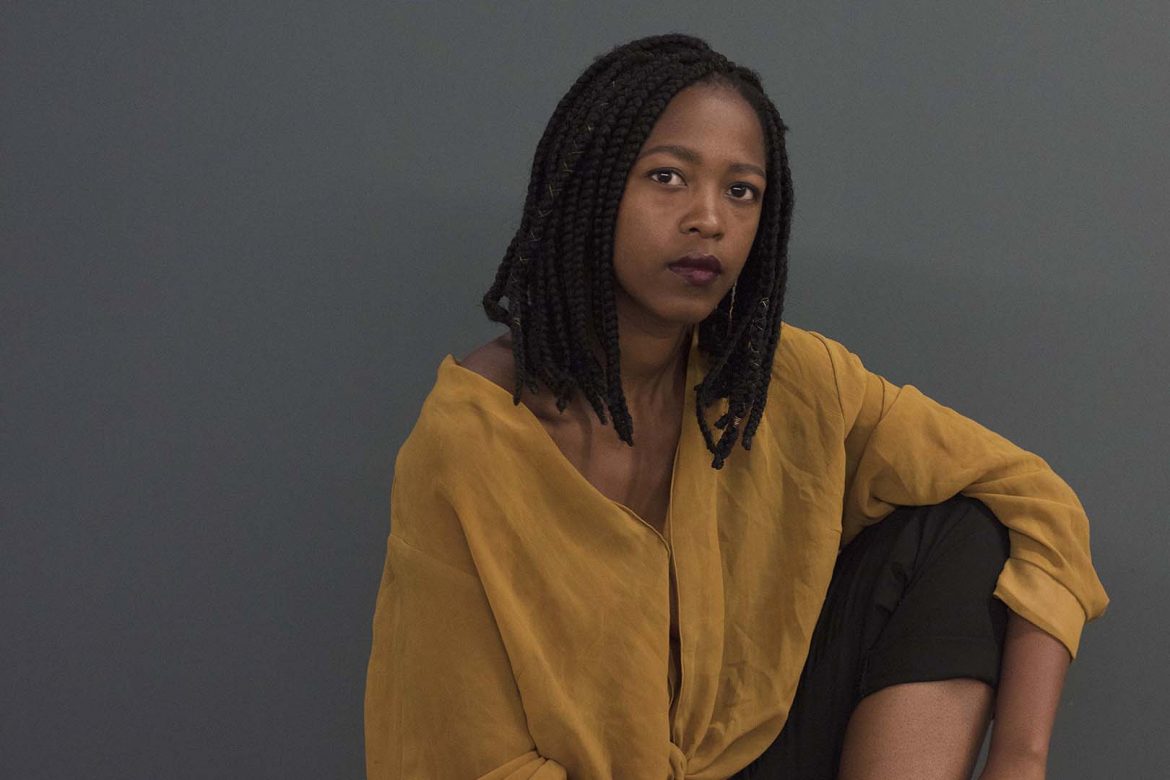
Lungiswa Gqunta, from South Africa, uses sculpture, installations, and performances to tackle social inequality, labour, and the body. She works with everyday stuff, things most people wouldn’t look twice at, and turns them into sharp political statements about class and autonomy. Gqunta shows how every choice in her art, from the materials to the way people move through the space, adds to the meaning. Her work makes it clear that you don’t have to choose between beauty and politics. African women in contemporary art can do both and do it well.
8. Thandiwe Muriu – Maximalist Cultural Celebration
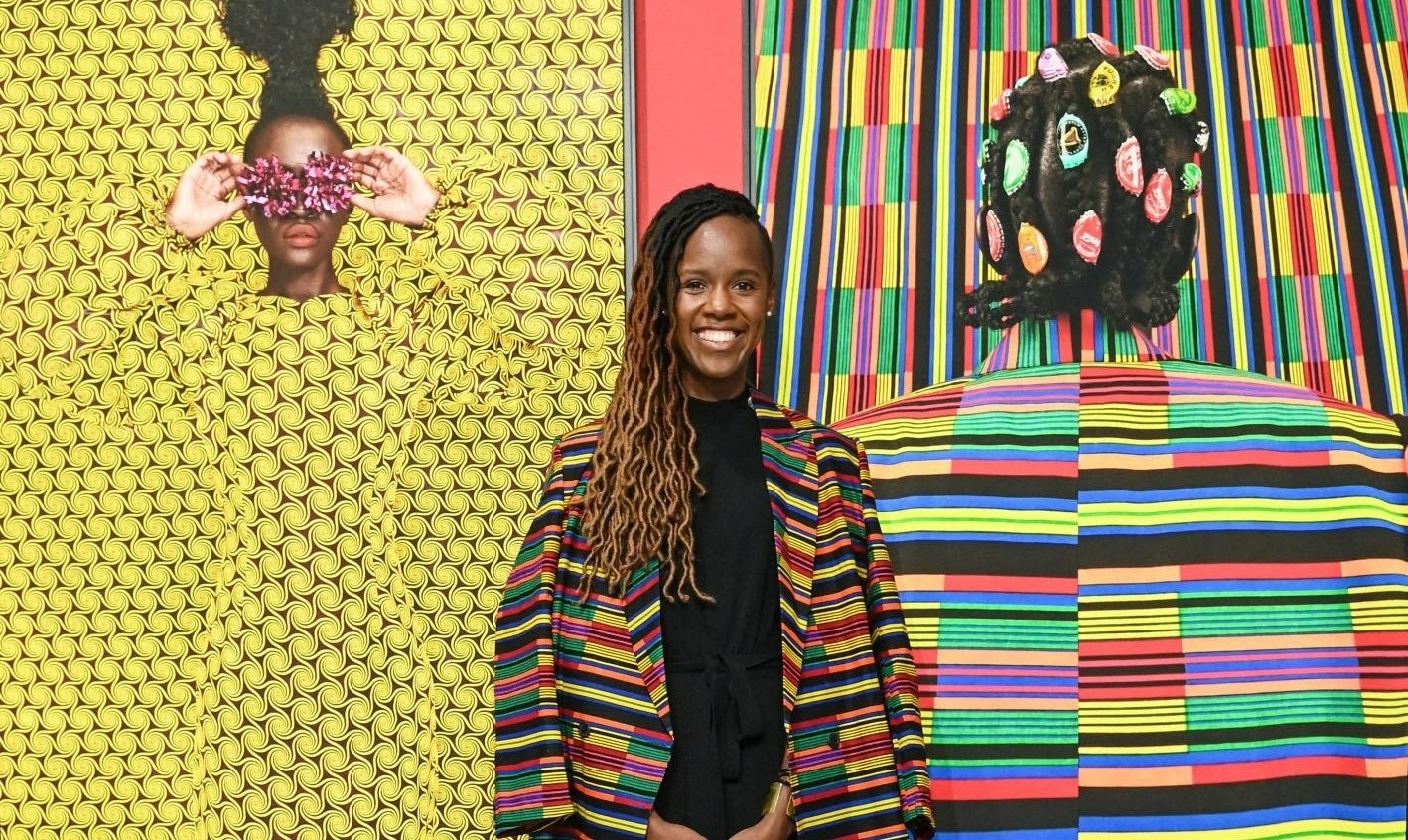
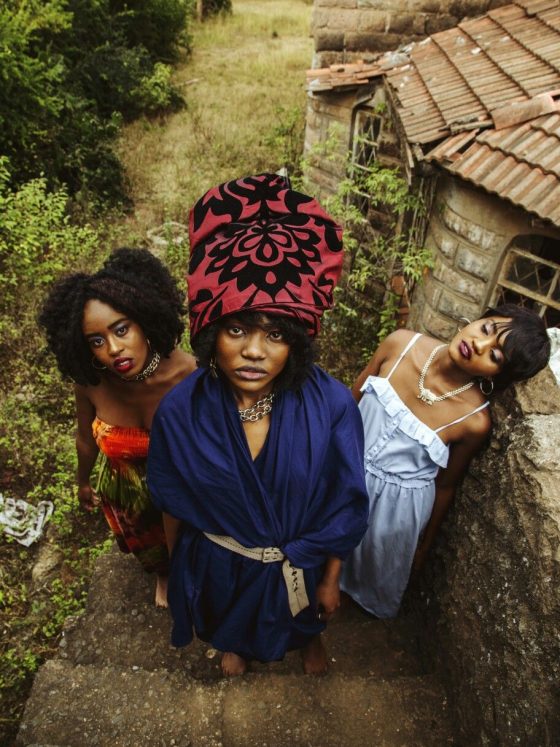
Kenyan photographer Thandiwe Muriu creates bold, colourful images of African women wrapped in vibrant fabrics and traditional patterns. Her style goes all in with bright colours, symmetry, and patterns that pop. She doesn’t follow the minimalist trends you see in much Western art. Instead, she celebrates her culture, and people notice her photos go viral, gaining huge online followings. Muriu’s work is proof that African women in contemporary art can reach global audiences through the internet, all while staying true to their roots and creative vision.
9. Magdalene Odundo – Ceramic Excellence
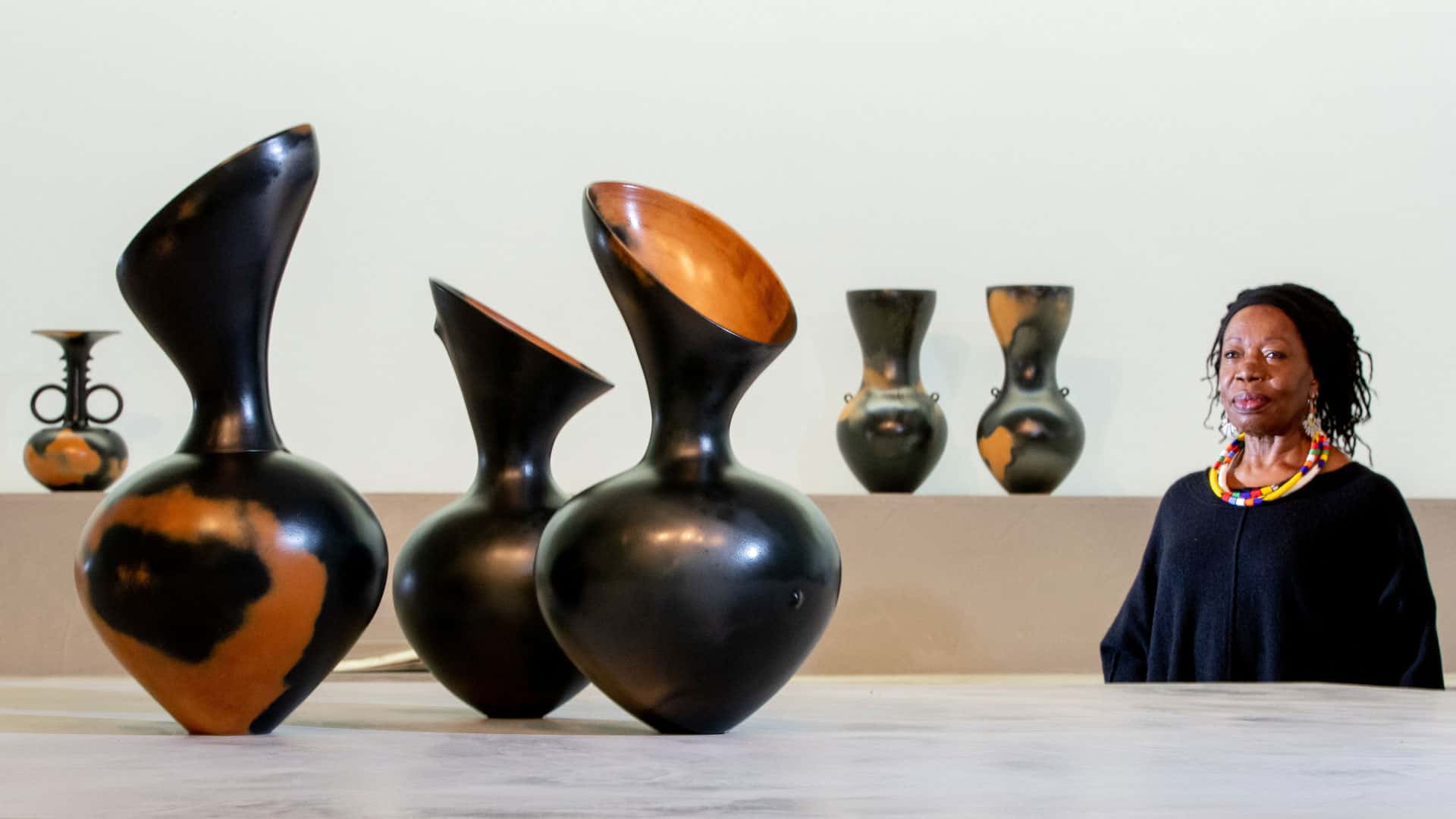
Magdalene Odundo, the Kenyan-British ceramicist, makes hand-built vessels that feel almost alive. Her pieces, shaped by hand and polished until they glow, seem to echo the human body. She draws from African pottery traditions but pushes them into new territory, creating work that lands in major museums around the world. Decade after decade, Odundo sticks with ceramics, proving just how far you can take a single medium when you really know it inside out. Her journey shows that African women in contemporary art can reach the highest levels, blending craft, innovation, and tradition.
10. Anna Boghiguian – Nomadic Artistic Practice
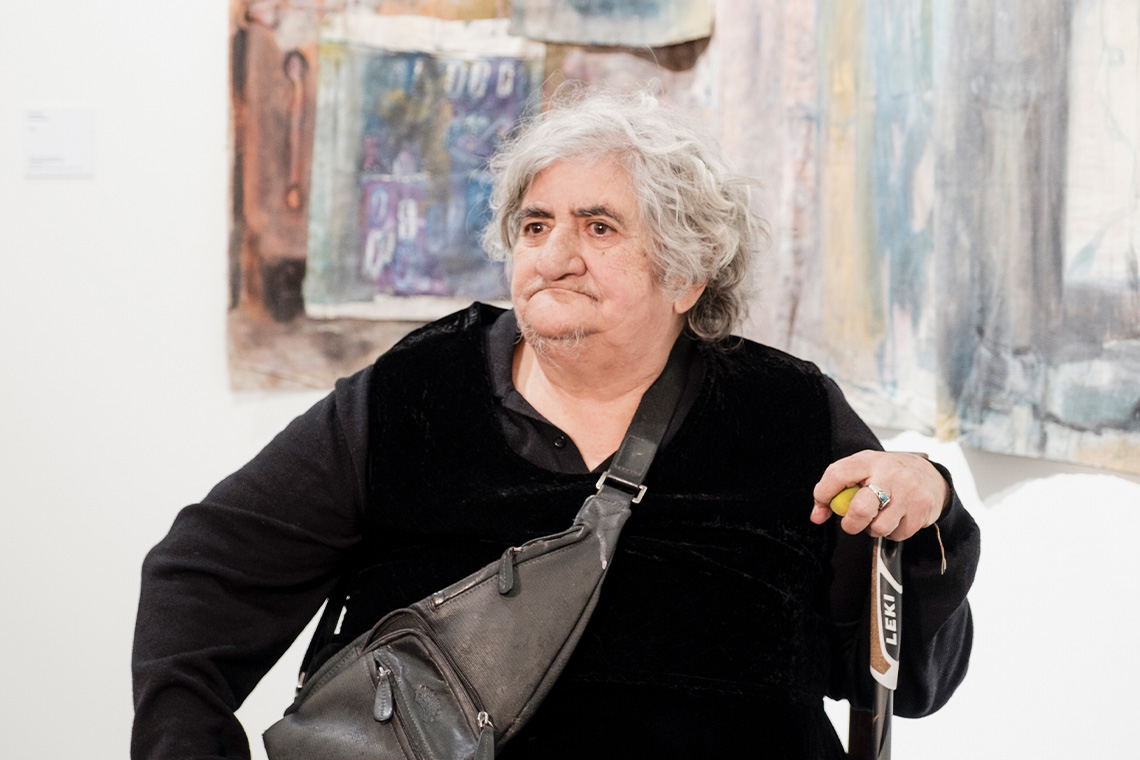
Anna Boghiguian, born in Egypt and now based all over, doesn’t really settle in one place or stick to one style. She moves between drawing, painting, installations, and performance, digging into big questions, history, migration, and politics. For her, art isn’t just about making things; it’s a way to research the world. Every project dives into a new story or system, always with a sharp, questioning eye. Boghiguian stands out as someone who turns art-making into a kind of wandering investigation. She proves that African women artists can mix visual impact with real intellectual weight, blending aesthetics with activism.
READ ALSO:
- African-Owned Creative Agencies Are Winning With Authentic Stories
- From Roots to Rhythm: How African Languages Are Rewriting the Global Pop Script
- Celebrity Philanthropy: How Africa’s Stars Are Changing the Future
Why Do African Women Face Barriers in Contemporary Art?
Even with all their talent, African women in contemporary art still run up against walls: less gallery representation, fewer spots in major exhibitions, lower auction prices compared to men, and institutions that still lean toward Western artists. For a long time, museums and galleries just didn’t tell African stories. But these women don’t sit around waiting for invitations. They build their own spaces, start networks across Africa, and use digital platforms to reach new audiences, working around the old gatekeepers.
How Are These Artists Transforming the Market?
African women artists are changing the rules in the global art world. They’re landing retrospectives in major museums, signing with top galleries, and breaking records at auction. Their achievements open doors for the next generation, showing that you can stay true to your own voice and still succeed without compromising culture or creativity.
Frequently Asked Questions
1. Who are the most recognisable African women in contemporary art?
Some of the most recognised names are Wangechi Mutu, whose works are in major museums, including the Met; Zanele Muholi, a visual activist with retrospectives at Tate Modern and SFMOMA; Mary Sibande, who explores post-colonial themes in her sculptures; and Njideka Akunyili Crosby, whose paintings fetch high prices at auction.
2. What themes do African women artists explore?
Their work digs into colonialism and its aftermath, gender, patriarchy, LGBTQ+ identity, migration, labour, economic inequality, spirituality, ancestors, beauty, body autonomy, and the politics of everyday life. It’s specific and rooted in culture, yet it speaks to universal experiences.
3. How can collectors support African women artists?
Buy their art directly from them or through galleries. Show up for their exhibitions, share their work online, and recommend them to museums and other collectors. Support artists’ residencies and educational programs. Push back against unfair gallery and auction practices. When you see a work that is undervalued, recognise the chance to collect ethically and build a meaningful collection.
4. What challenges do African women artists face?
They’re still under-represented in big shows and collections, and their work sells for less than men’s. Getting gallery support, funding, and institutional backing isn’t straightforward. Too often, people try to box their art into “identity politics” and ignore its formal power. Plus, in many African countries, the art infrastructure is thin, which makes it even harder.
5. Where can people see African women’s art?
You can see their work at places like Zeitz MOCAA in Cape Town, Tate Modern in London, SFMOMA in San Francisco, or the New Museum in New York. Top galleries, such as Goodman Gallery, Stevenson, and Victoria Miro, regularly show their art. Major biennials like Venice, Documenta, and Dakar now feature more African women artists, and if you can’t make it in person, there’s always something to discover online.