Celebrity philanthropy isn’t just about the occasional big cheque anymore. These days, it’s about serious foundations with real budgets, sometimes worth millions, and a drive actually to change lives. Just look at TIME’s 2025 list of the 100 Most Influential Philanthropists: four Africans cut, and their organisations have pledged billions to drive progress across the continent. Whether they’re pop stars or business moguls, they know their wealth comes from the people, so giving back feels like a duty.
Celebrity philanthropy often steps in where governments can’t keep up. These foundations fill gaps in healthcare, education, and job opportunities, assisting those in need. And it’s more than just money. When celebrities get involved, they spark a culture of giving and prove that local solutions matter. Across the Global South, you can feel it: more people pitching in, more homegrown efforts to tackle significant challenges together. Fame might get you noticed, but real impact takes grit, vision, and a willingness to use your name for the greater good.
How continental celebrity philanthropy transforms communities through foundations addressing education, healthcare, and economic empowerment across nations.
How Celebrity Philanthropy Leaves a Mark
This kind of giving isn’t about random gestures. It’s structured, focused, and built to last. Instead of writing a cheque and walking away, these celebrities create a professional foundation with clear goals and serious plans for the future. Take Aliko Dangote, for example. Back in 2014, he put $1.25 billion behind his foundation, which now spends about $35 million each year on development programmes. That sort of setup means the good work doesn’t stop when the celebrity steps back; it keeps going.
For example, consider Strive and Tsitsi Masiyiwa’s HigherLife Foundation. They’ve helped more than 250,000 people through scholarships and leadership programmes, and they’ve invested $100 million in job creation and $60 million in healthcare. What sets them apart is their approach: they run their foundations like businesses, tracking results and tweaking strategies to make sure their efforts actually work. Good intentions matter, but real impact takes thoughtful planning and follow-through.
Meet the Visionaries: Ten Trailblazers Changing the Game
These ten leaders show just how many ways celebrities are giving back. Some use their global reach to highlight issues; others put their earnings right back into their home countries. You’ll find business heavyweights making philanthropy part of their legacy and entertainers rallying fans to support causes that matter.
1. Akon—Bring Power to the People
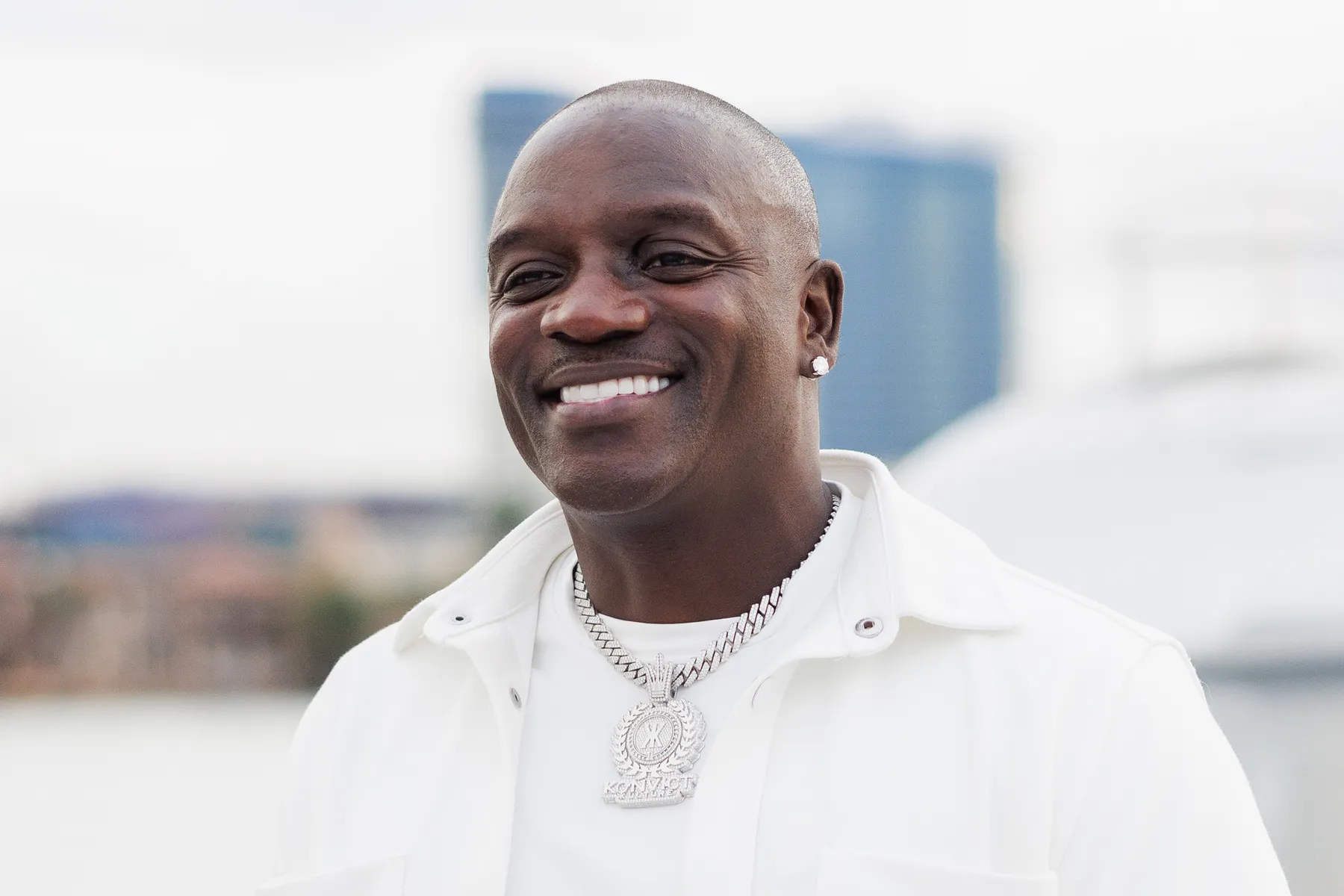
Akon, the Senegalese-American musician, didn’t just stop at making hits. He launched Akon Lighting, a nonprofit bringing solar power to communities that need it most. His work goes far beyond handing out money; he’s helping solve a core problem: without electricity, you can’t run a business, plug into the digital world, or even offer basic healthcare and education. What’s smart about Akon’s approach is that he partners with experts, energy companies, and development groups, so the projects actually work and last.
2. Davido – Investing in the Next Generation
Nigerian superstar Davido knows that real change starts with young people. Through his David Adeleke Foundation, he’s been supporting kids and teens who need it most, including recent donations to orphanages across Nigeria. He gets that education, healthcare, and opportunities for youth pay off for decades. Davido also taps into his massive fan base, organising benefit concerts and fundraisers that actually make a difference, and he always keeps them honest and connected to the communities he’s trying to help.
3. Didier Drogba – Healthcare Infrastructure Builder
Didier Drogba, the legendary Ivorian footballer, didn’t just make headlines on the pitch; he built something lasting off it. He started the Didier Drogba Foundation to boost healthcare, education, and infrastructure back home in Côte d’Ivoire. As a goodwill ambassador for the United Nations Development Programme, he showed how teaming up with established organisations makes celebrity philanthropy more credible. Drogba’s approach is all about channelling sports earnings into real community development. He gets that football fame is short-lived, so he’s intentional about turning that window of wealth into a long-term impact.
4. Samuel Eto’o – Healthcare Accessibility Advocate
Samuel Eto’o, the Cameroonian football icon, took a hands-on approach to giving back. Through his foundation, he’s tackled Cameroon’s healthcare challenges head-on, funding ambulances and building hospitals. Where government systems fall short, Eto’o steps in, filling the gaps with real solutions instead of just talking about change. Ambulances save lives right now, and the hospitals will keep serving communities for generations. His philanthropy is all about direct action; he prefers building things people can see and use rather than just running programmes that sound good on paper.
5. Mo Ibrahim – Governance Excellence Promoter.
Mo Ibrahim, a Sudanese-born British telecom billionaire, believes real progress in Africa starts with positive leadership. He founded the Mo Ibrahim Foundation and created the Ibrahim Prize for Achievement in African Leadership, a prestigious award with a substantial financial prize. Ibrahim’s philanthropy addresses the underlying causes of Africa’s challenges, rather than merely treating its symptoms. He knows that without solid governance, all the money in the world for schools or hospitals won’t matter. The prize encourages leaders to prioritise citizens, demonstrating that celebrity philanthropy can address systemic issues rather than merely mask them.
6. Strive Masiyiwa– Educational Access Transformer
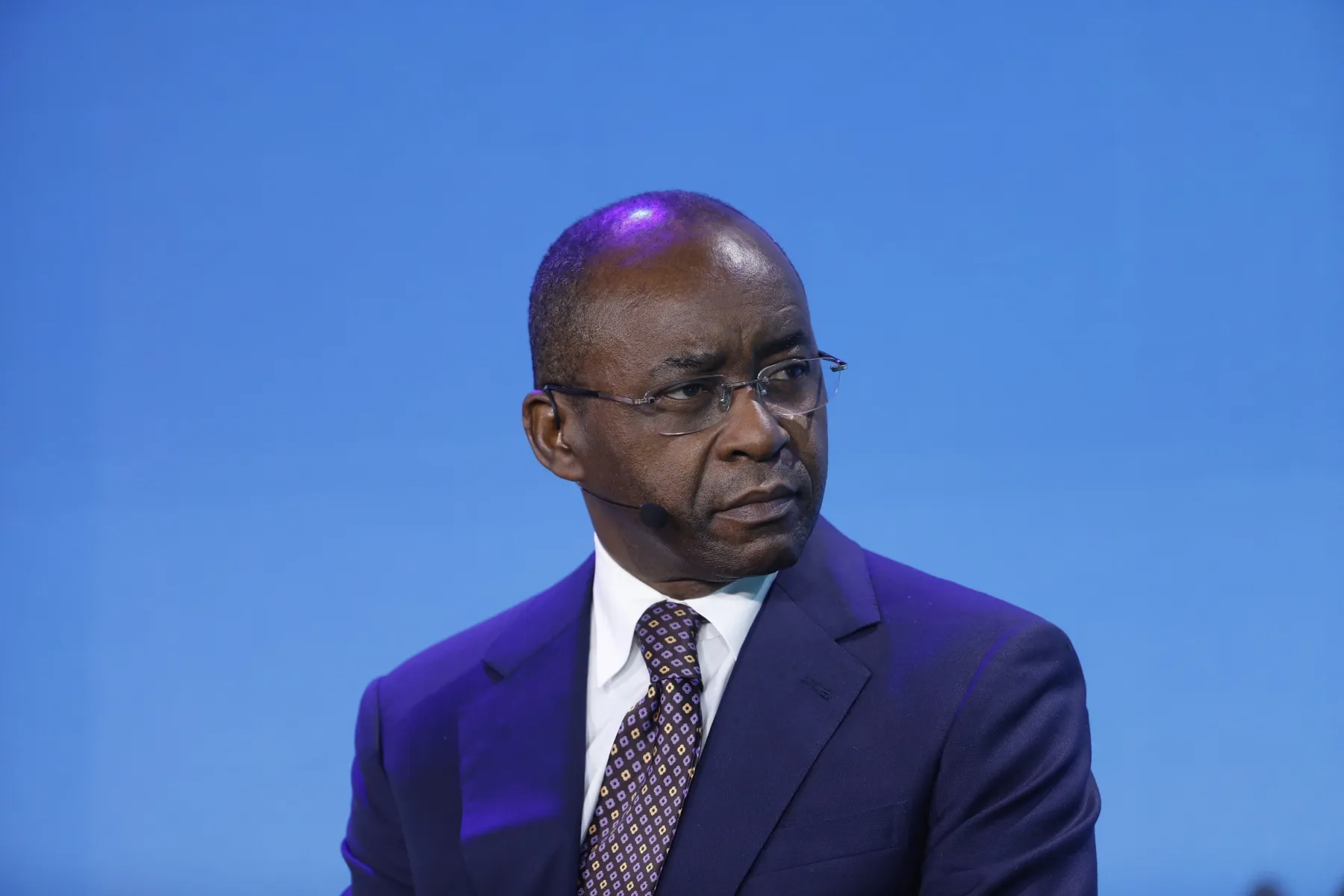
Strive Masiyiwa, a Zimbabwean founder of Econet, leverages his success to create opportunities for others. Through the HigherLife Foundation, he and his family have given scholarships to over 250,000 young people and supported countless orphans. They didn’t stop there; Delta Philanthropies, launched in 2017, now supports education, health, disaster relief, and rural entrepreneurship. Tsitsi Masiyiwa even announced a significant new contribution in 2025: nearly $500 million for maternal and neonatal health. This effort isn’t just about writing cheques. The Masiyiwa family lives their values, passing down a legacy of giving alongside business know-how.
7. Patrice Motsepe – Poverty Alleviation Strategist
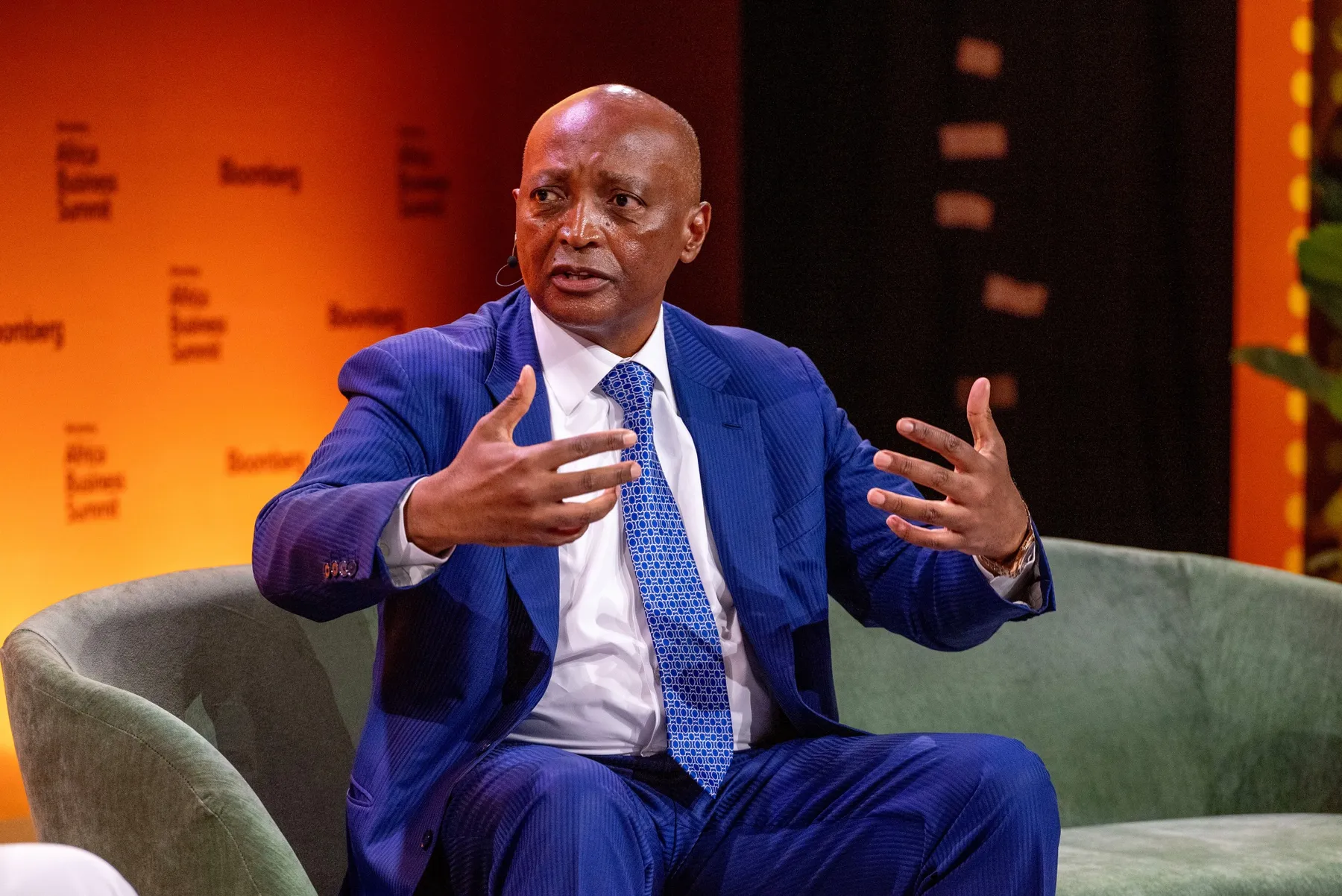
Patrice Motsepe, a South African business leader, set a new standard when he became the first continental African to sign the Giving Pledge. Through the Motsepe Foundation, he fights poverty with initiatives in education, sports, and women’s empowerment. Motsepe’s approach is systematic; he recognises that allowing wealth to pile up in a country struggling with poverty only leads to trouble. By joining the Giving Pledge, he challenges other wealthy Africans to see philanthropy as a responsibility, not just a nice gesture.
8. Lupita Nyong’o – Conservation and Maternal Health Advocate
Lupita Nyong’o, the Kenyan actress, uses her global platform for something bigger than Hollywood. As WildAid’s ambassador, she speaks out against poaching in Kenya and is a strong supporter of Mother Health International, which helps women and children. Knowing the power of celebrity, Lupita utilises red carpets and interviews not only to promote her latest film but also to raise awareness about conservation and maternal health. Thanks to her, these causes reach audiences they might never have touched otherwise.
9. Trevor Noah – Educational Opportunity Provider
Trevor Noah, the South African comedian and host, set up the Trevor Noah Foundation to give kids and communities in South Africa a real shot at a good education. Despite his global fame, Trevor Noah has never forgotten his roots. His foundation doesn’t just throw money at problems; it builds schools, runs youth programmes, and takes a hands-on approach to helping young people reach their potential. Trevor’s work shows he believes South Africa’s future depends on investing in its kids right now.
10. Aliko Dangote – Continental Development Architect
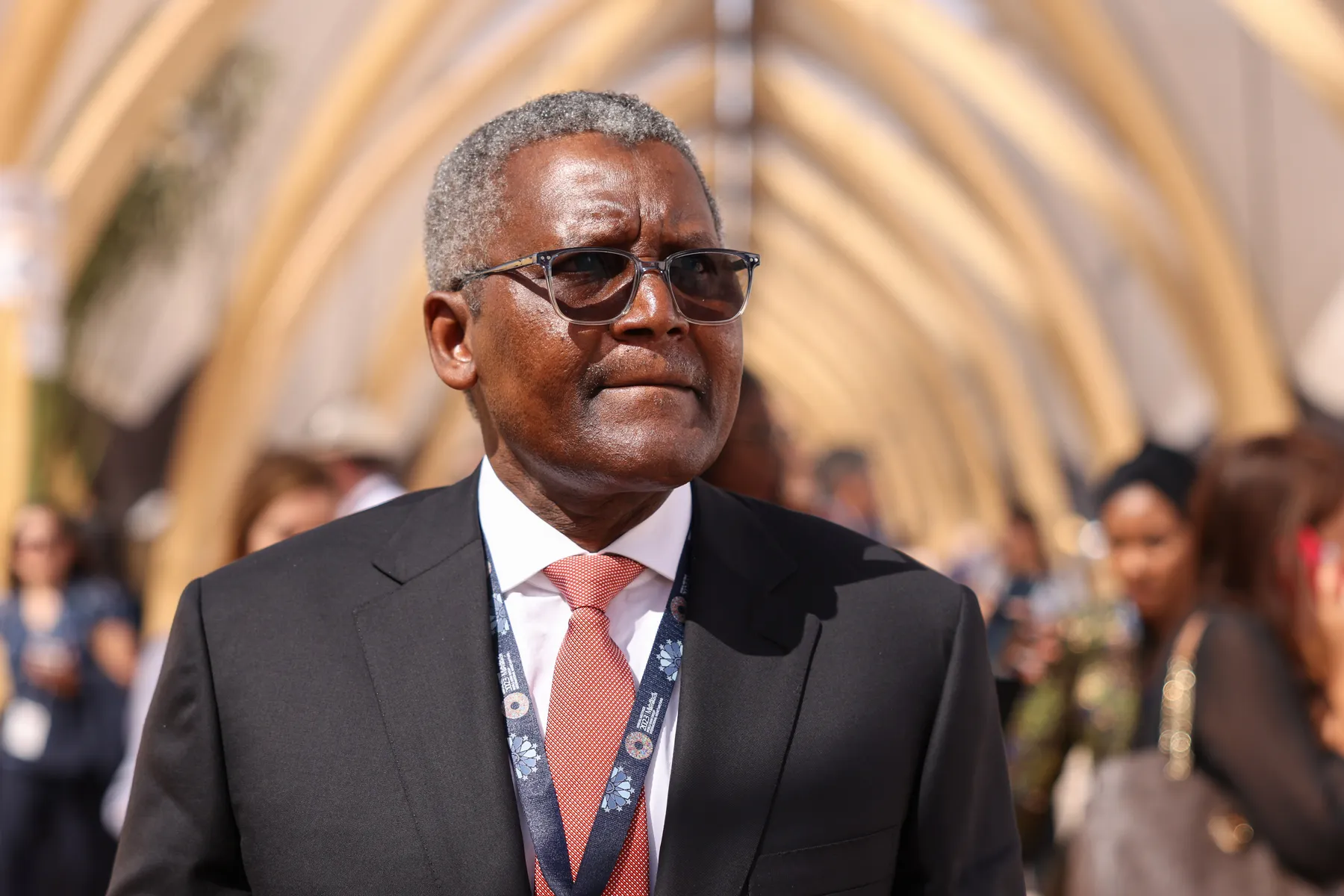
Aliko Dangote, the richest person in Africa, put $1.25 billion into the Dangote Foundation. This amount is not insignificant; it significantly impacts education, health, and disaster relief throughout the continent. One of his most significant projects is a $100 million programme that fights childhood malnutrition, builds schools, and rolls out vaccination and job training. His giving isn’t just generous; it’s massive. Occasionally, it matches what entire governments spend. Dangote shows how private wealth can actually plug the gaps in public services.
READ ALSO:
- 10 African Poets Shaping the Future of Global Expression
- How Diaspora Cuisine Became a Tool of Cultural Diplomacy
- 10 African Gaming Studios Changing the Game
What Makes Celebrity Philanthropy Effective?
Money alone doesn’t make celebrity philanthropy work. What truly matters are a brilliant plan, solid management, clear ways to measure results, and long-term commitment. Significant investments are impressive, but sometimes organised giving by elites falls flat, or it merely maintains the status quo. This is why there is increasing pressure on celebrity philanthropists to address the root causes of inequality rather than simply providing temporary solutions.
The Future of Continental Giving
At the 6th African Philanthropy Conference, people called for African-led funding and more collaborative approaches. They talked about everything, from feminist funding models and tax justice to climate-focused giving. The message was clear: celebrity philanthropy needs to do more than just donate; it has to help change the systems that create poverty and inequality in the first place.
Frequently Asked Questions
1. What is celebrity philanthropy?
Celebrity philanthropy is when famous people, such as actors, athletes, and business leaders, use their influence and resources to support causes. Instead of random donations, they usually set up foundations with tangible goals, teams, and a long-term vision. Their fame helps draw attention, raise money, and rally people around important issues.
2. Why is celebrity philanthropy important?
Celebrity philanthropy fills gaps where governments fall short. It brings services like healthcare, education, and job opportunities to people who need them most. Plus, when celebrities give back, it inspires others to do the same and shows that success comes with a responsibility to lift the community.
3. How do celebrity foundations measure impact?
These foundations track results by counting how many people they help, how scholarship students perform in school, how many clinics they build, how many lives they save, how many jobs they create, and the like. They hire professionals to make sure they’re making a real difference, not just collecting feel-good stories.
4. What challenges does celebrity philanthropy face?
There are numerous challenges to manage. The challenges include sustaining the work after the celebrity steps back, ensuring they listen to what communities actually need, avoiding a “we know best” attitude, and demonstrating that they are making lasting change rather than quick fixes. Additionally, they must collaborate with governments to avoid duplication of efforts and maintain a broad perspective, focusing on addressing the underlying causes of poverty rather than its symptoms.
5. How can people support celebrity philanthropy initiatives?
You can help by donating to their foundations, volunteering your time or skills, spreading the word online, joining their fundraising events, and speaking out for the causes they support. It’s also important to stay involved and hold these foundations to high standards for openness and real impact.