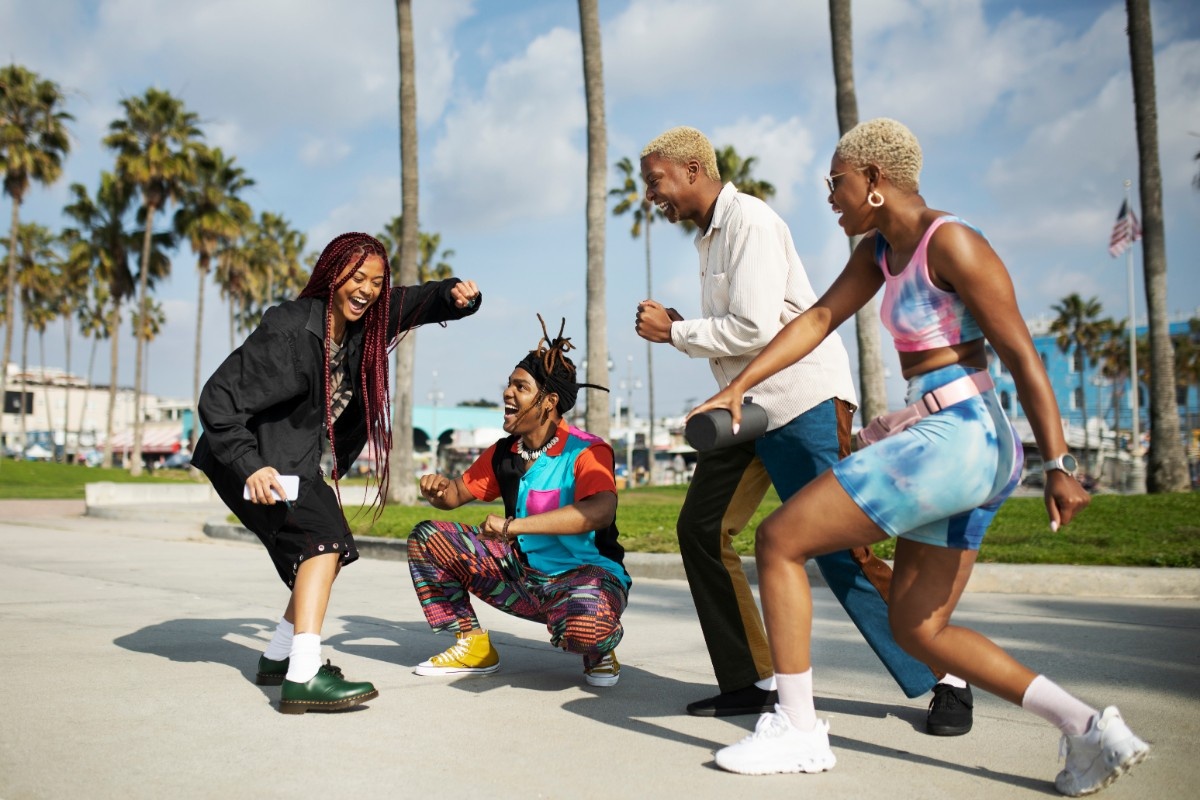
The world of dance is changing fast, and a lot of that energy is coming straight out of Africa. You can see it everywhere, millions of people online trying to nail Tyla’s signature “Water” moves, pouring water down their backs to the pulse of a hypnotic Amapiano beat. It’s not just a fun trend. African dance has become a kind of cultural currency, a way to show identity and drive the economy, all at once. From the townships of Johannesburg to London’s buzzing clubs, from the streets of Lagos to LA dance studios, African moves are rewriting the rules of global pop culture. This isn’t about borrowing or fleeting trends; it’s about reclaiming space. African dancers and musicians aren’t just part of the conversation anymore. Now, they’re steering it.
Explore how African dance movements like Amapiano, Afrobeats, and viral TikTok challenges are reshaping global pop culture and redefining rhythm worldwide.
The Soundtrack to Movement
Let’s discuss the music that’s powering all this movement. Amapiano started in South Africa. It’s a wild mix of Afro House, jazz, and some club classics like Kwaito and Gqom, all mashed together. The name itself means “the piano” in Zulu, and you can hear that in the jazzy piano lines, catchy bass, and unmistakable Zulu rhythms. Amapiano exploded across Africa and beyond, and in 2024 alone, global streaming jumped by 59 per cent. But African dance doesn’t stick to just one genre. Afrobeats is still leading the charge, with its own 28 per cent spike in streaming this year. Dancing has always been at the heart of African life, whether it’s honouring ancestors or just vibrating to the latest banger. Now, those rhythms are everywhere, on social media, in clubs, and baked into pop music around the world.
How Did Social Media Amplify African Dance?
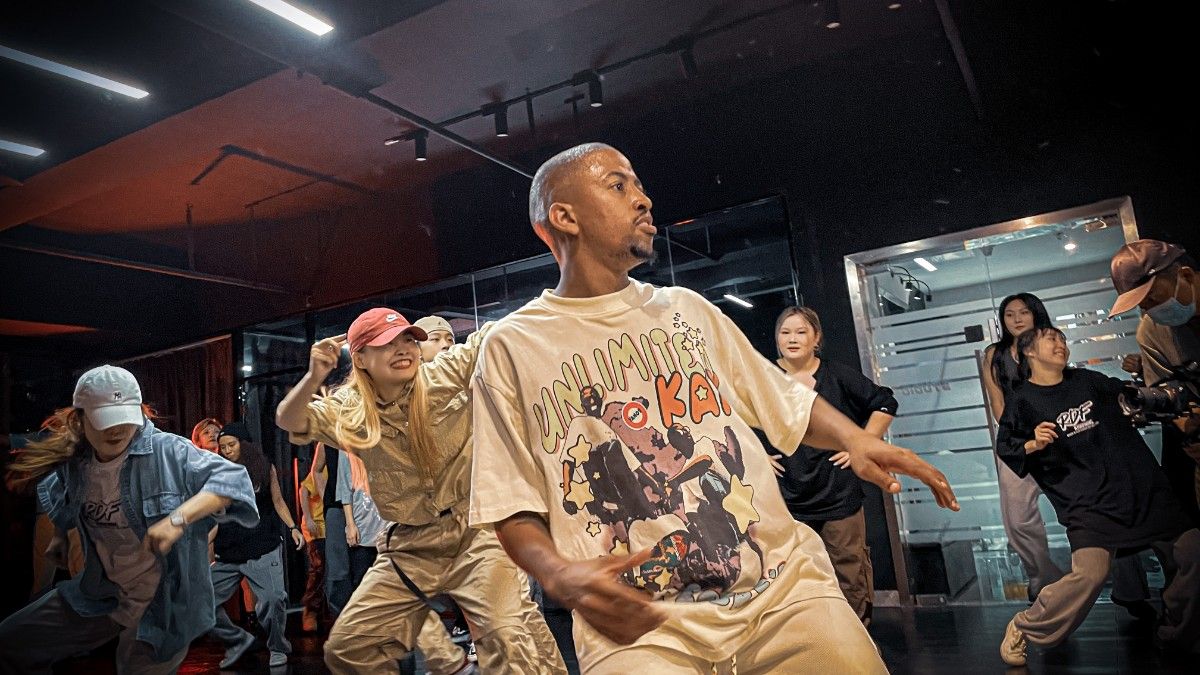
Social media is really what supercharged this whole movement. Take 2024’s amapiano hit “Tshwala Bam” by TitoM and Yuppe, featuring S.N.E and EeQue. The #tshawalabamichallenge ripped through TikTok, Instagram, and Facebook. Suddenly, everyone – Tyla, Kai Cenat, Jason Derulo, even Beyoncé’s dancers, the Les Twins, were showing off those sharp upper-body moves and slick footwork. Before all this, African dance needed face-to-face connection; people had to travel, or artists had to tour, for those moves to cross borders. Not anymore. TikTok, Instagram Reels, and YouTube Shorts broke down those walls. Amapiano’s smooth flow and Gwara Gwara’s high energy aren’t just going viral; they’re carrying Africa’s spirit everywhere.
Algorithms play a big part, too. Even if you’re not looking for African content, it finds you. You’re just scrolling, and suddenly, you spot these wild, joyful dances in your feed. You get hooked. Before you realise it, you’re making the moves yourself. Every clip, every repost, is like free advertising, pushing African dance out to places that old-school media could never reach.
Then came the Grammy moment. In February 2024, Tyla took home the very first Grammy for Best African Music Performance with “Water”. Sure, African legends like Burna Boy, Sade, Sunny Ade, and Miriam Makeba have won Grammys before, but this new category? It felt different. It was a message: African music isn’t just a guest at the table; it’s helping set the menu. Industry recognition like this matters. Suddenly, there’s more investment, more coverage, more festival slots, and way more opportunities. The Grammys launching a category just for African music, thanks in big part to Afrobeats, shows that African dance and music aren’t novelties anymore; they’re driving the global sound. And honestly, there’s no going back.
Why Do African Dance Challenges Go Viral?
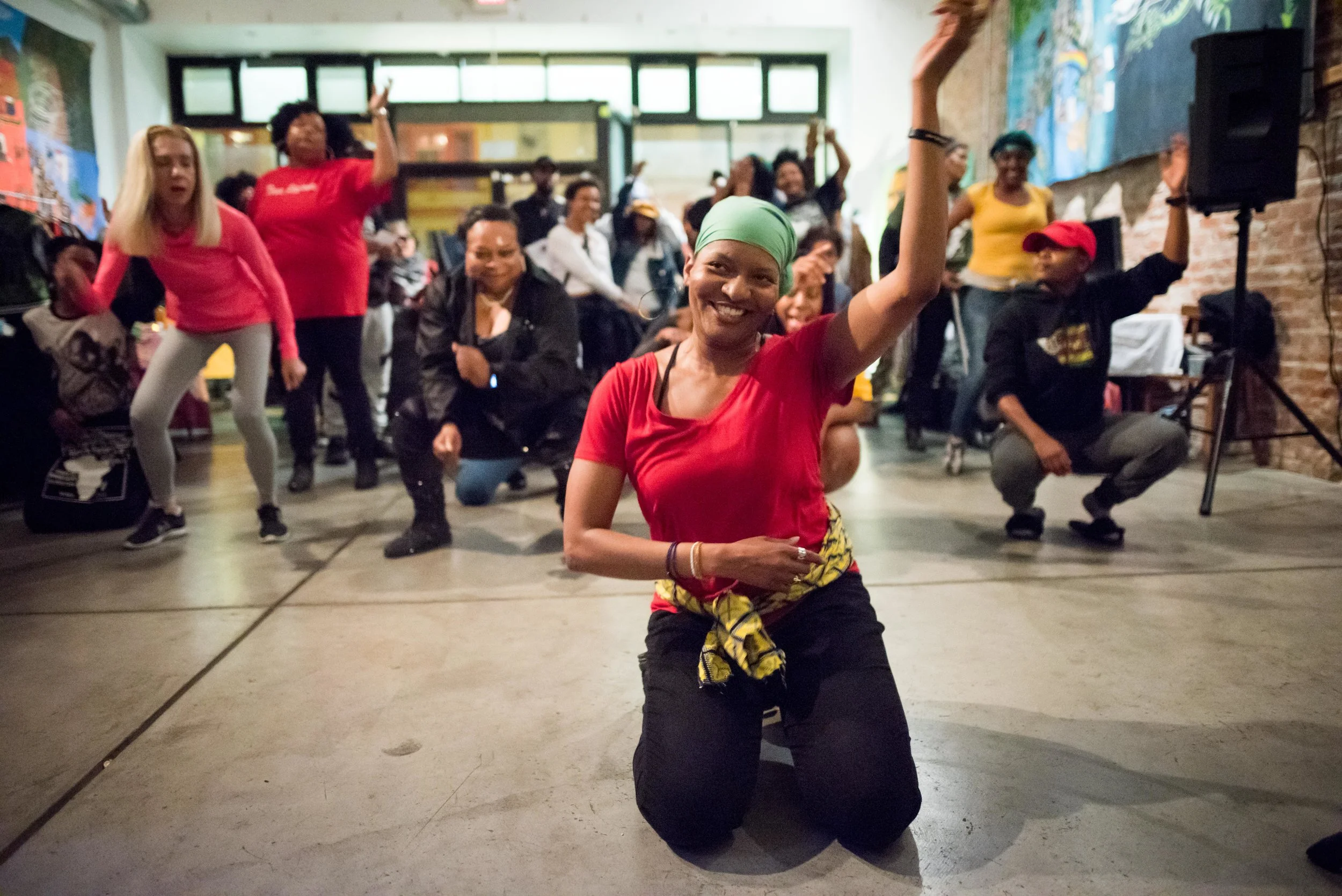
African dance challenges explode online because they’re easy to pick up and instantly recognisable. You don’t need fancy training or years in a studio, just a willingness to watch, try, and move. Take Ndombolo, for example. It’s been around since the ’90s, originating in the Democratic Republic of the Congo, and continues to be a significant cultural phenomenon, particularly in Central and East Africa. The steps have changed with the times, but the vibe stays the same.
What really drives these dances viral, though, is how they invite everyone in. Unlike many Western dance styles, which often demand years of discipline, African dances were born in communities where everyone joins in. Skill level doesn’t matter. That open-door feeling is precisely what makes them blow up on social media. Most people online aren’t professionals; they just want to join the fun. Even when celebrities jump on these trends, they’re not showing off; they’re learning along with everyone else. That kind of humility feels fresh, especially compared to the polished, untouchable world of elite culture.
READ ALSO:
- Why Knowing the ‘STORY’ is the Only Luxury That Matters in 2026
- Why Bubble-Hem Tailoring is the First Major Style Pivot
- The Liquid Silhouette: Defining Global Style in 2026
The Economic Impact
African dance trends aren’t just making noise; they’re moving serious money. Festival lineups, streaming statistics, and industry awards all demonstrate the economic impact of African dance trends. African genres are now shaping global pop, opening new tours and collaborations through at least 2026. In 2023, Burna Boy became the first African artist to headline London Stadium, and he has already secured a return booking.
This whole movement is an economic engine. Artists make money from streaming, tours, brand deals, and licensing their music to ads and films. Afrobeats tracks racked up 13.5 billion Spotify streams in 2022, and that number rose even further in 2023 and 2024. Dancers cash in through social media, teaching, commissions, and performing. Behind the scenes, videographers and stylists have found new careers documenting these trends. Fashion brands want in, too, teaming up with dancers to reach younger crowds. A decade ago, this ecosystem barely existed. Now it’s a multi-billion-dollar industry.
Cultural Authenticity vs. Global Appeal
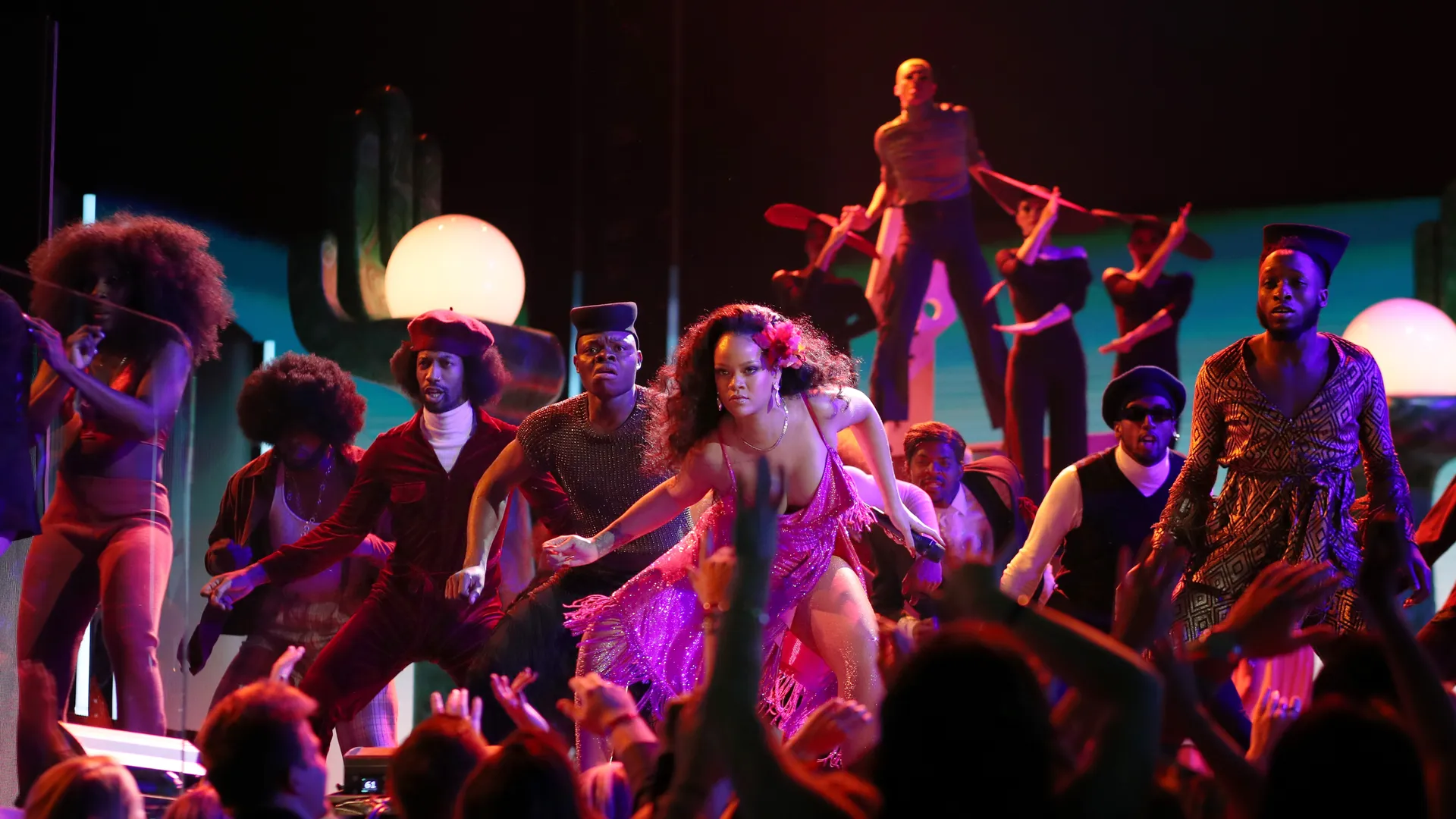
There’s a real debate about what happens when African music and dance go global. Nigerian writer Tilewa Kazeem points out that Western attention sometimes helps African genres crossover. On the other hand, Afro-French critic Thierry Ngombet argues that artists are simply seeking a balance between staying true to themselves and making it big. He rejects the notion that achieving global success necessarily equates to compromising authenticity.
And that’s the real challenge: staying authentic while reaching a broader audience. If a dance style stays too close to its roots, it might not become popular outside of its home area. But if it changes too much, people accuse it of losing its soul. The best African dance trends thread the needle; they hold on to their unique rhythms and moves but package them in a way that feels inviting to everyone.
The Future of African Dance
Looking ahead to 2025, expect even more genre-mashing. Afrobeats is still the king, but Amapiano is dominating clubs, and TikTok feeds all over the world. The next big thing? A hybrid Afro-piano sound that could flip the music scene on its head.
African dance continues to evolve thanks to cross-border collaborations. South African DJs like Kabza De Small and DJ Maphorisa are teaming up with Nigerian stars like Davido and Burna Boy to give birth to Afropiano, a sound that’s pan-African at its core but still has a local flavour.
Tech is going to push things even further. Imagine virtual-reality dance-offs, AI helping choreograph new moves, or augmented-reality filters that teach you African steps right in your living room. But no matter how digital things get, the real magic of African dance won’t change. It gets people moving, brings communities together, and proves that African creativity isn’t just a trend; it’s central to where global culture is headed.
Frequently Asked Questions
1. What are the most popular African dance movements around the world?
Some of the biggest African dance moves are making waves everywhere. You’ve got Amapiano dances, especially the Tshwala Bam challenge with those sharp upper-body moves and tricky footwork. There’s the energetic Gwara Gwara and Ndombolo from the DRC, plus tonnes of Afrobeats-inspired routines. TikTok’s a huge driver; millions jump in to copy the latest choreography, and that’s how these dances end up everywhere.
2. How did Amapiano blow up globally?
Indeed, Tyla’s song “Water” significantly contributed to the global success of Amapiano. The track pulled in over a billion streams on Spotify and snagged the first-ever Grammy for Best African Music Performance in 2024. After that, everyone wanted a piece of Amapiano. The genre’s signature log drum, those hypnotic synths, and its irresistible grooves make it nearly impossible not to move, regardless of where you’re from. In 2024 alone, global streams shot up by 59 per cent. People just can’t get enough.
3. Why do African dance challenges go viral?
African dance challenges are gaining popularity for their unique combination of ease of learning and a distinctly African style. You do not need to be an expert to participate; simply log onto TikTok or Instagram and give it a try. What is the true magic of African dance challenges? It’s communal. People love joining in, and when celebrities get involved and try out these dances, they don’t act like experts; they’re just having fun with everyone else, and that makes the whole thing even bigger.
4. How do African artists make money from dance?
Streaming’s a big one; Afrobeats alone racked up over 13.5 billion Spotify streams in 2022. But that’s just the start. Artists earn from tours, festival gigs, brand deals, licensing their music for ads or films, social media partnerships, choreography jobs, teaching workshops, and selling merch. And it’s not just the stars; the dancers, videographers, stylists, and the whole production crew are building real careers around these movements.
5. What does it mean, culturally, when African dance goes global?
When African dance breaks out worldwide, it’s more than just cool moves; it’s about Africa leading the way in pop culture, not just following along. It pushes back against the old idea that only the West decides what’s trendy. African artists are opening new doors for themselves, keeping their culture alive in fresh ways, and proving that African style has real value. It’s changing the rules for what gets noticed and celebrated around the world.