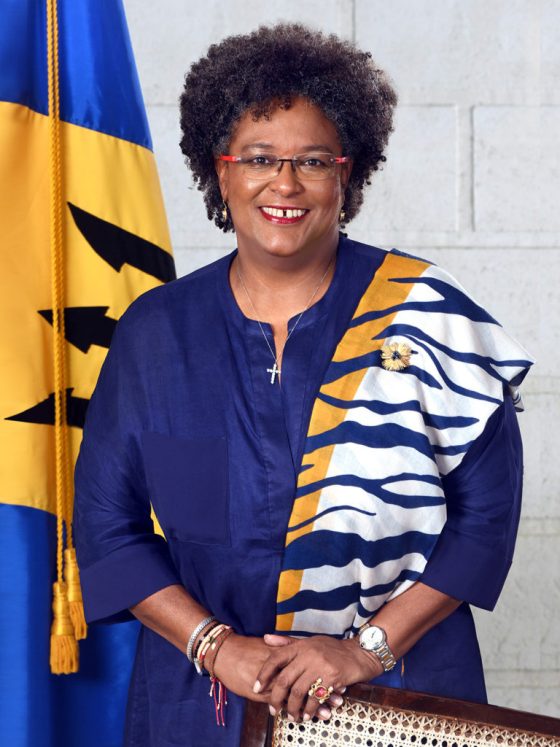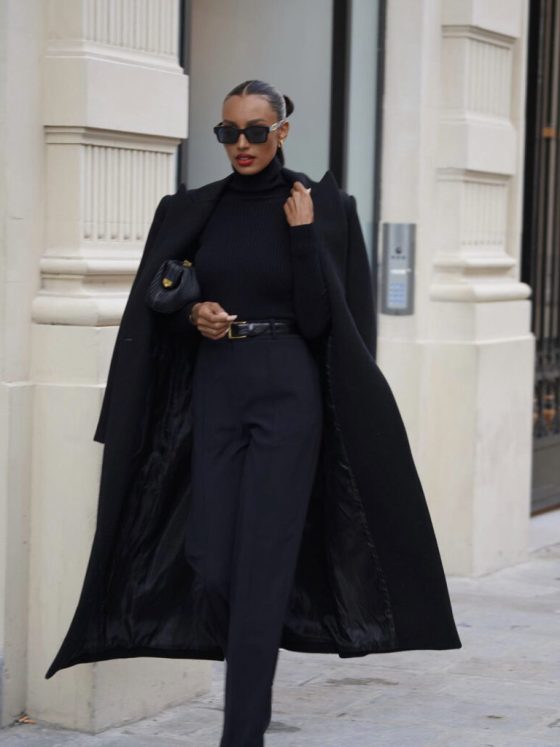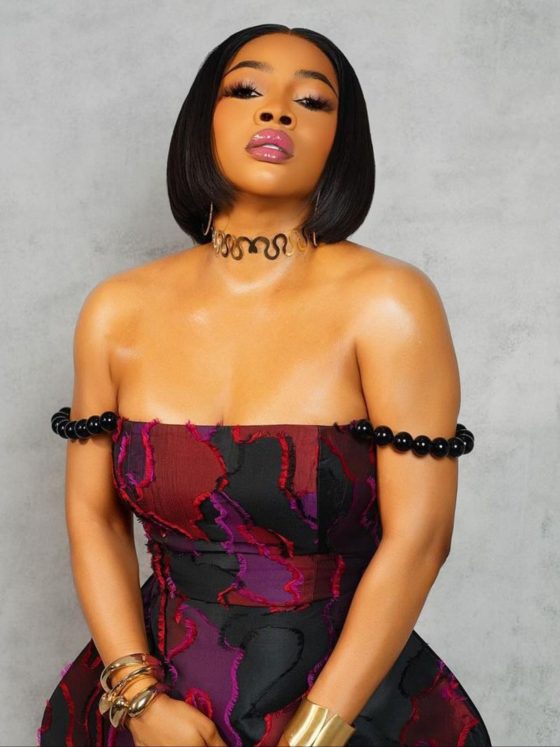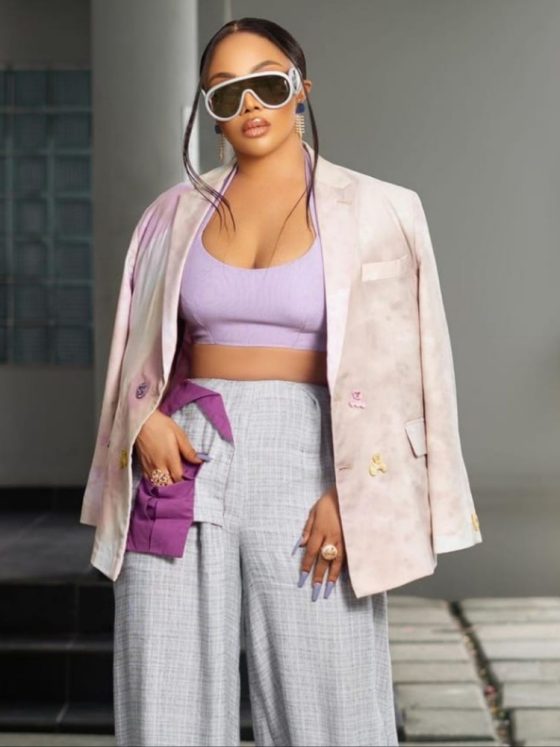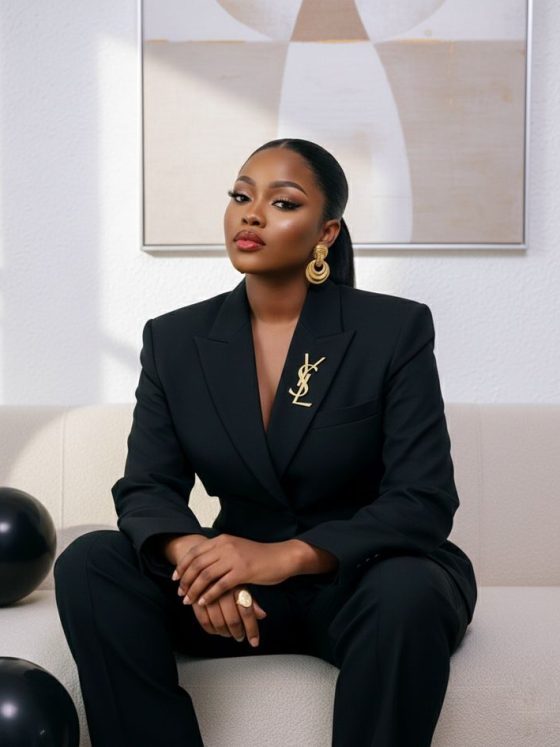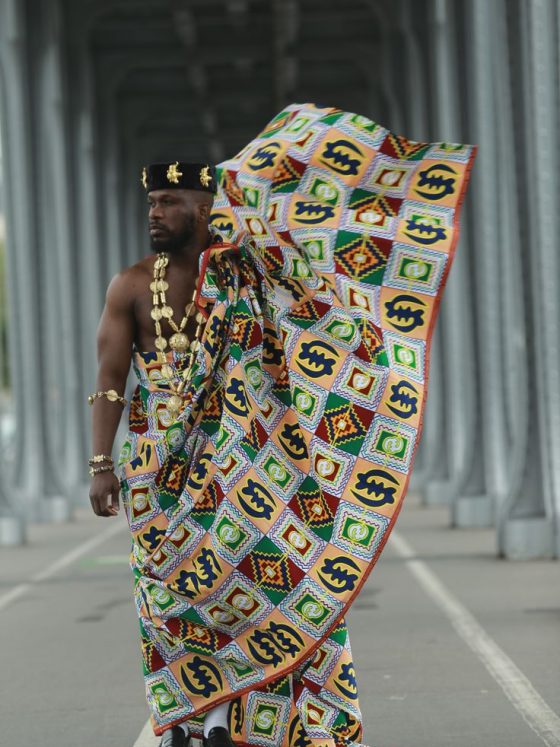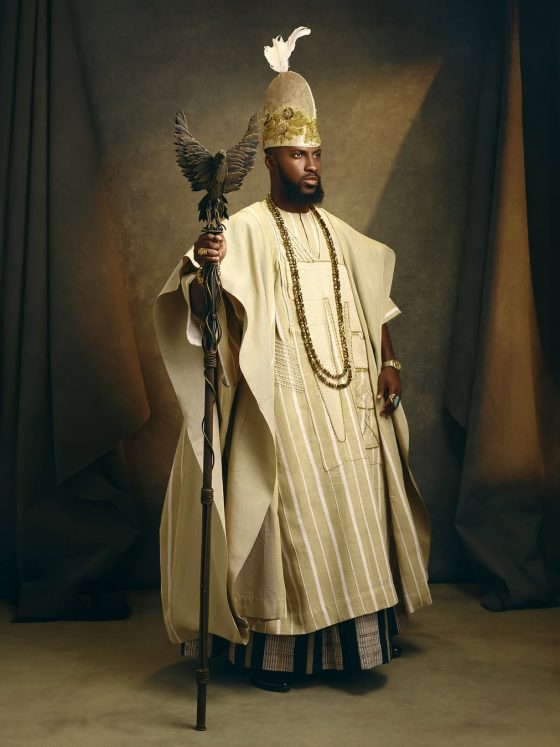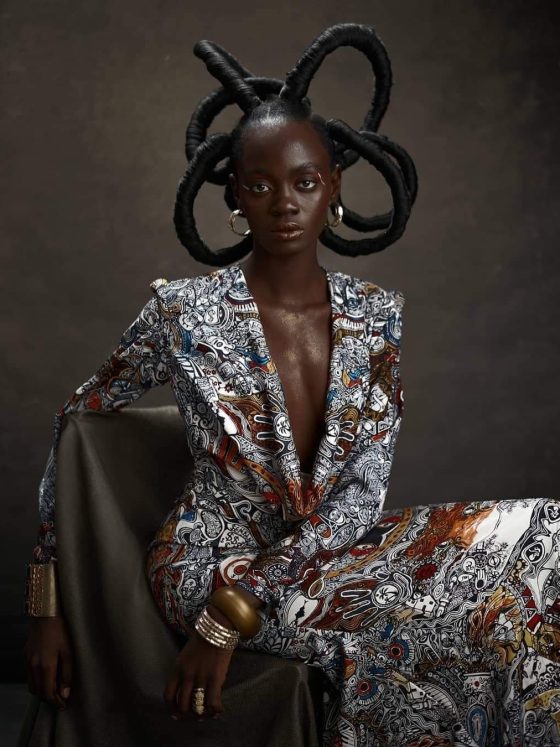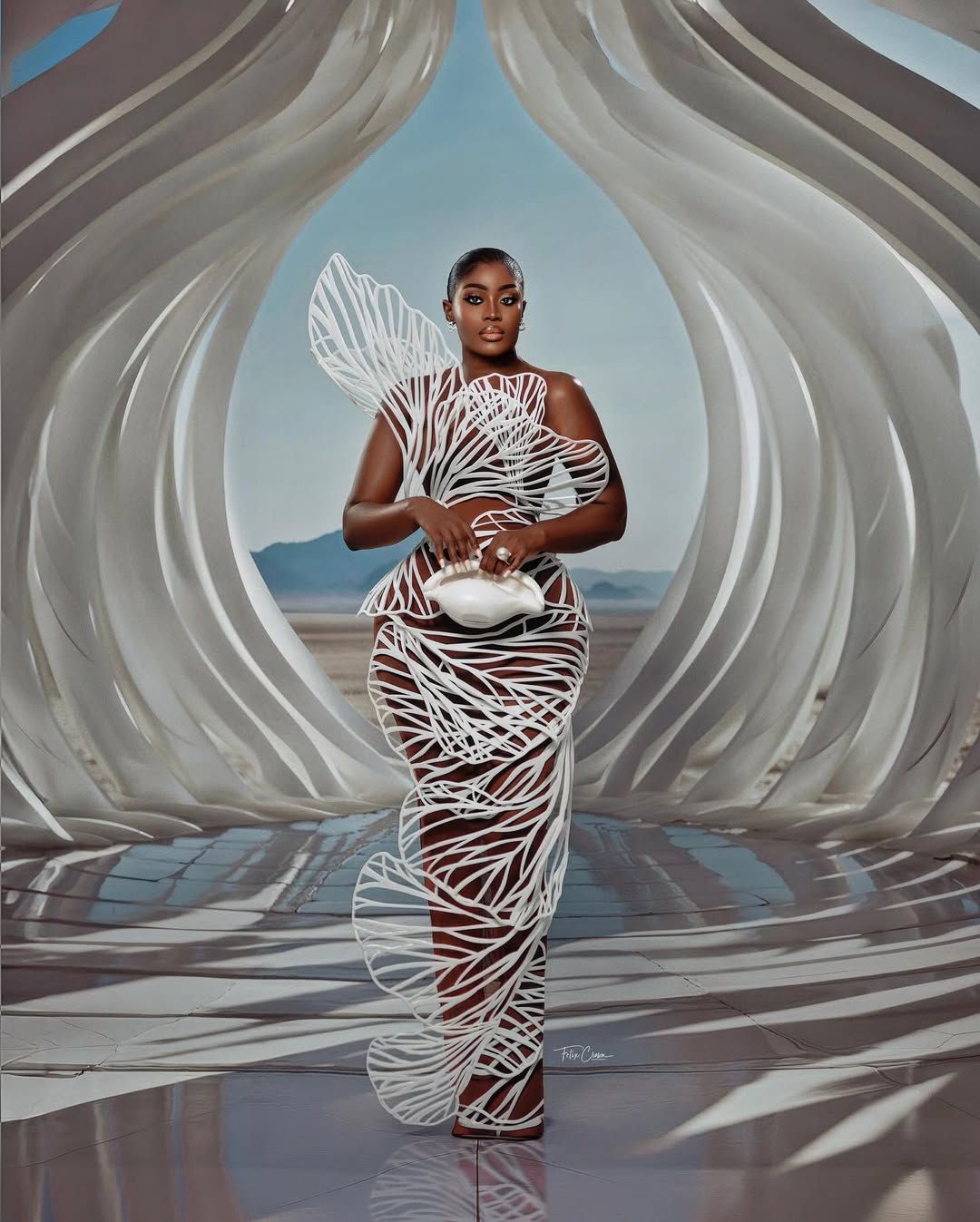
Style, at its most powerful, begins long before clothes enter the conversation. It starts with posture. With memory. It begins with the quiet confidence of knowing who you are and choosing to show it anyway.
Imagine a moment on the red carpet where tailoring feels effortless, colour carries intention, and nothing looks borrowed. Imagine a runway where heritage is not just a costume, but a language. Across global fashion capitals and cultural stages, a new generation of African style icons has emerged, not through imitation but through assertion. Their influence is not built on trends, but on identity made visible.
These are individuals who do not dress to belong. They dress to translate. Personal history becomes aesthetic. Cultural grounding becomes global currency. And in doing so, they reshape what modern influence looks like.
From fashion to film, these African style icons transform personal identity into global influence, redefining modern luxury through culture and self-expression.
Style is About Identity, Not Performance
What distinguishes African-style icons on the global stage is not excess, but clarity. Their fashion choices are rarely about spectacle alone. Instead, they are rooted in lived experience, personal narrative, and cultural fluency.
In an industry long dominated by Eurocentric definitions of luxury, these figures challenge the idea that refinement must look singular. They show that elegance can be layered, modernity can coexist with tradition, and identity is not to be softened for global acceptance.
Style becomes a form of authorship. Every silhouette, fabric, and reference is deliberate.
Ebuka Obi-Uchendu exemplifies the authority of consistent style.
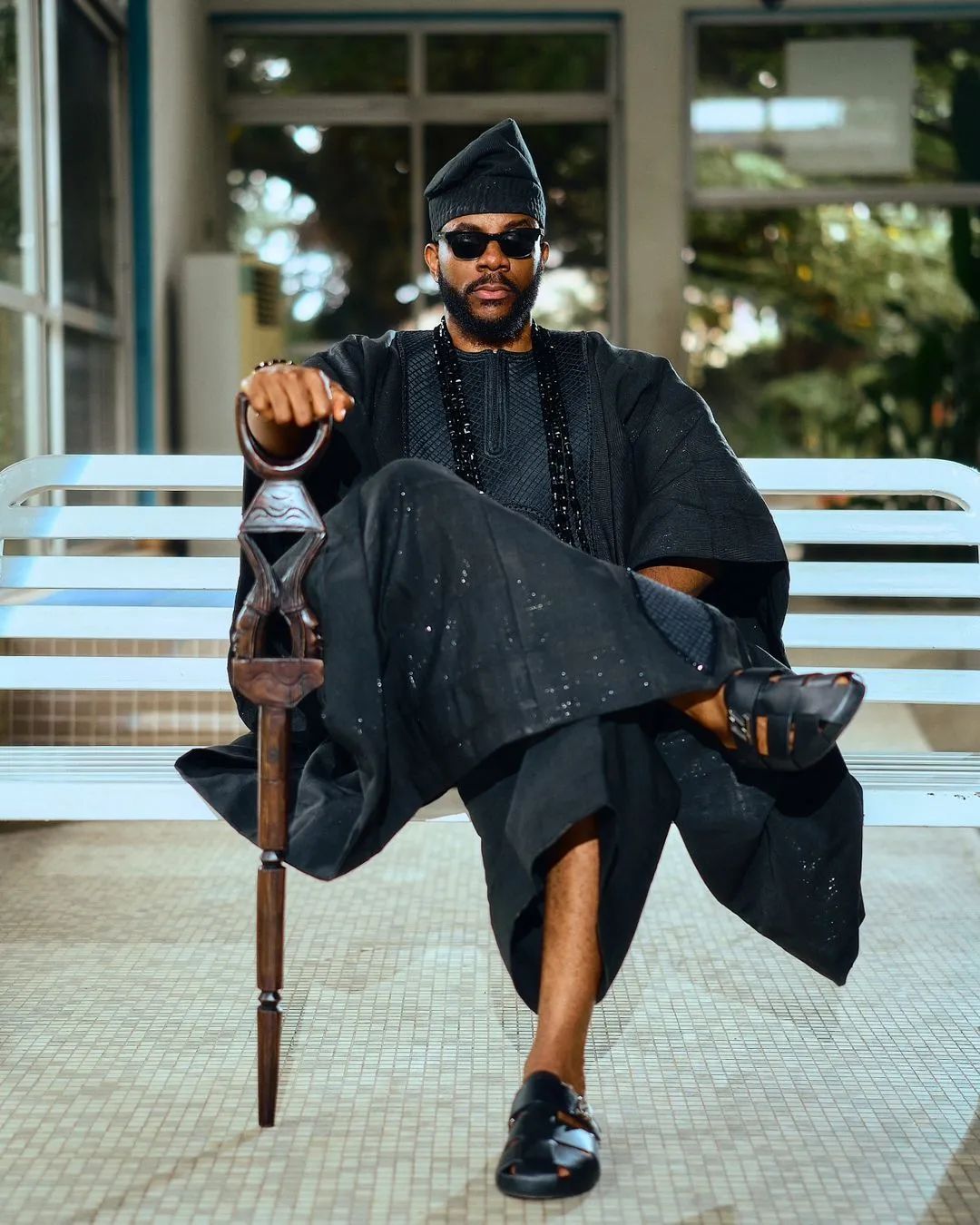
Ebuka Obi-Uchendu’s influence lies in consistency. Over the years, his style has evolved into a recognisable signature defined by sharp tailoring, confident colour choices, and a deep understanding of proportion. His fashion choices are never accidental. They are composed, considered, and rooted in self-assurance.
As a media figure with global visibility, Ebuka occupies a space where style functions as language. Whether on international stages, editorial shoots, or red carpets, his wardrobe reflects clarity rather than excess. He does not chase trends. He refines them, filtering fashion through a personal lens that feels both modern and grounded.
What sets him apart is discipline. His approach to dressing demonstrates how personal identity, when expressed consistently, becomes authority. In a landscape where style often relies on spectacle, Ebuka represents a quieter, more enduring form of influence.
Duro Olowu and the Language of Print
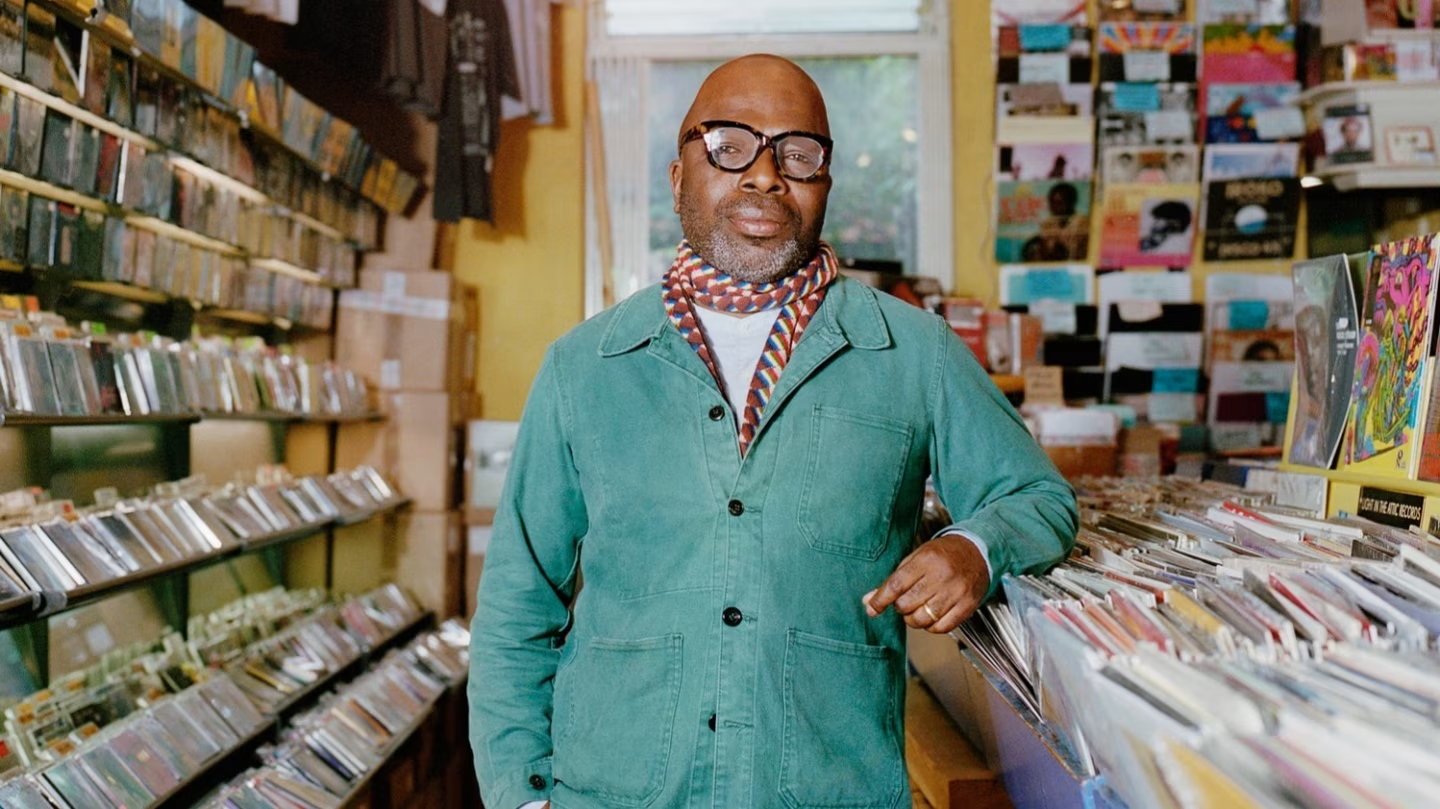
Duro Olowu’s influence lies in his unapologetic embrace of colour, patterns, and narrative. His work resists minimalism not as a rebellion but as a preference. Each collection feels like a personal archive brought to life.
Olowu’s style is intellectual yet expressive, rooted in heritage but globally informed. Worn by women across continents, his designs feel intimate rather than performative. They tell stories without explanation.
In a global fashion system often wary of excess, Olowu proves that confidence in identity creates its own balance.
Amaka Osakwe and Fashion as Storytelling
Amaka Osakwe’s work through her label Maki Oh is defined by nuance. Rather than loud declarations, she builds her influence through subtlety, texture, and narrative depth.
Her designs draw from memory, womanhood, and tradition, translating them into garments that feel both modern and deeply personal. International recognition has followed not because her work seeks validation, but because it offers something rare: sincerity.
Osakwe represents a new kind of style icon. One whose influence is quiet, intellectual, and enduring
Aisha Ayensu and the Architecture of Elegance
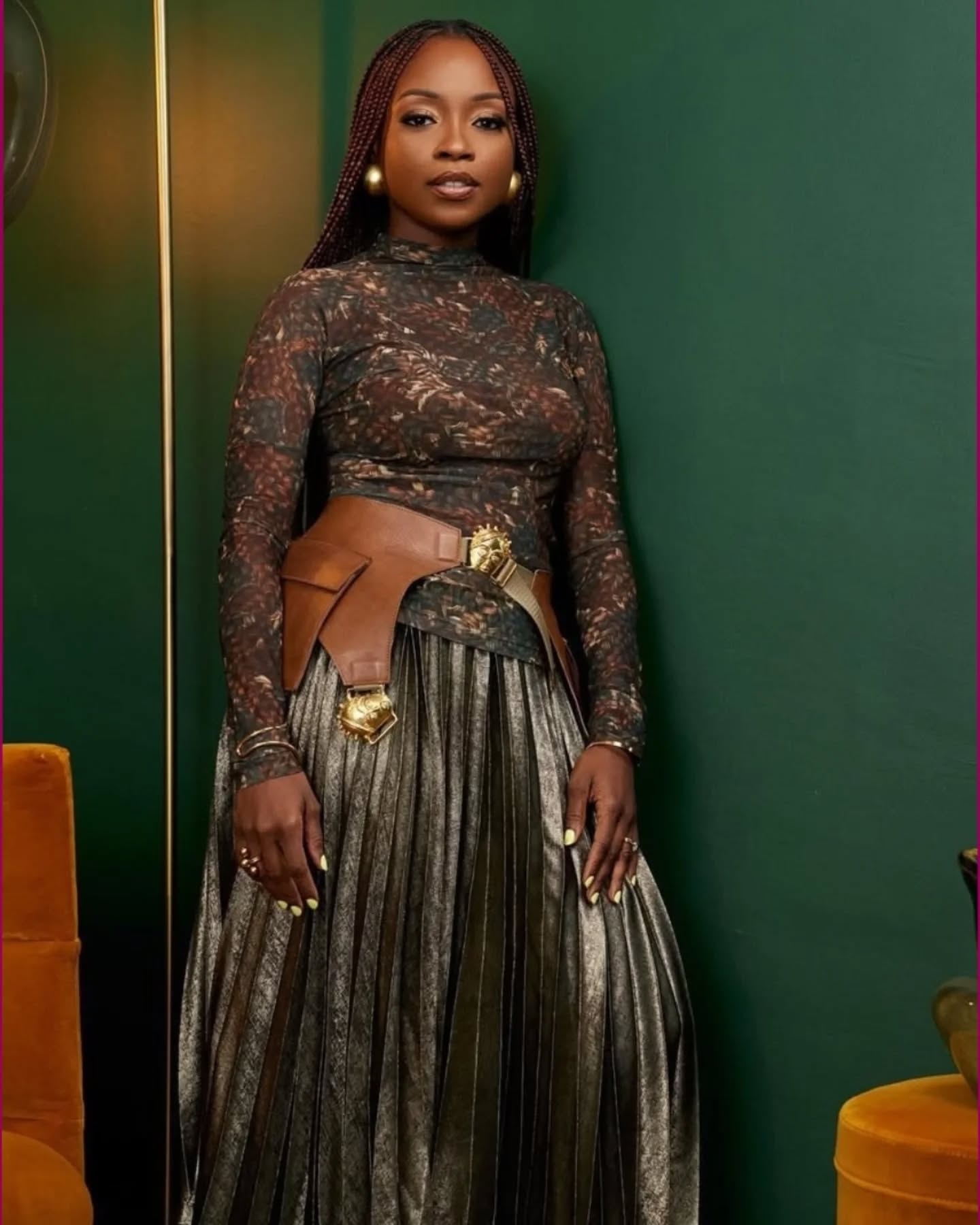
As the founder of Christie Brown, Aisha Ayensu has carved a global presence through a refined, architectural approach to fashion. Her designs balance structure and softness, tradition and innovation.
Ayensu’s personal style mirrors her work. Polished, intentional, and unmistakably grounded. Her influence extends beyond the runway into conversations around craftsmanship, luxury, and cultural visibility.
She demonstrates that identity need not be explained to be understood. It simply needs to be expressed with clarity.
Lisa Folawiyo and the Art of Reinterpretation
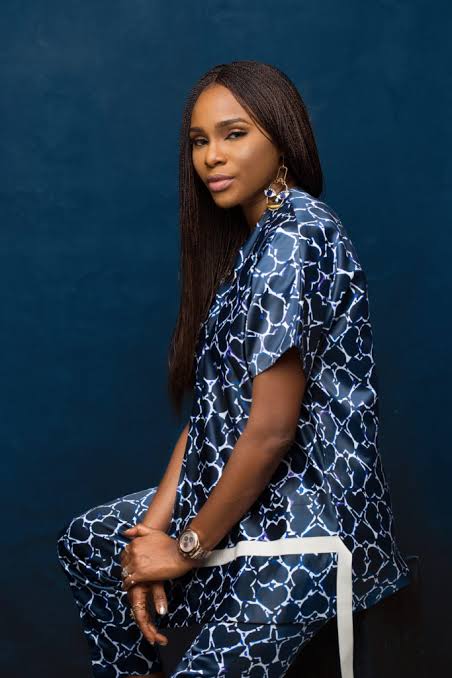
Lisa Folawiyo’s global influence comes from her ability to reinterpret rather than replicate. By transforming traditional textiles into contemporary silhouettes, she bridges generations without diluting meaning.
Her work appeals to international audiences because it feels modern rather than nostalgic. Yet it remains rooted in cultural intelligence. Folawiyo’s style is meticulous, detailed, and unmistakably personal.
In doing so, she proves that heritage is not static. It evolves with the people who carry it forward.
Beyond Fashion: Style as Cultural Diplomacy
Not all style icons emerge from fashion houses or runway circuits. Some operate through media, culture, and global visibility, using personal style as a form of presence rather than performance.
Nana Akua Addo represents this influence with unmistakable clarity. The Ghanaian fashion icon and creative force is known globally for her fearless silhouettes and conceptual approach to dress. Her style is not about trends, but about visual storytelling. Each appearance functions as a statement, positioning African creativity within global fashion conversations without dilution or explanation. Through consistency and intention, her wardrobe becomes a form of cultural assertion.
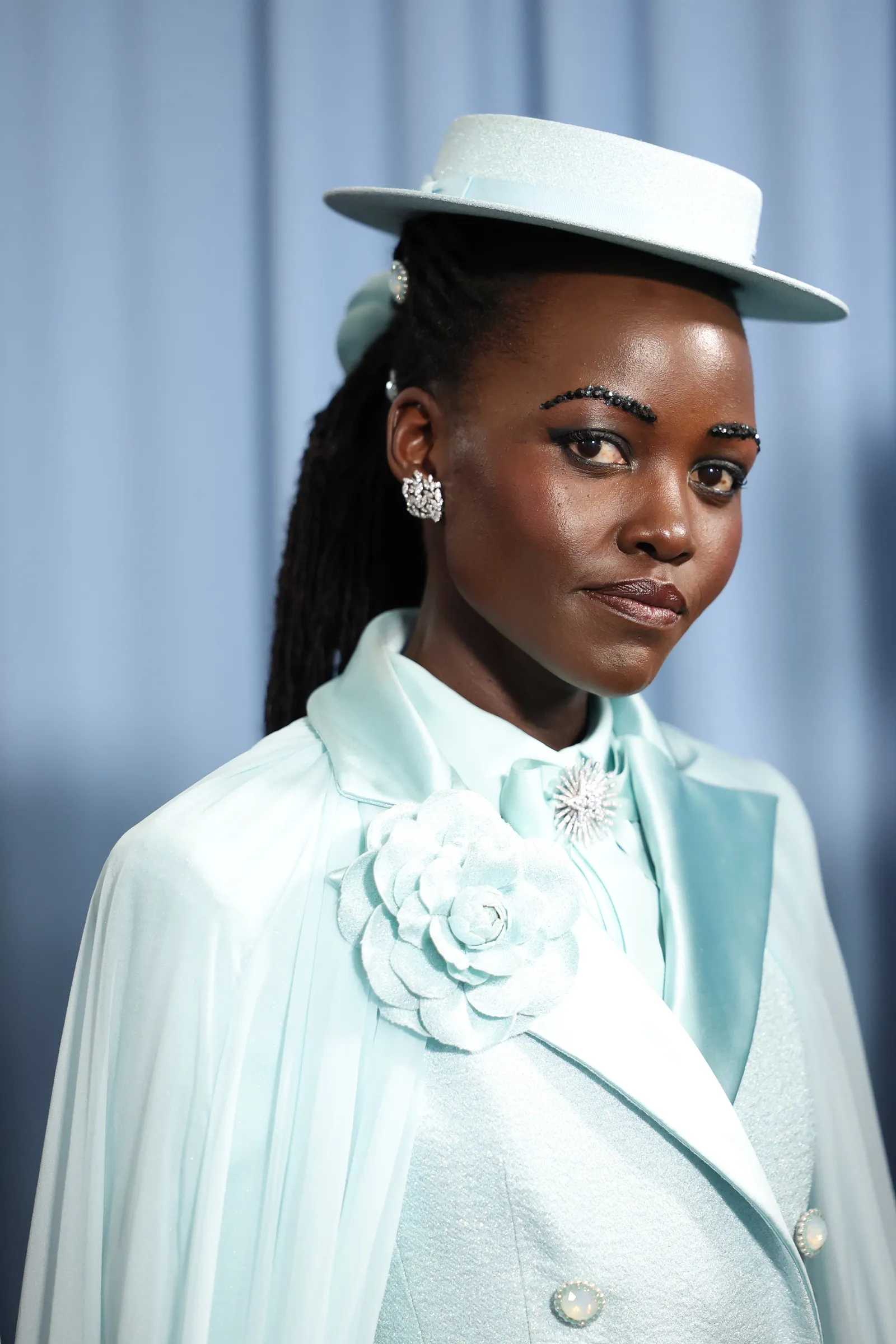
Representing East Africa, Lupita Nyong’o, a Kenyan actress with global reach, demonstrates how style can operate as cultural diplomacy on the world’s biggest stages. Known for her thoughtful fashion choices and consistent collaboration with designers, her style balances elegance with intention. Each appearance communicates assurance, identity, and global fluency without spectacle.
Why Identity Translates Globally
The global appeal of these style icons lies in authenticity. Audiences respond not to perfection, but to truth. When style is rooted in lived experience, it resonates across borders.
These figures do not erase where they come from to succeed internationally. They refine it. They adapt without dilution. And in doing so, they expand the definition of modern luxury.
In this context, influence is not about dominance. It is about presence.
READ ALSO:
- How African Culture Is Shaping Global Fashion in 2025: Trends, Designers, and Style Movements
- Orange Culture by Adebayo Oke-Lawal: Where Identity Meets Style
- Dressing for the Global Gaze: How African Styles Are Negotiating Visibility
The Future of Global Style Influence
As fashion and culture continue to evolve, the influence of African style icons will only deepen. Their approach offers a blueprint for the future—one where identity is not a constraint, but a foundation.
Personal history becomes design language. Cultural grounding becomes global relevance. And style, once again, becomes a powerful form of self-definition.
In a world saturated with trends, these icons remind us that the most enduring influence comes from knowing who you are and choosing to show it.
Frequently Asked Questions
- What defines an African style icon today?
An African style icon is defined by a strong personal aesthetic rooted in identity, culture, and confidence, rather than trends alone.
- How do African-style icons influence global fashion?
They influence global fashion by introducing new narratives of luxury that blend personal history, craftsmanship, and contemporary expression.
- Why is personal identity central to global style influence?
Because authenticity resonates across cultures, a style grounded in lived experience creates lasting influence.
- Are African-style icons reshaping modern luxury?
Yes. They are expanding the definition of luxury to include cultural fluency, storytelling, and individuality.
- How does such attire differ from trend-driven fashion?
It prioritises longevity and meaning over seasonal trends, building influence through consistency and intention.