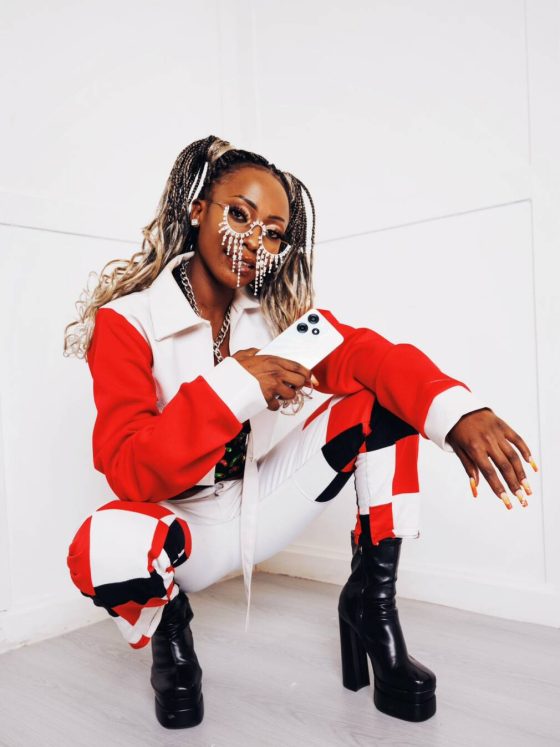
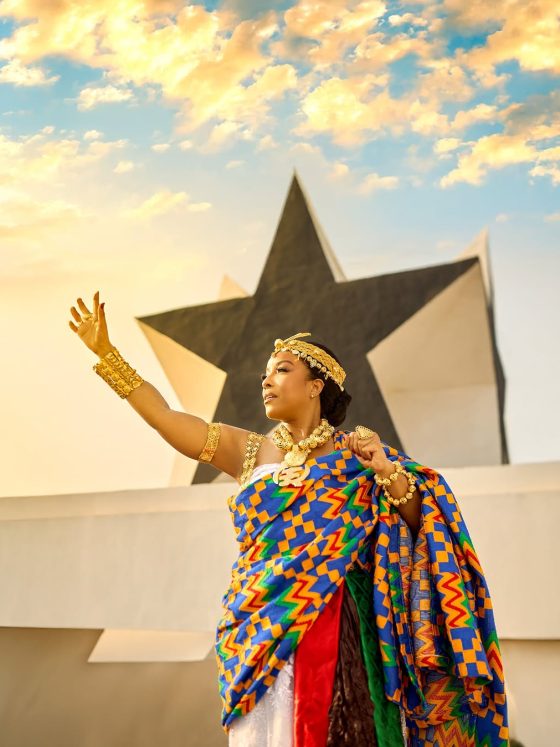
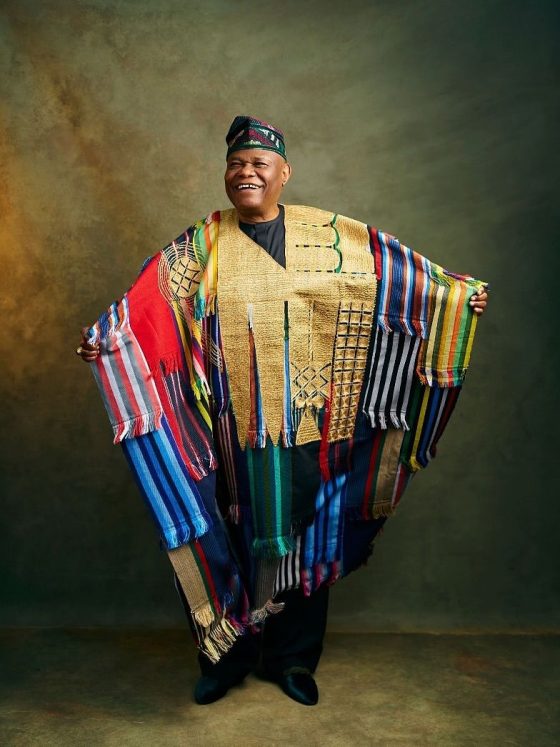
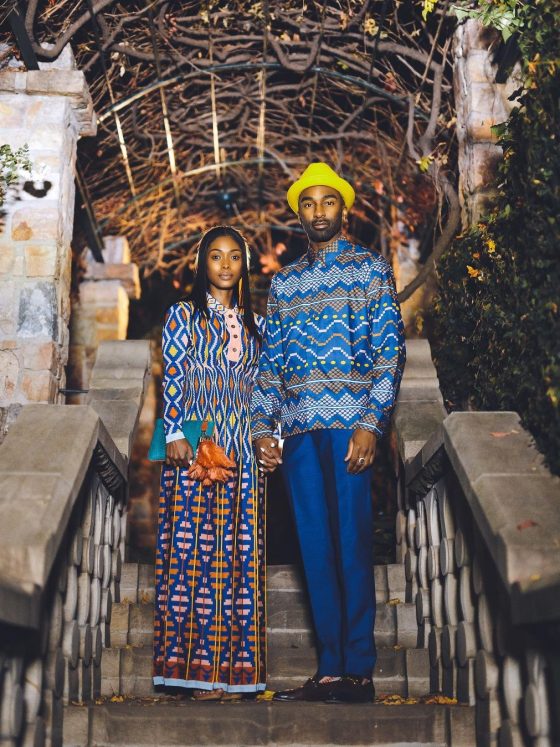
African poets are shaking up contemporary poetry. Their words don’t just sit quietly inside old forms or follow Western rules. Instead, they’re out there on spoken word stages, popping up in Beyoncé’s visual albums, grabbing literary prizes, and going viral on social media. These poets use colonial languages, sure, but they twist them, flip them, and make them tools for their own stories. They dive headfirst into everything from the pain of diaspora and queer identity in tough places to post-colonial scars and the messy beauty of Black womanhood. They don’t shy away from discomfort; in fact, they make you sit with it, insisting that you can’t really understand their work without it.
This isn’t just about new styles. These poets are pushing poetry to do more: to testify, to resist, to heal, and to keep culture alive, all at once. And if you’re looking for the heart of modern poetry, you’ll find it with writers juggling different cultures, languages, and identities, the very things Western literature used to ignore.
Meet ten African poets shaping the future of global expression through powerful language, cultural insight, and contemporary literary influence.
1. Warsan Shire – From Refugee Stories to Beyoncé’s Lemonade
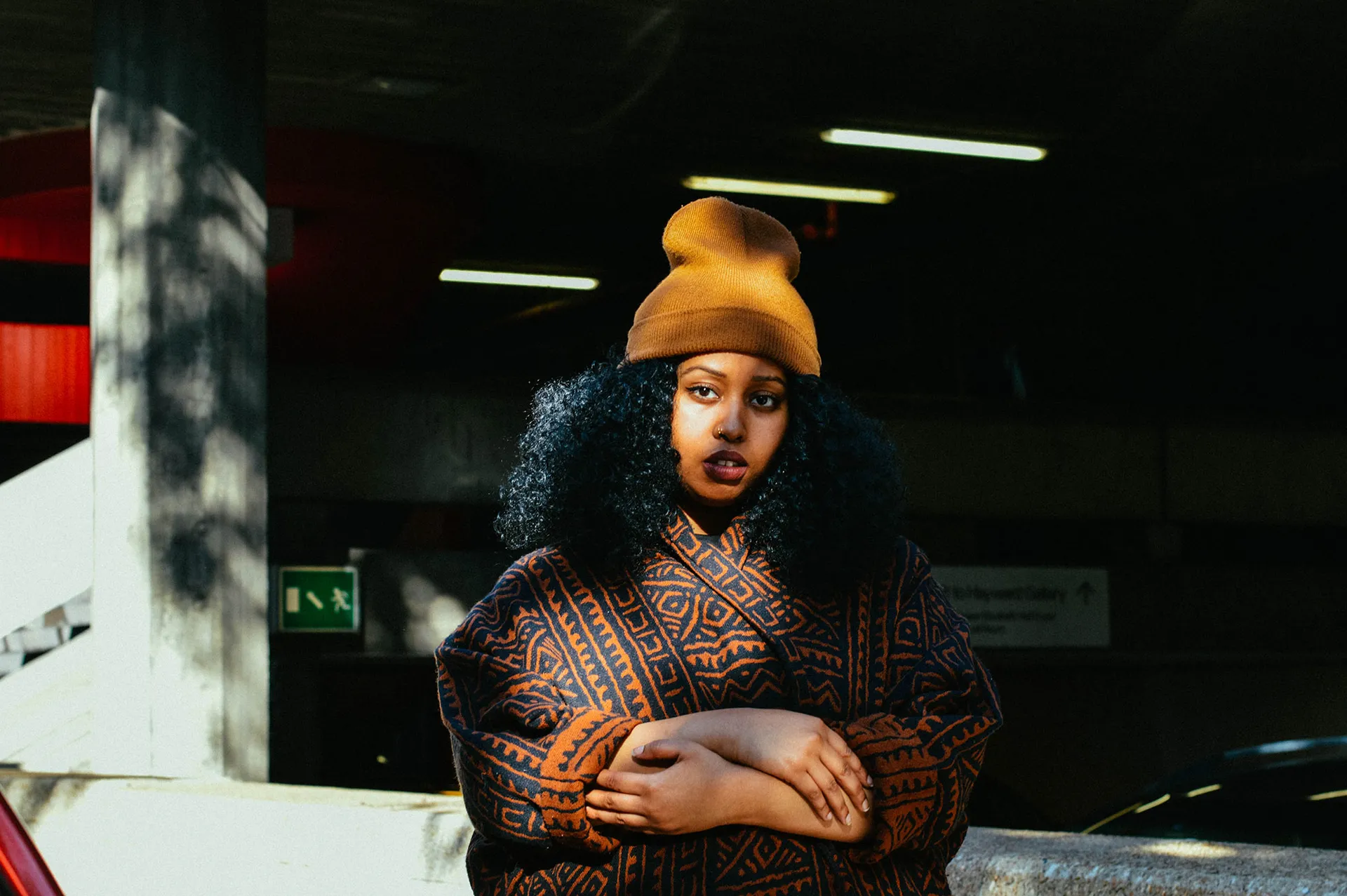
Warsan Shire, a Somali-British poet, teacher, and editor, made waves early. She won the Brunel University African Poetry Prize in 2013 and became London’s first Young Poet Laureate at just 25. But even if you don’t know her name, you’ve probably heard her words, Beyoncé wove Shire’s poems through Lemonade, reading lines from “The Unbearable Weight of Staying”, “Dear Moon,” “How to Wear Your Mother’s Lipstick”, “Nail Technician as Palm Reader”, and “For Women Who Are Difficult to Love”.
Evaristo founded and funded the Brunel Prize to lift new African voices, and Shire was its very first winner. By 2018, she joined the Royal Society of Literature’s “40 Under 40.” Her collection Bless the Daughter Raised by a Voice in Her Head landed on the shortlists for both the Felix Dennis Prize and the Dylan Thomas Prize. She’s not just telling her own story; she’s reshaping what poetry can do.
2. Koleka Putuma – South Africa’s Queer Revolutionary
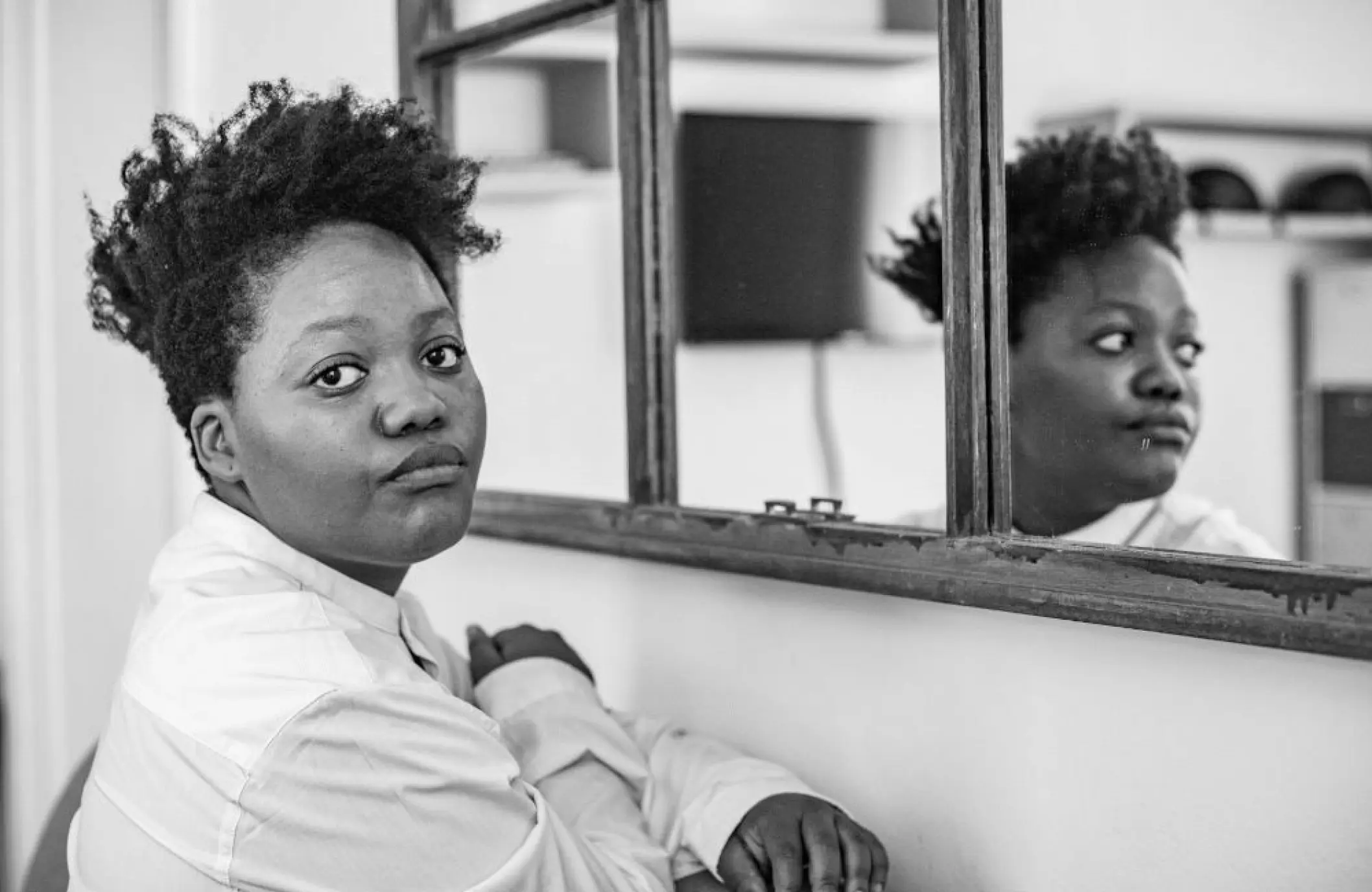
Koleka Putuma doesn’t hold back; her poetry in Collective Amnesia takes on blackness, womanhood, and history with a kind of fire that won’t let you look away. Her poems demand justice, insist on visibility, and simultaneously offer healing. She’s now the best-selling poet in South African history. Collective Amnesia sold over 5,000 copies in just eight months, and Putuma’s performances have stretched across three continents.
She won the PEN student writing prize in 2016 for “Water,” a poem that’s become a staple in South African schools, reminding everyone that water isn’t just about survival; it’s political and racial, too. She picked up the Glenna Luschei Prize for African Poetry in 2018, a commendation for the Ingrid Jonker Prize, and her work was named City Press Book of the Year. Putuma’s poetry doesn’t just sit on the page; it moves people.
3. Ijeoma Umebinyuo – Storyteller of Black Sisterhood
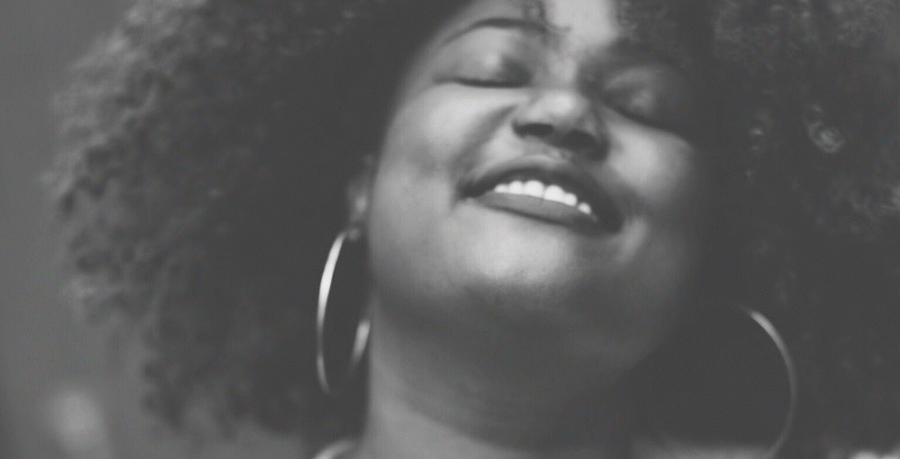
Ijeoma Umebinyuo, a Nigerian poet, uses storytelling rooted in Igbo folklore to explore Black sisterhood, identity, and social justice. She’s part of a wave of African poets who dig deep into ancestral stories and make them feel urgent and new. Umebinyuo’s poems celebrate the power of female solidarity across the African diaspora; she gets that the lives of African women everywhere are linked, no matter where they land.
For Umebinyuo, poetry isn’t just words; it’s a way to build community. Her writing brings scattered readers together, helping them recognise themselves and one another in the struggle. She proves that poetry can be a lifeline, connecting people far beyond borders.
4. Lebo Mashile – Dynamic Performer Celebrating Womanhood
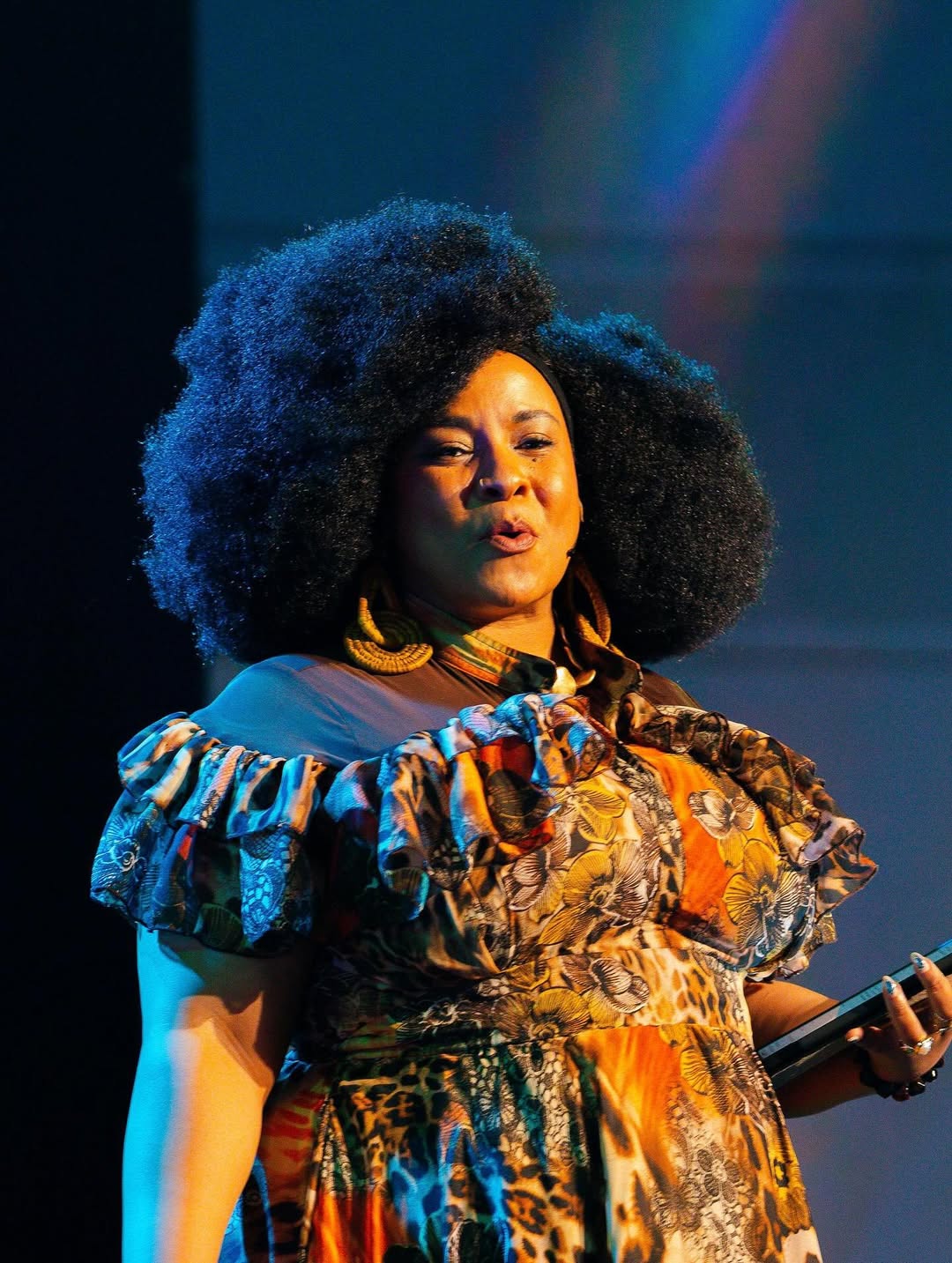
Lebo Mashile doesn’t just write poems; she brings them to life. As a South African poet, she stands shoulder to shoulder with some of the continent’s greats, using both her voice and her pen to uplift Black womanhood and capture the messiness of South African life. She’s not just creating for herself, either. Mashile mentors rising voices like Koleka Putuma, showing how established poets can open doors for the next generation. Her work stretches across decades, tracing South Africa’s journey from apartheid to democracy, with all the complications along the way. Through it all, she proves that poets aren’t just artists; they’re historians. Their verses hold onto truths that official history books often ignore or twist.
5. Safia Elhillo —the Sudanese-American Voice of Belonging
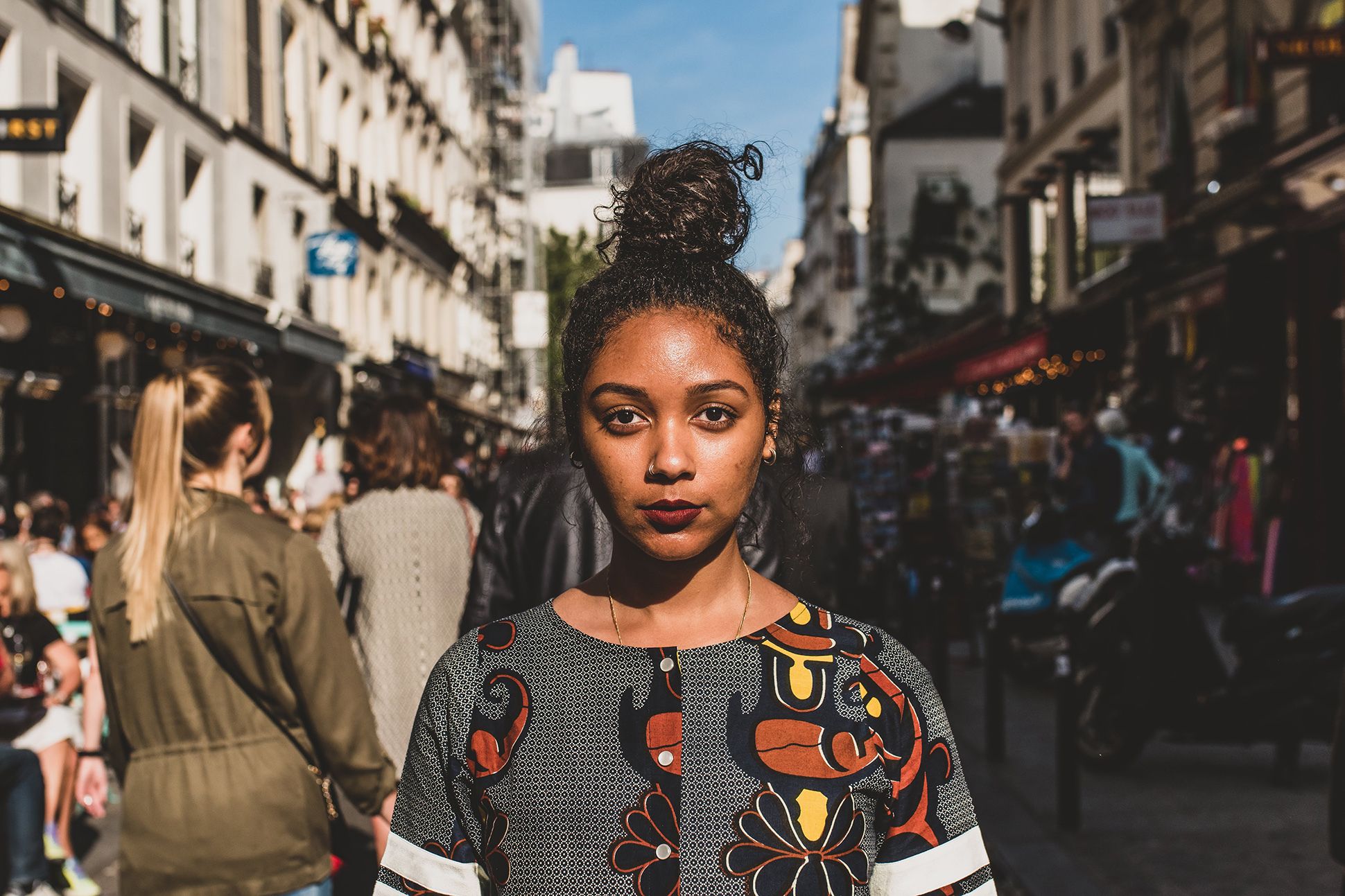
Safia Elhillo digs deep into what it means to belong when you’re caught between countries. Her poetry lives in that space where you’re not fully Sudanese and not exactly American either, just somewhere in between. She doesn’t force herself to choose, and she doesn’t make her readers pick sides. Instead, Elhillo invents a language for all the in-between places. She plays with form, breaking lines and stanzas so the page itself feels unsettled, echoing the displacement she writes about. Her poems show that you don’t have to pick between accessibility and innovation; she delivers both. She’s proof that African poets can be technically daring and deeply relatable at the same time.
6. Mary-Alice Daniel – Tradition Meets Raw Modernity
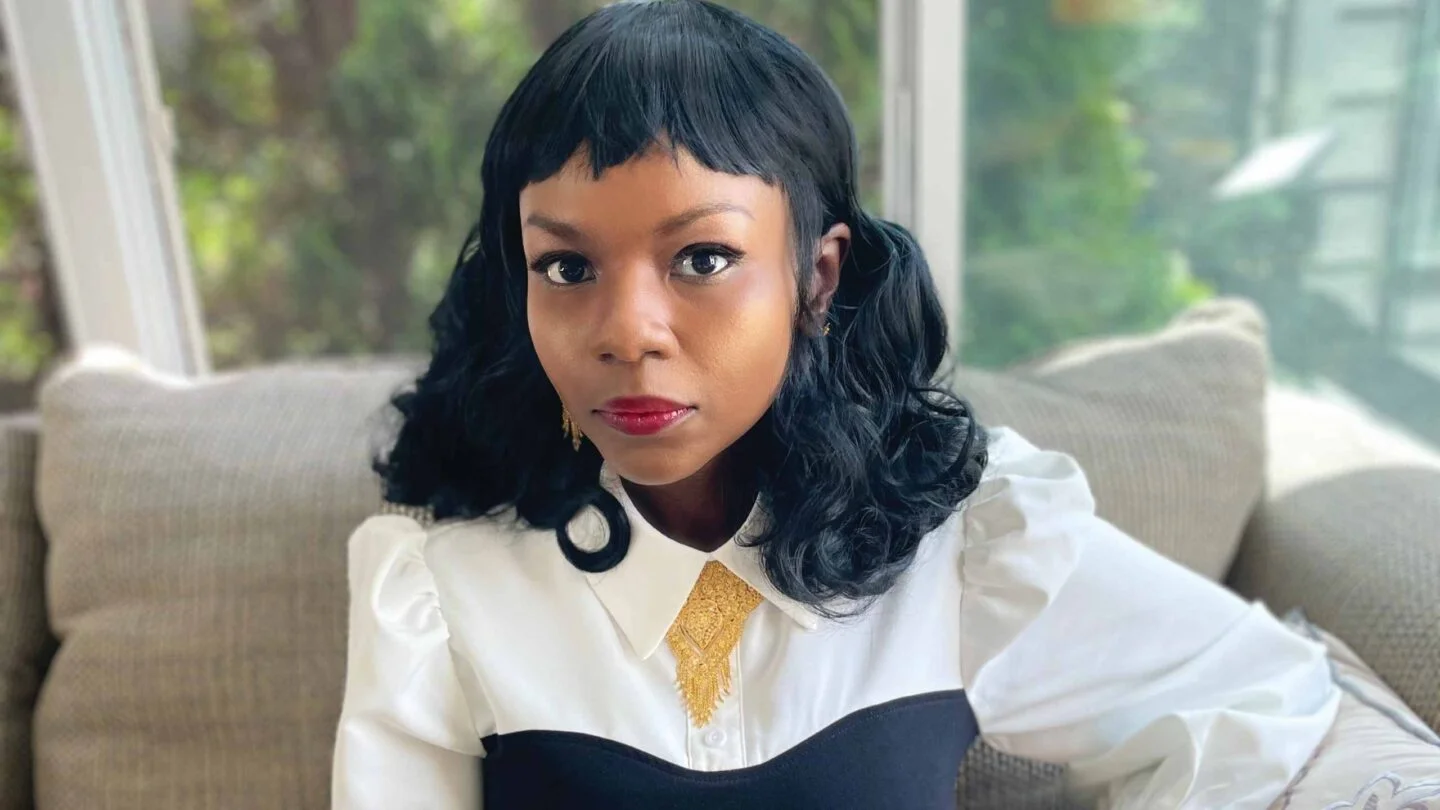
Mary-Alice Daniel doesn’t hold back. In collections like Blood For The Blood God, this Nigerian-American poet blends old traditions with the rough edges of modern life. She looks violence, power, and survival right in the eye, never sugarcoating what it means to be African, but always rooting her work in real cultural detail. Daniel’s poetry wrestles with heritage, refusing to glorify the past or accept it without question. She shows you can honour your ancestors by asking tough questions rather than just repeating what they said. In her hands, poetry isn’t about easy answers; it’s about carrying the conversation forward.
READ ALSO:
- 10 African Gaming Studios Changing the Game
- 10 Women Leading Global Media: Redefining Journalism and Entertainment
- 10 African Writers Shaping Modern Literature
7. Saddiq Dzukogi – Lyrical Explorer of Nigerian Landscape
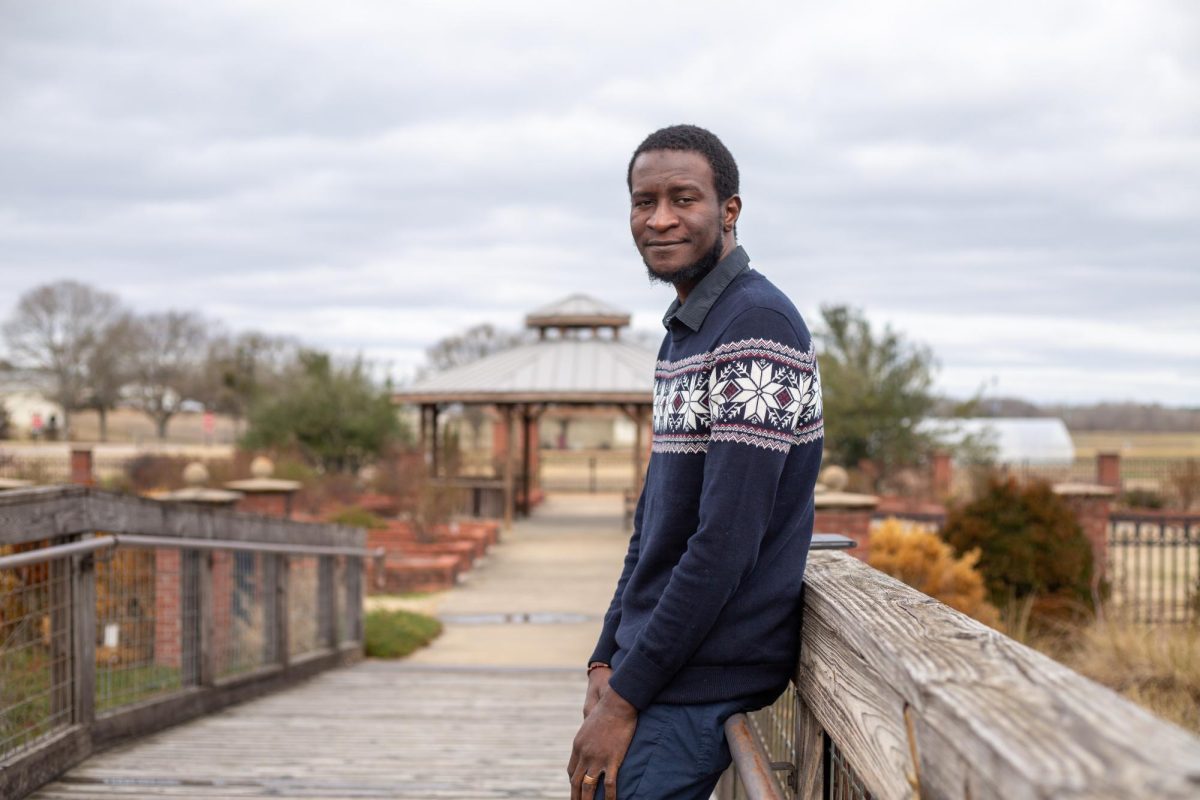
Saddiq Dzukogi writes with a wide range of senses. He brings love, loss, and the landscapes of Nigeria into sharp focus, grounding big feelings in the details of place. While many African poets tackle trauma or politics, Dzukogi reminds us that beauty matters, too. Occasionally, the land itself deserves a poem. Sometimes love needs to be examined, not excused. He isn’t afraid to celebrate joy and pleasure as real, worthy subjects for African poetry. Dzukogi proves that poetry can be an act of delight, not just survival.
8. Momtaza Mehri – Faith, Family, and Diaspora
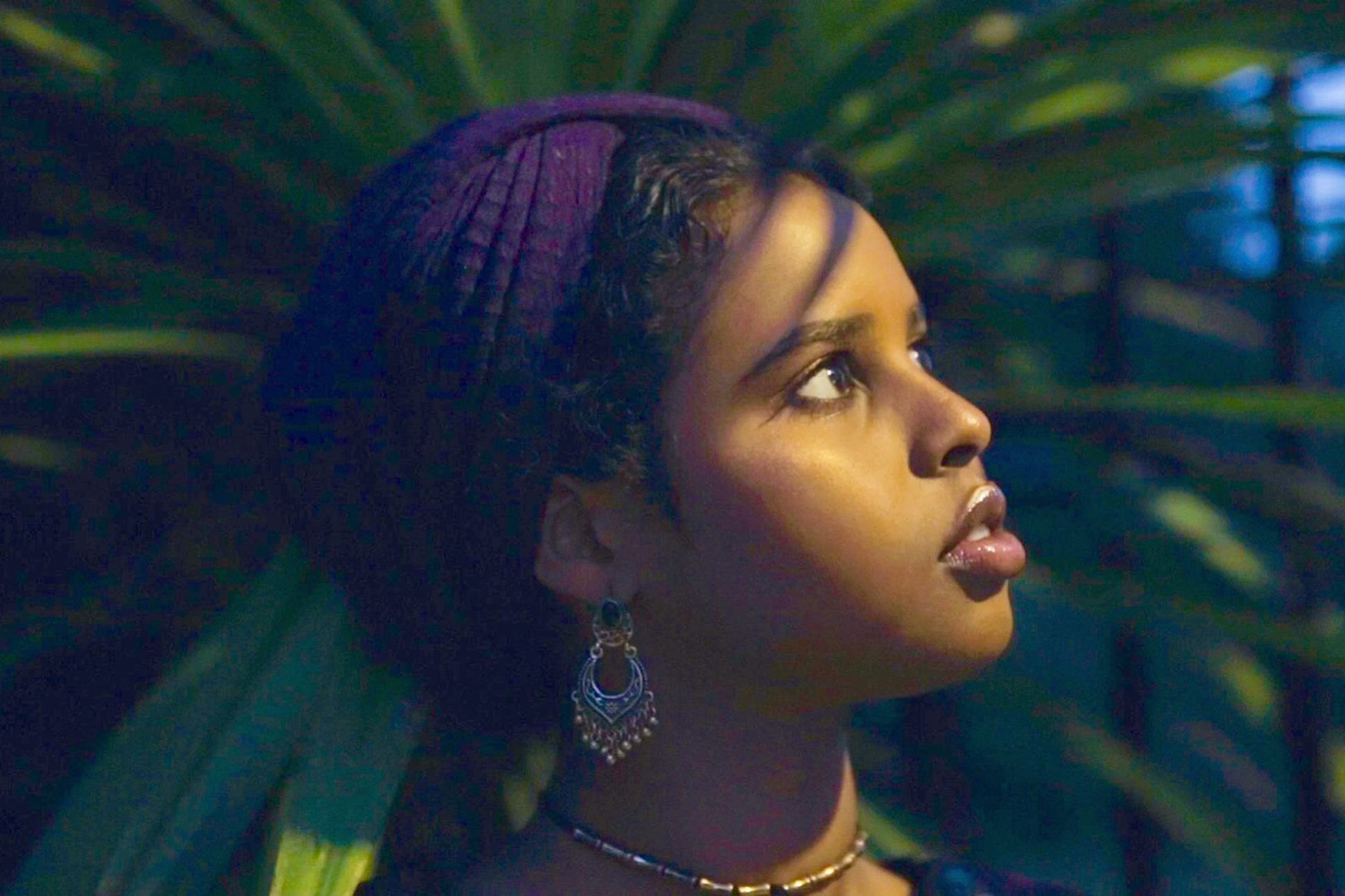
Momtaza Mehri’s poetry lives in the push and pull of faith, family, and migration. As a Somali-British poet and essayist, check out her book Sugah. Lump. Prayer., she faces the complexities of Muslim identity in the West, where suspicion and misunderstanding are never far off. Mehri doesn’t shy away from the hard questions about religion. She critiques, she questions, but she never severs her spiritual ties. Her work blends poetry and essay, verse and prose, refusing to fit neatly into categories, just like identity itself. Mehri’s poems show how African writers can challenge and question while still holding on to what matters most.
9. Romeo Oriogun – Queer Love and Nigerian Life
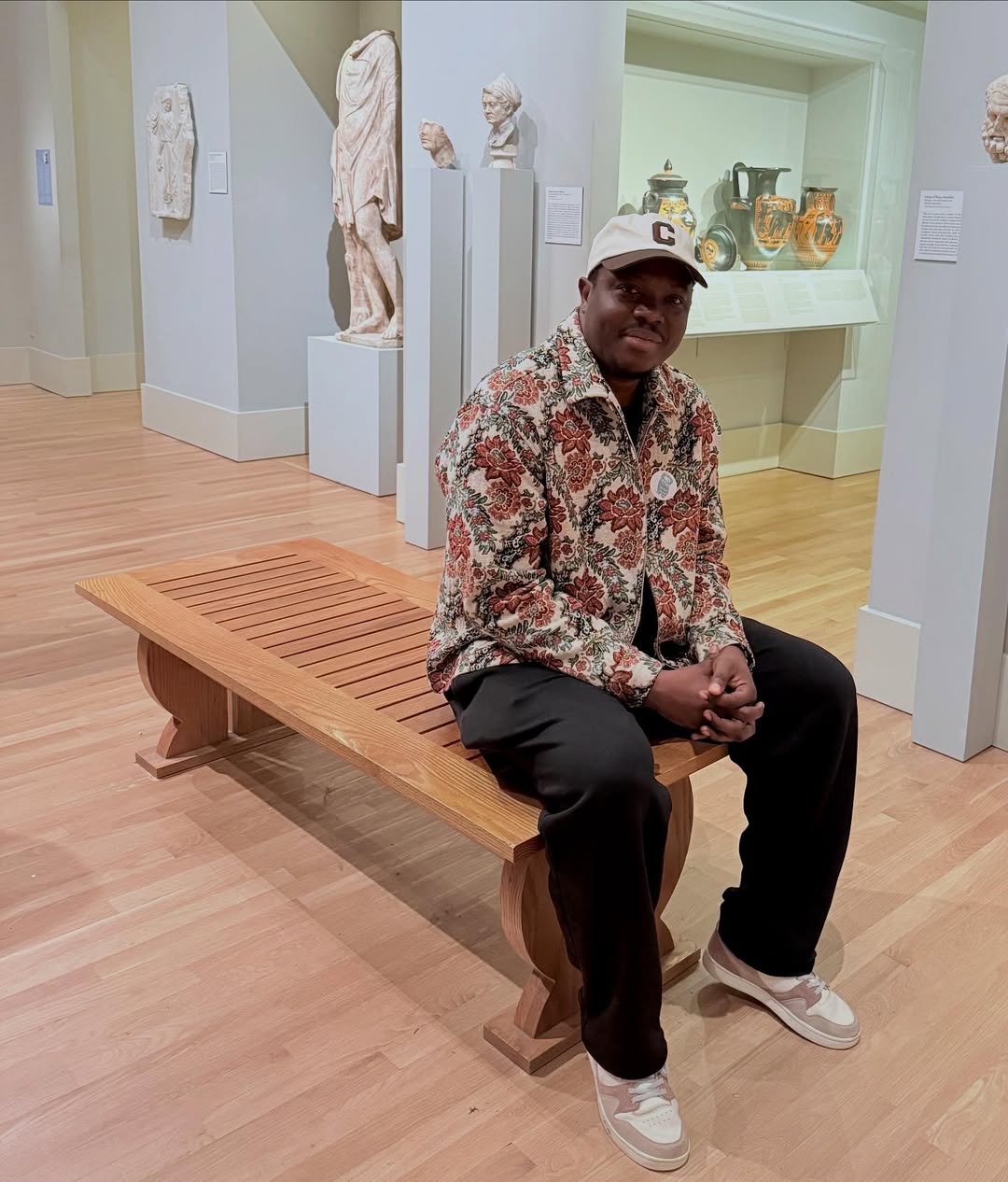
Romeo Oriogun writes about queer love, identity, and the messiness of everyday life in Nigeria. His poems are lush, vivid, and full of feeling. In a country where being queer is dangerous, where the law and society are both against you, Oriogun’s work refuses to apologise. Love doesn’t need anyone’s permission, and pleasure doesn’t need an excuse. His poetry pushes back against a culture that pretends these lives don’t exist. For Oriogun, and for other African poets like him, writing isn’t just art; it’s survival. Poetry provides him a place to be himself when the real world won’t allow it.
10. Chekwube O. Danladi – Intimacy and Memory
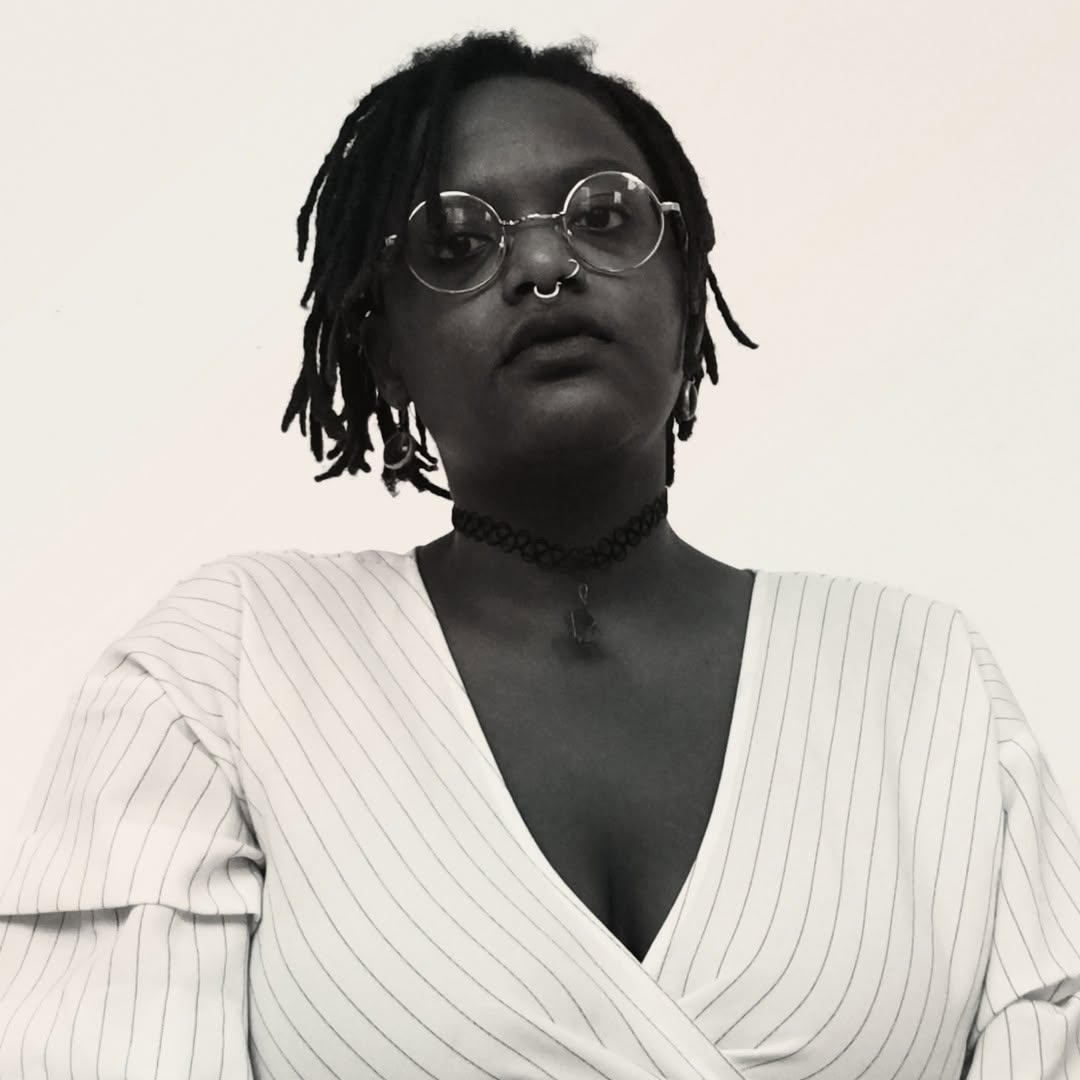
Chekwube O. Danladi’s poems invite you into private moments, small rooms, quiet memories, and the fragile corners of everyday life. In pieces like “Take Me Back,” she writes about things most people overlook: the weight of memory, the intimacy of daily rituals, and the quiet strength in vulnerability. Danladi shows that poetry doesn’t always have to be about grand ideas; sometimes, a kitchen table or a half-remembered afternoon is enough. Her writing proves you can focus on the small and the personal without ever feeling small yourself.
How Are These Poets Changing Literary Landscapes?
These poets are shaking up ideas about what counts as “important” poetry. Instead of hiding behind complicated language or chasing Western trends, they write in ways that feel honest and welcoming yet sharp and thoughtful. They pull in the rhythms and energy of oral traditions, call-and-response, performance, and community. Their poems don’t just sit quietly on the page. You’ll find them everywhere: in Beyoncé’s music, going viral online, and popping up in college classes. They’re reaching more people than ever, and they’re not giving up their voices to do it.
Why Does Performance Matter to African Poets?
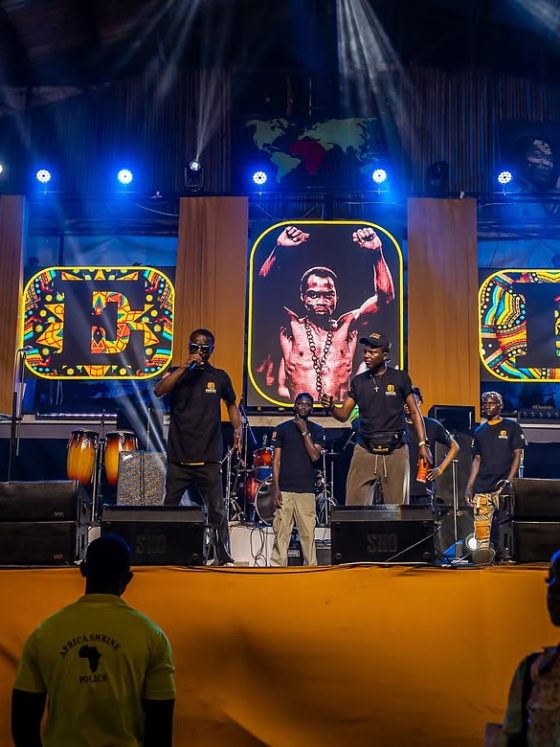
For many African poets, performance isn’t just an add-on. It’s the heart of the whole thing. Poetry comes alive when it’s spoken, when it’s shared with a crowd, when it moves off the page and into the air. That’s how it’s always worked in African oral traditions: poetry needs a voice, a body, and an audience. Performance dismantles barriers, enabling poetry to reach individuals who might never pick up a book. These poets know Western poetry’s obsession with the page is just one way of doing things, not the only way. When they perform, they’re staking a claim: poetry that’s lived, heard, and felt is just as real, maybe even more so, than poetry that only lives in print.
What Role Does Diaspora Play?
Many of these poets write from in-between places: Somali-British, Nigerian-American, and Sudanese-American. Living in the diaspora provides them with a unique perspective. They see both their roots and their new homes with a clarity you don’t get from standing in just one place. Their work invents new ways to talk about losing and gaining, about belonging and being an outsider. They acknowledge loss without dwelling on it. Their poems celebrate mixing and blending cultures, even as they mourn what gets left behind. They show you don’t have to live in Africa to write honestly about it.
Frequently Asked Questions
1. Who are the most influential contemporary African poets?
Let’s start with Warsan Shire. She’s the voice behind some unforgettable lines on Beyoncé’s Lemonade and took home the Brunel African Poetry Prize. Then there’s Koleka Putuma; her book Collective Amnesia is a bestseller in South Africa, and it isn’t difficult to see why. Lebo Mashile deserves a mention too. She’s not just an acclaimed poet herself, but she also lifts new voices in the scene.
2. What themes do African poets explore?
Their poems dig deep into diaspora and displacement, queer identity in places that don’t always welcome it, heavy stuff like post-colonial trauma, black womanhood, religious hypocrisy, refugee life, love that crosses borders, memory, loss, the fight to decolonise, and even the beauty of ordinary routines. There’s a mix of urgency and tenderness. You encounter both resistance and beauty simultaneously.
3. How do African poets differ from Western poets?
African poets lean into performance and the spoken word. They keep their language clear, but there’s still plenty of depth. Instead of focusing on the lone individual, they reach out to the whole community. A lot of them blend traditional storytelling, juggle several languages, and fill their poems with cultural references. For them, poetry isn’t just about art; it’s a way to push for change. Art and activism are inextricably linked.
4. Where can readers discover African poets?
Start with books like Collective Amnesia or Bless the Daughter Raised by a Voice in Her Head. Check out Brittle Paper, a great literary magazine. Poetry slams and festivals are enormous, and tonnes of poets share their work on social media these days. If you’re in university, you might find these writers on your reading list now. And don’t overlook live performances; spoken word events are everywhere.
5. Why are African poets important?
They capture stories and experiences that Western literature often misses. Their work gives voice to identities that don’t fit neat boxes. They keep oral traditions alive and fresh, push back against tired stereotypes, and show the world that poetry isn’t just for the sidelines; it matters, both in culture and in politics.