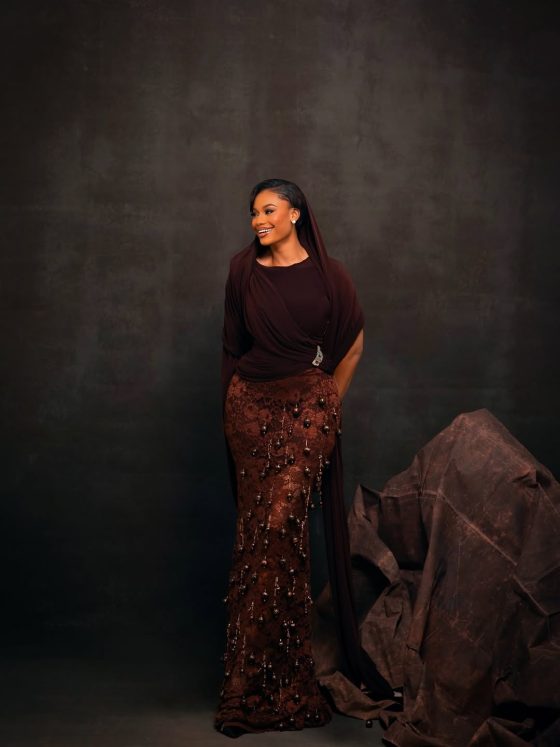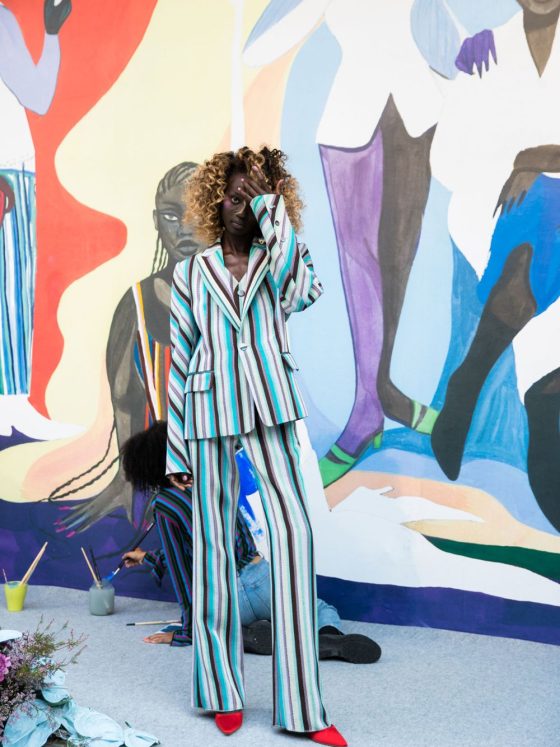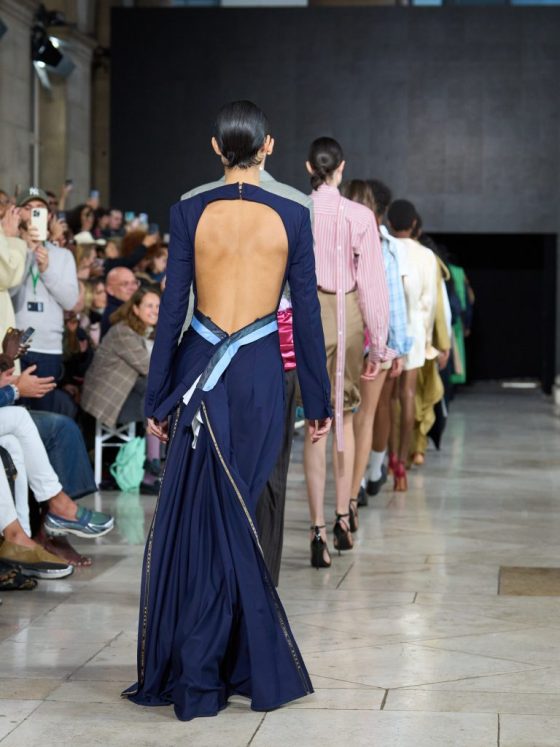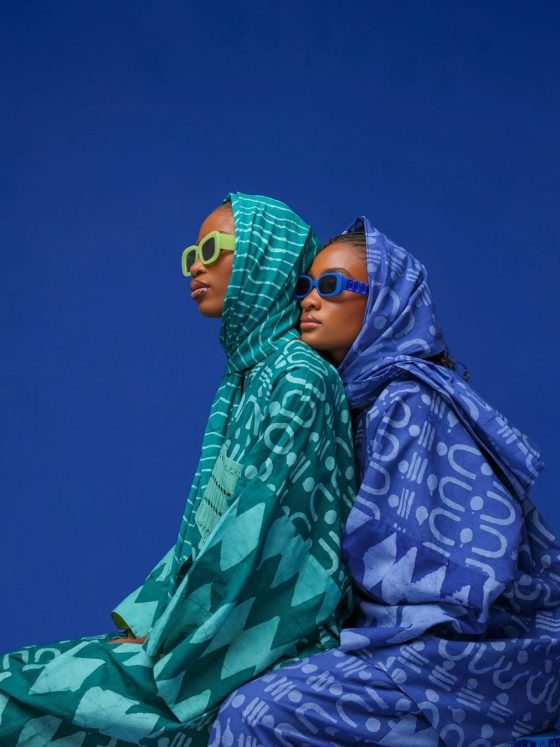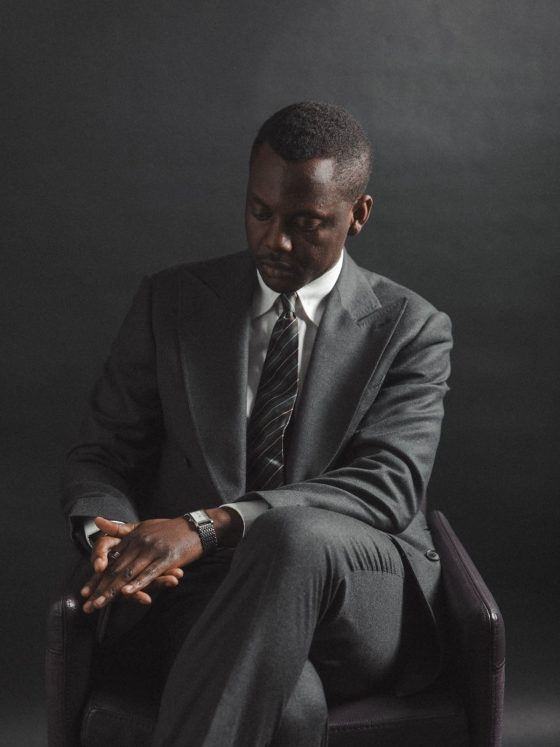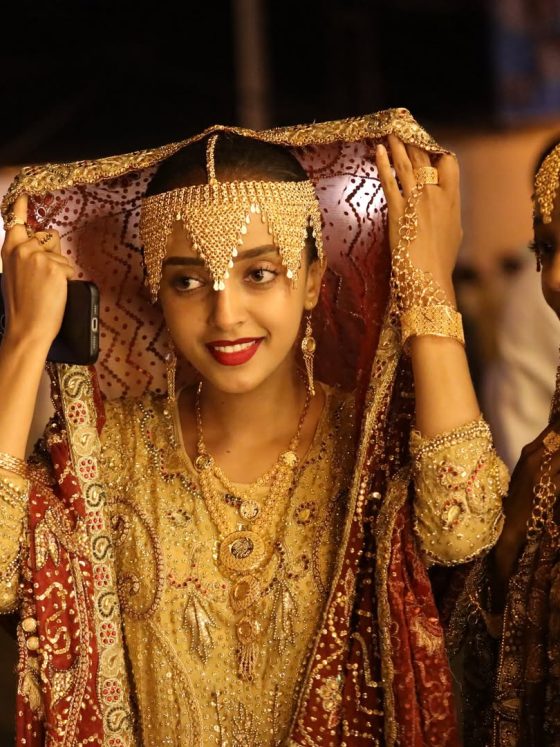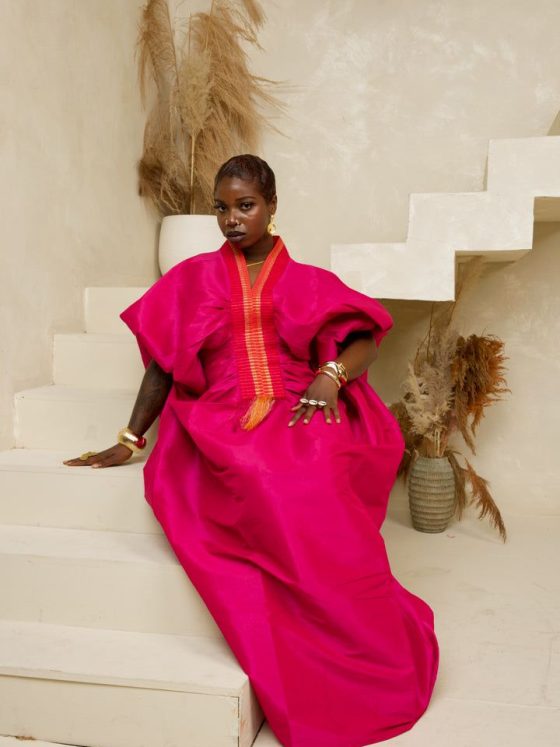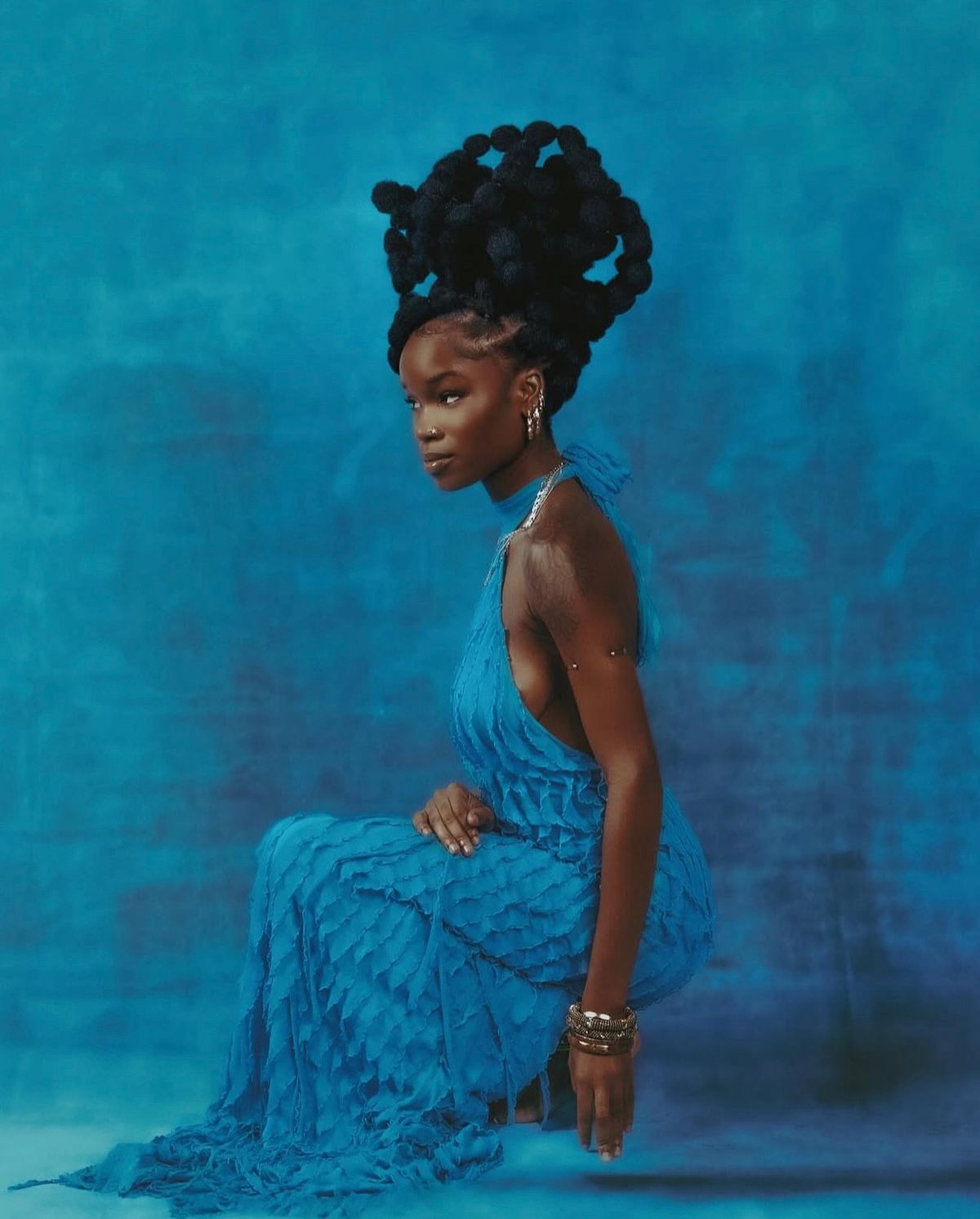
A quiet but powerful shift is underway in global beauty advertising. The African model is no longer framed as an exception or an accent. She is central. From international beauty campaigns to luxury editorials, African faces now carry stories of heritage, innovation, and cultural confidence. Trends do not drive this evolution. This shift is not just about superficial changes, but rather a deeper recalibration of value. Beauty brands are learning that authenticity, cultural intelligence, and ethical storytelling resonate more strongly than borrowed ideals. African models stand at the intersection of tradition and modernity, shaping a language of beauty that feels grounded yet global.
African models are redefining global luxury through cultural craft, presence, and identity, reshaping fashion narratives and representation worldwide.
The Early Margins of Visibility
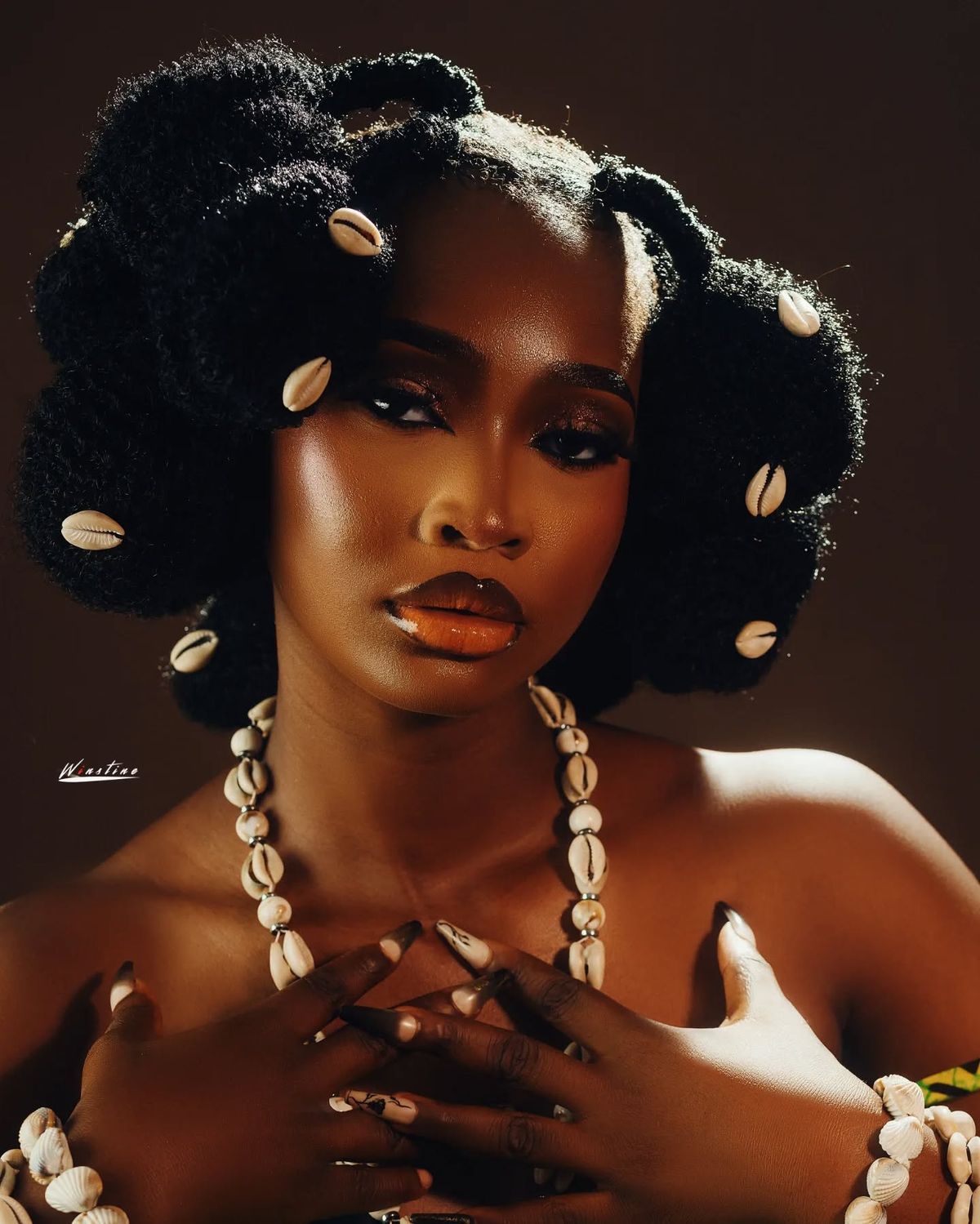
For decades, beauty advertising mirrored a narrow worldview. African models were often excluded or positioned through stereotypes that flattened identity and ignored cultural depth. When representation existed, it was usually filtered through Western aesthetics, leaving little room for indigenous expressions of beauty. Yet parallel to mainstream exclusion, African and diasporic communities cultivated their standards through magazines, fashion collectives, and local campaigns. These early efforts laid the foundation for today’s visibility, proving that African beauty did not need validation to exist, only space to be seen.
From Representation to Authority
The modern shift is not merely about inclusion. It is about authority. African models now appear as brand ambassadors, creative collaborators, and cultural references. Figures such as Iman, Alek Wek, Adut Akech, and Anok Yai did more than book campaigns. They changed how luxury is interpreted. Their presence introduced darker skin tones, natural hair, and African facial structures as symbols of refinement rather than deviation. Beauty advertising began to shift from imitation to appreciation, recognising African aesthetics as sources of innovation rather than raw materials.
Craftsmanship Meets Contemporary Beauty
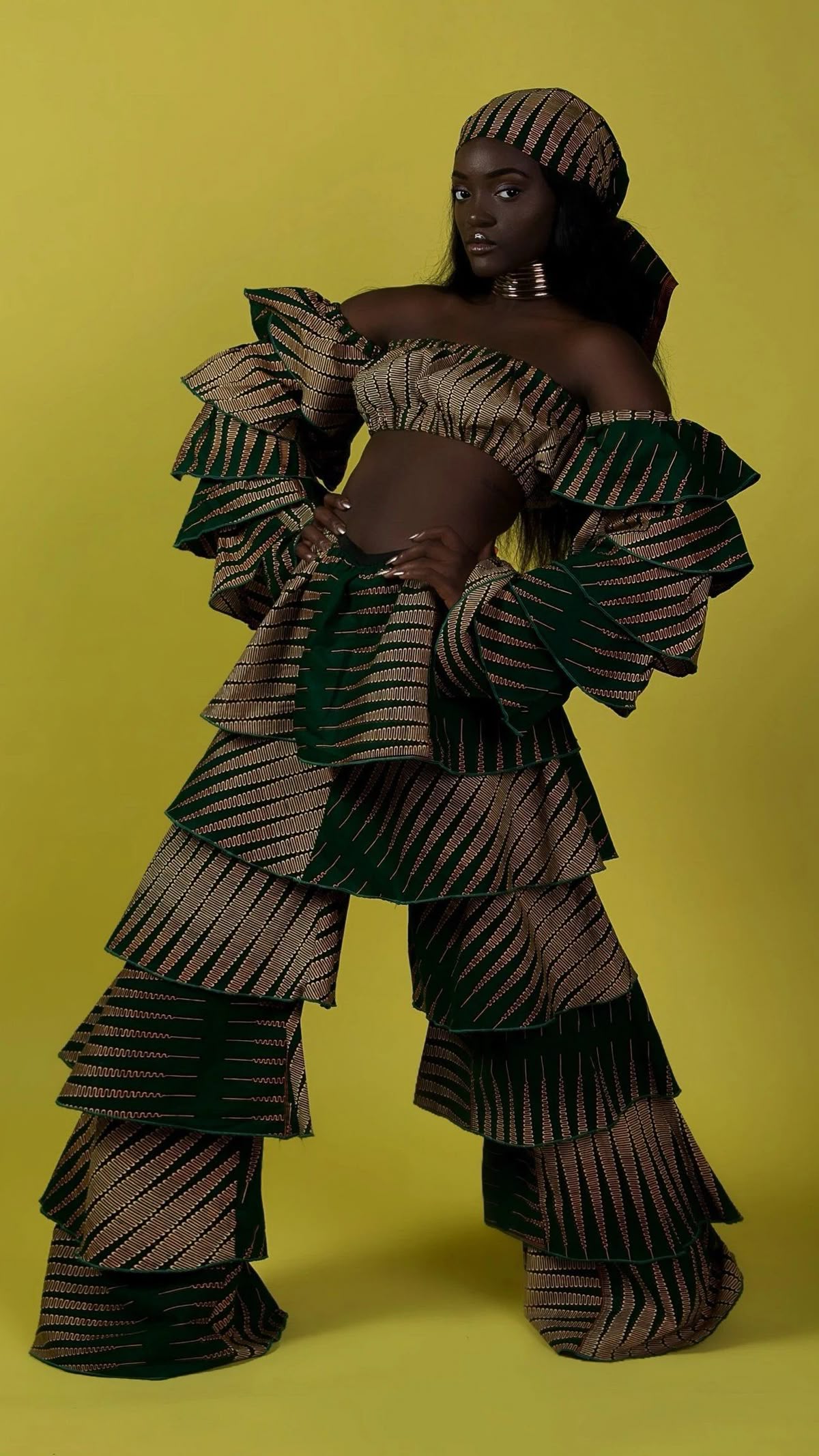
Craftsmanship plays a crucial role in shaping African beauty narratives. From traditional skincare rituals to textile symbolism and hairstyling practices, beauty is inseparable from culture. Modern advertising increasingly draws from these roots with intention. Campaigns now reference indigenous ingredients, ancestral knowledge, and artisanal processes while presenting them through a contemporary lens. African models become storytellers of continuity, linking heritage to modern luxury. This balance appeals to global audiences seeking meaning beyond surface-level beauty.
Global Influence Without Dilution
What distinguishes African models today is their ability to operate globally without cultural erasure. They move between Lagos, Paris, New York, and Johannesburg with fluidity, carrying identity rather than shedding it. Diaspora influences further enrich this presence, blending African heritage with global lived experiences. Beauty advertising benefits from this cross-cultural narrative, gaining depth and relevance. The African model becomes a connector, translating culture across borders without dilution.
The Business of Cultural Intelligence
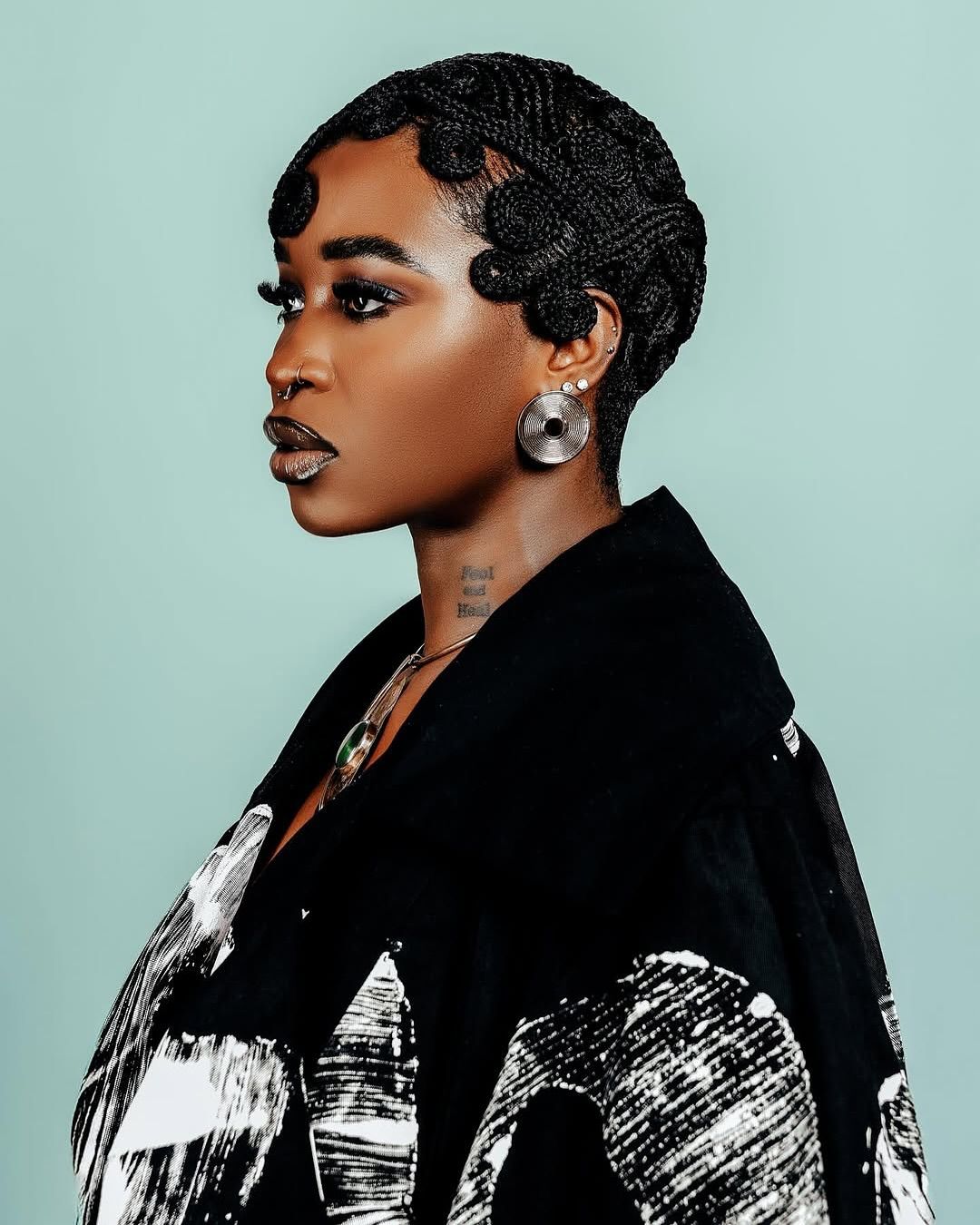
This evolution is also strategic. Africa’s growing consumer market and global diaspora represent economic influence. Beauty brands that understand African narratives gain credibility and loyalty. African models offer more than visual appeal. They bring cultural intelligence, lifestyle context, and aspirational relevance. In a crowded market, this depth differentiates leading brands from those that follow.
Conclusion
African models in beauty advertising have moved from visibility to influence. They are shaping how beauty is defined, marketed, and valued. Rooted in culture yet fluent in modern luxury, their presence signals a future where global beauty is not homogenised but enhanced by distinct identities. This is not a temporary correction. It is a lasting redefinition of beauty through craft, ethics, and cultural confidence.
FAQs
- Why are African models important in modern beauty advertising?
They bring cultural depth, authenticity, and global relevance that resonate with contemporary consumers.
- How have African models changed luxury beauty standards?
They expanded beauty ideals to include darker skin tones, natural hair, and African features as symbols of luxury.
- What role does culture play in African beauty representation?
Culture informs aesthetics, storytelling, and craftsmanship, making beauty narratives more meaningful.
- Is this shift driven by trends or long-term change?
It reflects long-term changes in consumer values, ethics, and global cultural awareness.
- How does sustainability connect to African beauty advertising?
Ethical collaboration, local sourcing, and cultural respect are now central to responsible luxury branding.