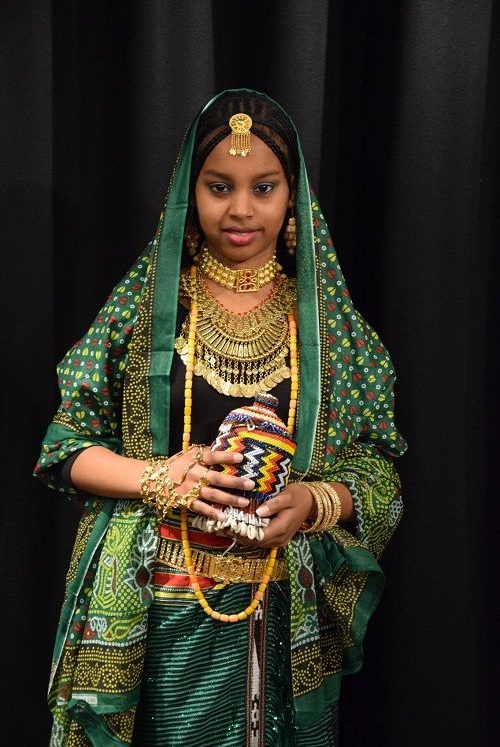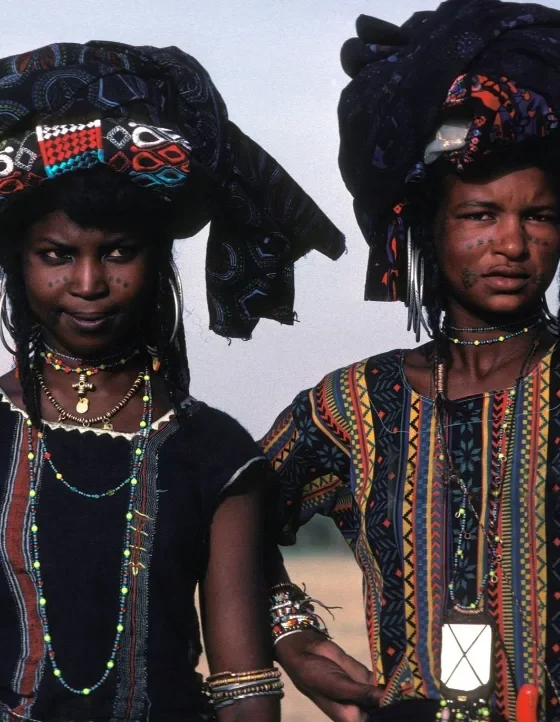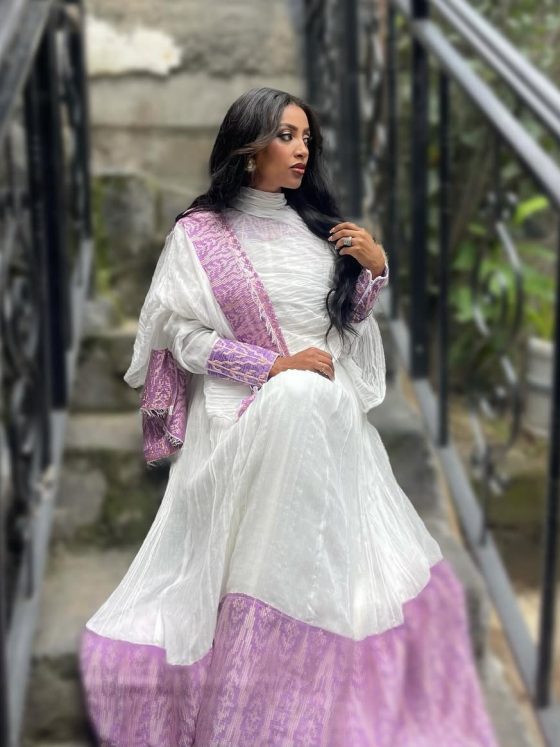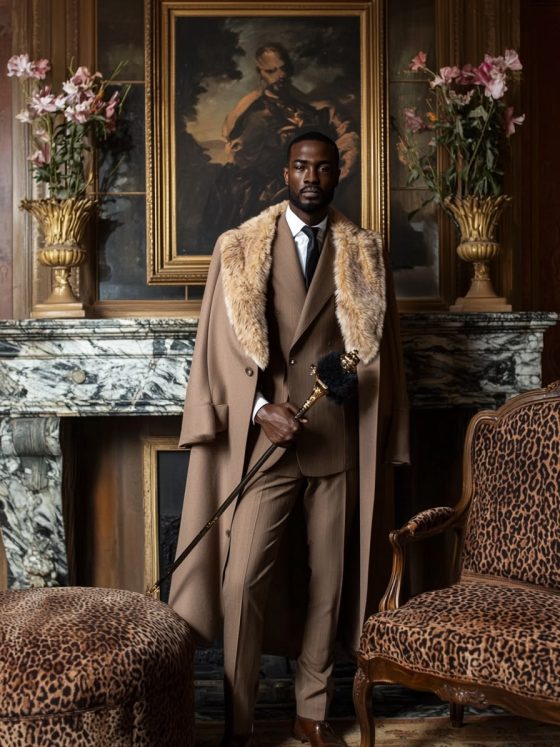
Fashion is often treated as a surface language. Fashion is something that is perceived visually before it is fully understood. But for women, clothing has always carried more weight than trend or taste. It holds memories It signals belonging. It preserves values long after words have faded.
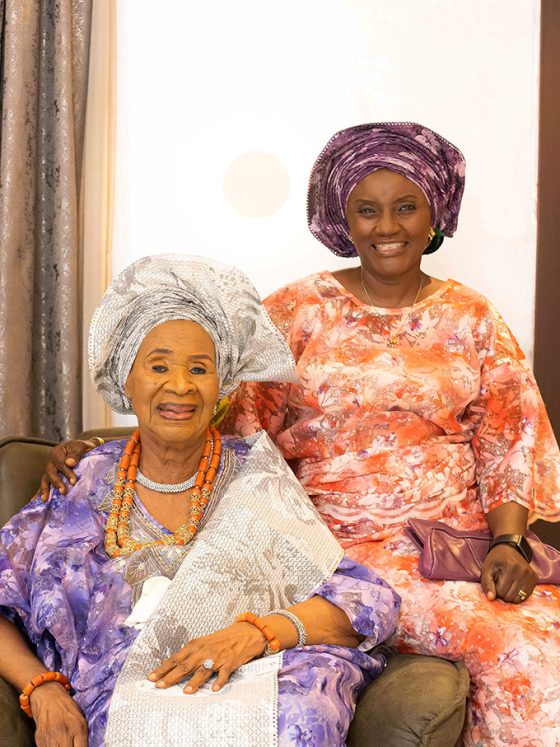
Long before fashion weeks, digital runways, or global brands, women used dress as a form of inheritance. What was worn was not accidental. It was chosen, repeated, passed down, and refined. Fabric became a record of place. Silhouette became a reflection of circumstance. Even as the world changed, style helped you remember who you were and where you came from.
Today, women’s fashion continues to operate within that quiet lineage. The difference is not that identity has entered fashion, but that it is now being acknowledged on its own terms. Elegance is no longer defined solely by external standards. It is increasingly shaped by lived experience, personal history, and cultural fluency.
This is not about nostalgia. It is about continuity.
Women’s fashion is more than style. It carries memory, identity, and quiet inheritance, shaping how culture is worn, passed on, and reimagined.
Fashion as a Living Archive
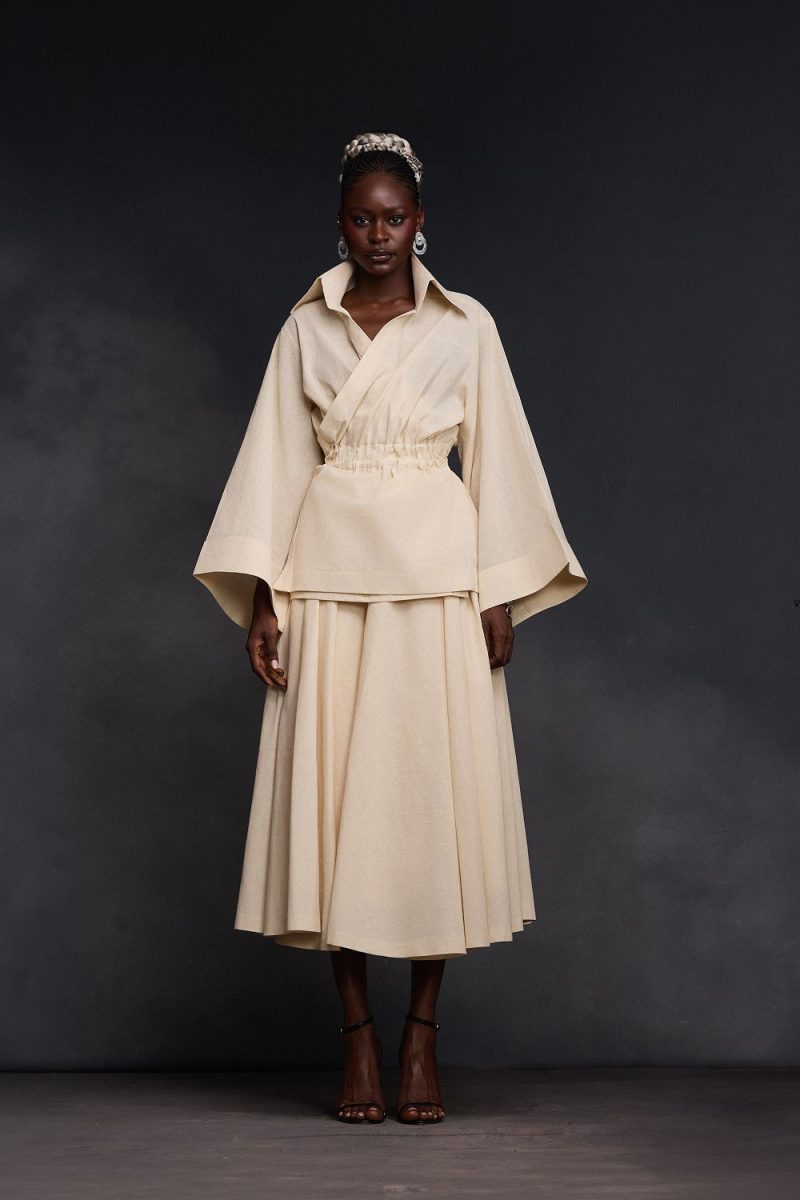
Every woman’s wardrobe tells a story, whether intentional or not. The cut of a dress, the way fabric moves, the choice to dress boldly or subtly; these decisions are shaped by more than aesthetics. They reflect upbringing, environment, access, and self-perception.
Fashion functions as a living archive. Unlike museums or textbooks, it evolves daily. It absorbs influence, adapts to new contexts, and responds to shifting identities. Yet it retains core references. Certain silhouettes endure. Certain materials reappear. Specific ways of dressing resist erasure.
Women have historically been the custodians of this archive. Through ceremonial attire, everyday clothing, and personal style, they have preserved cultural markers while navigating changing social realities. Fashion became both protection and expression.
Elegance, in this sense, is not performative. It is inherited through observation, repetition, and adaptation.
Identity Worn, Not Explained
One of the most powerful aspects of women’s fashion is its ability to communicate without explanation. Identity does not need footnotes. It appears in confidence, posture, and coherence.
A woman who understands her style rarely dresses to convince. She dresses to align. Her choices feel grounded because they are rooted in self-awareness rather than external validation. This is where fashion becomes most compelling, when it reflects clarity rather than aspiration.
Cultural influence in fashion is often misunderstood as symbolism or motif. In reality, it is far more subtle. It lives in how garments are styled, how they are worn in everyday life, and how they move between spaces without losing meaning.
Identity in fashion is not about announcing origin. It is about carrying it with ease.
Elegance Beyond Trend Cycles
Trends move quickly. Elegance does not.
While fashion cycles continue to accelerate, many women are stepping outside of trend dependency. They are building wardrobes around longevity, versatility, and personal resonance. Pieces are chosen for how they feel, how they age, and how they integrate into real life.
This approach reframes luxury—value shifts from visibility to intention. The approach transitions from novelty to familiarity, from accumulation to refinement.
Elegance, when inherited rather than imposed, evolves naturally. It does not reject modernity. It absorbs it selectively.
Women who dress this way are not resisting change. They are curating it.
READ ALSO:
- Women at the Helm: The New Power Shaping Social Impact
- Elevated Workwear for Women Who Move With Purpose
- The Ghanaian Women Redefining Fashion on Their Own Terms
The Role of Memory in Style
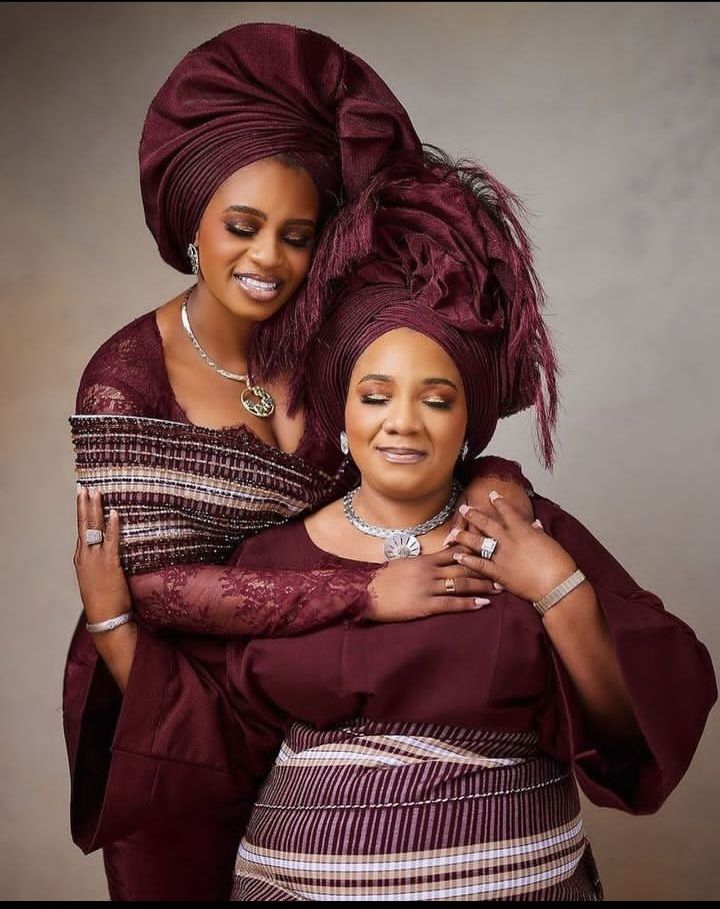
Memory plays a quiet but influential role in how women dress. Occasionally, it is explicit: a garment passed down, a fabric reminiscent of childhood, a silhouette learnt through observation. Other times, it is emotional: the feeling of safety, pride, or confidence associated with specific ways of dressing.
These memories shape preference long before personal style becomes conscious. They influence colour choices, comfort thresholds, and definitions of beauty.
Fashion becomes a bridge between the past and the present. Fashion respects the past while fully embracing the present.
This is why elegance often feels timeless. It is anchored in memory rather than the moment.
Modern Expression, Rooted Confidence
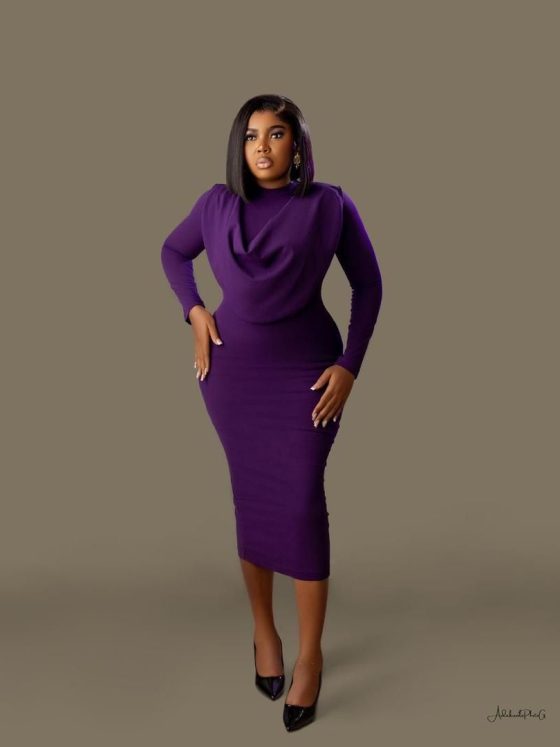
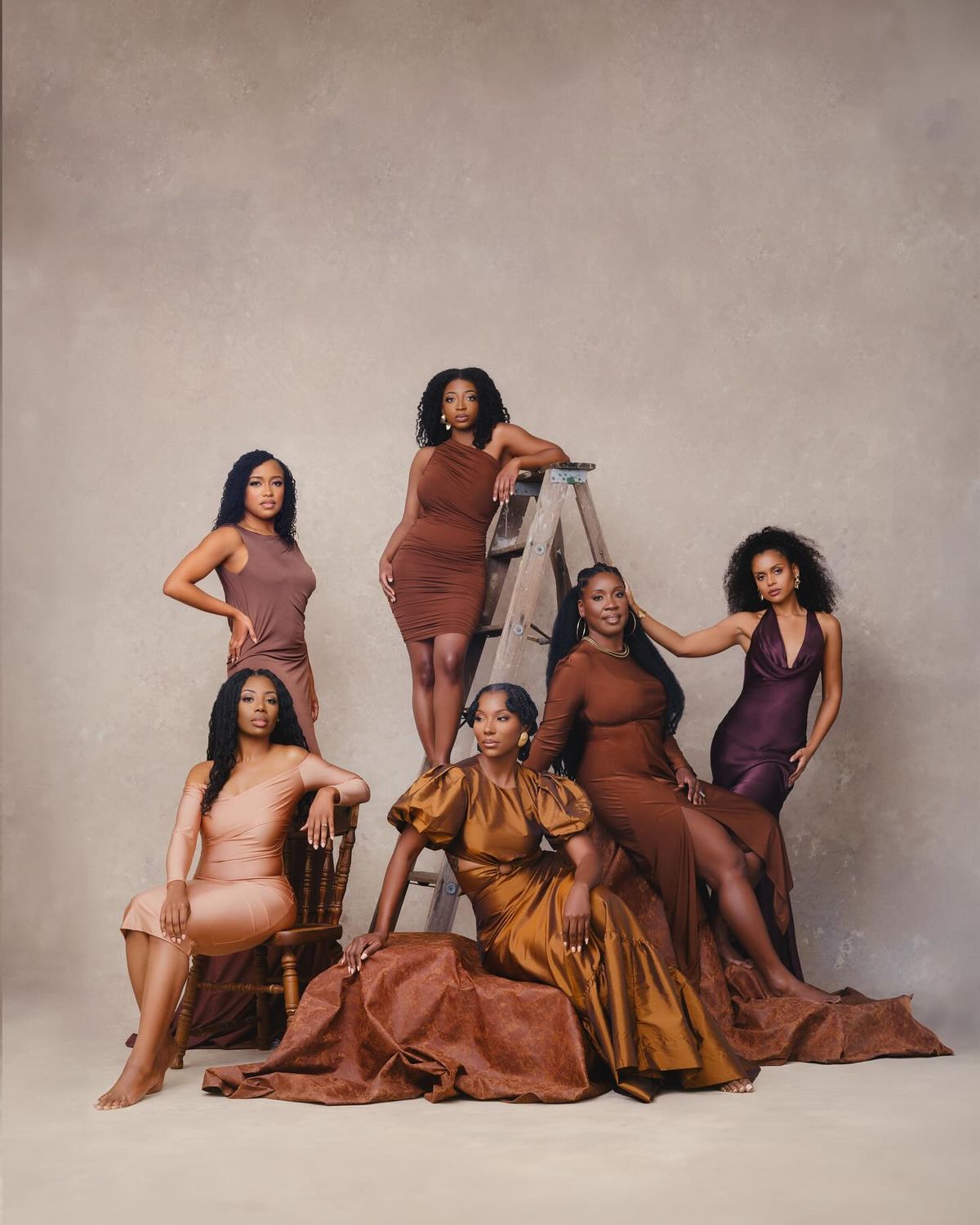
Contemporary women are navigating multiple worlds at once. Professional spaces, social environments, digital platforms, and private life all demand different expressions. Fashion becomes a tool for translation.
The most resonant styles today balance adaptability with consistency. They allow movement between spaces without fragmentation. Identity remains intact, even as context changes.
This fluidity is not accidental. It comes from understanding oneself deeply enough to edit rather than imitate.
Fashion, at its best, supports this confidence. It does not overshadow it.
Where Personal Style Holds Meaning
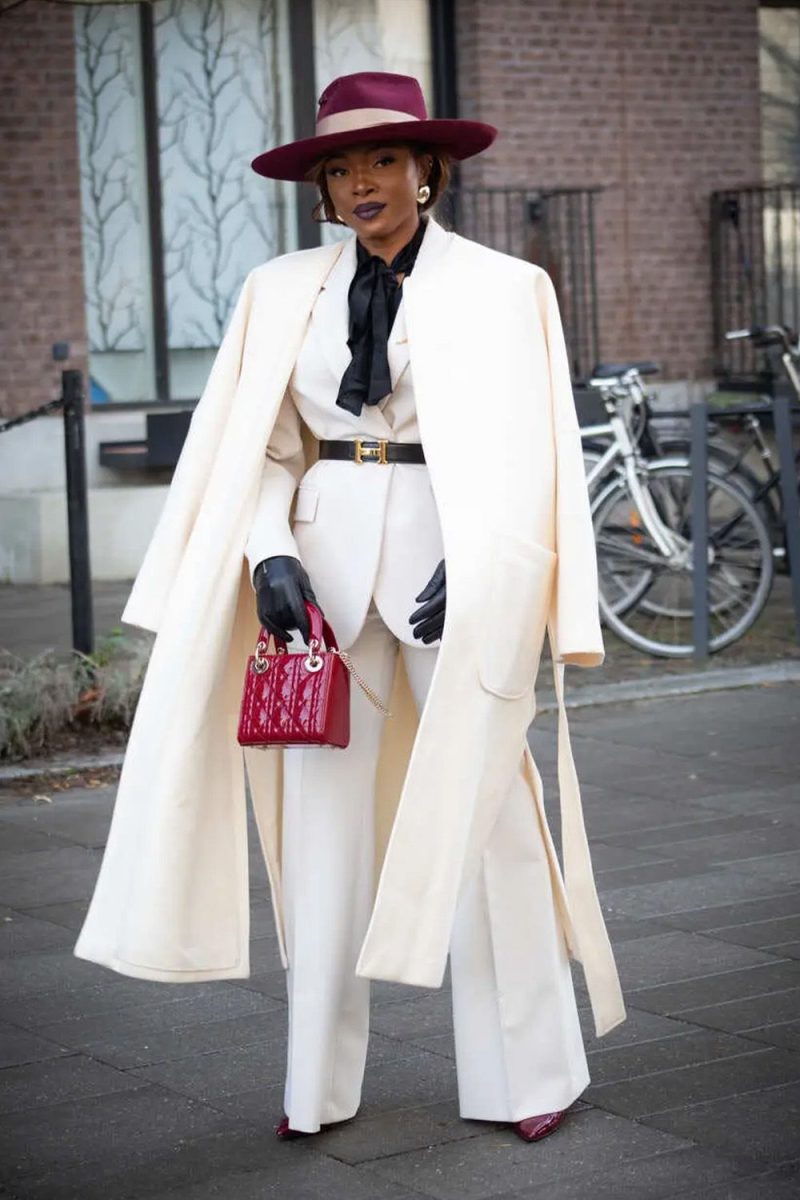
As fashion becomes increasingly global, conversations around identity, culture, and ownership are becoming unavoidable. Yet the most meaningful shifts are not happening loudly. They occur when women choose to dress without an audience.
Elegance as inheritance is not about reclaiming the past. Recognising that history, environment, and lived experience have always shaped personal style is crucial.
Acknowledging these factors allows fashion to move forward with integrity.
Conclusion
The clothes women wear today will become references tomorrow. This is not due to their iconic status, but rather to their honesty.
Style becomes legacy when it reflects self-knowledge. When it is passed on not as an instruction, but as an example, it imparts confidence without resorting to preaching.
Elegance, in this sense, is not something acquired. It is something remembered.
And that is why it endures.
FAQs
- How does fashion carry cultural identity?
Through silhouette, fabric, styling choices, and the values they quietly communicate across generations.
- Is the inherited style always traditional?
No. It evolves. Inheritance can appear through modern tailoring, reinterpretation, and personal expression.
- Why is women’s fashion closely tied to legacy?
Women have historically used clothing as a means of both visibility and protection within social systems.
- Does modern fashion still carry cultural meaning?
Yes. Meaning now lives in intention rather than symbolism alone.
- How does personal style become inherited?
Personal style becomes inherited when it embodies values that transcend current trends and shape others’ self-perception.