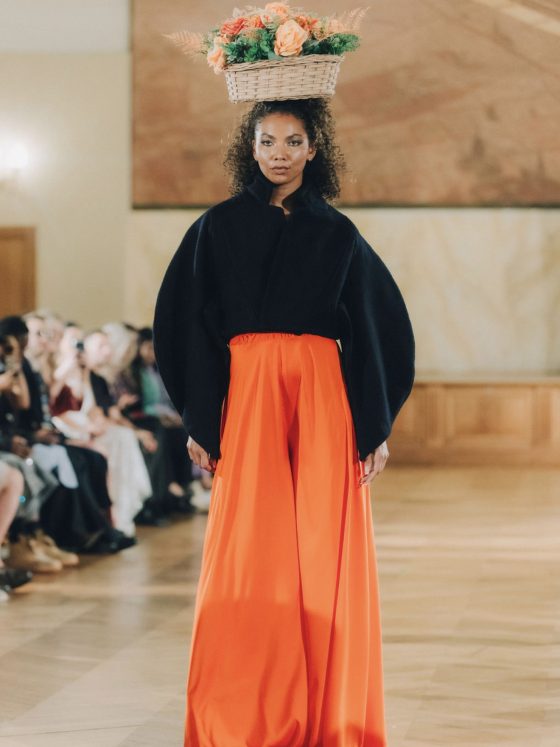
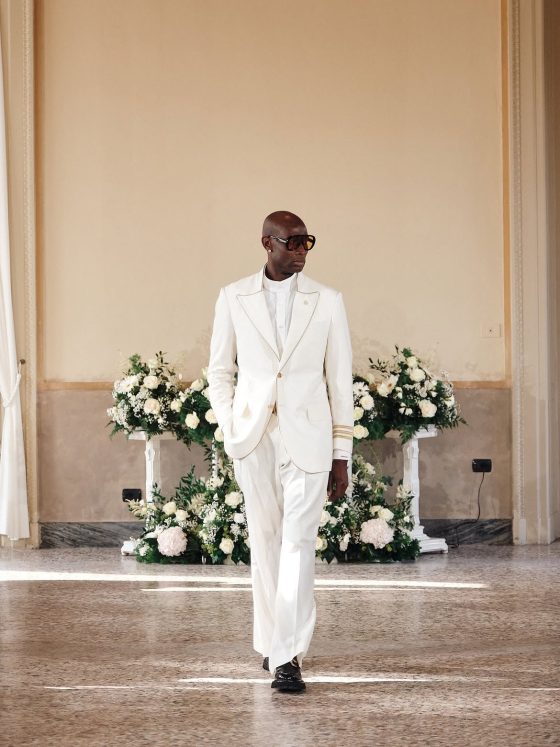
Afrofuturism keeps returning to fashion conversations, not because it is new, but because fashion is still learning how to speak about the future without repeating the past. In recent years, designers, luxury houses, stylists, and cultural critics have turned to Afrofuturism as a visual and intellectual language for imagining what comes next. This return is not accidental. Fashion, as an industry built on forecasting, spectacle, and reinvention, is naturally drawn to frameworks that question time, identity, and possibility.
Yet, Afrofuturism resists easy categorisation. It cannot be reduced to metallic fabrics, sci-fi silhouettes, or references to African heritage alone. In fashion, it operates as a way of thinking rather than a fixed look. It asks who can imagine the future, whose histories shape those visions, and how luxury itself might evolve when imagination becomes as valuable as tradition.
Afrofuturism in fashion explores creativity, technology, and luxury through cultural imagination, shaping how designers and brands envision the future.
Afrofuturism Beyond Fashion
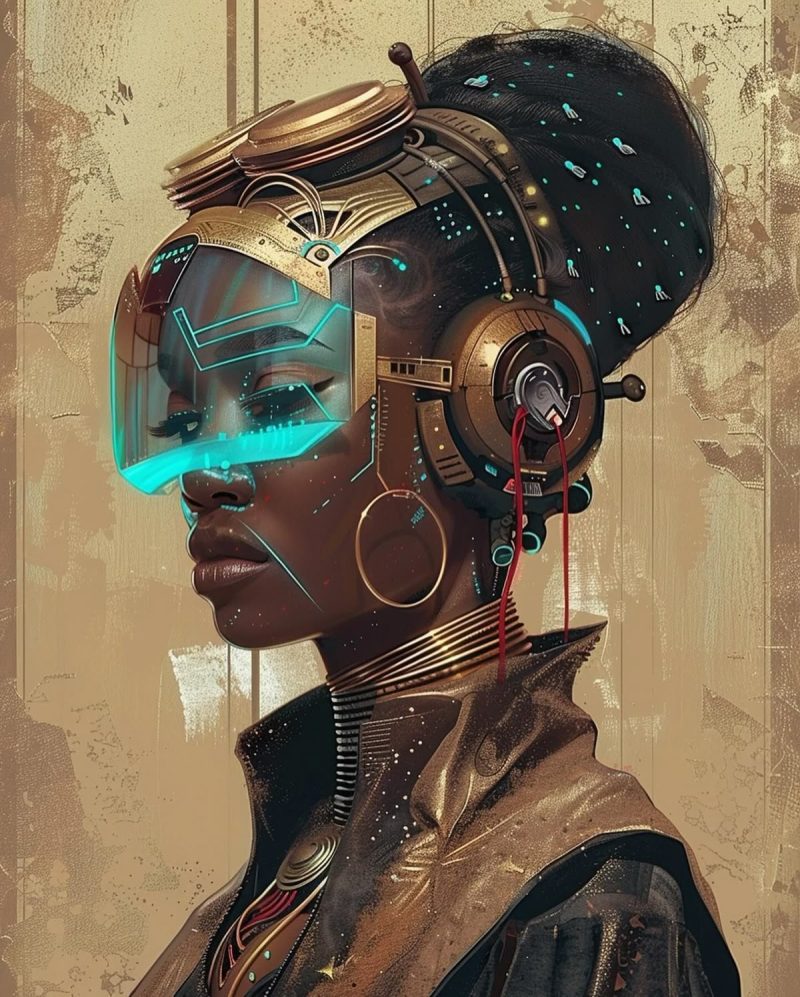
Before Afrofuturism entered fashion vocabulary, it existed as a cultural and intellectual movement shaped by writers, musicians, visual artists, and thinkers across the African diaspora. It emerged as a response to historical exclusion and limited narratives about Black futures. Rather than focusing solely on the past, Afrofuturism insisted on speculative possibility. It imagined futures where Black identity was central, complex, and technologically engaged.
Fashion became a natural extension of this thinking because clothing sits at the intersection of the body, culture, and public imagination. Dress has always carried messages about belonging, power, and aspiration. Afrofuturism brought a new layer to this language, allowing fashion to explore time as fluid, ancestry as dynamic, and futurity as something actively designed.
Importantly, Afrofuturism is not confined to a single geography. While it draws deeply from African and diasporic experiences, its questions about progress, displacement, and technology resonate globally. This openness is part of its strength.
When Afrofuturism Entered the Fashion System
Afrofuturism did not arrive in fashion through a single runway moment. It filtered in through music styling, editorial imagery, performance wear, and experimental design practices. Artists and stylists played a critical role, using clothing to visualise speculative worlds long before luxury houses began referencing the term.
As fashion media amplified these visuals, designers began to engage Afrofuturism more deliberately. Some approached it through collaboration and research. Others treated it as a source of visual inspiration. This distinction matters. Afrofuturism is not a trend cycle to be adopted and discarded. It is a framework that demands context, curiosity, and responsibility.
Fashion’s engagement with Afrofuturism reflects a broader industry shift. Designers are no longer satisfied with aesthetics alone. There is growing interest in narrative, philosophy, and cultural meaning, especially among audiences who want clothing to signify more than status.
Afrofuturism as a Design System
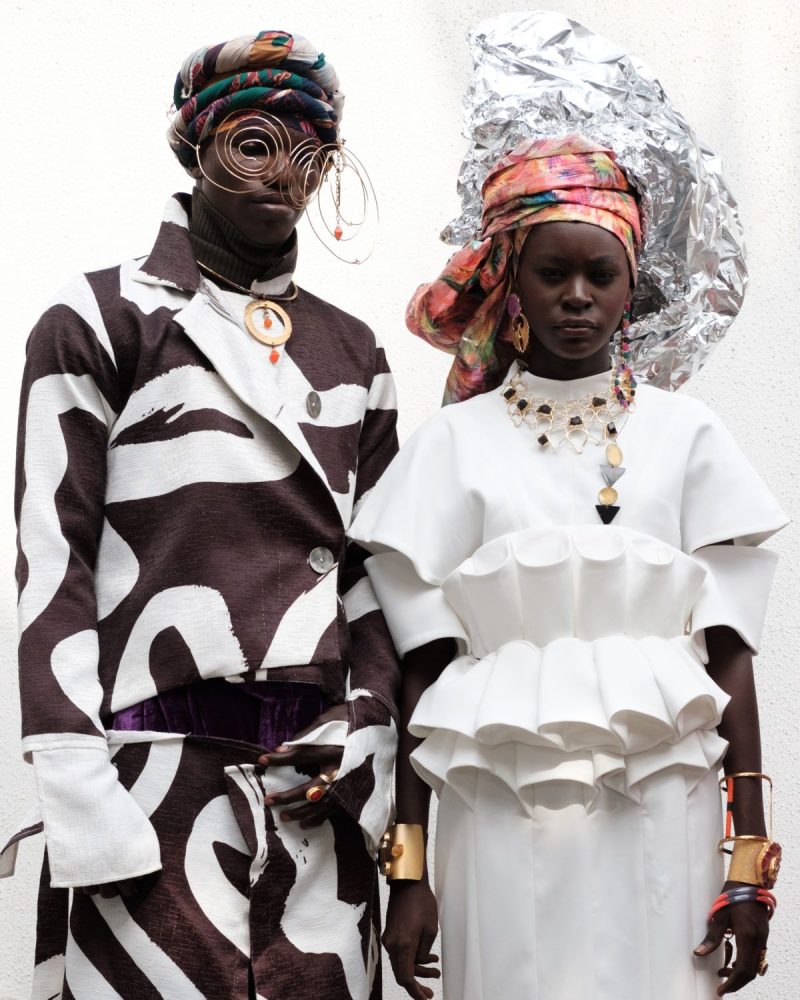
One of the most common misunderstandings about Afrofuturism in fashion is the idea that it describes a specific aesthetic. In reality, it functions more like a design system. It brings together materials, storytelling, and technology in ways that challenge linear ideas of progress.
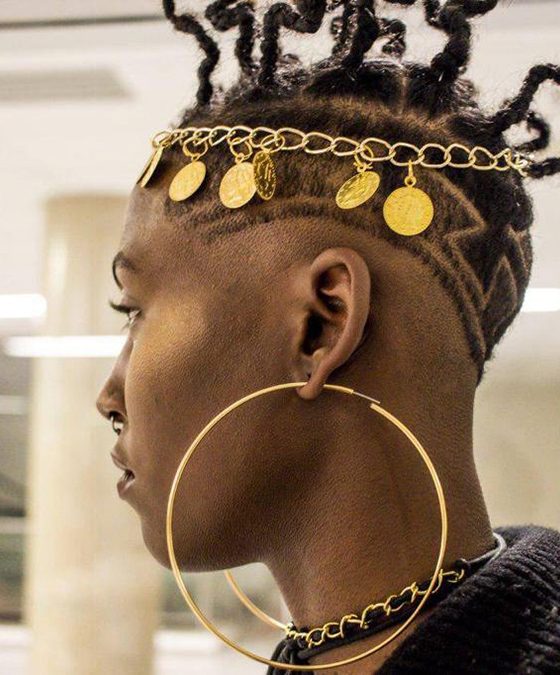
Materials often play a symbolic role. Metallic finishes, sculptural forms, and experimental textiles suggest both protection and transformation. These choices are usually functional. They reference survival, adaptation, and imagined futures shaped by resilience rather than conquest.
Narrative is equally essential. Afrofuturist fashion frequently tells stories about migration, memory, and reinvention. Garments become vessels for layered meanings rather than static objects. This approach aligns closely with contemporary luxury, which increasingly values concept, authorship, and intention.
Creativity and the Question of Imagination
Afrofuturism raises a quiet but persistent question within fashion: who gets to imagine the future? Designers of African and diasporic backgrounds have long used fashion to explore this question, often outside mainstream recognition. Today, their work is shaping global conversations about creativity, innovation, and representation.
At the same time, Afrofuturism is not closed to non-African designers. What matters is how engagement happens. Collaboration, study, and respect allow creative exchange to flourish. Surface-level borrowing flattens meaning. Fashion’s future depends on participation rooted in understanding rather than performance.
This balance reflects a broader truth about creativity. Cultural frameworks thrive when treated as living systems, open to dialogue and evolution.
READ ALSO:
- Why Afro-Minimalism Is the New Global Luxury Aesthetic
- African Fashion Visionaries Redefine the Hollywood Red Carpet
Afrofuturism and the Meaning of Luxury
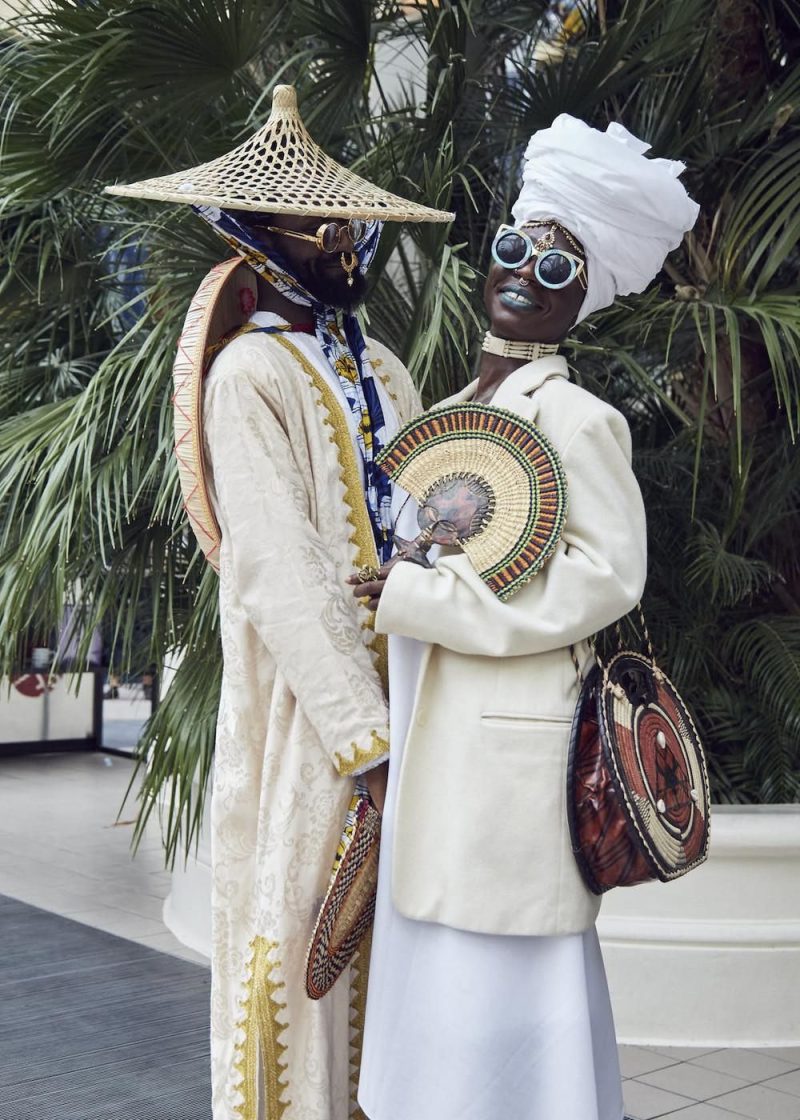
Luxury has traditionally leaned on heritage, continuity, and exclusivity. Afrofuturism challenges this model by proposing a different source of value. Here, luxury emerges through imagination, innovation, and narrative depth.
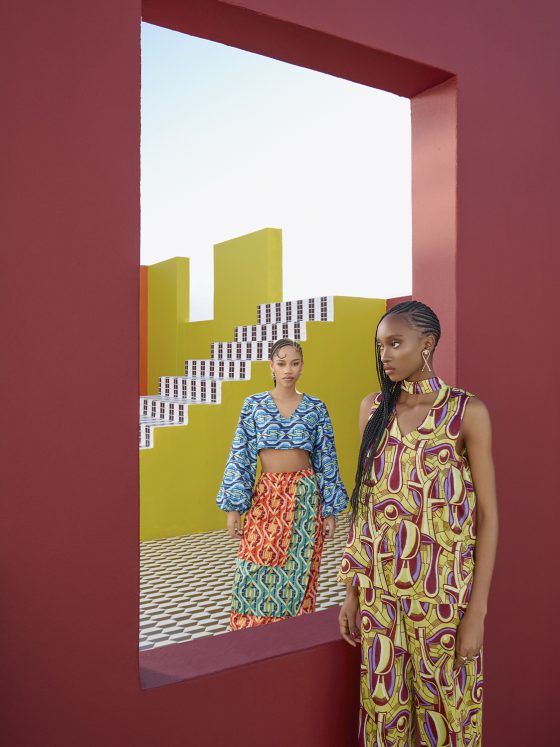
Afrofuturist fashion often prioritises craftsmanship, but it does not frame craft as nostalgia. Instead, ancestral techniques coexist with futuristic construction. The result is a form of luxury that feels forward-facing rather than preserved in time.
This approach resonates strongly with younger luxury consumers. Many are less interested in inherited prestige and more drawn to brands that communicate vision and cultural awareness. Afrofuturism offers a language for this shift, one that aligns luxury with possibility rather than permanence.
Technology, Craft, and the Future Wardrobe
Technology plays a significant role in Afrofuturist fashion, though not always in obvious ways. Digital design tools, experimental fabrication, and new textile innovations allow designers to explore forms that were previously impossible. These tools sit alongside handwork, embroidery, and traditional construction methods.
This coexistence challenges the idea that progress requires abandoning craft. Instead, Afrofuturism suggests that the future of fashion lies in integration. Handmade and high-tech practices inform each other, creating garments that reflect both memory and invention.
This has implications beyond aesthetics. It shapes conversations about sustainability, labour, and authorship. Fashion futures that value both human skill and technological advancement are more likely to be ethical, adaptable, and meaningful.
A Global Conversation Without Borders
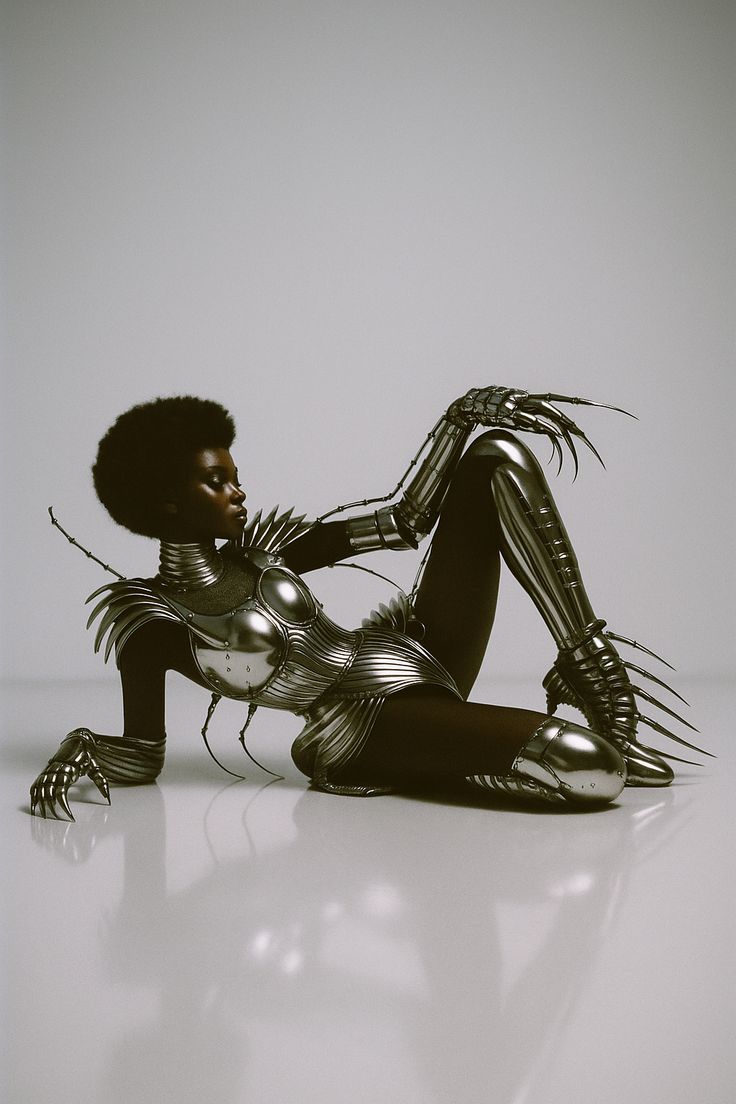
Afrofuturism’s influence extends far beyond African or Western fashion capitals. Its themes resonate with regions shaped by colonial histories, rapid urbanisation, and technological leapfrog. Designers across Asia, Europe, and the Americas engage with Afrofuturist ideas as tools for rethinking identity and progress.
This global reach does not dilute Afrofuturism’s roots. Instead, it highlights shared questions about who the future serves. Fashion becomes a site where these questions are negotiated visually, allowing multiple cultural perspectives to coexist without hierarchy.
Misinterpretations and Limitations
As Afrofuturism gains visibility, misinterpretations follow. When it is reduced to metallic costumes or vague references to “tribal futurism, its intellectual depth is lost. Fashion media plays a decisive role here. Context matters as much as imagery.
Responsible engagement does not require perfection. It requires intention. Credit, collaboration, and clarity protect Afrofuturism from becoming another emptied aesthetic.
Designing the Future

Afrofuturism offers fashion something rare: a way to think forward without erasing the past. It encourages designers, brands, and consumers to see the future as a shared project rather than a fixed destination.
As fashion continues to question its values, Afrofuturism provides a framework for creativity that is expansive, inclusive, and intellectually rich. It reminds the industry that the future is not inherited. It is imagined, negotiated, and designed.
FAQs
1. Is Afrofuturism only relevant to African or Black designers?
No. While Afrofuturism is rooted in African and diasporic experiences, its ideas about futurity, technology, and identity resonate globally. What matters is how designers engage with it.
2. How does Afrofuturism differ from sci-fi fashion aesthetics?
Sci-fi fashion often focuses on visual futurism. Afrofuturism combines speculative design with cultural history, philosophy, and social context.
3. Why is Afrofuturism important to luxury fashion today?
It offers a new model of value built on imagination, narrative depth, and innovation rather than heritage alone.
4. Can Afrofuturist fashion be sustainable?
Yes. Many Afrofuturist designers integrate craft, local production, and thoughtful material use, aligning naturally with sustainability goals.
5. Is Afrofuturism a trend or a lasting framework?
It functions more as a framework than a trend. Its relevance grows as fashion continues to rethink identity, technology, and the future.