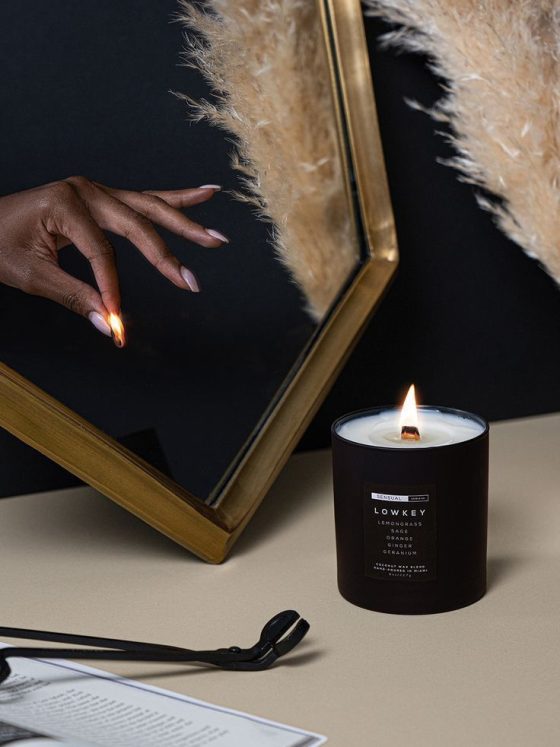
Peace is often mistaken for softness. In reality, it is one of the most controlled psychological states a person can maintain. It requires discipline, emotional regulation, and a firm sense of where access begins and ends.
The psychology of peace is not about withdrawing from the world or disengaging from emotion. It is about governing it. In an age shaped by constant noise, visibility, and emotional exposure, peace has become less about comfort and more about discipline.
This shift explains why emotional boundaries are now read as confidence rather than distance. They signal emotional discipline, psychological calm, and the ability to remain composed without becoming detached.
Peace, in this context, is not passive. It is deliberate. As modern luxury shifts from excess to internal order, peace has quietly become a marker of taste, authority, and self-possession, visible in composure rather than display.
The psychology of peace shows how emotional discipline and boundaries turn inner calm into authority and subtle luxury, shaping perception, influence, and presence.
Emotional Boundaries: The Framework Of Calm
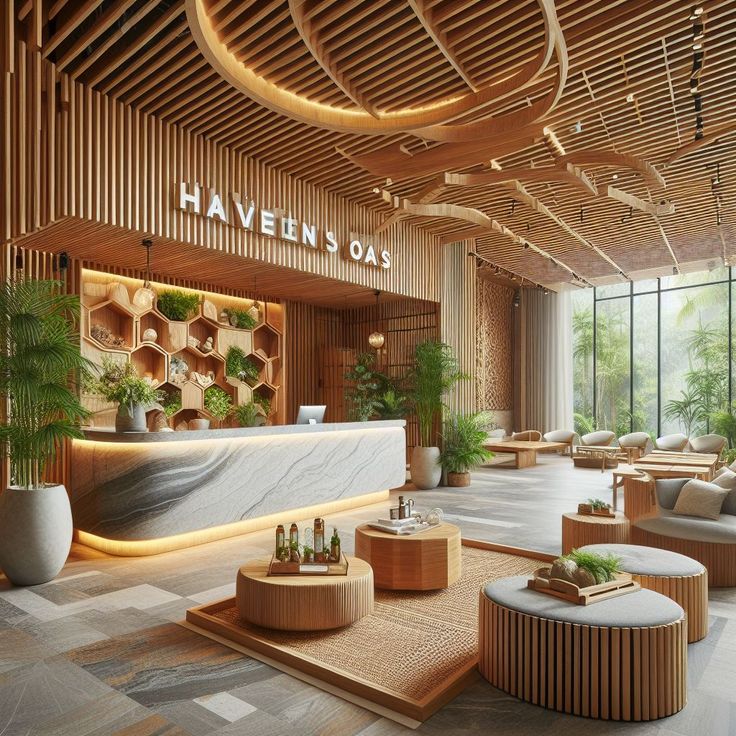
The psychology of peace is built through intentional choices and careful management of emotional access. Emotional boundaries define which interactions can influence your state of mind and which cannot.
Boundaries do not isolate or shut others out. They create clarity, allowing engagement without absorbing unnecessary tension or distraction.
This is visible in calm posture, steady speech, and the ability to navigate tense situations without reacting impulsively. Those who maintain these boundaries are perceived as confident and self-possessed.
Their composure is noticeable but natural, signalling competence and internal order. Thoughtful limits turn inner calm into a practical tool for influence, trust, and recognition in modern luxury contexts.
From Emotional Peace To Social Status
The source is a picture that demonstrates stillness, a quality that enhances emotional discipline.
Emotional discipline shapes how others perceive you. Controlled responses, deliberate decisions, and consistent composure communicate competence and authority without a word.
In modern luxury, this subtle mastery carries weight. People judge their status based on their ability to maintain control under pressure, the consistency of their choices, and the implicit authority they project.
The psychology of peace shows why some people command attention effortlessly: their composure is visible, their boundaries are respected, and their influence is acknowledged. Discipline transforms inner order into social currency.
Also Read:
- The Modern Woman’s Guide to African Superfoods
- The Modern Power of Afro-Caribbean Ancestral Healing
- Minimalist Wellness: Stylish, Simple Routines That Elevate Your Day
- The Modern Woman’s Power Palette: Neutrals & Earth Tones
Quiet Confidence As A Reflection of Inner Peace

Discipline and emotional boundaries shape how presence is perceived. Quiet authority emerges from consistent composure, controlled reactions, and emotional self-regulation under pressure.
The psychology of peace shows that confidence is rooted in inner peace and control, not performance. People notice how someone maintains psychological calm, handles tension deliberately, and navigates interactions without overreacting.
This visibility of discipline signals competence, self-assurance, and mastery of personal emotion.
In social and professional spaces, this presence becomes a marker of influence. The inner order created by emotional discipline and boundaries translates directly into external respect, trust, and subtle leadership.
Peace, Perception, And The Future Of Modern Luxury
Modern luxury values more than material display. It recognises subtle mastery over emotion, where emotional self-regulation, inner peace, and control signal refinement and quiet influence.
Misreading peace is common: a composed person may be assumed to be hesitant in decision-making, and someone who speaks sparingly may be seen as uninvolved.
Understanding the psychology of peace reframes these traits as strengths, showing that disciplined responses and emotional boundaries are as valuable as any visible sign of wealth.
As psychological calm becomes a marker of status, luxury culture shifts. Consistent composure, deliberate action, and measured influence emerge as the new currency.
Emotional discipline and boundaries turn inner peace into a recognisable sign of authority and sophistication, making it a defining feature of modern refinement.
Conclusion
The psychology of peace shapes how we are perceived and how influence is exercised. Emotional discipline, clear boundaries, and consistent composure turn inner calm into social authority.
In spaces where subtlety outweighs display, mastery over emotion signals refinement, competence, and quiet leadership.
Those who apply these principles transform inner peace and control into a visible marker of status, showing that true luxury lies in balance between self-regulation and authority.
Peace is both private and relational. Its value is measured not in objects, but in the presence, clarity, and influence it creates, a hallmark of modern sophistication.
Frequently Asked Questions
1. What Is The Psychology Of Peace?
It’s the study of how people maintain inner calm and emotional balance through discipline, self-regulation, and intentional choices.
2. How Do Emotional Boundaries Contribute To Peace?
They define which situations affect your mind, helping you engage without absorbing unnecessary tension.
3. Can Peace Be learnt?
Yes. Consistent practice, emotional discipline, and clear boundaries allow anyone to develop lasting calm.
4. How Does Peace Affect Social Influence?
Calm and disciplined individuals are considered competent and authoritative, enhancing credibility in personal and professional settings.
5. Why Is Peace Considered A Modern Marketer Of Luxury?
Today, subtle mastery over emotion signals refinement and self-possession, making inner calm a sign of sophistication.
6. How Can I Cultivate the Psychology of Peace?
Set clear boundaries, practice mindfulness, respond deliberately, maintain a calm presence, and reflect regularly on your reactions.