Food has always carried memory, but today it carries movement.
Recipes no longer stay where they were born. They travel with people, adapt to new cities, enter fine dining rooms, appear on tasting menus, and slowly shift how the world eats.
What we are witnessing is not the globalisation of food in its fast, diluted sense. It is something more deliberate. Dishes are crossing borders without losing meaning. Ingredients are being reintroduced with context. Techniques are being respected rather than simplified.
Taste has become a language of belonging.
It is a language that communicates subtly yet has a significant impact.
This shift is not driven by nostalgia or trend. It is driven by confidence. By chefs, home cooks, restaurateurs, and diners who understand that food does not need to be translated to be understood. It only needs to be respected.
From kitchens to global dining rooms, food becomes a language of memory, movement, and belonging shaped by migration, reinvention, and taste.
When Food Becomes a Cultural Passport
For decades, global dining relied on familiar scripts. Specific cuisines were elevated. Others were categorised as street food, comfort food, or “ethnic” food. That hierarchy is slowly dissolving.
What has replaced it is curiosity grounded in knowledge.
Diners want to know where flavours come from, how ingredients are grown, and why certain dishes exist in the first place. They are not seeking fusion for its own sake. They are looking for integrity.
Food has become a form of storytelling that does not rely on explanation.
A well-executed dish can communicate history, climate, migration, and identity in a single bite.
This is why specific cuisines are resonating more strongly right now. It’s not because they’re new, but rather because they’re finally gaining recognition on their own terms.
Before the Plate: How Ingredients Found Their Way Into Global Kitchens
Long before restaurants embraced these flavours, the ingredients had already travelled.
Grains, spices, tubers, fermented foods, and cooking techniques moved through trade routes, family kitchens, and migration. What is different now is visibility. Chefs are no longer masking flavours to satisfy external expectations. They are building menus around them.
The global dining space is learning that flavour depth does not require dilution. That heat, fermentation, smokiness, bitterness, and texture can coexist with refinement. This moment is not about making food palatable to outsiders. It is about allowing food to exist entirely.
Dishes That Have Crossed Borders and Held Their Ground
Certain foods have quietly entered international dining spaces, not as trends, but as anchors.
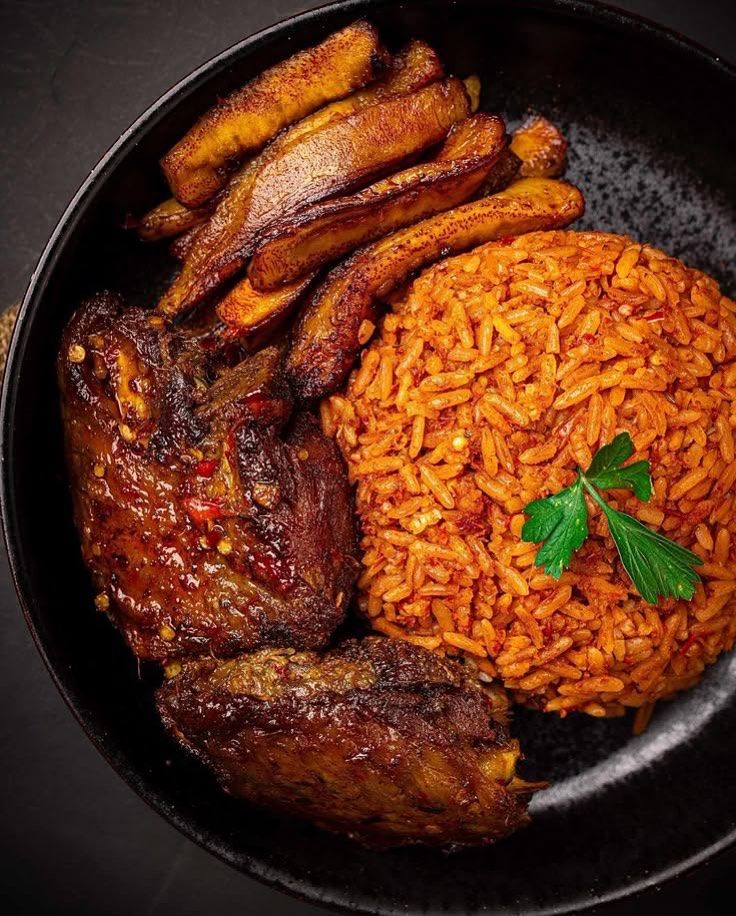
Jollof Rice
Once debated in homes and neighbourhoods, jollof has found its way onto tasting menus and curated pop-ups, not as a novelty, but as a dish that demonstrates balance, patience, and technique. Its appeal lies in familiarity layered with complexity.
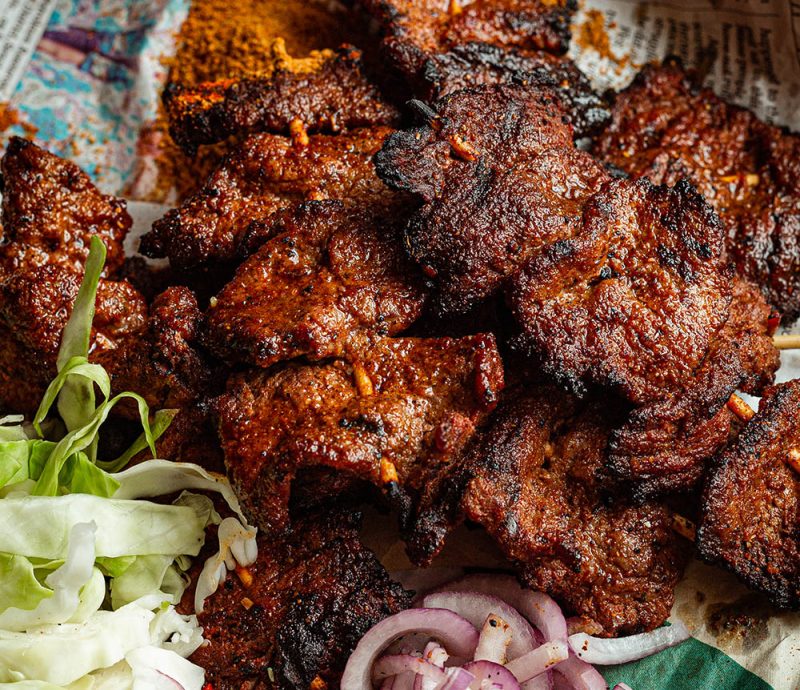
Suya
Grilled, spiced, and unapologetically bold, suya has moved from roadside grills into contemporary kitchens. Chefs now explore its spice blends, smoking methods, and textures, using it as inspiration rather than spectacle.
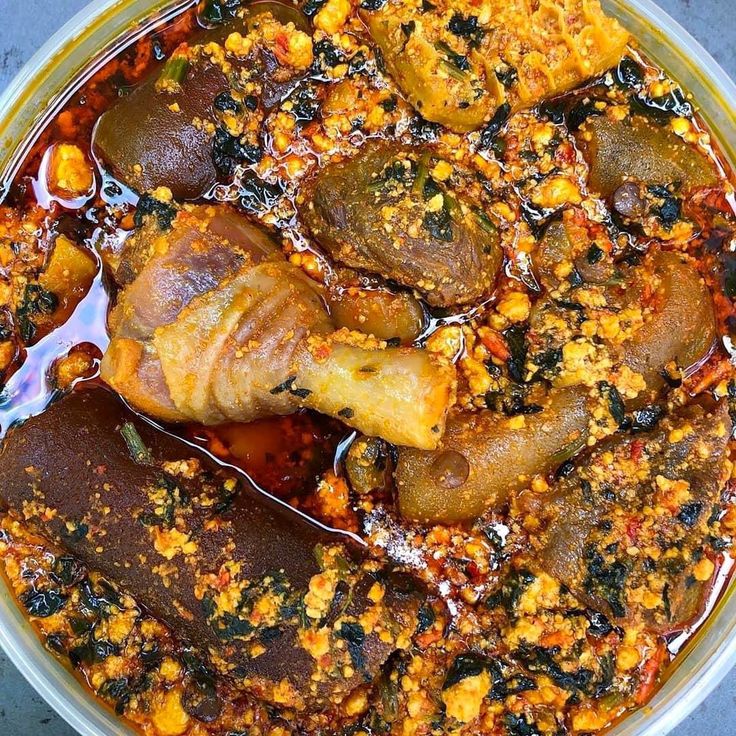
Egusi-Based Dishes
Egusi has entirely shifted perceptions of stews. Its richness, body, and ability to carry vegetables and proteins have made it a reference point for depth and comfort in modern menus.
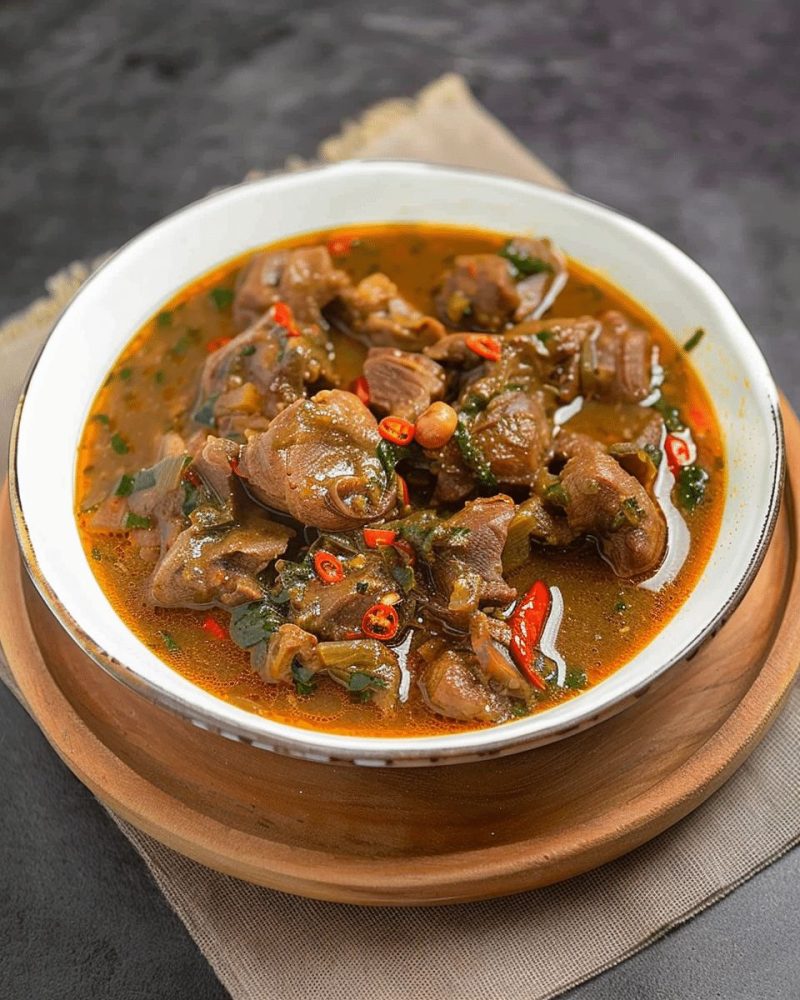
Pepper Soup and Broth-Forward Dining
As global dining shifts toward broths, tonics, and restorative bowls, pepper soup feels unexpectedly current. Its aromatic spices and light intensity align with a growing appreciation for dishes that comfort without heaviness.
What makes it travel:
It fits into wellness-led menus without being diluted. Pepper soup’s appeal lies in clarity, not complexity, making it adaptable while remaining unmistakably itself.
Couscous and the Language of Grain
Rooted across North and West Africa, couscous has long been a centrepiece of communal dining. Today, it appears on menus far beyond its place of origin, often treated as a refined grain rather than a rustic staple.
What has allowed couscous to travel is its adaptability without loss of identity. It absorbs flavours, supports layered sauces, and balances richness with restraint. In global dining spaces, it is appreciated not as an “ethnic” dish, but as a sophisticated foundation for vegetables, seafood, and slow-cooked meats.
Its success lies in familiarity. This dish offers grain-based comfort elevated through technique rather than reinvention.
Ugali, Pap, and the Power of Simplicity
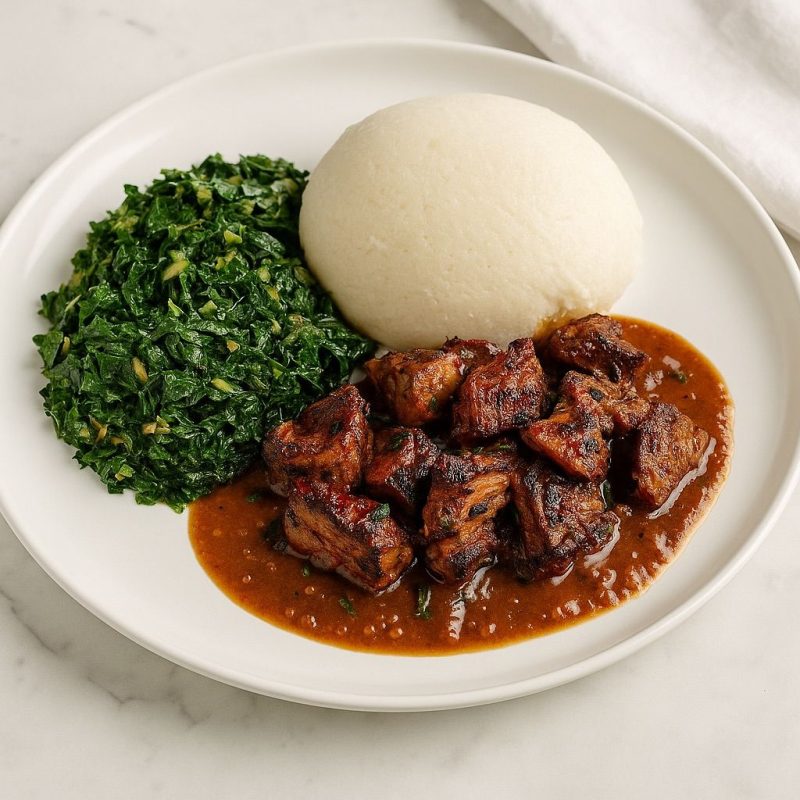
Across East and Southern Africa, cornmeal staples such as ugali and pap have always represented nourishment, rhythm, and grounding. What resonates globally is their honesty. These dishes do not compete for attention. They anchor the meal. Their neutral base allows flavour to unfold intentionally, creating space rather than spectacle.
In modern dining contexts, ugali and pap are understood as expressions of minimalism that predate the word. These foods prioritise function, texture, and feeling over excess.
These foods travel not because they are adapted, but because they are understood.
What Diners Are Actually Looking For Now
The modern diner is not chasing novelty.
They are chasing feelings.
They want meals that feel intentional. Places where flavours make sense. Restaurants where the menu feels edited rather than crowded.
This is why smaller menus, seasonal cooking, and ingredient-led storytelling are resonating. Food no longer needs to impress loudly. It needs to feel honest. There is also a growing appreciation for restraint. Not every dish needs reinvention. Sometimes excellence lies in execution. Dining has become less about performance and more about connection.
How Restaurants Are Responding Without Overexplaining
The most compelling dining spaces right now do not overeducate. They trust the plate. Menus are becoming cleaner. Descriptions are shorter. Ingredients are allowed to speak.
Chefs are placing value on sourcing, technique, and atmosphere rather than heavy narrative. The food does the work. This approach respects both the diner and the cuisine. It assumes intelligence. It assumes curiosity. And it works.
When Food Feels Like Home, Even Far Away
One of the most important things food can do is recreate a sense of grounding.
For people who move between cities, countries, and cultures, certain flavours provide continuity. These flavours serve as a constant reminder of rhythm. Of pace. Of familiarity.
This is why these dishes resonate beyond geography. They offer comfort without being predictable. They hold memory without being sentimental.
Food becomes a way to belong without explanation.
How This Moment Is Shaping the Future of Dining
The future of dining is not louder. It is more considered.
Restaurants will continue to move toward smaller spaces, stronger identities, and more profound respect for ingredients. Global flavours will not be blended into sameness. They will be allowed to remain distinct.
Chefs will continue to look inward rather than outward for inspiration. Diners will follow.
Food will continue to travel. But it will do so with intention.
READ ALSO
- The Modern Woman’s Guide to African Superfoods
- The New Language of Fine Dining in Africa: Where Craft, Culture and Creativity Meet
- Wellness Retreats in Africa: The Rise of Luxury Wellness Communities
Taste as a Living Language
Taste does not need translation. It needs space. As food continues to move across borders, it carries more than just flavour. It carries confidence, memory, and meaning.
This new language of food is not about arrival. It is about continuity. And that is why it lasts.
FAQs
- What are food movements in today’s dining culture?
They reflect how ingredients, techniques, and dishes travel while retaining their identity.
- Why are certain global flavours now gaining attention?
This is because diners prioritise authenticity, process, and depth over novelty.
- Is this trend about fusion cuisine?
No. It is about respect, not blending for convenience.
- How are restaurants adapting to this shift?
Restaurants are adapting to this shift through ingredient-led menus, restrained storytelling, and intentional design.
- Will this movement last?
Yes, because it reflects a bigger change in how people relate to food and culture.