How can a sector based on aspirational spending thrive in a world marked by climate emergency and resource scarcity? The commercial response has been a dash for innovative, often untested, sustainable technology. We contend that the pursuit of a futuristic answer is inherently flawed.
The worldwide blueprint for climate-conscious design and circular economy has not been developed in a laboratory; it has been practised, mastered, and passed down through generations across the African continent. For centuries, an unspoken pre-industrial mandate of resourcefulness, longevity, and reverence for the material source has guided Africa’s creative output, from handwoven robes in the West to inventive textiles in the East.
This phenomenon is an opportunity for Afropolitan investment leadership to refocus the global perspective. We are claiming the methodological authority of African design, rather than simply appreciating its aesthetic value. This study examines how this underlying design philosophy, defined by artisanal sovereignty and a dedication to long-term, generational wealth, is now presenting the most sustainable, ethical, and financially prudent path forward for the entire luxury industry. The problem is no longer how to be sustainable, but how the world can finally adopt the paradigm that Africa has always followed.
African fashion is the global blueprint for sustainability. Discover how Aso-Oke and Kente exemplify longevity, natural dyes, and artisanal sovereignty, making them the ultimate climate-conscious assets.
The Pre-Industrial Blueprint: Longevity and Provenance
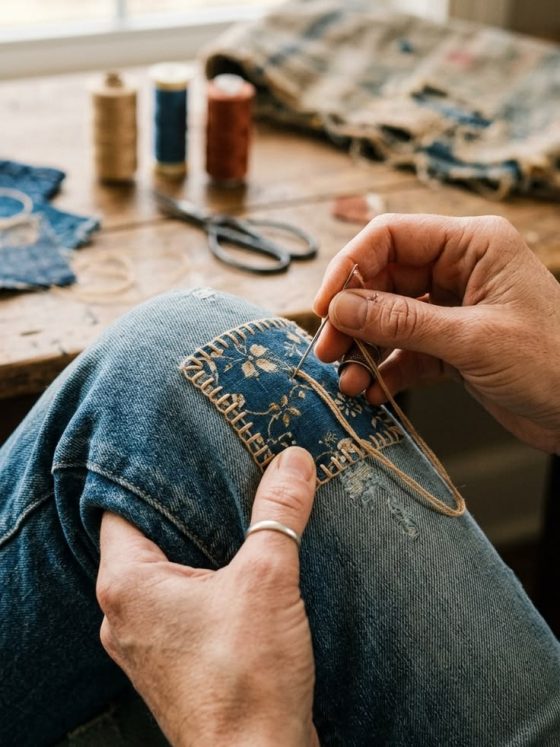
If the global industry wants to reduce consumption and increase product life, it needs only look to the fundamental mandate of African textiles: longevity is the first principle of circularity. For generations, African design has been “slow” and climate-conscious, prioritising durability and cultural value over the trend cycle.
The Material Mandate of Durability
Traditional textiles were designed as long-lasting, generational assets, thus eliminating the garment from the discard cycle for decades.
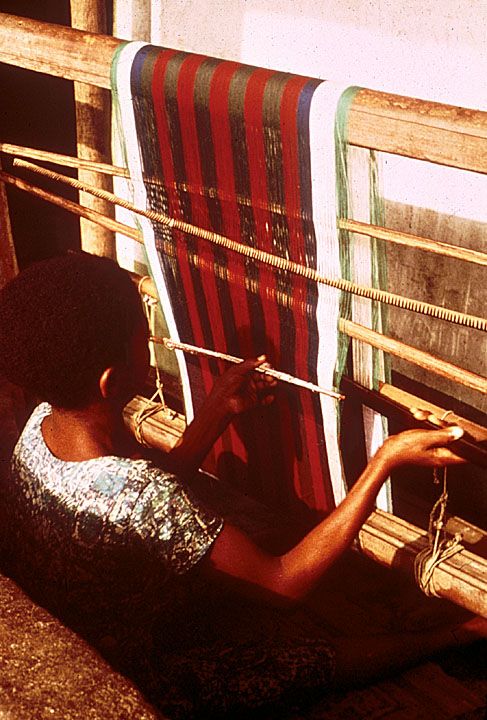
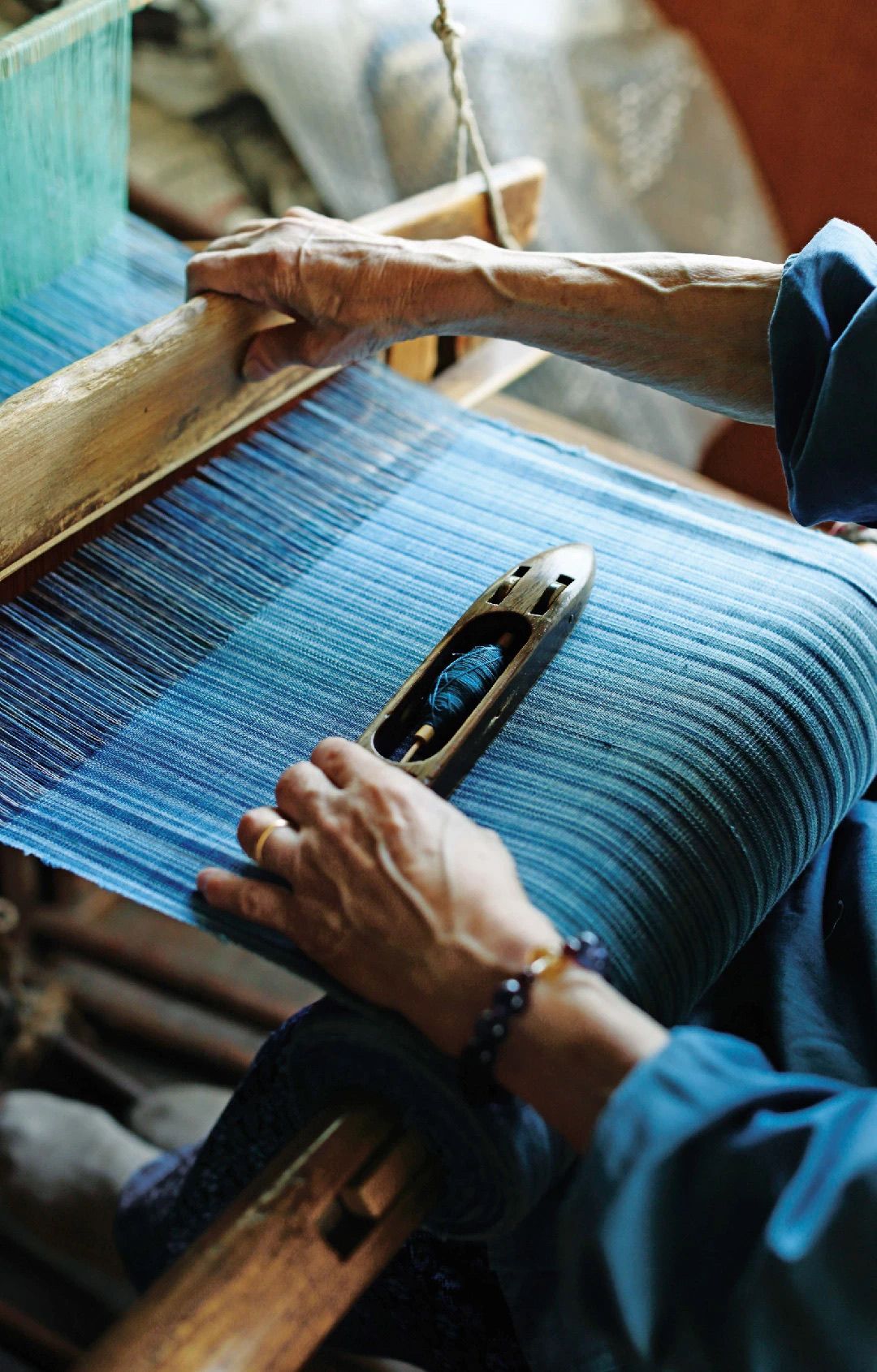
- Aso Oke (Nigeria): This handwoven textile, which translates to “top cloth,” is meticulously produced to be passed down as a family heirloom. Its durability and heavy weight, attained through time-honoured strip-weaving techniques, were once signs of affluence and are today marks of high-value, climate-conscious design.
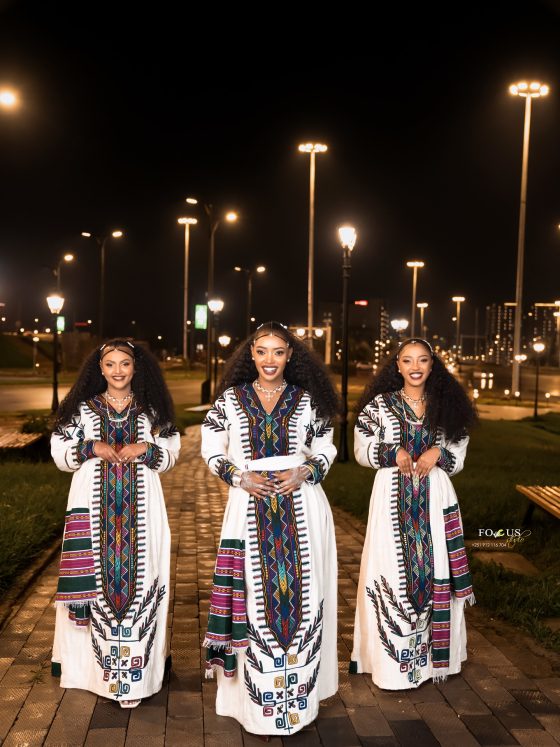
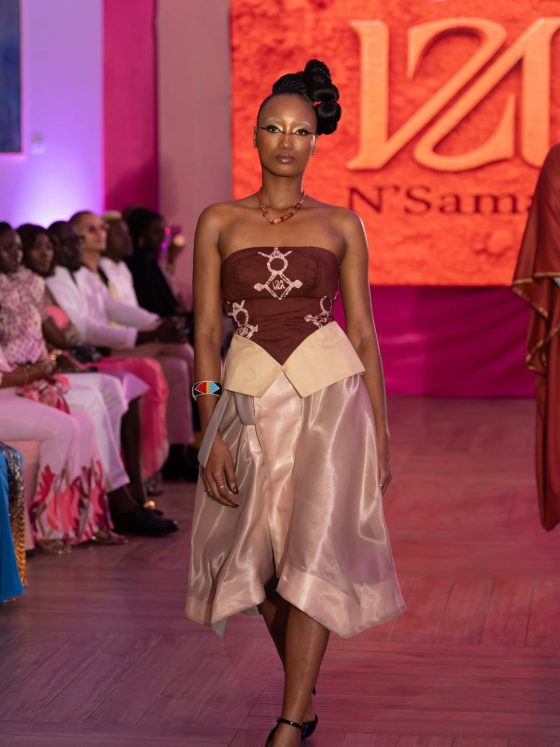
- Kente (Ghana): The weave’s complexity and the cultural significance of the patterns make Kente a worthwhile investment. Ghanaian-American brand Studio One Eighty Nine, co-founded by Abrima Erwiah and Rosario Dawson, builds on this heritage by employing hand-dyed, hand-woven cotton from Ghana. The fabric’s high cost and symbolic importance ensure its long-term value.
Authority of Natural Sourcing
The choice of raw materials and colouring agents has reduced the environmental impact of global manufacturing.
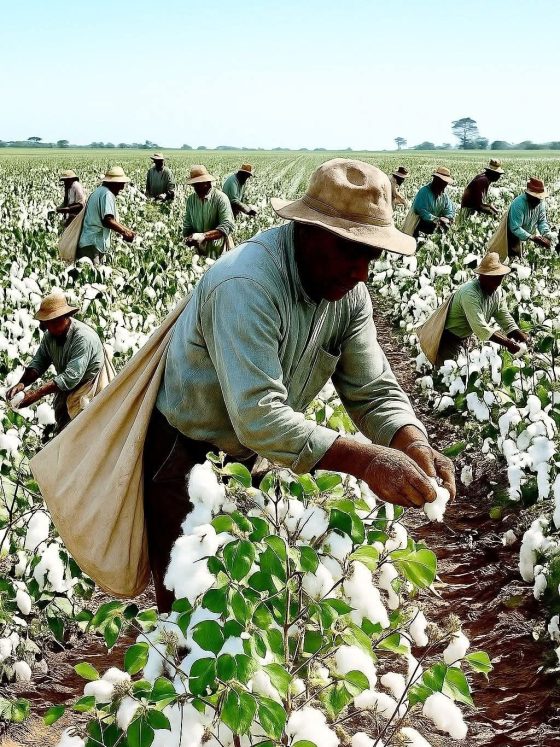
- Natural Dyes and Low Toxicity: Brands such as Osei-Duro (Ghana) and Dye Lab (Nigeria) promote the use of indigenous dyeing methods such as natural indigo and onion skins. This approach eliminates dependency on synthetic chemicals and significantly reduces the harmful wastewater produced by industrial textile wet processing.
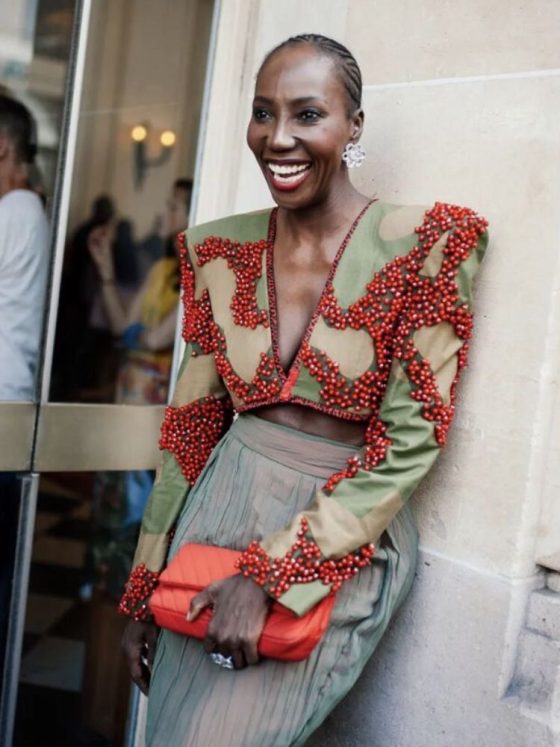
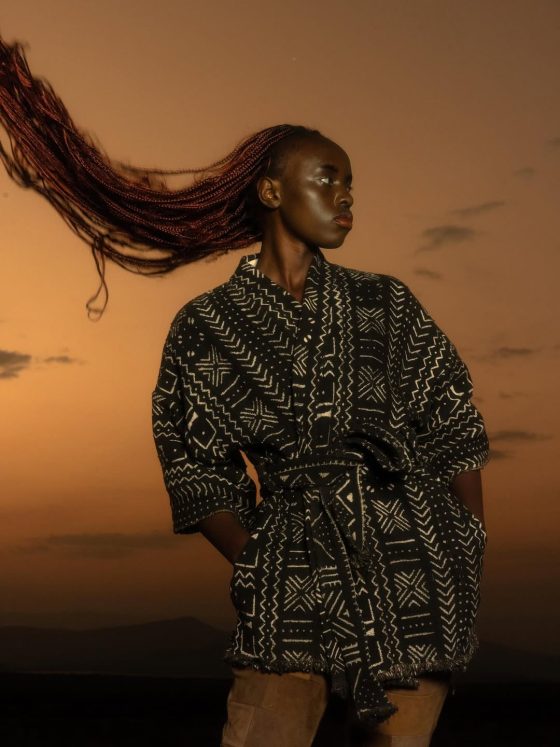
- MaXhosa Africa, a South African knitwear brand founded by Laduma Ngxokolo, illustrates its commitment to local, ethical fibre procurement, often reinterpreting traditional Xhosa designs through modern, sustainable knitting, developing local talent, and reducing its carbon footprint.
African design offers a reliable, historically successful model for a sustainable, low-impact luxury market by emphasising skilled craftsmanship and the independence of local artisans.
Waste as Wealth: The Circularity Masterclass
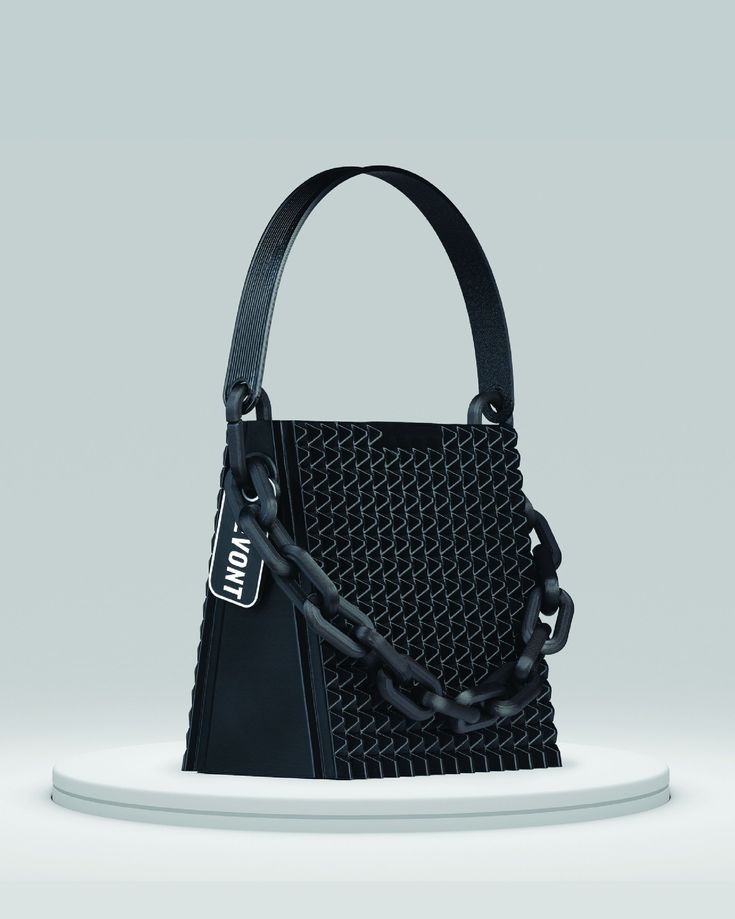
Africa is currently receiving millions of tonnes of wasted, low-quality Western garments, the literal garbage of the quick fashion cycle. However, imaginative African designers are not just cleaning up this problem; they are monetising it, turning a potential environmental disaster into a source of real, high-value luxury.
- Deconstructing Waste: Designers such as Nkwo Onwuka (Nigeria) based their brand, NKWO, on this concept. They collect offcuts, textile scraps, and damaged secondhand items from local marketplaces. Nkwo then experiments with traditional strip-weaving to produce a new, exclusive textile known as “Dakala Cloth,” effectively transforming waste into a patented, sumptuous new fabric. This technique directly addresses the dilemma of secondhand clothes, which are commonly thrown away in Africa.
- Aesthetic Alchemy: Similarly, the Egyptian accessories business, Reform Studio, addresses the significant plastic waste problem by inventing Plastex, a long-lasting, eco-friendly textile woven from discarded plastic bags and used for high-end accessories and furniture. They present a scalable solution to both material and social problems.
New Material Science: The Agricultural Advantage
The third phase of circular innovation entails replacing resource-intensive virgin materials with high-performance, sustainable alternatives derived from agricultural byproducts, thereby reducing environmental strain through vertical integration of the value chain.
- Biomaterial Future: Innovators are developing and implementing solutions based on locally available agricultural waste. Developing textiles from banana fibres (Uganda’s Texfad) or pineapple leaves (Piñatex) offers sustainable and ethical alternatives to traditional, water-intensive crops. This vertical integration reduces ecological pressure while keeping the value chain wholly inside the continent.
- This process, from intercepting foreign textile waste to innovating with local agricultural waste, confirms that African fashion is more than just embracing the circular economy; it is giving the world the most economically viable and culturally rich circularity stack.
ALSO READ:
- Global Fashion Investors Taking Over Luxury Markets
- Why Afro-Minimalism Is the New Global Luxury Aesthetic
The Global Design Mandate: A New Source of Authority

The inherent sustainability of African design eventually leads to a shift in global power dynamics. The luxury sector is transitioning from a scenario in which external consultants enforced sustainability requirements on African producers to one in which the industry is actively learning and implementing norms established by African precedents. This move from assistance recipient to provider of expertise is the final step in establishing afropolitan investment leadership as the world’s new methodological authority on design quality.
Institutional-Grade Blueprint
Longevity, low toxicity, and ethical sourcing are key components of the African approach, resulting in high-quality assets that attract global investment.
- Transparency and Provenance: By keeping traditional skills (such as hand-dyeing and hand-weaving) and using locally produced raw materials, African designers create a transparent, fully traceable supply chain that global capital requires. For example, This Is Us (Nigeria) is committed to transparent supply chains, preferring local resources such as Funtua cotton and natural indigo from Kano’s old dye pits. This resolves the traceability issue that has plagued major companies with fragmented worldwide manufacturing bases.
- Job Creation as an Environmental Strategy: Every brand featured, from NKWO and MaXhosa to the creators of Plastex, reveals the inextricable link between climate and social solutions. They are creating green jobs, ensuring artisanal sovereignty, and reversing the degradation caused by the imported textile waste dilemma by strengthening local artisanal cooperatives and converting waste into high-value products. This gives investors an unsurpassed social score.
Conclusion
African design is no longer merely a source of aesthetic inspiration; it is also the foundation for the next generation of climate-proof, financially viable design techniques. By demonstrating that luxury, ethical production, and resource efficiency can coexist, African fashion has established itself as the global model for luxury’s future, a future grounded in its past wisdom. The world is finally ready to pay a premium for the integrity and longevity inherent in culturally rooted design.
The accurate measure of climate-conscious design is longevity. For the full breakdown of the pre-industrial blueprint of textiles like Aso-Oke and Kente, read more on Omiren Styles’ analysis of this sustainable luxury model.
FAQs:
Q1. What is ‘Artisanal Sovereignty’?
A: Complete, ethical control over the luxury value chain. It ensures the profits and intellectual property remain with the African designer and local artisans.
Q2. Why is African fashion the “original circular economy”?
A: Its core design is based on longevity (heirlooms), local sourcing (natural dyes/fibres), and resourcefulness (upcycling). It’s inherently low-impact.
Q3. How do brands use waste for luxury?
A: They transform textile waste and agricultural byproducts (like banana fibres) into new, proprietary, high-value fabrics (Dakala Cloth, Plastex), turning problems into assets.
Q4. Why is this model better than traditional sustainability?
A: African design is an ancestral methodology, proven and built in. Its ethics and traceability are inherent, making it the most viable blueprint for the global ESG mandate.