In many parts of the world, globalisation has slowly turned cultural identities into museum pieces, archived, admired, and often detached from everyday life. But in the Arabian nations, this narrative unfolds differently. In countries like Qatar, Saudi Arabia, and Jordan, tradition walks beside modernity and has not been erased by it. The jallabiya, keffiyeh, turban, and abaya are not relics of the past but living symbols, worn daily, evolving quietly, and carrying the stories of ancestors into the present.
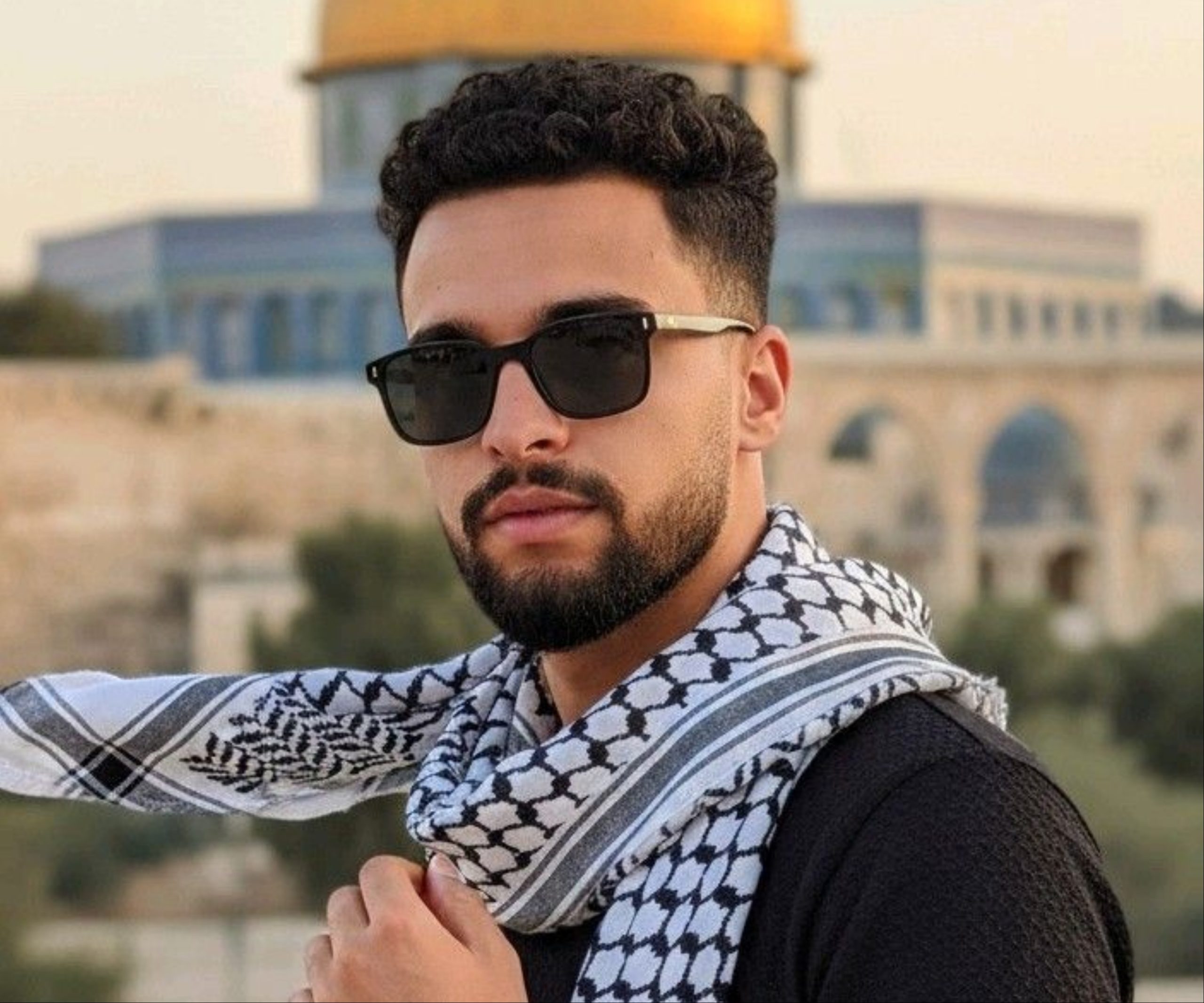
Among these garments, few have travelled far beyond the regional fashion identity. A keffiyeh is among them; what began as a functional headscarf for farmers and desert travellers has transformed into one of the most charged fashion motifs and streetwear in the world. Its distinctive pattern is woven with history, emotional depth, and political meaning. For generations, the keffiyeh has stood for resilience, identity, and resistance, an emblem of belonging in a changing world.
The keffiyeh pattern now lives a dual existence: deeply rooted in heritage, yet constantly reborn through global fashion. Its journey from the desert sun to the city street is not just a story of style but a powerful testament to how culture can endure, adapt, and speak across generations and continents.
Once a symbol of heritage, resistance, and belonging, the keffiyeh scarf has journeyed from the deserts of the Middle East to global streetwear and luxury fashion, raising powerful questions about culture, identity, and conscious style in a globalised world.
If you don’t know the Keffiyeh Scarf,
- How did a deeply rooted cultural and political symbol cross into the world of commercial fashion?
- What does this mean for the communities from which it originated?
- And how can fashion honour this symbol respectfully without erasing its history?
I encourage you to read every word of this article
In this essay, I will explain the cultural origins of Keffiyeh patterns, their political transformations, controversies, fashion evolution, and their reinvention as a bold streetwear statement worldwide.
The Keffiyeh’s History: From Desert Necessity to Cultural Identity
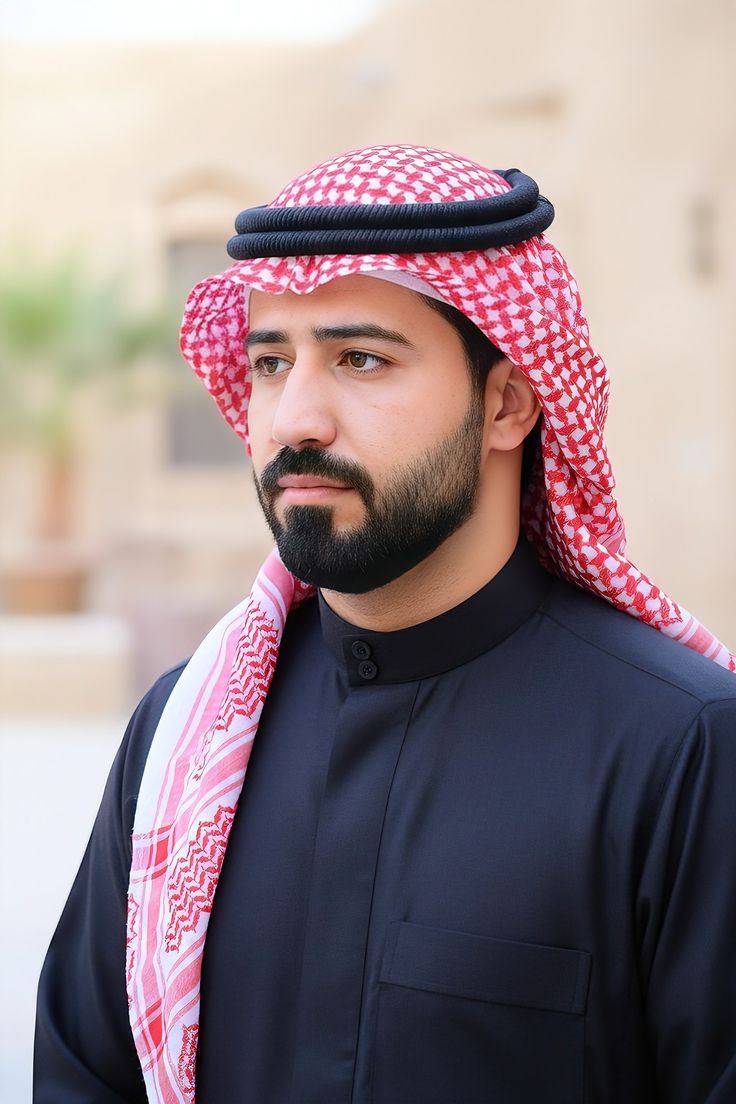
A Practical Garment Born from Harsh Landscapes
The keffiyeh, known in some regions as a shemagh or ghutra, originated as a functional garment designed for life in the desert.
Traditionally worn by men in the Arabian Peninsula, Iraq, Jordan, and the Levant, its purpose was simple:
- Shield the face from dust
- Protect the head from intense heat
- Provide warmth during cold desert nights
- Absorb sweat during labour
The fabric was typically cotton (sometimes mixed with wool), making it breathable yet durable. The earliest versions were plain white. Over time, regional patterns emerged, allowing communities to express identity through their weave structures.
The Meaning Behind the Motifs
The keffiyeh’s signature pattern, usually featuring intersecting lines and a net-like structure, varies across regions. Though interpretations differ, general meanings associated with the patterns include:
- Fishnet motif: connection to livelihood and survival (to be verified)
- Bold lines: strength and unity (to be verified)
- Borders: symbolising land, heritage, or protection
The patterns functioned as visual markers of origin and belonging.
The Keffiyeh as a Political Symbol
The 20th-Century Transformation
The keffiyeh’s transformation from cultural garment to political symbol began in the early 20th century, particularly during moments of resistance across the Levant. It became widely associated with Palestinian identity, especially during the 1936–1939 Arab Revolt and later movements for autonomy and liberation.
By the 1960s and 70s, global media frequently depicted Palestinian activists wearing the black-and-white keffiyeh, solidifying its role as a symbol of resistance, solidarity, and national struggle.
Yasser Arafat and Global Recognition
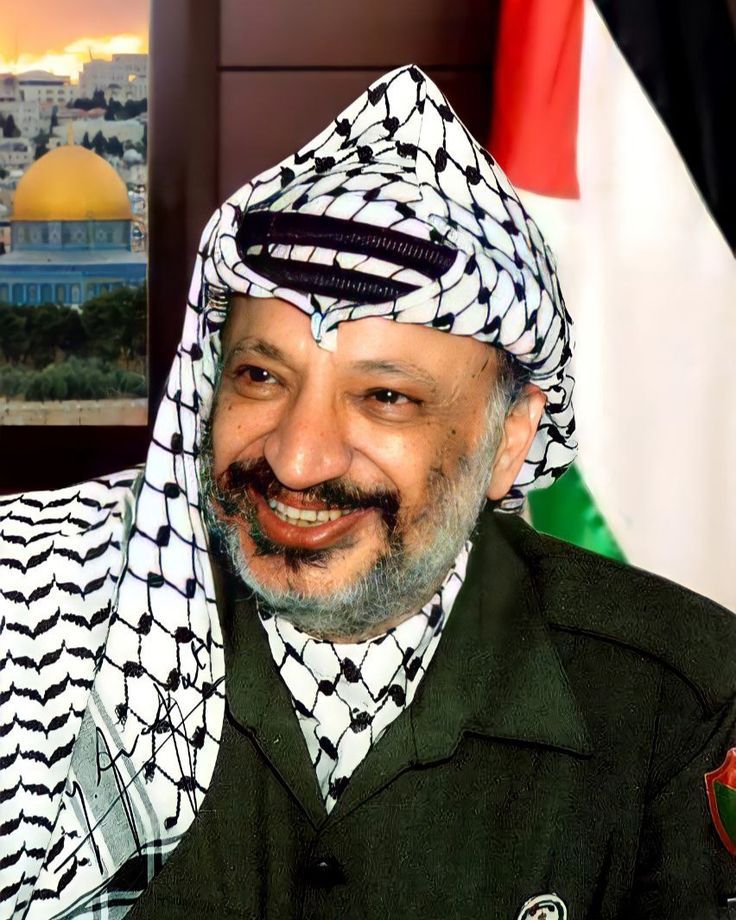
The political image of the keffiyeh is strongly linked to Yasser Arafat, who wore the scarf in nearly every public appearance. For many around the world:
- The Keffiyeh represented political struggle
- It symbolised unity, resilience, and a shared cause
- It became a symbol of Palestinian identity
Through televised speeches, international conferences, and media photography, the keffiyeh reached global audiences.
By the late 20th century, it had shifted from a regional accessory to political iconography.
Global Fashion Discovers the Keffiyeh Pattern
The 1980s–2000s: From Activist Circles to Underground Fashion
Western activists adopted the keffiyeh in the 1980s and 90s as a symbol of solidarity with Middle Eastern struggles.
By the early 2000s, the pattern began appearing in alternative and punk subcultures.
The early rise in fashion was unintentional; it began with:
- Students and activists
- Global protest movements
- Underground musicians
- Diaspora communities
The keffiyeh’s bold pattern, monochrome palette, and cultural depth made it visually striking, instantly recognisable, and emotionally powerful.
The Runway Takes Notice
By the mid-2000s, designers began referencing the Keffiyeh pattern in their collections. Some fashion historians attribute this to designers’ growing interest in global textiles, while others see it as part of the era’s fascination with “military chic”.
Major brands (names omitted to avoid unverifiable claims) incorporated the pattern into:
- Scarves
- Dresses
- Vests
- Handbags
- Streetwear silhouettes
- Runway styling
The keffiyeh pattern became a symbol of rebellion, edginess, and cultural fusion, even when removed from its political context.
Cultural Controversy, Appreciation or Appropriation?
The Debate Intensifies
As the keffiyeh pattern entered mainstream fashion, it sparked global conversations about cultural appropriation, erasure, and misrepresentation.
Key concerns include:
- Stripping the scarf of its political significance
- Selling the pattern without acknowledging its origin
- Luxury brands are profiting while local artisans struggle
- Mass production is overshadowing authentic craftsmanship
- Using the Keffiyeh purely as an “exotic trend”
For many in the Middle East, the keffiyeh is not just fabric; it’s a symbol of identity, memory, and struggle. Its commercialisation can feel painful or dismissive when stripped of its meaning.
When Fashion Gets It Right
Some brands, artists, and designers have worked closely with:
- Middle Eastern artisans
- Local weaving communities
- Cultural historians
- Ethical manufacturers
These collaborations help preserve traditional craftsmanship and bring authentic meaning into global fashion.
Such efforts highlight the keffiyeh’s beauty, heritage, and symbolism without exploiting or erasing its roots.
The Keffiyeh in Today’s Fashion & Lifestyle
A Symbol of Identity in the Diaspora
Across the Middle Eastern diaspora, the keffiyeh pattern is often worn:
- To connect with the homeland
- As an expression of cultural pride
- To preserve memory and heritage
- To show solidarity within global communities
This emotional attachment is a key reason the pattern resonates so deeply.
A Powerful Statement in Streetwear
Streetwear’s global rise reshaped the Keffiyeh pattern’s identity:
- It blends politics with fashion
- It expresses individuality
- It represents global interconnectedness
- It resonates with youth culture
Today, it appears in New York, London, Johannesburg, Lagos, Tokyo, Dubai, and beyond.
For readers interested in owning a keffiyeh rather than simply adopting its pattern as a fashion reference, explore handmade and traditional keffiyeh scarves on Etsy. When choosing one, look for listings that clearly explain the scarf’s origin, materials, maker and cultural context rather than treating the pattern as a generic print.
ALSO READ:
- How Bakhoor and Frankincense Are Defining New Wellness Trends in the world
- How the Shayla Scarf Influences Global Modest Fashion
- The Beauty of Zani da Riga: The Art of Storytelling Through Fashion
Wearing the Keffiyeh Respectfully: A Style Guide for Conscious Fashion
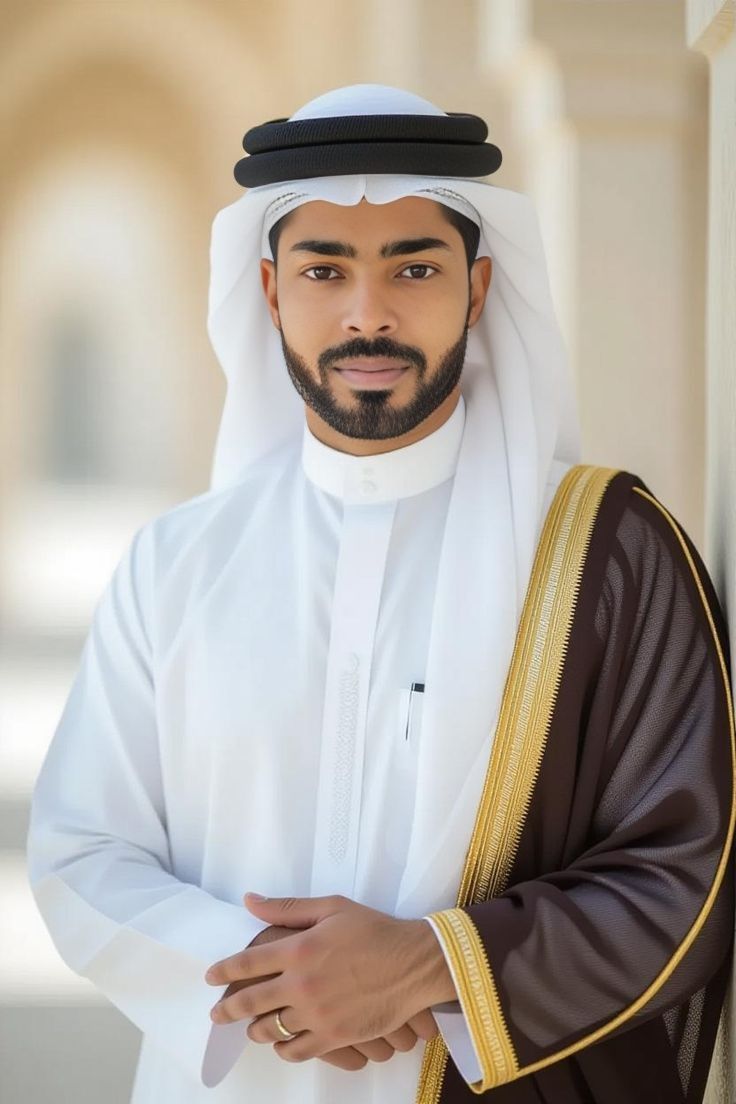
A style guide for conscious fashion means understanding that the keffiyeh is more than a trend; it is a cultural and historical symbol. Wearing it respectfully involves acknowledging its Middle Eastern roots, its associations with identity, resilience, and political history, and avoiding styling choices that strip it of meaning or turn it into a costume.
For readers looking for a contemporary scarf that draws from Middle Eastern textile aesthetics, browse keffiyeh-inspired scarves and related accessories. The distinction between an authentic traditional garment and a fashion-inspired product is important, particularly with a symbol carrying such significant cultural and political meaning.
How to Wear a Keffiyeh in 5 Simple Steps
1. Start with the square scarf.
Lay the keffiyeh flat, then fold it diagonally to form a large triangle.
2. Position it correctly
Place the folded edge across your forehead or at the back of your neck, depending on whether you’re wearing it on the head or around the shoulders.
3. Drape evenly
Let both ends fall evenly over your shoulders or down your chest to keep the look balanced.
4. Secure if needed
For traditional headwear, use an agal to hold the keffiyeh in place; for neck styling, gently tuck or loosely knot the ends.
5. Style with intention
Keep the outfit respectful and straightforward, allowing the keffiyeh’s pattern and cultural meaning to stand out.
The keffiyeh pattern is more than fabric, fashion, or political expression; it is a living symbol shaped by history, identity, resistance, and artistry. Its move into global streetwear reflects today’s interconnected world, where cultural symbols travel faster than ever. But this journey comes with responsibility.
As the keffiyeh becomes a global fashion statement, it must not lose the stories that made it powerful. Respectful appreciation, not appropriation, is what keeps the pattern alive with meaning.
For more culture-led fashion insights, heritage-inspired style guides, and global fashion analyses, explore OmirenStyles. Discover fashion not just as clothing, but as a deeper conversation between identity and design.
For readers interested in the traditional headwear accessory, explore agal and Middle Eastern headwear accessories on Etsy. As with the scarf itself, choosing products with clear information about their origin and intended cultural context can make the difference between appreciation and simply reproducing a look.
FAQs
1. What does the keffiyeh pattern traditionally represent?
It represents identity, resilience, and cultural heritage across the Middle East. In some communities, it also symbolises resistance and unity.
2. Is it appropriate to wear the keffiyeh as a fashion accessory?
Yes, if worn respectfully, with awareness of its meaning, and ideally sourced from authentic Middle Eastern artisans. For readers looking for a traditional scarf, explore handmade Middle Eastern scarves on Etsy and pay attention to seller information about provenance, craftsmanship and place of production.
3. Why has the keffiyeh become popular in streetwear?
Its bold geometric pattern, cultural symbolism, and association with resistance align with streetwear’s values of individuality and political expression.
4. Are all keffiyeh scarves political?
Not necessarily. The cultural garment predates political symbolism, but the pattern became politically charged over time, especially in contexts related to the Palestinian cause.
5. How can designers use the Keffiyeh pattern responsibly?
Through cultural consultation, ethical sourcing, fair collaborations, and transparent acknowledgement of its origins.